 Our Family


 Italiano
 Deutsch










 GALLERY


 Contact
Iacopo Rossi
 +39 0575 788948

CASTLE OF CHIUSI DELLA VERNA FOR SALE IN CASENTINO, TUSCANY






 Back to list


Ref. 3115 Castello di Chiusi della Verna
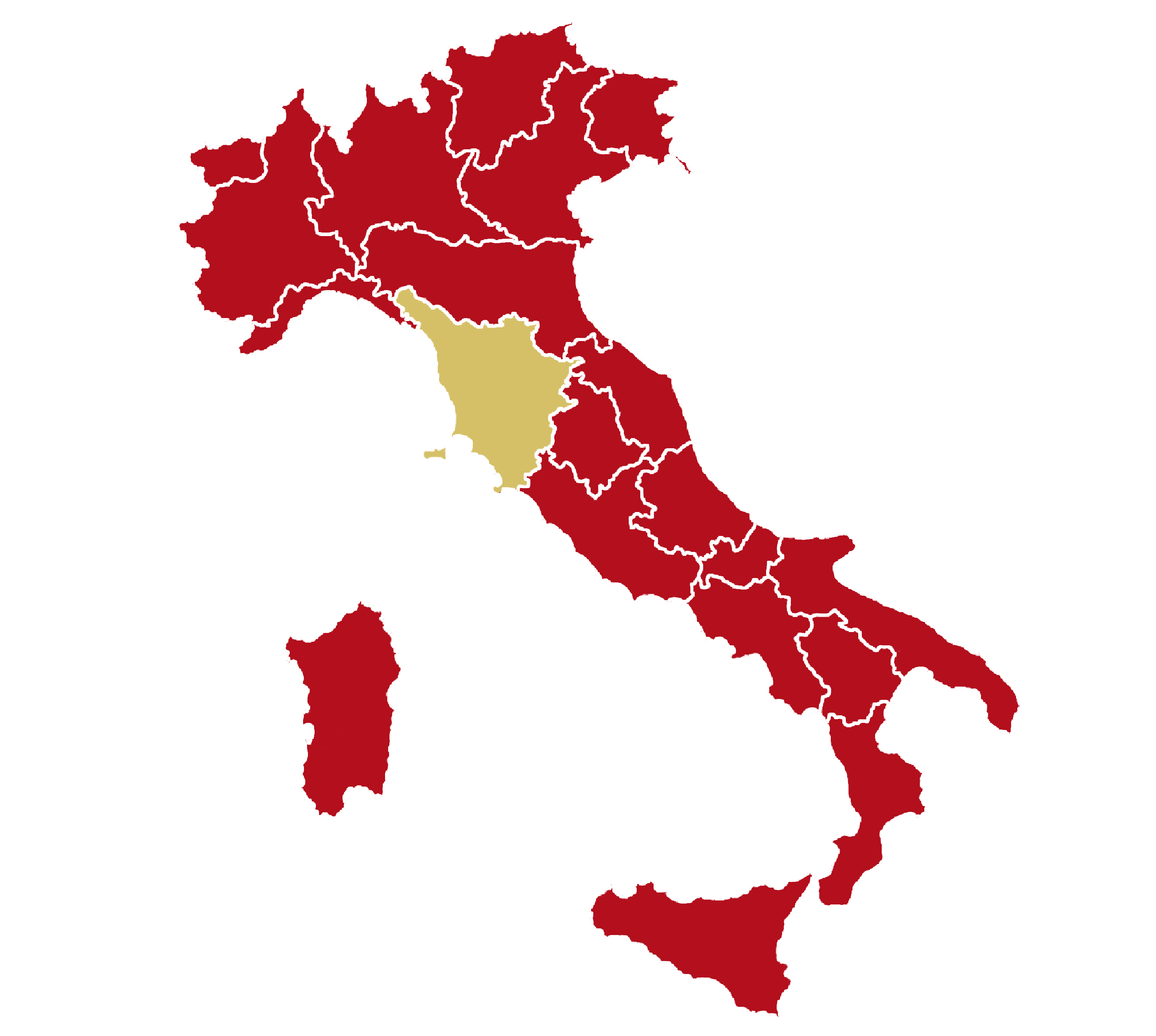
Tuscany - Arezzo - Chiusi della Verna
Asking price:
€ 140,000
Currency:

 Share
Share
 PROPERTY ALERT
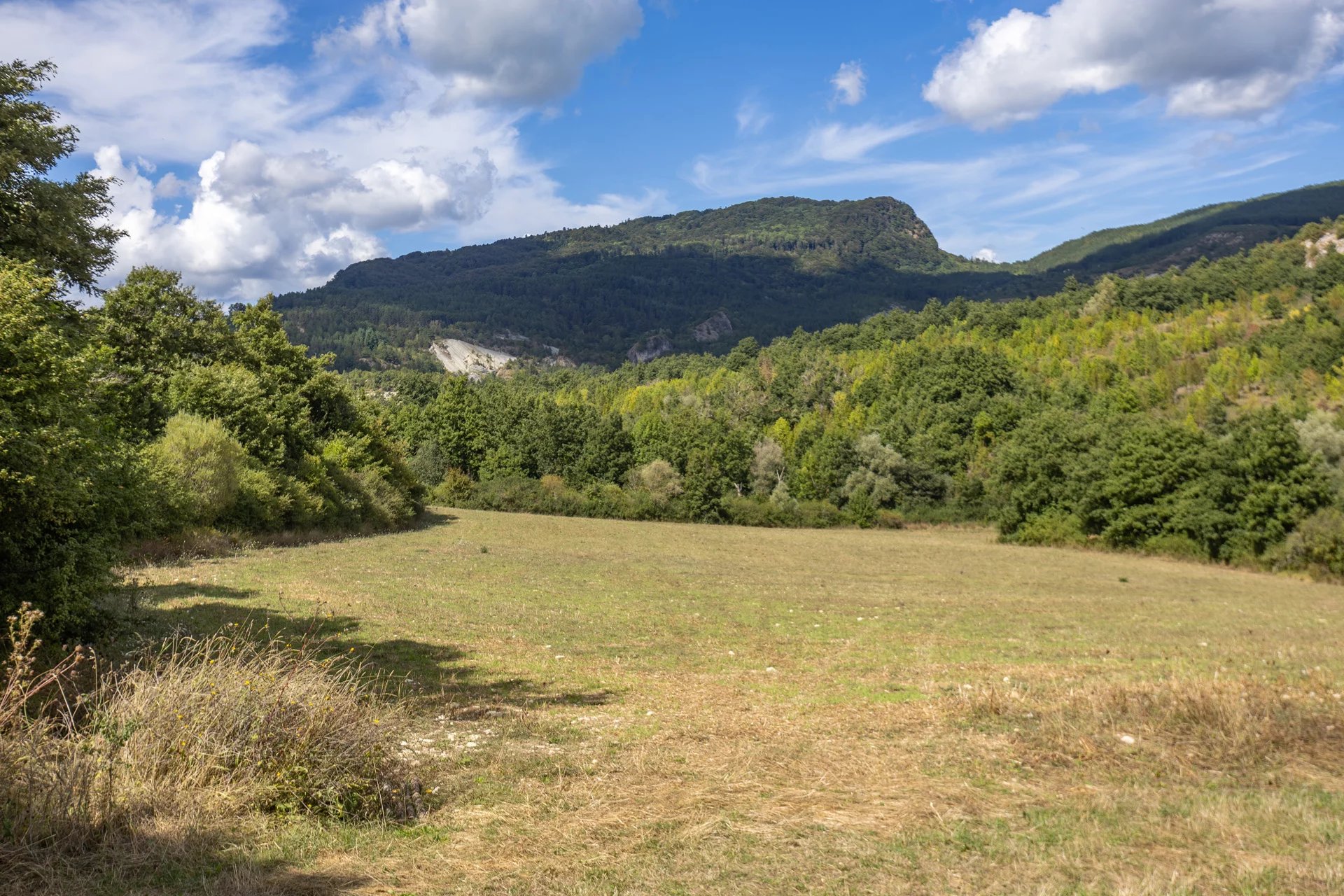
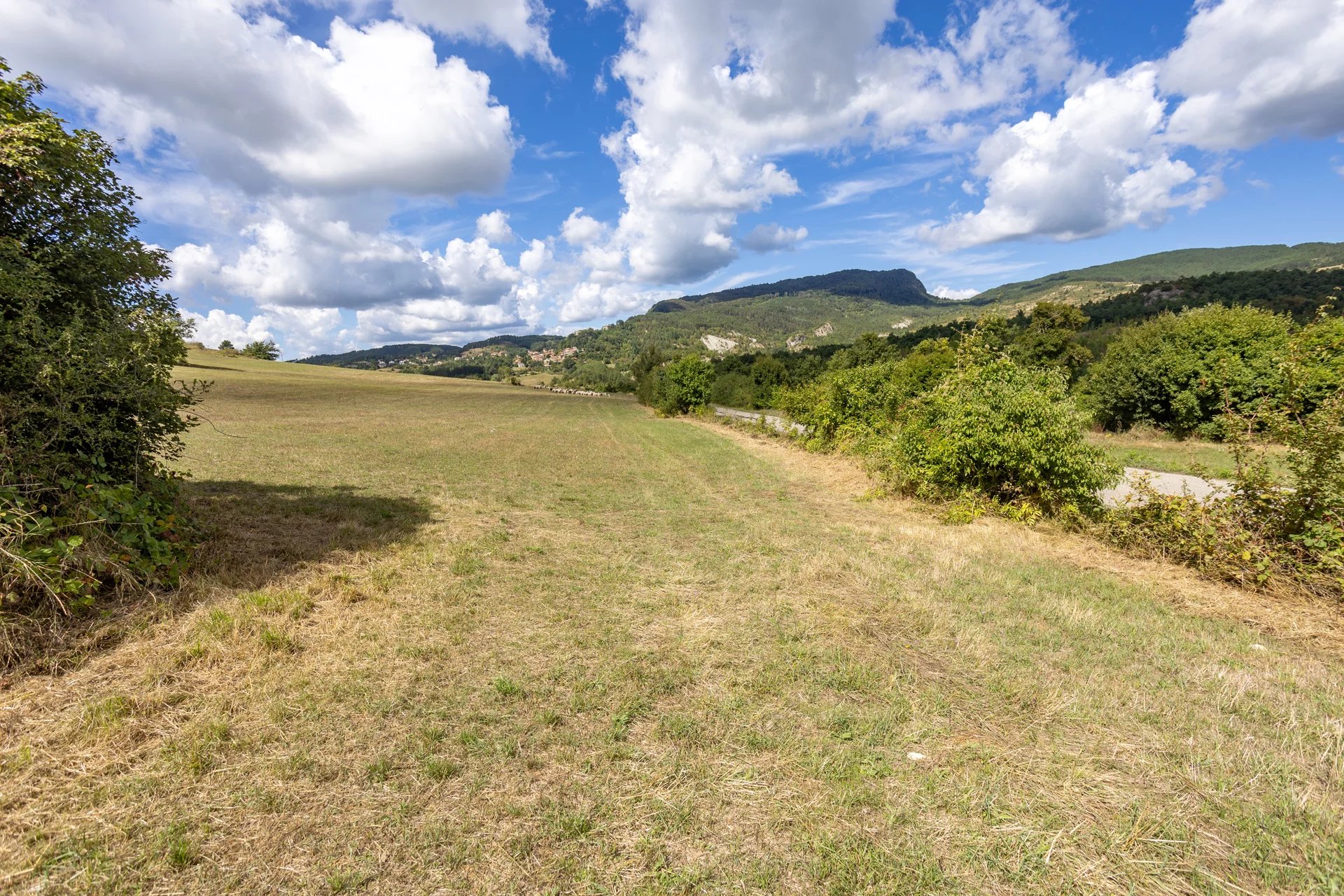
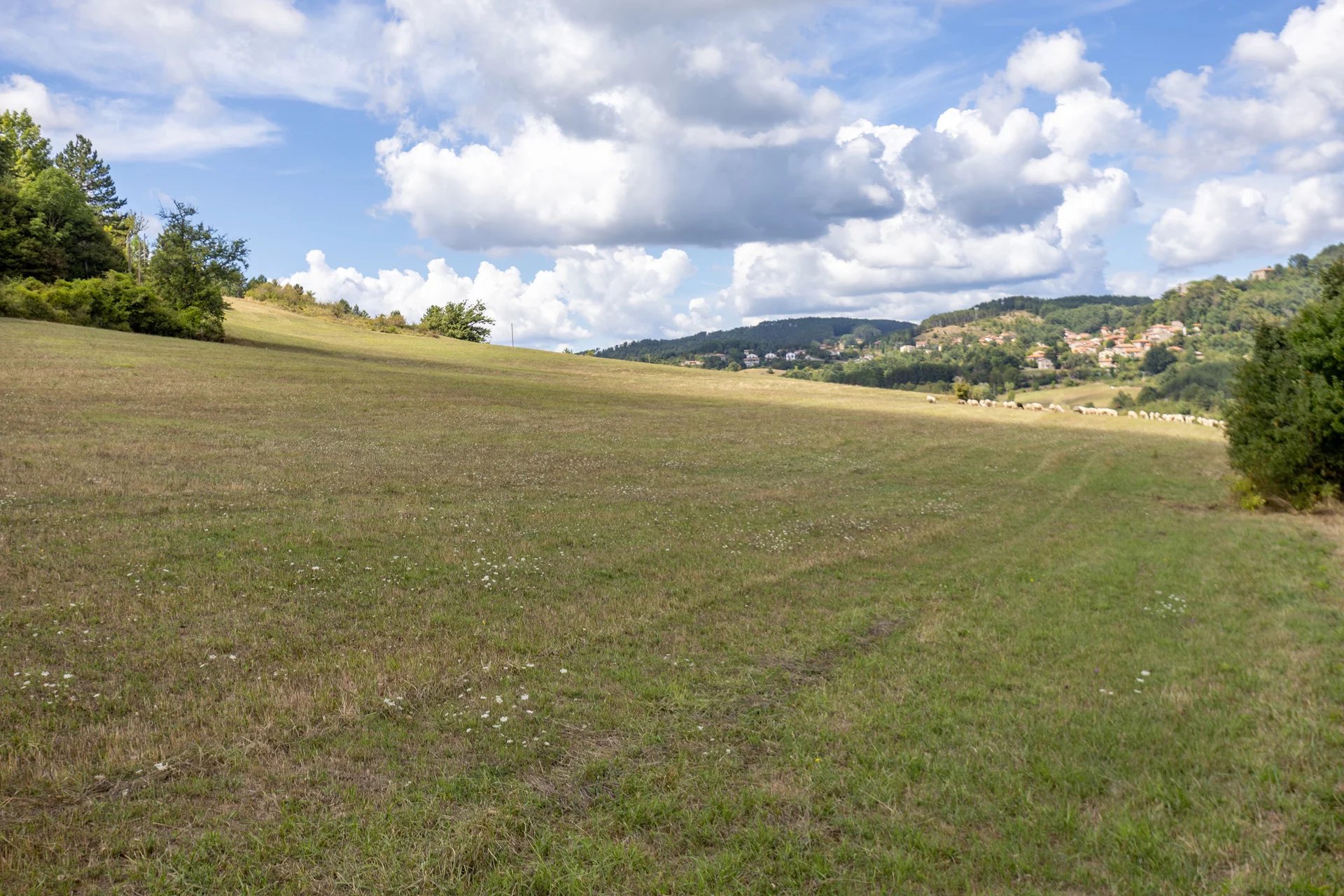
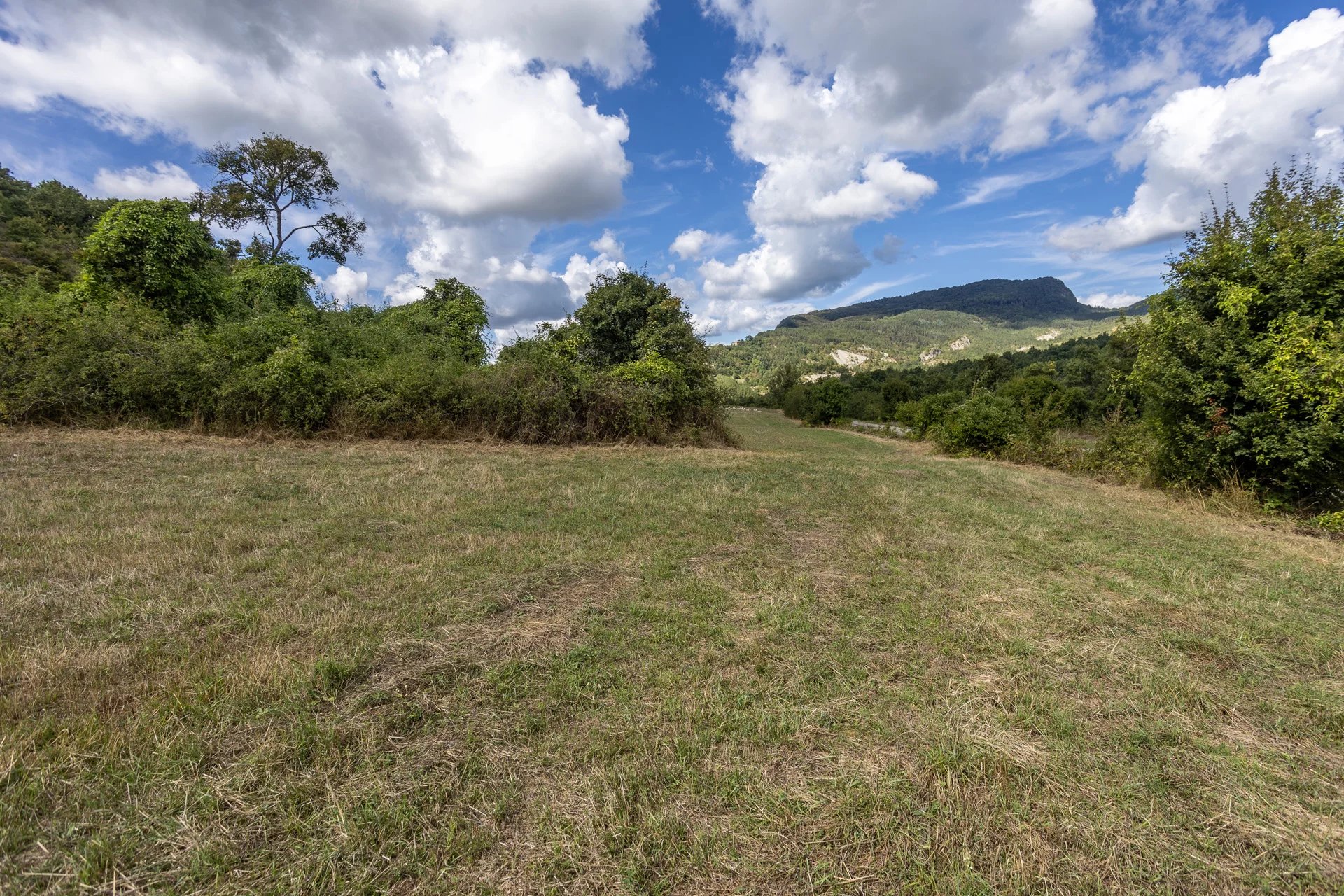
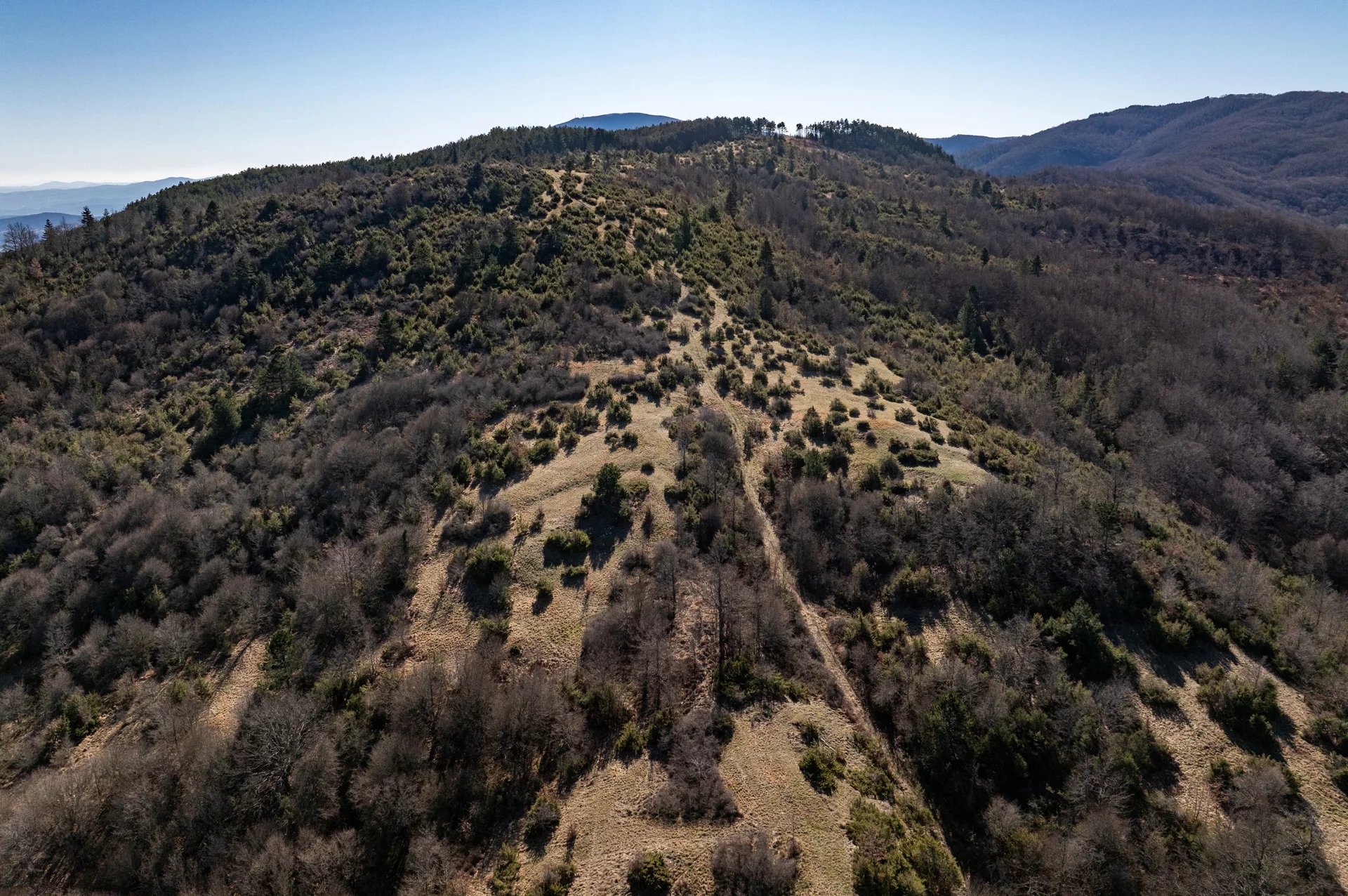
 EXTERIORS: 4,530 sqm (48,760 sqft)
 Bedrooms: 0
 Bathrooms: 0
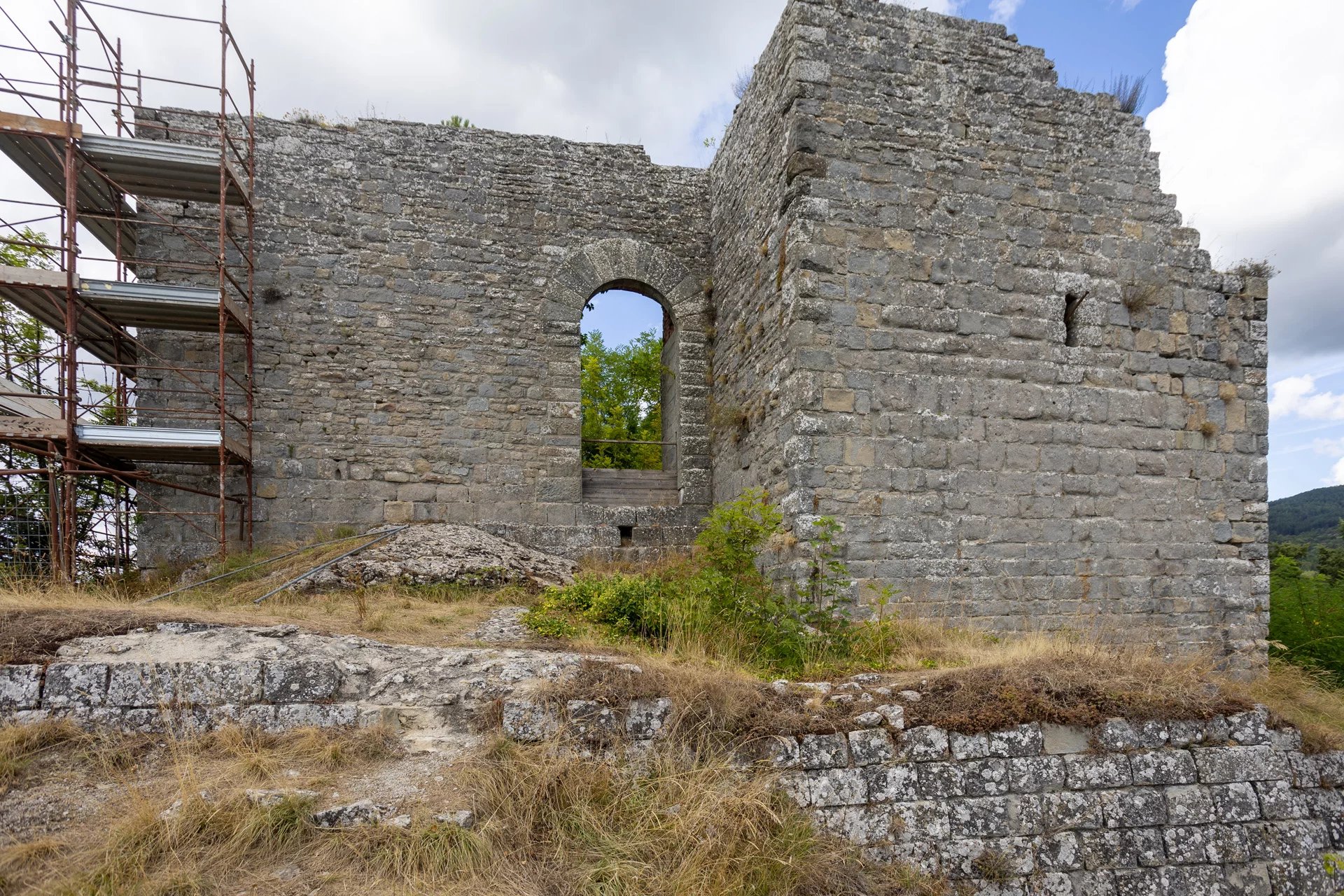
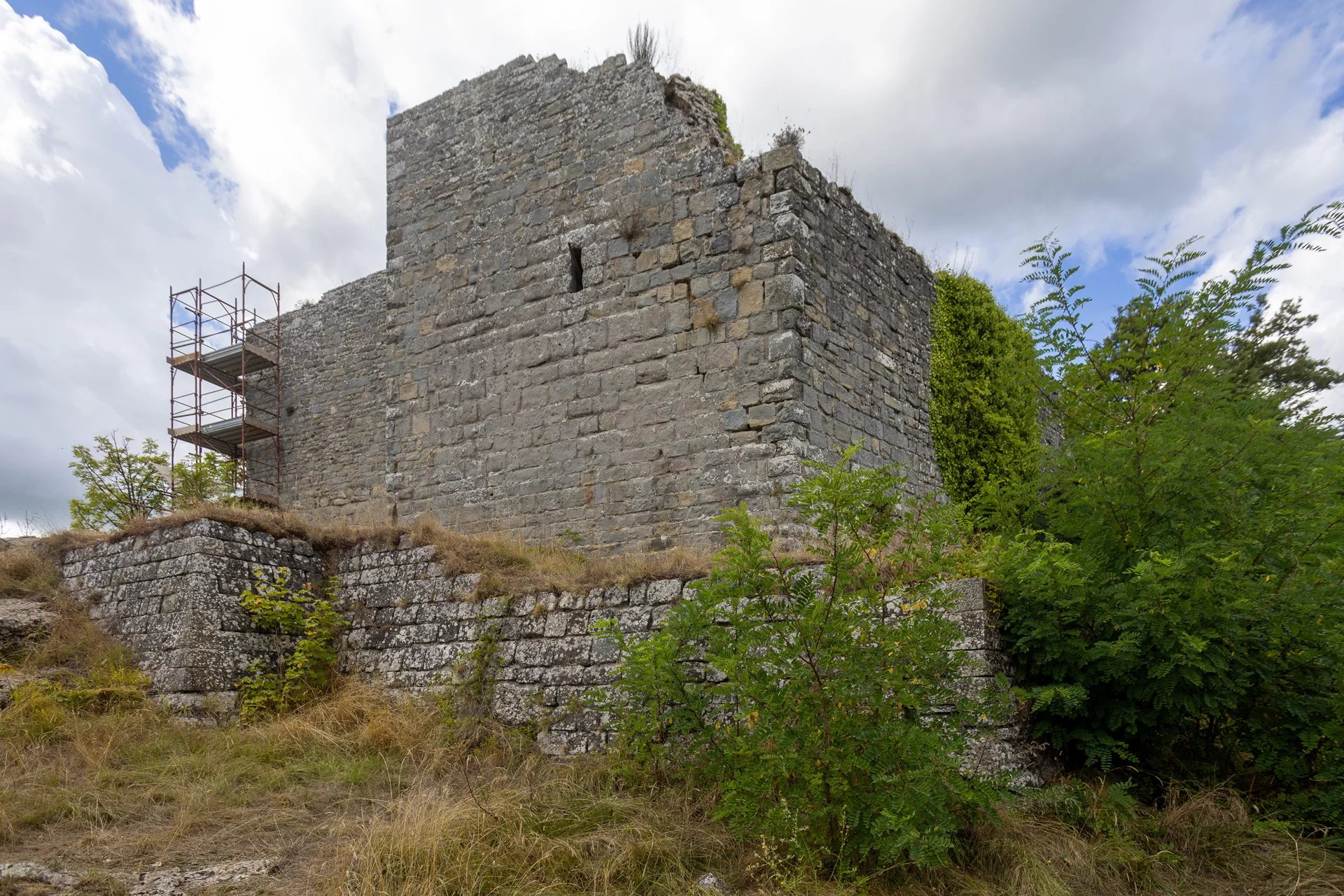
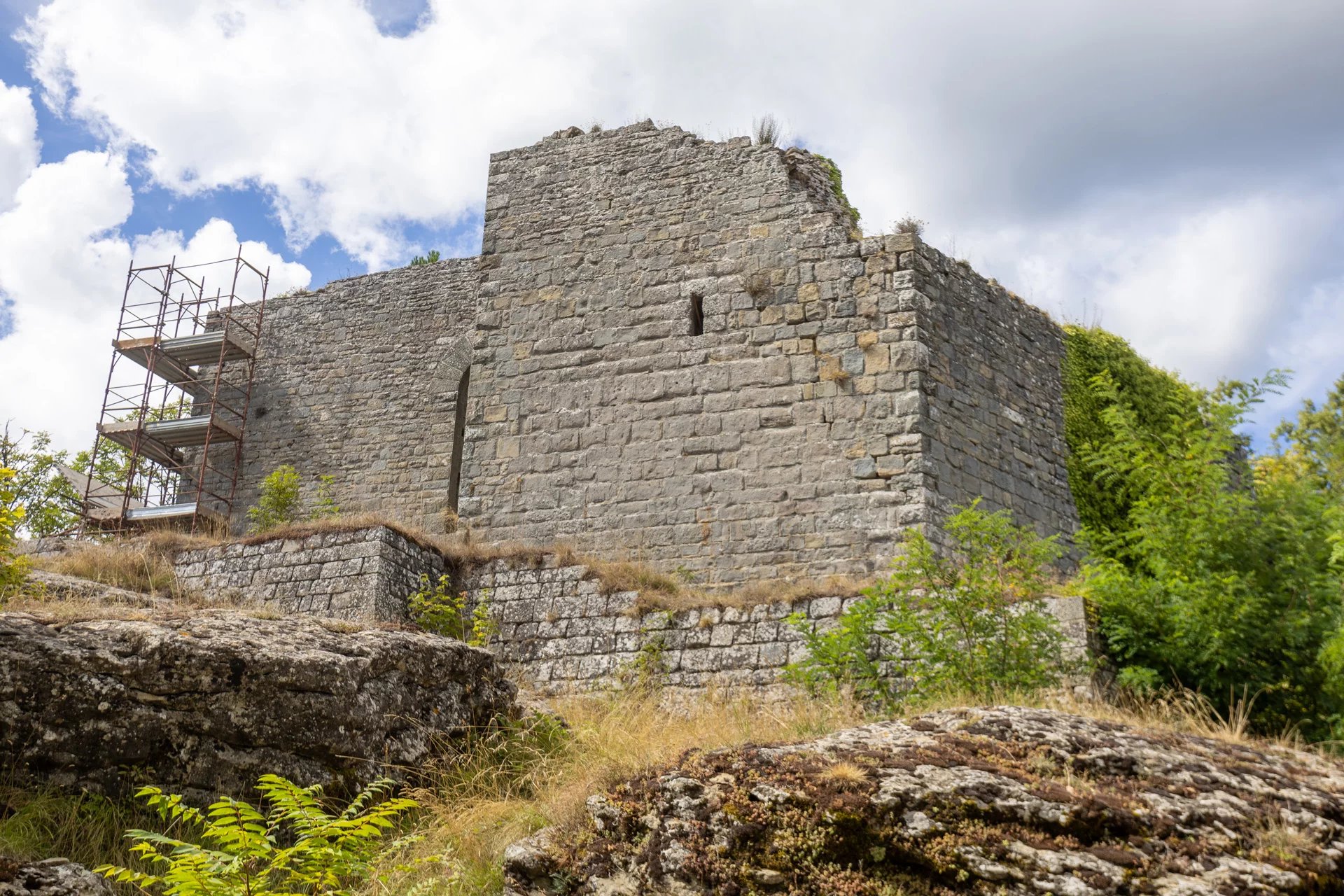
 Condition : Requires renovation
 Heating:
Without
Heating:
Without
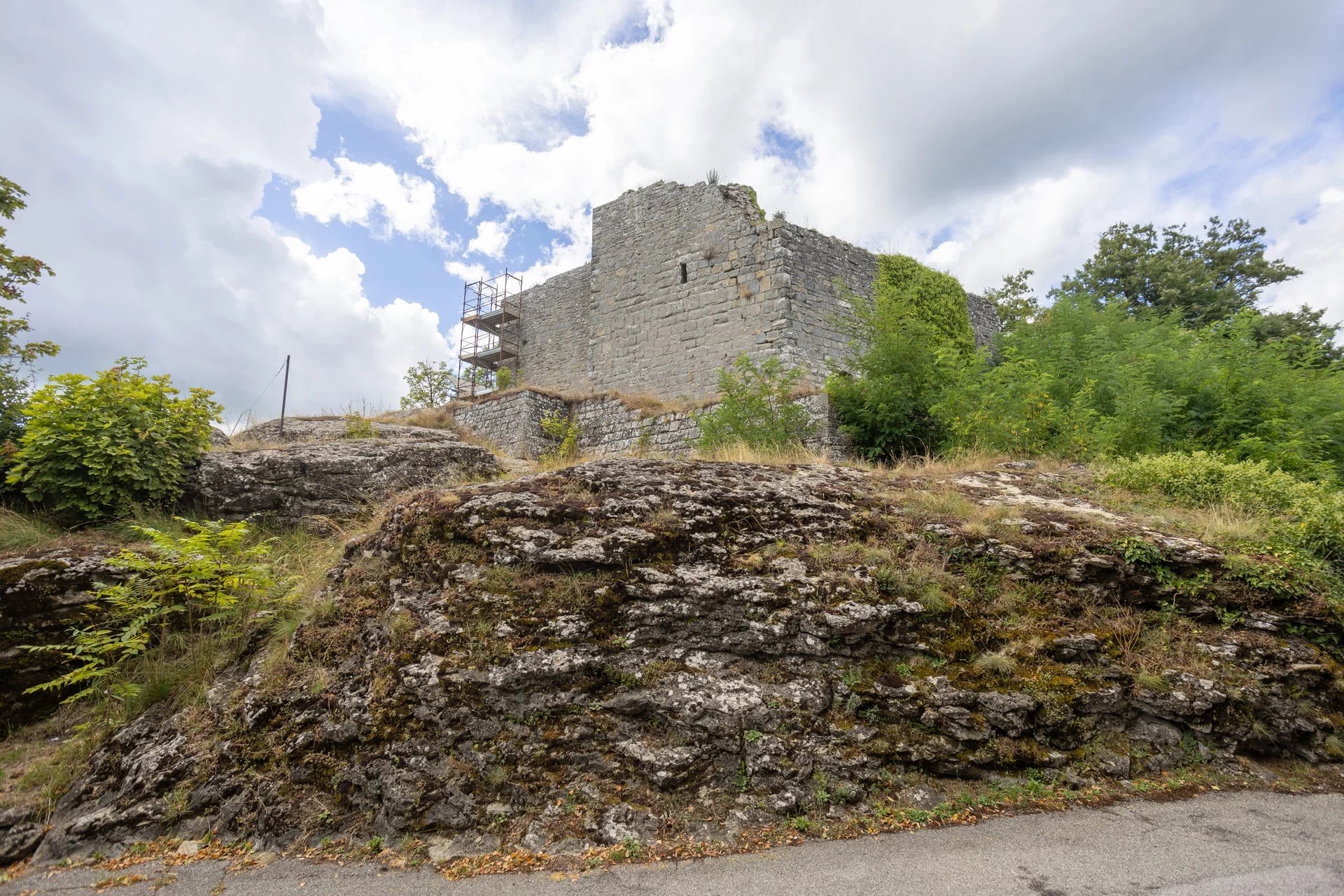
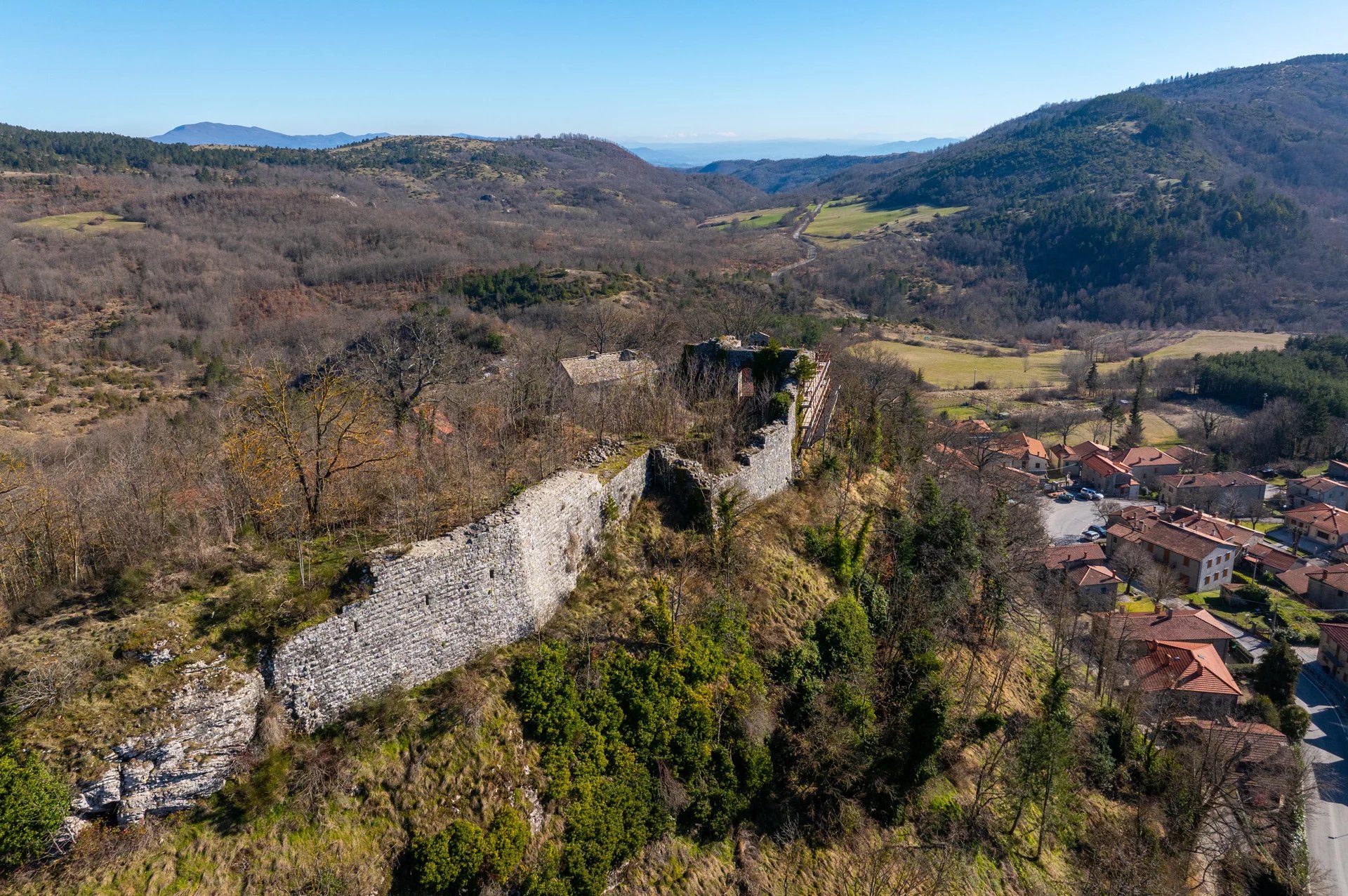
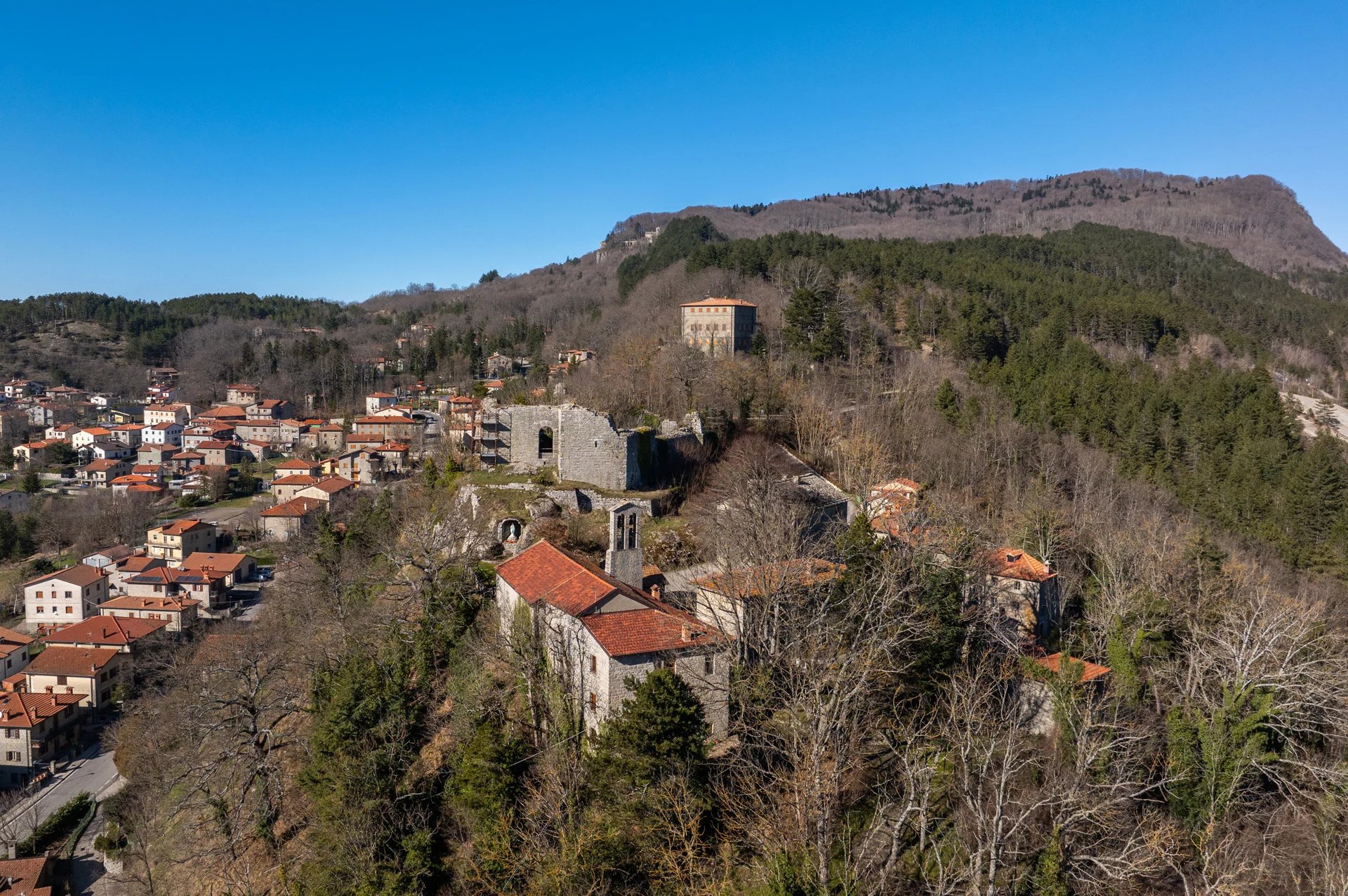
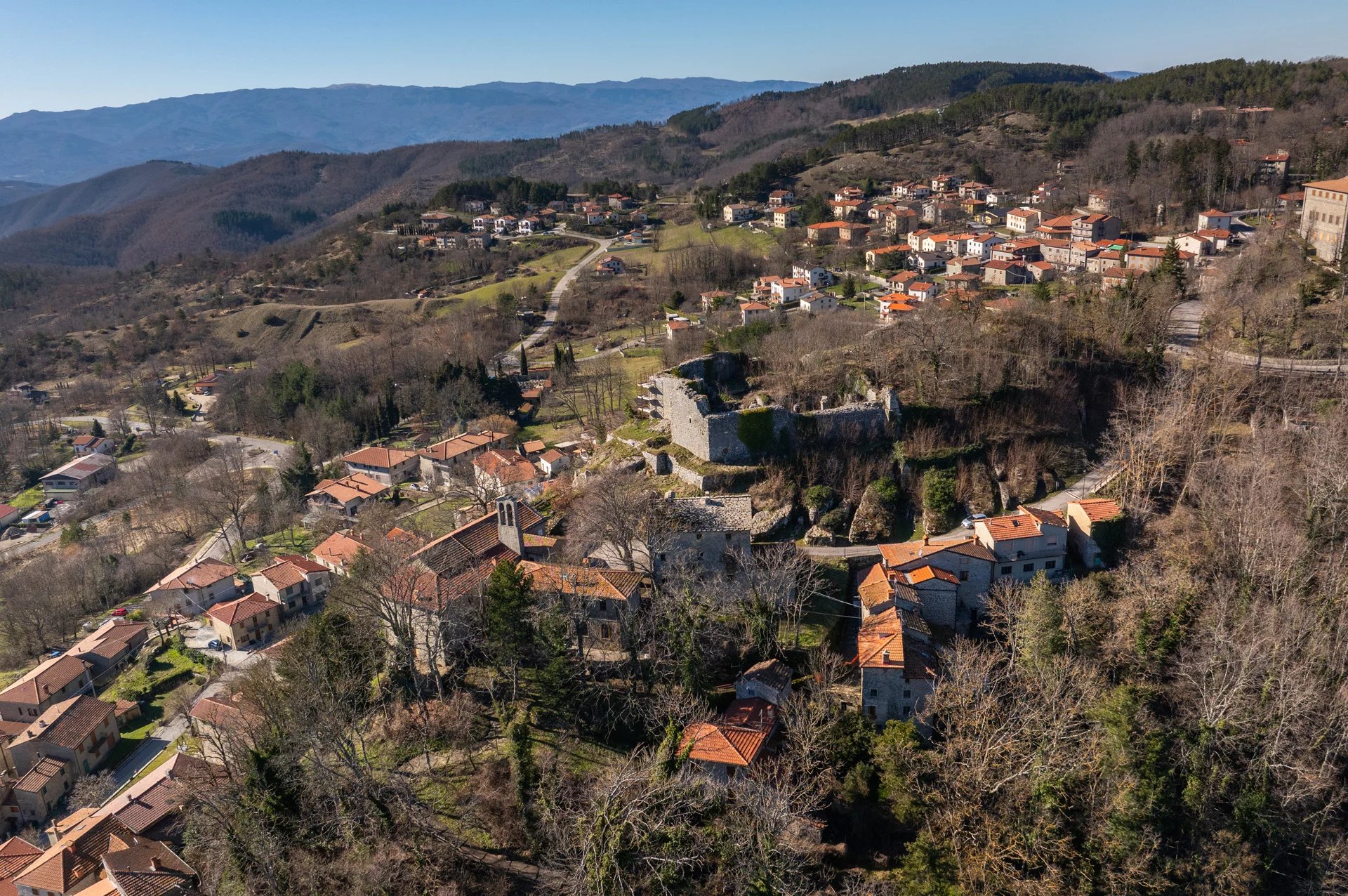
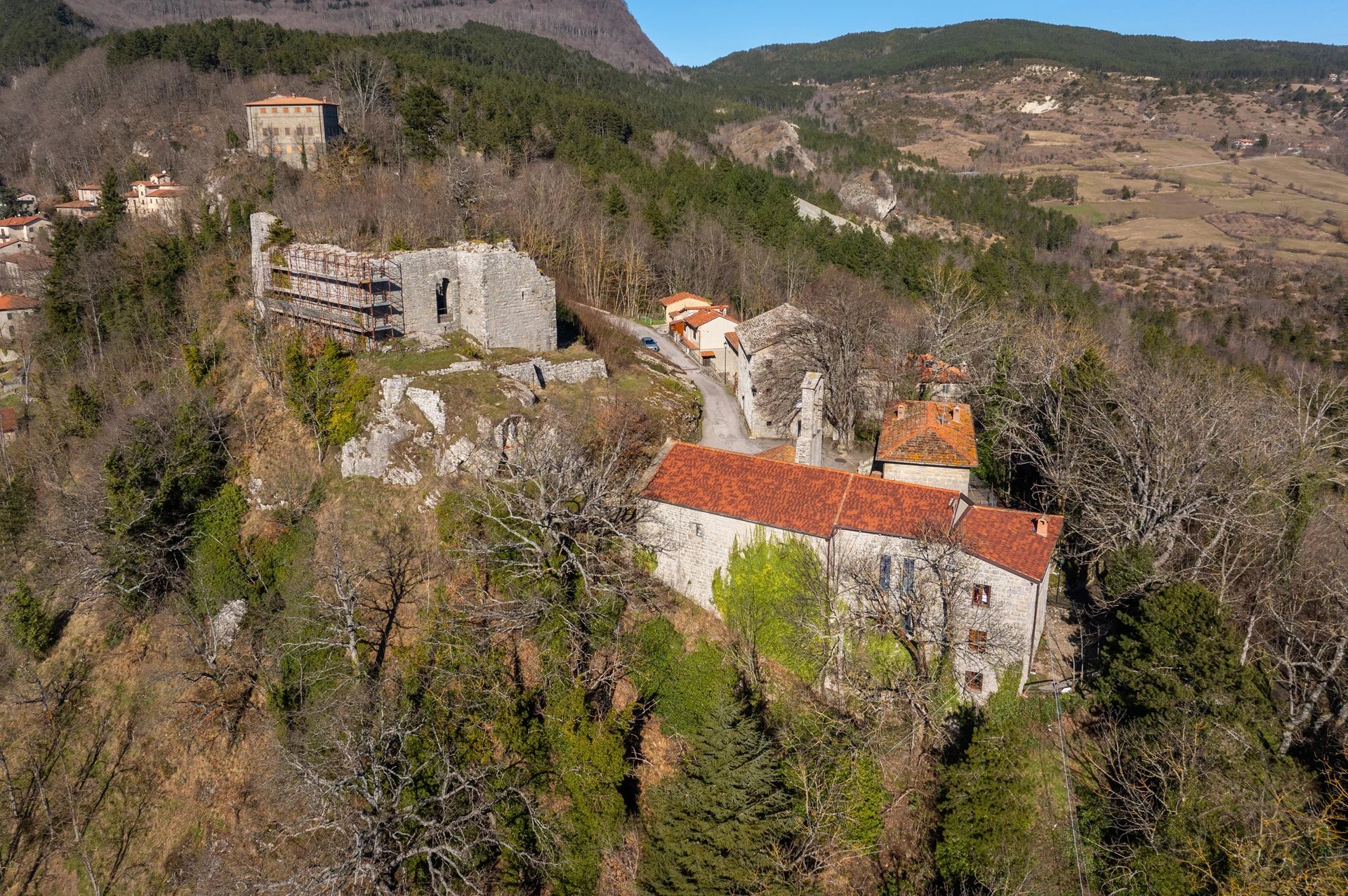
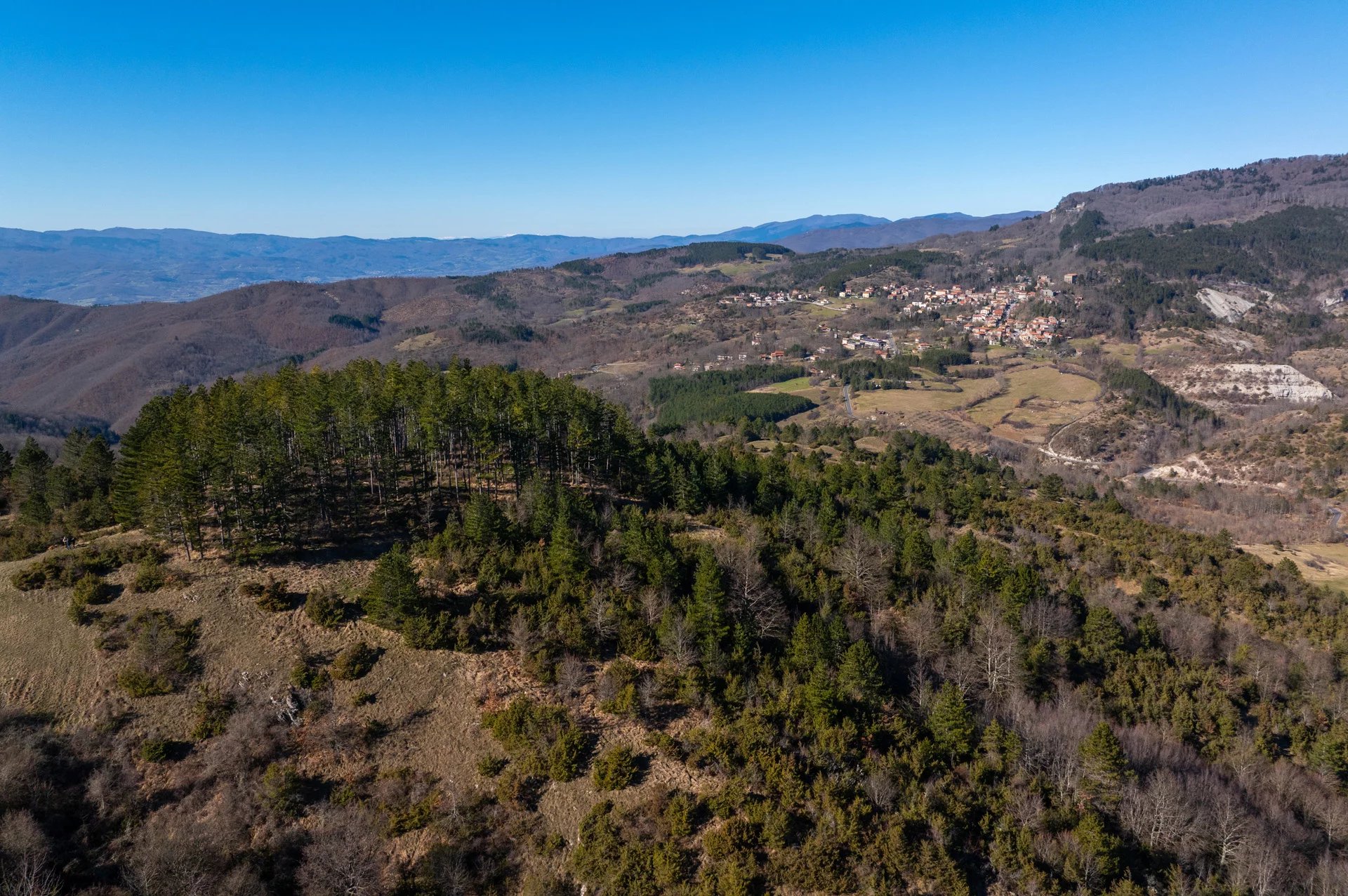
At the highest part of the ancient village of Chiusi della Verna, in the heart of Casentino and in a context of extraordinary naturalistic interest, the Castle of Chiusi della Verna represents an authentic piece of Tuscan history. Once belonging to Count Orlando Cattani, the castle dominates the surrounding landscape from a privileged position.
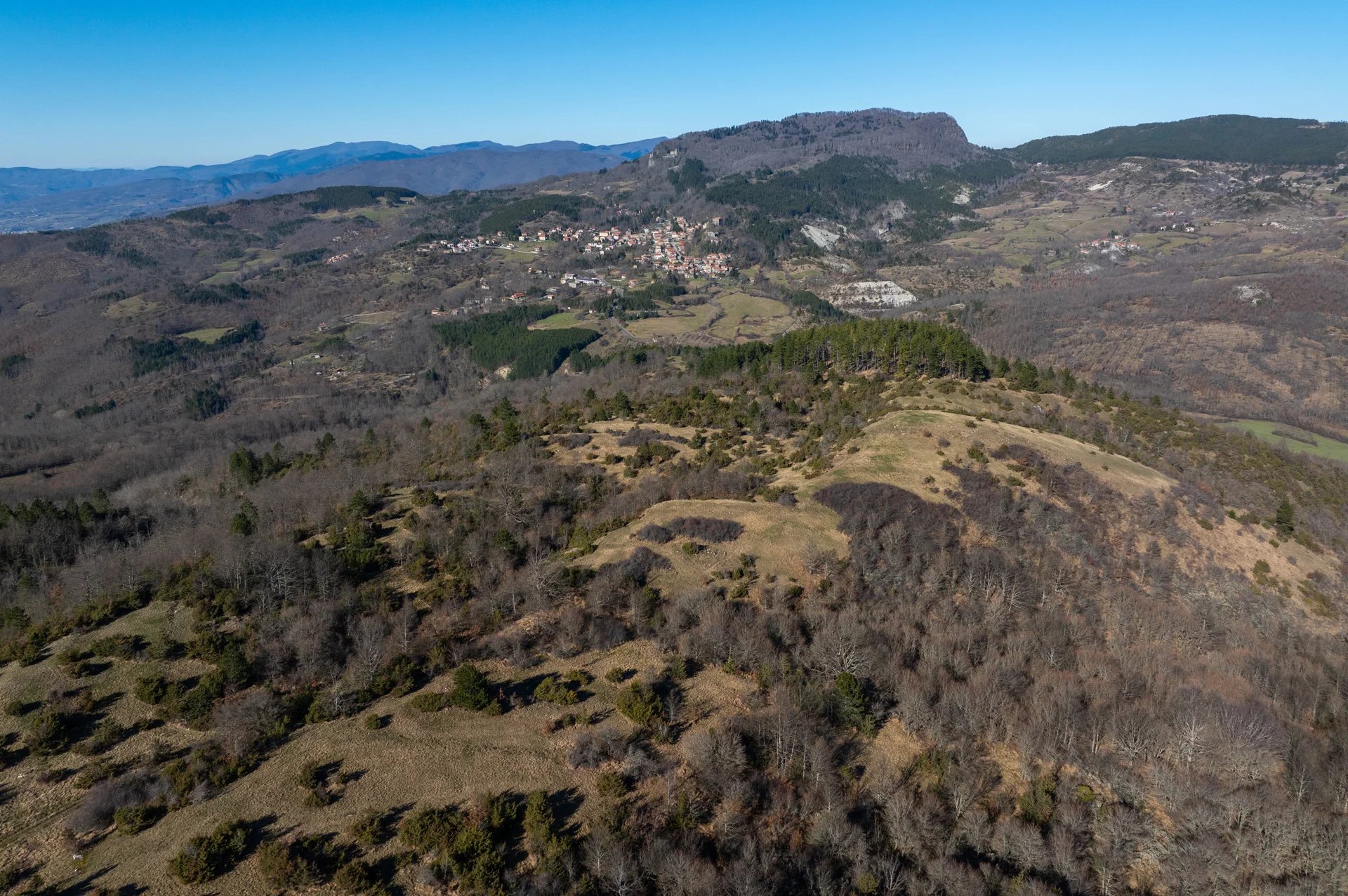
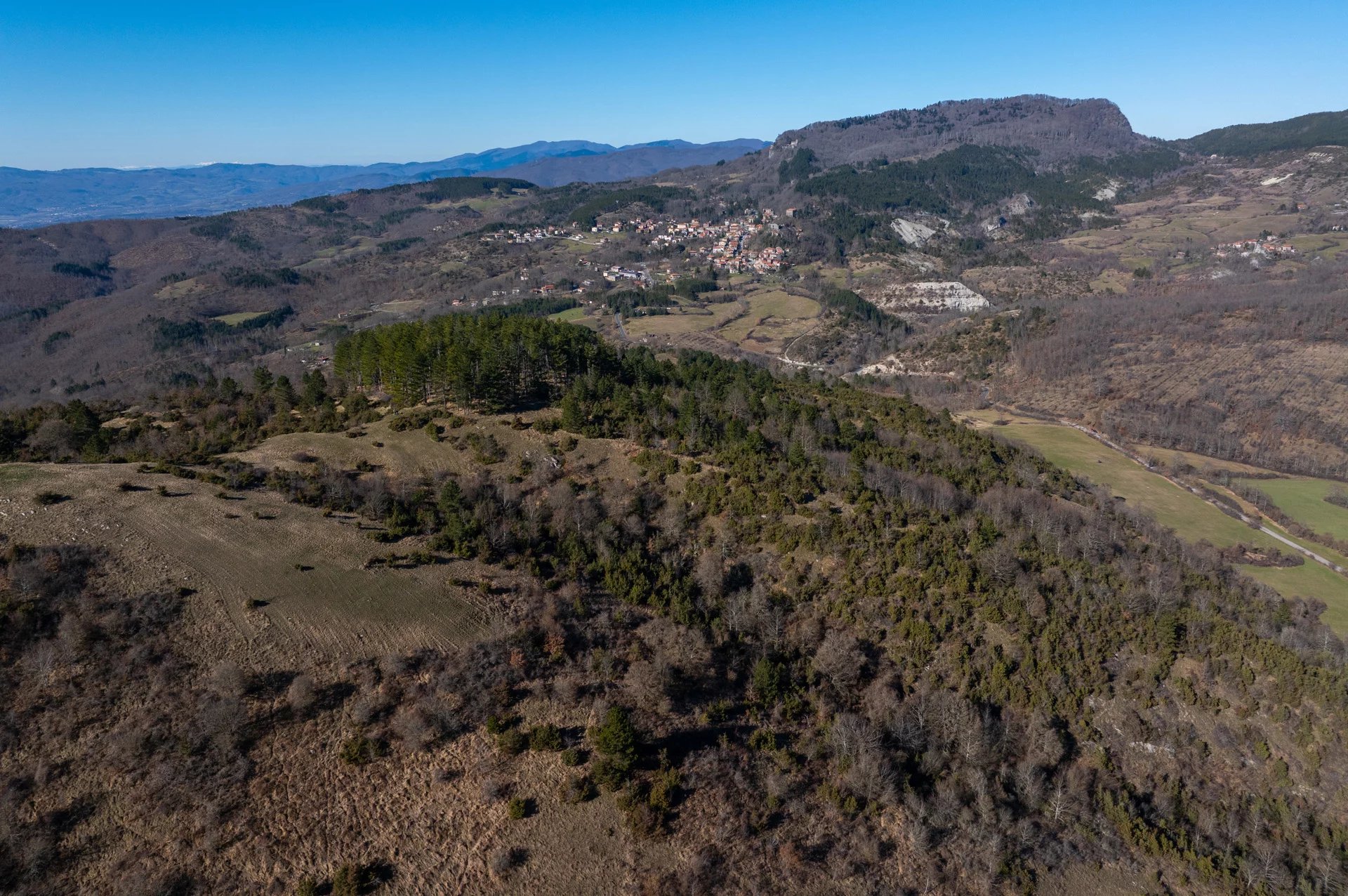
Its location offers an exceptional panoramic view of the Sacred Mount of La Verna, as well as the mountains and valleys of the surrounding territory. The history of the castle is also deeply linked to the figure of Saint Francis of Assisi and the birth of the famous Franciscan sanctuary.
The first testimonies related to the castle and the fief of Chiusi date back to 967, when the fief was confirmed under the dominion of Goffredo of Tuscany, a noble linked to the German emperor Otto I. Orlando Cattani, his descendant according to local historical tradition, is remembered for having donated Mount La Verna to Saint Francis of Assisi, who loved to retreat in this place for prayer and meditation. It was precisely at La Verna that, according to Franciscan tradition, in 1224 Saint Francis received the stigmata. After his death, the place progressively developed until becoming one of the most important Franciscan convent complexes and sanctuaries in Italy.
The history of the castle continues through centuries of political and military events. In 1324 it was taken from the Cattani by the bishop of Arezzo Guido Tarlati. In 1351 the countess Giovanna di Santa Fiora, wife of Tarlati, resided there, while a few years later, in 1360, Chiusi returned under the control of the Cattani.
In 1384, with the conquest by the Florentine Republic of the castles of the Arezzo county, Chiusi was granted to the Counts Guidi di Bagno. In 1440 the castle was occupied by the troops of Niccolò Piccinino and, subsequently, Chiusi became the seat of the Florentine Podesteria, later expanded with the annexation of the Caprese territory.
It is precisely in this period that another important page of the village's history is linked. Lodovico Buonarroti, father of Michelangelo, was indeed podestà of Chiusi and Caprese in the years when, on March 6, 1475, the great artist was born.
The exact place of Michelangelo's birth has been for centuries the subject of a dispute between Chiusi della Verna and Caprese. The issue, still present in the local historical debate, has given rise to studies and publications that support different interpretations about the actual birthplace of the famous artist.
Tuscany - Arezzo - Chiusi della Verna
Tuscany, one of Italy's most iconic and breathtaking regions, embodies the essence of Italian beauty, culture, and tradition. Nestled between the Apennine Mountains and the Tyrrhenian Sea, its landscape is a mesmerizing blend of rolling hills, cypress-lined roads, sprawling vineyards, olive groves, and medieval villages perched on hilltops. The region’s natural beauty is matched by its rich history, artistic heritage, and world-renowned culinary and wine traditions.
Wine enthusiasts from around the globe flock to Tuscany for its legendary wine production. The region is the birthplace of some of the most revered wines in the world, such as Chianti, Brunello di Montalcino, and Vino Nobile di Montepulciano. Chianti, produced in the heart of Tuscany, is arguably the most famous, with its distinctive ruby-red color and bold flavors, while Brunello, made exclusively from Sangiovese grapes, is one of Italy’s most prestigious wines, aging gracefully for decades. Wine routes, like the Strada del Vino in the Chianti region, allow visitors to tour centuries-old wineries, sample wines, and explore charming villages along the way.
Tuscany is also a haven for lovers of art and history. Florence, the region’s capital, is a cultural mecca, often referred to as the cradle of the Renaissance. Its galleries and museums, such as the Uffizi and Accademia, house masterpieces from artists like Michelangelo, Botticelli, and Leonardo da Vinci. The iconic Florence Cathedral, with its massive dome designed by Brunelleschi, dominates the skyline, while the Ponte Vecchio, a medieval bridge lined with jewelry shops, is one of the city’s most beloved landmarks.
Siena, another jewel of Tuscany, offers a different charm with its medieval architecture and rich traditions. The Piazza del Campo, known for the Palio, a centuries-old horse race held twice a year, is considered one of the most beautiful squares in Italy. Siena’s Gothic cathedral, with its intricate black and white striped marble, is a stunning testament to medieval craftsmanship.
Further west, Pisa is home to the iconic Leaning Tower, but it also offers much more with its rich maritime history and the grandeur of the Piazza dei Miracoli. Lucca, known for its preserved Renaissance-era city walls, invites visitors to explore its quiet streets, where churches and piazzas surprise at every turn. San Gimignano, a medieval town famous for its many towers, gives visitors a glimpse of Tuscany’s feudal past and offers sweeping views over the surrounding countryside.
Tuscany’s landscapes are also dotted with thermal springs, such as the natural hot springs of Saturnia, providing a relaxing retreat after days of exploring. The coastline, too, with the Maremma region and the island of Elba, offers picturesque beaches and pristine waters, a contrast to the inland hills and vineyards.








Contact us to receive more information and/or schedule a visit
Ref. 3115 Castello di Chiusi della Verna
€ 140,000

Iacopo Rossi
Agronomist, Vineyards & Wineries Expert
2 years with Romolini
Leave us your request and you will be contacted within the next 24 hours.


Copyright © Romolini

 Contact us
 Contact


