




 Our Family


 Italiano
 Deutsch


 Back to list

Luxury properties in historic villages: authentic charm and lasting value

Published 10-05-2026
Stone houses overlooking quiet alleys, intimate squares where time seems to slow down, views opening onto hills or the sea: Italian historic villages are one of the most genuine expressions of high-end living. Here, luxury takes a discreet form, linked to the quality of the experience, the beauty of the setting, and the value of history.
Choosing a property in a village means not just buying a house, but entering a system made of relationships, traditions, and identities that make each property unique.
The value of authenticity
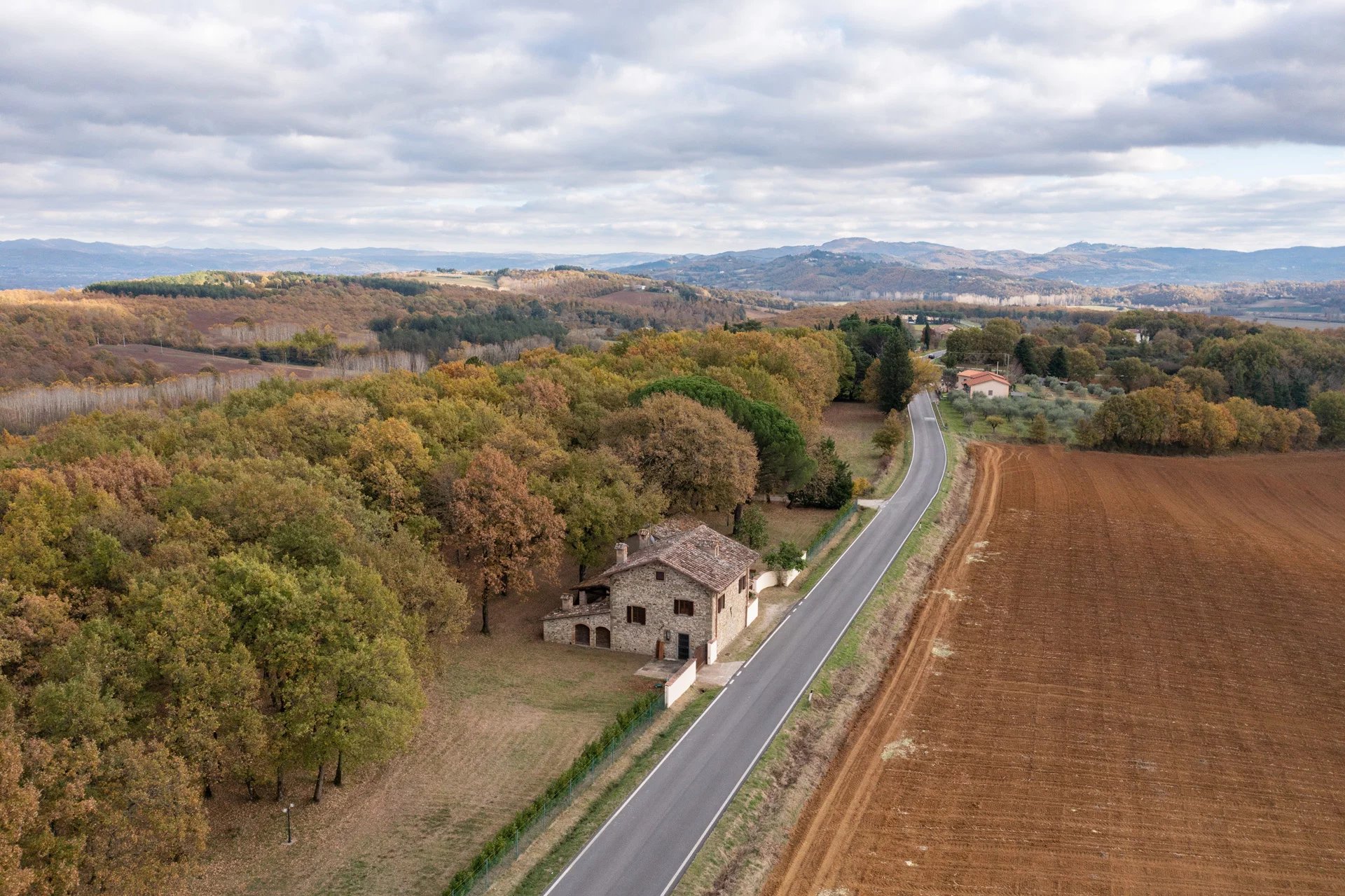
One of the most distinctive elements of properties in historic villages is authenticity. The architectures retain original features: stone walls, wooden beams, terracotta floors, and details that tell different eras.
This historical stratification represents a tangible value, difficult to replicate in more recent contexts. Each property thus becomes a fragment of history, capable of conveying a sense of continuity and belonging.
Authenticity is not only about the building but also about the context: artisan workshops, slow rhythms, local traditions contribute to creating a coherent and recognizable environment.
Intimate spaces, intense experiences
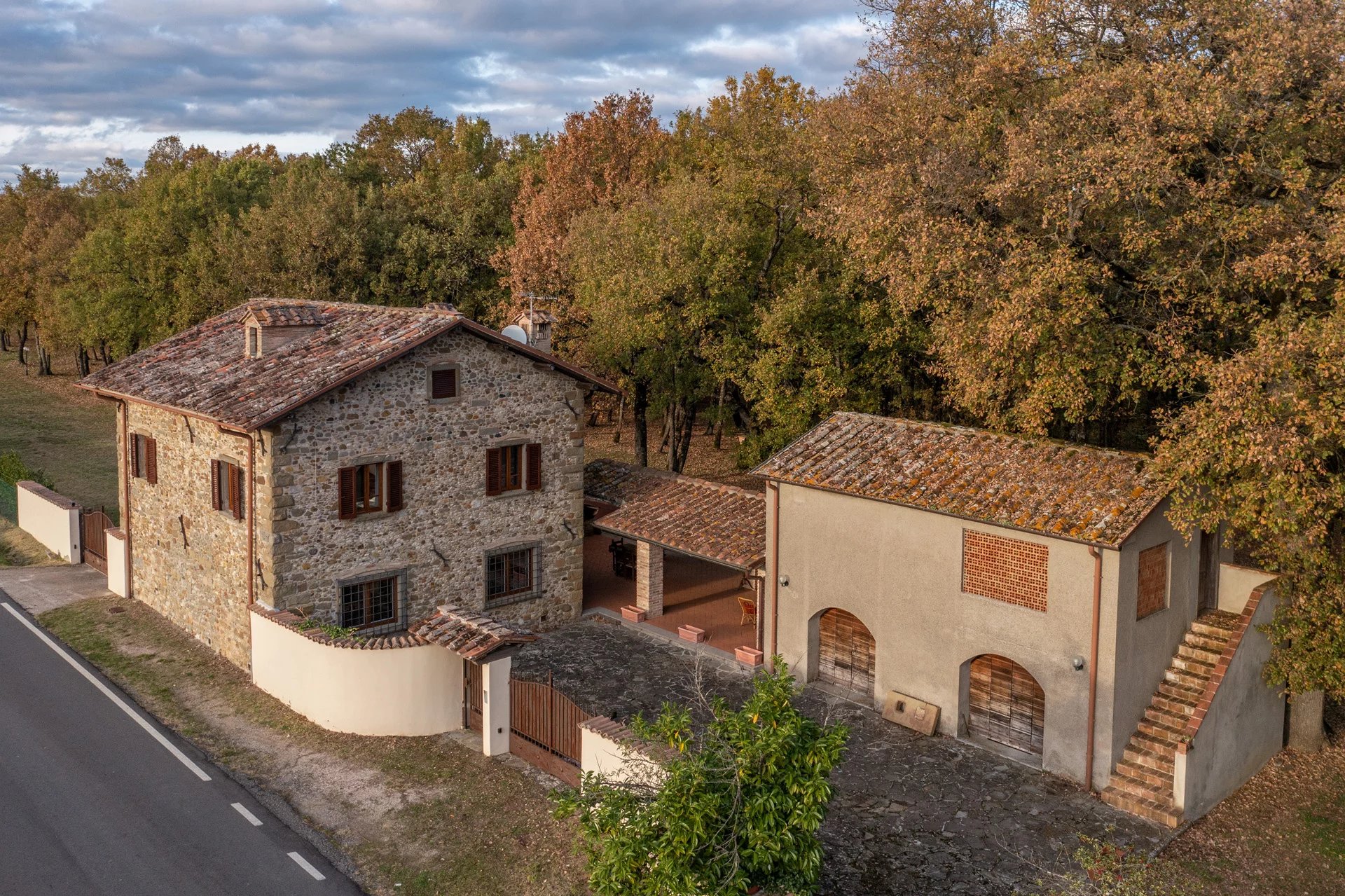
Unlike large country properties, properties in historic villages often develop over smaller surfaces but offer a particular living intensity. Spaces are designed to be lived more directly, fostering an immediate relationship with the surrounding environment.
Panoramic terraces, loggias overlooking valleys, or small hidden gardens become valuable elements, capable of amplifying the quality of living.
This more intimate dimension is one of the most appreciated aspects, especially by those seeking an authentic and less dispersive experience.
An increasing international demand
Italian historic villages continue to attract buyers from around the world. Their charm, combined with landscape quality and cultural richness, makes them particularly interesting for those seeking a second home or a valuable investment.
Demand focuses on carefully renovated properties, capable of maintaining original features while integrating contemporary comforts.
In many cases, these properties are also used for high-end rentals, targeting an increasingly authentic and personalized tourism.
Restoration and enhancement
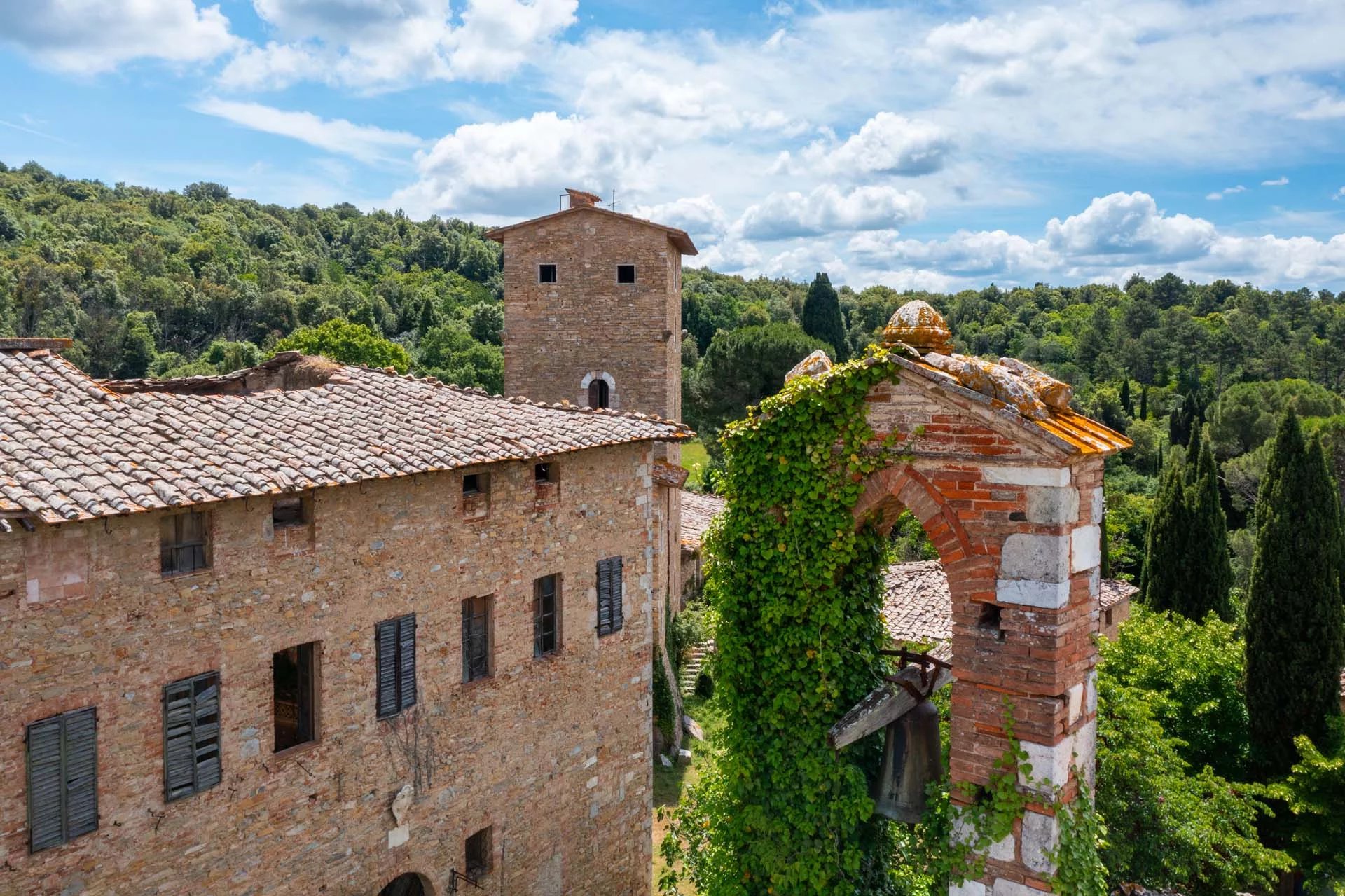
Buying a property in a historic village often involves restoration interventions. This process requires attention and specific skills but also represents an opportunity to enhance the property.
A well-designed restoration allows improving the functionality of spaces, updating systems, and increasing comfort without altering the building’s identity.
The result is a balance between past and present, where every element helps define a coherent and high-quality environment.
Value over time
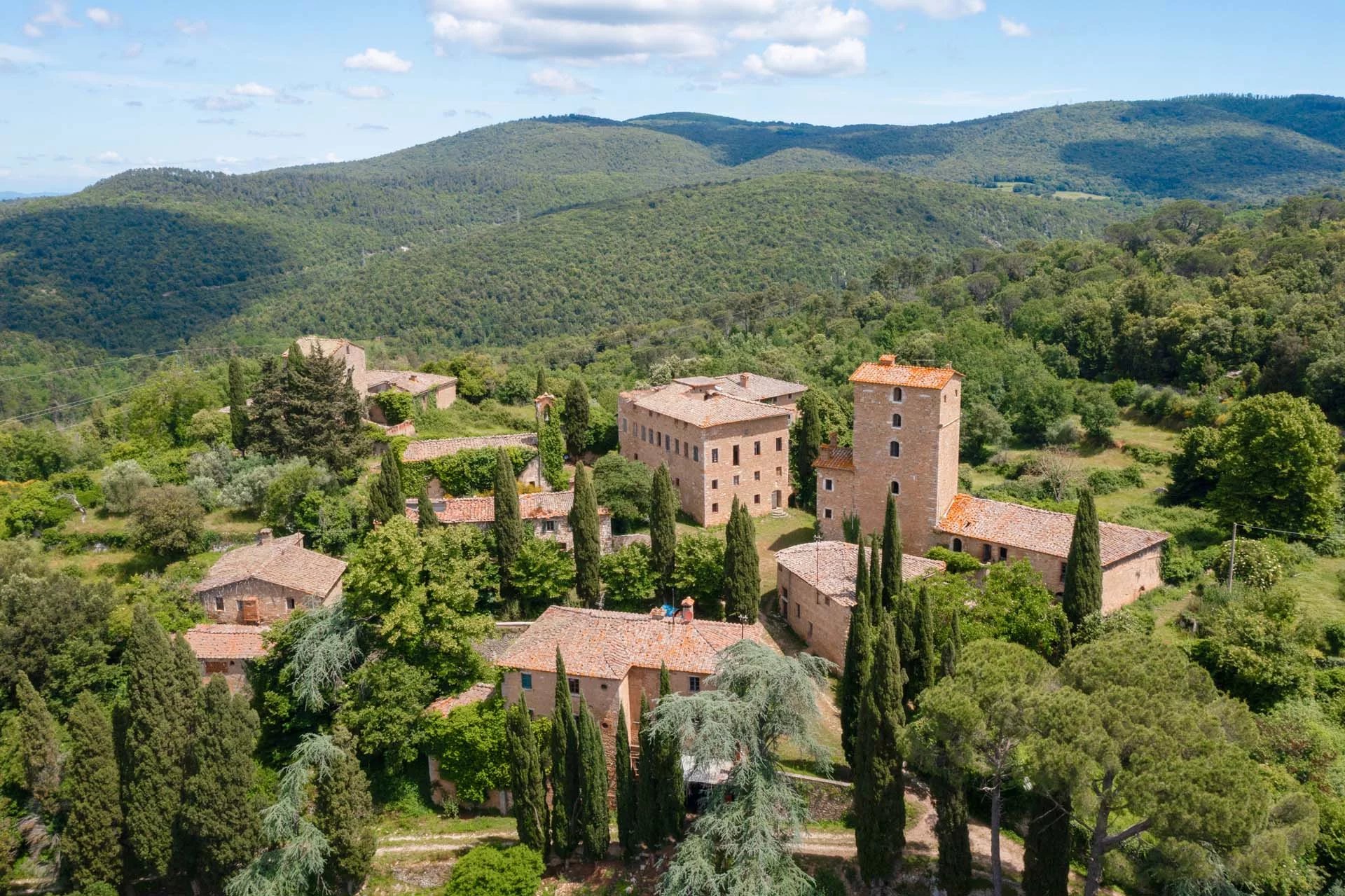
Properties in historic villages tend to maintain good stability over time, especially when located in well-preserved and easily accessible contexts.
Their value is linked not only to the characteristics of the property but also to the urban and landscape context, which is a hardly replicable element.
This combination makes properties in villages particularly attractive also from an investment perspective, especially for those seeking a property that combines economic value and quality of experience.
Luxury properties in historic villages are a choice that goes beyond the real estate aspect. They are spaces that tell stories, places where time takes on a different rhythm, and where every detail contributes to creating a sense of authenticity.
Among timeless architectures, iconic landscapes, and a quality of life linked to simplicity, Italian villages continue to offer a unique way of living, capable of combining charm and lasting value.


Copyright © Romolini

