




 Our Family


 Italiano
 Deutsch


 Back to list

Properties with more buildings: opportunities and complexity

Published 18-06-2026
Properties with more buildings are among the most interesting categories in luxury real estate. Villas with dependencies, farmhouses with agricultural annexes, estates with residential buildings and service structures offer greater flexibility compared to traditional homes. It is not just about having more space, but about being able to organize the property according to different functions: private residence, hospitality, receptive activities, work, staff or agricultural production.
This versatility is the main strength, but it also requires careful evaluation. Each building adds value but also entails management needs, maintenance costs, and possible urban planning complexities.
Use flexibility and independence
The primary advantage of a property composed of multiple structures is the ability to separate functions. The main house can remain the heart of private life, while secondary buildings can be designated for guests, family members, caretakers or professional activities.
An independent guesthouse, for example, allows hosting friends and relatives while ensuring autonomy and privacy. An old barn converted can become a guest house, a studio, a gym or an event space. On an agricultural estate, warehouses, stables or annexes can support productive or hospitality activities.
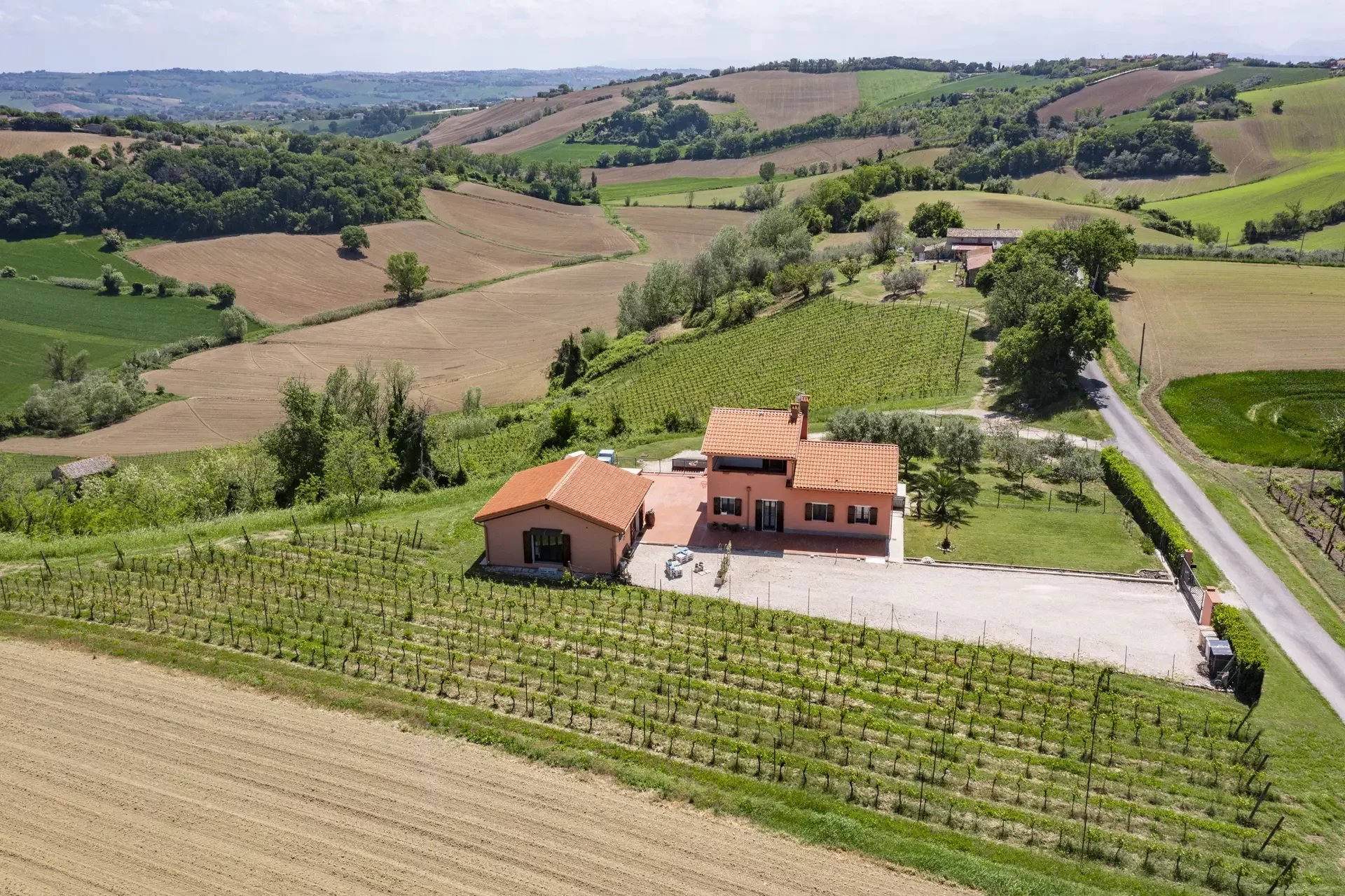
Potential reception capacity and economic value
Properties with multiple buildings are particularly attractive to those considering income-generating use. The presence of independent units allows for developing selected hospitality projects, such as boutique hotels, Agriturismo, country houses or high-end rentals.
This configuration allows maintaining part of the property for private use and dedicating other spaces to reception. It is a flexible model, suitable for those who wish to combine quality of life with income, especially in contexts with high tourist appeal.
Management and maintenance
Complexity increases with the number of buildings. Each structure requires attention: roofs, systems, facades, windows, heating and security systems must be monitored and maintained over time.
Before purchasing, it is important to assess the state of each structure, distinguishing between habitable buildings, buildings to be renovated, and annexes with accessory functions. A small building in poor condition can impact the overall budget more than expected, especially if it requires structural consolidation or system upgrades.
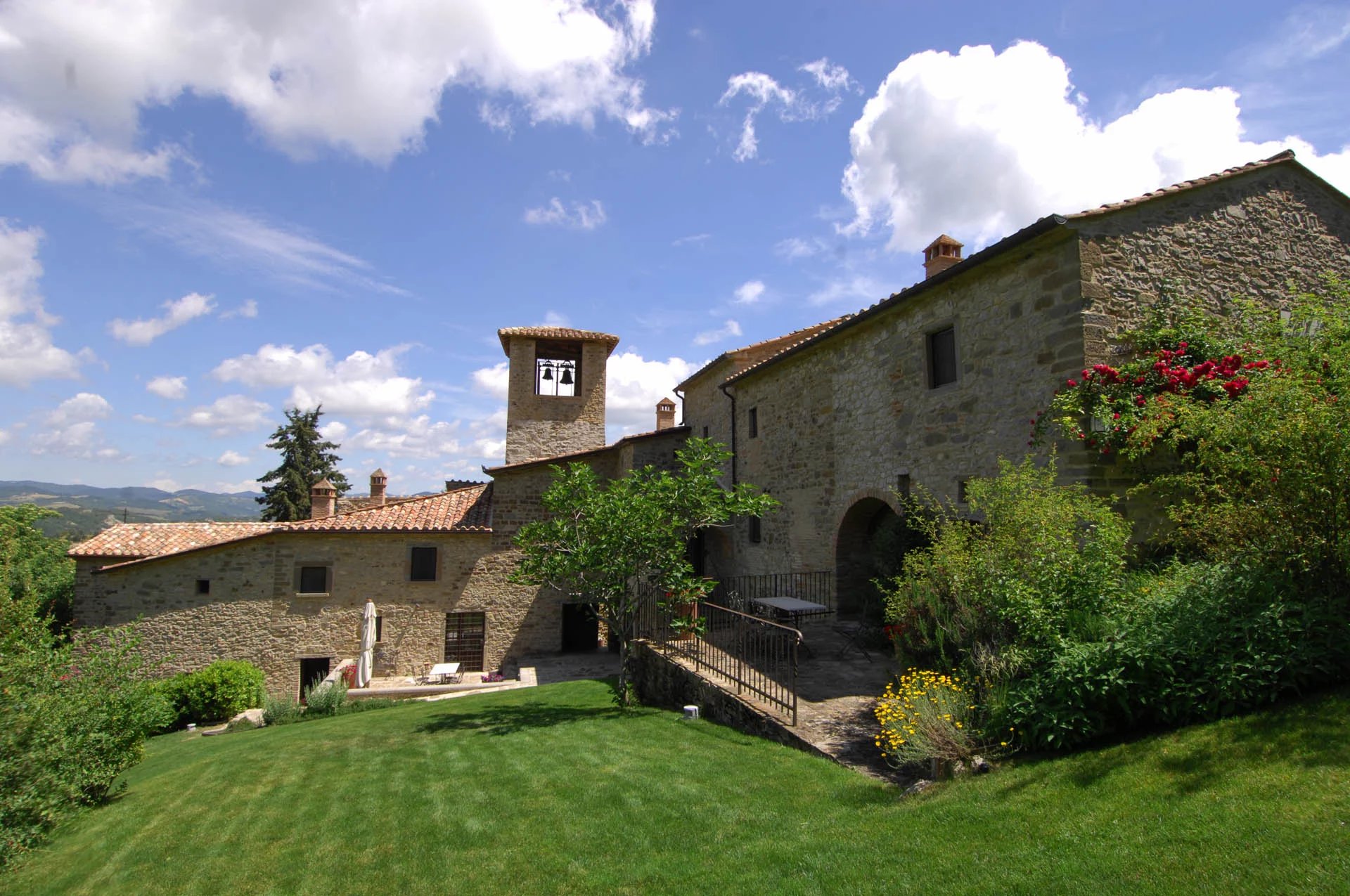
Urbanistic and land use aspects
Another decisive factor concerns the urban planning and cadastral regularity. In historical or rural properties, buildings may have different land use designations: residence, warehouse, stable, barn, agricultural shed, or technical room.
These classifications affect transformation possibilities. Converting an agricultural annex into a living or receptive space may require specific permits and municipal checks. Therefore, technical due diligence is essential before defining a project.
Privacy and space organization
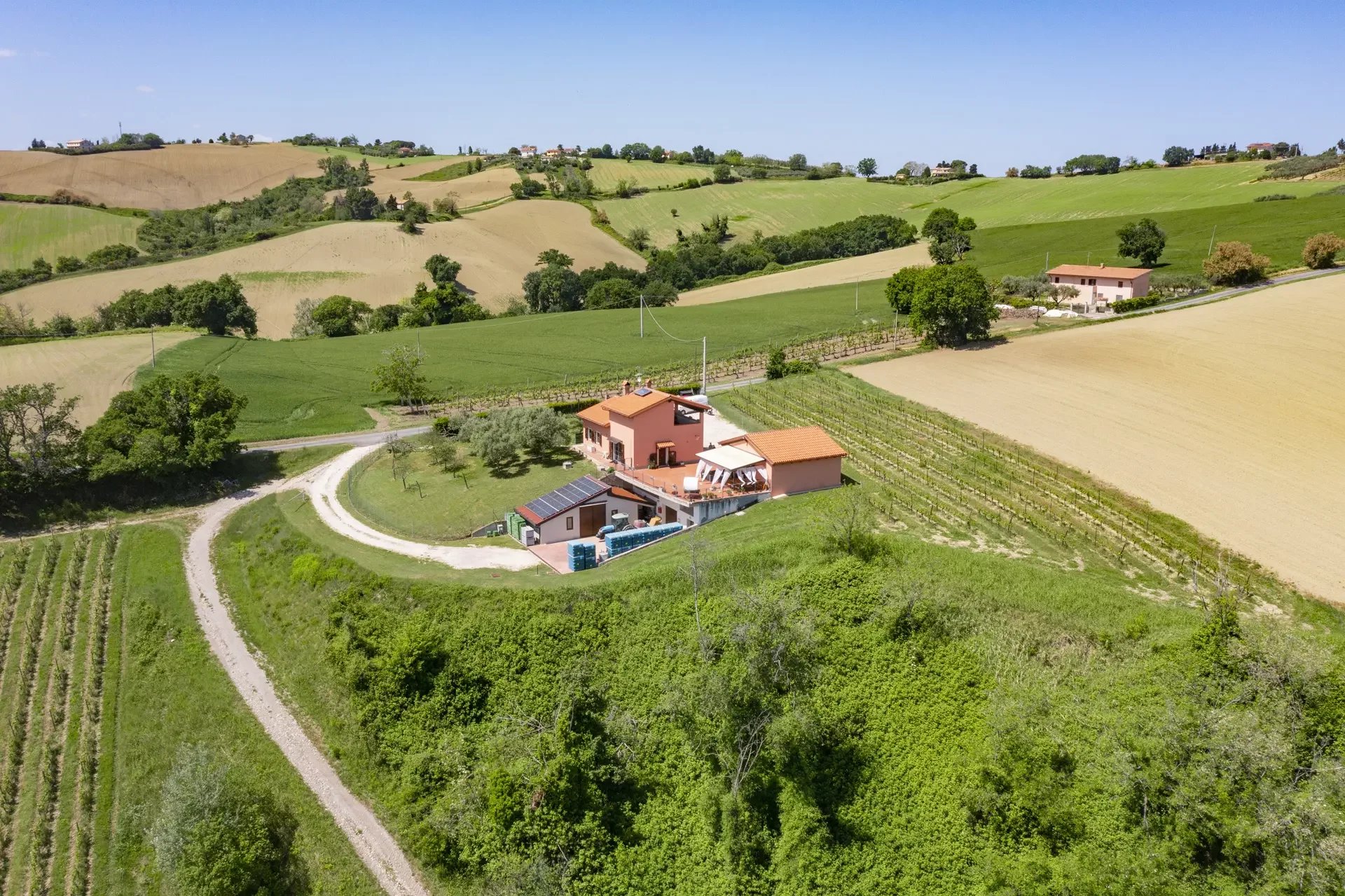
The arrangement of buildings within the property greatly influences the quality of the living experience. Buildings close together promote conviviality and shared management; more distant structures ensure greater autonomy and privacy.
Internal pathways, separate accesses, courtyards, gardens, and common areas must be considered carefully. A well-organized property allows living spaces naturally, avoiding overlaps between private use, hospitality, and service activities.
A strategic choice for evolving projects
Properties with more buildings are ideal for those seeking a property capable of evolving over time. A project can start as a private residence and gradually transform into a hospitality facility; or it can integrate agricultural activities, events, wellness or work spaces.
The value lies precisely in the possibility of building a tailor-made project, enhancing each building according to its most suitable function. With proper planning, what initially appears complex can become the main strength of the property.
Evaluate beyond square footage
In a property with multiple buildings, total square footage is just a starting point. It is more important to understand how spaces are distributed, which buildings are actually usable, which need work, and which can generate added value.
A estate composed of multiple structures offers important opportunities but requires vision, expertise, and a careful reading of the potential. When these elements are well balanced, the property becomes much more than a residence: a complete living and productive system, capable of combining privacy, flexibility, and value over time.


Copyright © Romolini

