




 Our Family


 Italiano
 Deutsch


 Back to list

Time in historical properties: how it affects the perception of value

Published 21-07-2026
Every historical property carries a dimension that no new construction can replicate: time. It is not just about the age of the building, but about the stratification of eras, materials, transformations, and memories that define its identity. In a historic residence, value does not solely depend on location, size, or condition, but also on the property's ability to tell an authentic story.
For this reason, in high-end real estate, time can become a strong attraction element. An antique villa, a noble palace, an ancient farmhouse, or a frescoed residence immediately convey a sense of uniqueness. They are properties that do not appear as simple living spaces but as places to preserve, interpret, and pass down.
Time as a prestige element
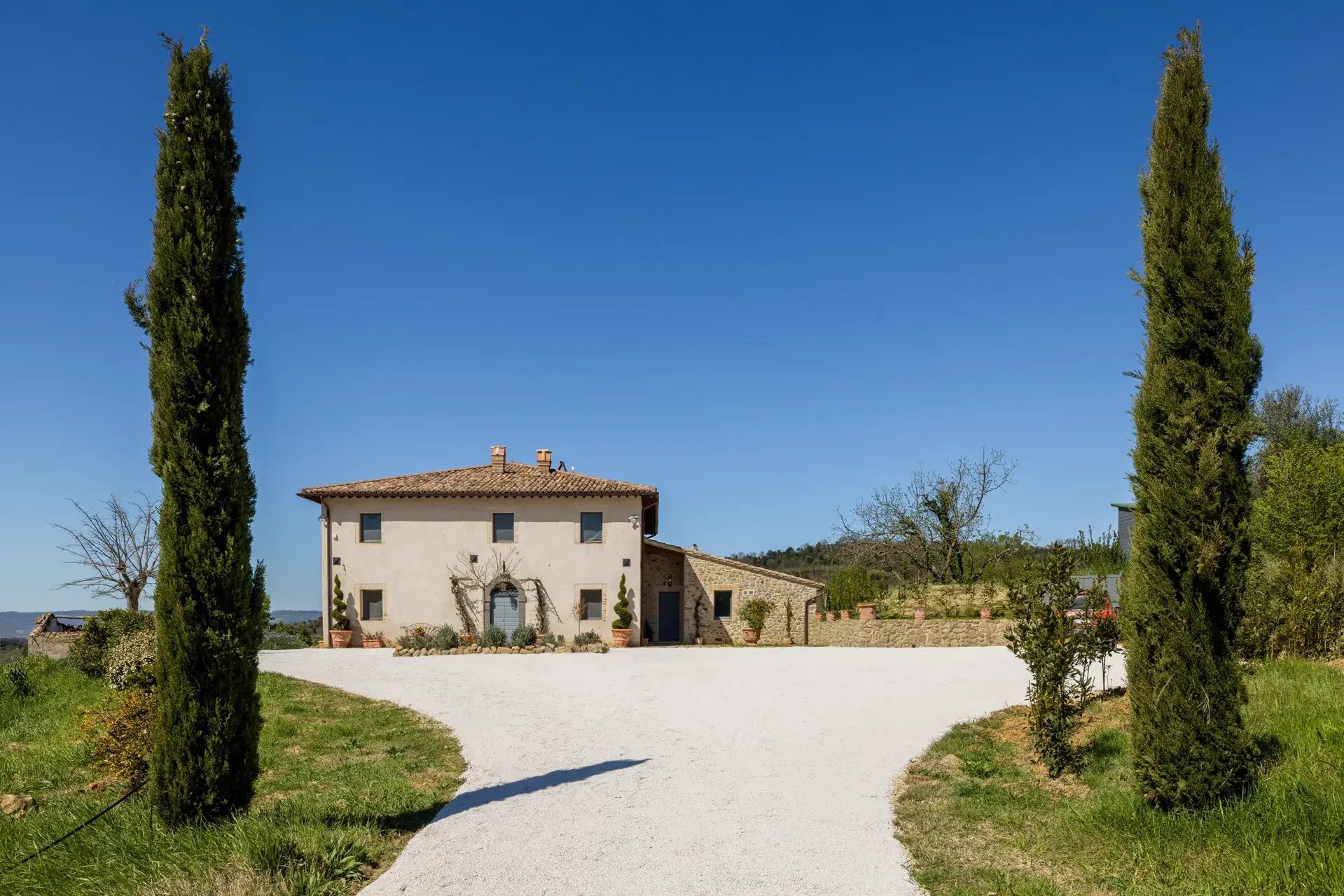
In historic real estate, the passage of time does not necessarily mean deterioration. On the contrary, when a property has been preserved or restored with care, its age becomes a factor of prestige. Original floors, frescoed ceilings, antique fireplaces, stone staircases, portals, loggias, and decorations tell a continuity that increases the perceived value.
Buyers are not just purchasing a home but entering into a relationship with a heritage. This aspect is particularly relevant for an international clientele, often attracted to Italy precisely because of its ability to keep alive the dialogue between architecture, art, and landscape. Time thus becomes a form of authenticity, an element that distinguishes the property from more standardized contemporary ones.
Authenticity and memory of materials
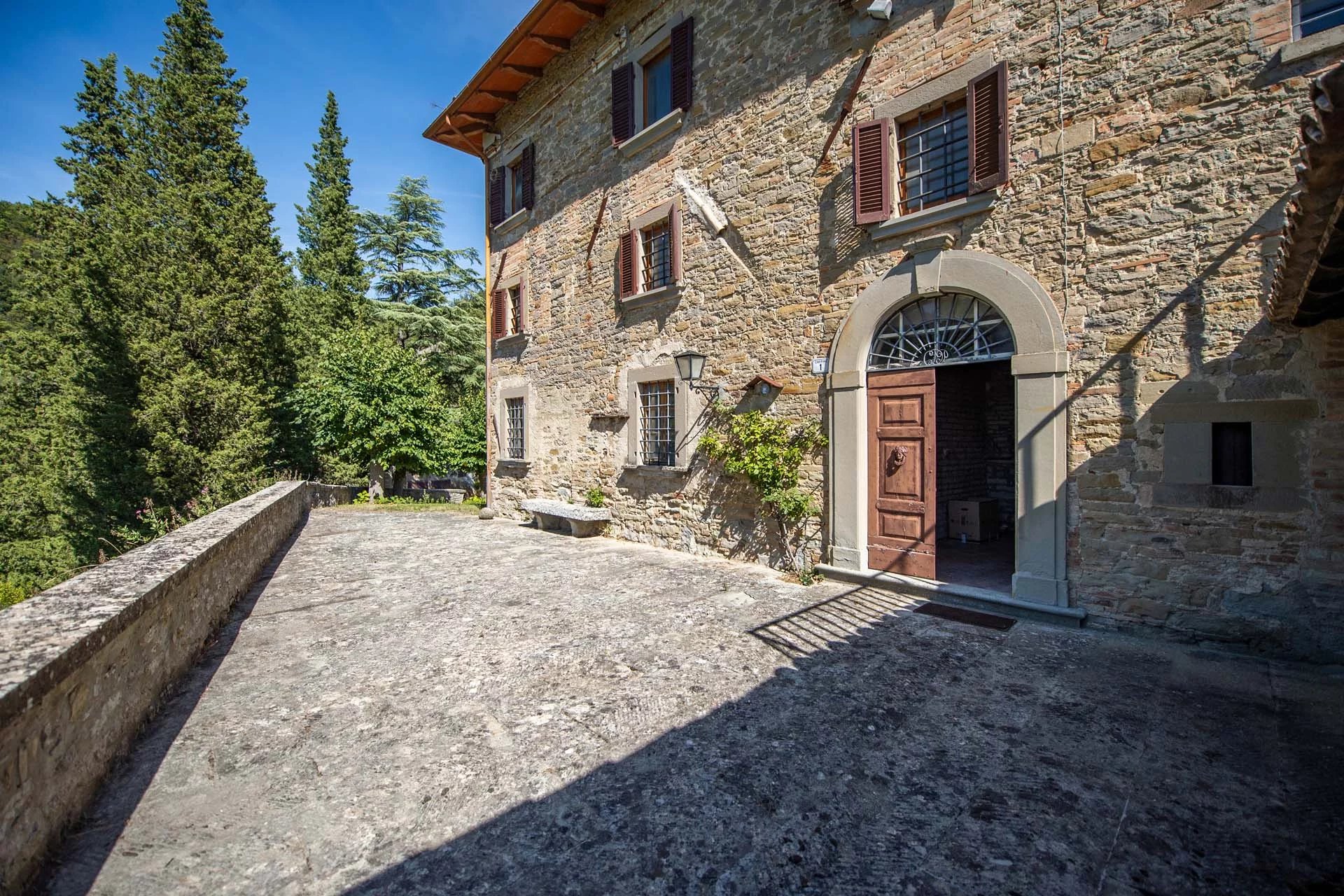
One of the most important aspects influencing value perception is the presence of original materials. Weathered stone, ancient terracotta, wood beams, historic plasters, and handcrafted decorations convey a visual and tactile quality hard to reproduce.
These elements should not be seen as imperfections but as traces of authenticity. A slightly irregular surface, ancient masonry, or recovered floors can enhance the property's charm, provided they are integrated into a careful and functional context. The value originates precisely from the balance between memory and livability: preserving what makes the property unique while introducing comfort, efficient systems, and spaces suitable for modern living.
Restoration and perception of value
The way a historic property is restored profoundly influences its perception. An overly invasive intervention risks erasing the soul of the property; conversely, superficial restoration may leave structural, system, or functional issues unresolved. The highest value is achieved when the restoration respects the original identity of the building, improving its living quality without distorting it.
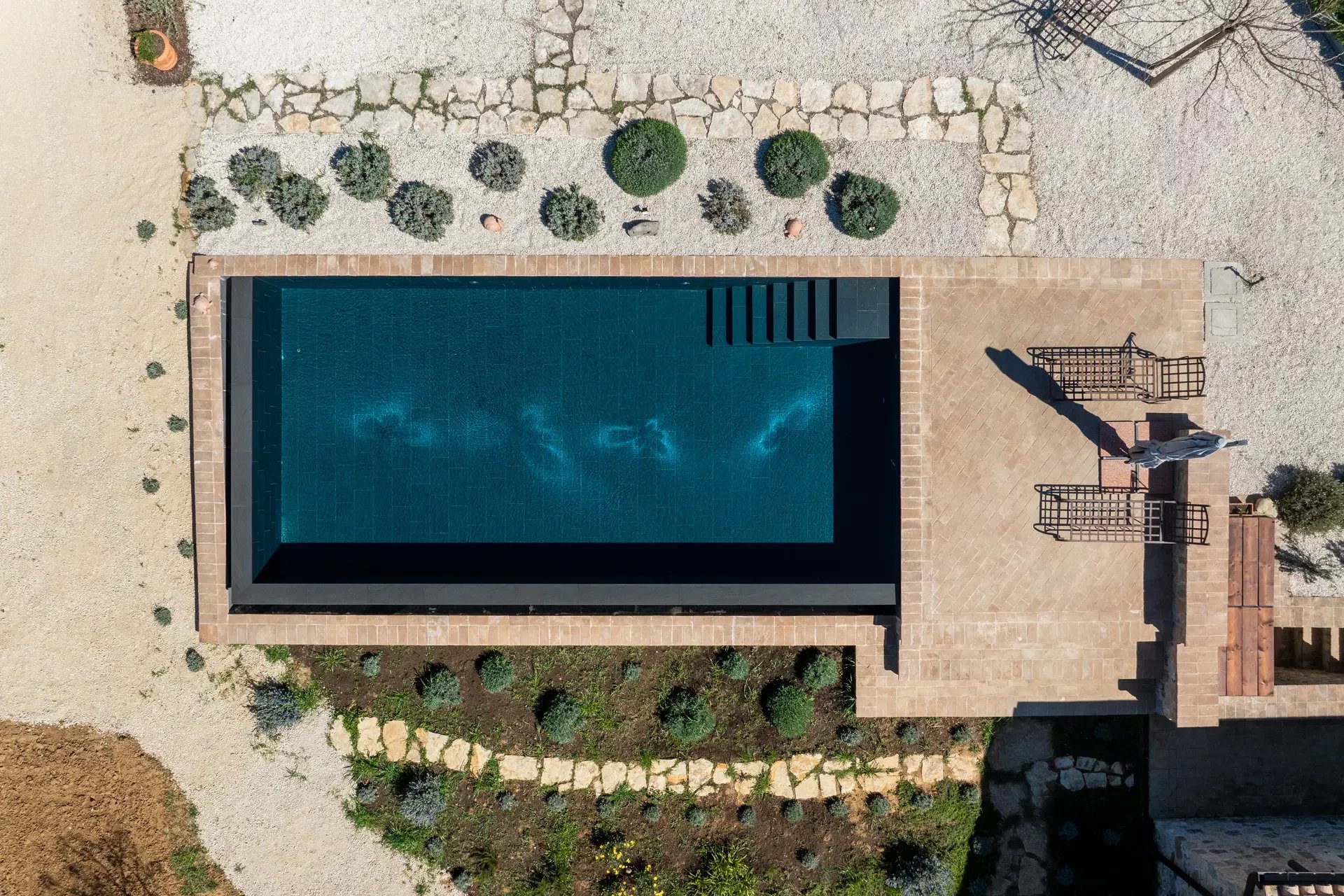
In this sense, time should be valued, not hidden. Historical traces can coexist with modern kitchens, contemporary bathrooms, efficient heating systems, smart home solutions, and discreet technological innovations. The goal is to create a residence that retains historical depth and offers a comfortable living experience at the same time.
The rarity factor
Time also increases the perception of rarity. A residence built centuries ago, with still-readable architectural elements, belongs to a limited category of properties. It cannot be reproduced or authentically replicated. This uniqueness impacts value, especially when the property is located in a coherent setting: a historic village, a protected countryside, an ancient city center, or an iconic landscape.
Rarity depends not only on age but also on the quality of preservation and the strength of the storytelling. A well-maintained historic building, with a recognizable history and significant original details, is perceived as more exclusive than an old property lacking a clear identity.
Emotion, imagination, and purchasing decision
The emotional component plays a central role in historic properties. Crossing the threshold of an ancient villa or palace often means experiencing something different from visiting a contemporary house. The spaces communicate depth, atmosphere, and a sense of belonging to a larger history.
This emotion can strongly influence the buying decision. The buyer perceives the property not only as an investment but as a cultural and personal choice. A historic residence can become a private home, a showplace, an accommodation facility, or a development project,
but in any case, it retains a symbolic component that strengthens its appeal.
Time as a responsibility
Buying a historic property also means accepting a responsibility. The increased charm of the property requires attention, maintenance, and specific skills. Roofs, facades, frescoes, floors, systems, and structures must be carefully monitored, especially when the building has architectural constraints or valuable features.
This responsibility does not decrease the property's value but is part of it. Those who choose a historic residence know they are purchasing a property that requires awareness. Maintenance becomes a form of protection, while well-planned interventions help preserve and enhance its value over time.
Value growth through consistency
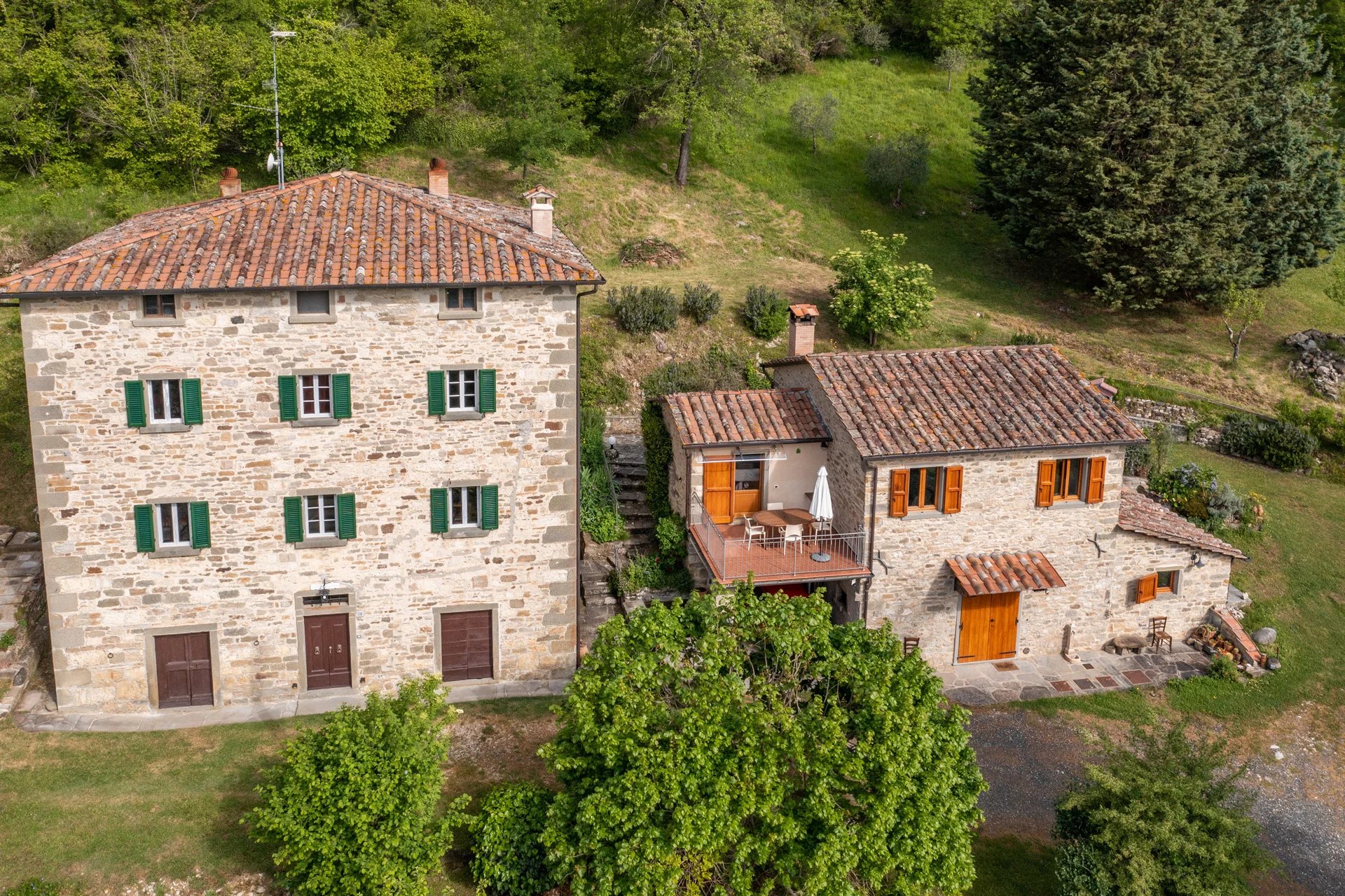
Time positively influences the perception of value when the property maintains consistency between its history, architecture, and contemporary use. An historic palace tastefully transformed, a restored villa with respect, or a recovered farmhouse that retains its identity appear more desirable because they offer something rare: an authentic yet current living experience.
The luxury market increasingly rewards properties capable of standing out. In this context, time is not a limit but a resource. It adds depth, builds narration, reinforces identity, and makes the property recognizable.
Living a history, not just a space
Historic properties show that value is not only about numbers. Size, location, and condition are fundamental elements, but the deeper perception comes from what the building communicates. Time makes a property different from all others, turning it into a place with memory, character, and continuity.
Living in a historic building means entering into a story already begun and giving it a new form. It is precisely this possibility, living the present within architecture that has endured over time, that makes these properties so fascinating and sought after in high-end real estate.


Copyright © Romolini

