




 Our Family


 Italiano
 Deutsch


 Back to list

Private botanical gardens: rarities, beauty, and cultural value

Published 14-09-2026
A private botanical garden is one of the most refined elements that can accompany a prestigious residence. Unlike a simple green space, it stems from a clear vision: selection of species, climate study, pathway design, relationship with architecture, and ongoing maintenance. It is a living heritage capable of transforming a property into a place of beauty, culture, and memory.
In the luxury villa market for sale, the garden is becoming increasingly central. It is no longer just an external feature but a fundamental part of the living experience. When the park hosts centuries-old trees, rare species, exotic plants, historic avenues, or scenic compositions of high quality, the property's value becomes more profound and recognizable.
The garden as the identity of the residence
A private botanical garden says a lot about the property it belongs to. It reflects the taste of those who designed it, the eras it has gone through, and the relationship between the house and the landscape. Every plant, avenue, and shaded area contributes to creating a specific atmosphere, often impossible to replicate in a new building.
In historic properties for sale, the garden can become an integral part of the architectural story. The villa, park, terraces, fountains, and mature trees form a single system where value arises not only from the interiors but from the overall quality of the place.
Villa Four Seasons: a botanical park as living heritage
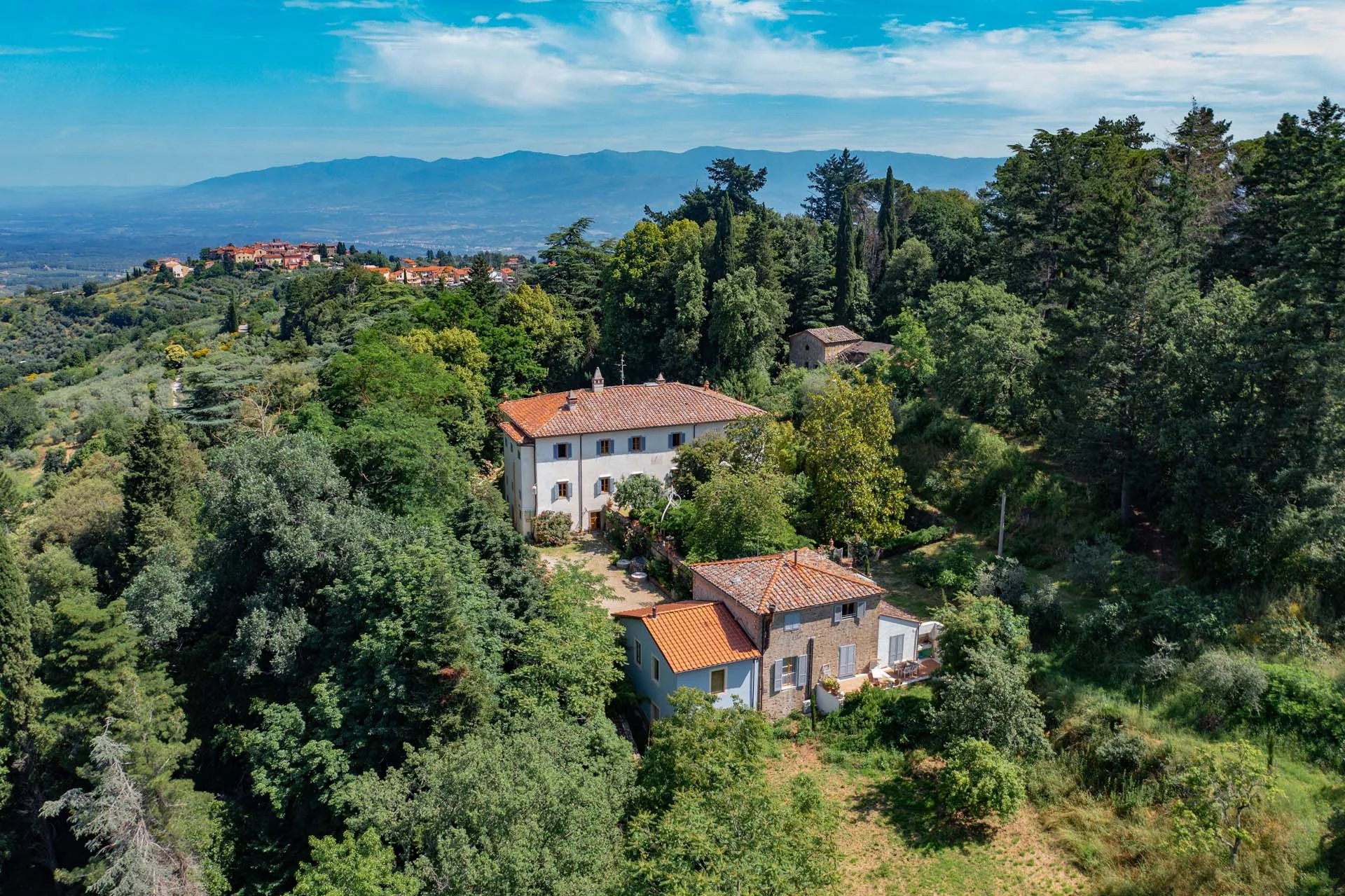
A particularly interesting example is Villa Quattro Stagioni, an historic villa on the hills between Chianti and Valdarno, surrounded by a botanical park of great historical and naturalistic significance.
Here, the garden is not a decorative frame but one of the central elements of the property. Created by a plant and garden enthusiast, the park hosts numerous species from different parts of the world, with particular attention to North American varieties. The presence of rare plants and botanical stratification transform the villa into a residence of cultural value as well as real estate.
In cases like this, the park becomes a true extension of the house: a space for walking, hosting events, creating outdoor exhibitions, experiencing nature, and enhancing the historical identity of the property.
Italian garden and botanical collection
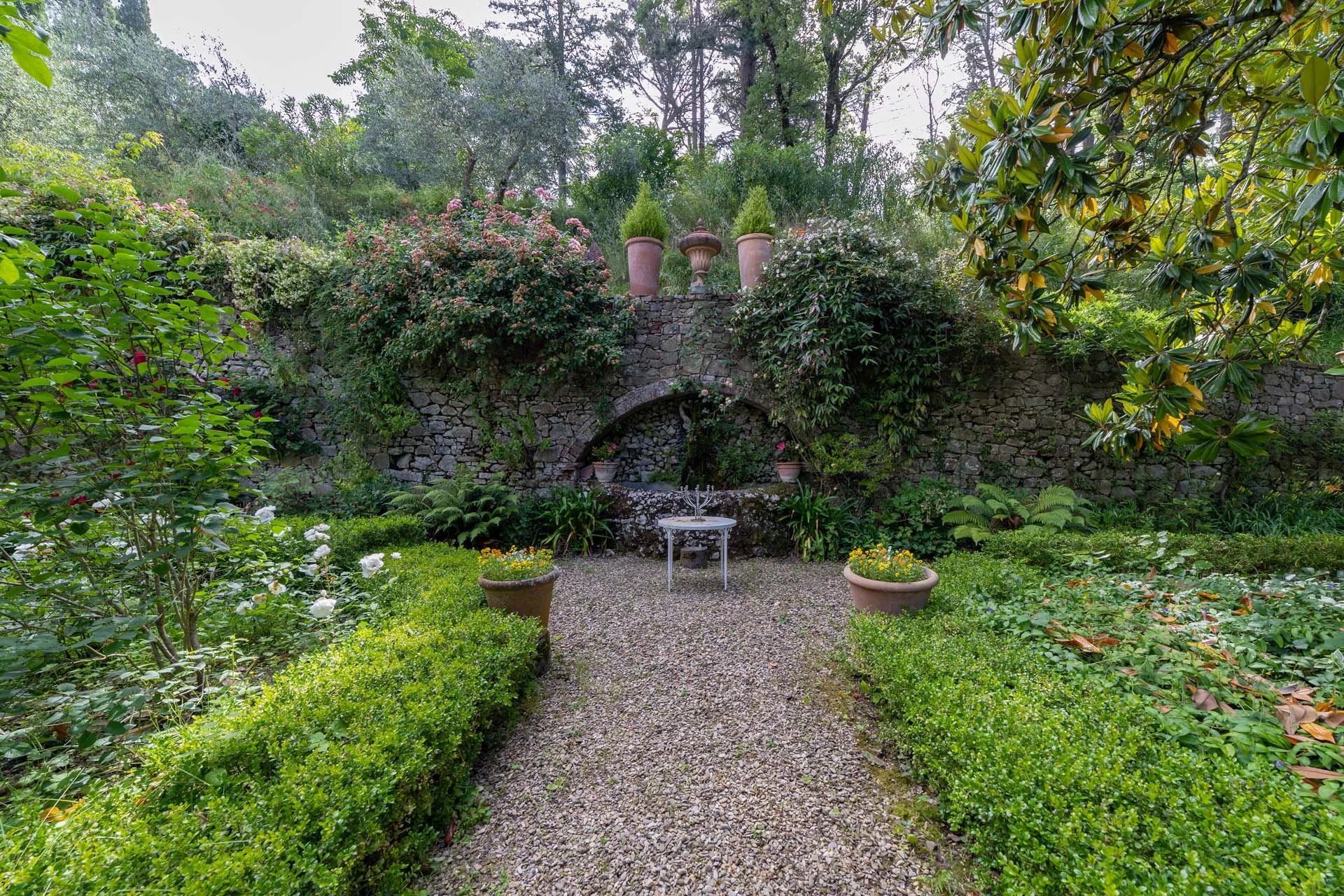
The value of a private garden depends not only on the rarity of its species but also on its design. An Italian garden, for example, tells an idea of order, perspective, and landscape control. Geometric alleys, shaped hedges, basins, fountains, pergolas, and nymphaea create an elegant scenography, designed to accompany the villa and guide the gaze.
A different but very coherent example with this theme is Attico Ester, located in a historic villa in Sansepolcro with a garden of about 8,000 m². The presence of centuries-old and exotic plants, boxwood paths, a green room with a pergola, a circular basin, and a small nymphaeum makes the park a highly valuable cultural element.
This type of garden adds a scenic and contemplative dimension to the property. It is not just a space to pass through but an environment to live, observe, and preserve.
When greenery becomes architecture
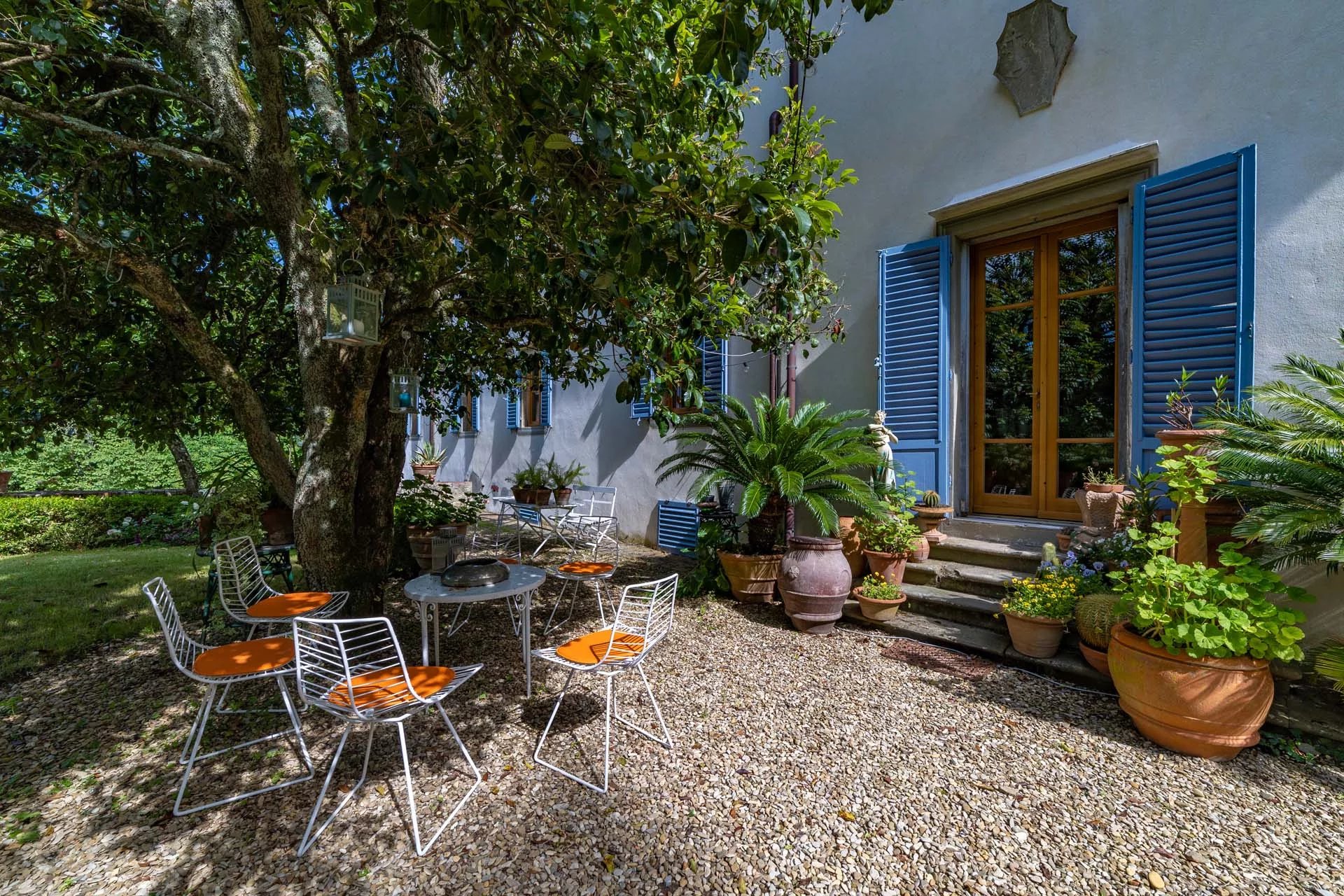
In a prestigious property, the garden can be read as a form of architecture. Plants build visual screens, delimit spaces, create pathways, and define resting areas. A tree-lined avenue can have the same strength as a monumental entrance; a pergola can become an outdoor room; a fountain can mark the symbolic center of a park.
This is especially true in historic properties and castles for sale, where the garden helps to organize and represent the complex. Greenery does not diminish the architectural character of the residence but complements it.
Castello Mugello: the garden as part of the historic narrative
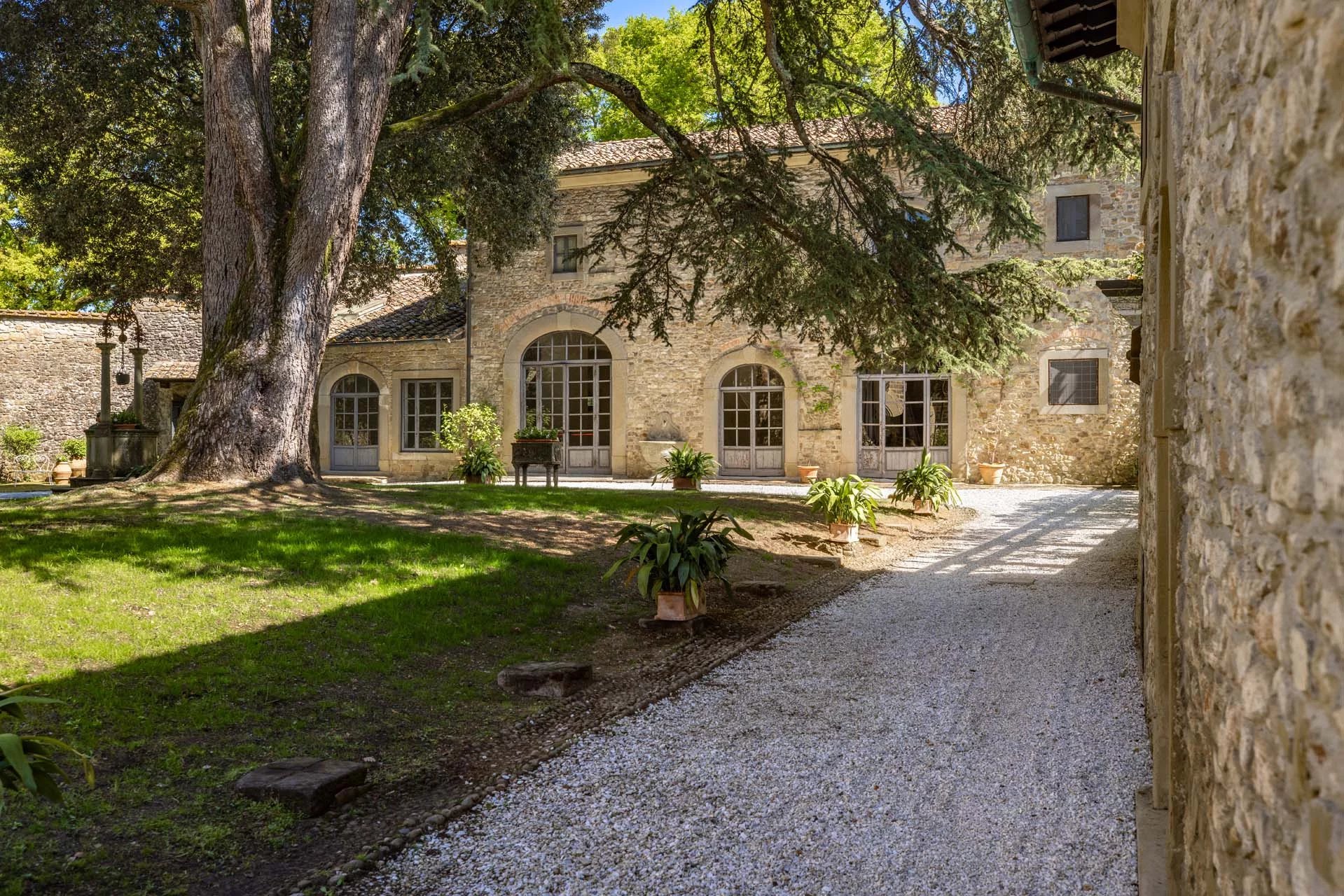
Castello Mugello also offers a useful example to understand the cultural value of green spaces. In this estate with a medieval castle, the Italian garden created on the south slope of the castle accompanies the historic building and enhances its scenic dimension.
The presence of a formal garden alongside a castle creates a fascinating dialogue between defensive architecture, residential transformation, and landscape. The greenery becomes part of the property's narrative: marking the transition from fortified location to representative residence, making the historical evolution of the building more understandable.
Rarity, time, and cultural value
A private botanical garden requires years, often generations, to reach full maturity. Centuries-old trees, rare varieties, established hedges, and historic pathways cannot be created quickly. It is precisely time that builds an important part of the value.
Therefore, a property with a botanical park or historic garden belongs to a rare category. The value concerns not only the external surface but also the quality of species, the coherence of the project, maintenance, the relationship with the house, and the garden's ability to preserve its own identity.
Everyday beauty and quality of living
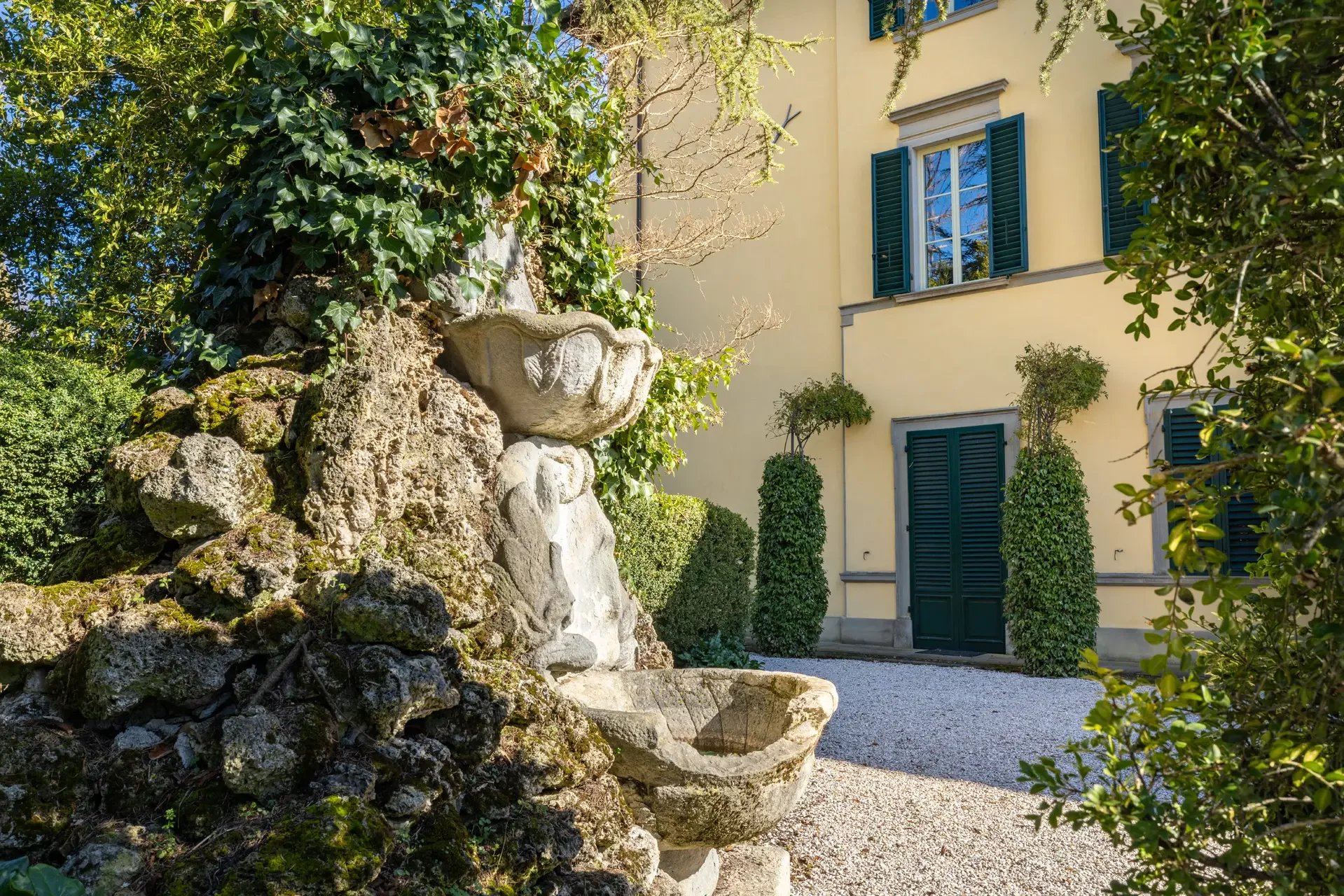
A private botanical garden also offers a superior quality of life. It allows living nature every day without leaving the property. Fragrances, shade, flowering, seasonal colors, pathways, and quiet spaces create a richer, more sensory living experience.
In country houses, the garden can become the heart of outdoor life: a place for reading, entertaining guests, walking, organizing lunches, private events, or moments of relaxation. When designed with botanical sensitivity, greenery becomes a silent form of luxury, tied to time, care, and natural beauty.
Maintenance and responsibility
Having a botanical garden also involves responsibility. A prestigious park requires skills, regular maintenance, attention to rare species, irrigation, pruning, and safeguarding the vegetative balance. It is not a static space but a living organism.
This complexity, however, is part of its value. Guarding a botanical garden means preserving a natural and cultural memory. Just as frescoes, ancient pavements, or historic facades are restored, the park also requires care and continuity to maintain its beauty.
A natural heritage to pass on
Private botanical gardens demonstrate that the value of a property does not solely reside in walls, measurements, or finishes. Sometimes, what makes a residence truly special is the landscape surrounding it: a rare tree, an ancient avenue, a hidden fountain, a historical green design, a botanical collection built over time.
A property with a botanical garden or historic park offers more than an exclusive residence. It safeguards a natural, aesthetic, and cultural heritage. It is a place where architecture and nature not only coexist but enhance each other, creating a rare, elegant, and profoundly memorable living experience.


Copyright © Romolini

