




 Our Family


 Italiano
 Deutsch


 Back to list

The story of a property: why history and land help sell luxury

Published 20-09-2026
In the high-end real estate market, a property is not sold only through measurements, finishes, and technical features. These elements remain fundamental, but rarely suffice to explain the deeper value of a residence. What often makes a difference is the story: the history of the building, its relationship with the land, the quality of the landscape, the transformations over time, and the experience the property can offer.
A luxury villa for sale, an agricultural estate, a castle, or a historic farmhouse gain greater strength when presented as places with identity, not just as simple real estate. Contemporary luxury seeks not only exclusive spaces but properties capable of conveying character, authenticity, and a sense of place.
Beyond the technical description
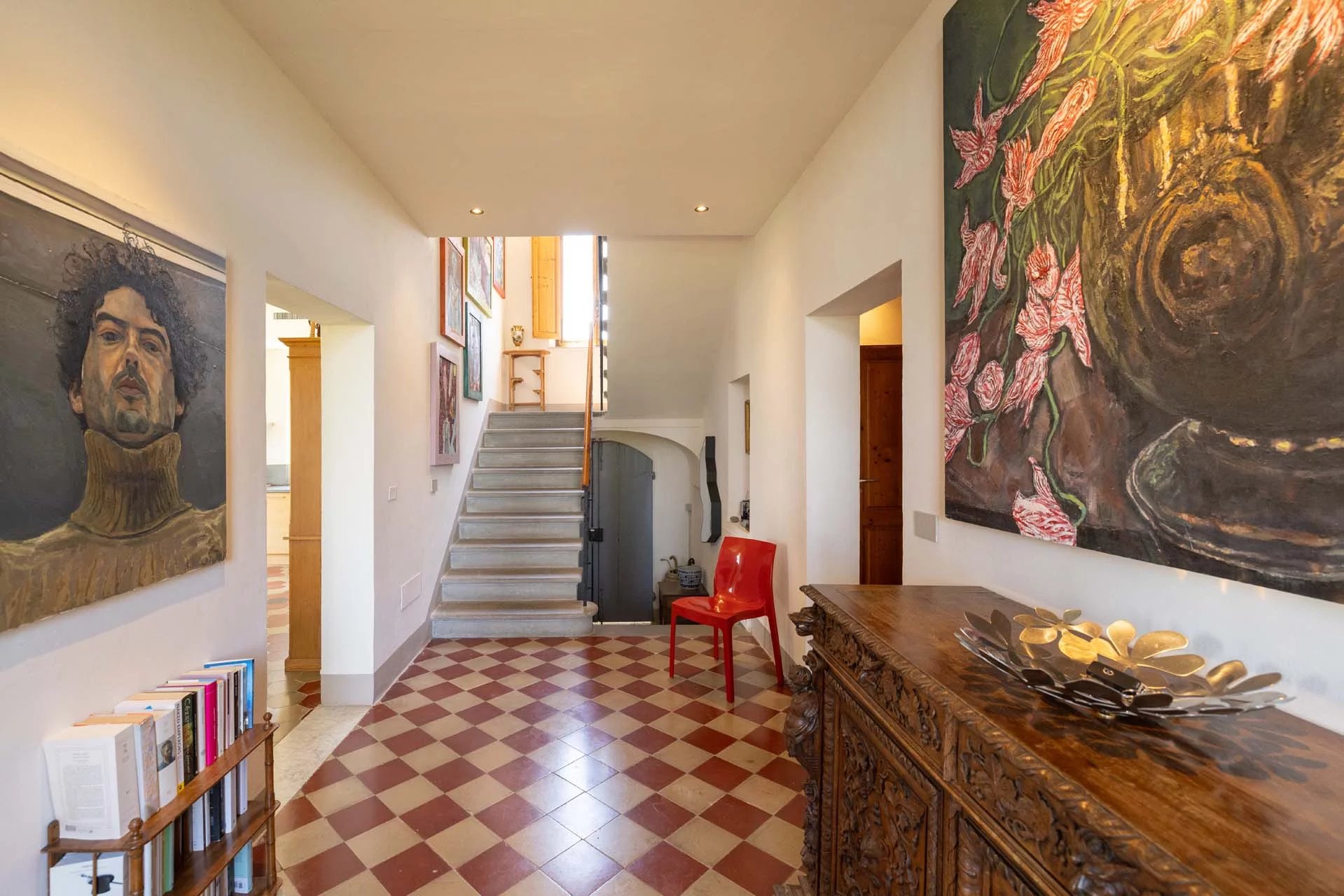
A real estate sheet can tell the number of rooms, internal surface area, presence of a pool, park, guest house, or vineyard. But the desire is born when these data are linked to a broader vision. A historic villa is not just an old house; it is a residence that has spanned different eras. A farmhouse is not just a stone building; it results from rural culture, local materials, and a direct relationship with the land.
Therefore, in luxury real estate, the story is not an editorial detail but a tool for enhancement. It helps the buyer understand why a property is different from others and why its value cannot be reduced to a numerical comparison.
History as an element of uniqueness
Historic homes for sale possess a natural advantage: they carry with them a recognizable past. Frescoes, shields, towers, private chapels, monumental stairs, historic gardens, and ancient salons create an immediate narrative. Every detail becomes part of a story that makes the property more memorable.
A significant example is Castello Mugello, where the strength of the property arises from the meeting of medieval architecture, Tuscan countryside, Italian garden, and hospitality potential. In such a property, history is not just a decorative element: it becomes the core of the identity, capable of transforming a castle into a residential and entrepreneurial destination.
The land as part of value
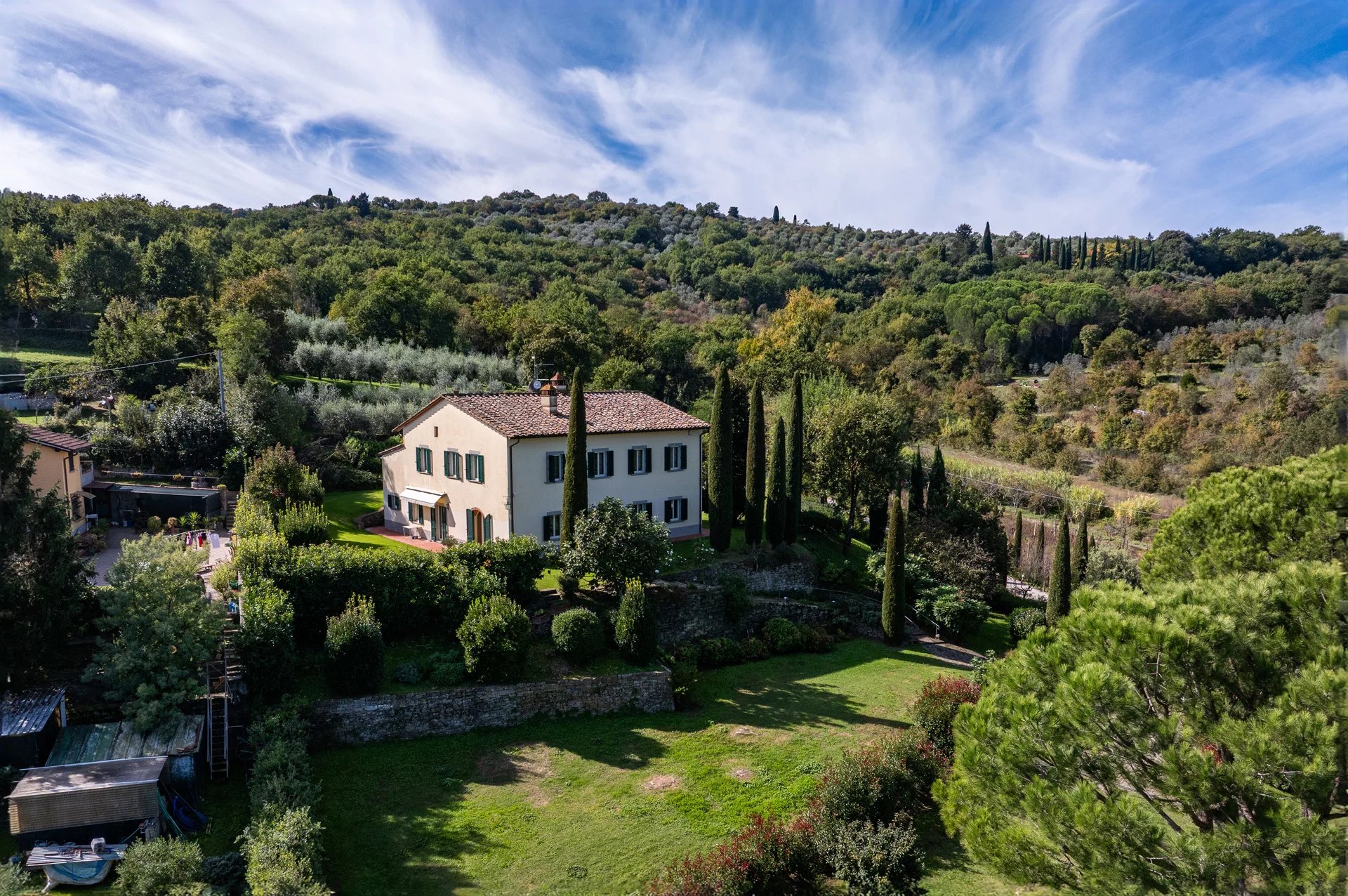
A luxury property never exists in isolation from its context. The land where it is located influences the perception of value as much as architecture. Tuscany, Maremma, Lunigiana, Umbria, Italian lakes, or the Mediterranean coast are not just geographic indications: they are recognizable worlds, with unique landscapes, atmospheres, traditions, and lifestyles.
Country houses, for example, are perceived differently when the story includes vineyards, olive groves, villages, white roads, hills, and rural rhythms. The land gives depth to the property, makes it more authentic, and allows the buyer to imagine a life, not just a purchase.
Wine, oil, and agricultural landscape
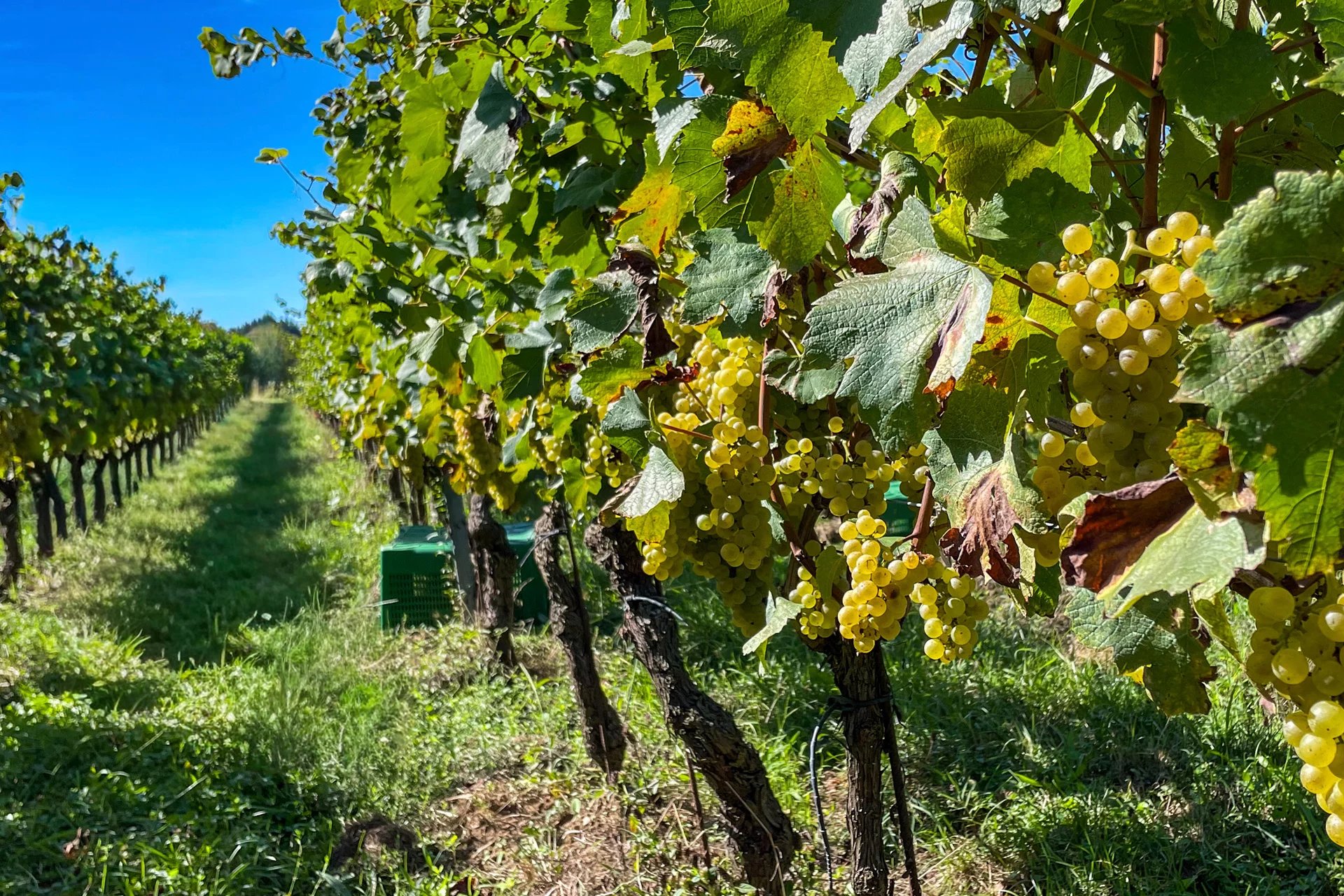
When a property includes agricultural production, the story becomes even stronger. Vineyards, olive groves, and wineries are not only productive assets but narrative tools. They speak of seasons, harvests, local traditions, tastings, hospitality, and the relationship with the land.
In this sense, Lunigiana Winery is an effective example: a medieval castle transformed into a wine project, where history and production reinforce each other. The wine gives the castle a contemporary function, while the castle offers the wine a rare and distinctive identity. It is precisely this relationship between property and story that makes the property more interesting for an international audience.
The landscape as an experience
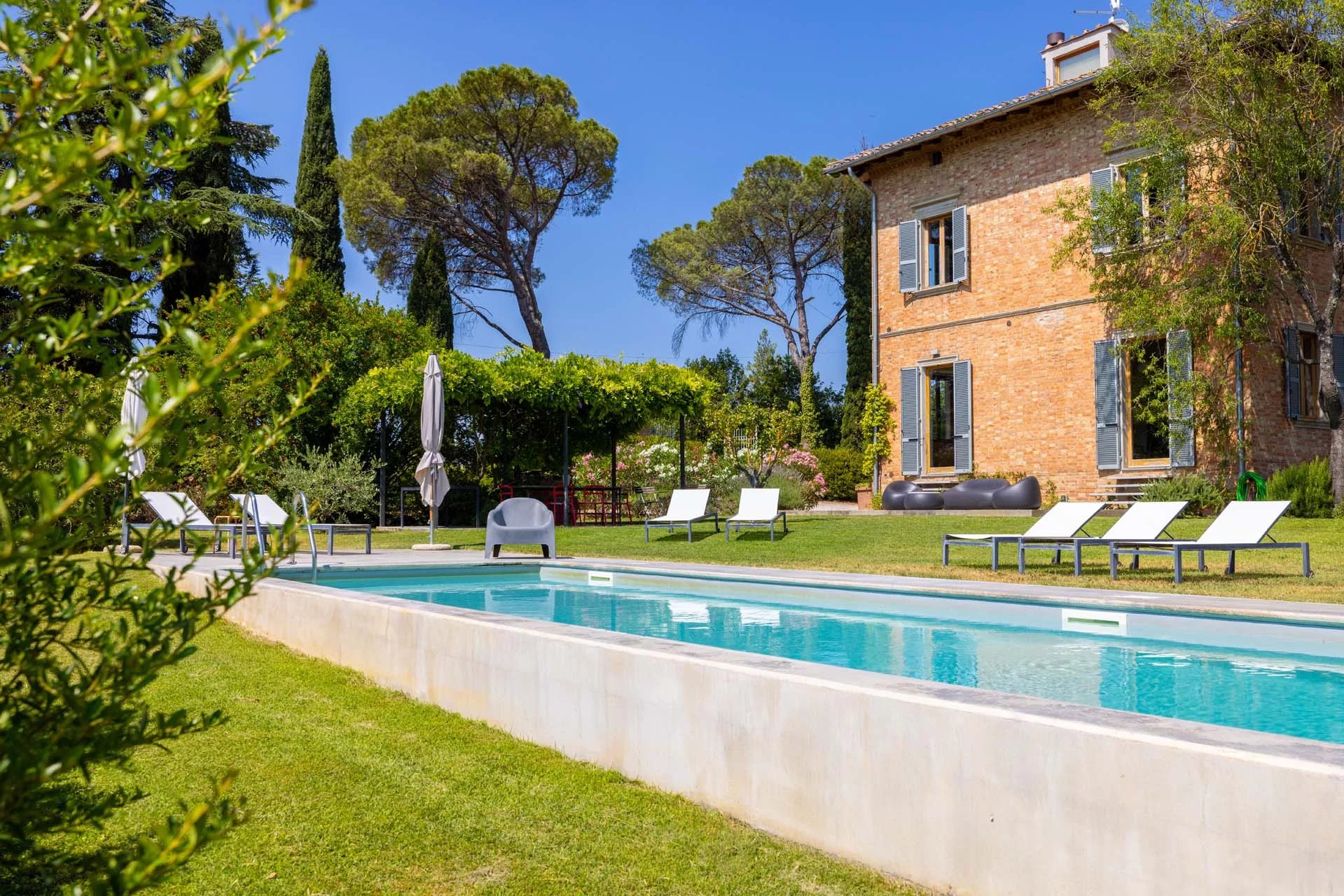
The landscape is not only what is seen from the window. It is what defines how the property is experienced: the morning light, the view from the terrace, the access road, the garden, the pool, the profile of the hills, or the relationship with the sea. A property becomes more desirable when the landscape is part of its daily experience.
Luxury estates for sale often have this strength: they do not just offer a main house, but an entire system of spaces, lands, and views. In an estate, the story includes arrival, privacy, nature, production, hospitality, and development possibilities. Each element contributes to building a completer and more emotional image.
The story as a positioning tool
Telling a property well also means positioning it correctly in the market. A villa with a park can be described as a family residence, a status home, or a charming hospitality facility. A farmhouse can be presented as a private retreat, a farm stay, a country house, or a project to be enhanced. The choice of story guides the buyer’s perception.
This does not mean creating an artificial narrative but highlighting what the property is already capable of communicating. The story must be consistent with the spaces, the history, the land, and the real potential of the property. When authentic, it becomes a powerful tool to distinguish a property in the luxury market.
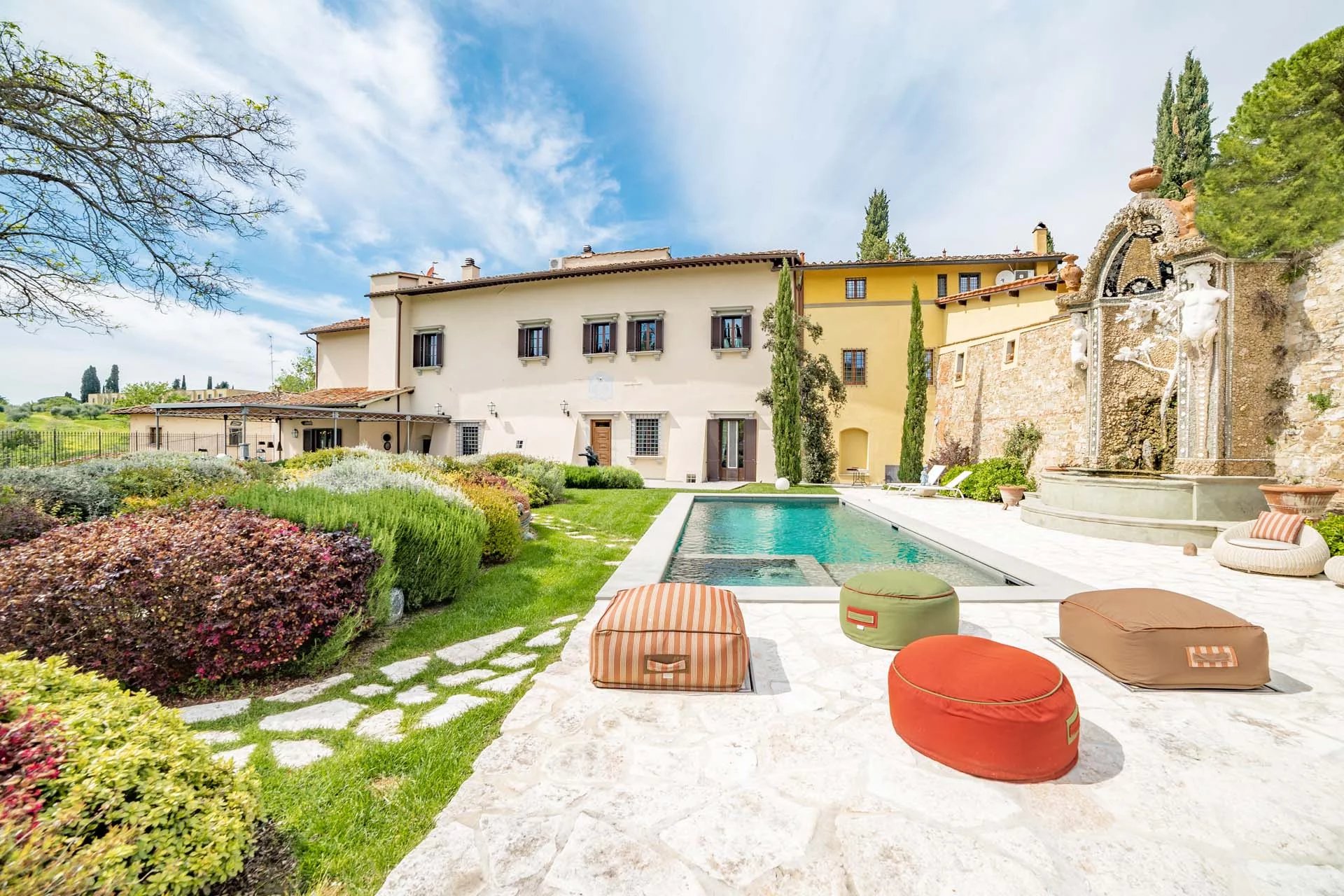
Emotion and purchase decision
High-end buyers evaluate data, location, and conditions of the property, but the final decision is often influenced also by an emotional component. A property must impress, leave an impression, generate desire. The story helps precisely with this: it transforms concrete elements into images, sensations, and possibilities.
A villa overlooking a lake, an estate in Maremma, a castle in the countryside, or a historic home in a village become stronger when the buyer can imagine not only what they are like but how they could be experienced. Luxury, in this sense, is also the ability to evoke.
From property to experience
The high-end real estate market is increasingly moving toward experiential properties. Possessing a beautiful property is no longer enough: what matters is what that place allows you to experience. Tastings, stays, private events, outdoor living, sports, wellness, privacy, culture, and nature become an integral part of the value.
A well-told property shows all these possibilities without forcing them. It makes clear how spaces can be inhabited, transformed, shared, or monetized. In this way, the residence ceases to be perceived as a static asset and becomes a project: personal, family, entrepreneurial, or hospitality.
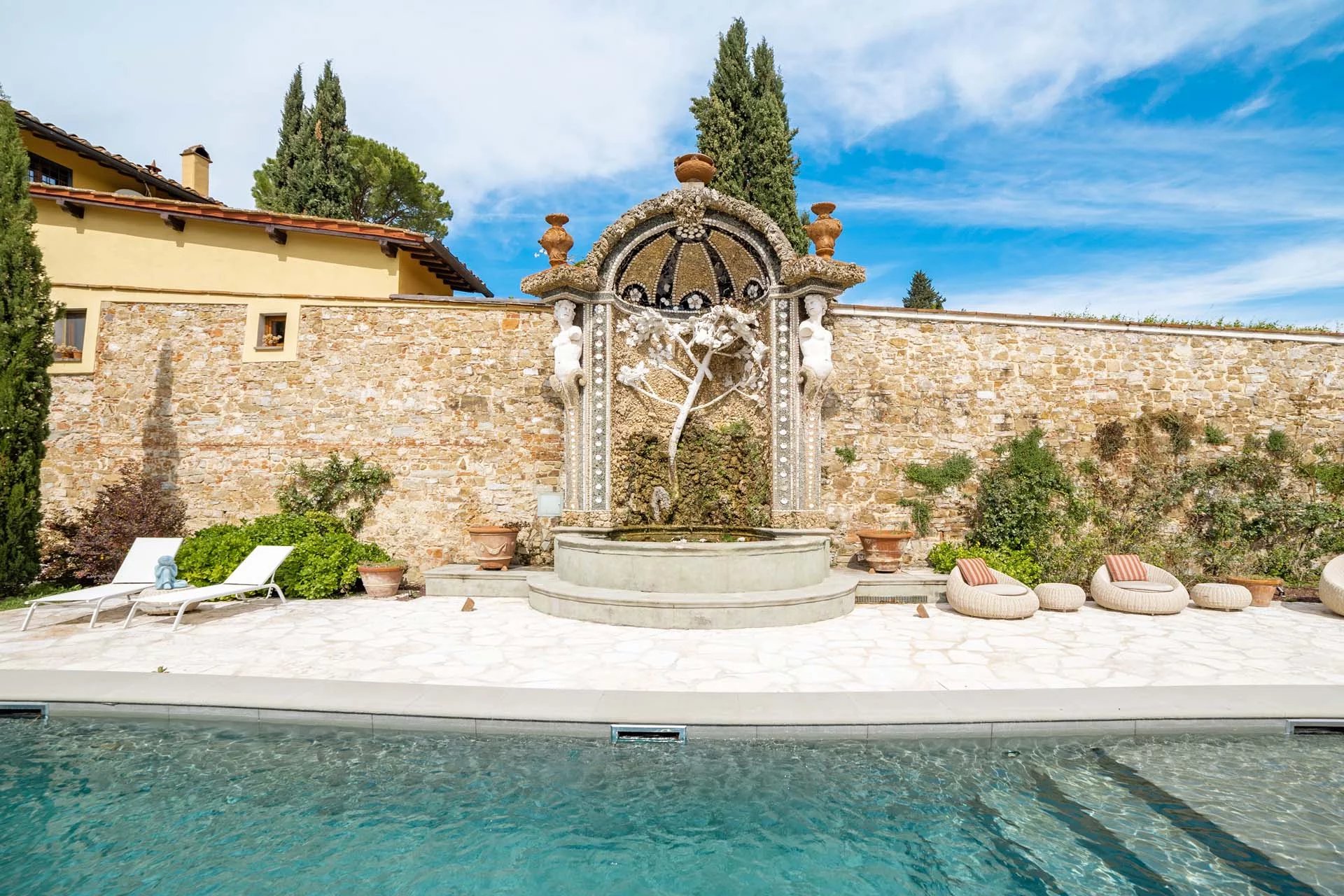
Selling luxury means telling stories of identity
In luxury real estate, the story of a property helps to make visible what often does not appear in technical data: identity, atmosphere, memory, rarity, and relationship with the land. It is this set of elements that makes a residence truly exclusive.
History and land are not secondary details but essential components of value. A property with a strong story is more recognizable, more desirable, and more difficult to replace. Therefore, selling luxury also means knowing how to tell the place: not only what a house possesses but what it represents, what it safeguards, and what it can become.


Copyright © Romolini

