




 Our Family


 Italiano
 Deutsch


 Back to list

Renovation trends 2026: maintaining authenticity and increasing value

Published 21-02-2026
Renovating a valuable property does not simply mean updating it aesthetically or functionally. Design choices directly affect the identity of the property and its ability to retain – or increase – value over time. The renovation trends emerging for 2026 are moving in precisely this direction: measured, respectful, and quality-oriented interventions, rather than radical transformation.
The focus shifts from seeking immediate effect to building a lasting balance between architectural authenticity and contemporary comfort.
Authenticity as the foundation of design
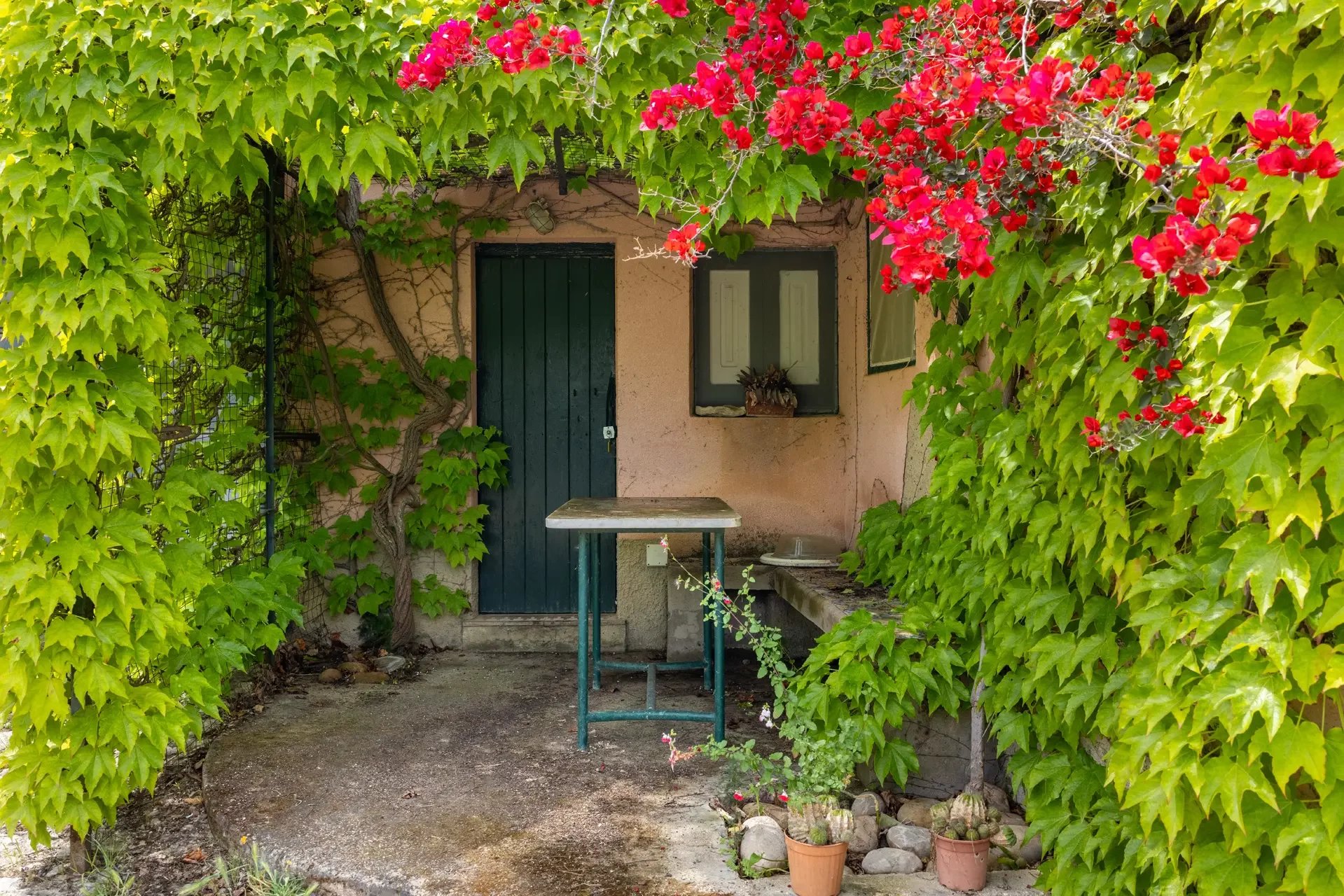
The first element that emerges clearly is the return to authenticity. Original materials, historic structures and original proportions are increasingly seen as a value to be preserved, not a limitation to be overcome.
Wooden beams, terracotta floors, natural stone, vaults and ancient masonry are not replaced, but restored and enhanced. The ideal intervention does not erase the past, it makes it legible. This approach allows the property to maintain a strong identity, distinguishing itself from standardized renovations lacking character.
Invisible interventions, concrete results
One of the most significant trends concerns the integration of modern technologies in an unobtrusive way. Installations, thermal insulation, air conditioning systems, and energy efficiency solutions are incorporated without altering the aesthetics of the building.
Comfort becomes an essential requirement, but it must never override architecture. The most successful interventions are those that are not noticed, but are perceived in the quality of daily living: balanced temperatures, silence, functionality of spaces.
Space distribution: less compartmentalization, more fluidity
The most careful renovations tend to revise the internal distribution of spaces, maintaining the original proportions but improving usability. Non-structural walls are reduced or rethought to create greater continuity between spaces, without distorting the layout of the building.
The goal is not to open indiscriminately, but to foster a more natural relationship between rooms, improving brightness and functionality. Even in historic buildings, livability takes a central role in the overall evaluation of the project.
Contemporary materials in dialogue with historic ones
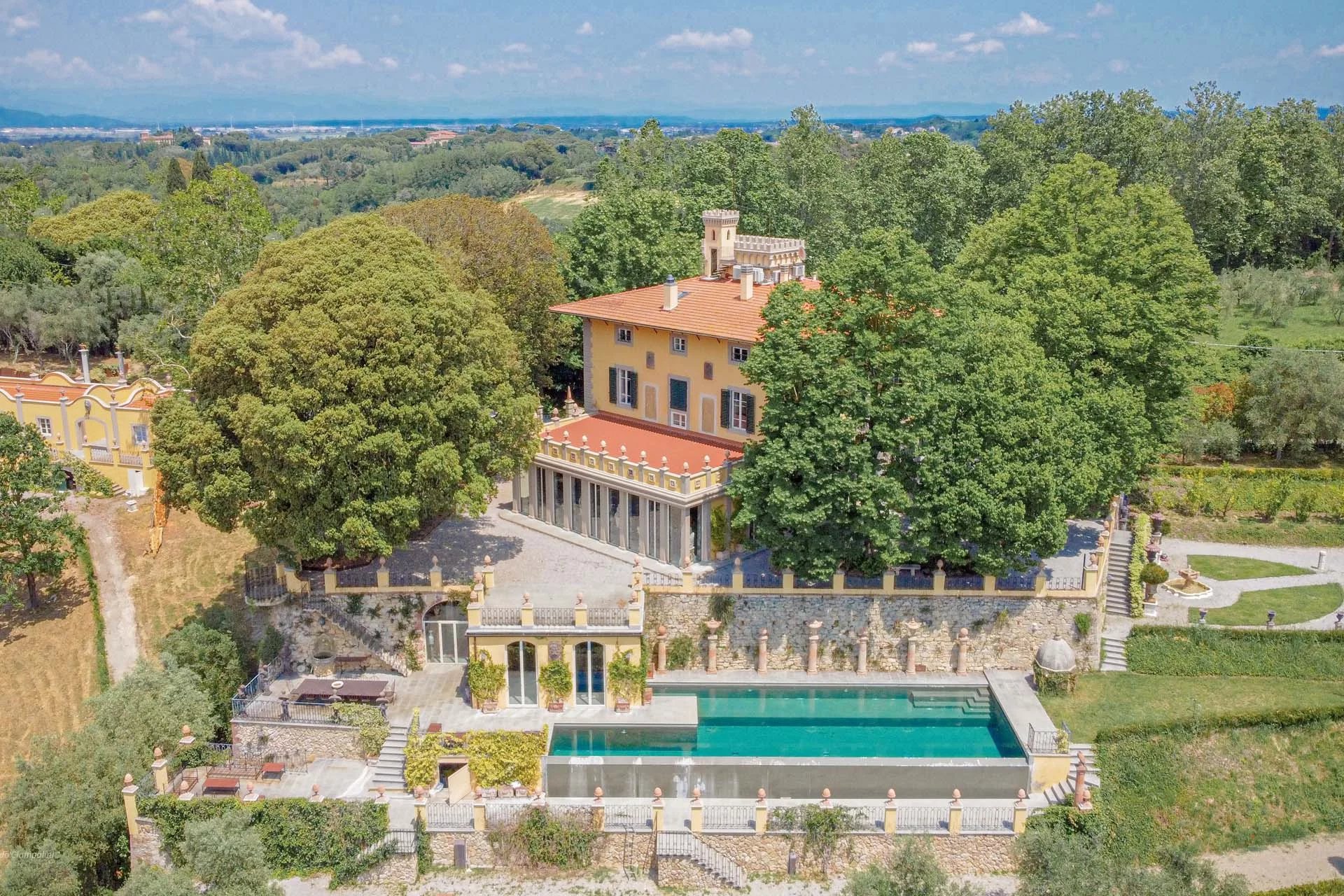
When introducing new materials, the trend is to choose elements that dialogue with the existing context. Natural surfaces, matte finishes, understated color palettes and durable materials replace more invasive decorative solutions.
Contrast, if present, is always measured. The goal is not to create a break, but an interpretive continuity between past and present. This balance increases the perception of quality and reinforces the overall value of the property.
Flexibility of spaces
Another relevant trend concerns the flexibility of spaces. The most effective renovations involve adaptable rooms that can meet different needs over time. Studios that can become rooms, outbuildings that can be used independently, common spaces designed for residential or receptive uses.
This versatility makes the property more interesting from a heritage point of view, expanding the possibilities of use without compromising the architectural identity.
Restoration as a conscious investment
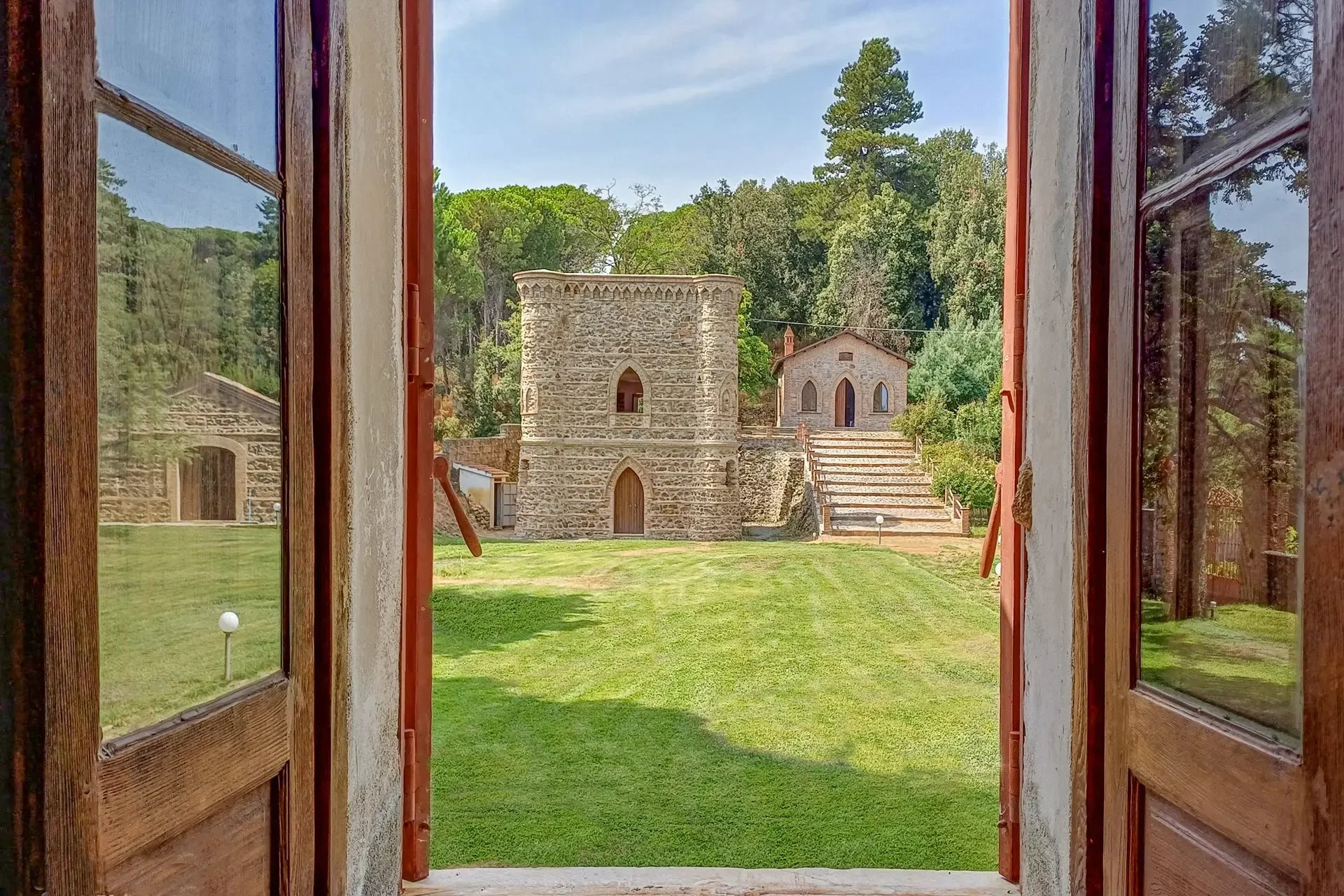
Restoration, when approached with expertise and vision, is a concrete tool for enhancement. Consistent interventions increase the property’s attractiveness, enhance its uniqueness, and contribute to better value retention over time.
Conversely, invasive or disrespectful renovations risk compromising elements that constitute the building’s true assets. The 2026 trend rewards projects that demonstrate balance, contextual awareness and attention to detail.
Renovation trends for 2026 point to a clear direction: maintain authenticity to increase value. True luxury lies not in radical transformation, but in the ability to read a property, understand its identity and intervene with measure.
Renovating thus becomes an act of interpretation, not replacement. A process that, when guided by expertise and sensitivity, allows fine properties to evolve without losing what makes them unique.


Copyright © Romolini

