 Our Family


 Italiano
 Deutsch


























































 GALLERY
  brochure
 MAP
MAP


 Contact
Danilo Romolini
 +39 0575 788948

MEDIEVAL CASTLE FOR SALE IN MONFERRATO, PIEDMONT






 Back to list


Ref. 2893 Castello Monferrato
Asking price:
€ 6,000,000
Currency:

 Share
Share
 PROPERTY ALERT
 INTERIORS: 4,229 sqm (45,521 sqft)
 Bedrooms: 23
 Bathrooms: 23
 Condition : Excellent condition
 Internet: Yes
 Heating:
Convector + Radiator
Heating:
Convector + Radiator
 Energy certification:
  (149.72 kWh/m²year)
 EXTERIORS: 1.84 ha (4.55 ac)
 Pool: Yes
Bedrooms: 23
Bathrooms: 23
Condition : Excellent condition
Internet: Yes
Heating:
Convector + Radiator
Energy certification:
(149.72 kWh/m²year)
Pool: Yes
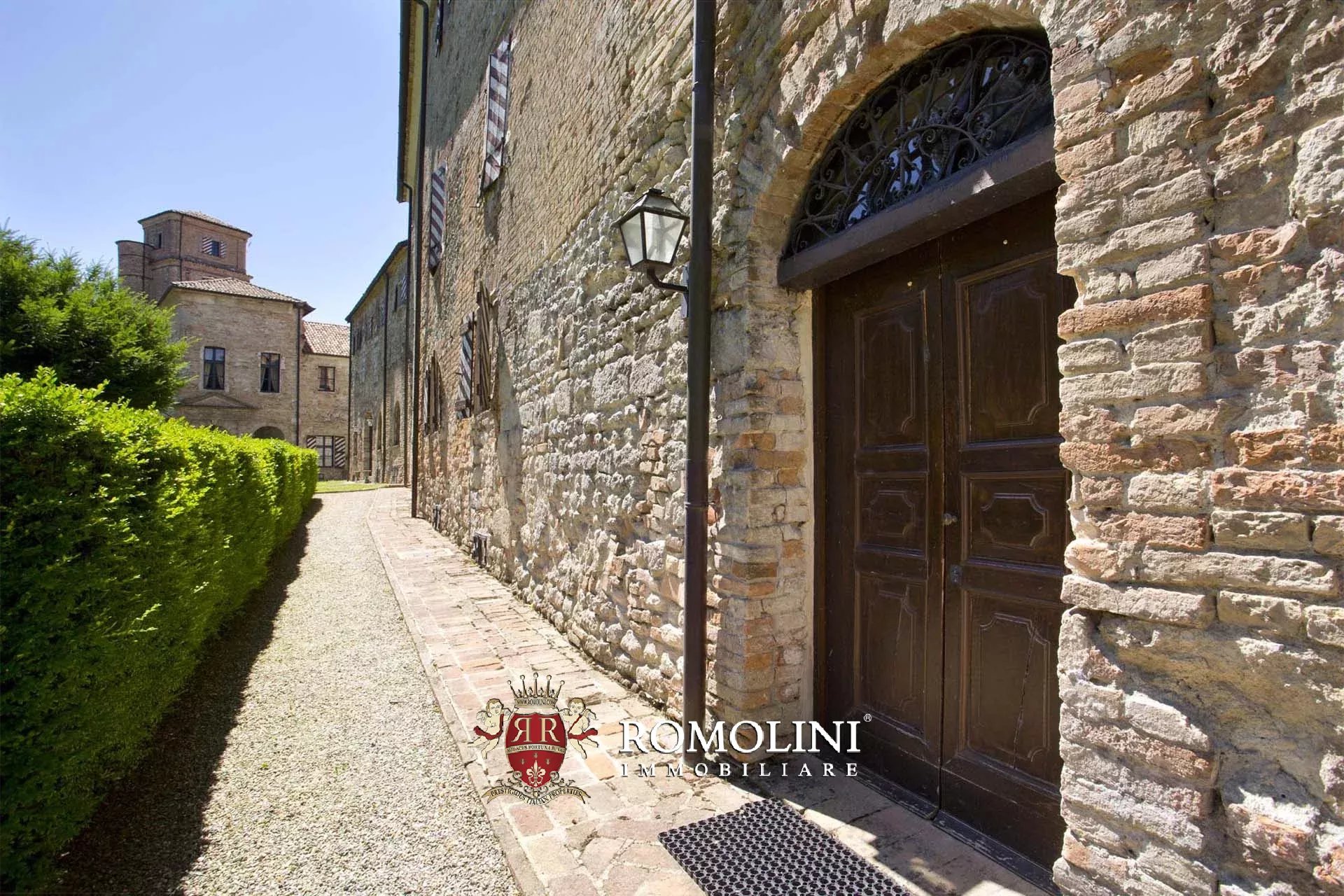
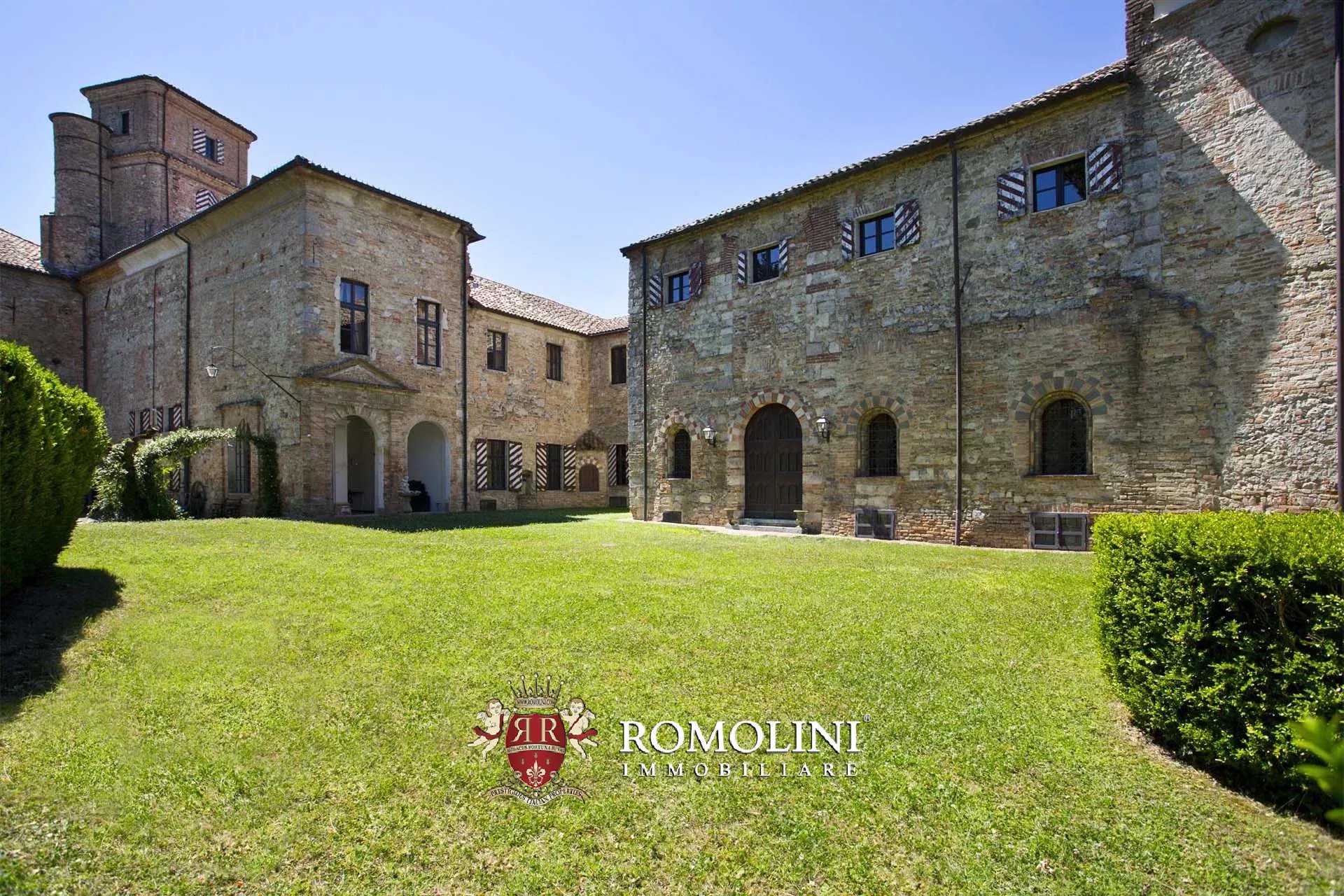
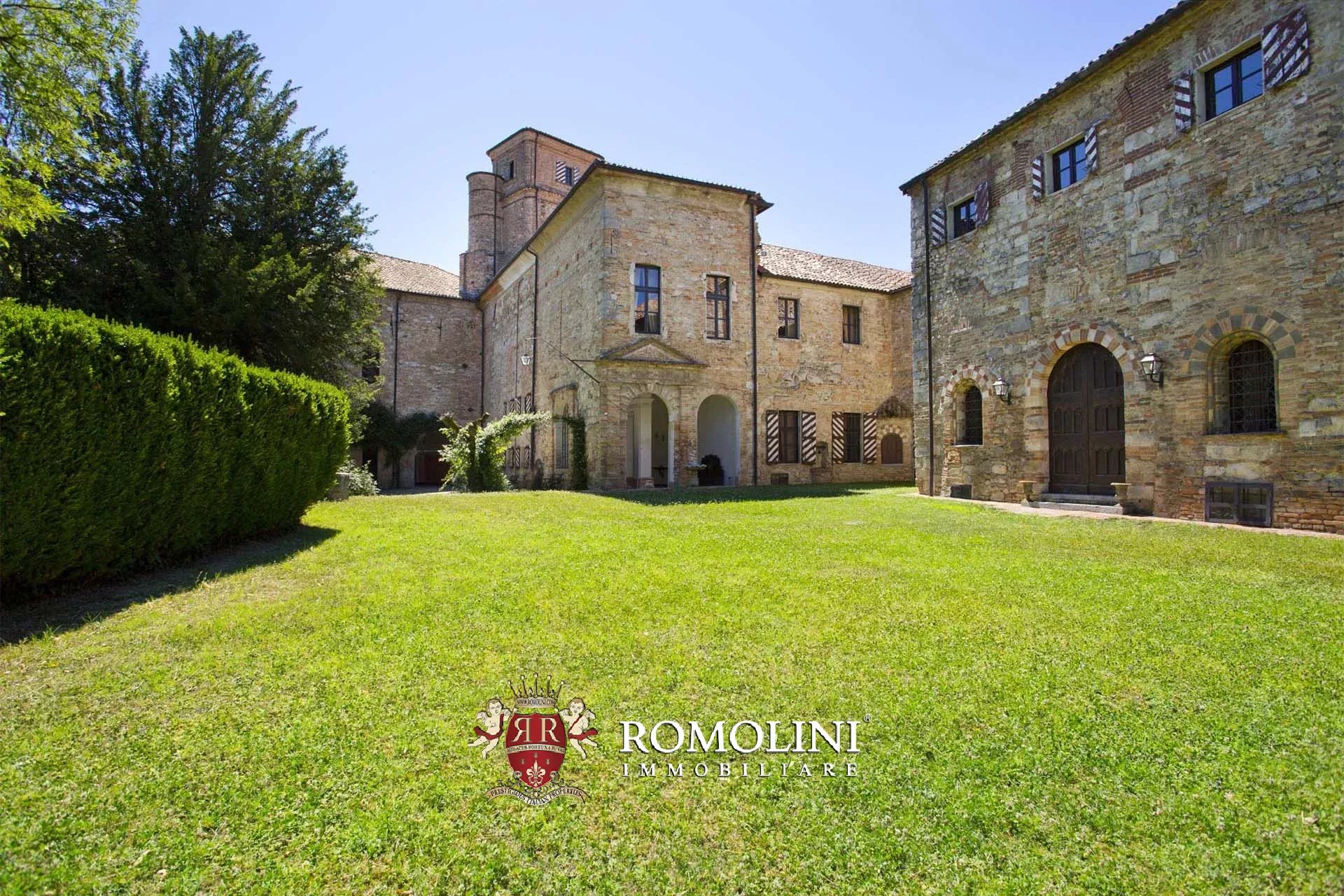
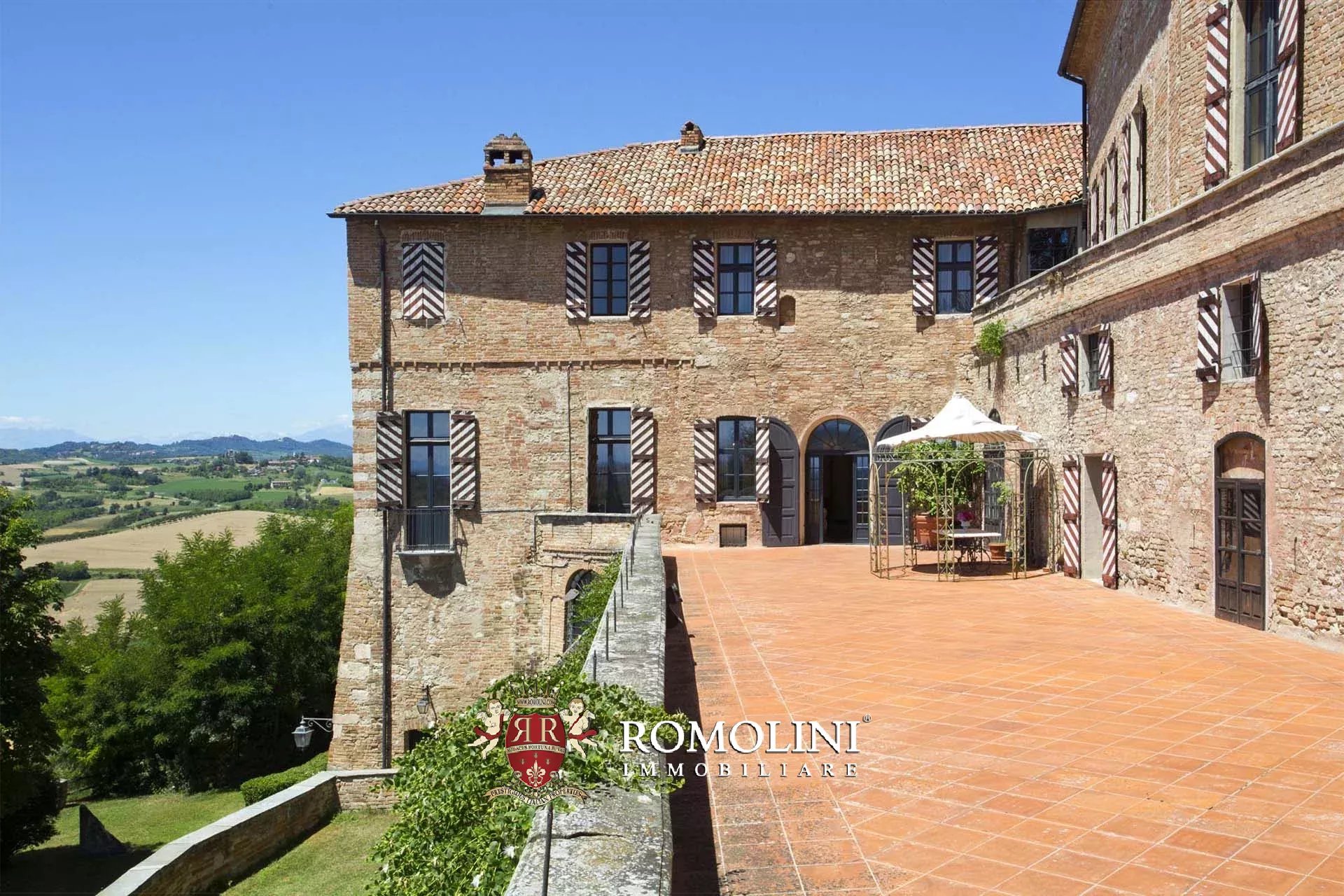
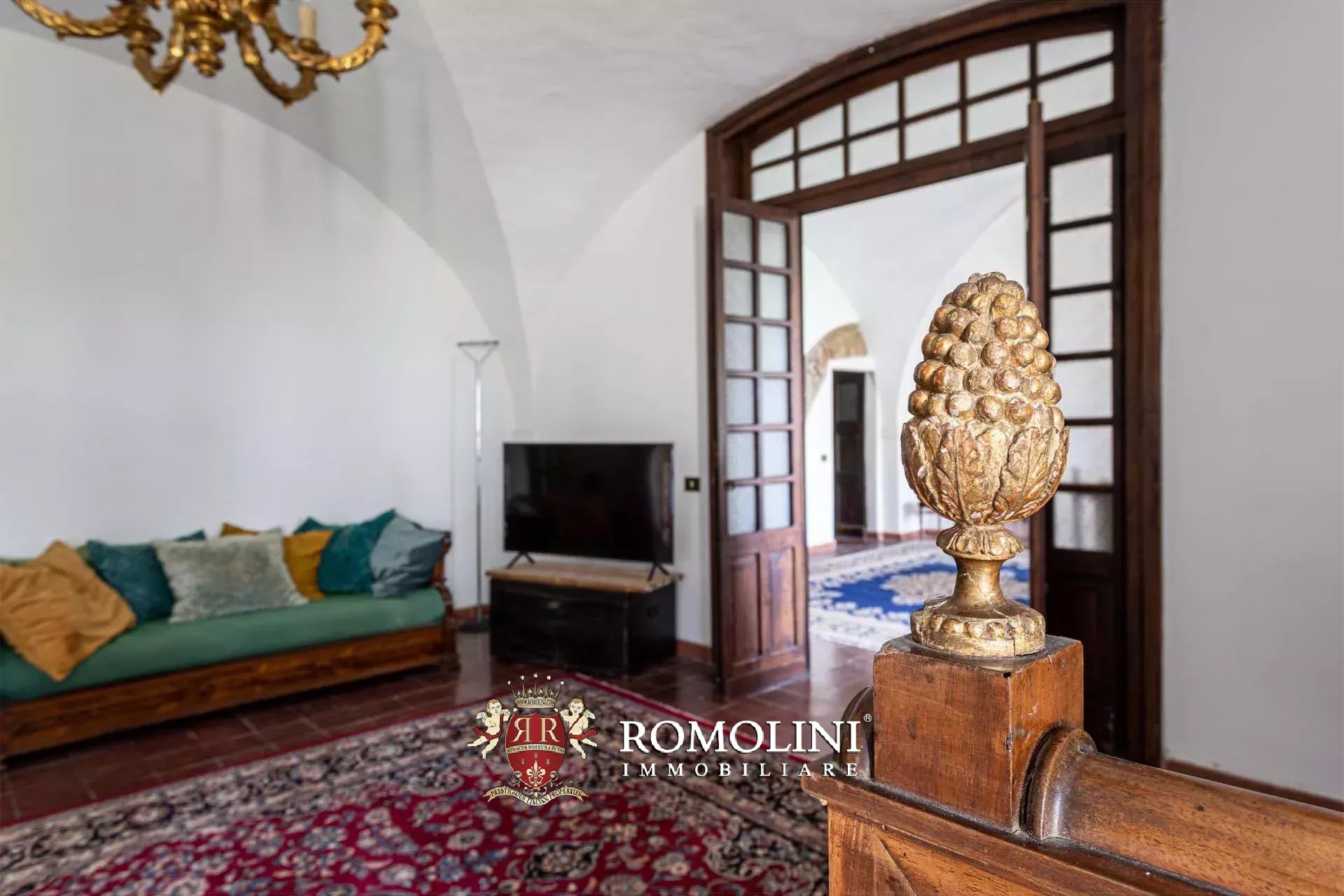
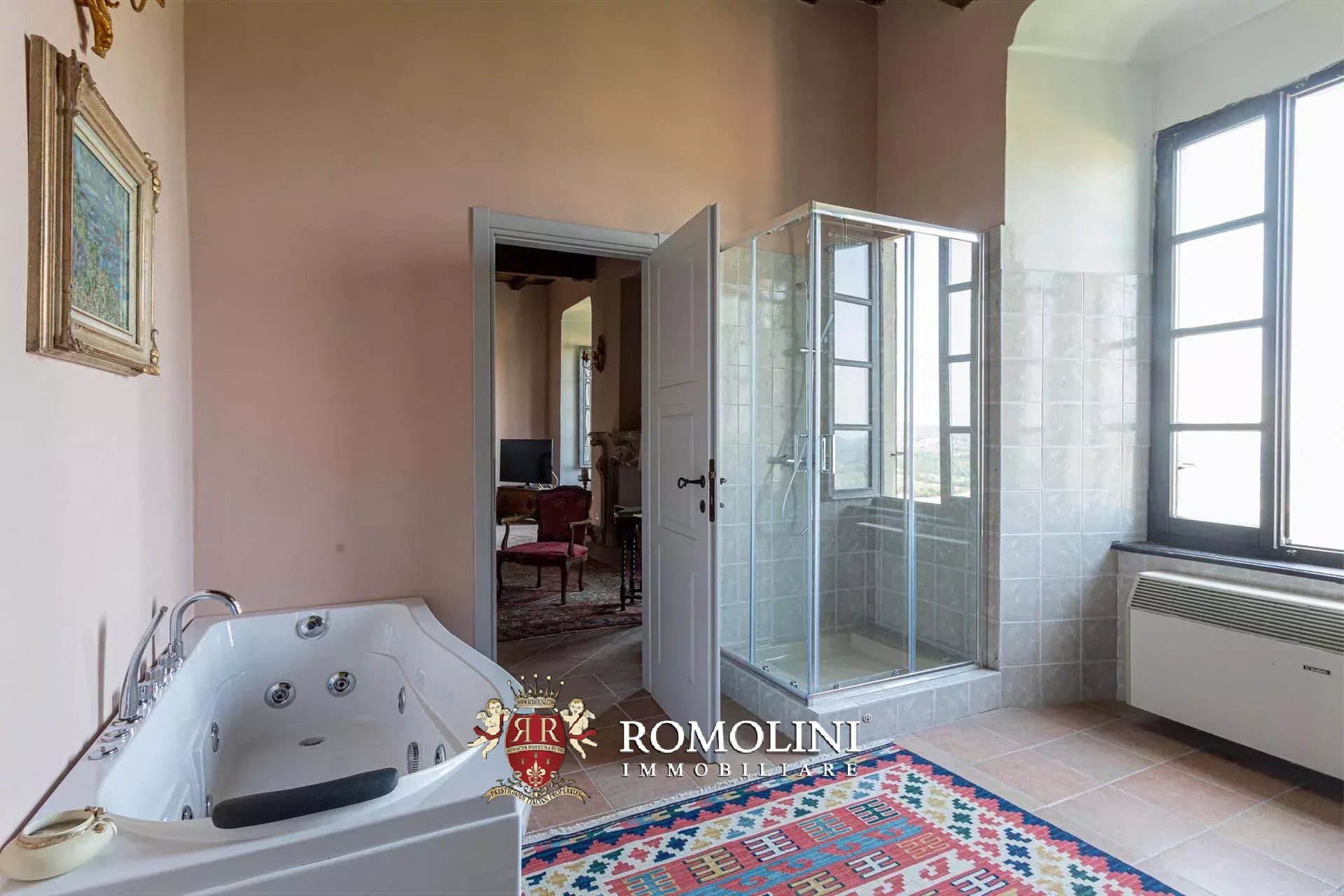
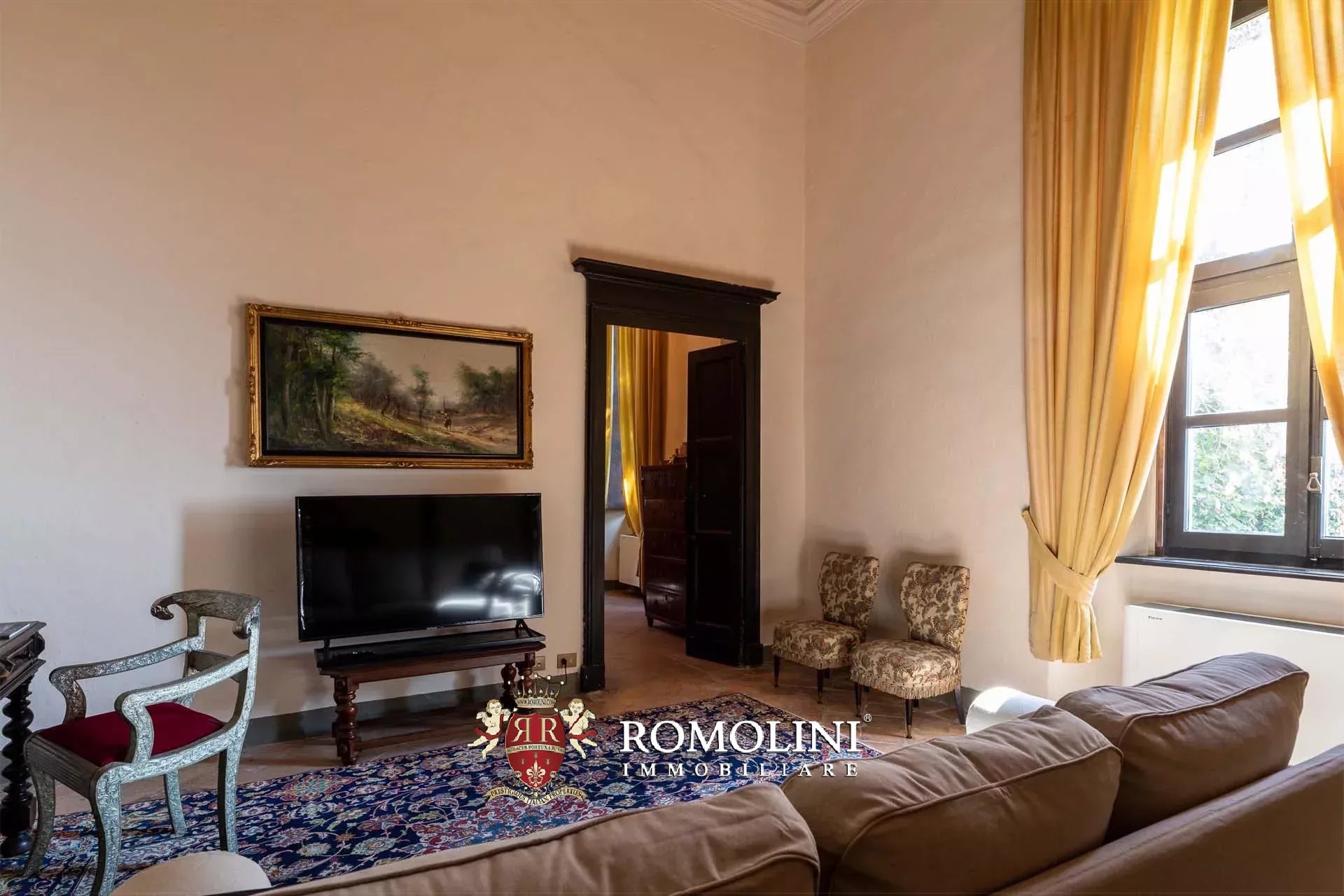
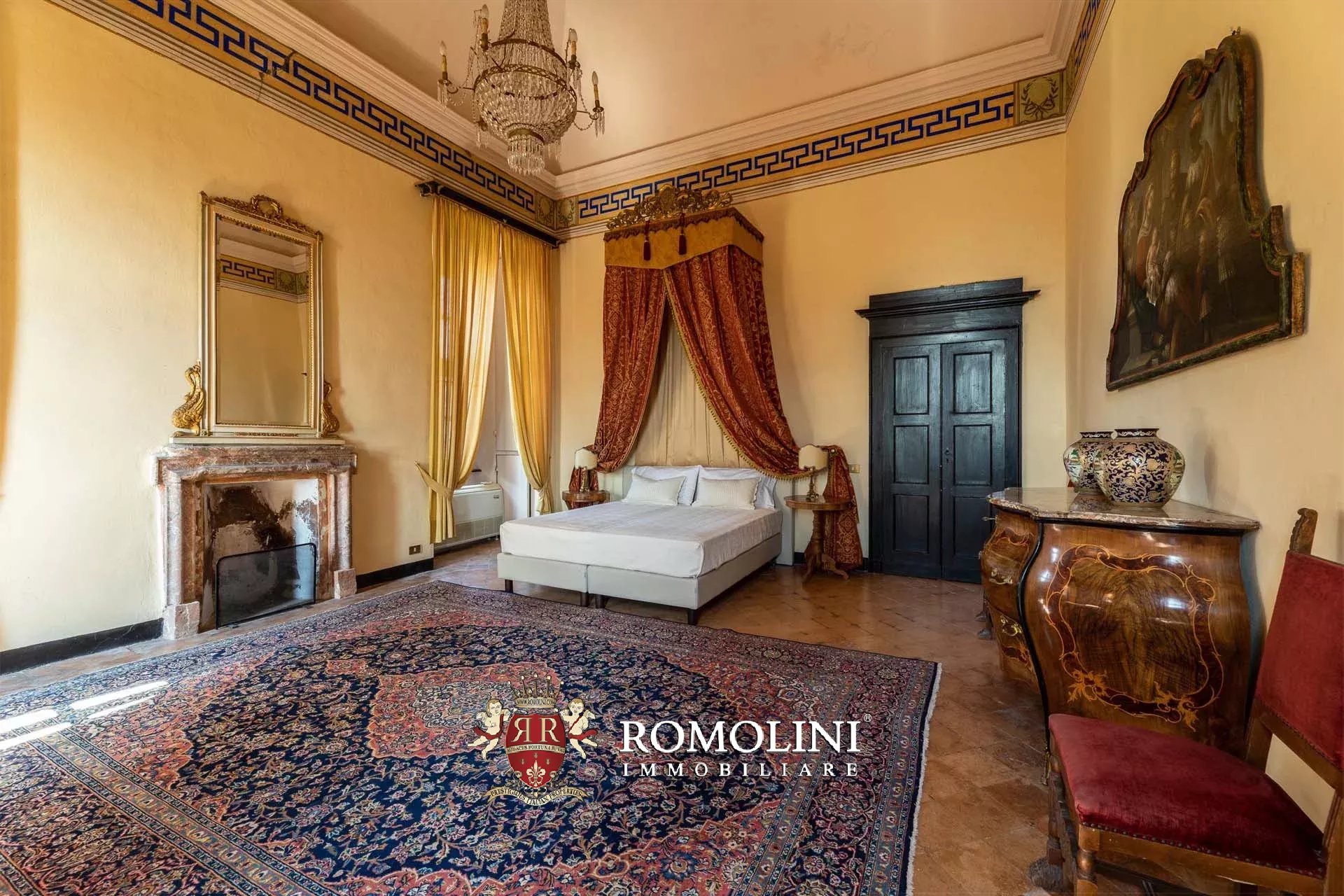
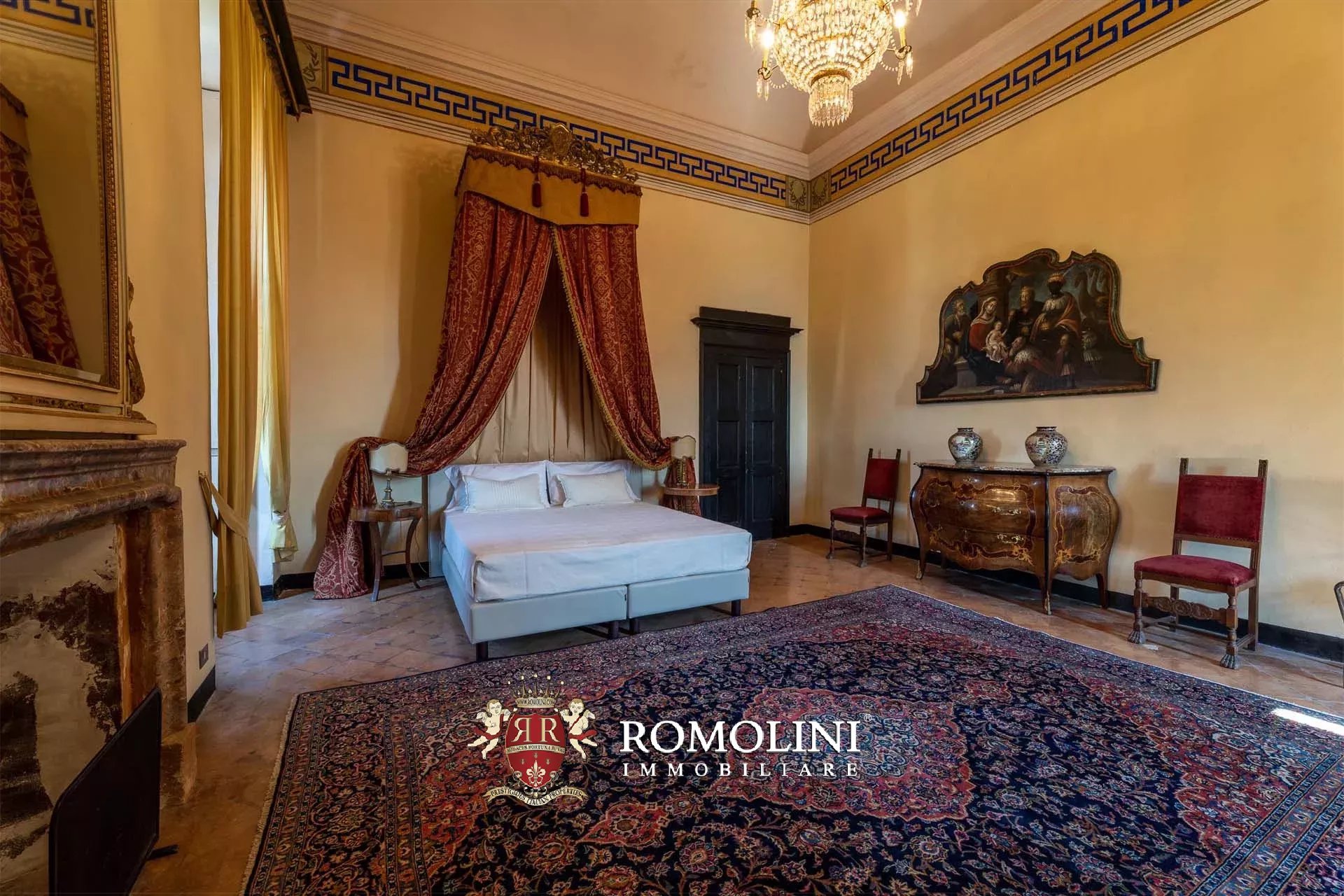
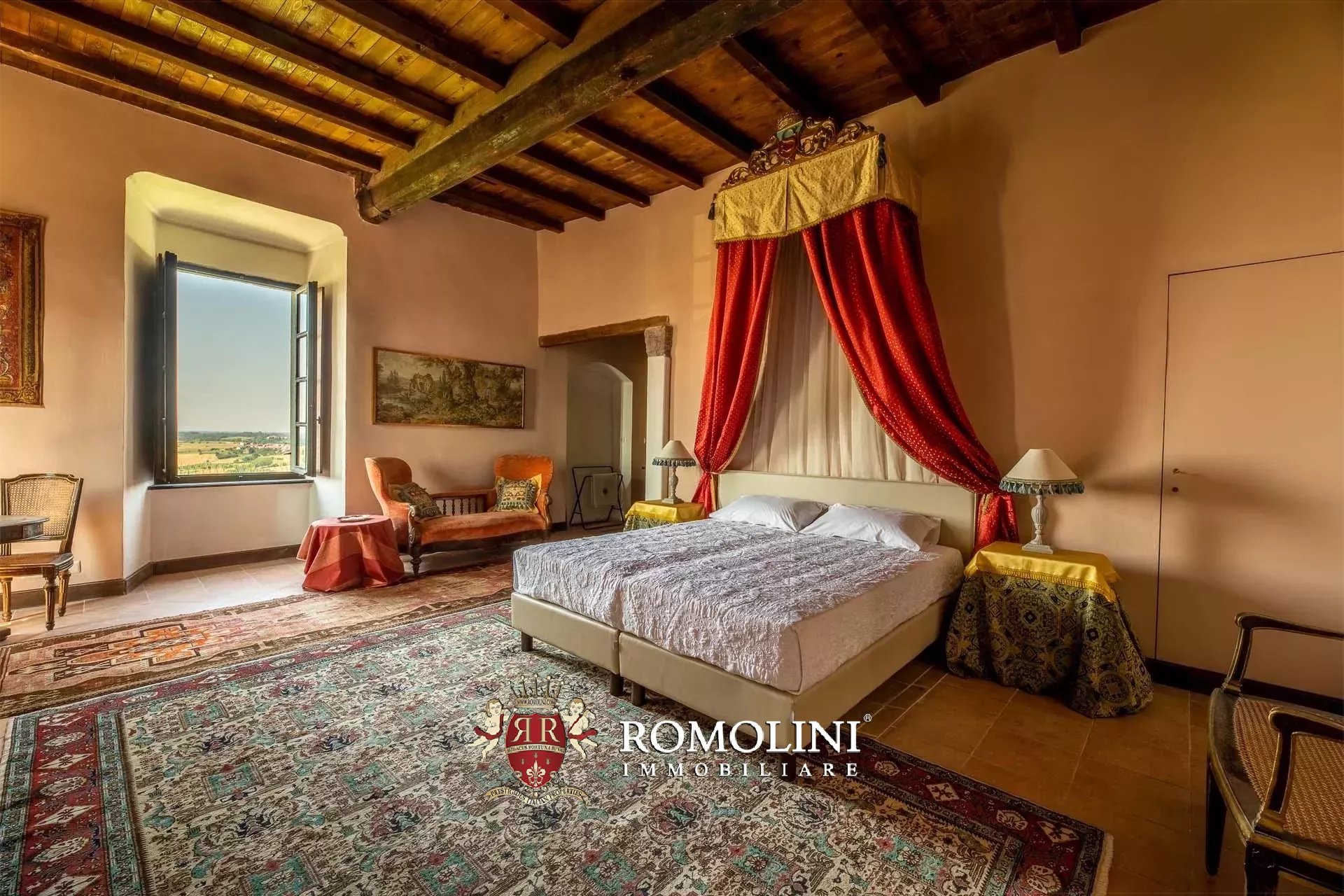
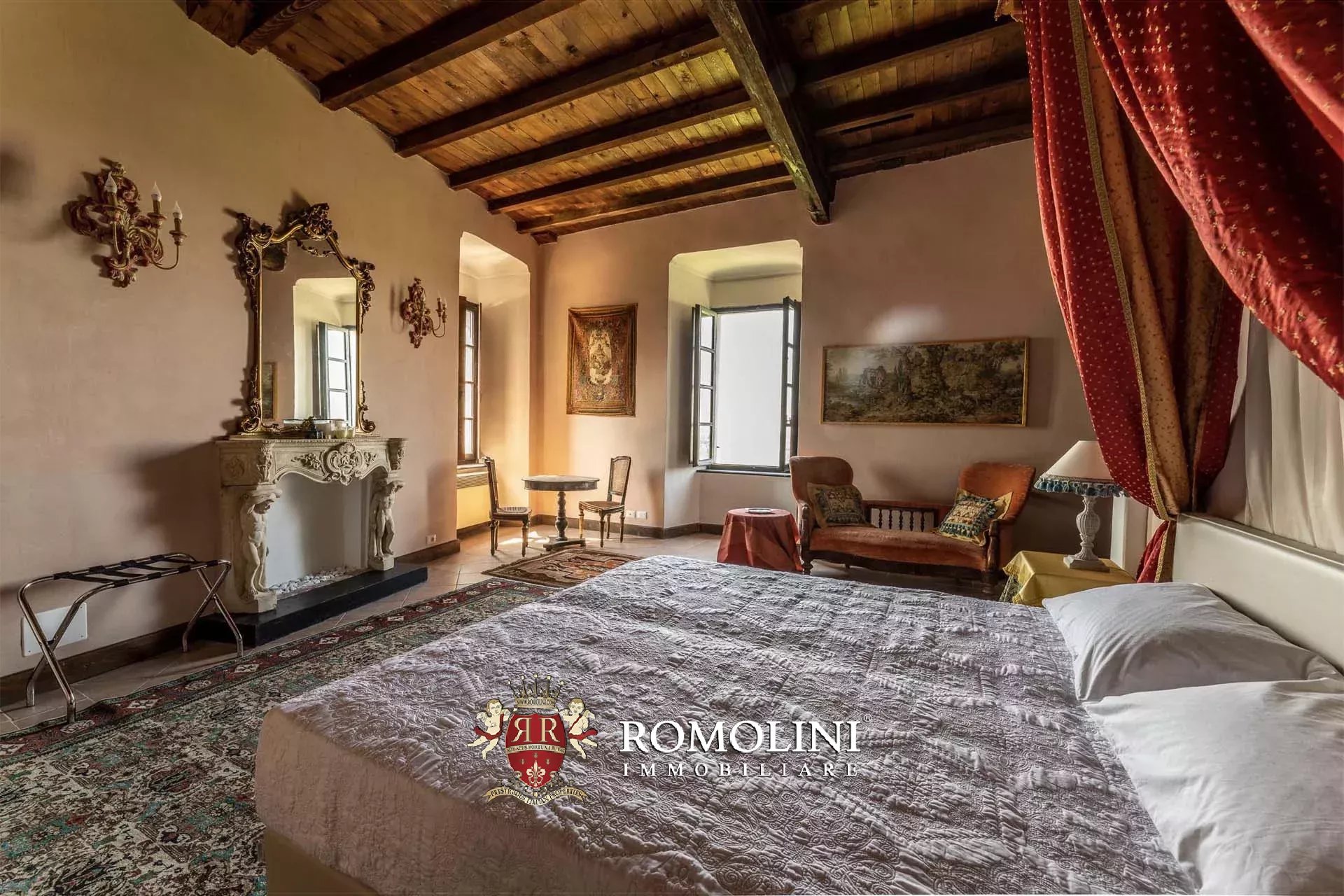
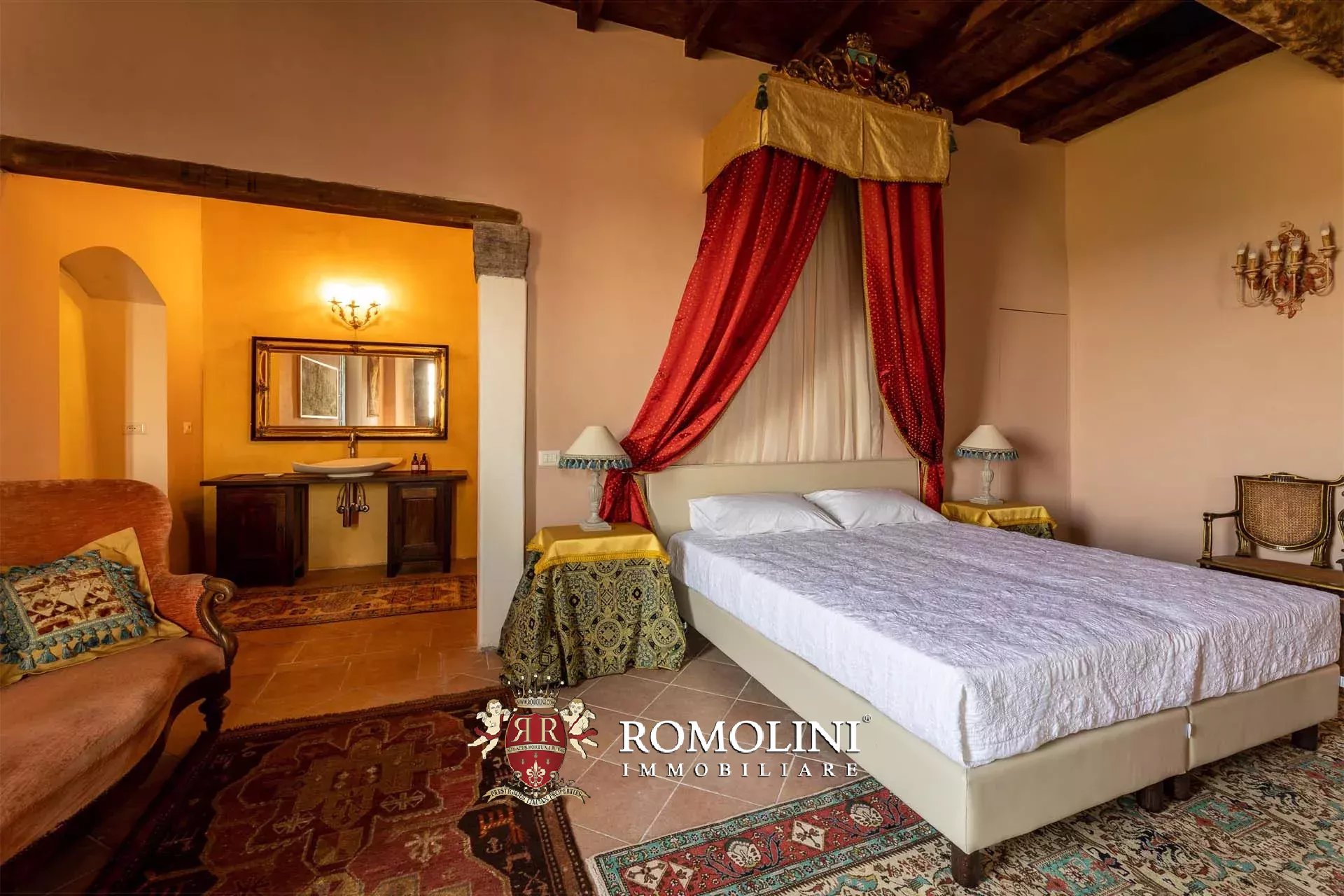
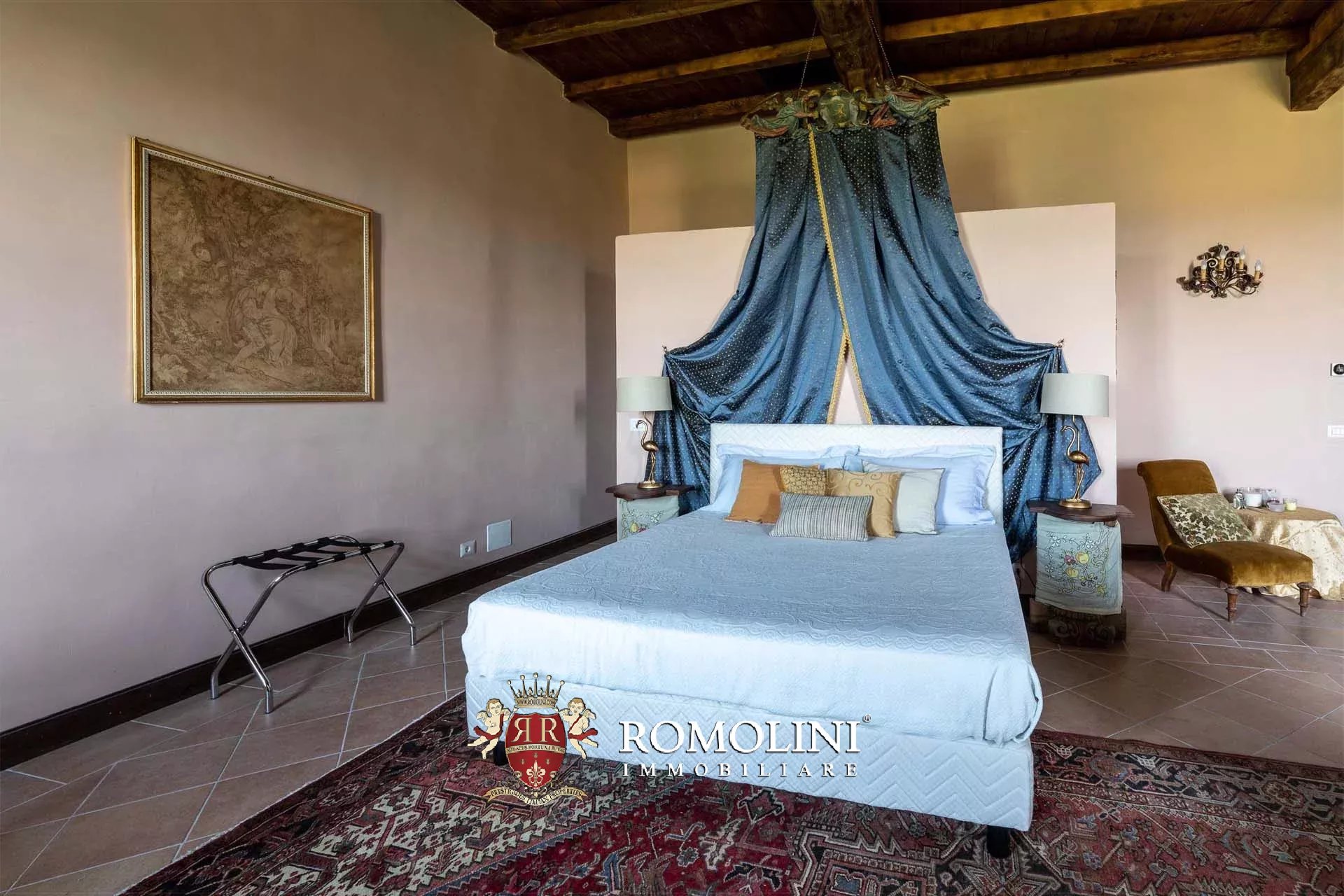
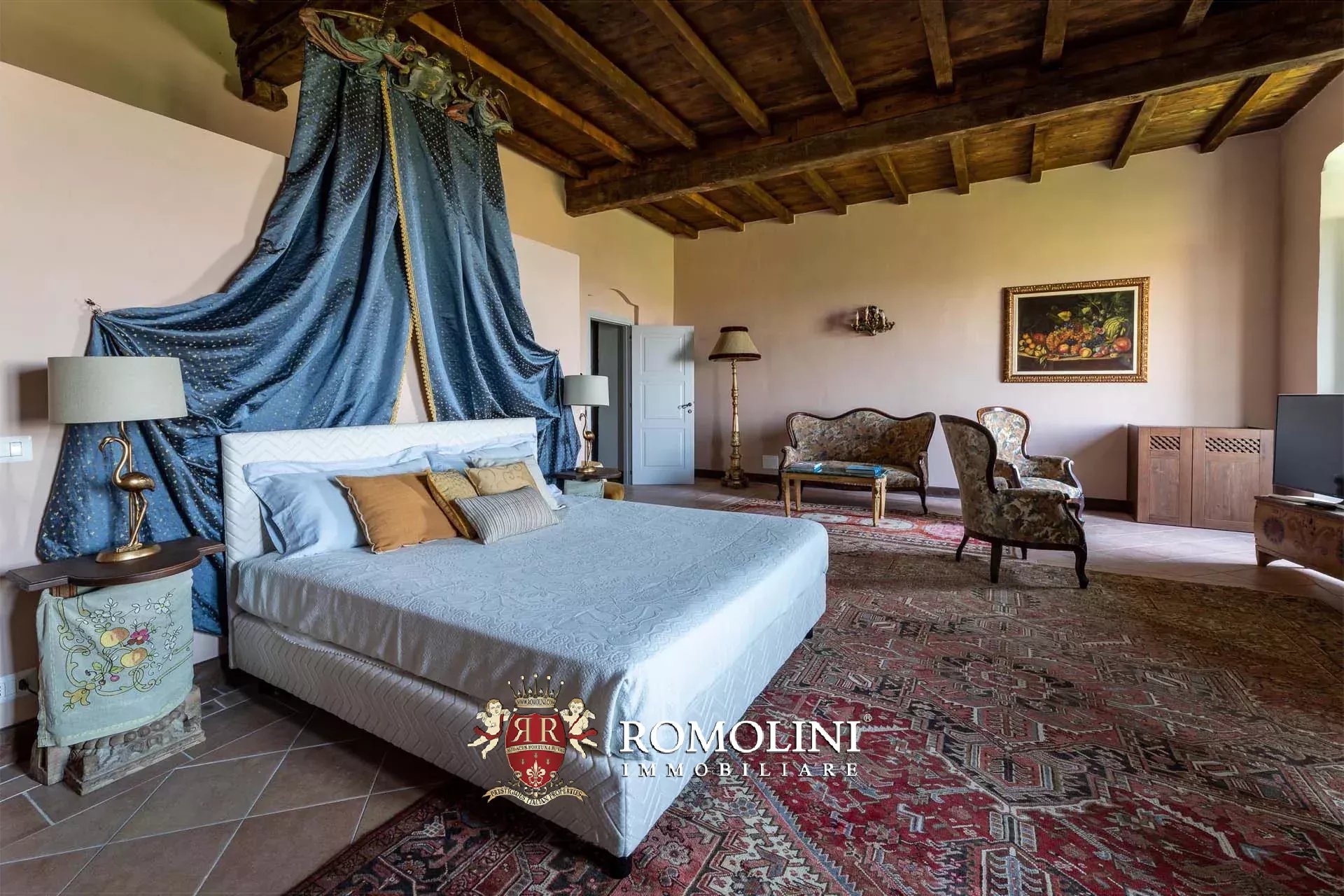
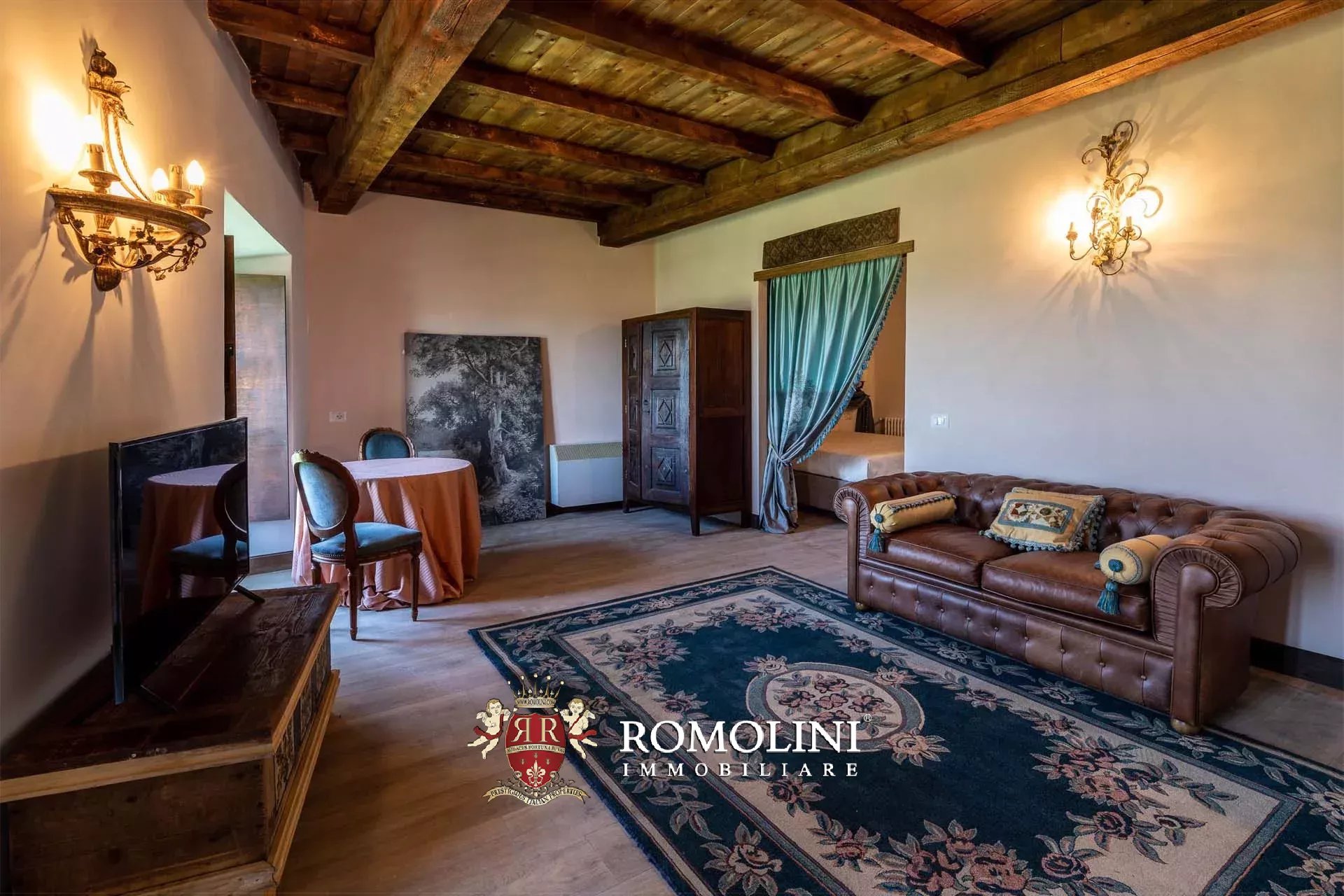
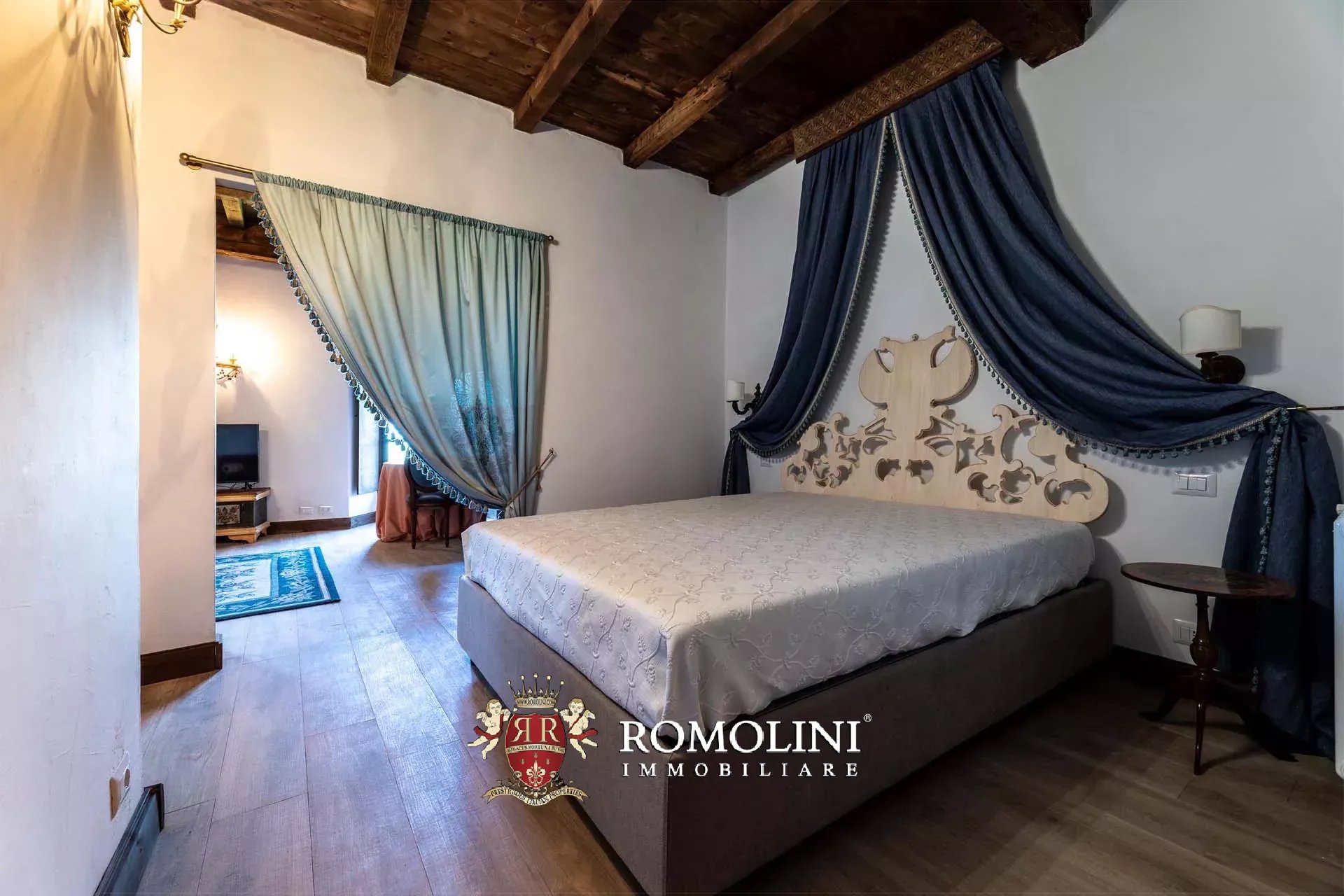
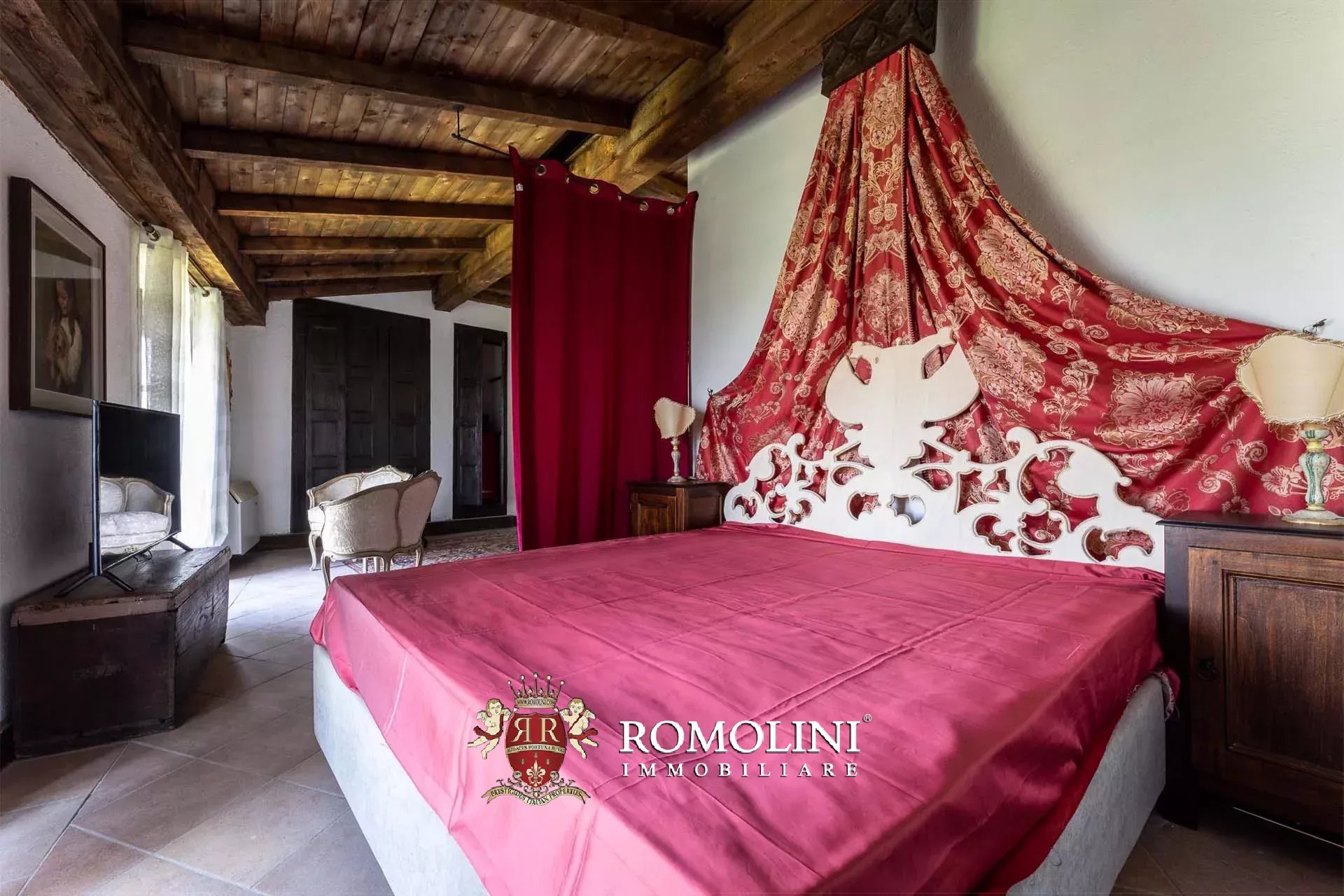
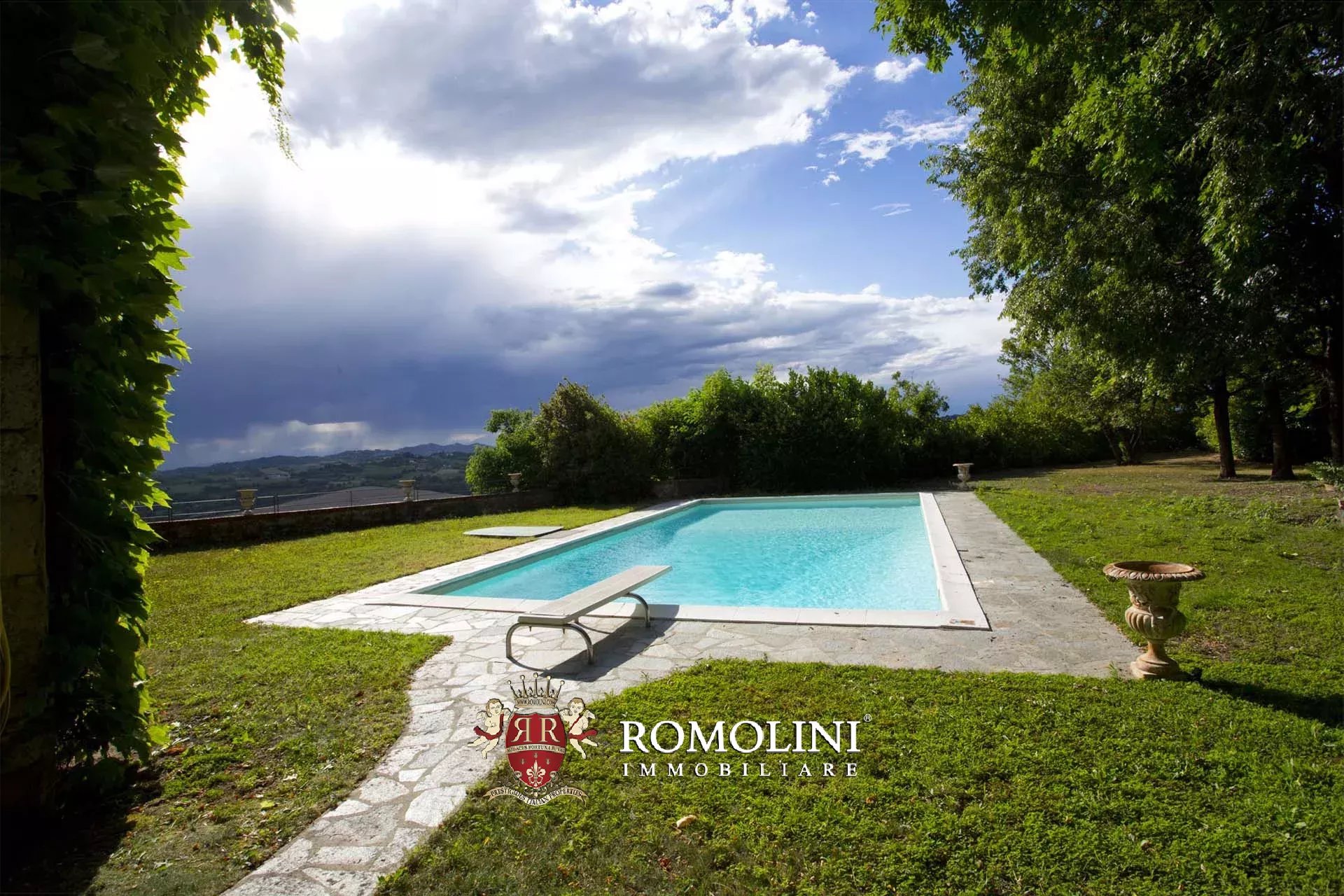
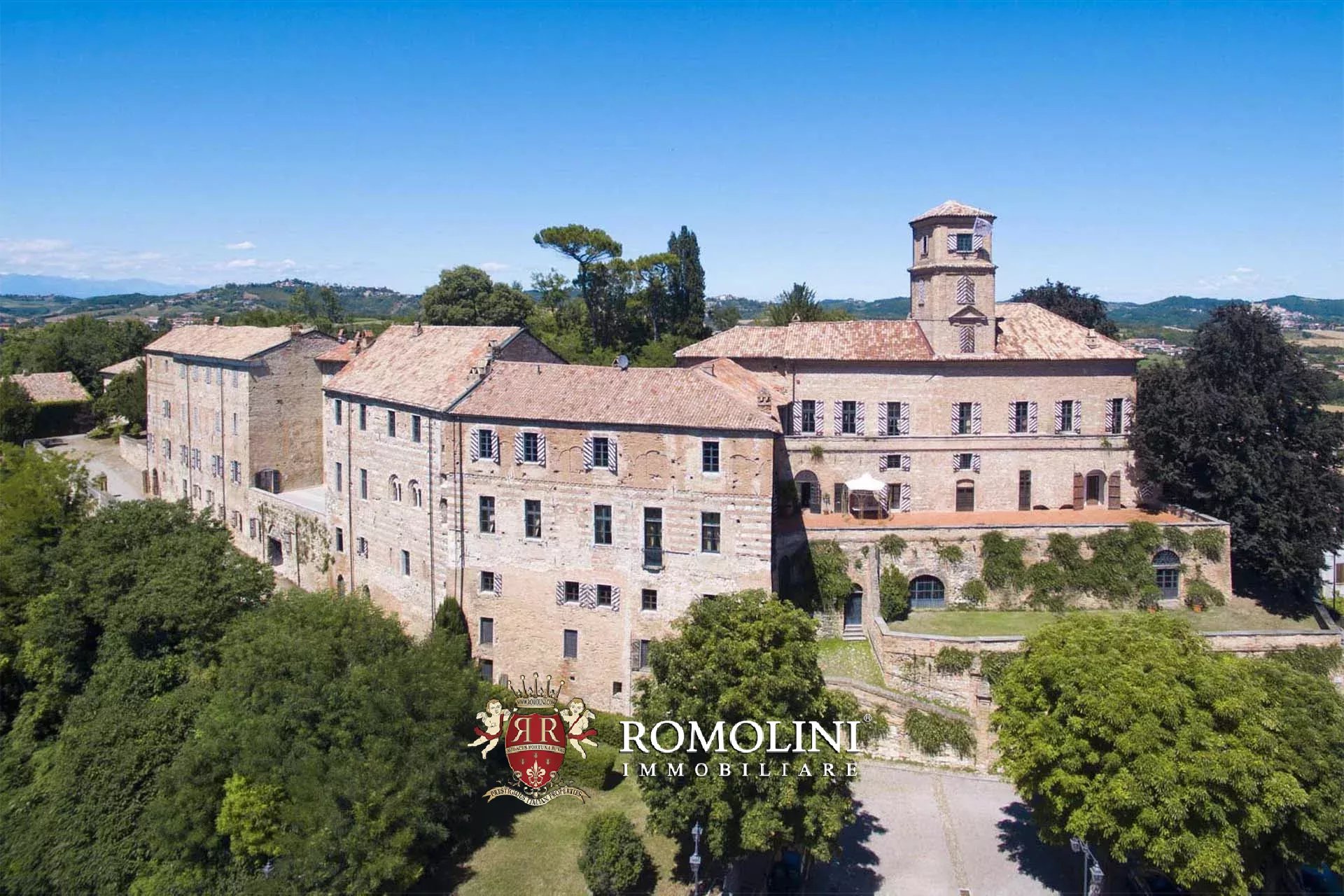
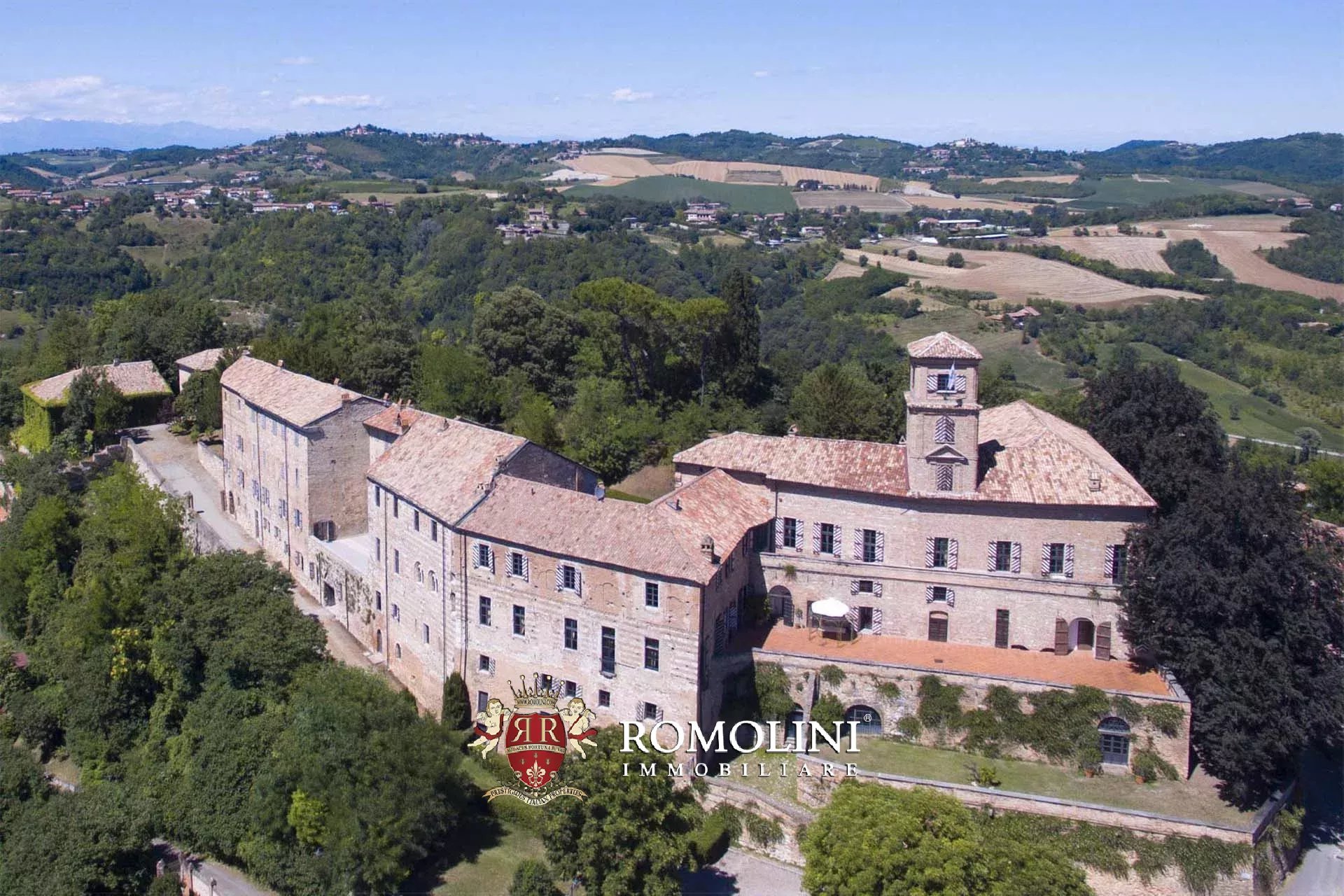
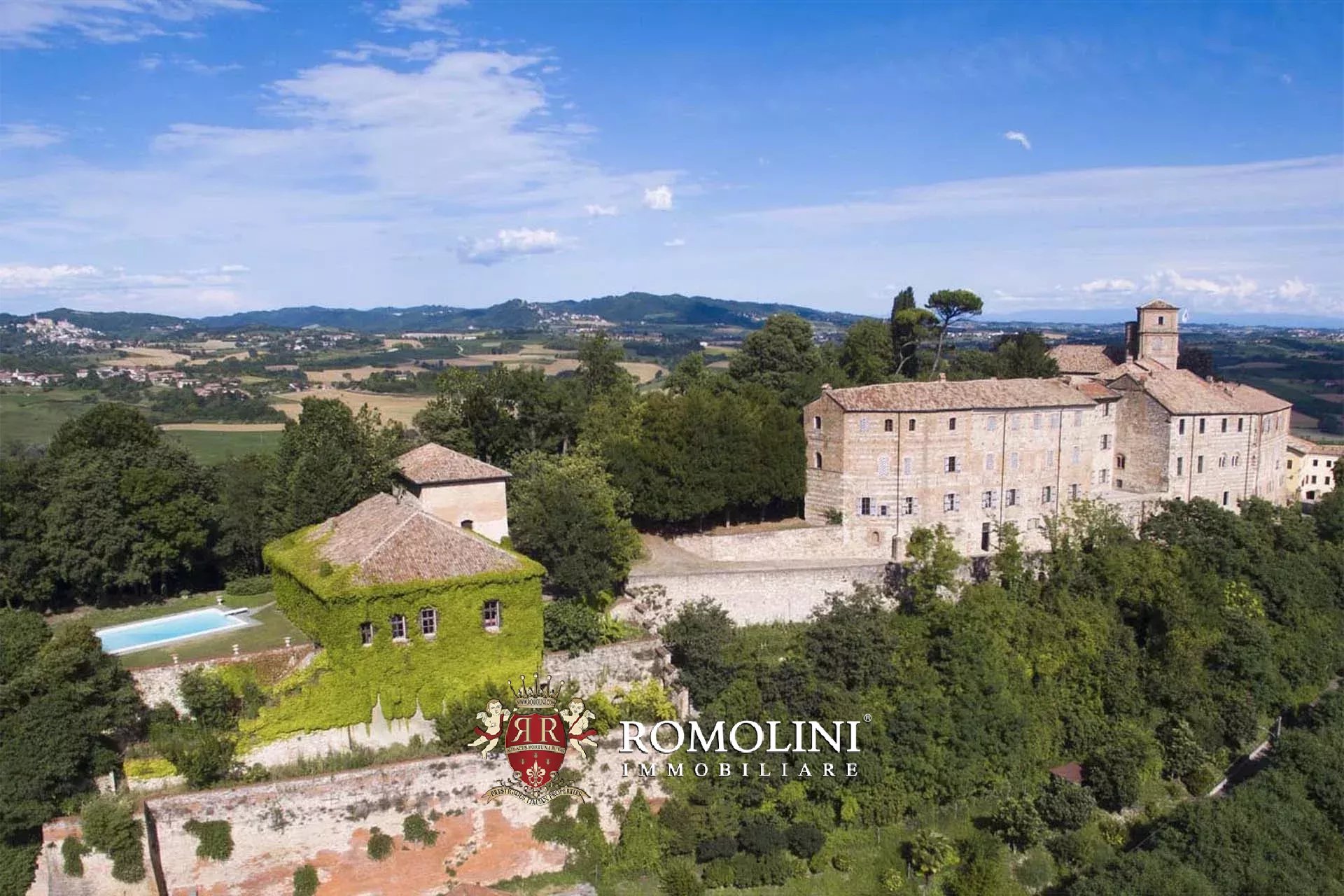
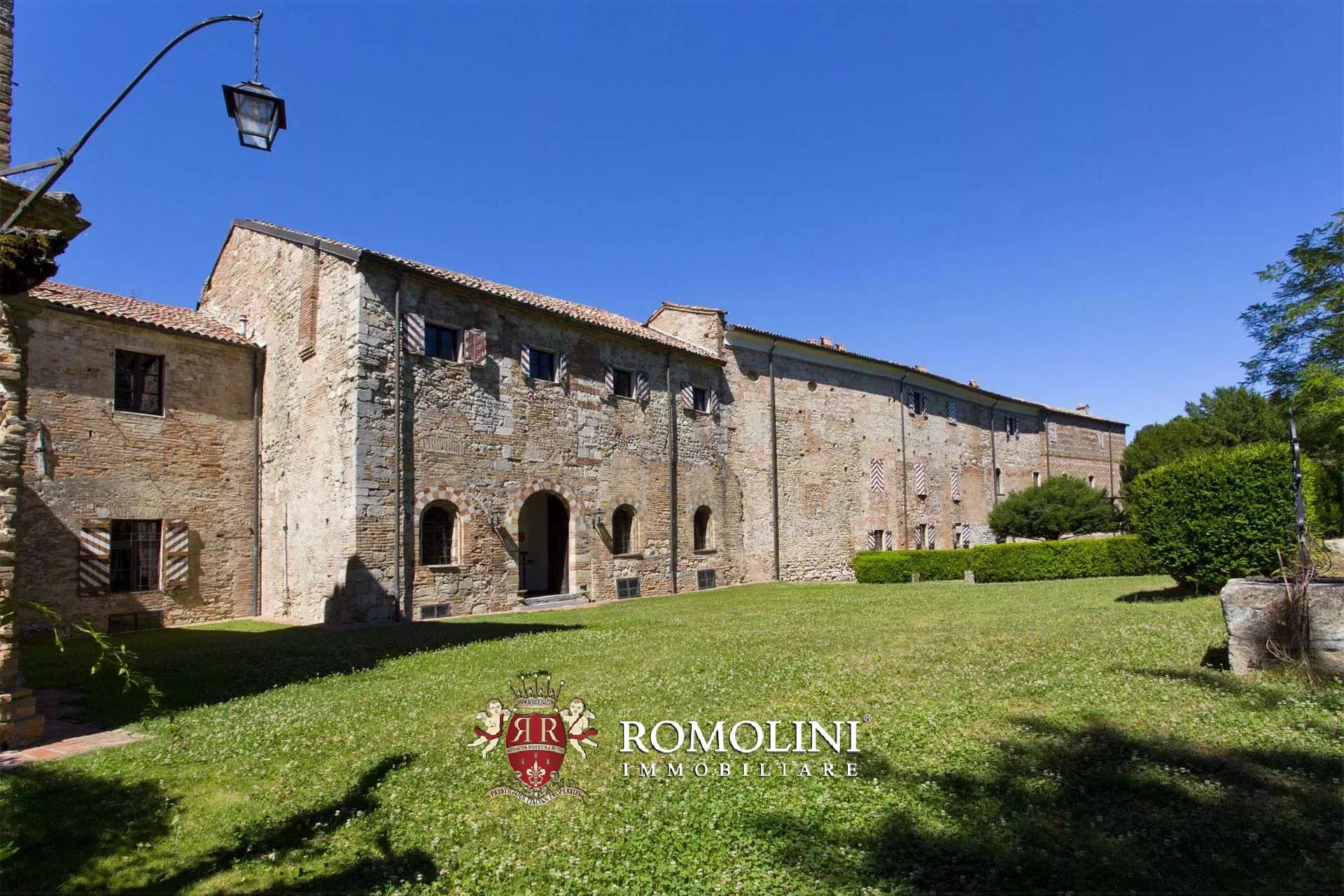
On top of a hill in Monferrato, in dominating position above a beautiful medieval town, this castle of over 4,000 m² is ideal to start a luxury boutique hotel. The project has already been approved to increase the number of bedrooms to 23. It is also possible to further expand the building with other 16 bedrooms. The property is completed by a frescoed church, the old convent and the 12 × 6 m swimming pool.
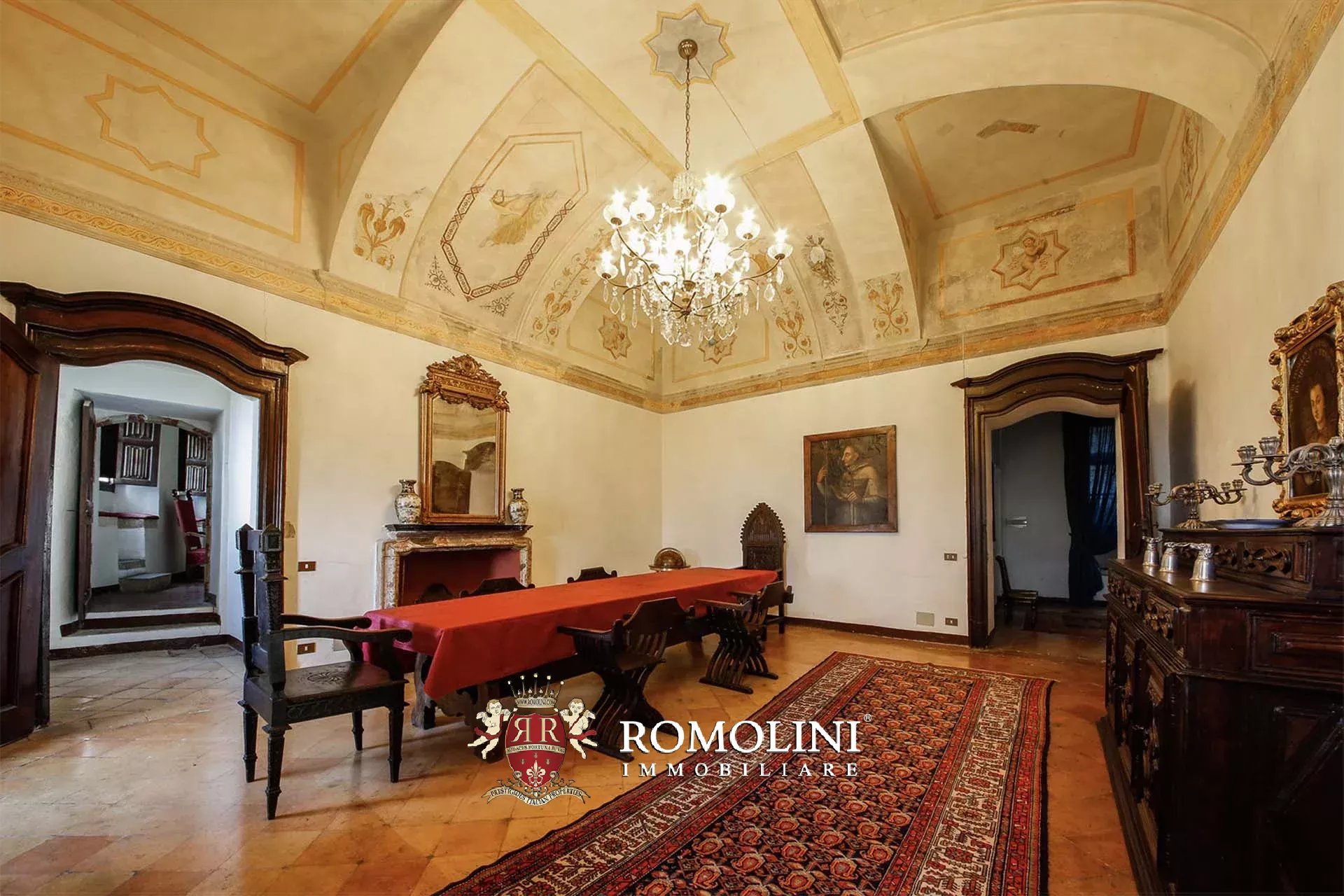
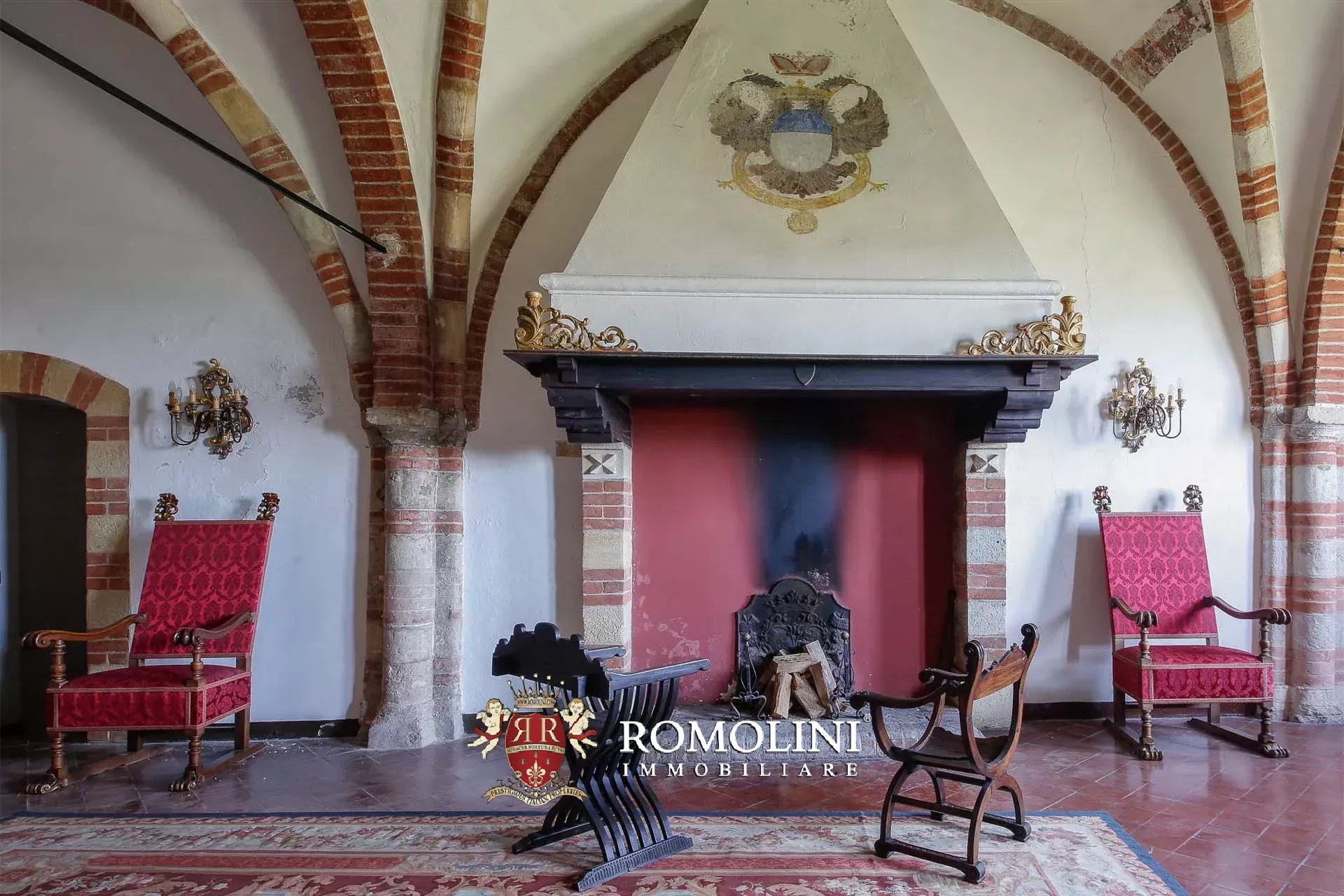
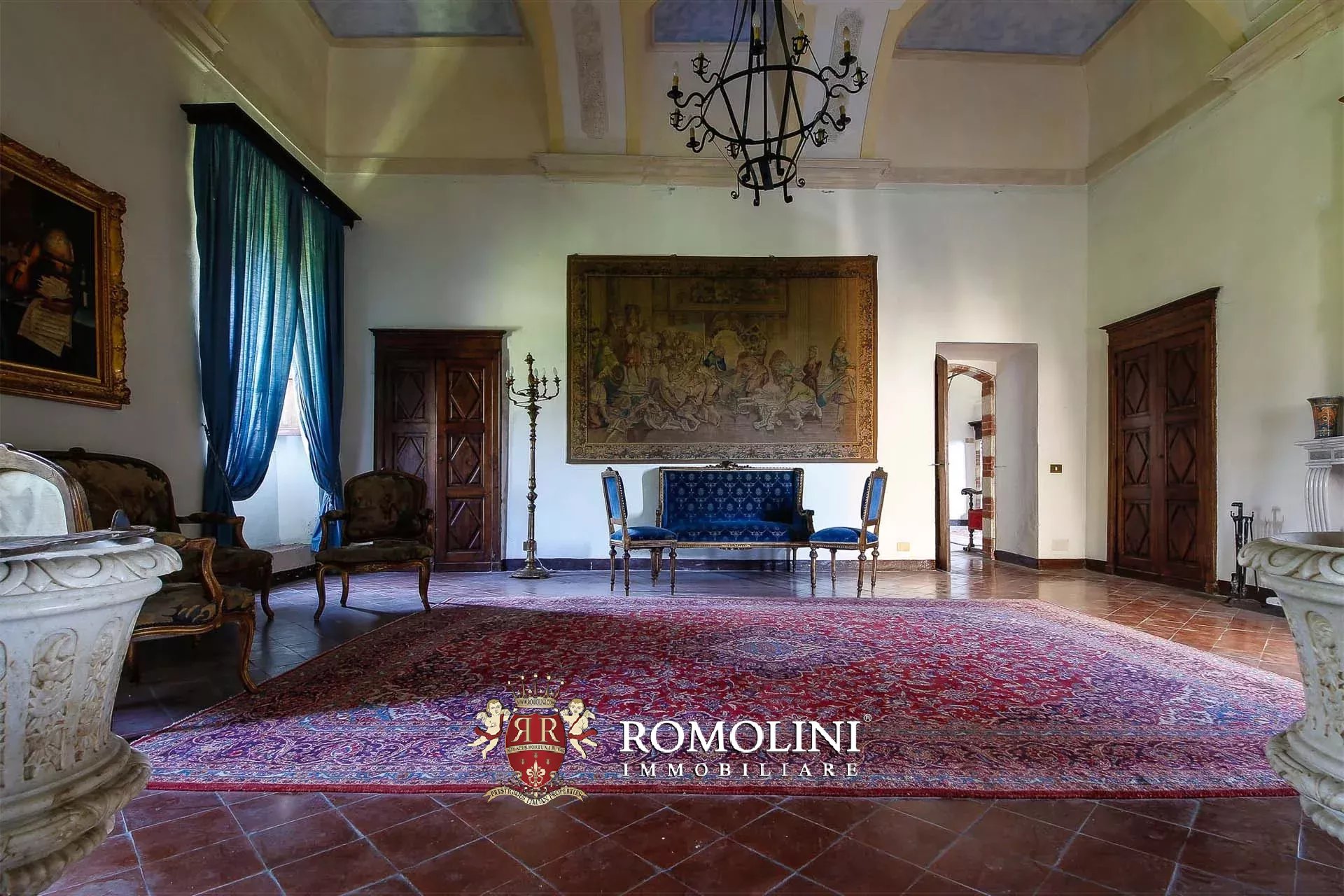
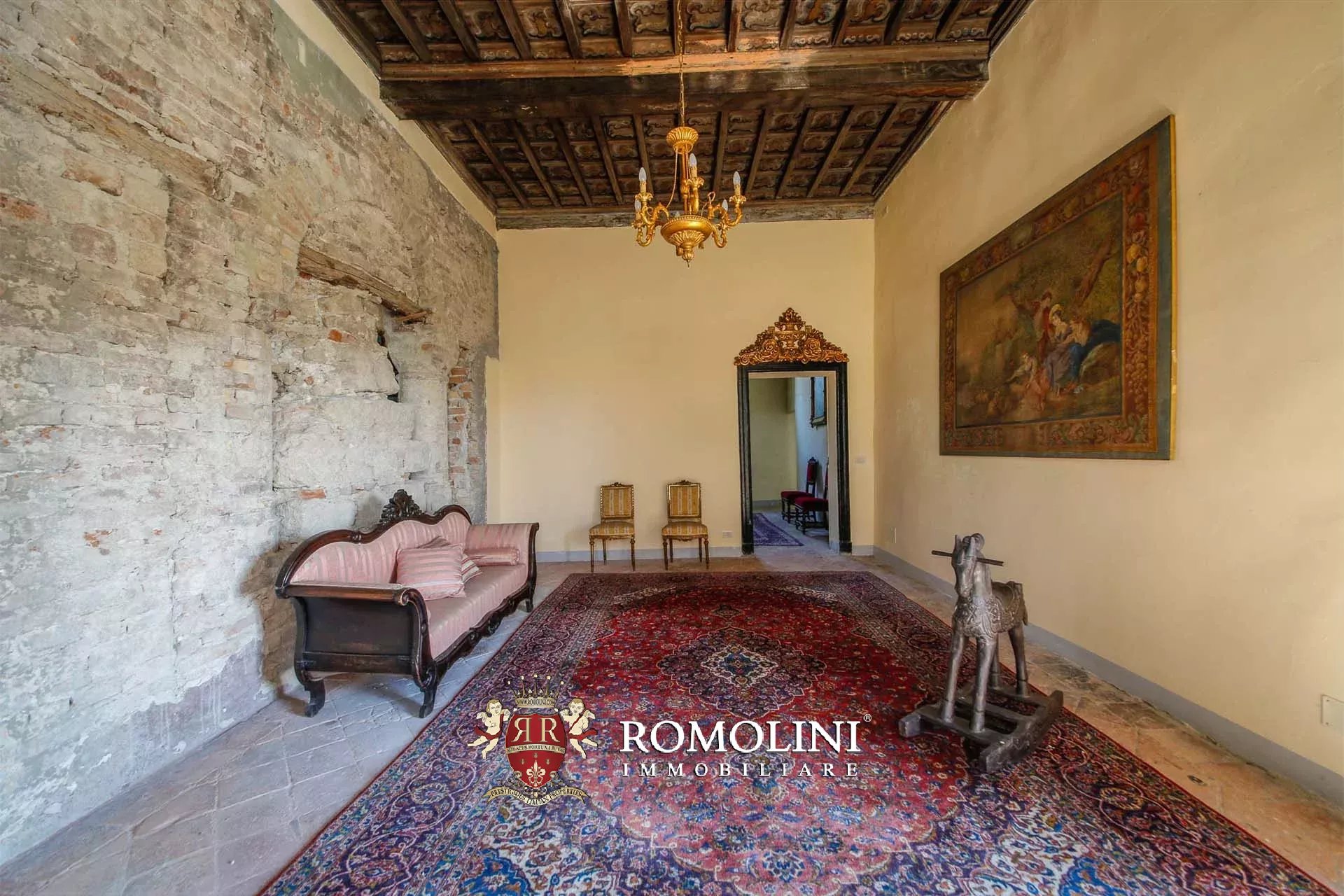
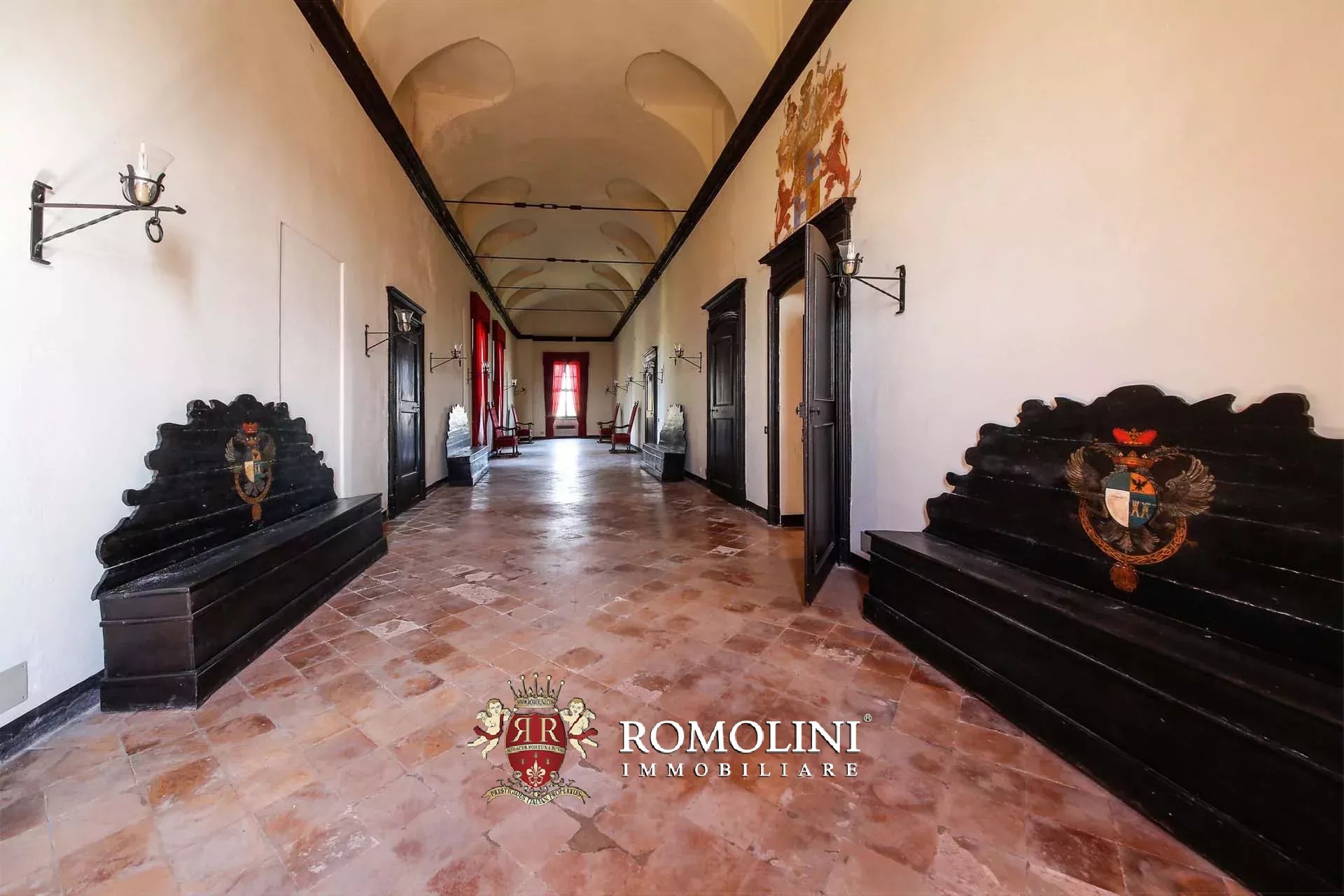
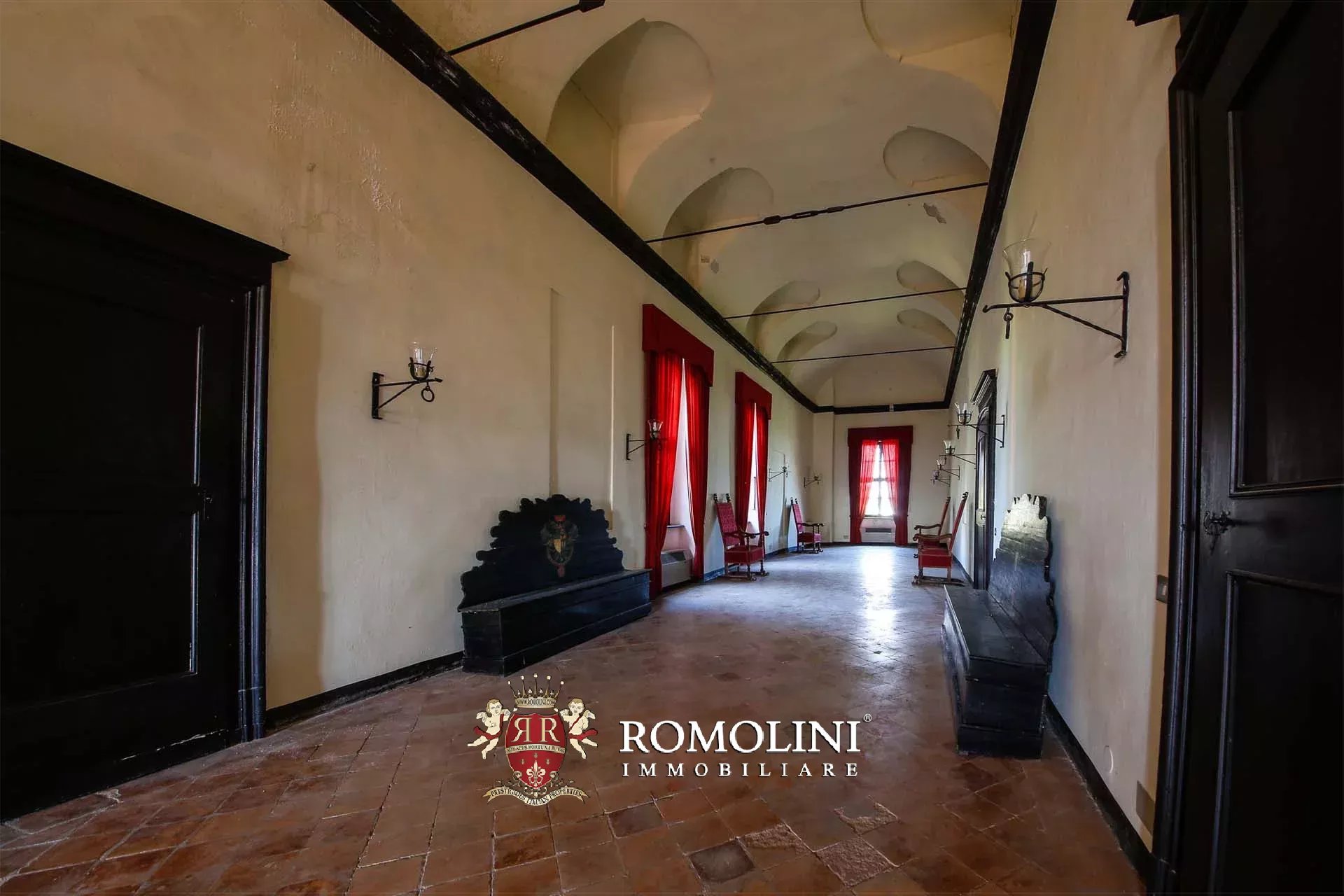
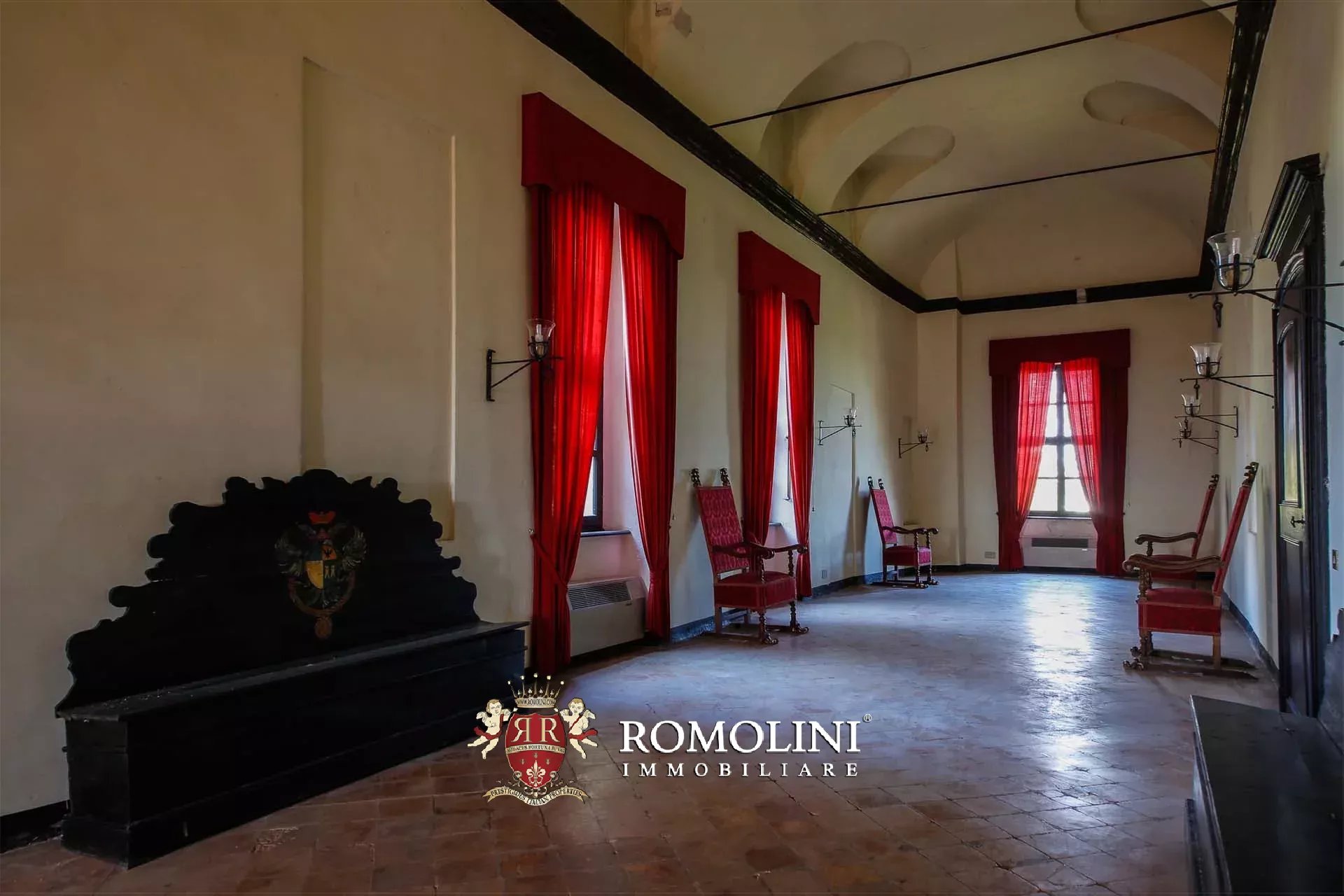
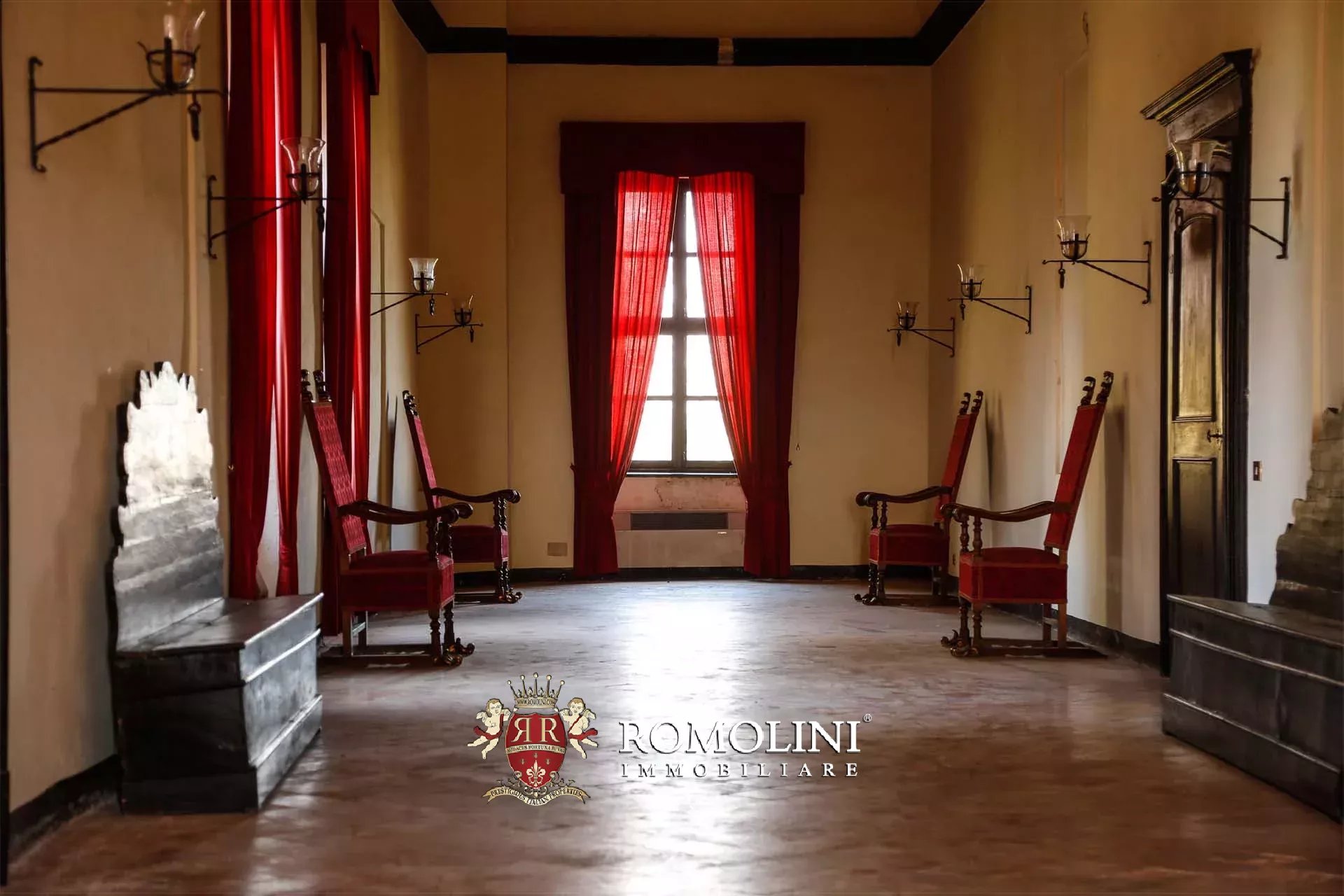
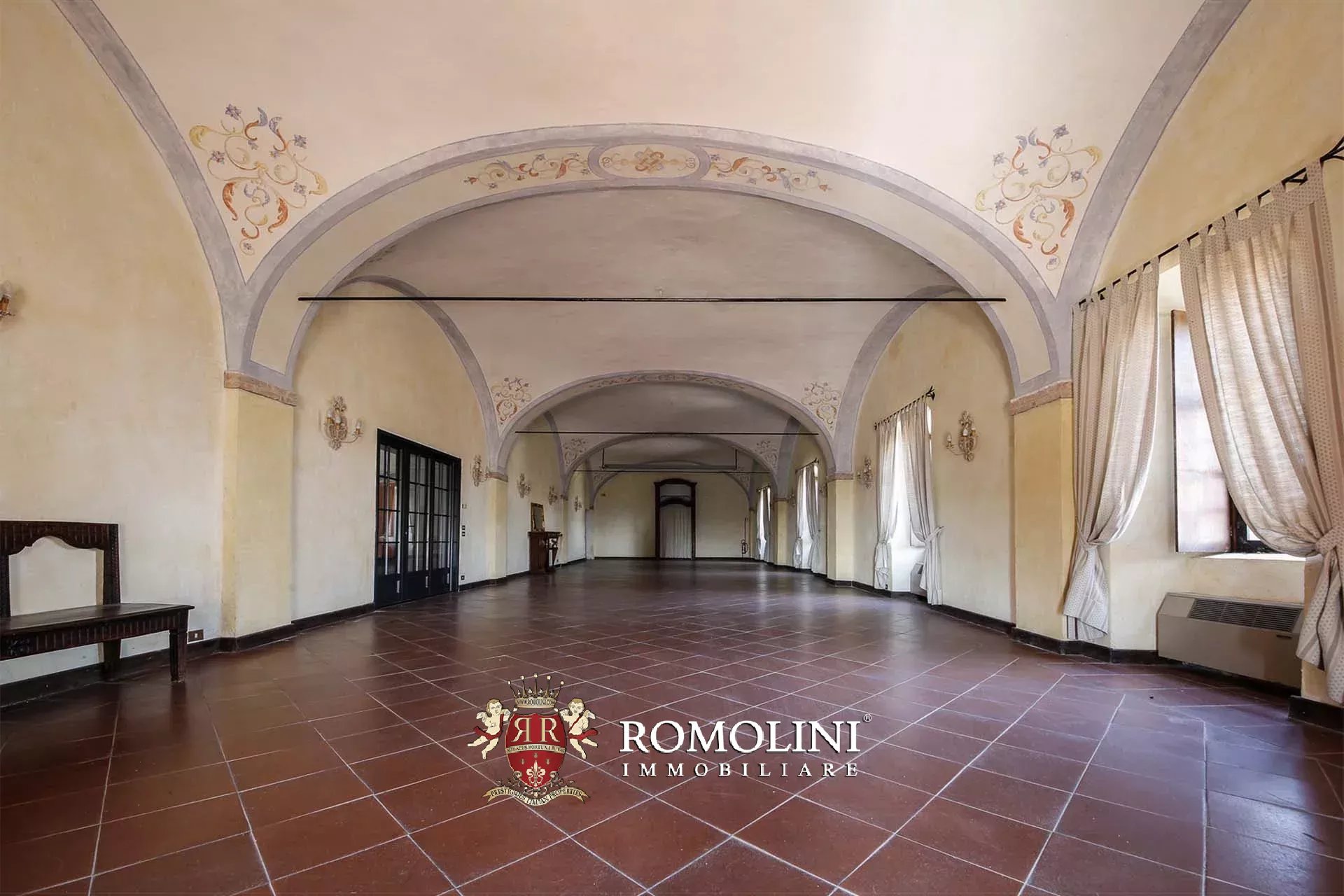
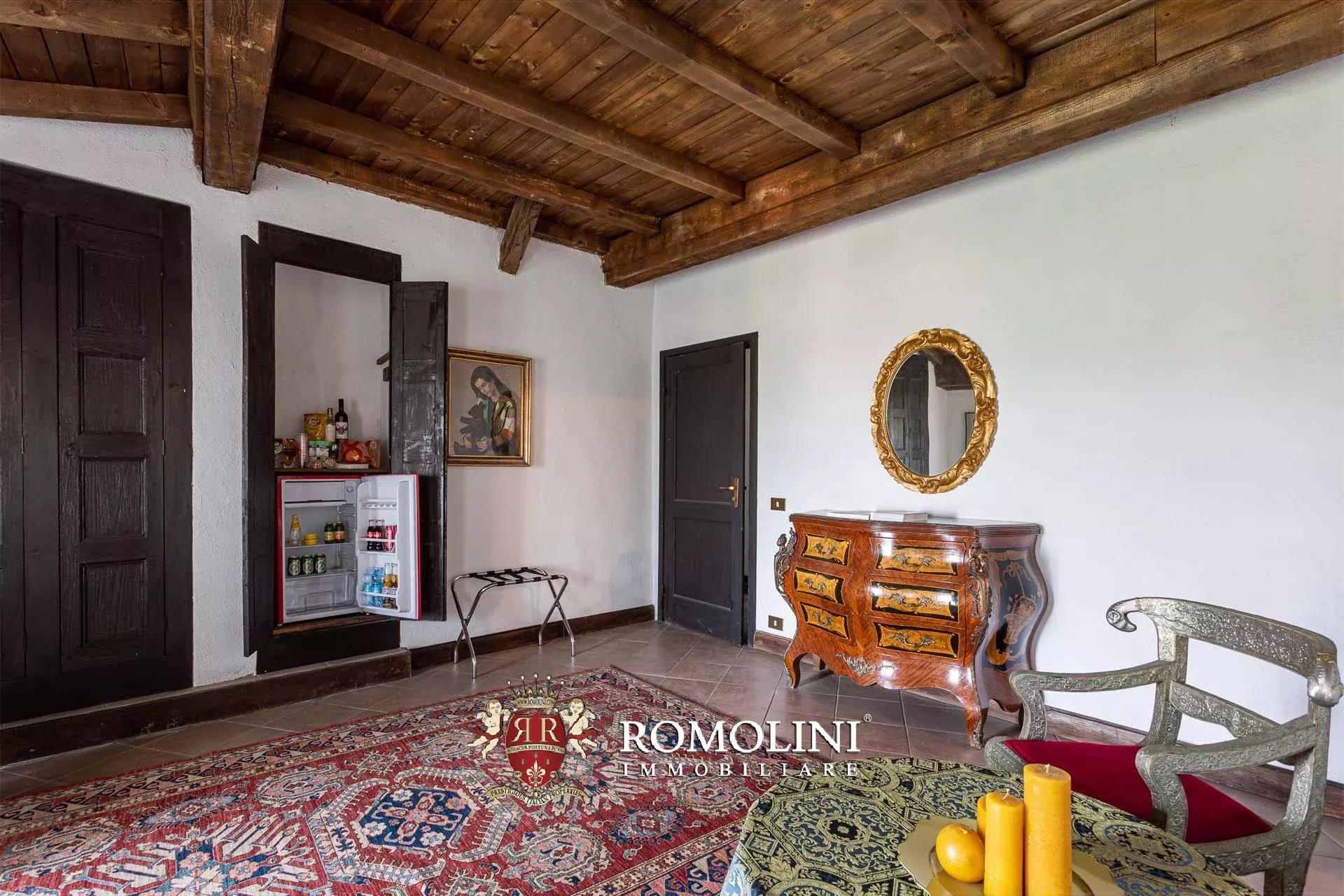
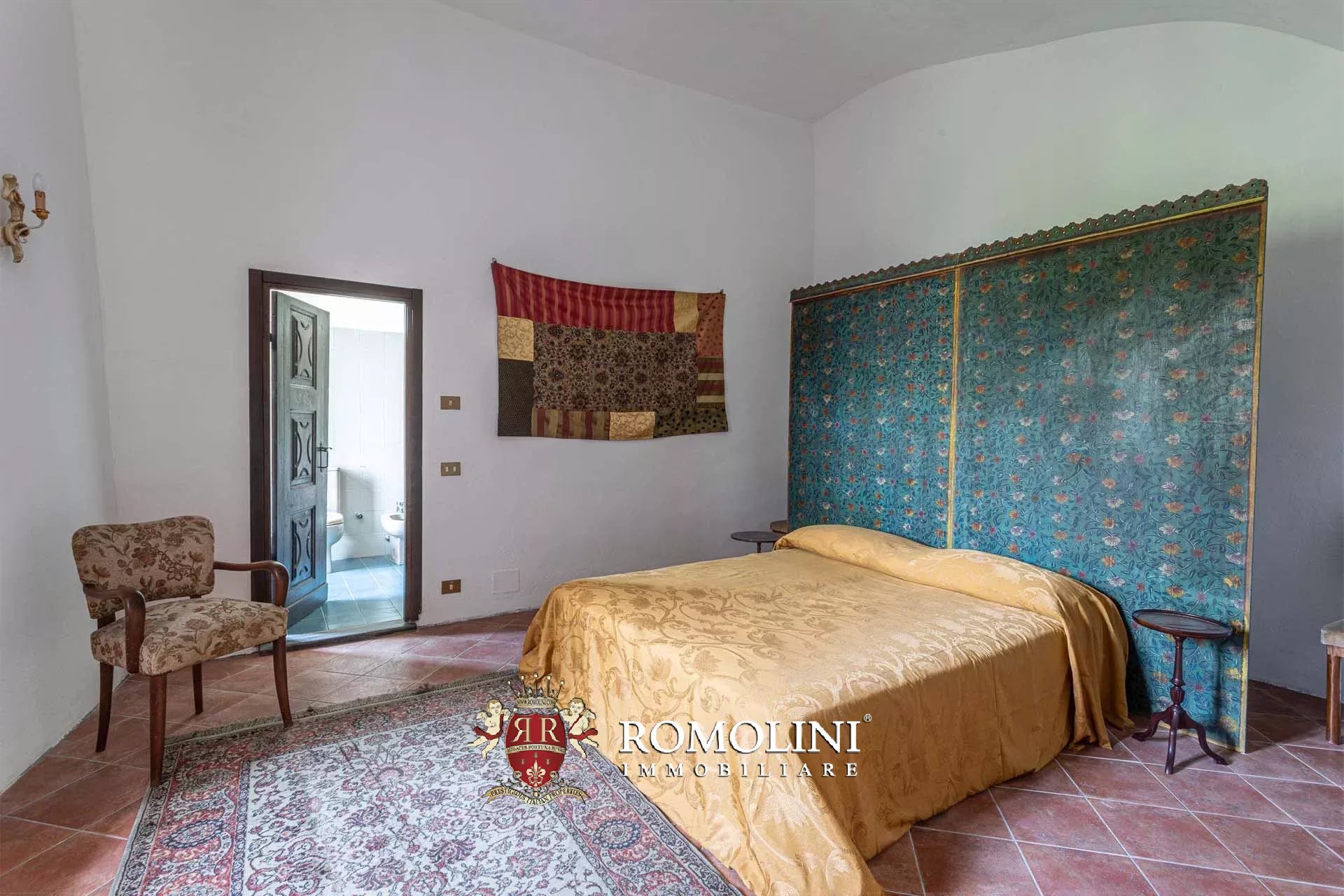
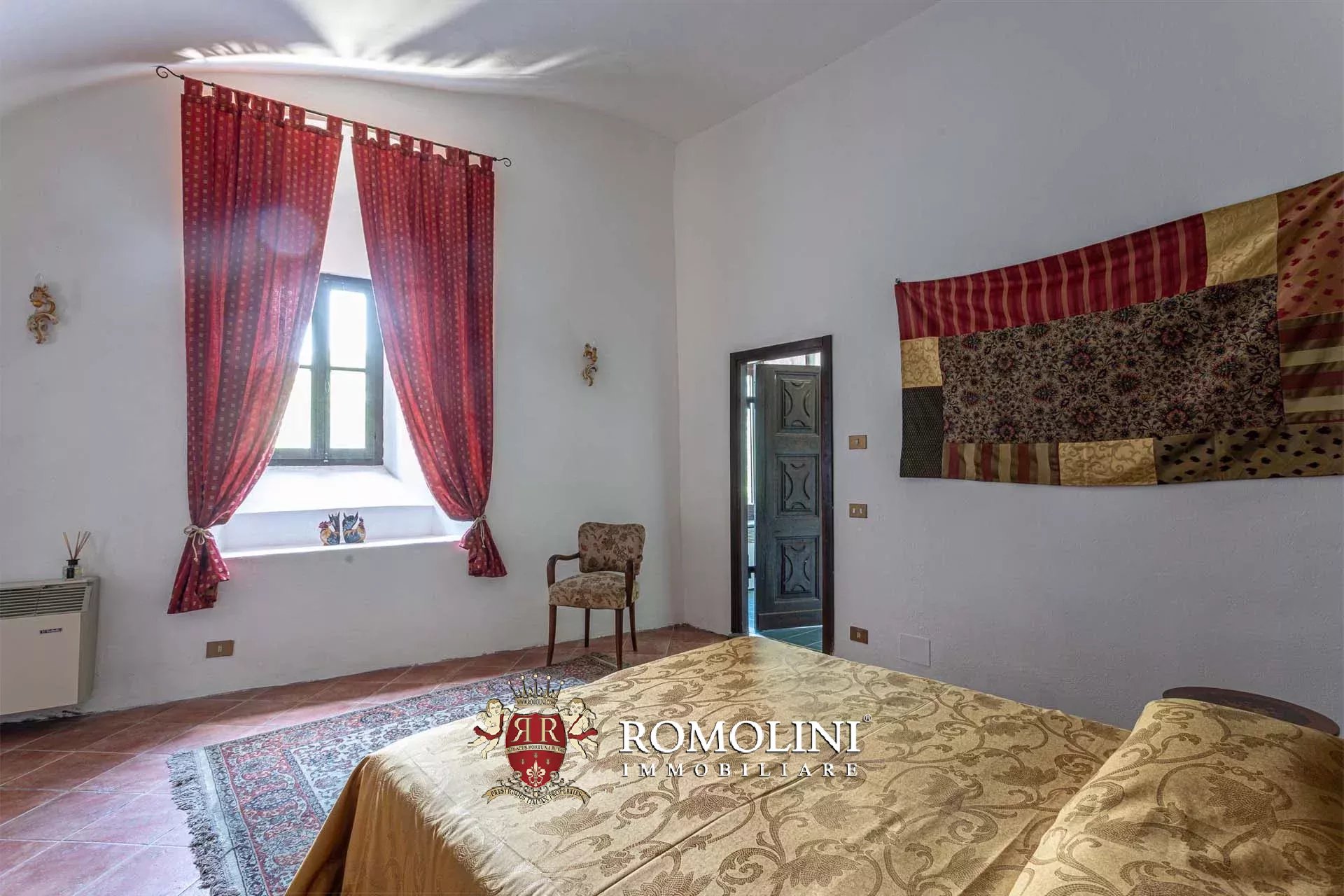
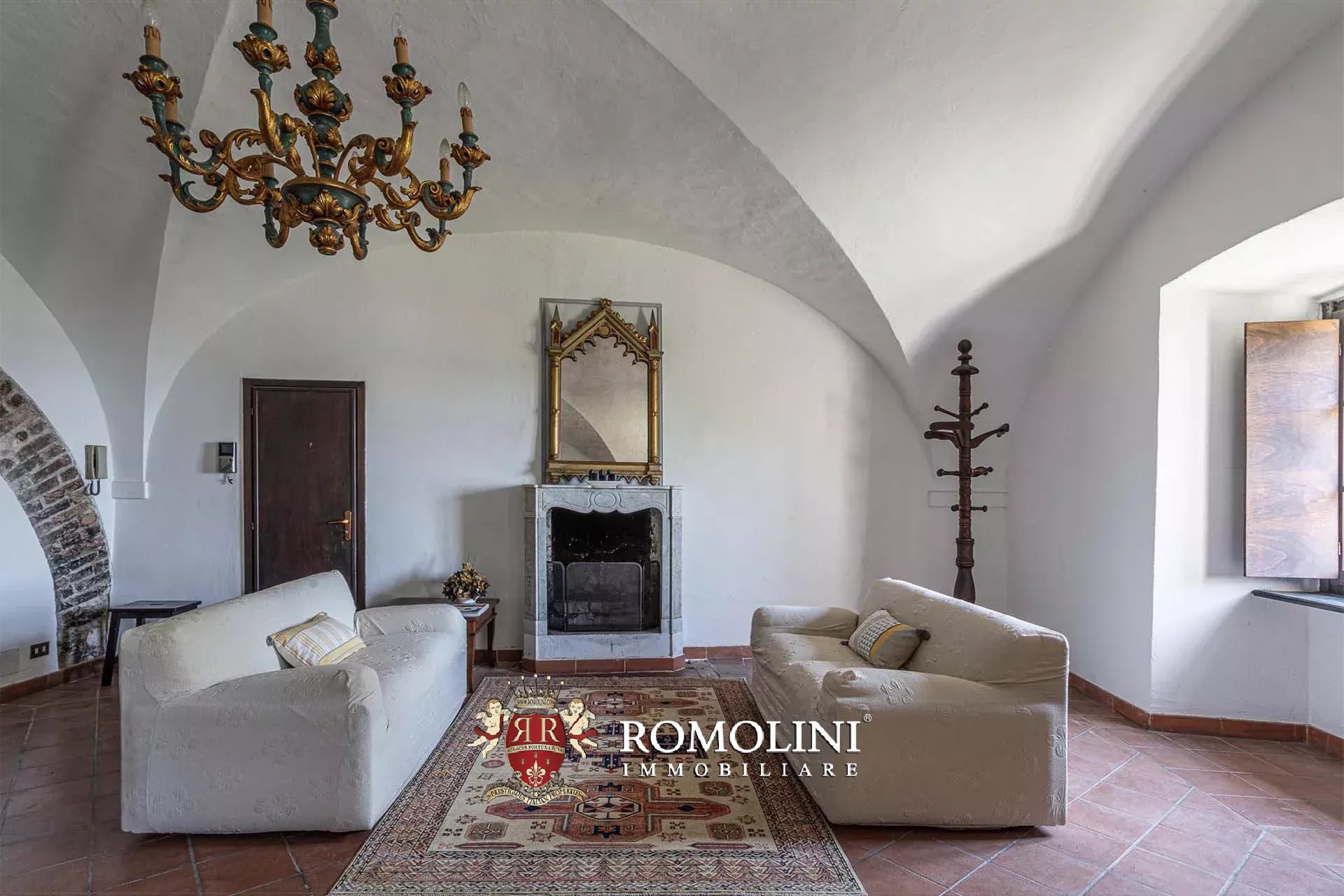
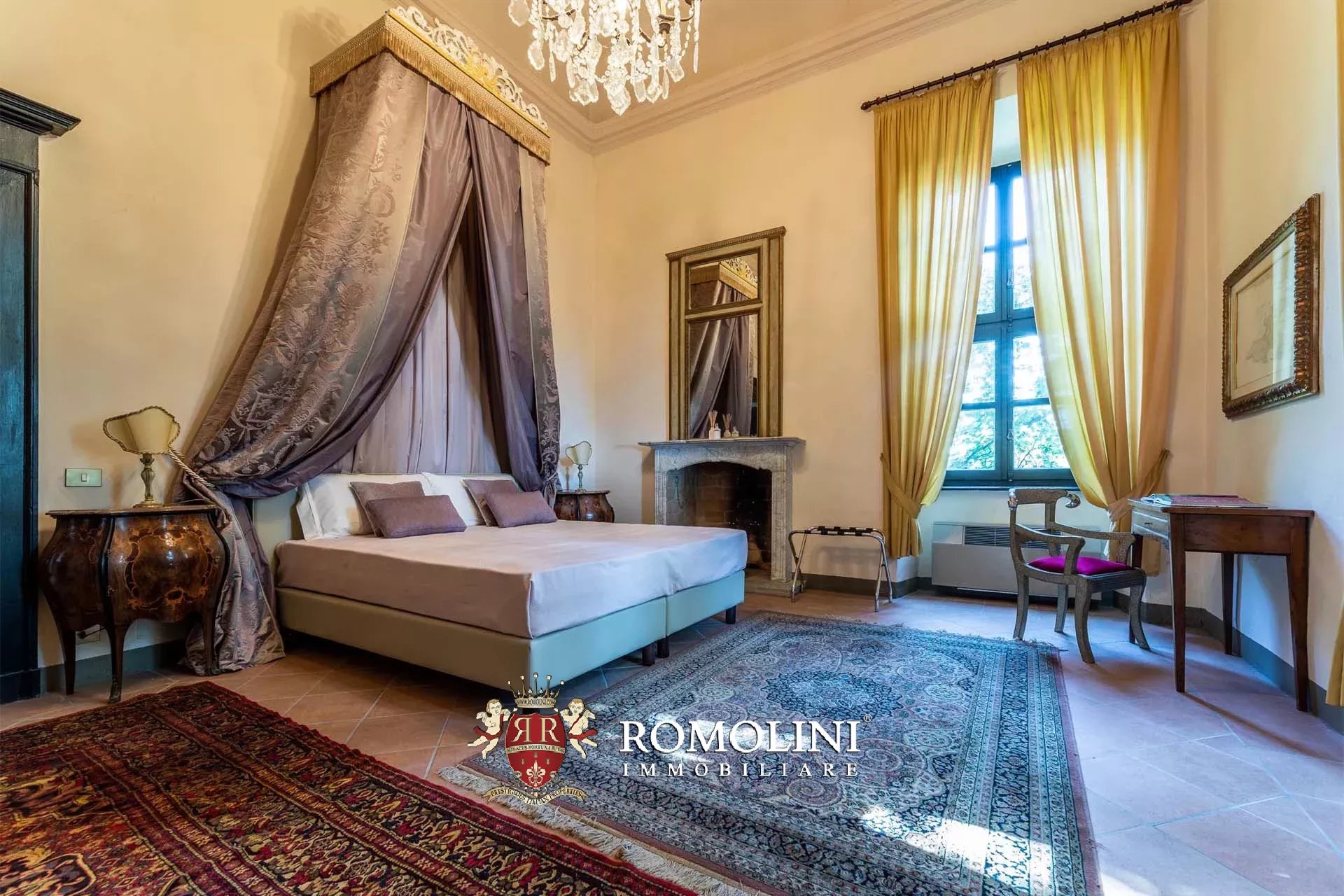
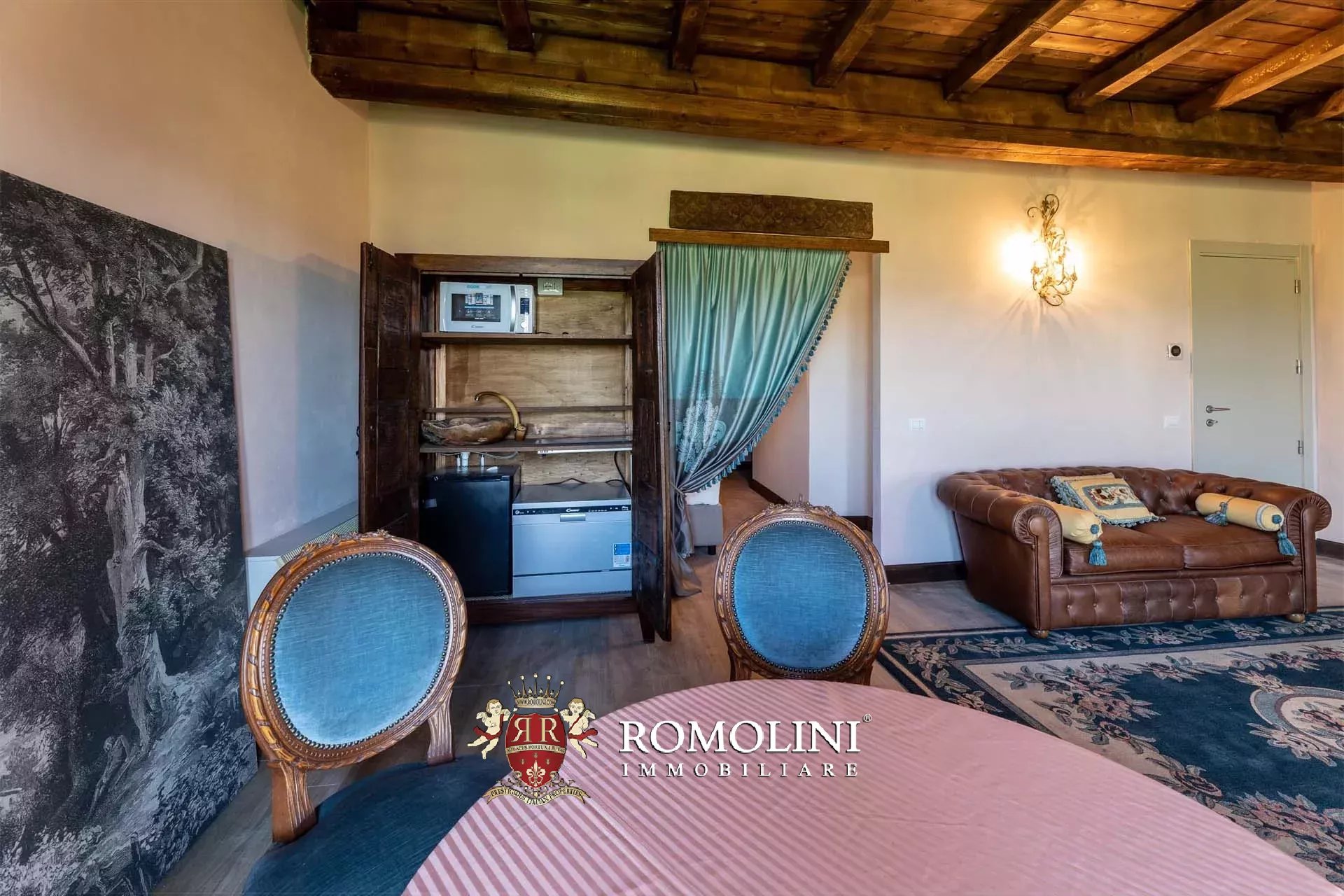
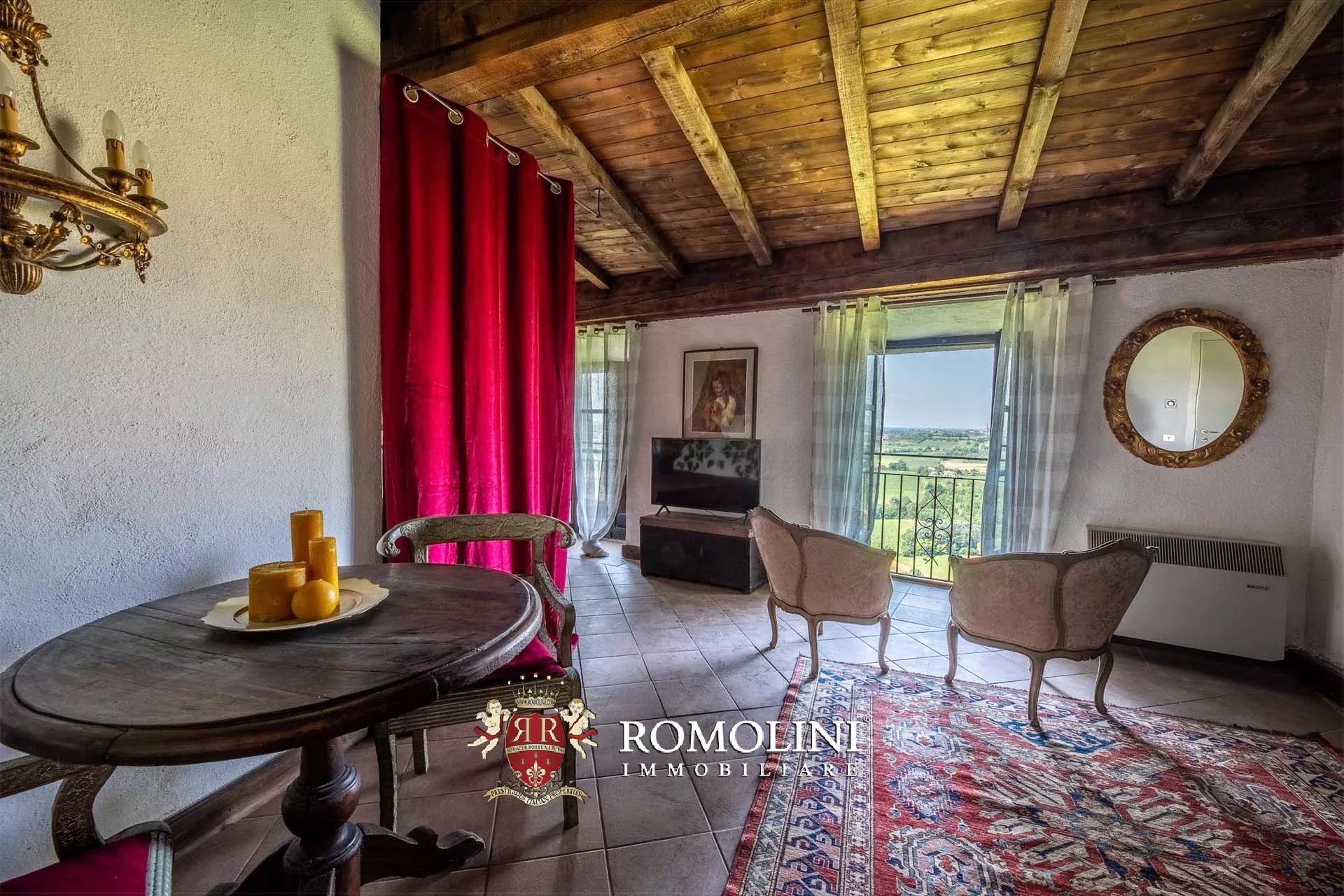
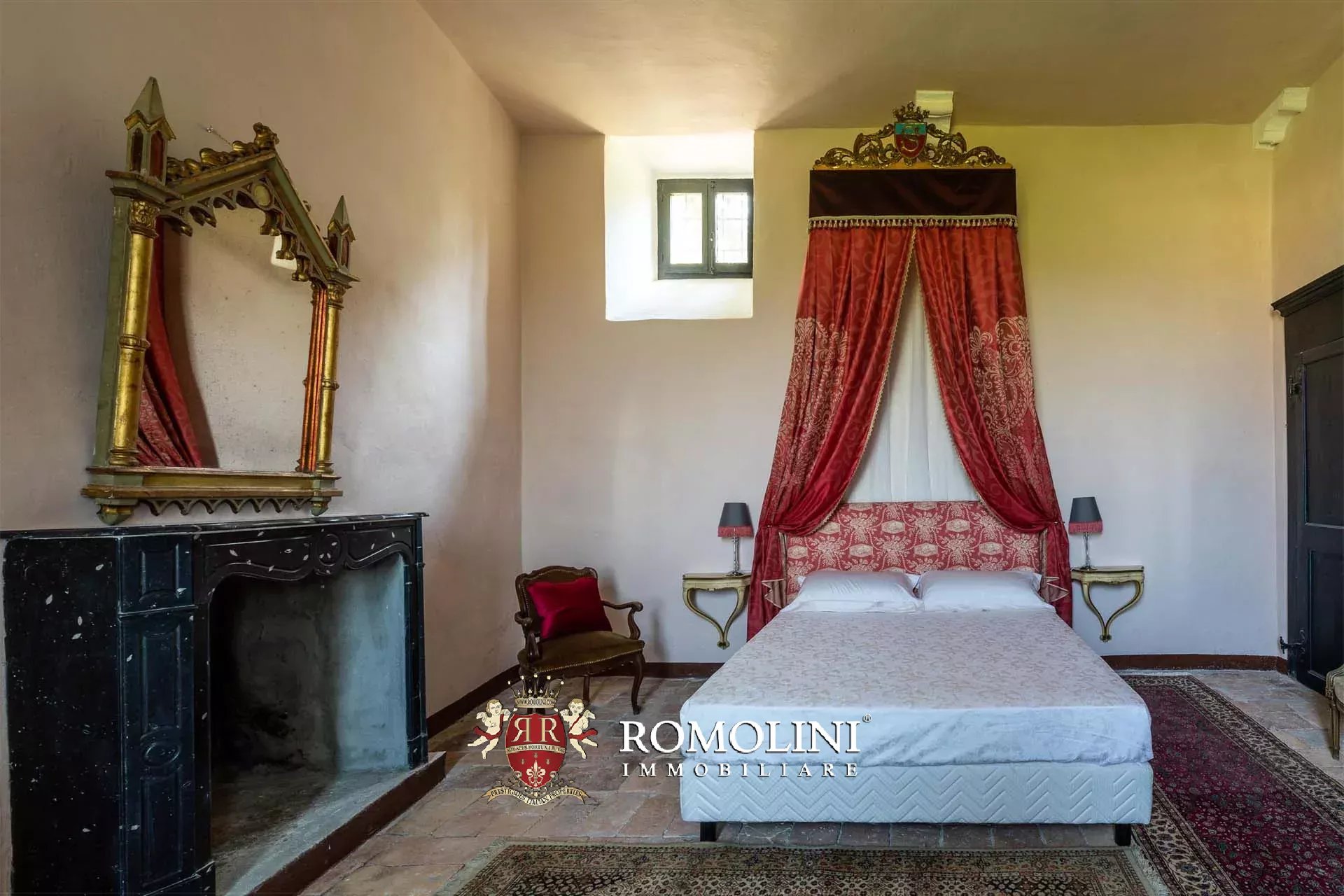
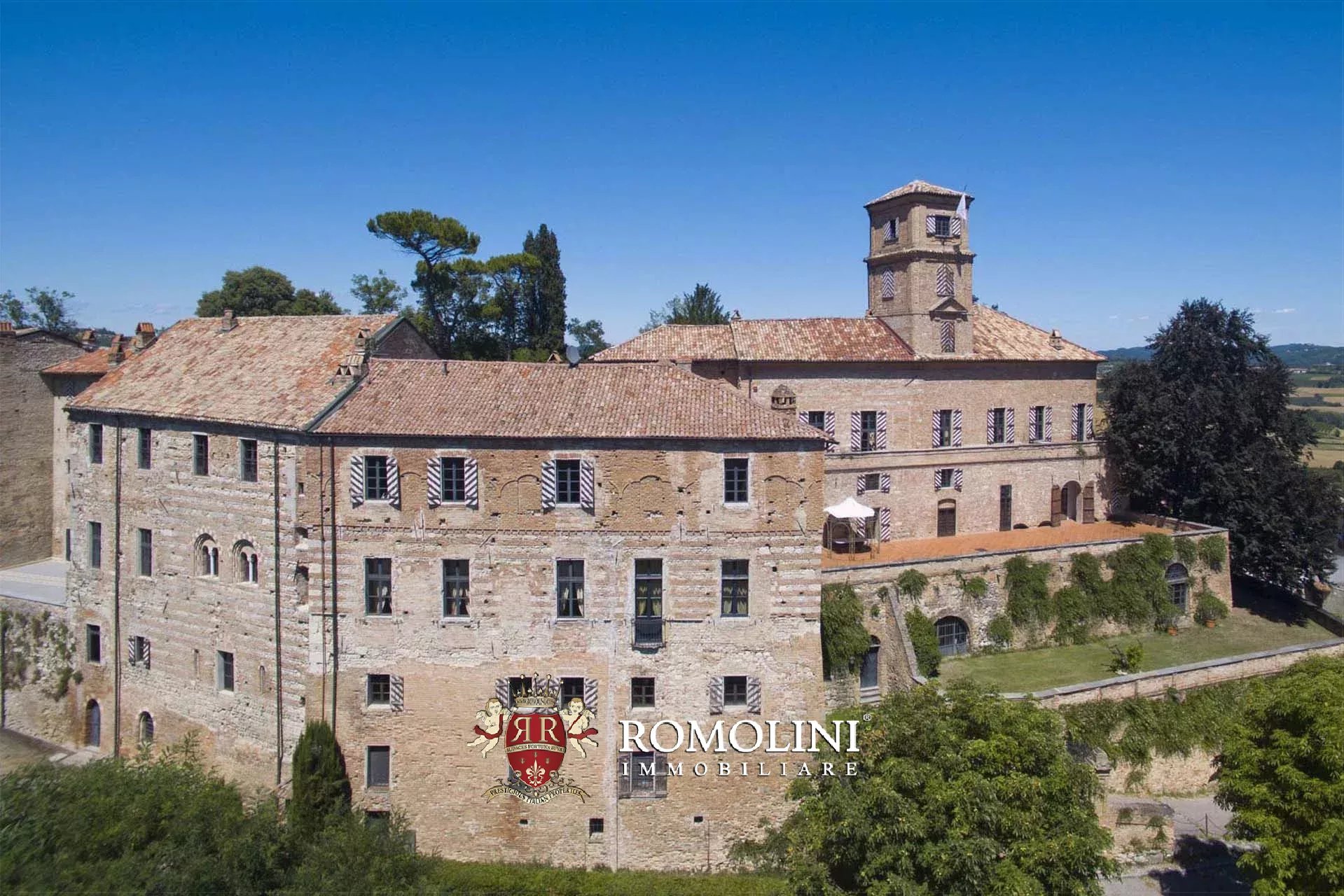
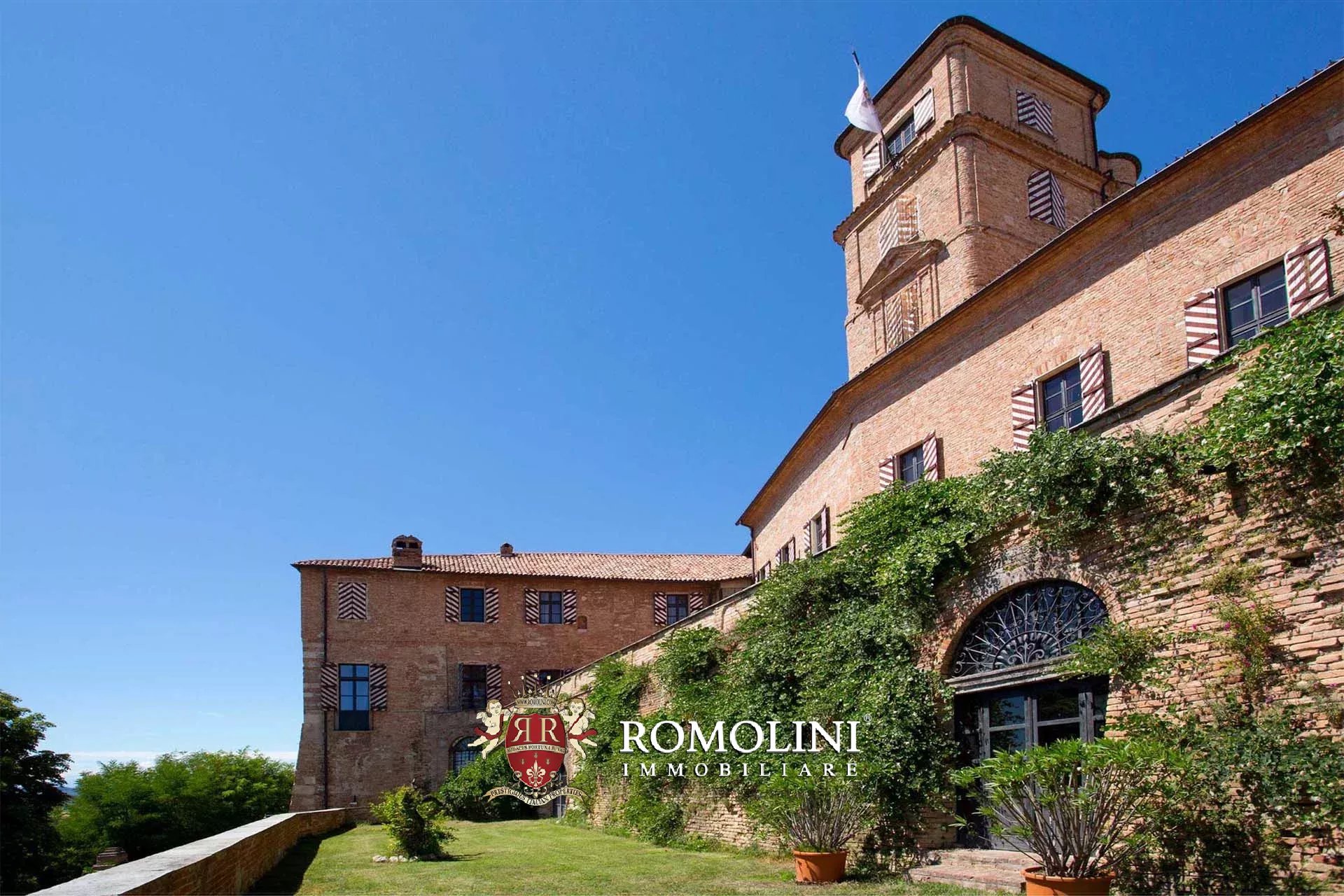
The castle (3,976 m² – 42,782 ft², up to 23 bedrooms) houses in the central portion a residential area made of twelve ample reception halls plus nine suite/apartments for the guests, the warden’s apartment and to ample halls in the southern wing which could be used as restaurant, breakfast rooms or event halls. On the north-eastern side fourteen new apartments for the guests are currently being built (each with independent access). The project also includes the realization of a fitness area in the basement of the castle.
Outside, the castle is fitted with two ample terraces (over 300 m² – 3,228 ft²) which offer a unique view over the underlying town.
Detached from the castle are located the old rectory (ten rooms for a total of approximately 141 m² – 1,517 ft²) and the church (112 m² – 1,205 ft²).
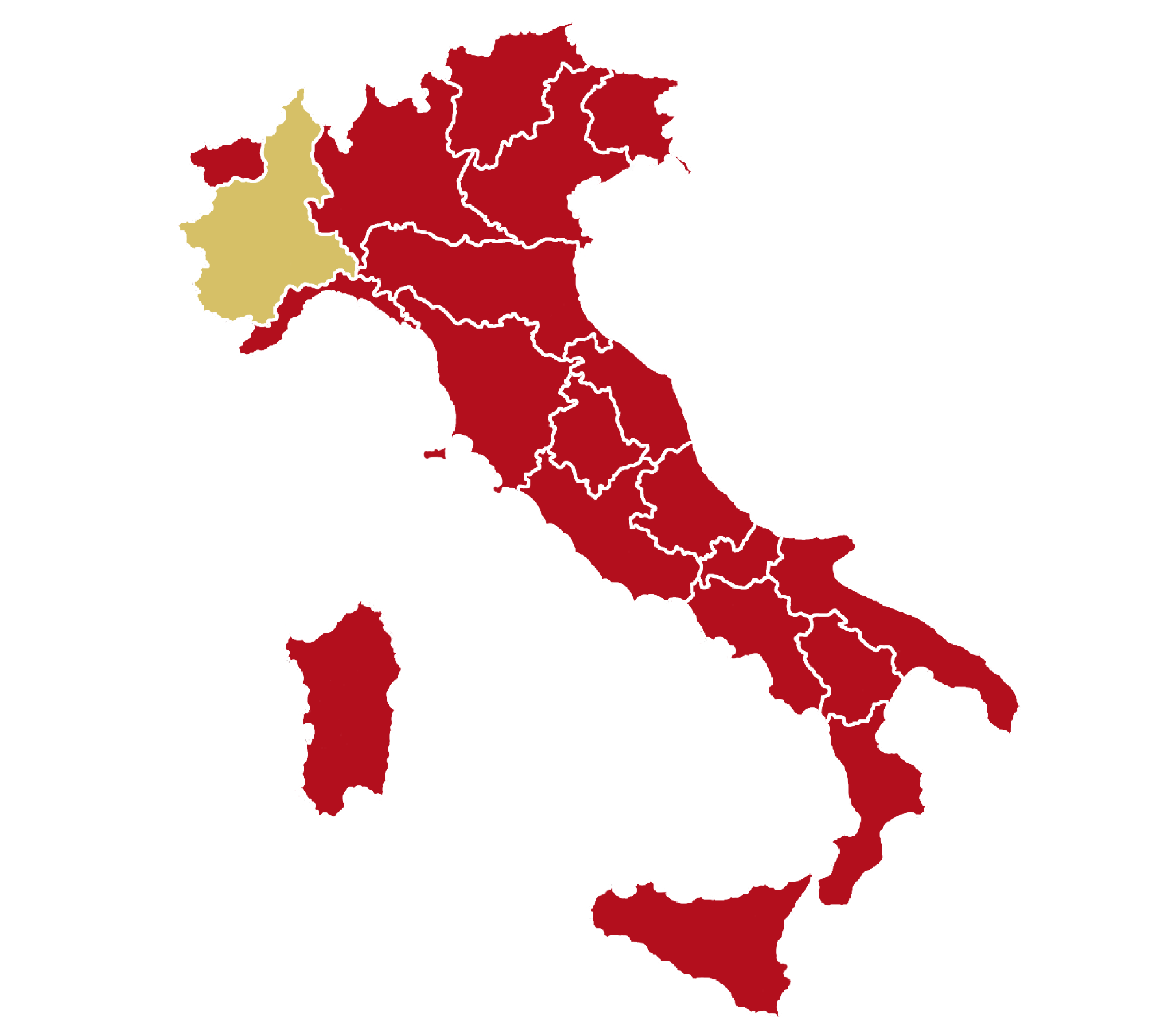
Piedmont - Asti - Asti
Piedmont, located in the northwest of Italy, is a region of elegance and refinement, famed for its wines, truffles, and sophisticated cuisine. Bordered by the Alps and France, it boasts a landscape of rolling hills, vineyards, and grand castles, offering a blend of natural beauty and cultural wealth.
The region is best known for producing some of Italy’s finest wines, particularly Barolo and Barbaresco, made from the Nebbiolo grape. These robust red wines are often called the "kings" and "queens" of Italian wine, aging gracefully over many years. Asti, famous for its sparkling wine, Moscato d’Asti, and Gavi, a delicate white wine, also come from Piedmont's renowned vineyards. Visitors can follow the Strada del Barolo, a wine route that leads through picturesque villages and world-class wineries, offering tastings and wine pairings that showcase the region’s best vintages.
Piedmont’s cuisine is hearty and luxurious, heavily influenced by French cooking due to its proximity to the border. The region is famous for white truffles, particularly those from the town of Alba, where the International Truffle Fair draws gourmets from around the world. Truffles are shaved over risottos, pasta dishes, and even eggs, adding an unmistakable, earthy aroma to the simplest dishes. Other local specialties include bagna cauda, a warm dip made of garlic, anchovies, and olive oil, typically served with raw vegetables, and tajarin, a fine egg pasta often served with butter or truffle shavings.
The capital of Piedmont, Turin, is an elegant city known for its baroque architecture, grand boulevards, and sophisticated atmosphere. Home to the Shroud of Turin, the city also boasts a rich history in chocolate production, with its famous Gianduiotto chocolates being a testament to its sweet traditions. Turin was the birthplace of Vermouth and the Aperitivo culture, with historic cafés lining the streets, offering the perfect setting for a pre-dinner drink.
Piedmont is also a paradise for outdoor enthusiasts, with the Alps offering some of the best skiing and hiking in Europe. The Langhe and Monferrato hills, with their patchwork of vineyards and hazelnut groves, are perfect for leisurely drives or bike rides, offering scenic views and culinary delights at every turn.
The castle was originally built in the early Middle Ages and since 1164 the fortress, together with its hamlet, was the theater of violent fights between Asti and the nearby Marquisate of Monferrato. At the beginning of the 14th century the castle and the hamlet were entirely demolished and not rebuilt until the next century.
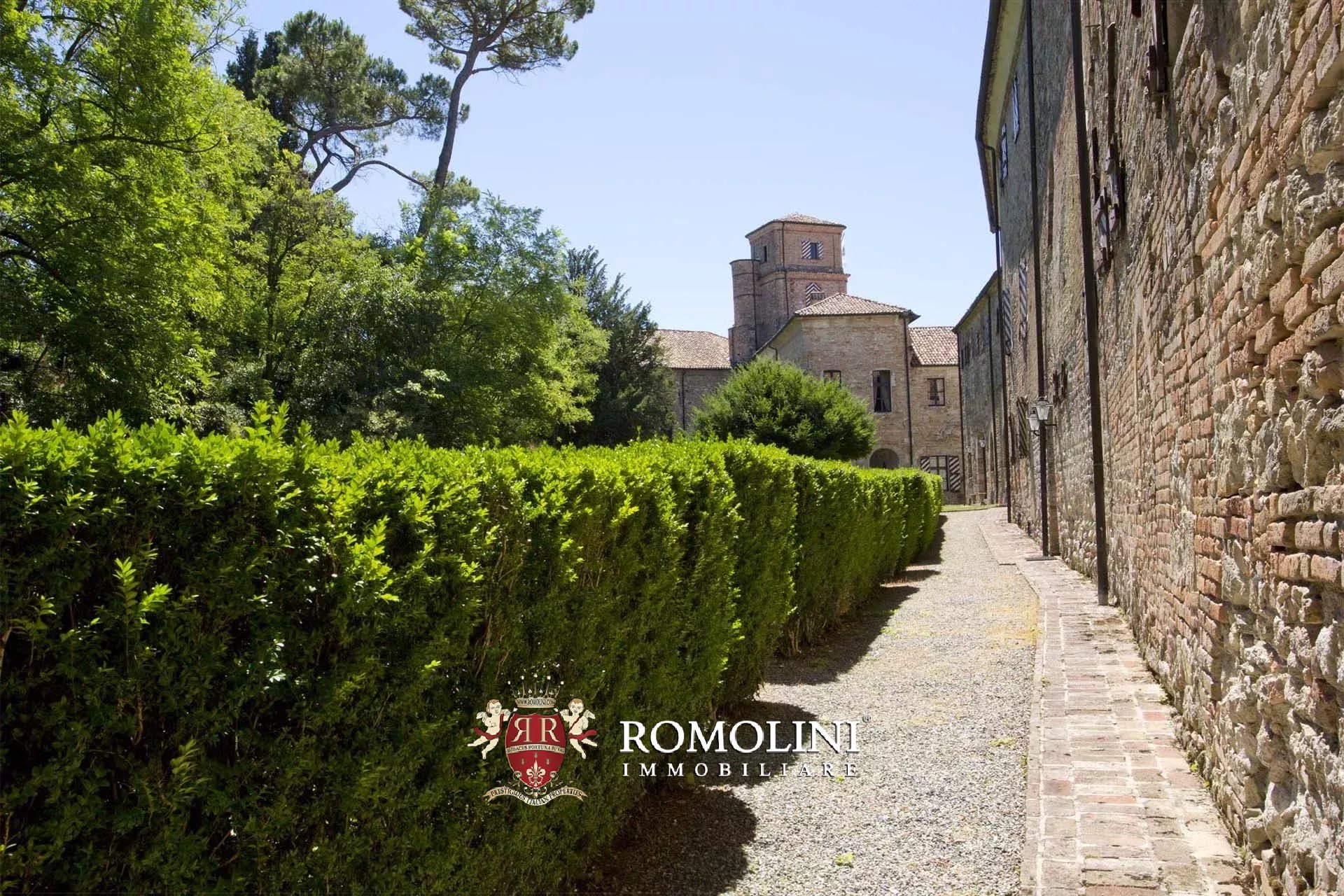
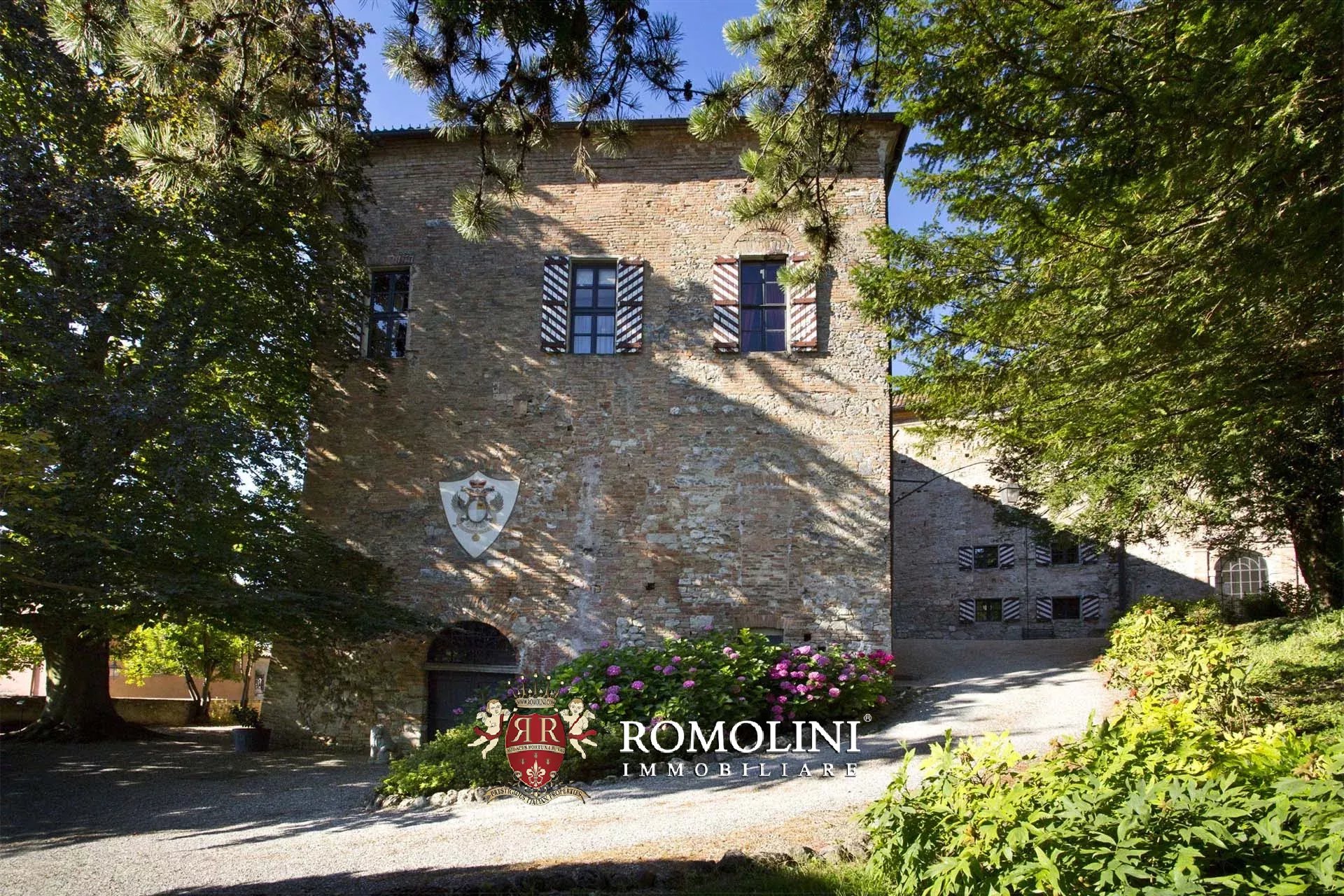
When rebuilding it was decided to go on with a simple defensive keep but over the years the building was expanded and ended up embedding a series of other buildings (still visible to an attentive eye) previously built by the local noblemen, whose family gathered up to form a consortile in the attempt of gaining a better political influence in the country.
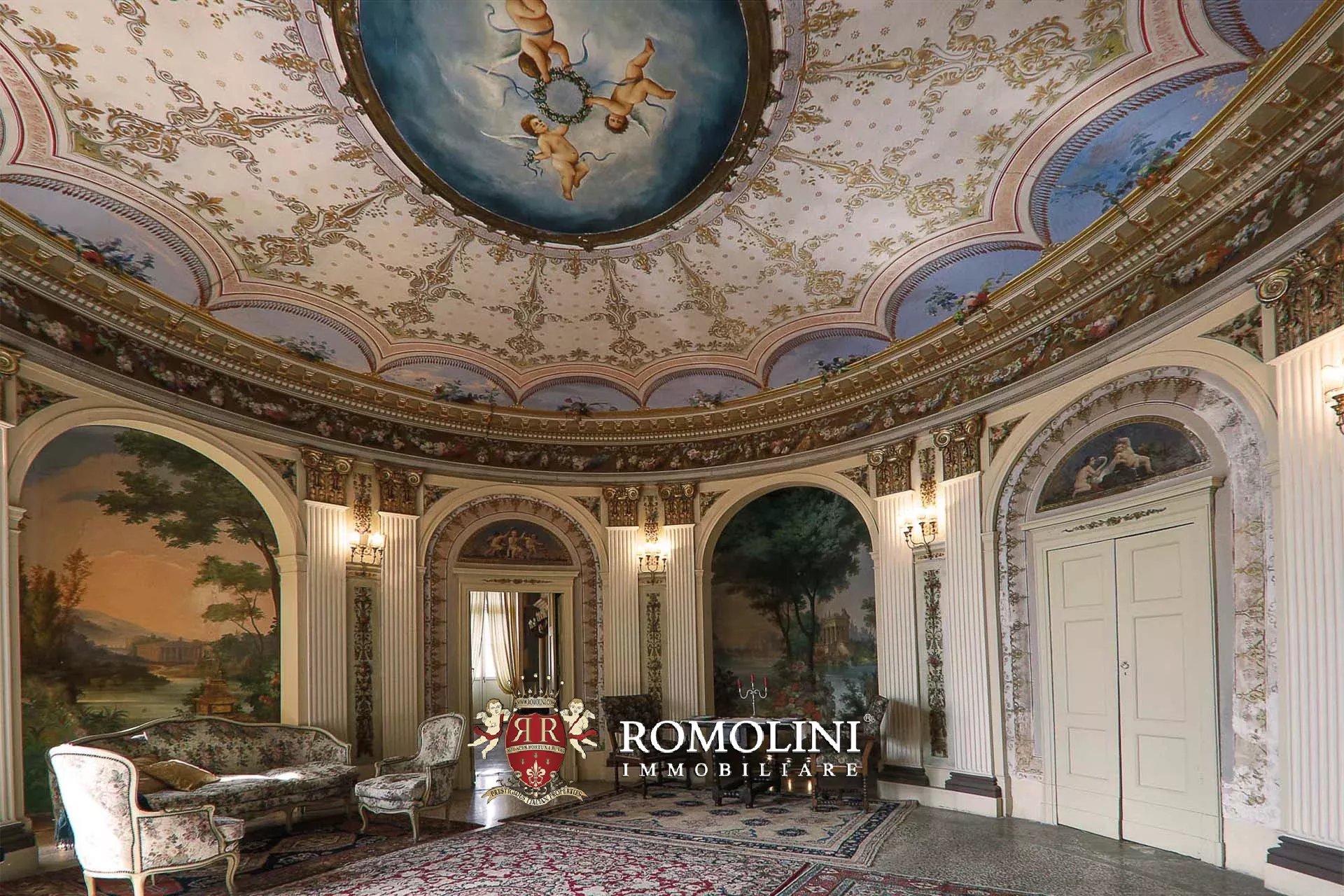
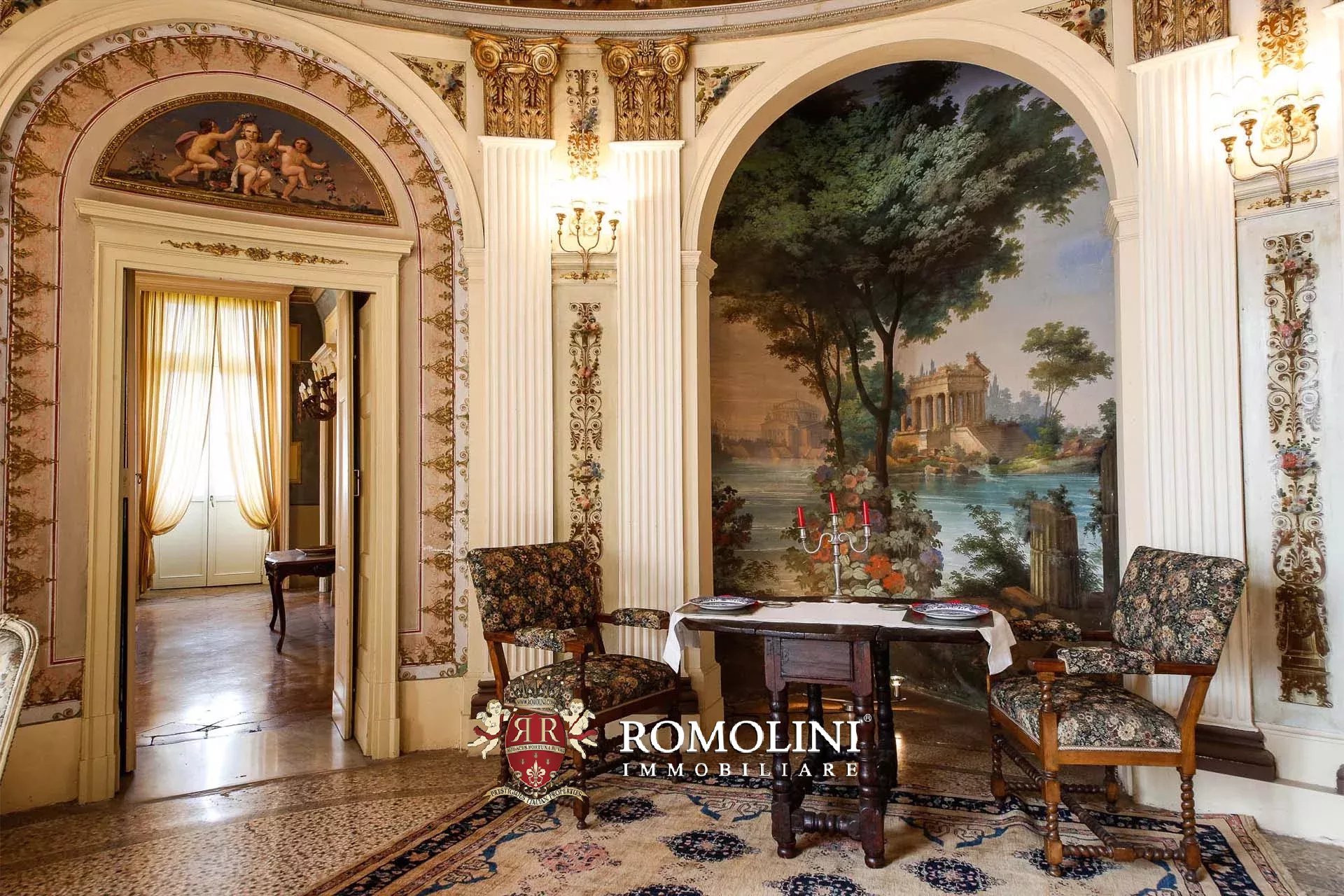
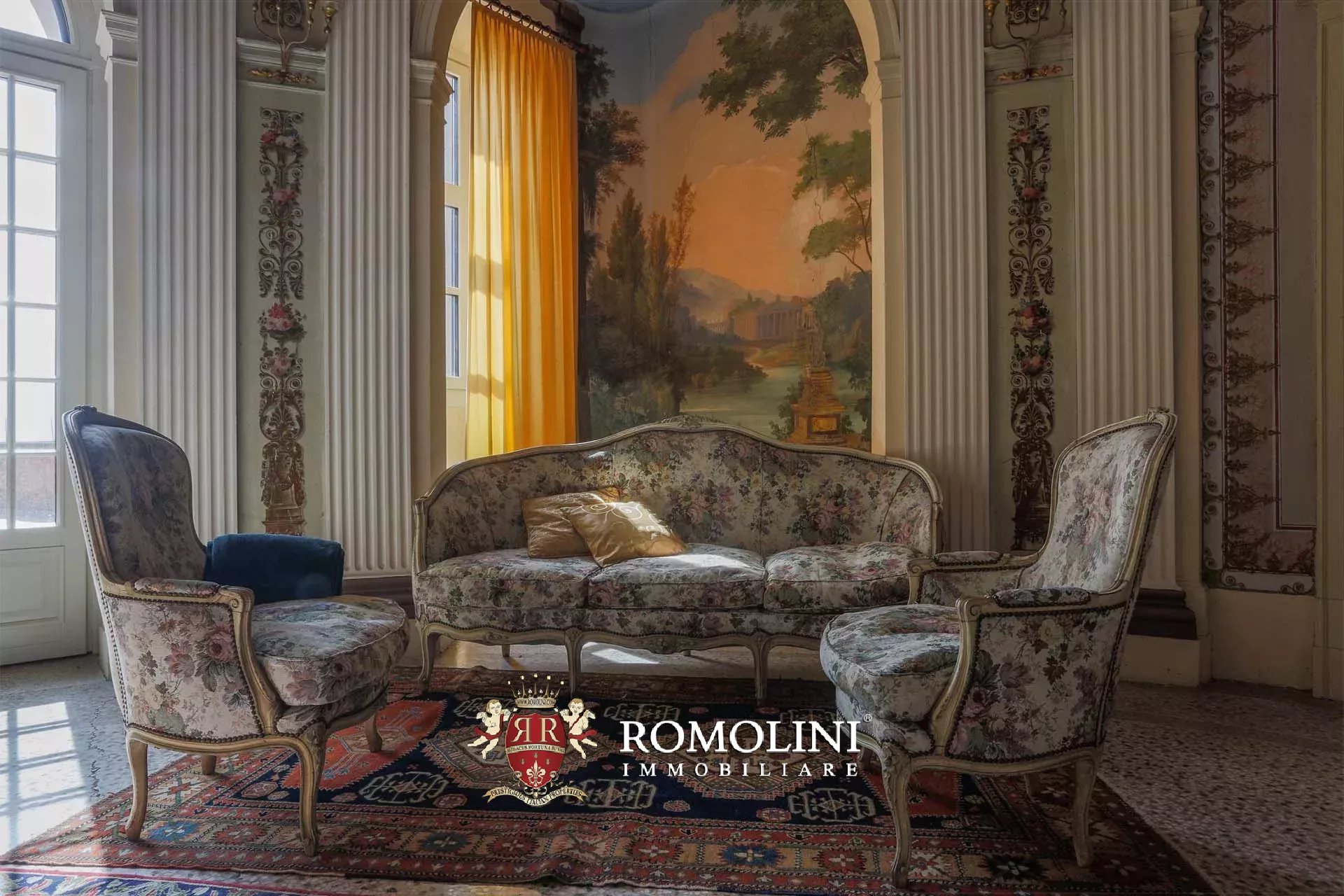
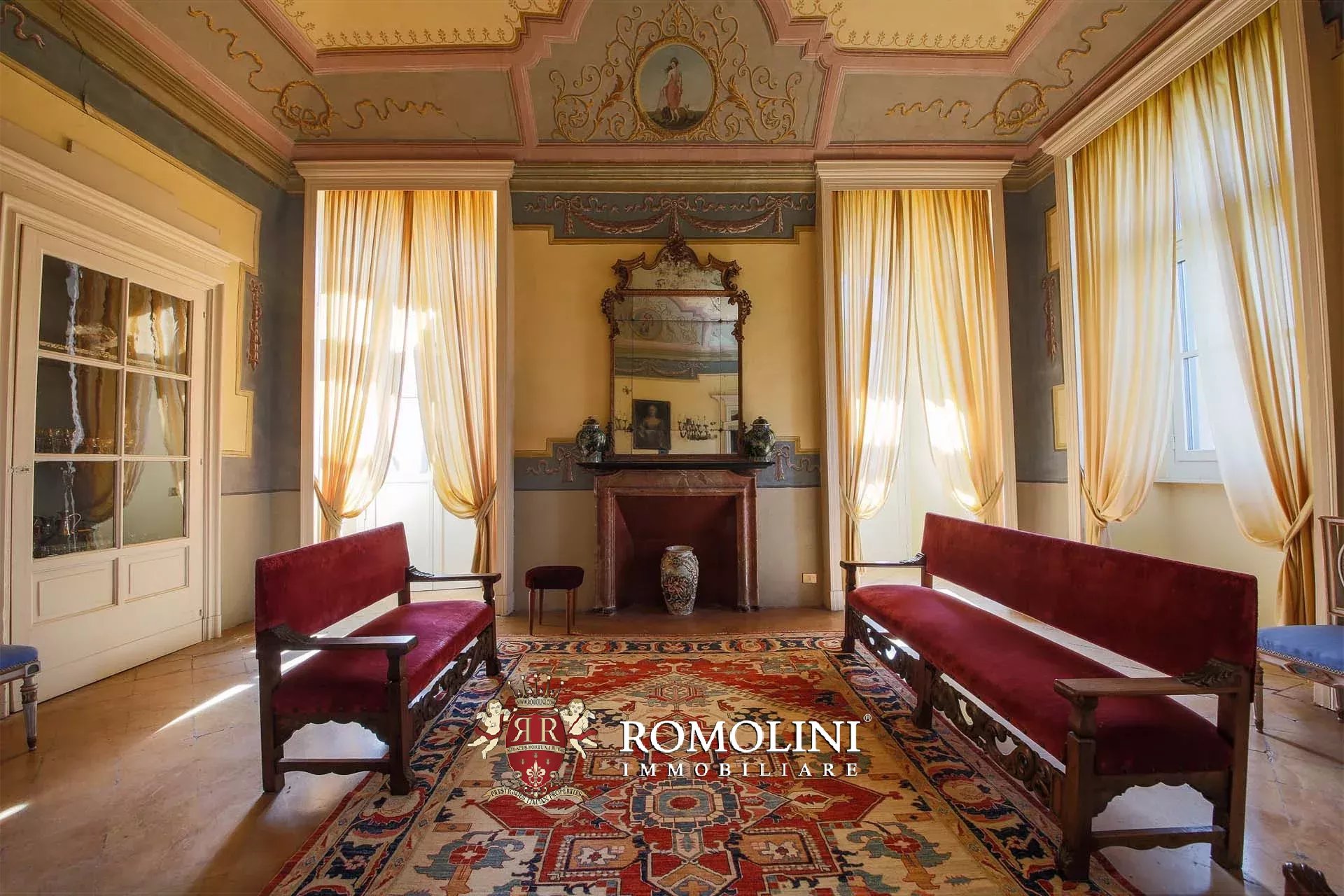
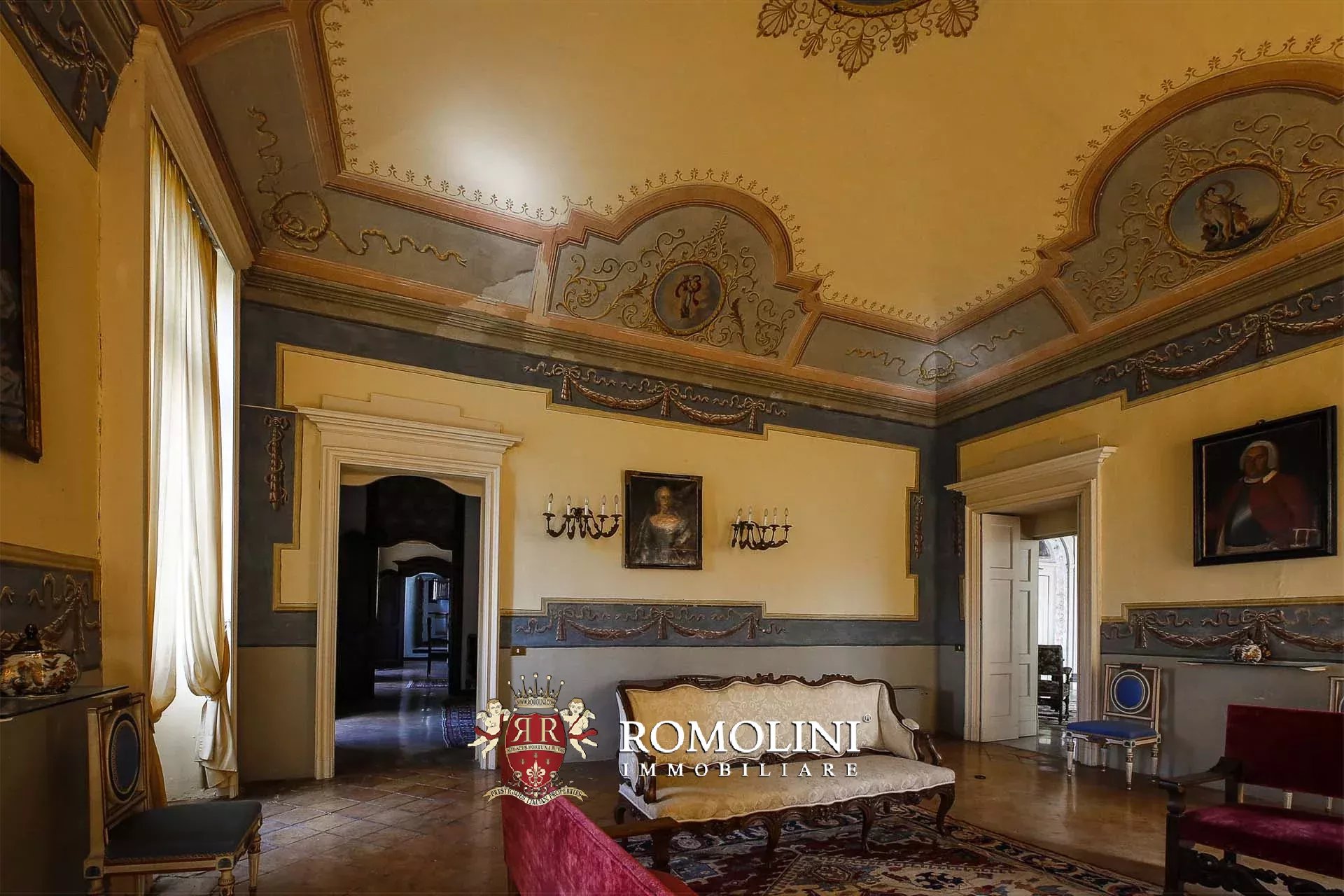
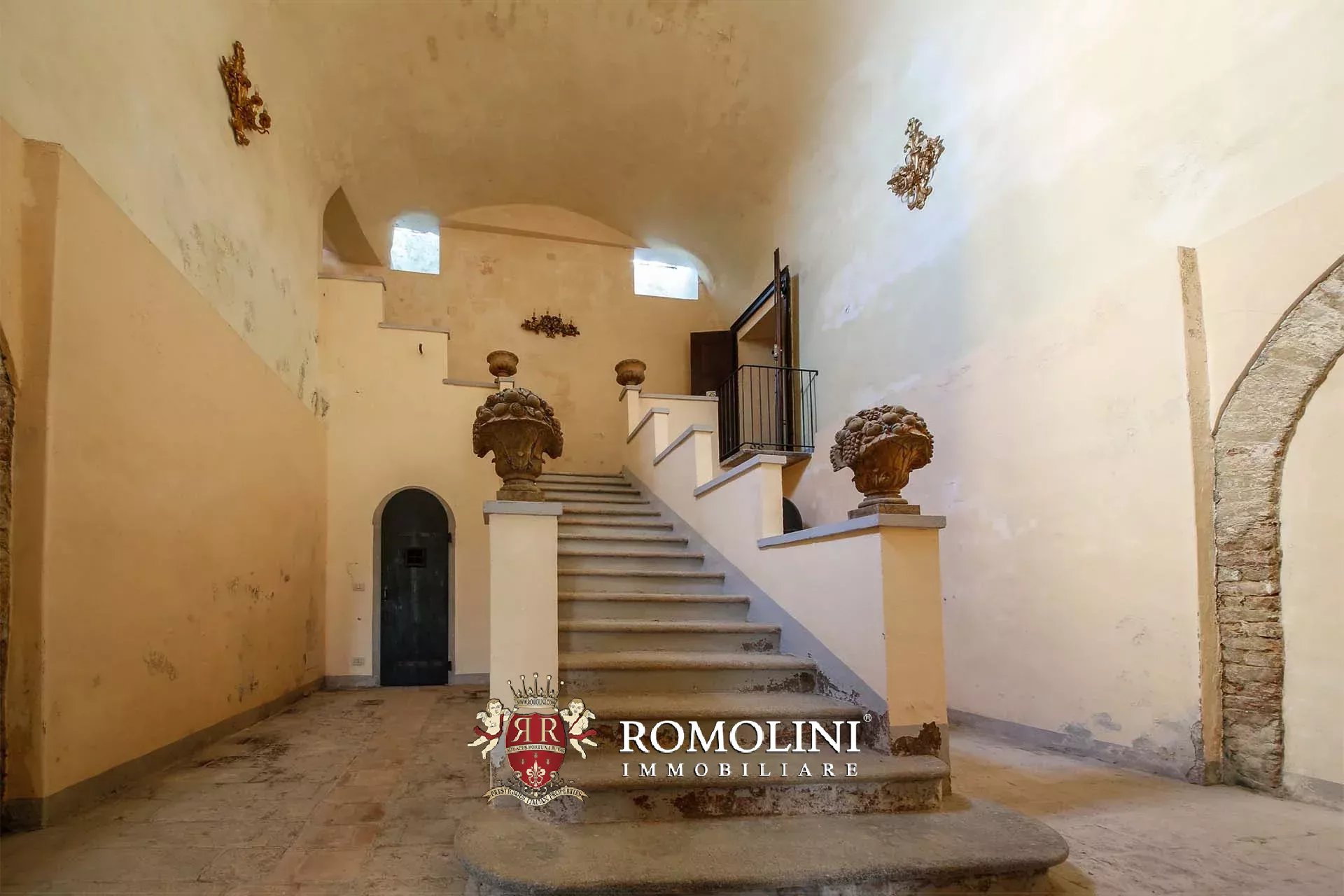
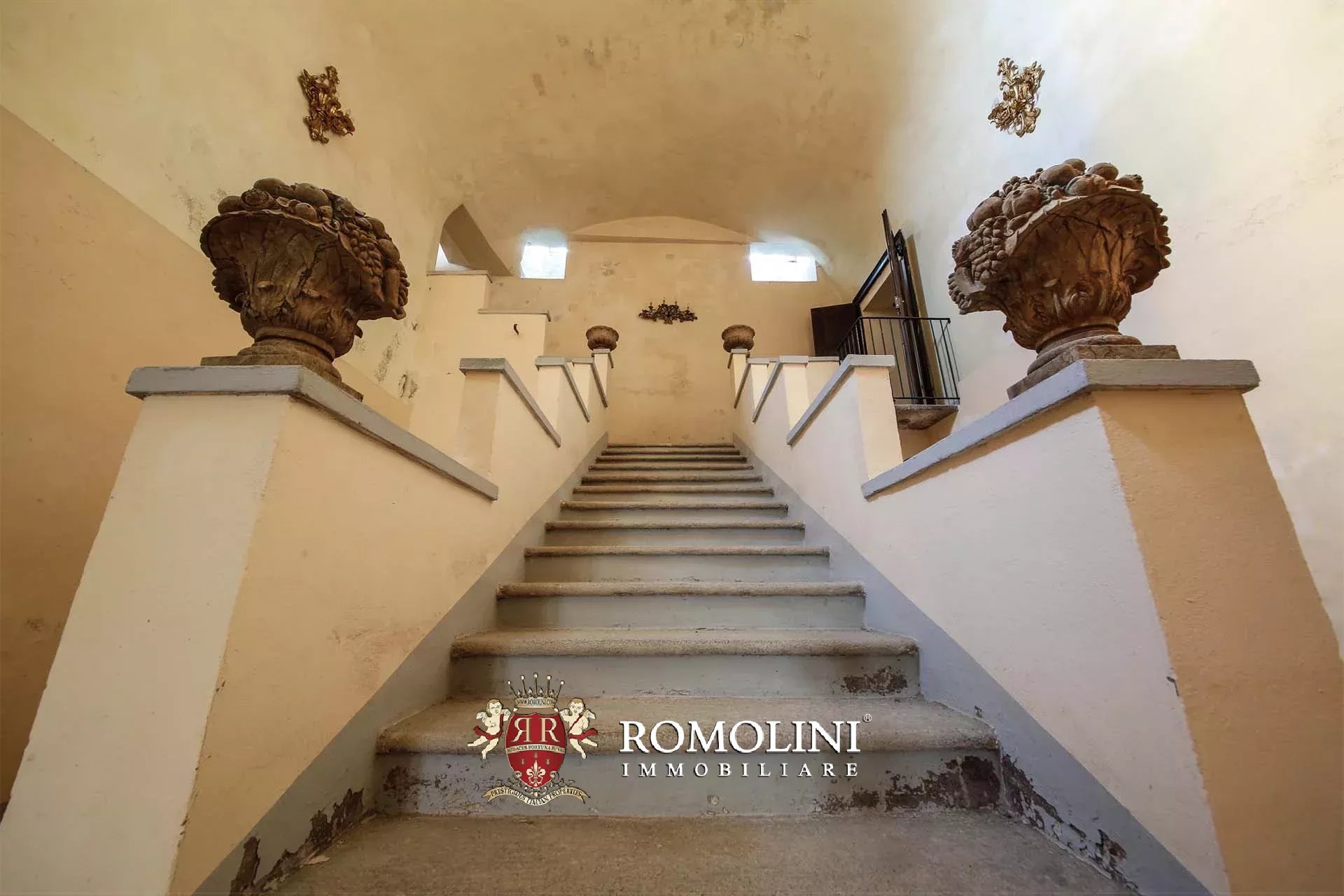
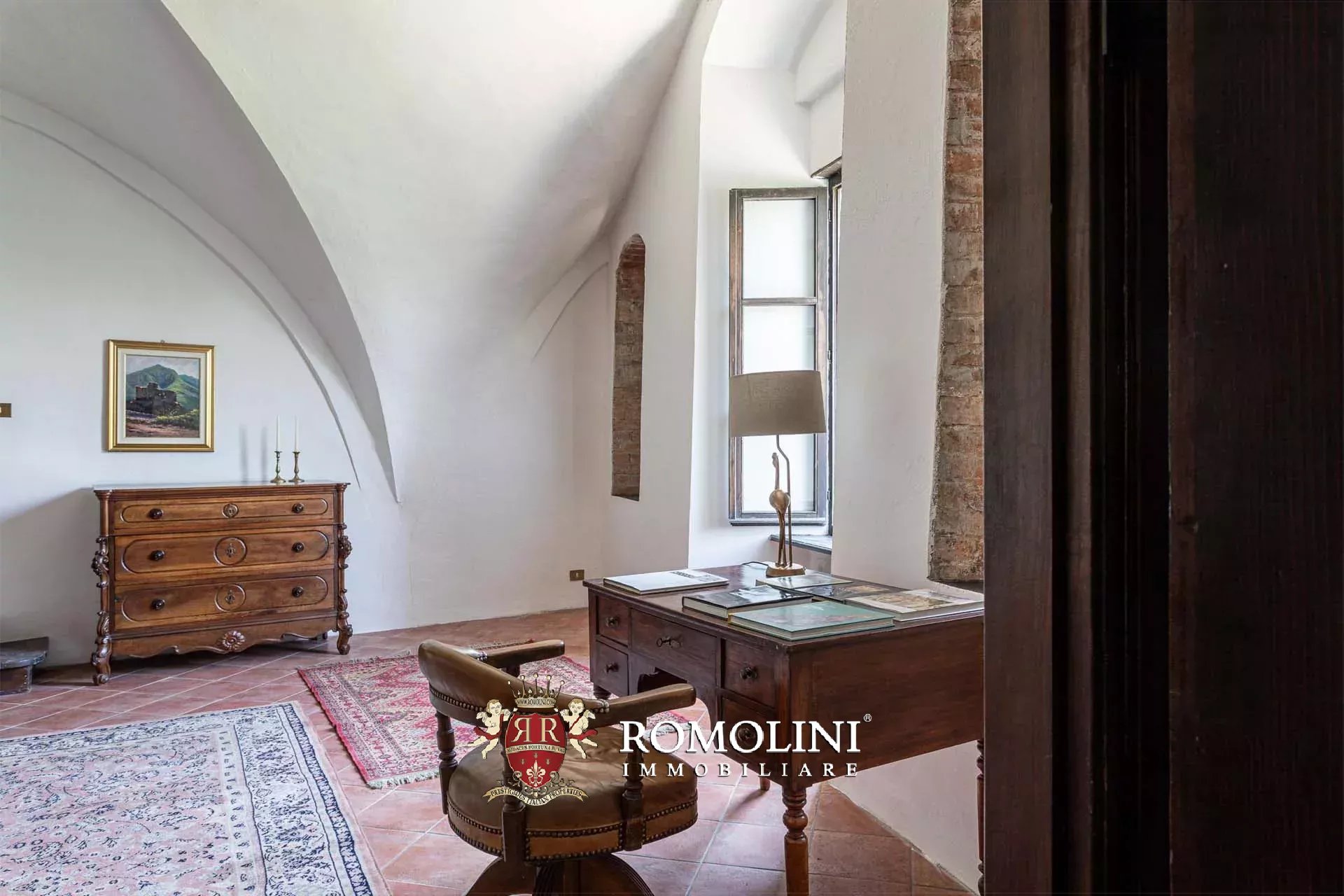
In the 18th century the castle underwent a huge process of renovation and rebuilding which led to the realization of the elegant halls we can see nowadays.
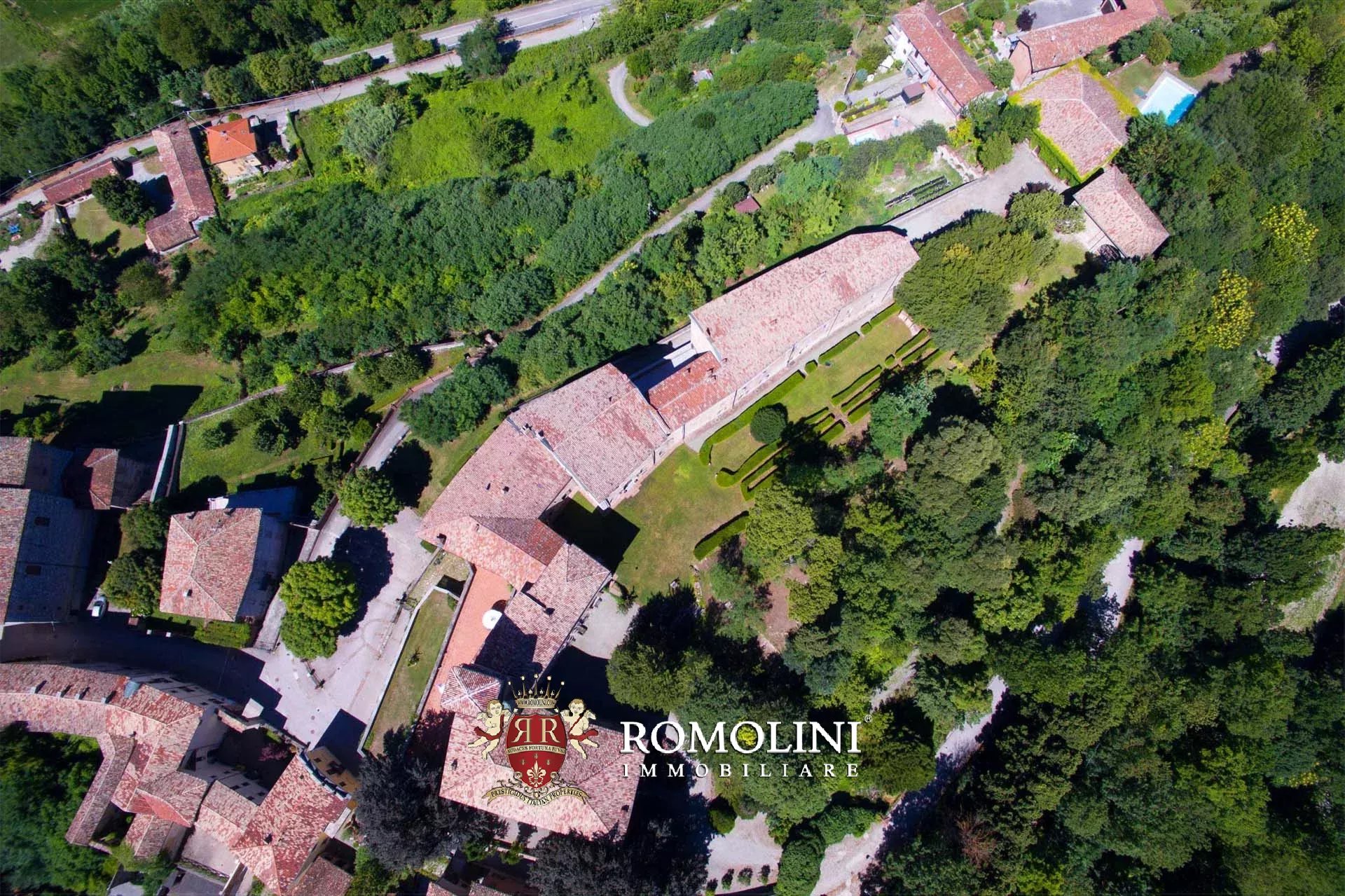
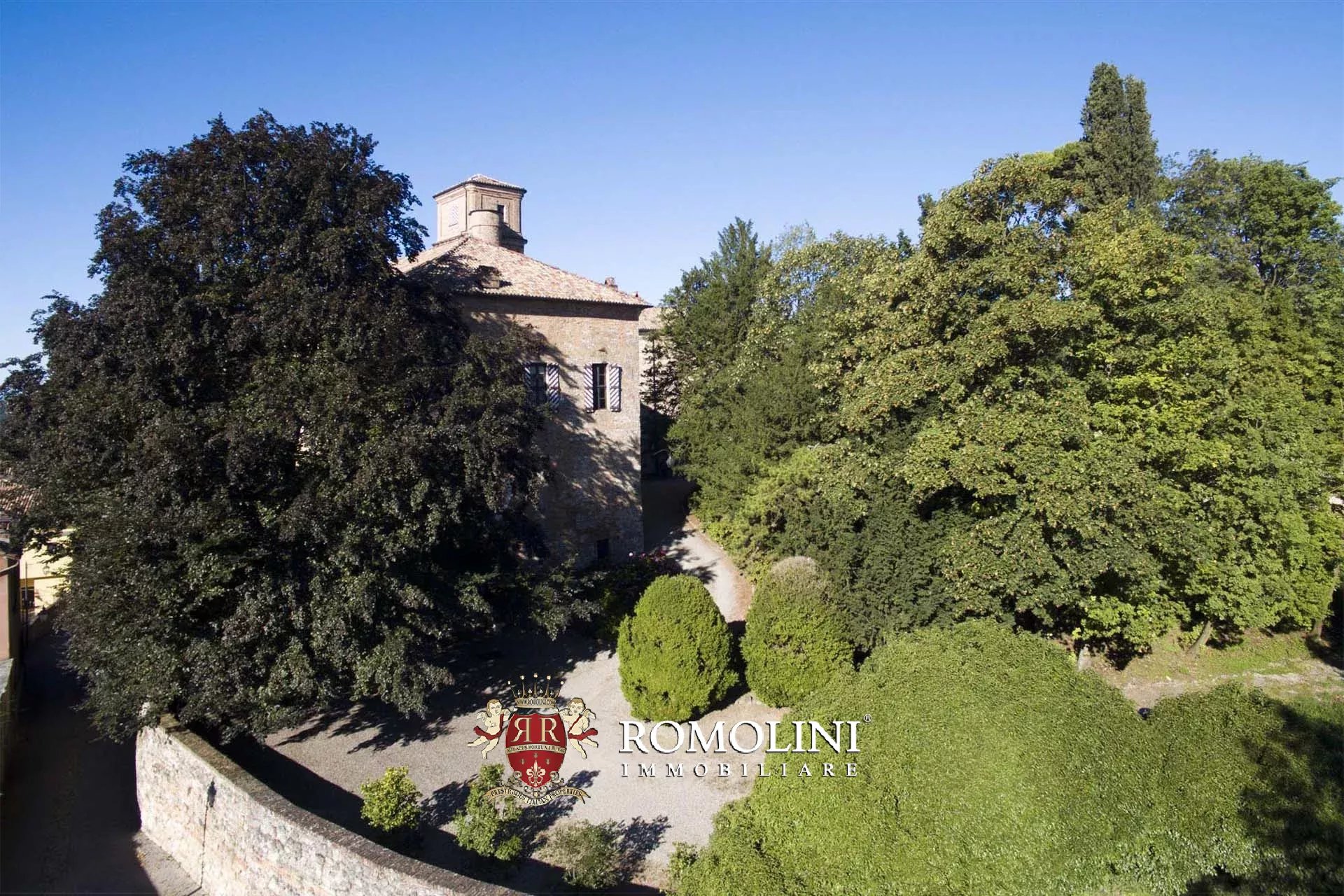
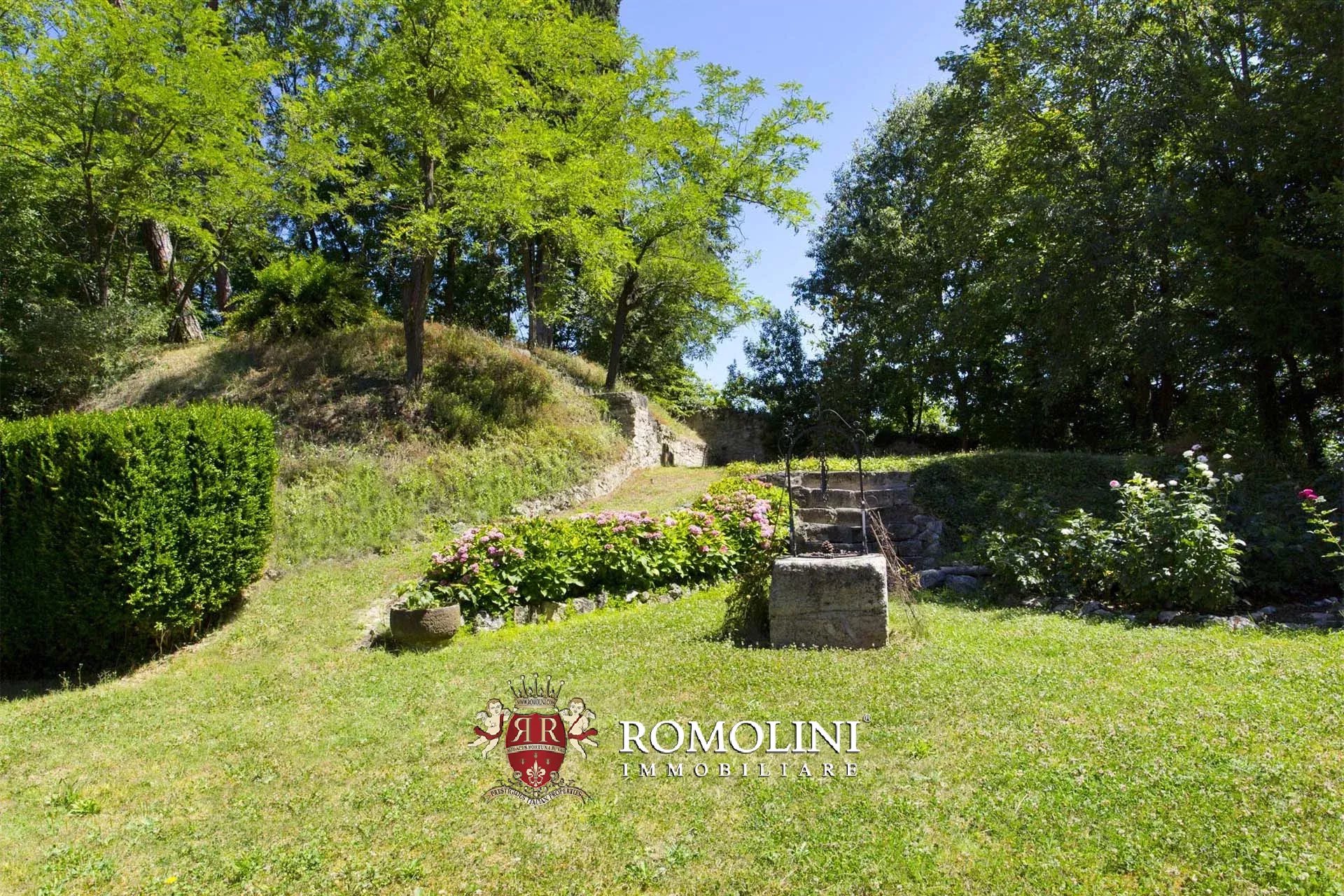
The building has now an irregular L shape, but it is clear that this is only part of the original building which had a U shape to increase its defensibility. The second wing of the castle doesn’t exist anymore but its existence is confirmed by the conformation of the garden (slightly raised in this point) and the walls supporting the side of the hill. What’s more, many holes on the side of the hills allow entering several underground rooms which were once the basement of the demolished wing.
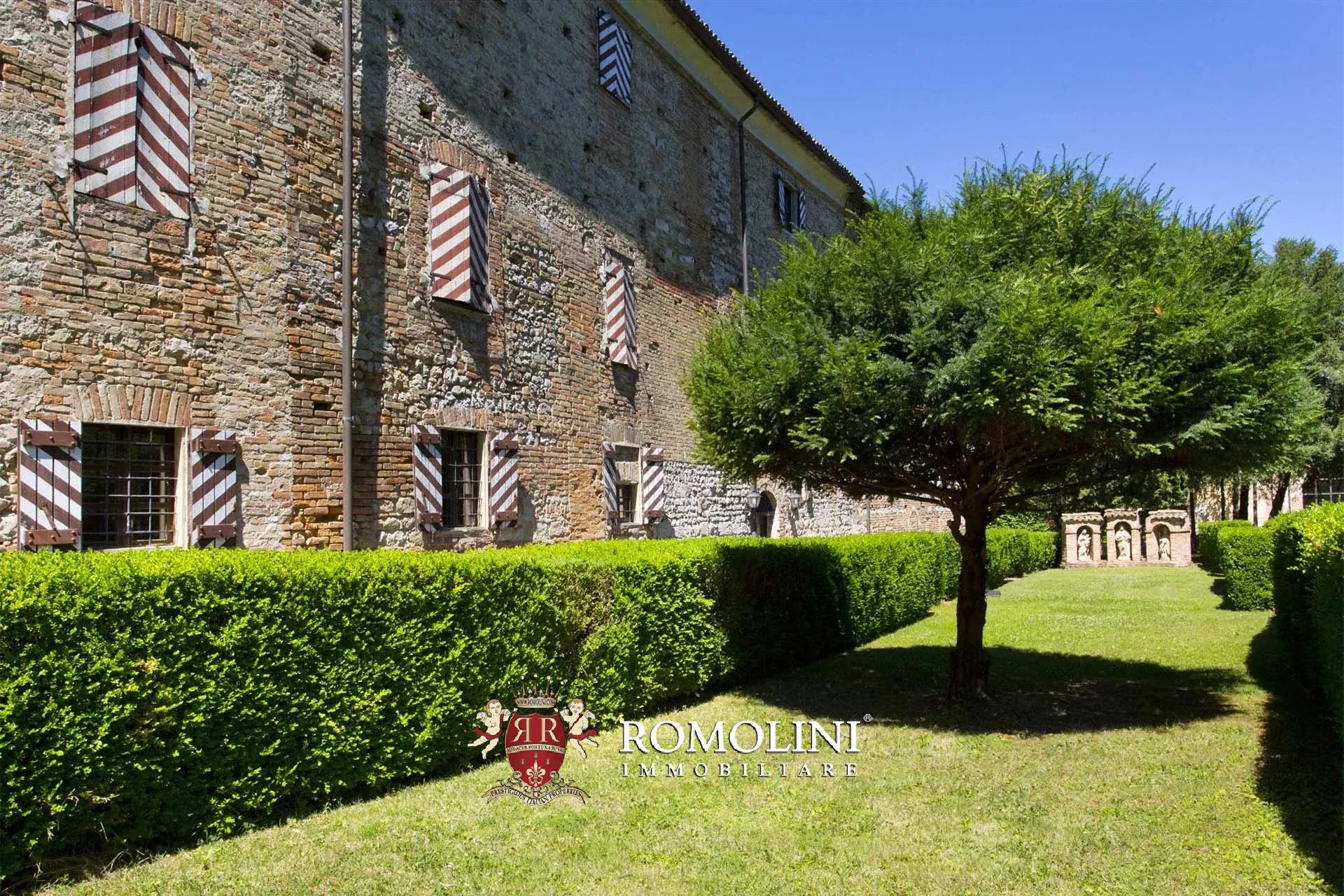
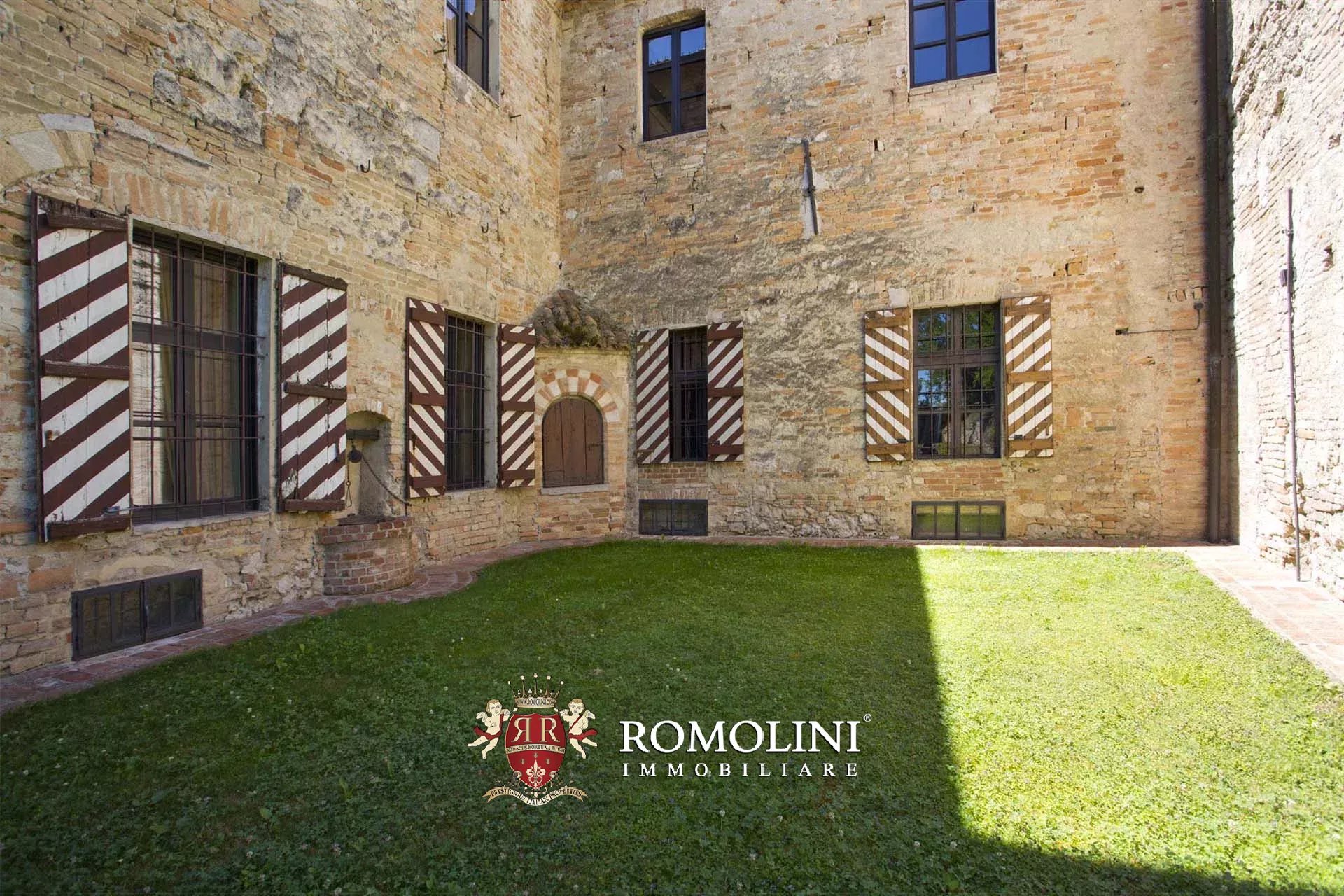
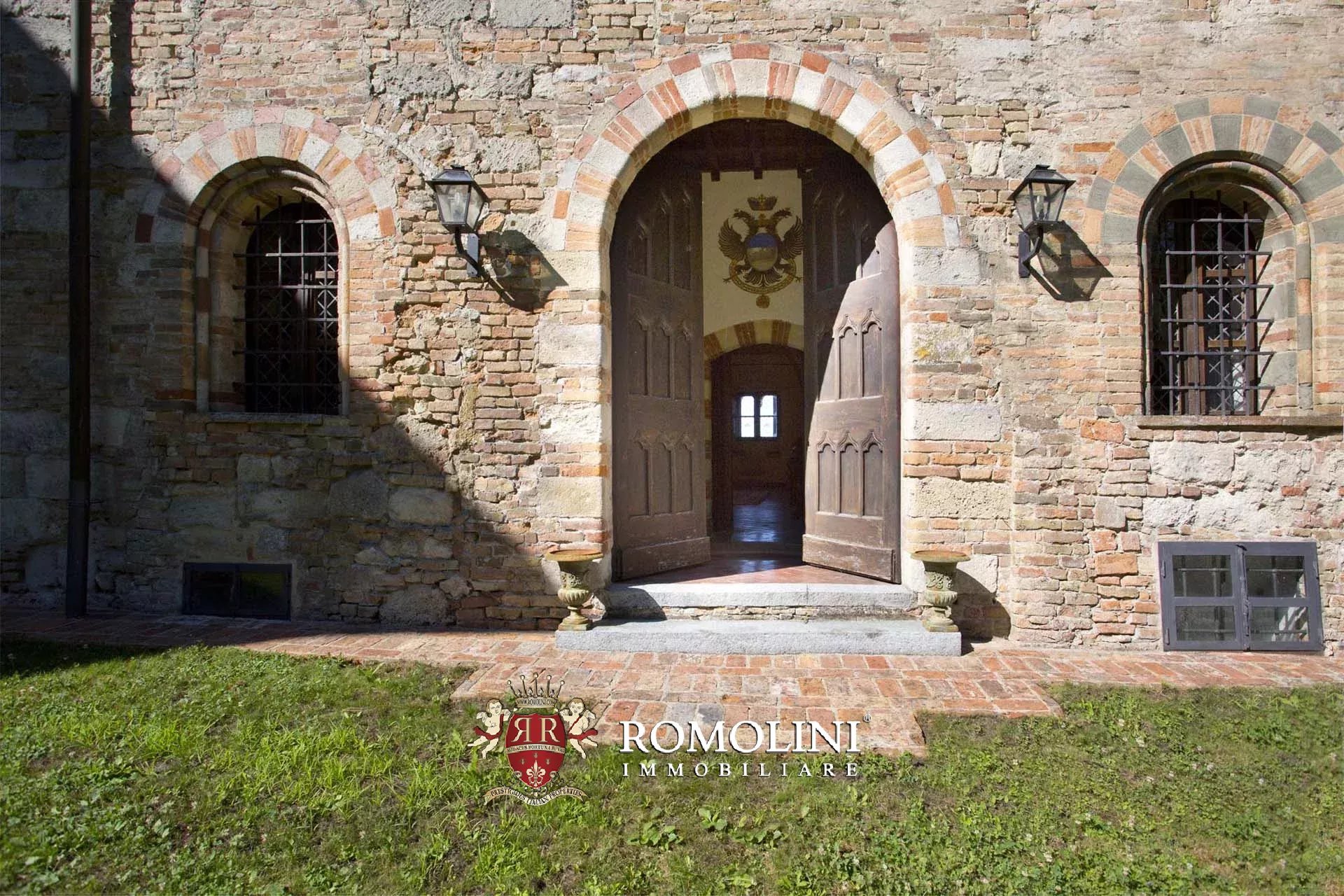
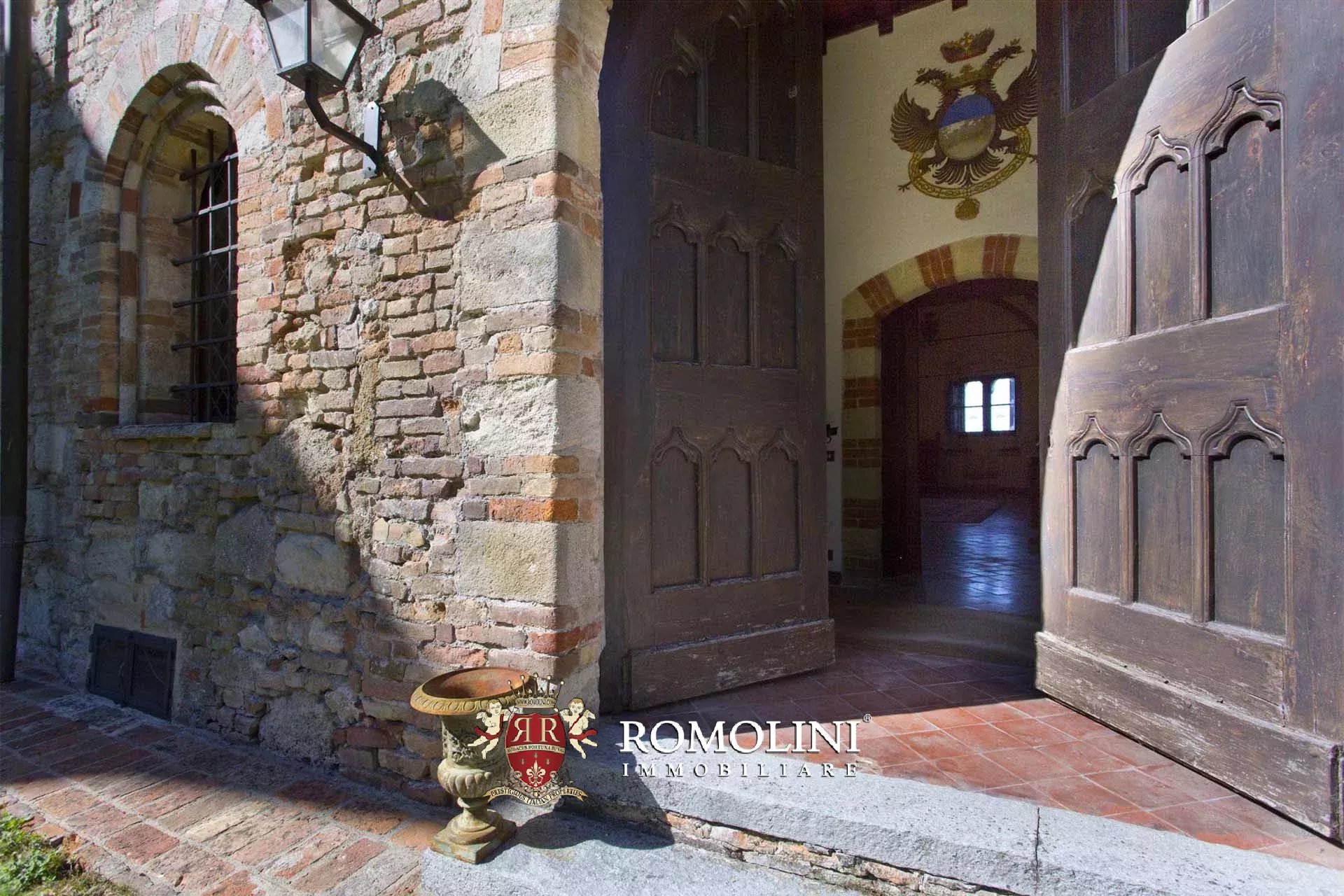
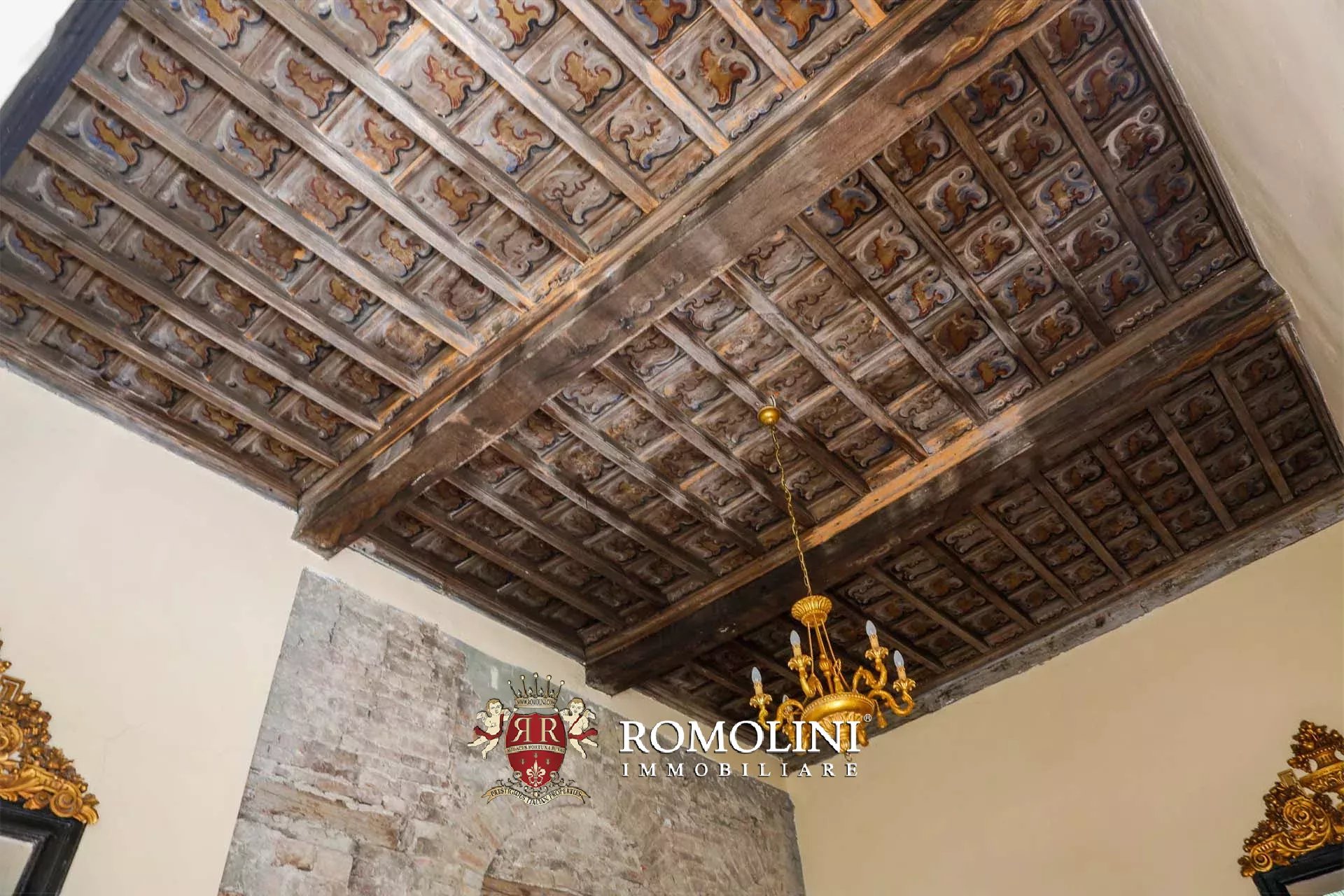
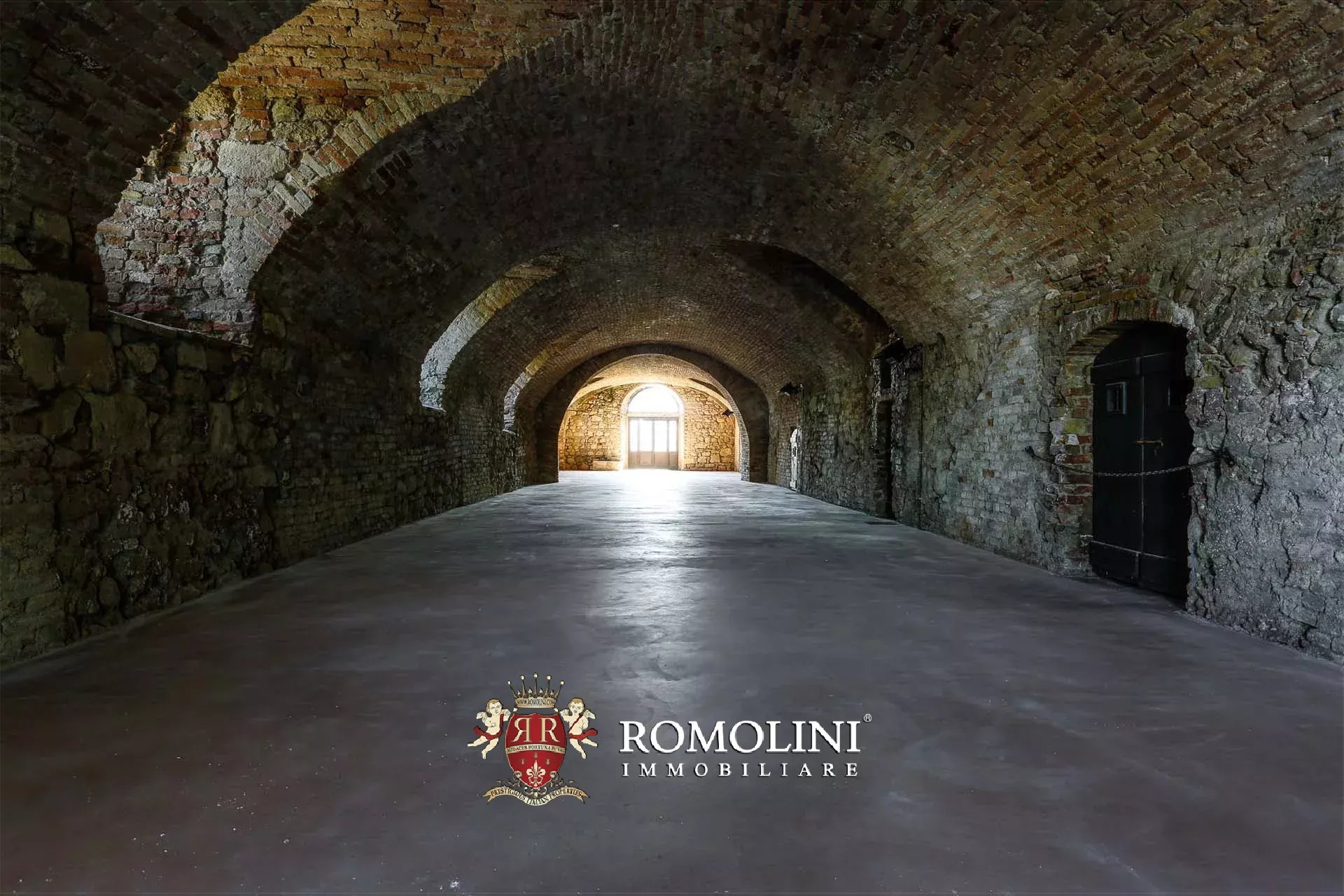
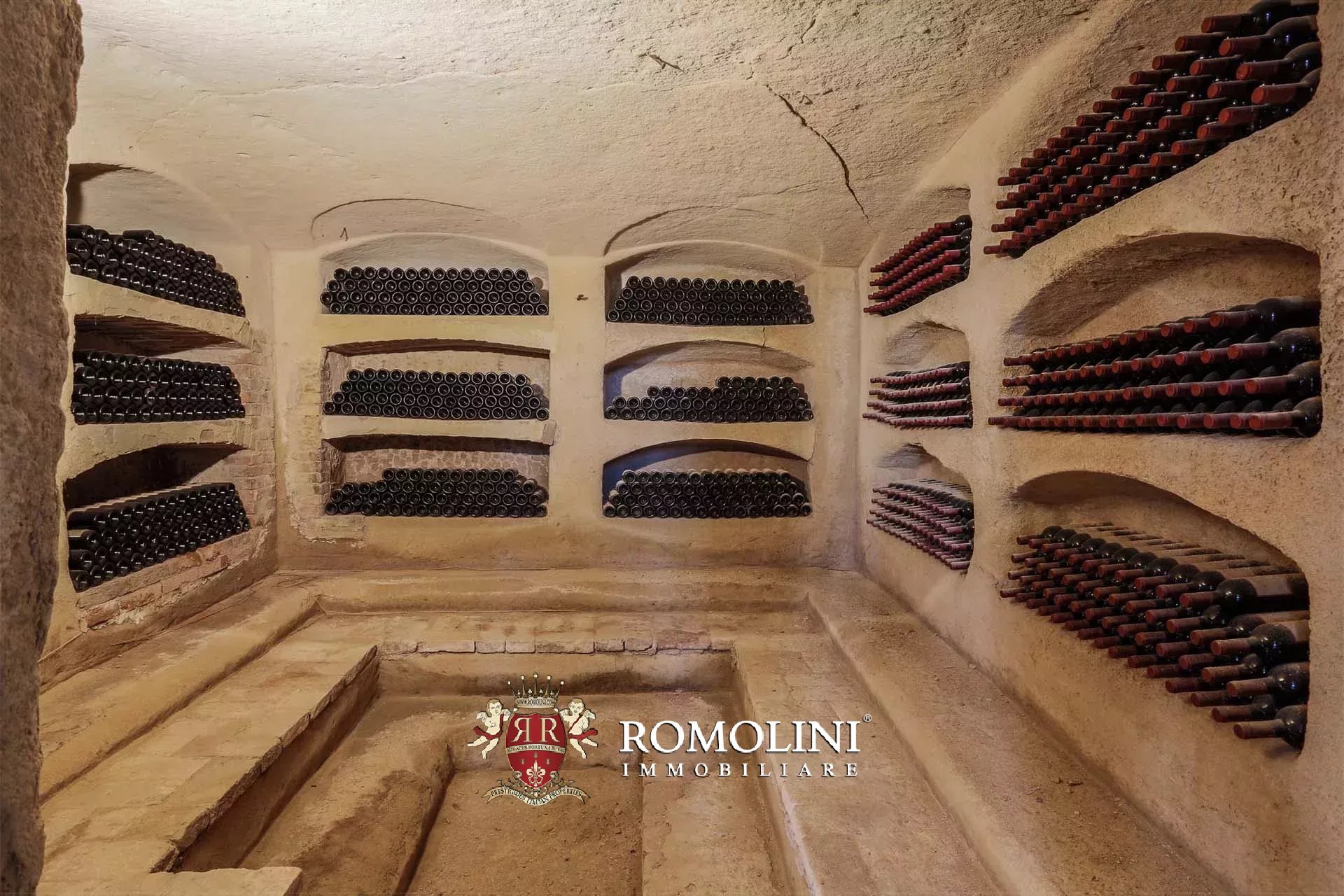
The castle is nowadays mostly in good conditions, with restorations carried out to preserve and highlight the decorations. The halls are all frescoed and/or painted with floral motives recalling the grotesque found in Nero’s Domus Aurea. The basement has been partially restored leaving stone walls visible so to underline the medieval origin of the building.
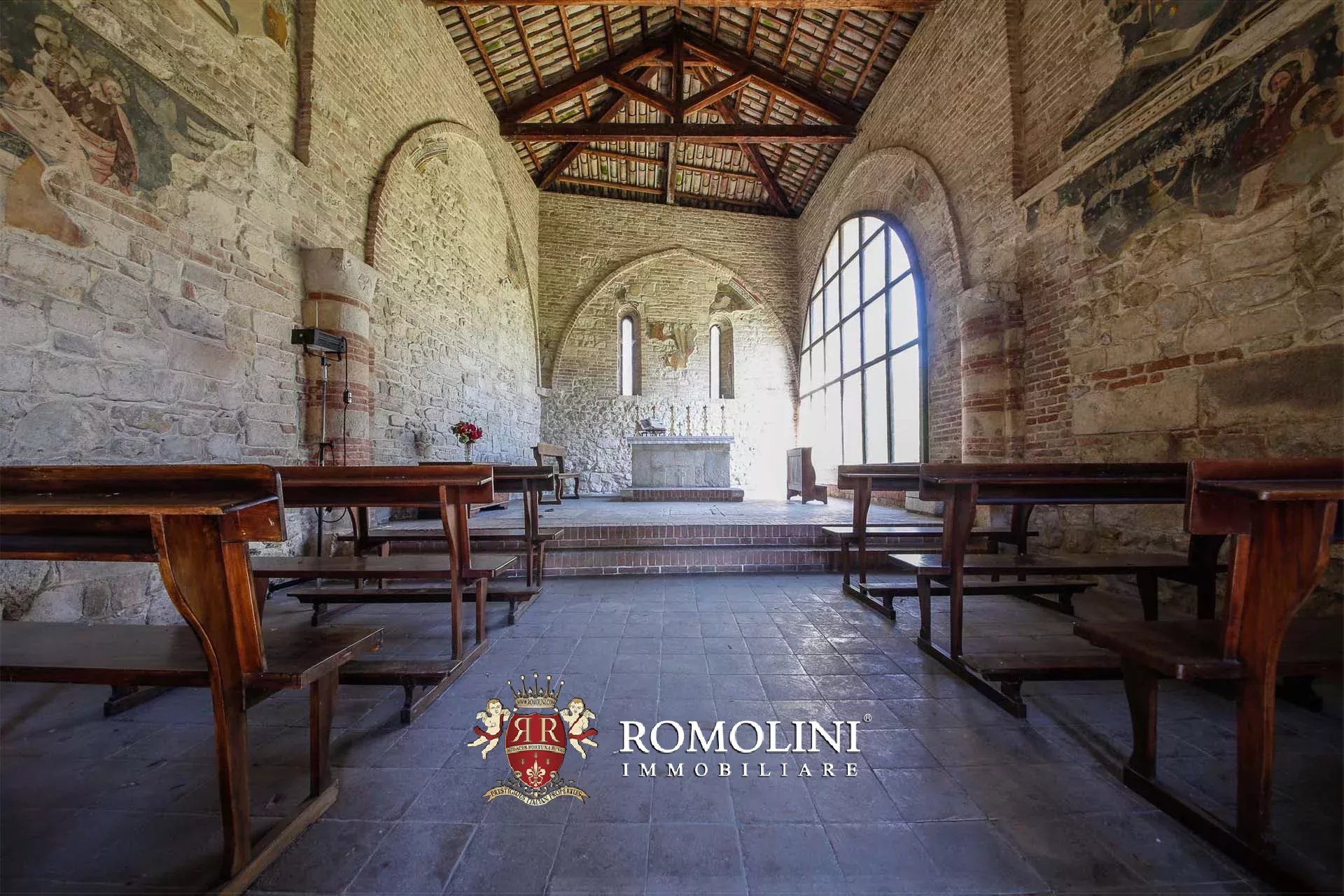
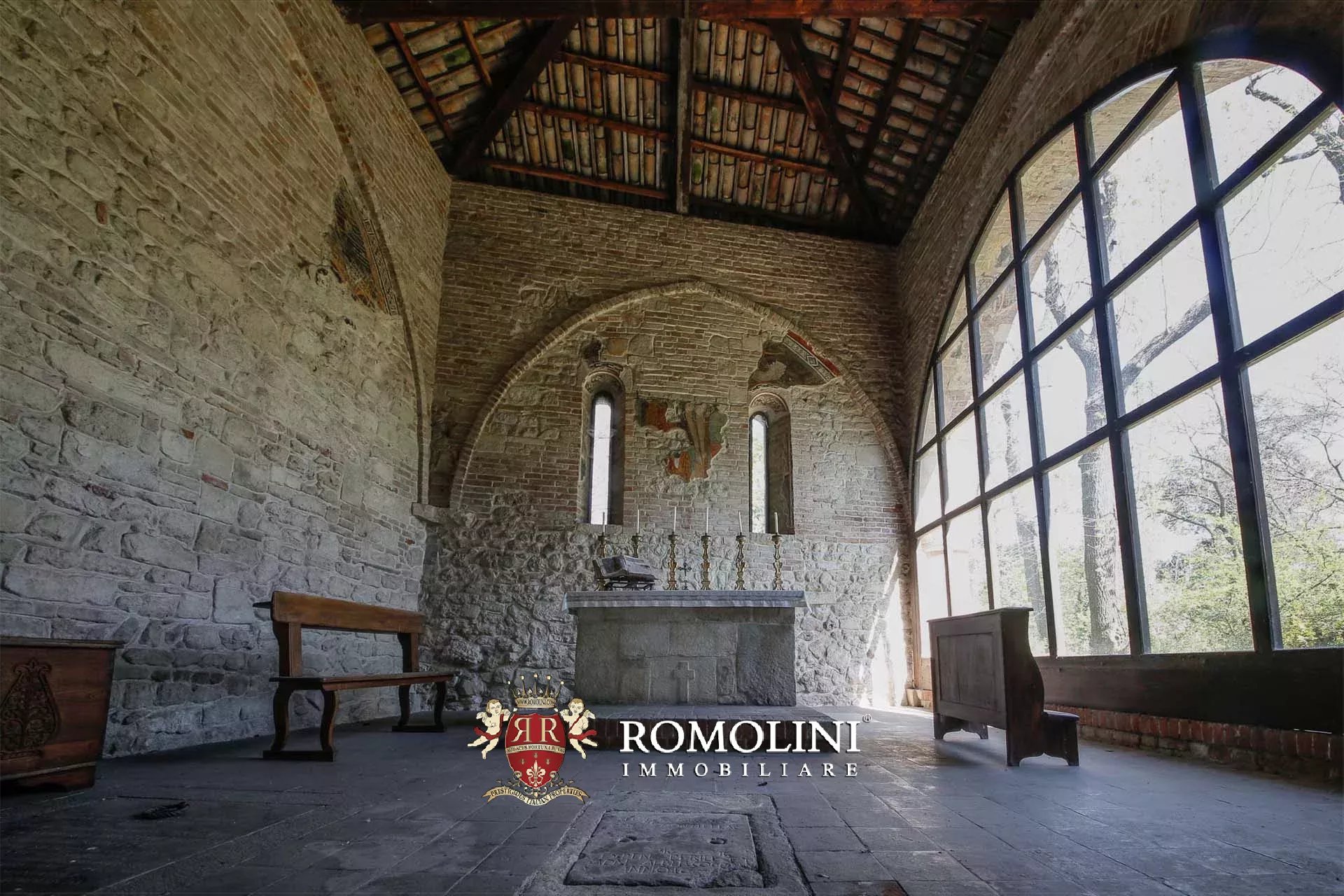
Not far from the castle is located a beautiful church with frescoes dated to the mid-14th century. Apparently uninteresting when looked upon from outside, the church offers unique frescoes. With a rectangular shape, the building has only two small windows in the apsis while the arch on the right wall, now closed by a glass window, would point to an ancient linking between the church and the castle, no longer existing. The entrance door is probably an after-thought which however irreparably damaged the frescoes inside the church.
The paintings represent the whole life of Jesus, starting with the Annunciation and ending with the Noli me tangere featuring Mary Magdalene. The conditions of the frescoes are however pretty bad because of a layer of plaster which was put over the paintings during the 17th-century plague epidemics which struck Piedmont (the same epidemics found in Manzoni’s I Promessi Sposi): the surfaces were scraped and hammered to favor plaster sticking, severely damaging the paintings underneath. The images have only resurfaced in the 1930s.
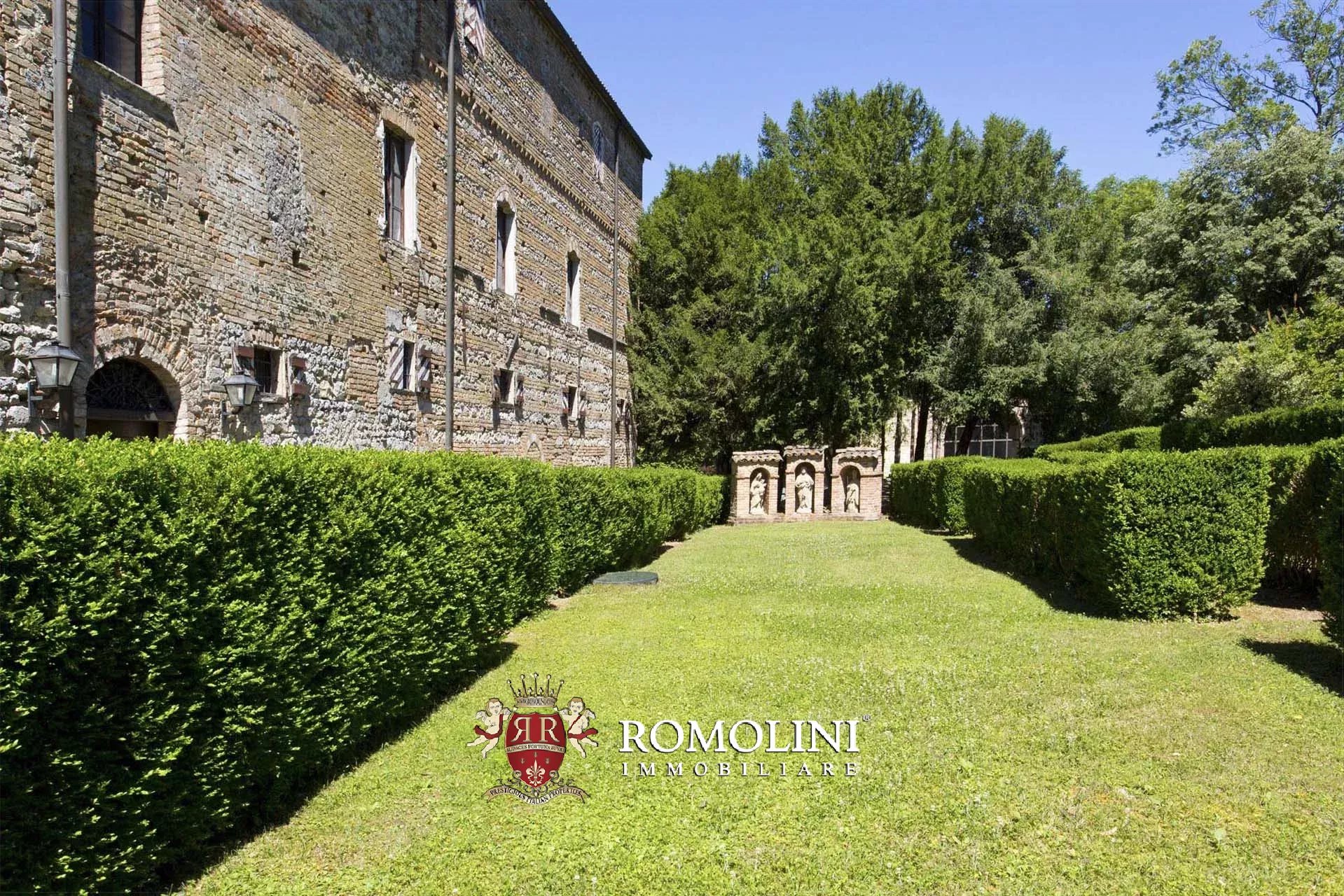
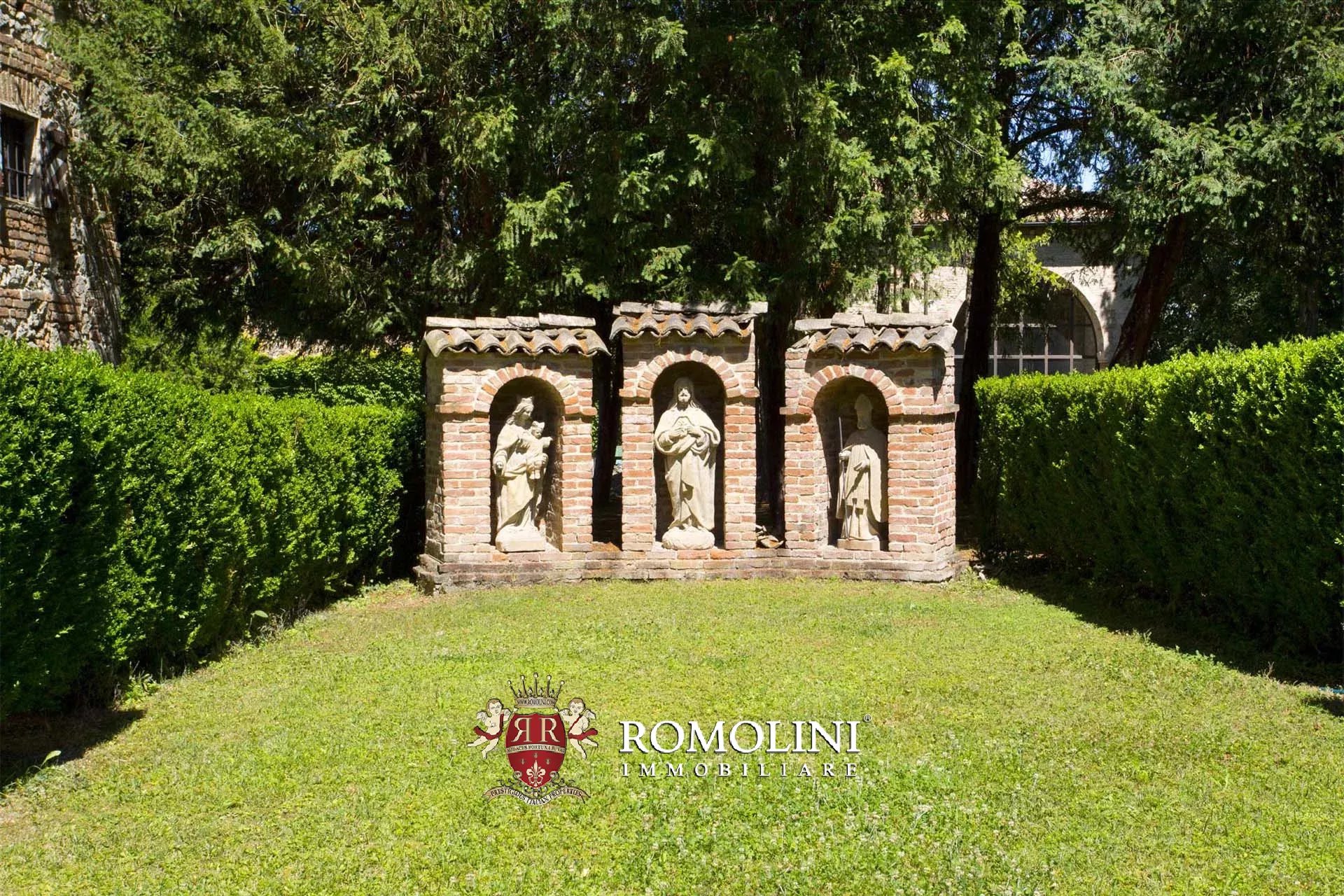
The castle is embellished by a well-maintained 18,405-m² Italian garden located where once stood the other wing of the castle, now demolished. The garden hosts a small hedge maze in whose center are located three shrines housing as many statues: the Virgin with the baby on the left, the Christ Savior at the center and a Pope on the right.
The entire property crossed underground by galleries and tunnels which were in the past used as wells and cisterns to supply water to the inhabitants of the castle.
Closest services (300m; 2’), Asti (26km; 30’), Casale Monferrato (38km; 40’), Alba (57km; 50’), Alessandria (60km; 50’), Turin (61km; 1h 5’), Ivrea (62km; 1h 5’), Barolo (69km; 55’), Acqui Terme (69km; 1h 10’), Pavia (132km; 1h 35’), Genoa (142km; 1h 45’), Milan (145km; 1h 50’)
Torino S. Pertini (62km; 50’), Genova C. Colombo (132km; 1h 30’), Milano Malpensa (138km; 1h 30’), Milano Linate (158km; 1h 45’), Bergamo M. Caravaggio (186km; 2h), Bologna G. Marconi (296km; 3h)








Contact us to receive more information and/or schedule a visit
Ref. 2893 Castello Monferrato
€ 6,000,000

Danilo Romolini
Sales Manager
6 years with Romolini
Leave us your request and you will be contacted within the next 24 hours.


Copyright © Romolini

 Brochure pdf
 Contact us
 Contact


