




 Our Family


 Italiano
 Deutsch


 Back to list

Historic villas in Tuscany: art, landscape, and real estate value

Published 12-10-2026
The historic villas in Tuscany represent one of the most recognizable expressions of Italian luxury real estate. They are not just large residences, but places where architecture, art, landscape, and memory blend in a rare balance. A historic villa can tell the story of a noble family’s taste, the agricultural vocation of an estate, the evolution of a territory, or the transformation of a private residence into a charming hospitality facility.
In Tuscany, this value takes on a special significance. Hills, cypress trees, vineyards, olive groves, art cities, and medieval villages create a context capable of amplifying the charm of the property. For this reason, historic residences for sale and luxury villas for sale in Tuscany continue to attract an international clientele seeking authenticity, beauty, and lasting value.
Art and architecture as distinctive elements
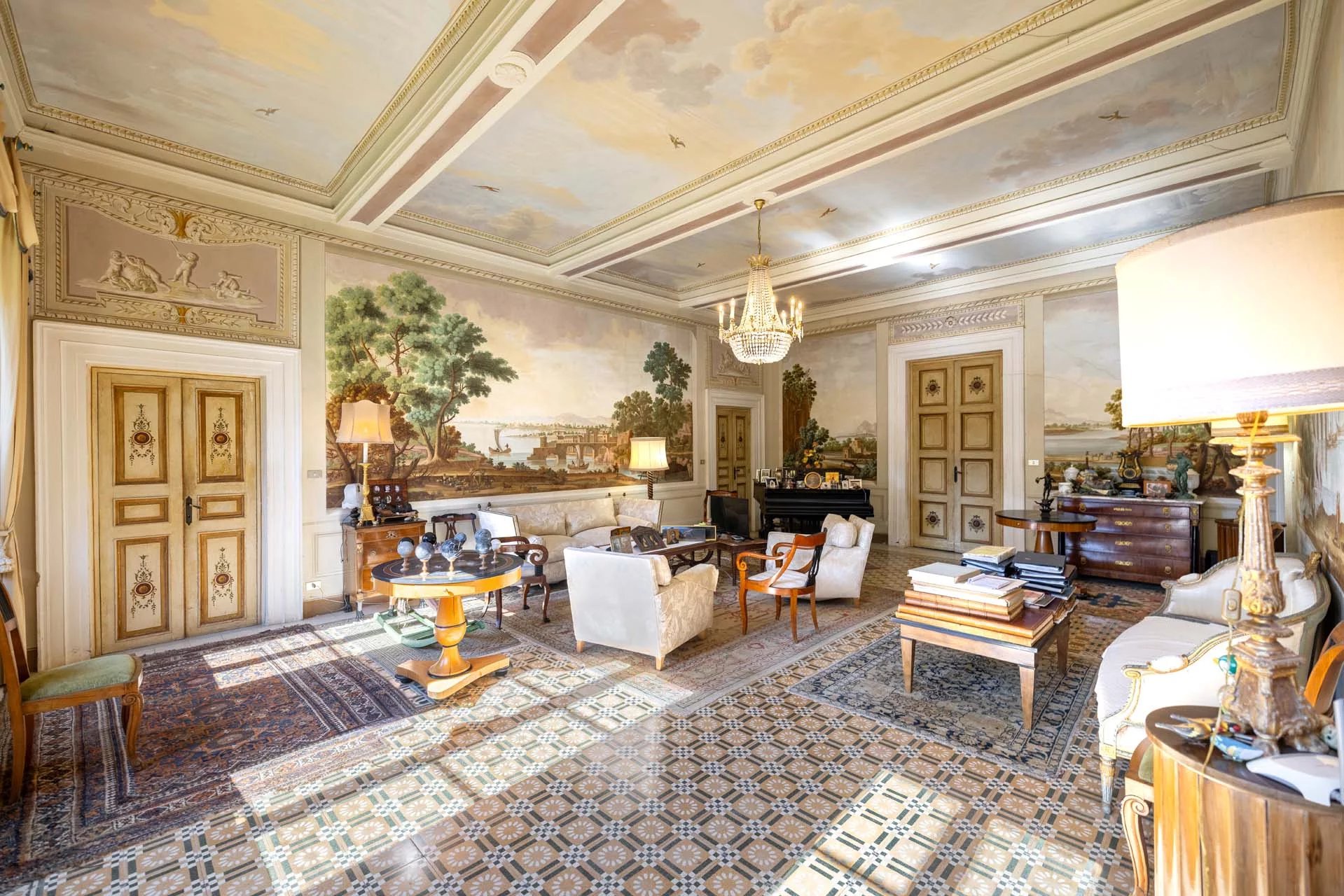
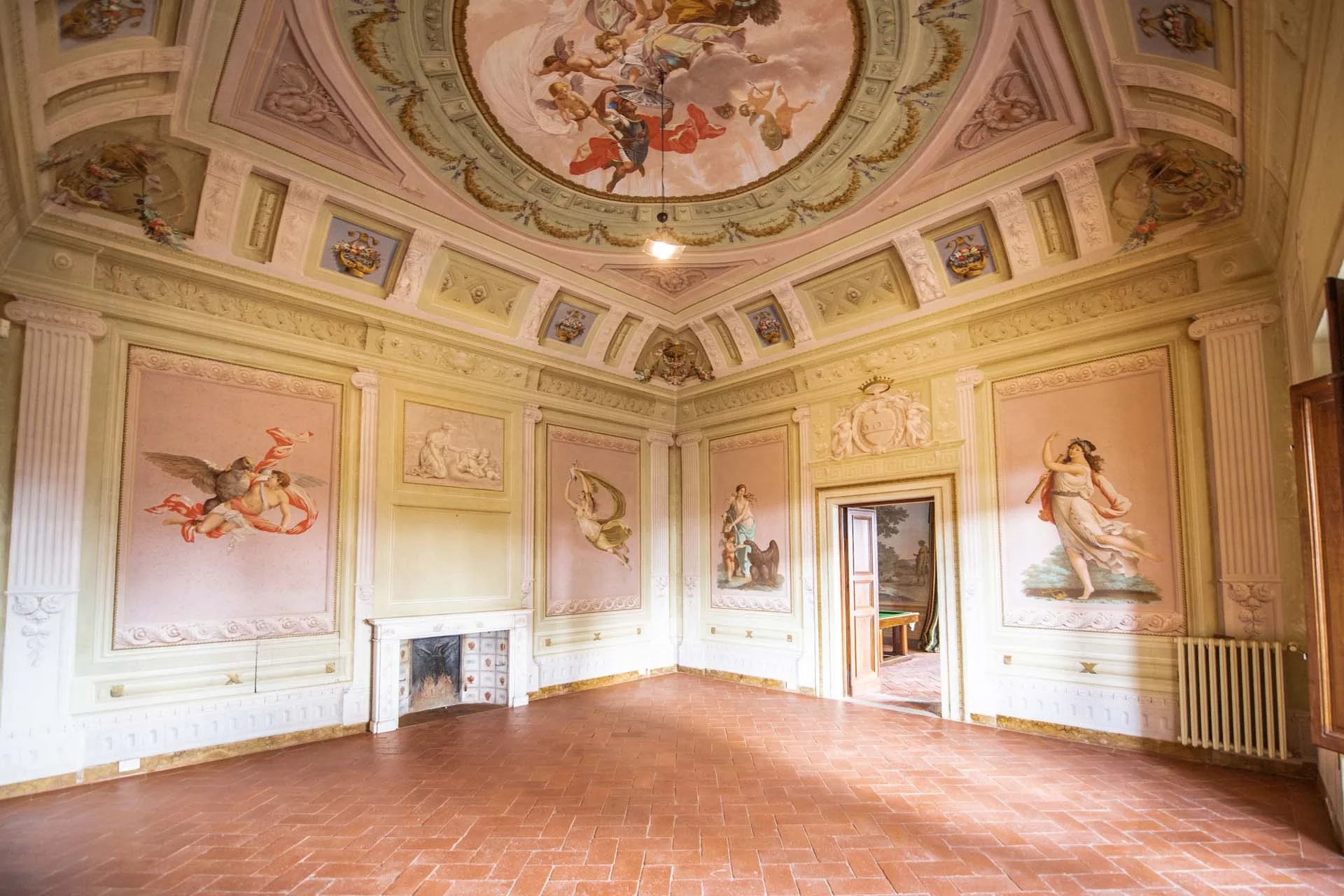
A historic villa often features artistic elements that are difficult to replicate: frescoes, coffered ceilings, stuccoes, stone fireplaces, monumental staircases, private chapels, loggias, reception halls, and ancient flooring. These details are not only decorative but help define the identity of the residence.
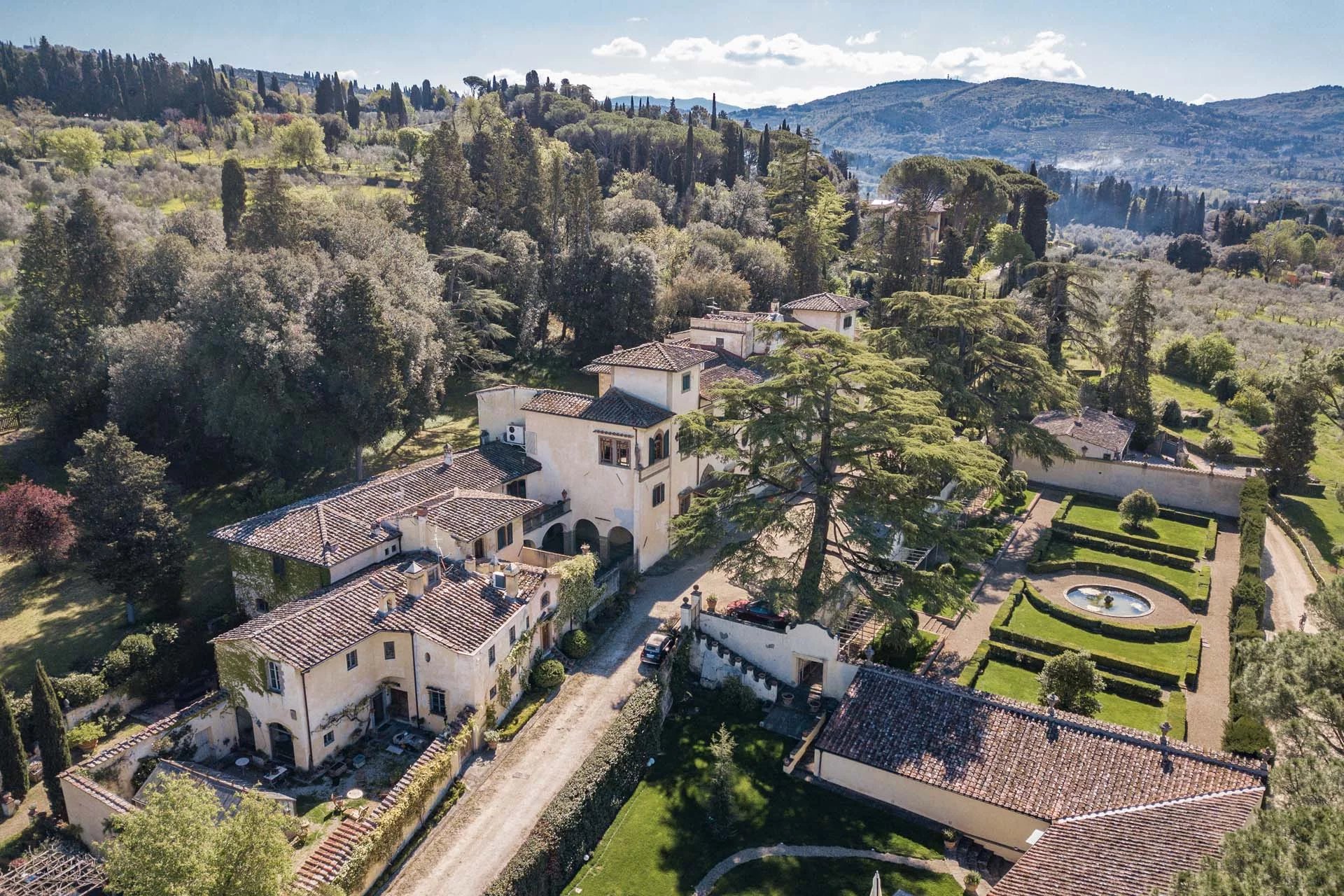
An emblematic example is the historic villa owned by the Strozzi family, just outside Florence’s historic center. The property includes four buildings totaling approximately 2,790 sqm, an Italian garden, panoramic swimming pool, and restored salons with frescoes, coffered ceilings, and stone fireplaces.
At this level of property, art is not an accessory. It becomes part of the core of the property’s value: accompanying the living experience, making the environments memorable, and setting the villa apart from any contemporary residence lacking history.
The landscape as part of the property
A historic Tuscan villa cannot be separated from the surrounding landscape. The value often arises from the dialogue between building, garden, driveway, countryside, crops, and view. A residence overlooking Chianti vineyards, the Florentine hills, or Valdichiana immediately communicates a sense of belonging to the territory.
The historic villa on the hills of Chianti exemplifies this relationship well: a manor villa renovated within a rural village, with views of vineyards, over 1,000 sqm internal space, hospitality use, event garden, and 5.8-hectare land with organic olive grove.
In these cases, the landscape is not just a backdrop. It is part of the daily experience and real estate value. A terrace, panoramic pool, Italian-style garden, or tree-lined avenue become elements that reinforce the sense of exclusivity.
Private residence or hospitality project
Many historic villas in Tuscany lend themselves to multiple uses. They can be lived in as private residences, used as prestigious homes, boutique hotels, relais, event venues, or luxury hospitality structures. This flexibility is one of the factors that most influences their value.
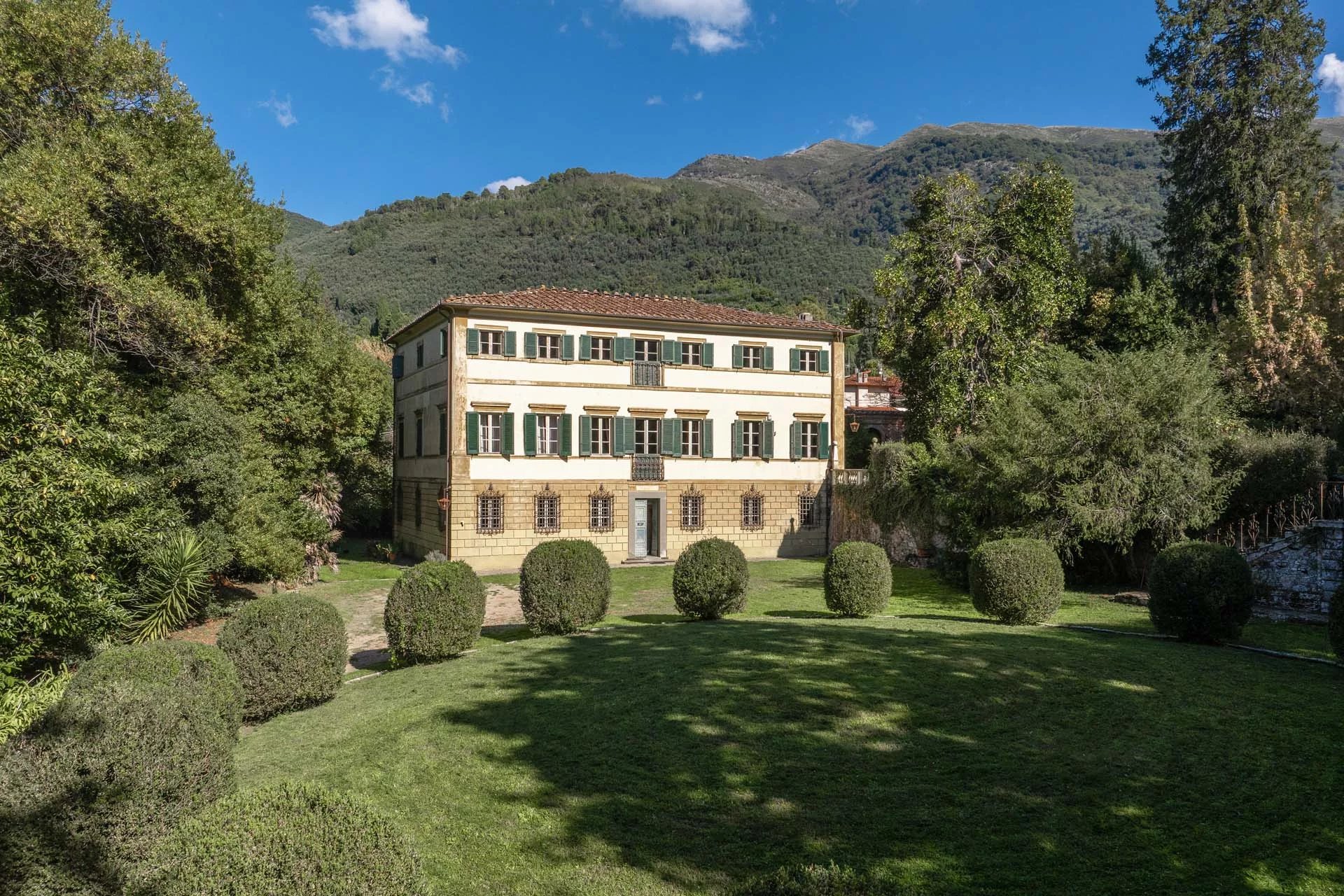
The boutique hotel historic villa for sale in Lucca is a significant example: an 18th-century villa currently used as a boutique hotel, with 1,120 sqm interior, 10 rooms, a restaurant with professional kitchen, 5,000 sqm park, pool, and close to Lucca and the Tuscan coast.
This possibility to transform a historic villa into a hospitality destination is particularly appealing for the international market. Guests seek not just a stay, but an experience: sleeping in a historic dwelling, experiencing a historic garden, discovering villages and art cities, tasting local wines, and living temporarily in a place with an identity.
Gardens, parks, and historic estates
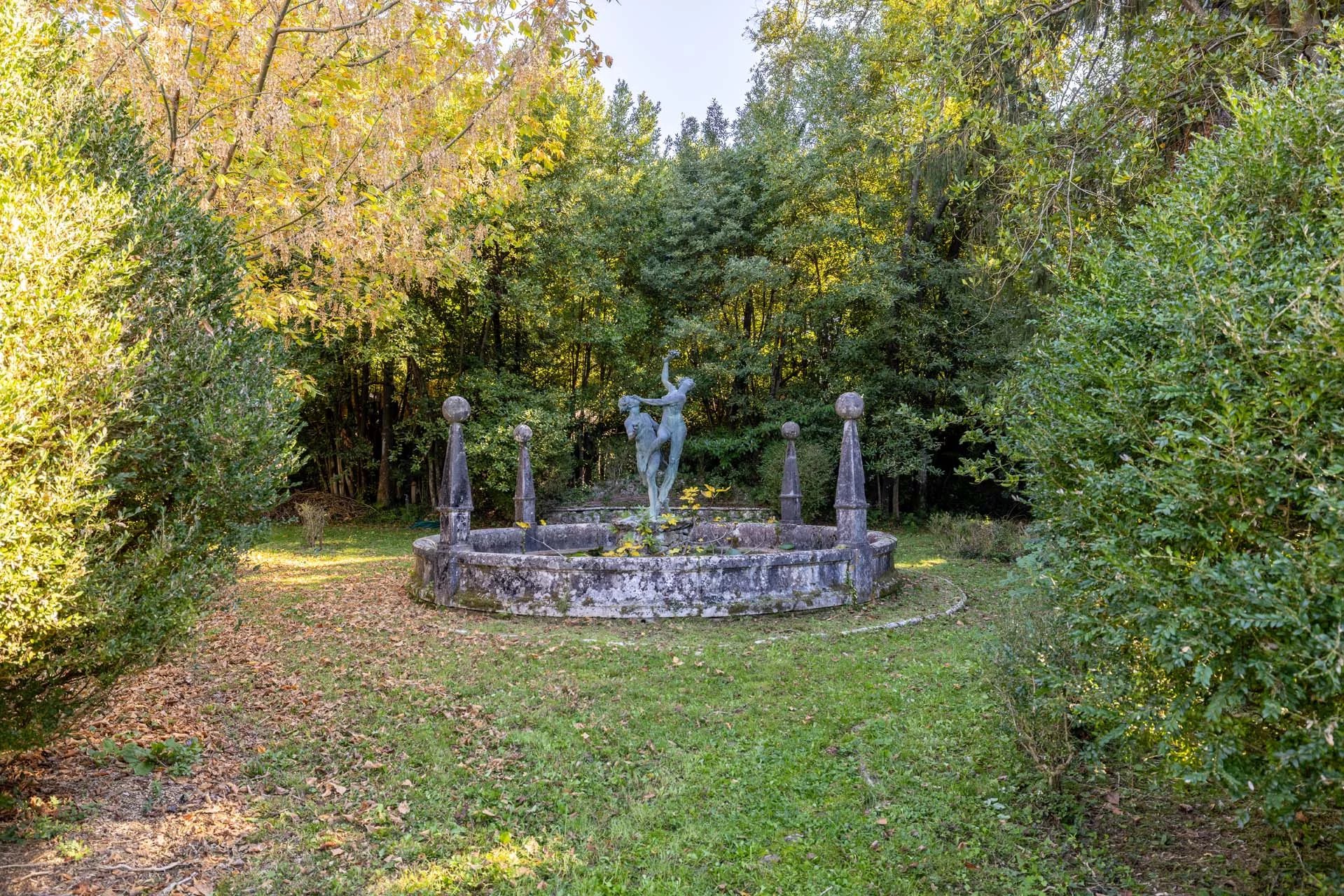
The value of a historic villa is not only measured by the interiors. Parks, gardens, olive groves, woods, private lakes, and agricultural lands are often essential parts of the property. Greenery creates privacy, representation, and quality of life, making the residence more complete and desirable.
An interesting case is the estate with a historic villa in Valdarno, on the hills not far from Florence. The property includes 40.6 hectares, a renovated historic villa, various annexes, 12 apartments, a pool, a private pond, park, and forest that ensure privacy.
In a historic estate, each element contributes to the overall narrative: the main villa represents the architectural heart, while park and lands expand the property into a landscape, productive, and hospitality dimension.
Real estate value and rarity
Historic villas in Tuscany are rare assets because they combine elements that are difficult to replicate: location, history, architecture, landscape, original materials, and potential for use. A contemporary villa may offer comfort and design but rarely can it recreate the cultural depth of a residence that has traversed centuries.
Rarity increases when the property preserves authentic details and is located in a strong landscape context. A villa with frescoes, a residence with views of Florence, a historic estate in Chianti, or a property with park and olive grove all possess a recognizable identity capable of sustaining value over time.
Restoration and modern comfort
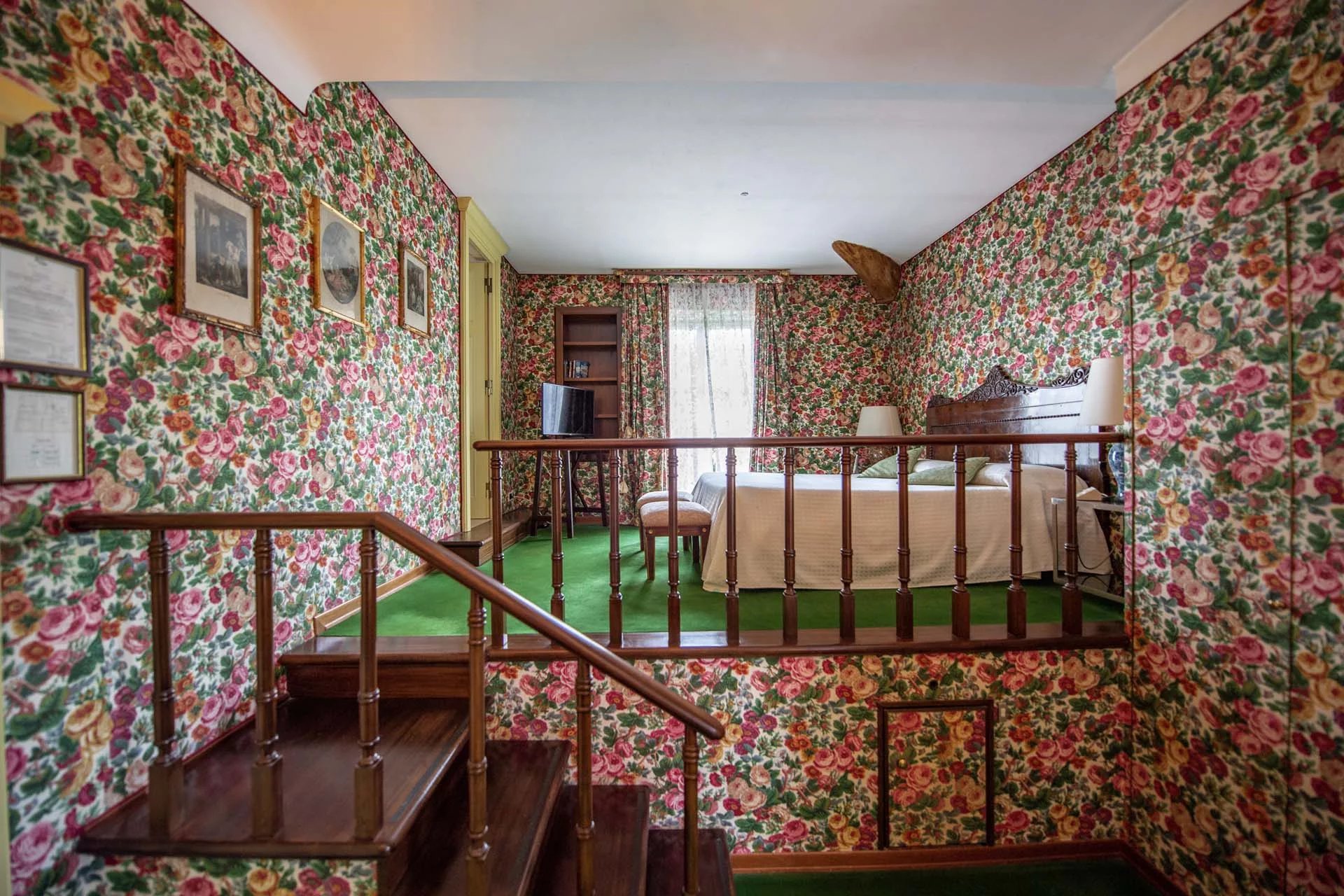
Restoration is one of the most delicate aspects of enhancing a historic villa. Intervening on an historic residence means balancing preservation and livability. Original elements must be preserved, but the property must also meet contemporary needs: efficient systems, thermal comfort, modern bathrooms, safety, connectivity, spatial functionality, and sustainable management.
The historic villa with a park in Valdichiana illustrates this flexibility well: over 700 sqm, four buildings, seven rooms, garden, olive grove, and potential for private residence or small hospitality operation.
The highest value is achieved when restoration does not erase the property’s memory. A historic villa must remain recognizable in its identity but live with the functionality demanded by a contemporary luxury residence.
Art, territory, and international desire
The allure of Tuscan historic villas is also linked to the region’s strong cultural identity. Florence, Siena, Lucca, Pisa, Arezzo, Val d’Orcia, Chianti, and Maremma are names that evoke art, landscape, wine, cuisine, and quality of life. Buying a historic villa in Tuscany means entering this imaginary but also owning a concrete, rare, and recognizable asset.
For an international buyer, a historic villa often represents much more than a house. It is a private residence, an asset investment, a life project, a family and guest destination, or an opportunity in the luxury hospitality sector.
A form of luxury that endures over time
Historic villas in Tuscany continue to be sought after because they offer an authentic and lasting form of luxury. They are not based on immediate effect but on depth: art, proportions, materials, gardens, landscape, and memory.
In an increasingly property-identity-conscious market, these homes maintain a special appeal. They tell the story of the land, offer spaces for representation, and allow new ways of living, hosting, and investing. A Tuscan historic villa is not just a premium property: it is a cultural and scenic heritage capable of preserving value, beauty, and desirability over time.


Copyright © Romolini

