




 Our Family


 Italiano
 Deutsch


 Back to list
 How to recognize a fine property: guide to key features" title="
How to recognize a fine property: guide to key features
">How to recognize a fine property: guide to key features

Published 11-02-2026
Recognizing a fine property requires a trained eye and an appreciation that goes beyond the immediate aesthetic impact. The true value of a high-end property is not just measured in square footage or flashy finishes, but stems from the balance between location, architecture, construction quality, and the ability to maintain its appeal over time.
A truly prestigious property is distinguished by consistency, identity and solidity. It is the result of conscious design choices, a valuable spatial context, and a history, more or less visible, that contributes to making it unique. Understanding these elements is crucial to navigating the high-end real estate segment and making informed and lasting choices.
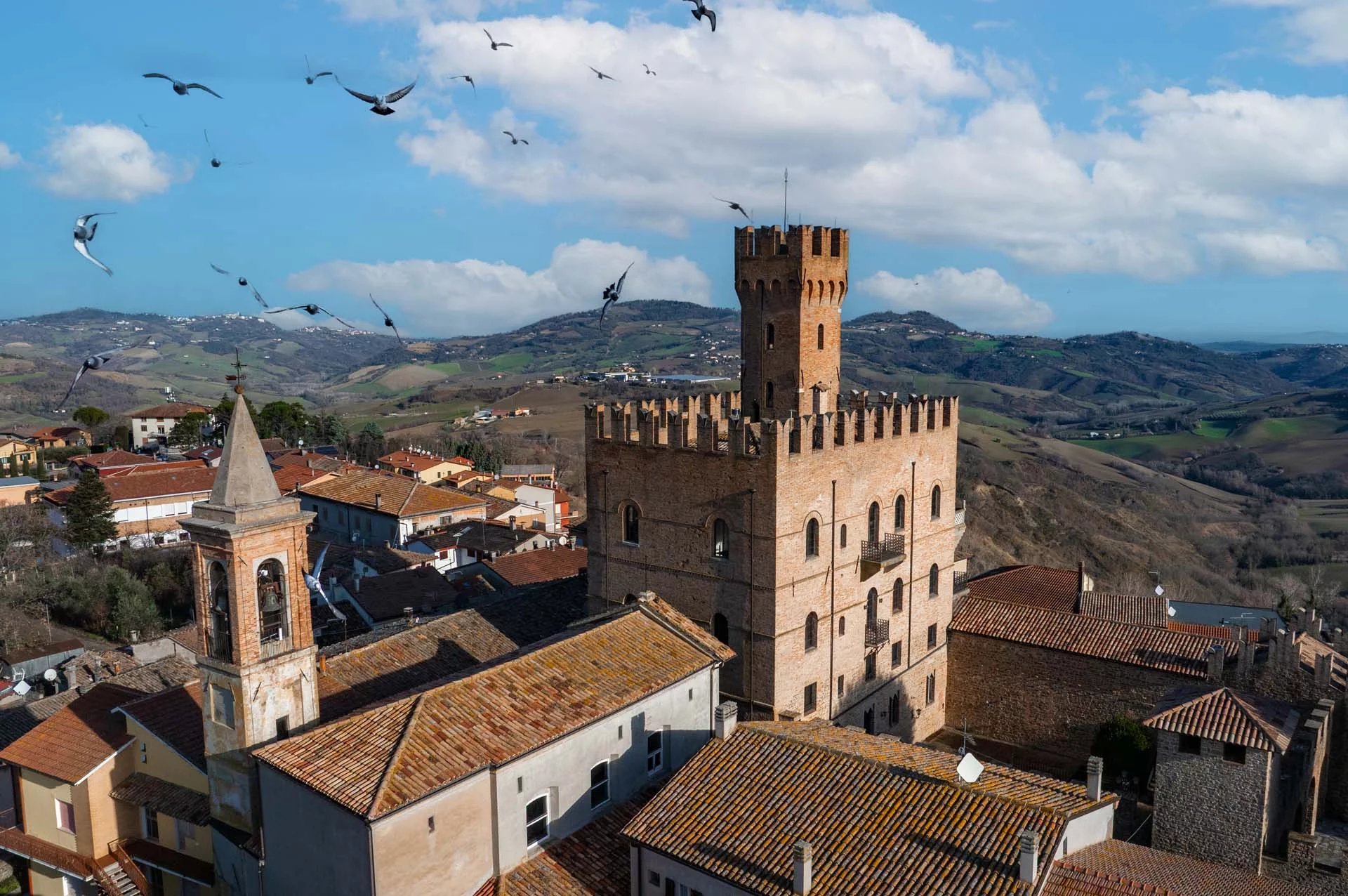
Location: quality of context first
Location is one of the elements that most affect the value of a fine property. It is not just about the address or the notoriety of the location, but how the property dialogues with its context. Views, exposure, privacy, and accessibility are determining factors, as is the presence of a scenically or historically protected environment.
A high-end property always fits into a coherent context capable of enhancing its value over time. Whether it is a property in the mountains, a valuable historic center, or a structured countryside, the place must actively contribute to the quality of living.
Architecture and proportions: the identity of the building
Another key element is architecture. Fine properties possess an immediate recognizability related to proportions, volumes, and clarity of design. Historic villas, period mansions, farmhouses or contemporary high-end residences share a common trait: formal balance.
Correct proportions make spaces pleasant to live in and ensure a perception of harmony that does not depend on fashions. Well-designed architecture retains its value even years later, precisely because it is not tied to temporary solutions or ephemeral trends.
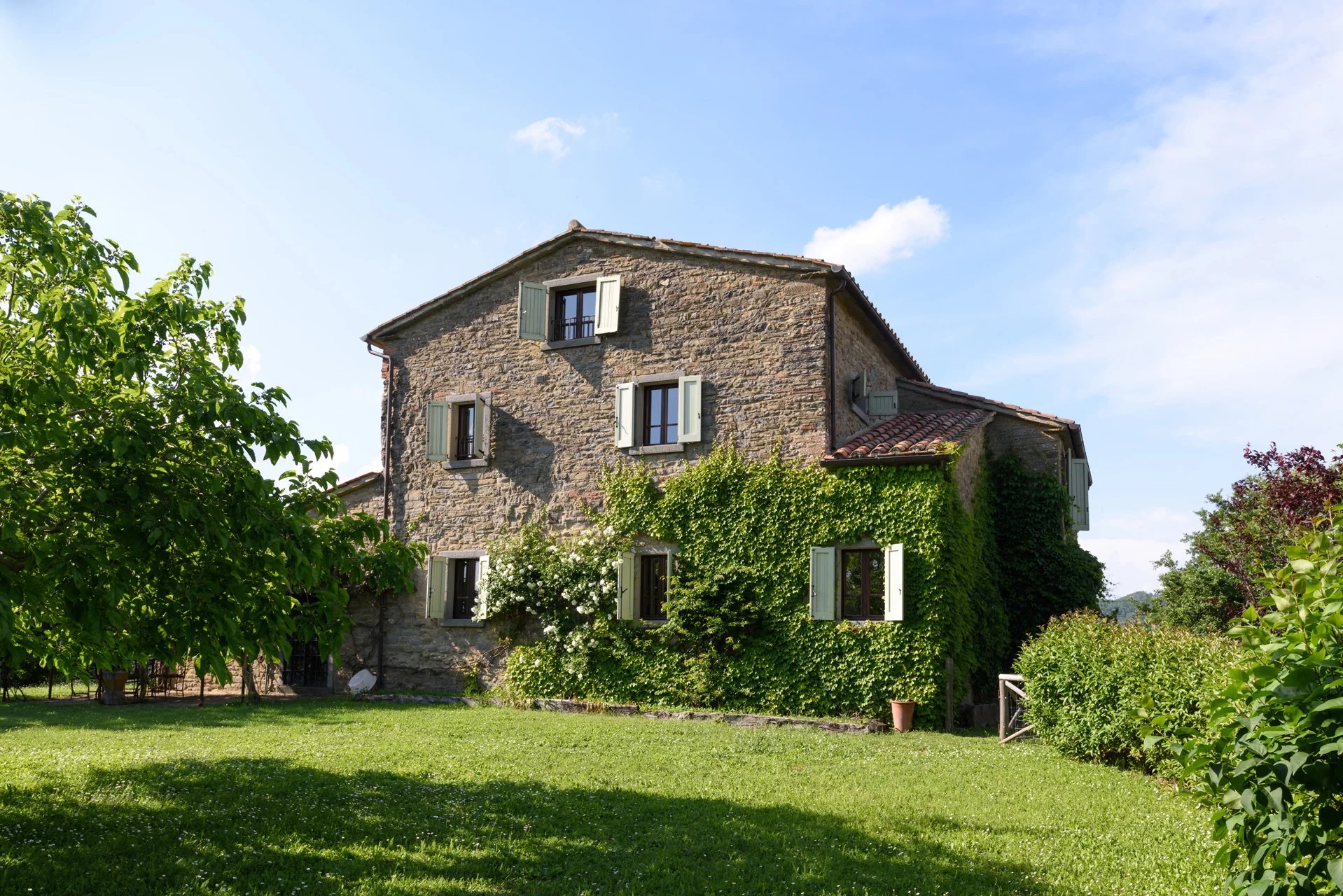
Materials and finishes: quality that lasts over time
The quality of materials is one of the most reliable indicators for recognizing a fine property. Natural stone, solid wood, handcrafted terracotta, marble, and custom-made finishes tell of design care that goes beyond the standard.
In historic properties, maintaining original materials, or replacing them with consistent elements, is essential. In more recent interventions, the choice of durable and timeless materials helps to preserve the value of the property and ensure its better evolution over time.
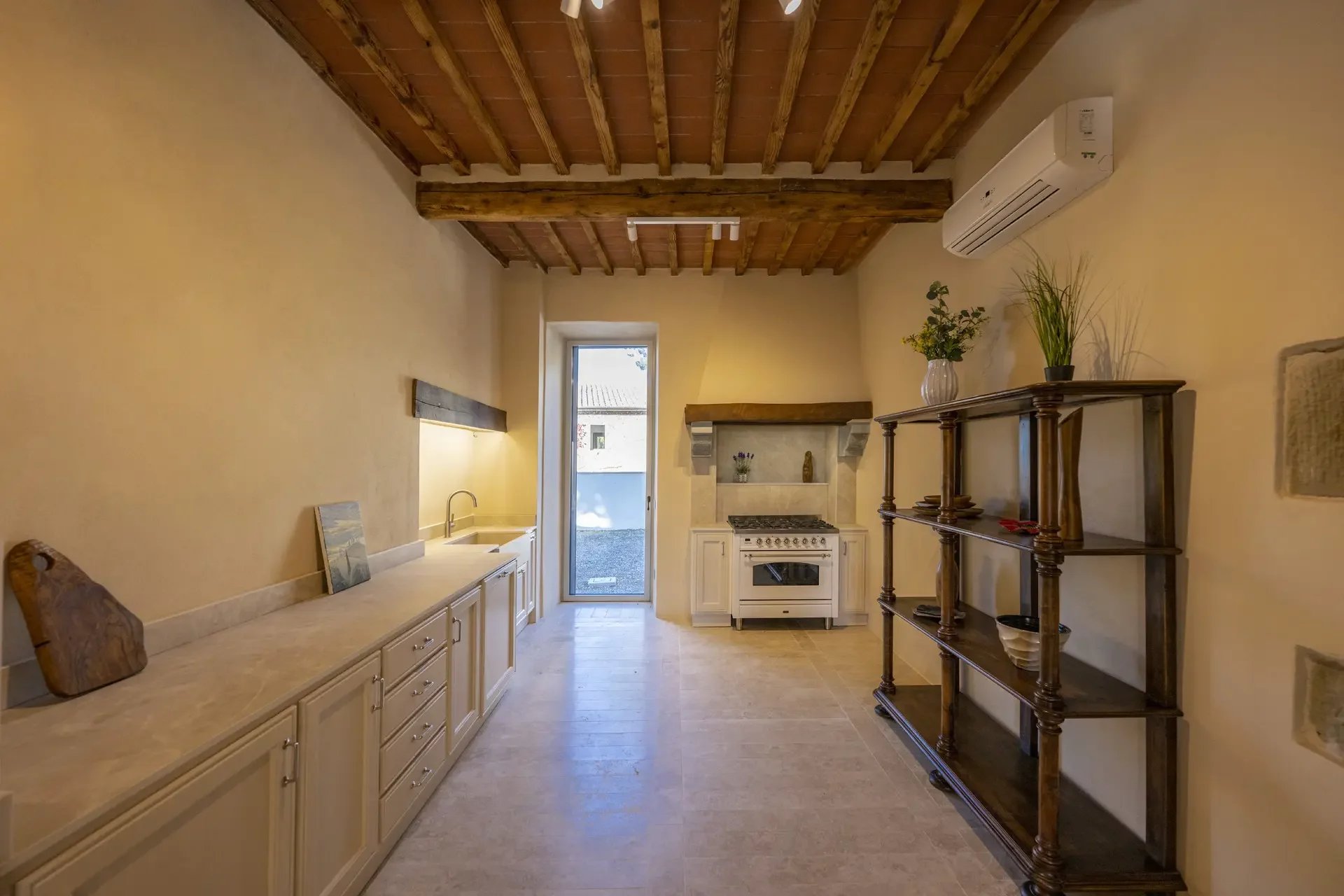
Interior spaces: functionality and living experience
A fine property is not only scenic, but deeply habitable. Interior spaces must meet the needs of daily life, offering comfort, brightness, and rational distribution.
The separation of representative and private areas, the presence of well-proportioned rooms, and the possibility of adapting spaces to different uses are increasingly valued elements. The relationship between indoors and outdoors also plays a central role: gardens, terraces, courtyards or parks become a natural extension of the dwelling.
State of preservation and quality of interventions
A fine property can be in different conditions: completely renovated, partially restored, or still to be restored. What matters is the soundness of the structure and the quality of the interventions carried out or planned.
In the case of renovations, it is essential to assess the coherence of the interventions with respect to the original building, plant engineering, energy efficiency and durability of the solutions adopted. A well-executed restoration increases the value of the property; a sloppy intervention can significantly compromise it.
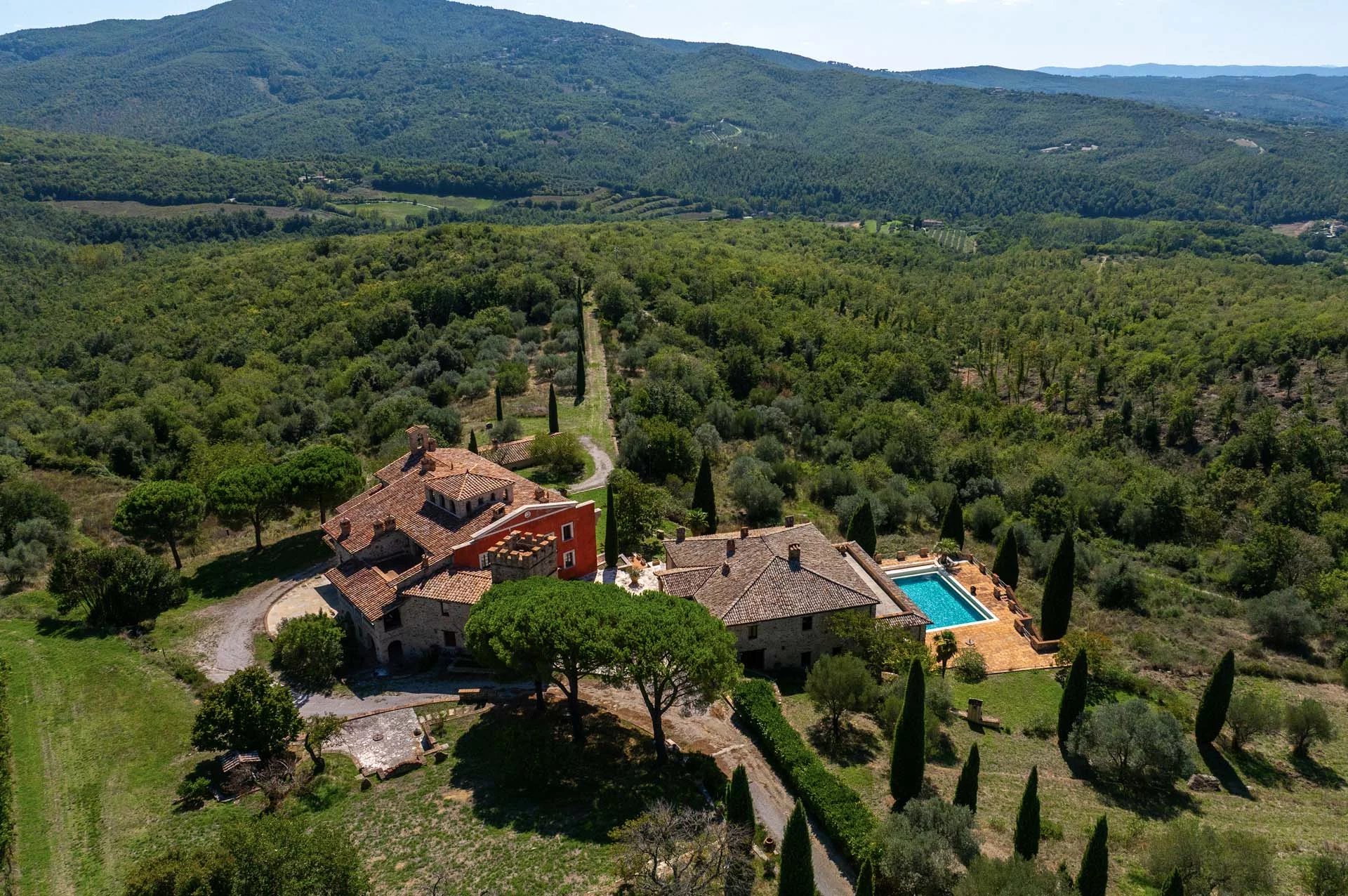
Historical value and uniqueness
In fine properties, historical value is often a distinguishing feature. Frescoes, vaults, old fireplaces, original floors, or rare architectural details help make a property unique and one-of-a-kind.
Uniqueness is one of the most influential factors in holding value over time. Truly prestigious properties are not replicable-their value comes from a combination of history, place, and design that cannot be replicated elsewhere.
Recognizing a prestigious property means being able to read a complex set of elements, going beyond appearance and assessing quality, consistency, and long-term potential. Location, architecture, materials, space distribution and historical context all combine to define the true value of a property.
Relying on specialized professionals allows you to correctly interpret these factors and identify properties that are not only beautiful, but also solid, authentic, and destined to maintain their prestige over time.


Copyright © Romolini

