




 Our Family


 Italiano
 Deutsch


 Back to list

Monferrato Wine Estate: analysis of the potential of a fine wine estate

Published 26-02-2026
In the heart of Monferrato, an area recognized as a UNESCO World Heritage Site for the cultural and landscape value of its historic vineyards, stands a wine estate that combines historical identity, productive solidity and concrete development prospects. The Monferrato Wine Estate represents an emblematic example of a fine farm perfectly integrated in the territory, capable of combining winemaking tradition and contemporary entrepreneurial vision.
Located in the municipality of Serralunga di Crea, at an altitude of about 450 meters above sea level, the estate enjoys an environmental context of rare quality, characterized by seventeenth-century vineyards, woods and a microclimate particularly favorable to high-level viticulture.
The identity value of the historic winery
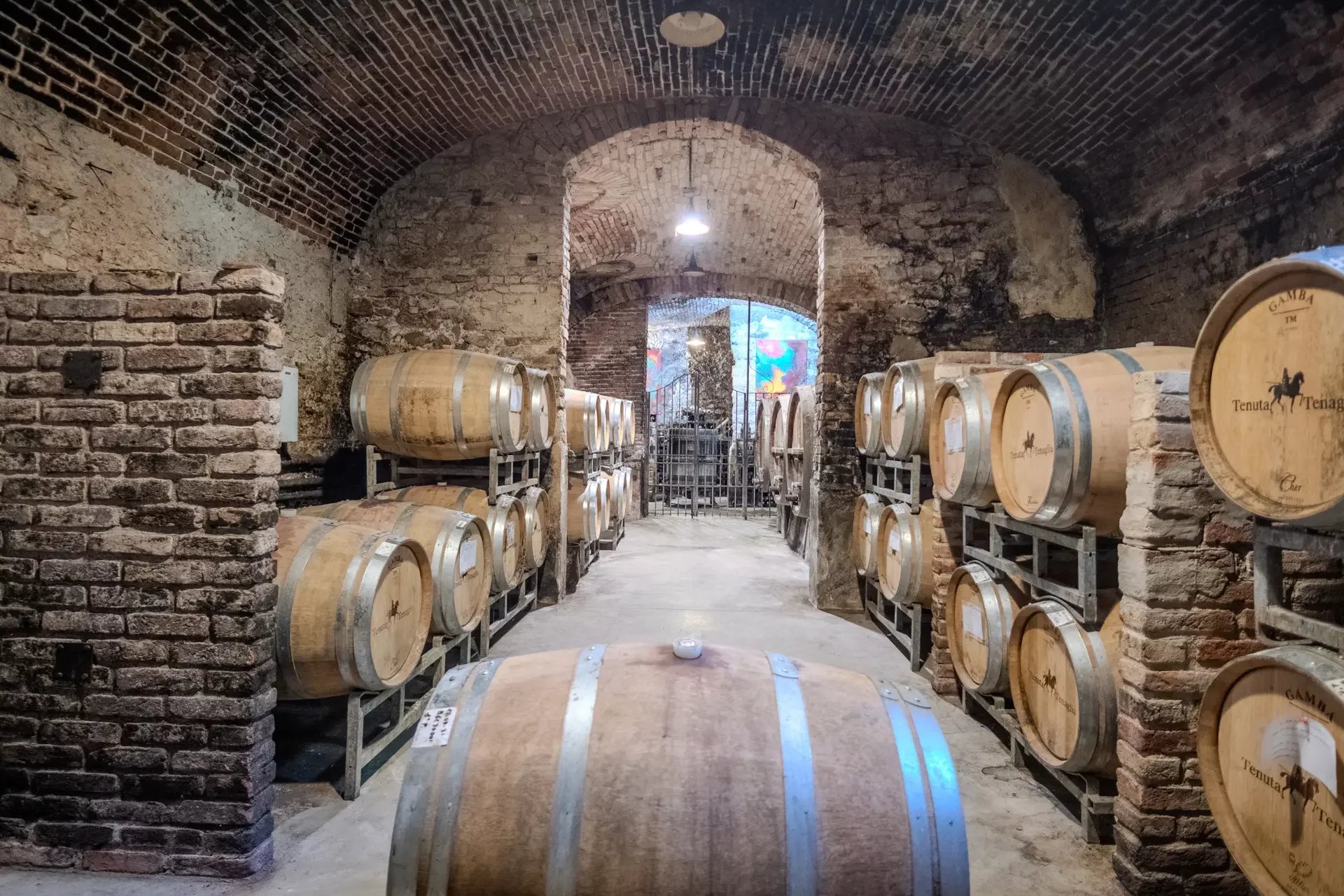
The symbolic and operational heart of the estate is the 17th-century cellar, a building of nearly 1,800 m² now used as a barrique cellar. This space, perfectly preserved, is not only a functional place for production, but a true identity element that reinforces the estate’s qualitative positioning.
The historic masonry, the proportions of the rooms and the natural conditions of temperature and humidity make the cellar ideal for the aging of wines, while enhancing the narrative experience of the brand. In a market increasingly focused on storytelling, the presence of an authentic historic structure is a strategic asset that is difficult to replicate.
A modern and efficient production body
Next to the historic winery is the modern production body, designed to ensure operational efficiency, workflow rationality and compliance with contemporary oenological standards. Spread over three levels, the building integrates state-of-the-art technologies without compromising the estate’s landscape balance.
The processing rooms house stainless steel tanks, bottling spaces, warehouses and service areas, while the ground floor is dedicated to the relational and commercial dimension: a bright tasting room, reception rooms, offices and areas dedicated to direct sales. This set-up allows for in-house management of the entire production cycle, from the vineyard to the final consumer.
Residential and hospitality: a multifunctional model
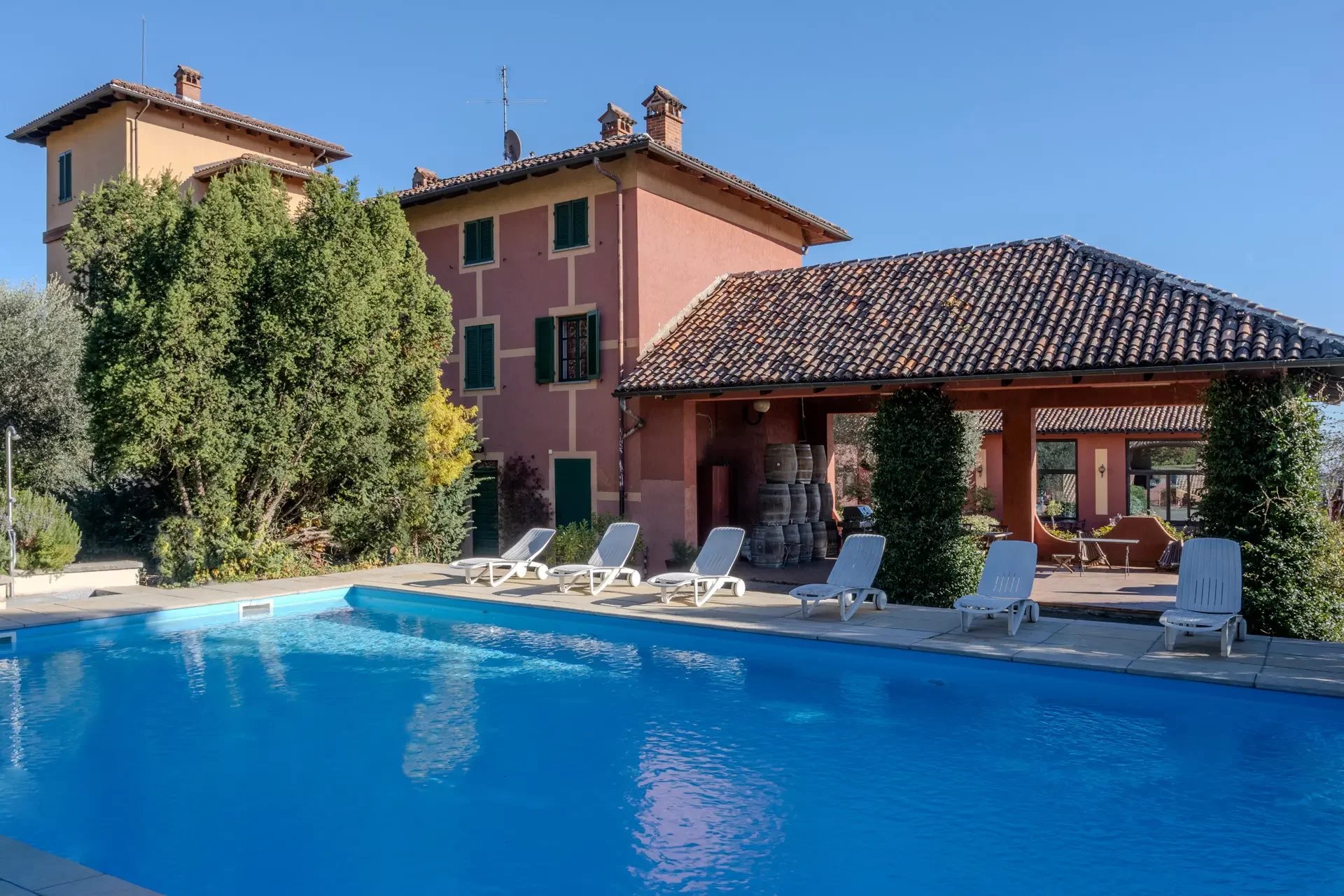
The manor house, articulated on four levels and embellished by a panoramic tower, further expands the property’s potential. With an area of approximately 640 m², the building is currently divided into three independent apartments intended for hospitality, but lends itself with great flexibility to both private residential use and high-end receptive management.
The panoramic garden of more than 8,700 m² and the swimming pool complete an offer that fits perfectly into the quality wine tourism segment, which is increasingly relevant to the profitability of structured wineries.
The viticultural heritage: numbers, quality and diversification
From an agricultural point of view, the Monferrato Wine Estate covers about 29.5 hectares, 18 of which are dedicated to viticulture. The higher than average altitude of the area ensures a particularly favorable microclimate, with vineyards less exposed to fog and frost, and a balanced and constant ripening of the grapes.
Annual production is around 100,000 bottles, with a range that includes native and international varieties: Barbera, Grignolino, Timorasso, flanked by Syrah, Chardonnay and Semillon. This diversification allows the winery to preside over multiple market segments while maintaining a strong territorial identity.
The composition of the soils, mainly clay-marl, and the southern exposure of the vineyards further contribute to the quality of the productions, reinforcing the premium positioning of the estate.
A structured and scalable investment
From an investment perspective, the Monferrato Wine Estate stands out for the comprehensiveness of its structure. The presence of historic buildings, efficient production facilities, established vineyard areas and spaces dedicated to hospitality creates a business model that is already mature, but with room for further development.
Wooded areas and portions of uncultivated land offer potential options for expansion, while the UNESCO context provides landscape protection that, over time, tends to sustain the value of the investment.
The Monferrato Wine Estate represents a virtuous example of a fine wine estate, where history, production and hospitality coexist in a balanced way. It is not just a winery, but an integrated system capable of generating value through wine, experience and territory.
For investors and entrepreneurs looking for a solid, authentic project consistent with the dynamics of the high-end wine market, this property offers a concrete foundation on which to build a long-term vision, in one of Italy’s most iconic wine landscapes.


Copyright © Romolini

