




 Our Family


 Italiano
 Deutsch


 Back to list

Architectural constraints: how they affect purchase choices

Published 16-03-2026
Buying a valuable property, especially in a historic center or in a rural setting of scenic value, often means confronting the presence of architectural constraints. For some, they represent a limitation; for others, a guarantee of protection and authenticity. Understanding what they entail and how they affect purchasing decisions is critical to informed investment.
Constraints are not an obstacle in themselves, but something to be aware of and incorporate into one’s strategy.
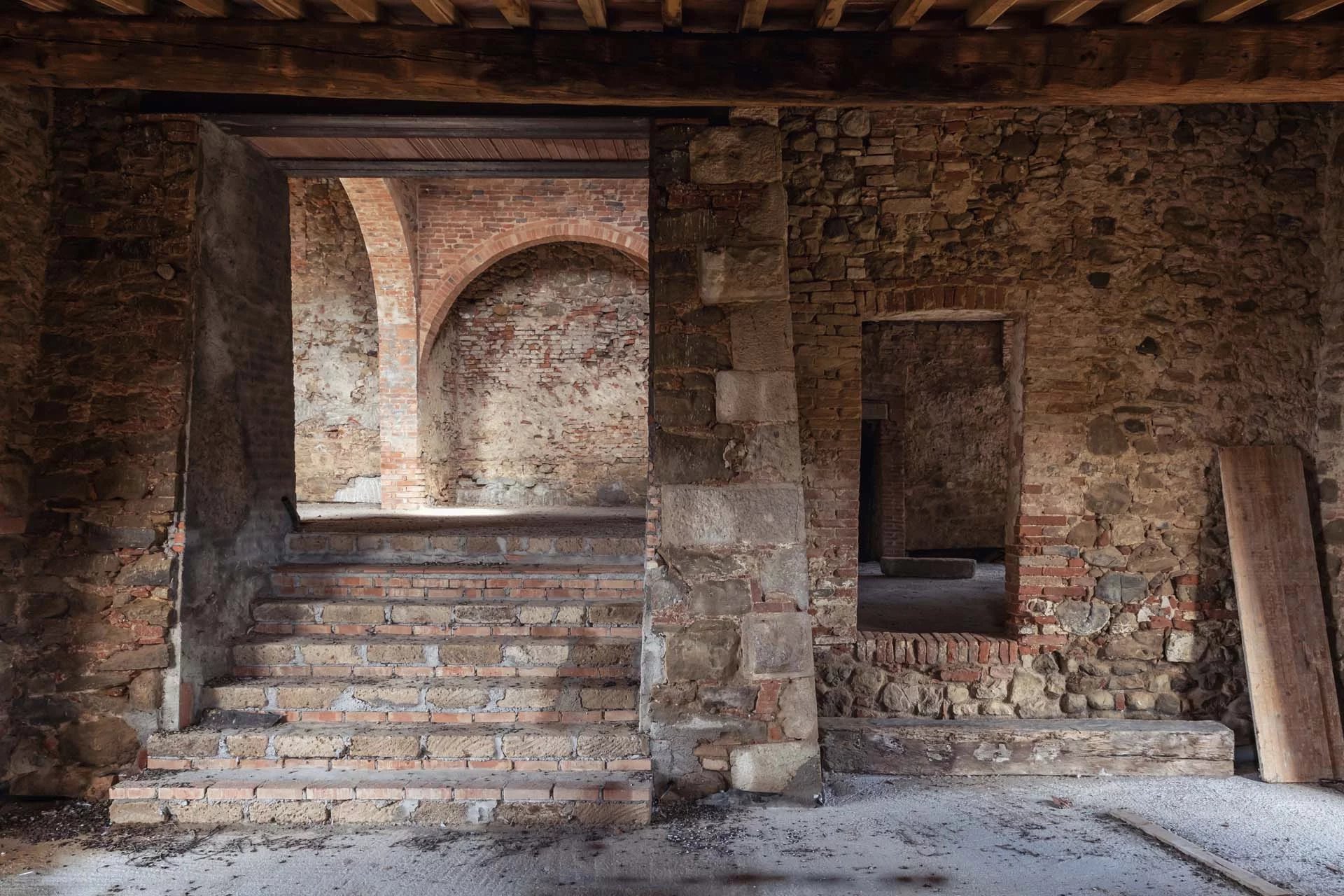
What are architectural constraints
A property can be subject to protection when it has historical, artistic, cultural or landscape interest recognized by the competent authorities. In Italy, this generally means the application of the rules laid down in the Code of Cultural Heritage and Landscape.
The constraint may concern:
- the entire building
- only some parts (façade, frescoes, decorative elements)
- the surrounding landscape context
In the case of historic properties, castles, period villas, or palaces in historic centers, the presence of constraints is frequent and is often an integral part of the value of the property itself.

Impact on renovations
One of the most relevant aspects concerns the possibility of intervention. Any structural or aesthetic modification on a constrained property requires specific permissions from the Superintendence. This entails:
- longer technical time frames
- need for detailed plans
- use of materials and techniques compatible with the building
In many cases, it is not possible to alter original massing, elevations, openings or decorative elements. Even seemingly simple interventions, such as replacing fixtures, can be regulated.
For a buyer, this means carefully planning any work and considering the additional costs associated with specialized restorations.
Constraints and market value
Contrary to what one might think, the presence of a lien does not automatically reduce the value of the property. On the contrary, in many situations it strengthens it.
A listed building maintains a preserved architectural identity over time, without the risk of invasive transformations in the surrounding context. This helps stabilize value in the long run, especially in high-end markets where authenticity and uniqueness are key elements.
Of course, value depends on the balance between historic charm and contemporary functionality. A property that is listed but well restored and updated in terms of systems is particularly competitive.
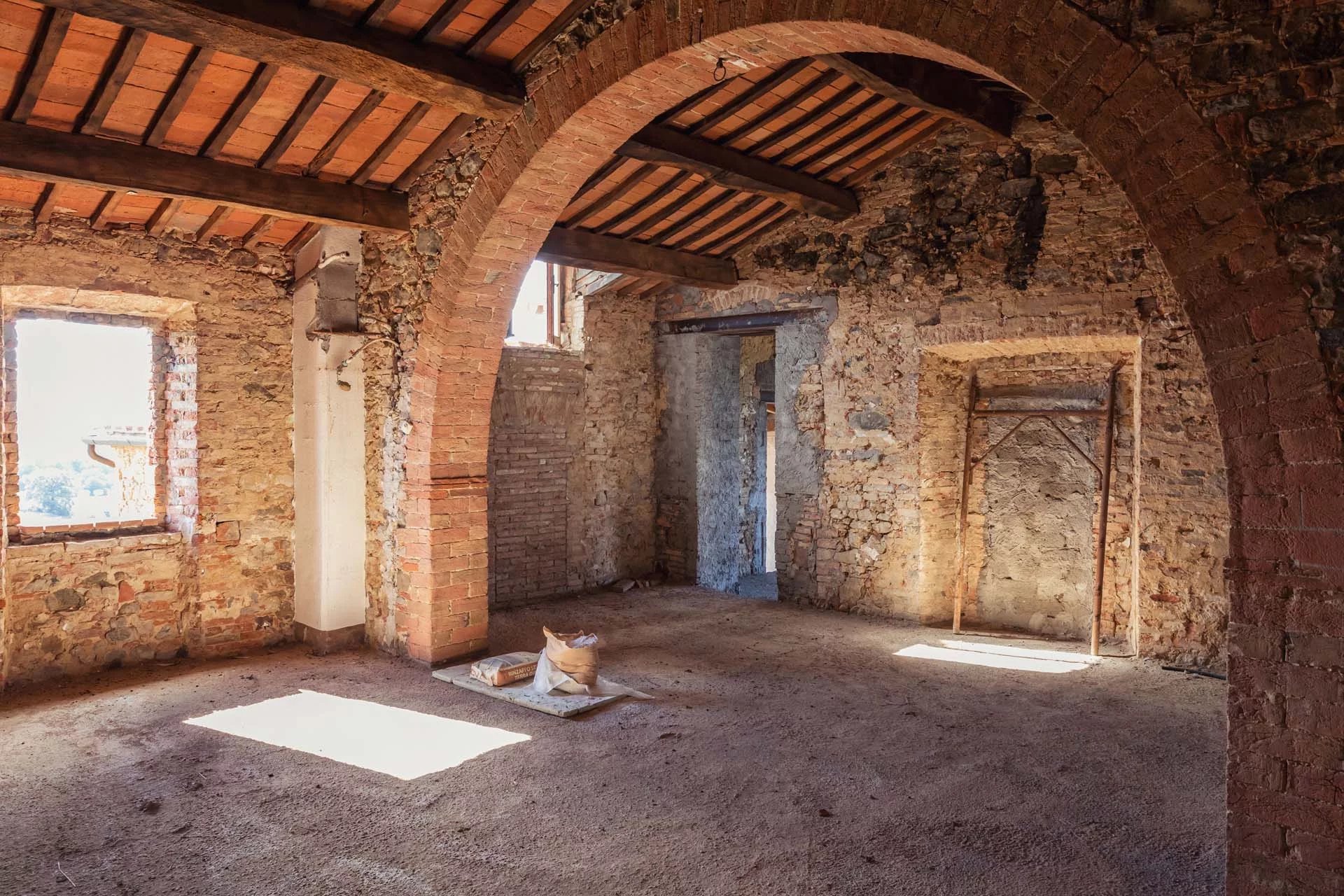
Concessions and tax aspects
There are, in some cases, tax concessions related to interventions on listed properties, especially when they are of historic and artistic interest. Deductions for conservative restorations or public grants can help make the investment more sustainable.
However, it is essential to analyze each specific case with experienced technical and tax consultants, as regulations may vary depending on the type of constraint and the nature of the intervention.
A choice of vision
Buying a property with architectural constraints means choosing a property with a strong identity. It is a decision that requires sensitivity to historic heritage and a willingness to respect its characteristics.
For many international investors and buyers, this very aspect represents the real added value: living in or owning a property that tells a story, preserves original elements, and contributes to the protection of the Italian landscape.
The key is to realistically assess:
- what interventions are desired
- what margins of modification are allowed
- what costs and timescales any restoration entails
With careful preliminary analysis, constraints become an integral part of the project and not an unforeseen obstacle.
Architectural constraints significantly affect purchase choices, but not necessarily in a negative sense. They represent protection of the property's historic and scenic value, influence the timing and manner of action, and require careful planning.
In the market for valuable properties, knowing and understanding these aspects is an essential step in turning a purchase into a sound investment consistent with one's expectations.
Choosing a listed property means investing in authenticity, continuity, and responsibility toward cultural heritage, with the understanding that the value of a historic home lies not only in its size, but in its history and its ability to traverse time.


Copyright © Romolini

