




 Our Family


 Italiano
 Deutsch


 Back to list

Heritage-listed real estate: what to know before buying

Published 25-03-2026
Buying a listed property means taking possession of an asset that holds officially recognized historical, artistic or landscape value. Period villas, mansions in historic centers, castles, abbeys, but also farmhouses set in protected contexts may be subject to specific constraints.
For those approaching the fine property segment, it is crucial to understand what this condition entails before proceeding with a purchase. Constraints are not necessarily a limitation, but they do require awareness, planning, and careful technical evaluation.
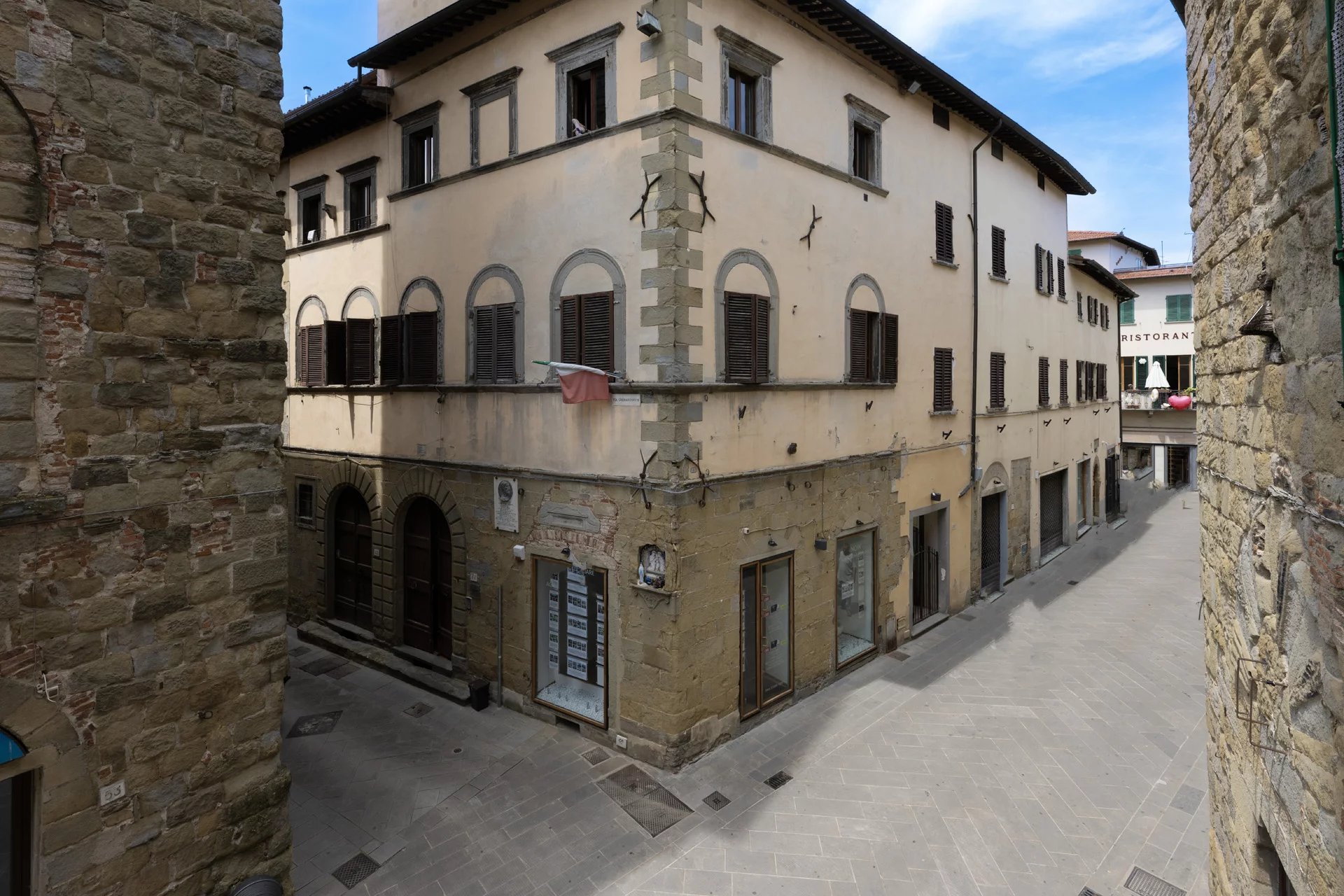
What does "listed property" mean?
A property is defined as “listed” when it is subject to protection by the state because of its cultural or scenic interest. This entails the application of specific regulations governing any alteration, restoration or transformation work.
The constraints may concern:
- the entire building
- individual architectural elements (façades, frescoes, staircases, decorated ceilings)
- the surrounding area, in the case of landscape constraints
The presence of a constraint is officially recorded and must be declared at the time of purchase and sale.
Permits and interventions
One of the most relevant aspects concerns the management of renovations. Any intervention affecting protected parts must be authorized by the relevant Soprintendenza.
This means that:
- elevations and volumes cannot be freely modified
- materials and techniques must respect the original layout
- approval times may be longer than for an unrestricted property
Even seemingly simple interventions, such as opening new windows or replacing decorative elements, may require specific approvals.
For this reason, it is advisable to check the condition of the property, any previous paperwork, and the feasibility of any future work prior to purchase.
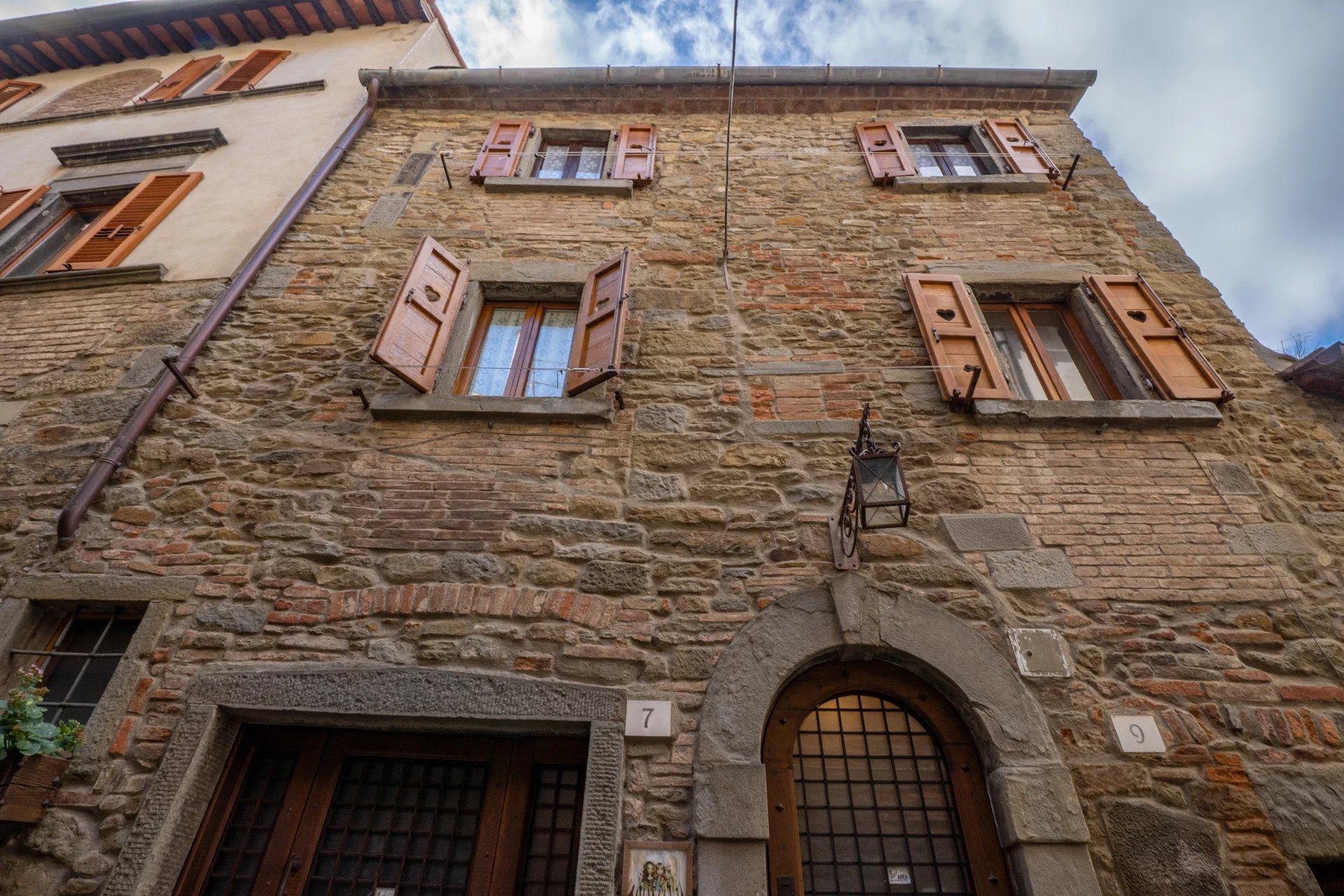
State’s right of first refusal
An element that is often little-known concerns the right of first refusal. When selling a property that is listed for cultural interest, the state has the right to purchase it on the same terms agreed upon between the parties.
After the deed is signed, the administration has a specified period of time to exercise this right. This is a formal step that does not always result in an actual purchase, but must be considered in the overall timing of the transaction.
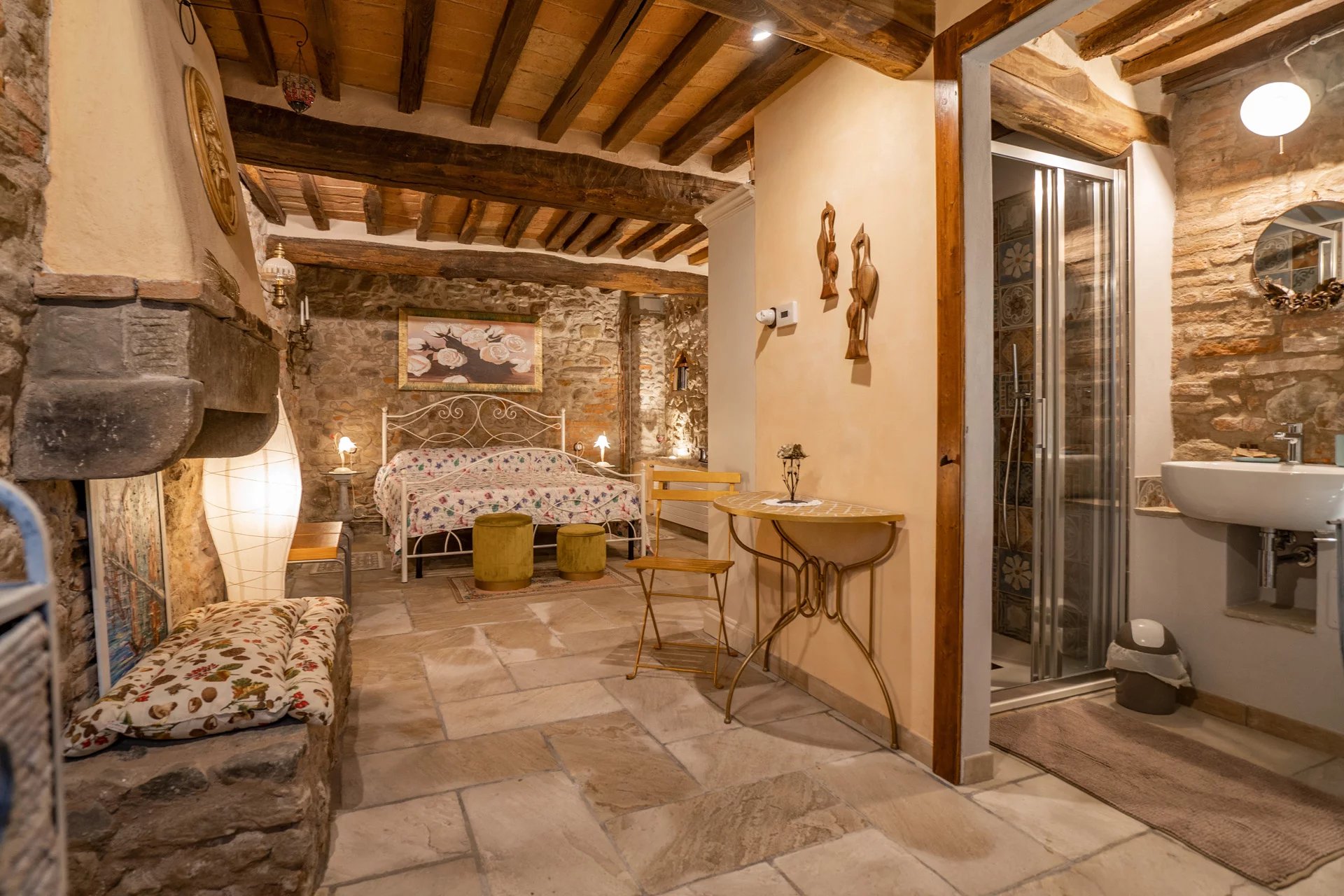
Value and protection over time
The presence of a lien can be perceived as a limitation, but it often represents a guarantee of value preservation. A protected property maintains its architectural characteristics over time, without the risk of invasive transformations in the surrounding context.
In the fine real estate segment, authenticity and uniqueness are determining factors. Preserved historic buildings, with original frescoes, medieval structures or fine architectural details, tend to maintain consistent attractiveness in the international market.
Work on listed buildings may require specialized skills and compatible materials, sometimes costing more than standard interventions. However, in some cases there are tax breaks for conservation restorations, which can help support the investment.
The economic evaluation must therefore consider:
- costs of retrofitting and maintenance
- possible tax benefits
- potential revaluation over time
Preliminary technical advice allows for a correct estimate of the effort required.
A choice of responsibility and vision
Buying a listed property means choosing a property with a definite history and a strong identity. It is a decision that requires respect for cultural heritage and a willingness to operate within a defined regulatory framework.
For many buyers, especially in the luxury segment, this very dimension represents the most authentic value: owning a home that has spanned the centuries and continues to tell the story of its past.
Listed properties require attention, planning, and proper information prior to purchase. Permits, technical timeframes and limits to interventions are elements that need to be known in advance.
At the same time, they represent assets of great charm and solidity, capable of maintaining value thanks to the protection that preserves their identity. With the support of experienced professionals, the purchase of a listed property can turn into a conscious and lasting investment, capable of combining prestige, history and perspective over time.


Copyright © Romolini

