




 Our Family


 Italiano
 Deutsch


 Back to list

Luxury apartments in art cities: trends, demand, and opportunities

Published 02-04-2026
Buying a luxury apartment in an art city means entering a layered urban context where history, culture, and contemporary life coexist in a unique way. It is not just about choosing a central location, but about correctly interpreting how living spaces are evolving within historic centers.
In recent years, the concept of high-end housing in art cities has undergone a significant transformation: buyers’ needs are changing, selection criteria are being refined, and the very way of living these properties is being redefined.
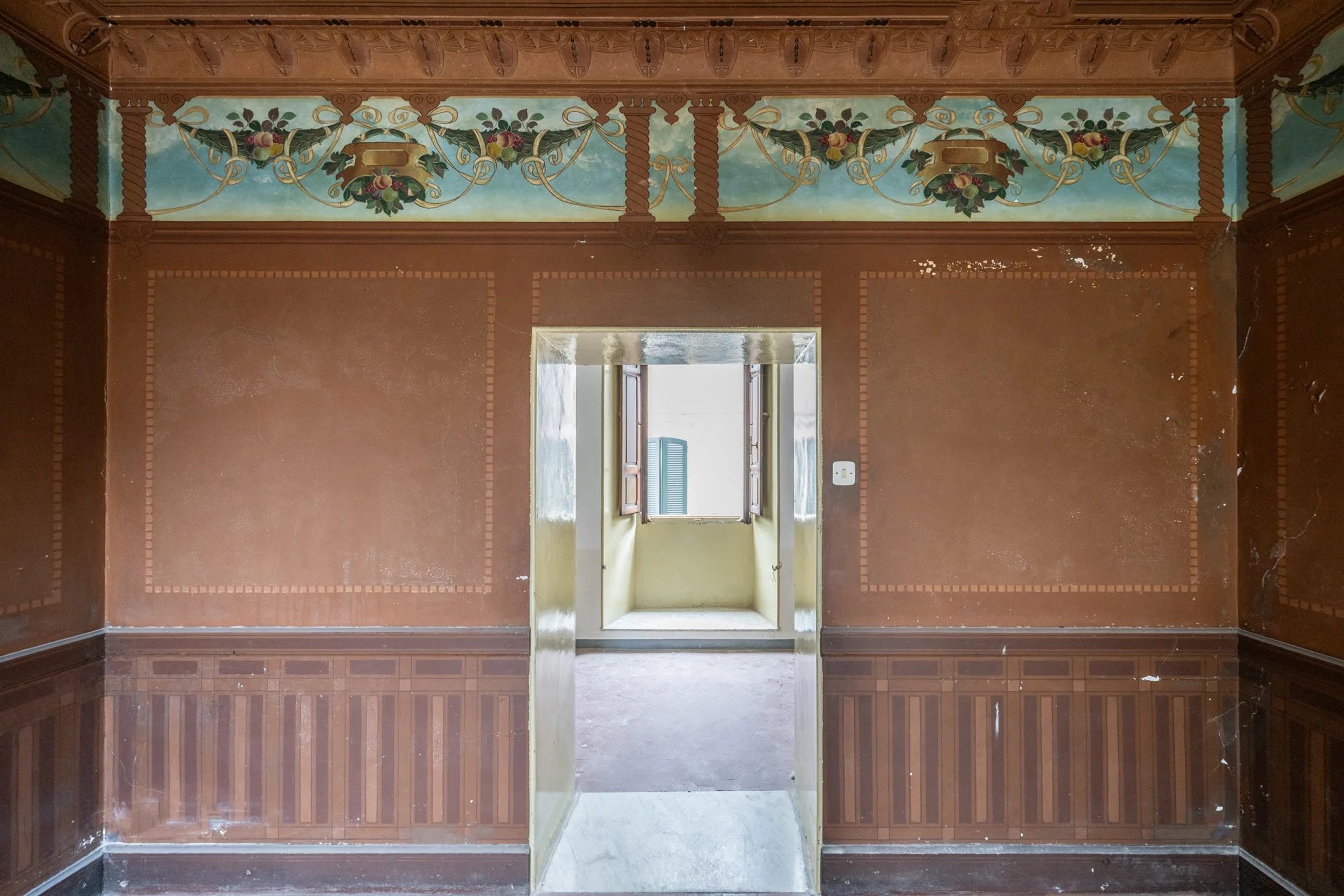
The return to authentic spaces
One of the most evident trends concerns the search for authenticity. Buyers are increasingly attracted to apartments that preserve original elements: decorated ceilings, historic floors, vintage doors, architectural details that tell the building’s history.
This preference has led to a change in renovations: interventions are carried out with greater care, avoiding standardized solutions and enhancing existing features. The goal is not to standardize, but to enhance the identity of the property.
Contemporary layouts in historic buildings
While the exterior remains tied to tradition, the internal distribution evolves. Luxury apartments in art cities tend to favor more fluid environments, with large and bright living areas, often integrated.
Open kitchens, convivial spaces, and areas dedicated to smart working have become sought-after elements even within historic buildings. This integration of ancient structure and modern functionality is one of the most interesting aspects of the high-end urban market.
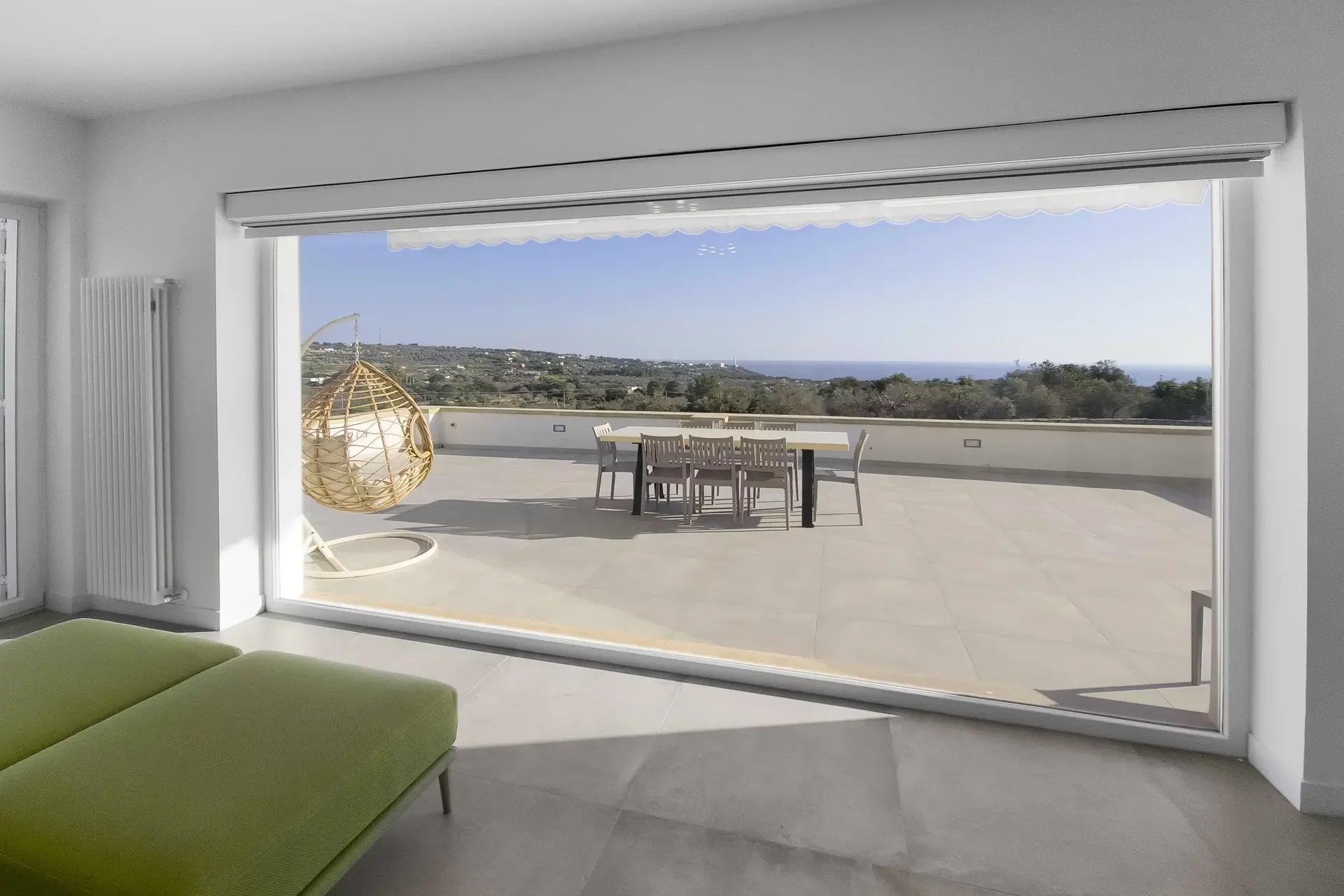
Terraces and views: a growing value
In dense urban contexts, outdoor spaces are becoming increasingly important. Terraces, rooftops, and small balconies with views of the rooftops or monuments are among the most sought-after features.
Even small surfaces can significantly impact the perceived value of the property, especially if they offer privacy and a direct relationship with the urban landscape.
International demand and the concept of pied-à-terre
A significant part of the demand comes from international buyers seeking a second home in Italy. In this case, the apartment in an art city is often conceived as a pied-à-terre: an elegant, functional, and easily manageable space.
The most requested features include:
- central location but not overly exposed
- well-maintained historic buildings
- presence of an elevator
- easily accessible services
This type of buyer prefers ready-to-use solutions, with interventions already completed and a high level of comfort.
Investment and management
Luxury apartments in art cities also offer interesting income-generating opportunities, especially if located in highly attractive tourist areas.
However, management requires attention: condominium regulations, local laws, and urban planning restrictions can influence how the property is used. For this reason, it is essential to evaluate the intended use and any limitations in advance.
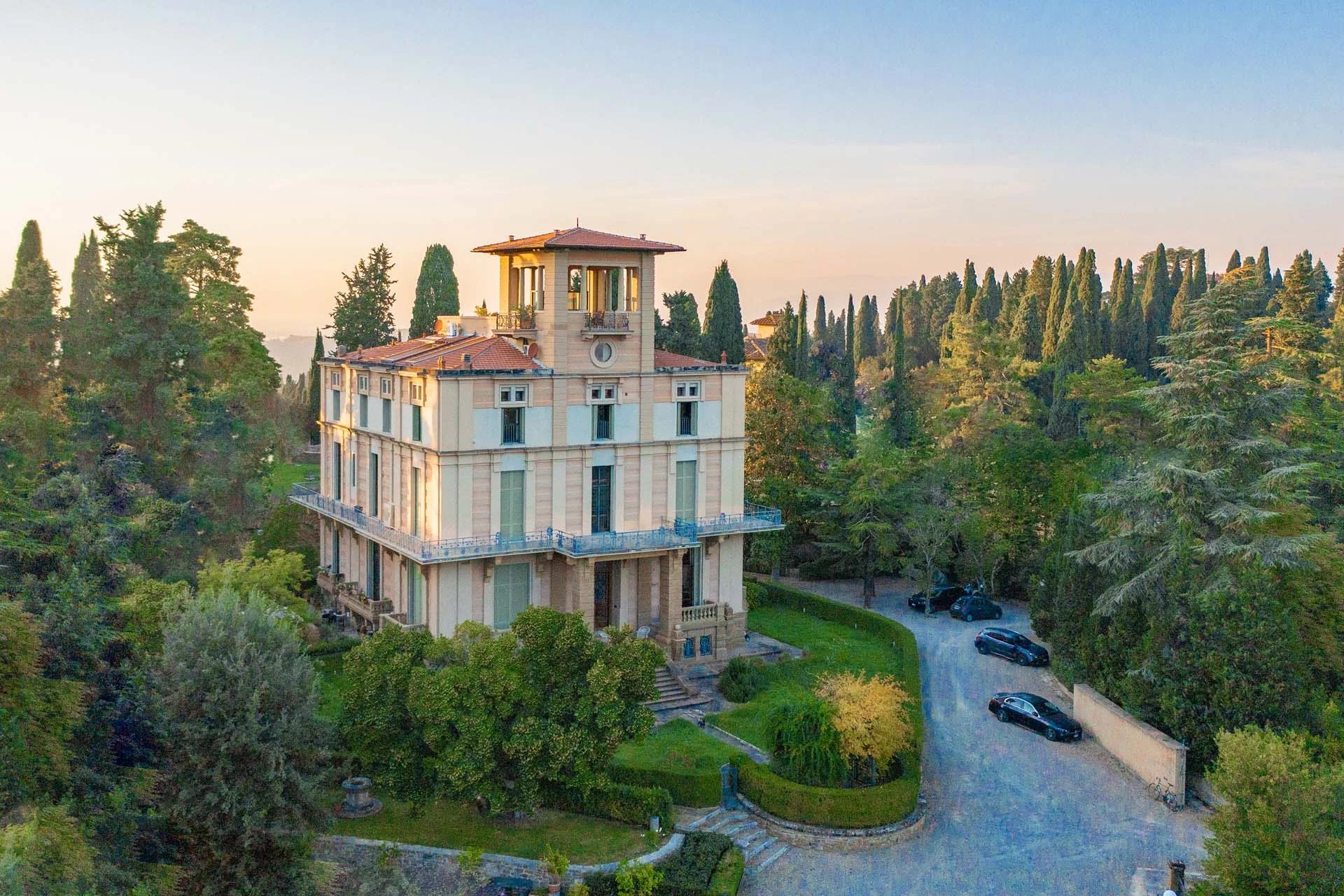
Micro-locations: the real difference
Within art cities, value is not uniform. Even a few hundred meters can make the difference between an extremely sought-after area and a less dynamic one.
Factors such as the presence of services, the quality of surrounding buildings, ease of access, and the level of livability directly influence demand. The so-called micro-locations thus become decisive in choosing the property.
Discreet technology and living comfort
Another increasingly relevant aspect concerns the integration of technology. Buyers look for properties that offer contemporary comfort – air conditioning, home automation, soundproofing – without altering the original aesthetic.
The most appreciated solutions are invisible ones, which improve quality of life without compromising the historic character of the home.
Luxury apartments in art cities are evolving towards an increasingly refined balance between historical identity and contemporary needs. Authenticity, functionality, and design quality become the main criteria in selection.
Those approaching this segment must be able to read not only the property but also the urban context and its dynamics. In an increasingly selective market, the difference is played out in details: those that make an apartment not only beautiful but truly livable and sustainable over time.


Copyright © Romolini

