




 Our Family


 Italiano
 Deutsch


 Back to list

Restored historic building: balance between preservation and livability

Published 14-04-2026
Entering a restored historic building means crossing centuries of architecture and culture, but also confronting a contemporary way of living these spaces. When conducted with sensitivity and expertise, restoration becomes the meeting point between conservation and comfort, between memory and functionality.
The goal is not simply to recover a building, but to give it new life, maintaining its identity and adapting it to current needs.
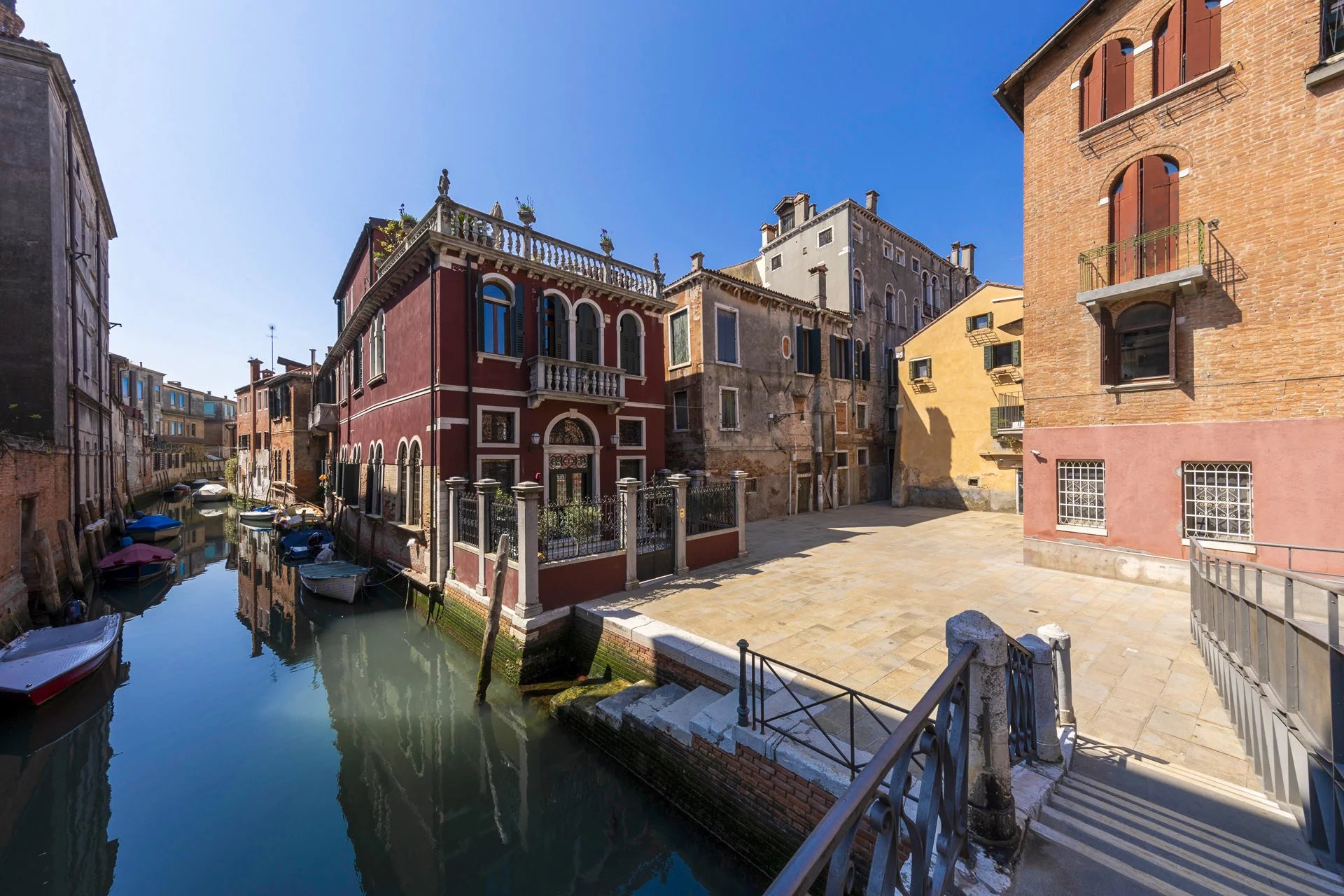
The value of preservation
Every historic building carries elements that define its uniqueness: decorated façades, monumental staircases, frescoed ceilings, original floors. These details constitute the heart of the building and are the main reason for its preservation.
Restoration starts precisely here, from the ability to recognize and enhance these elements without altering their meaning. Intervening on a historic building requires a conservative approach, favoring the recovery of existing materials and respecting original construction techniques.
Each design choice is calibrated to maintain coherence with the architectural layout, avoiding invasive interventions and favoring compatible solutions.
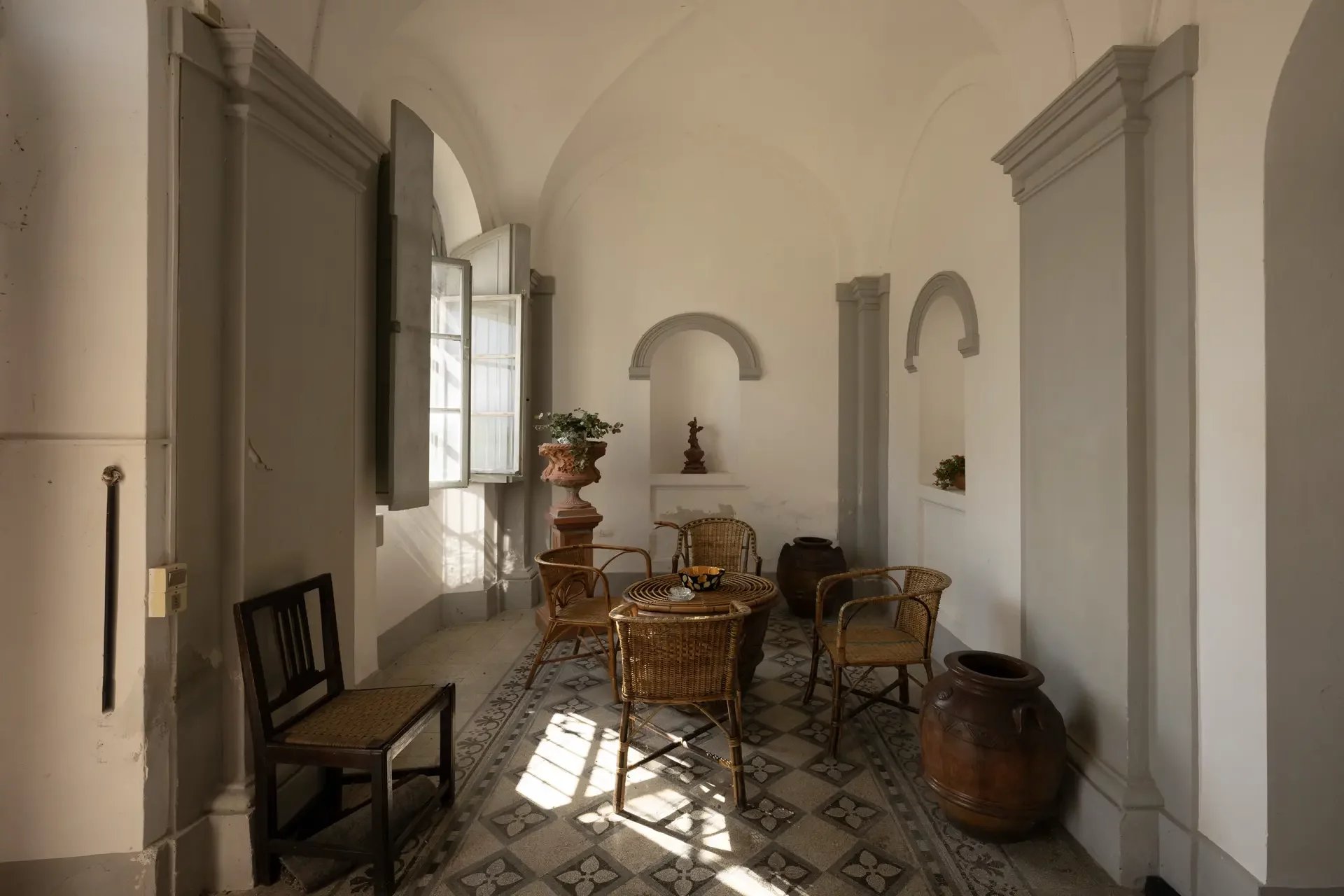
Living the heritage
A restored building must also meet the needs of contemporary life. Spacious areas and traditional layouts are reinterpreted to ensure functionality, brightness, and comfort.
Living areas become more fluid and welcoming, bedrooms more private, while service environments are rethought to integrate discreetly. The insertion of modern kitchens, comfortable bathrooms, and air conditioning systems is done with great care, so as not to compromise the aesthetic balance of the interiors.
This process allows transforming a historic building into a fully habitable residence, capable of offering a high quality of life.
Invisible technology
One of the most complex aspects of restoration concerns the integration of technology. Systems must be updated to ensure safety and efficiency, without altering the perception of spaces.
The most effective solutions are those that remain invisible: underfloor heating systems, lighting designed to enhance environments, discreetly integrated home automation. Acoustic and thermal insulation are also improved through targeted interventions, respecting existing structures.
The result is a balance between modern performance and historic atmosphere.
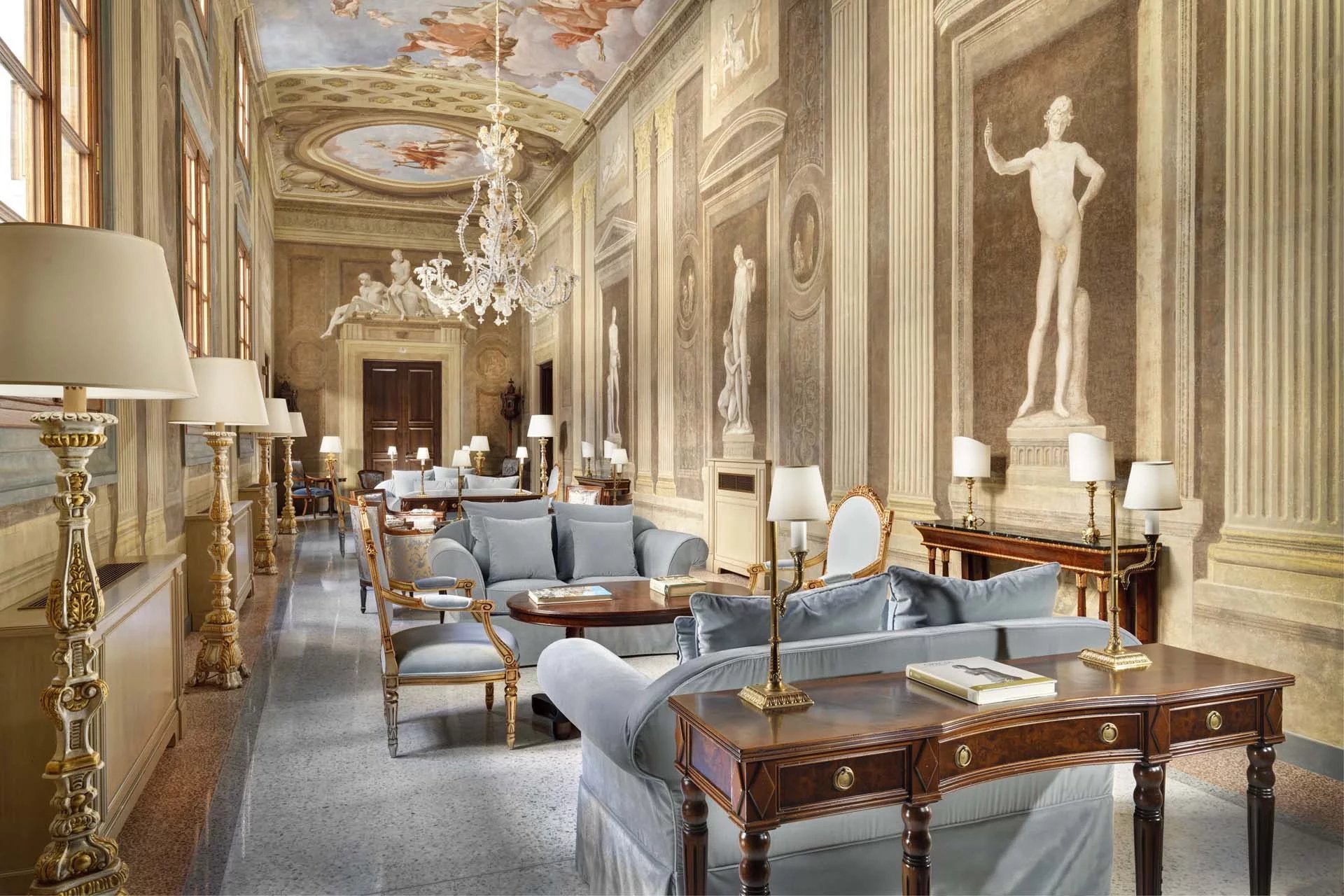
The role of materials
In restoring a historic building, the choice of materials is crucial. Recovering terracotta floors, restoring stuccoes and frescoes, using woods and stones compatible with the original ones helps maintain the aesthetic continuity of the building.
When it is necessary to insert new elements, these are selected to dialogue with the existing, without creating excessive contrasts. The project thus becomes an exercise in balance, where every detail contributes to building a harmonious whole.
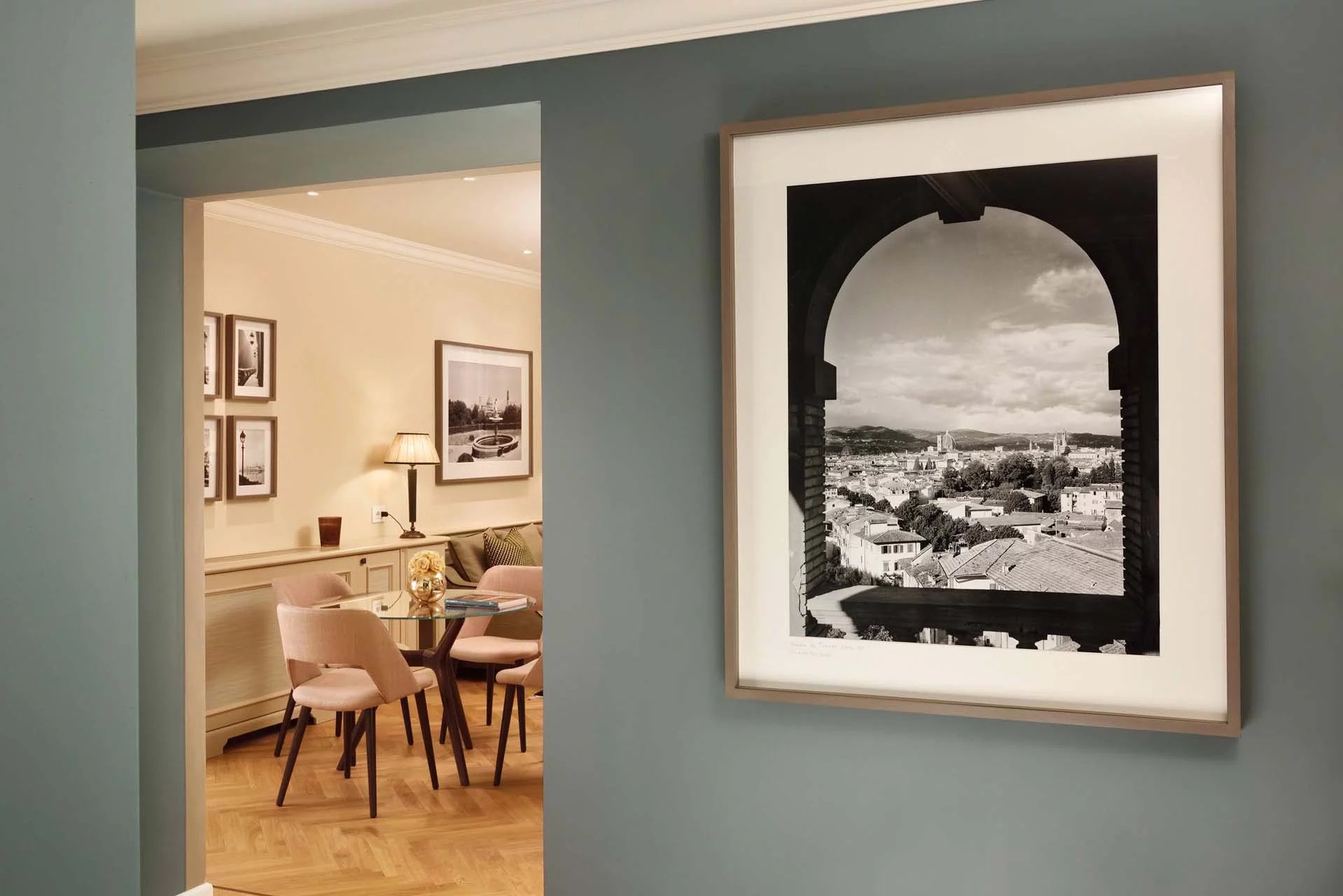
Spaces that tell a story
Living in a restored historic building means inhabiting spaces that preserve visible memory. Each environment tells a phase of the building’s life, from decorations to proportions, up to the distribution of spaces.
This aspect represents one of the main elements of value: the possibility of living in a context that combines beauty, history, and identity. At the same time, restoration allows these spaces to be fully functional, adapting them to daily needs.
A cultural and real estate investment
Buying or restoring a historic building also means contributing to the preservation of architectural heritage. It is an investment that goes beyond economic value, because it concerns the protection of a collective good.
Buildings restored with care maintain their attractiveness over time and represent a resource for the territory. They can be used as private residences, representative offices, or hospitality structures, offering various opportunities for enhancement.
Restoring a historic building is a complex process that requires specific skills and a clear vision. When preservation and livability find a balance, the result is a dwelling capable of uniting past and present naturally.
Living in such a space means choosing a quality of living that goes beyond contemporary standards, made of details, proportions, and atmospheres that only history can offer.


Copyright © Romolini

