




 Our Family


 Italiano
 Deutsch


 Back to list

Historic Villas in Need of Renovation: How Much Does Restoration Cost?

Published 27-05-2026
Buying a historic villa in need of renovation means embarking on an ambitious project, where the property’s value is measured not only by its current condition but, above all, by the potential it can realize after targeted restoration. Restoration is the key step: it is here that an old home can be transformed into a prestigious residence or a high-end investment.
Discussing costs, however, requires a realistic approach. There is no standard figure, but rather a series of variables that significantly impact the overall budget.
How much does it really cost to restore a historic villa?
Generally speaking, the cost of restoring a historic villa is higher than that of a traditional renovation. This depends on the complexity of the work and the need to use techniques and materials compatible with the building.
Price ranges can vary significantly:
- Basic work, with limited scope: approximately €1,000–1,500 per square meter
- Complete restoration with system upgrades: €2,000–3,500 per square meter
- High-level conservation work: €3,500–5,000 per square meter and above
In the case of very large properties, such as historic villas exceeding 1,000 square meters, the total cost can easily reach substantial figures, especially if high standards are sought.
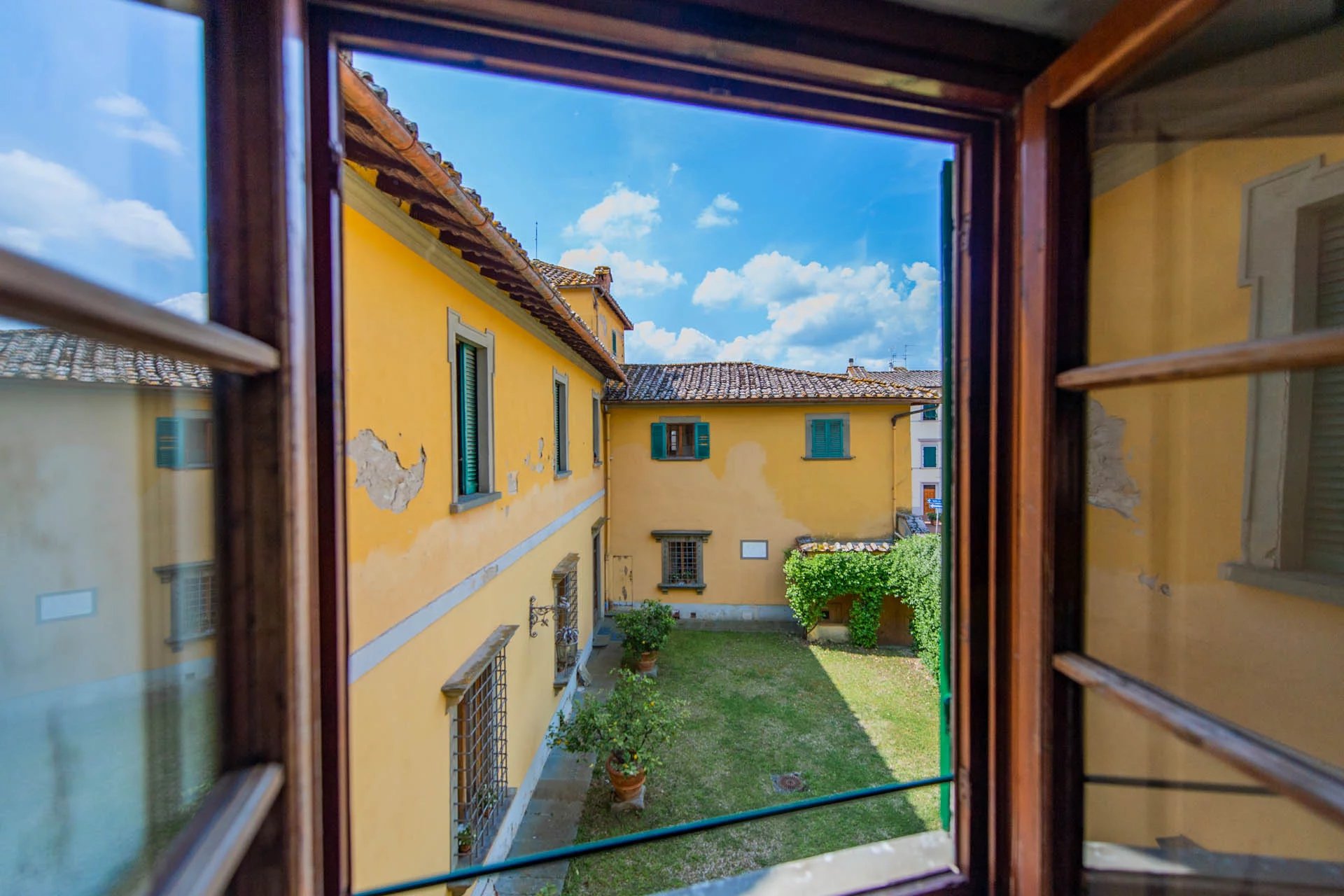
Factors affecting the budget
Every restoration project is different, but certain factors have a decisive impact:
- Condition of the property
A villa requiring complete restoration demands more extensive structural work than a property that has already been partially renovated. - Presence of preservation restrictions
Properties subject to preservation restrictions require specific work and approvals, resulting in longer timelines and higher costs. - Quality of the project
A luxury-oriented restoration, featuring high-quality materials and custom solutions, is significantly more expensive than a standard renovation. - Intended use
A private residence has different requirements than a hospitality facility, which demands more complex systems and higher standards.
The main cost items
In addition to the cost per square meter, it is important to consider the individual components of the restoration:
- structural and seismic reinforcement
- roof and roofing renovation
- systems (electrical, plumbing, HVAC)
- restoration of historic surfaces and decorations
- custom-made fixtures and doors/windows
- landscaping of outdoor spaces
It is often the less visible work – such as structural and systems work – that has the greatest impact on the budget.
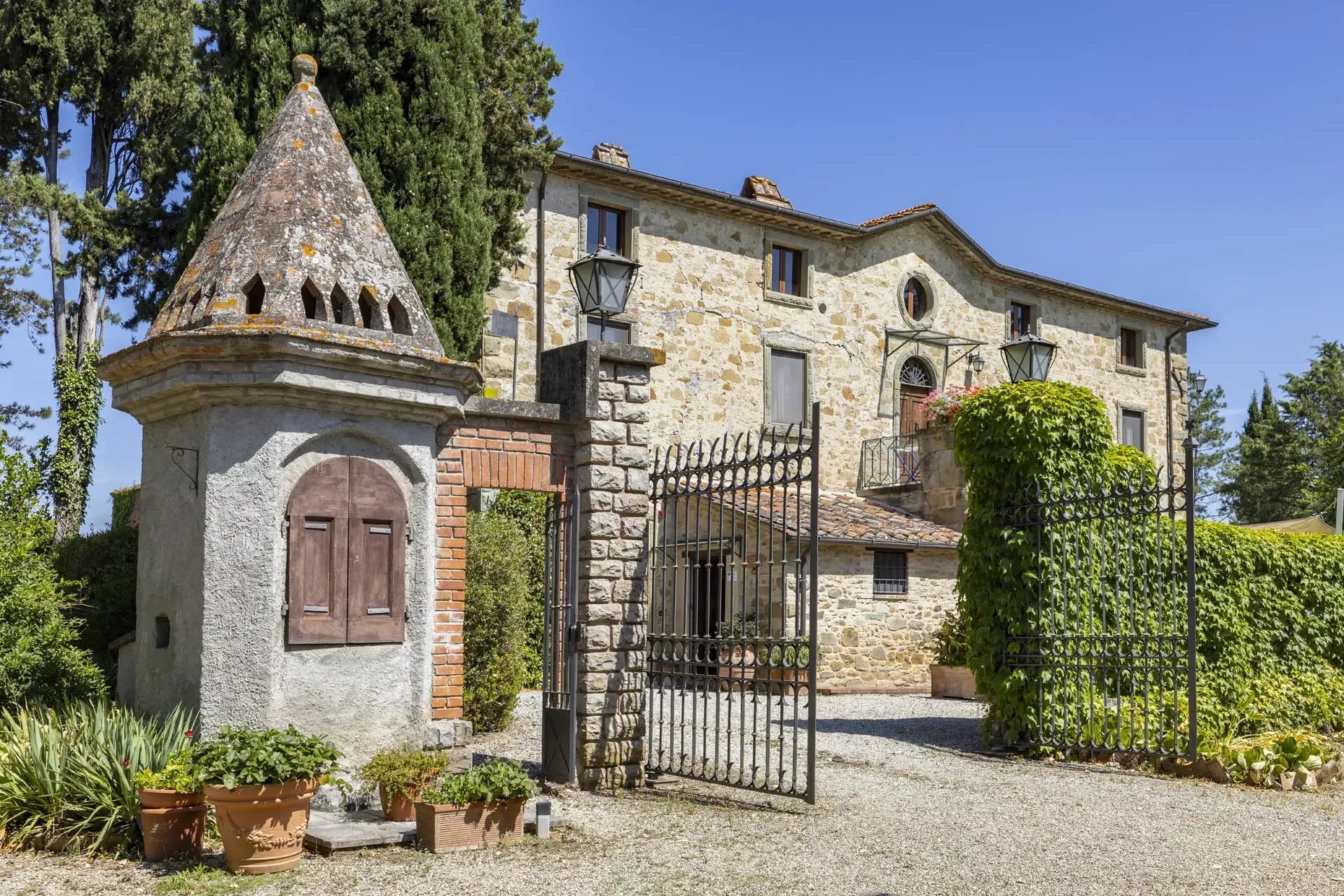
The Role of Historic Restrictions
Historic villas are frequently subject to restrictions that govern renovation work. This requires a more careful approach and takes longer, but it also ensures the preservation of the property’s value.
Working in these contexts means striking a balance between preservation and functionality, maintaining the property’s identity while simultaneously improving its livability.
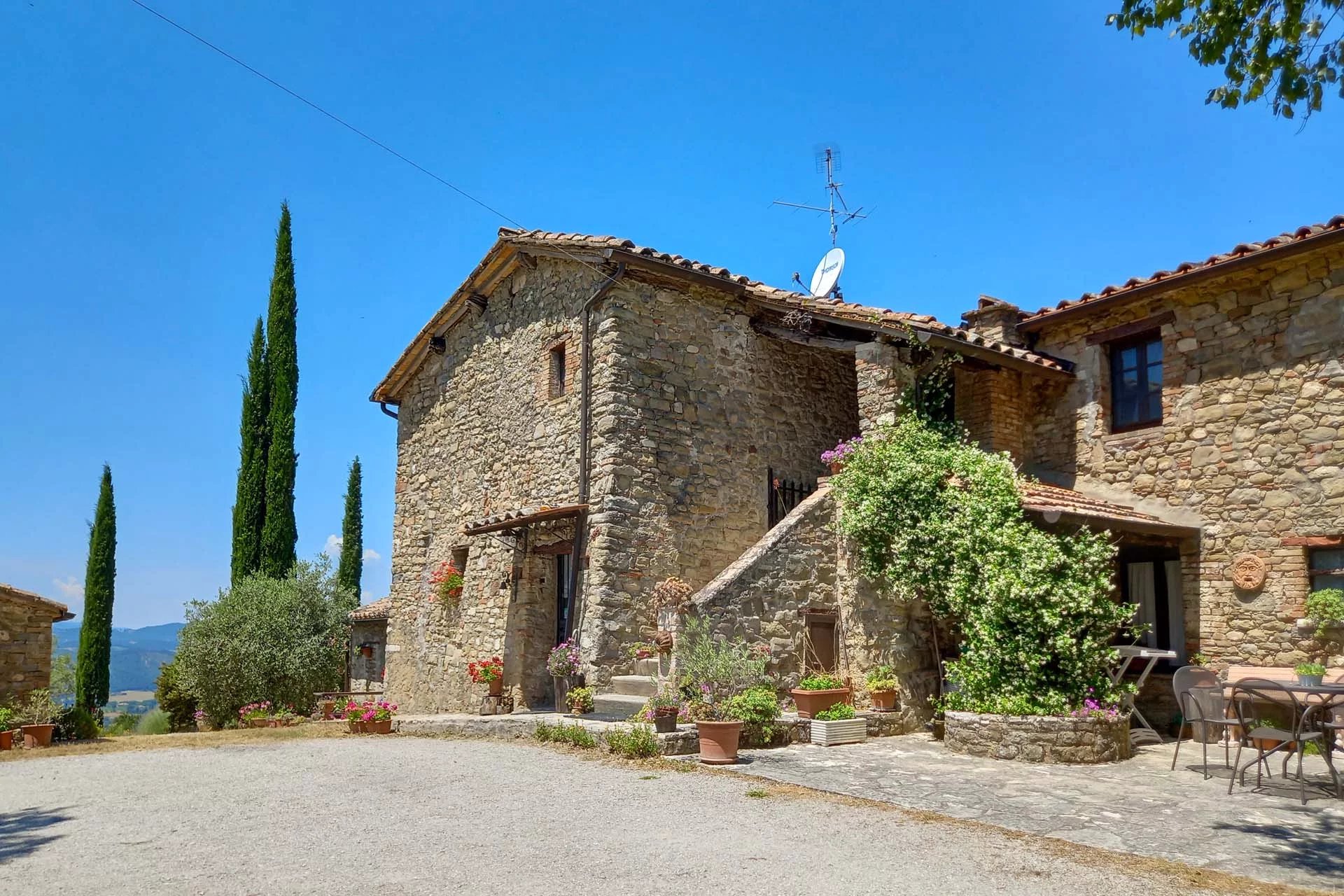
Restoration and value over time
A well-executed restoration is not just a cost, but an investment. Historic villas restored with care acquire greater value, both in economic terms and in terms of market appeal.
In regions such as Tuscany, Umbria, or Piedmont, these properties are particularly sought after by an international clientele interested in authentic yet fully functional homes. Restoring a historic villa requires vision, expertise, and precise planning. The costs can be significant, but they are closely tied to the quality of the final result.
Transforming an ancient property into a contemporary residence while keeping its soul intact is a complex yet extremely rewarding process. It is precisely this combination of history and design that makes villas in need of renovation one of the most interesting opportunities in the luxury real estate market.


Copyright © Romolini

