




 Our Family


 Italiano
 Deutsch


 Back to list

From family home to boutique retreat: the evolution of Italian dwellings

Published 16-09-2026
Many Italian dwellings originate as family houses: grand villas, country farmhouses, historic palaces, agricultural holdings, and properties inherited through generations. Places designed for private life, to host relatives and guests, to preserve memories, traditions, and relationships with the territory. Today, however, some of these properties are undergoing a new transformation: from family residences to boutique retreats, exclusive spaces dedicated to hospitality, wellness, privacy, and experience.
This transformation responds to a growing demand in the luxury market. Guests seek not just a beautiful villa or an elegant room, but places with identity, history, and atmosphere. Historic houses for sale, farmhouses for sale, and large country properties offer just this: authentic architecture, landscapes, independent spaces, and a story capable of making the stay memorable.
The value of a house with a history
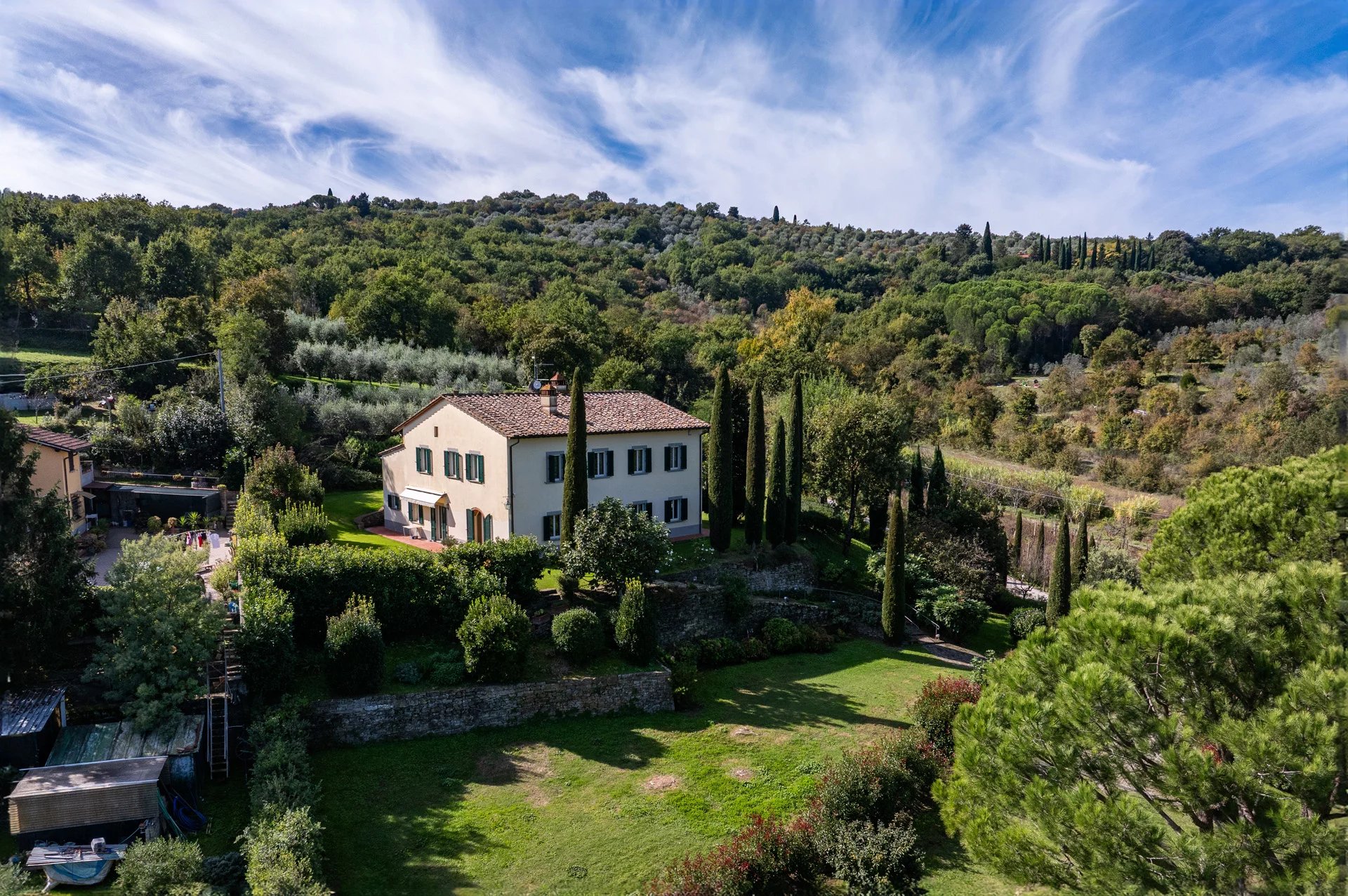
A family house often has an emotional value beyond its residential function. Every lounge, garden, staircase, loggia, or guesthouse tells a way of living, an era, and a relationship with the land. When a dwelling is transformed into a boutique retreat, this memory is not erased: it becomes part of the experience.
The success of a charming hospitality project lies precisely in the ability to maintain the soul of the property. A farmstead should not become an anonymous hotel, a historic villa should not lose its character, an ancient palace should not be drained of its identity. The value is in the balance: preserving what makes the dwelling special and introducing comforts, services, and functionalities suitable for a contemporary clientele.
From private to curated hospitality
The transition from private home to retreat requires a new interpretation of spaces. Environments designed for family life can be reimagined as guest rooms, independent suites, common areas, tasting rooms, wellness zones, private event spaces, or places dedicated to work and relaxation.
The most suitable properties are those offering flexibility. A villa with a guesthouse, a farm with multiple apartments, an estate with ancillary agricultural buildings, or a rural village with independent structures allow for dividing functions without losing unity. In this sense, luxury estates for sale are particularly interesting, as they combine residence, hospitality, landscape, and sometimes agriculture.
Boutique retreat: a more intimate hospitality
The boutique retreat differs from a traditional hotel in size, atmosphere, and personalization. It does not aim for large numbers, but for quality of experience. Guests seek privacy, silence, authenticity, attention to detail, and a more direct connection with the place.
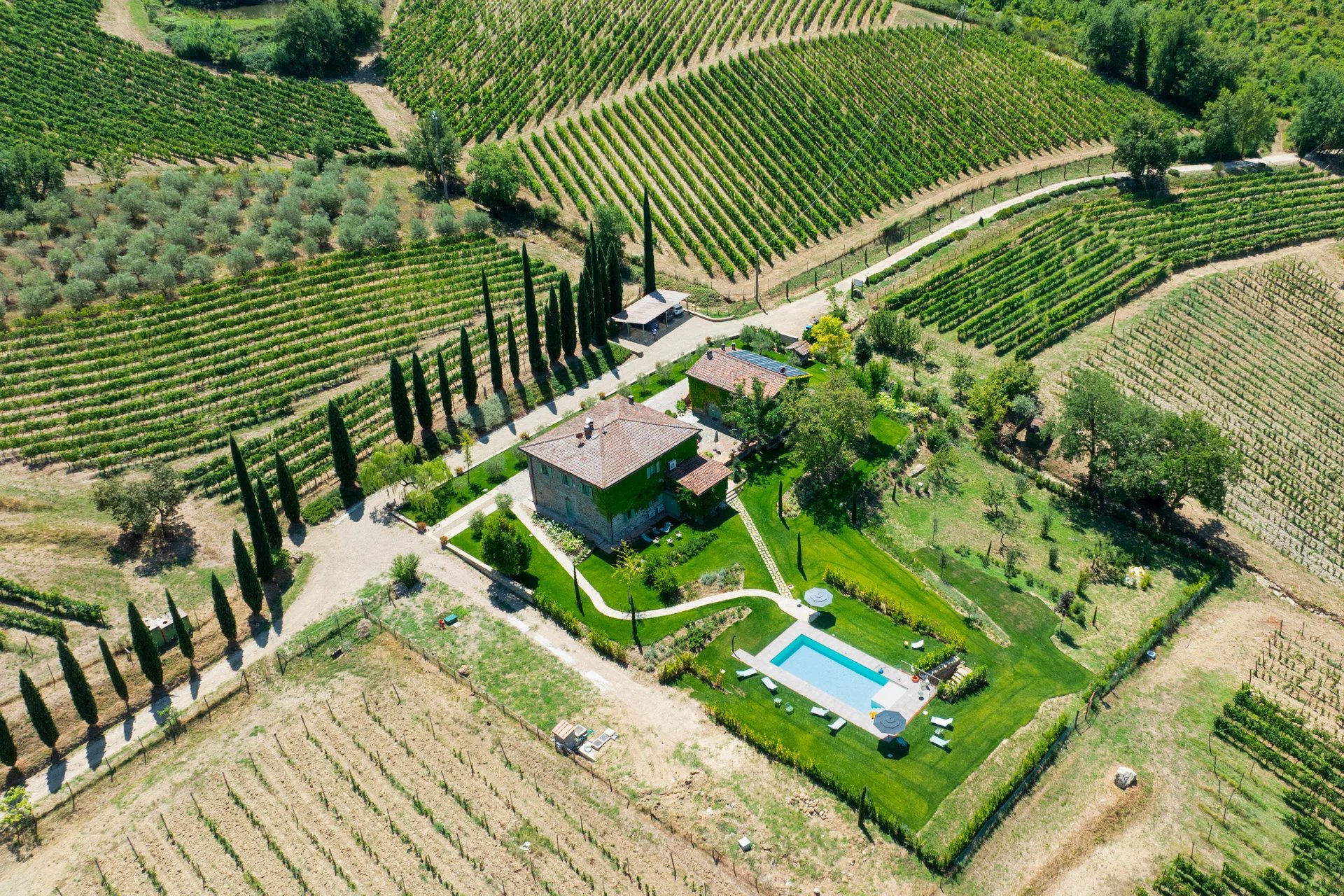
An Italian dwelling transformed into a retreat can offer stays related to wellness, nature, wine, cuisine, art, meditation, sport, or exploring villages. The value is not only in the services but in the feeling of living temporarily in a unique place. A country house with a pool, garden, view, and independent spaces can become a cozy and refined destination, ideal for long stays or tailor-made experiences.
The landscape as part of the experience
In Italian dwellings, landscape is often the first real service. Hills, vineyards, olive groves, forests, lakes, sea, or historic villages create the emotional context of the stay. A boutique retreat works when the property not only hosts but allows experiencing the territory.
The pool overlooking the countryside, breakfast under a pergola, a tasting in a cellar, a walk among olive trees, or dinner in the garden become central moments of the experience. Therefore, properties with land, panoramic views, and well-organized outdoor spaces have particularly strong potential. The retreat is not only inside the house: it is in the relationship between home, nature, and the rhythm of the place.
Contemporary comfort without losing authenticity
Transforming a dwelling into a boutique retreat requires careful technical and design interventions. Guests expect modern bathrooms, efficient systems, air conditioning, internet connectivity, security, acoustic privacy, and comfortable environments. At the same time, they seek authentic materials, historical proportions, original floors, beams, stone, terracotta, frescoes, or architectural details capable of telling the character of the property.
The most convincing results occur when technology remains discreet. Comfort should enhance the experience without overshadowing the property's identity. A historic villa can host a private spa, a farm can incorporate contemporary suites, an old barn can become a yoga room or event space: everything depends on the coherence of the project.

Wine, oil, and local culture
Many Italian dwellings have a direct relationship with agricultural production. Vineyards, olive groves, vegetable gardens, orchards, and wineries offer valuable content for a boutique retreat. The stay can be enriched with tastings, olive harvesting, vineyard visits, private dinners, and gastronomic routes.
Properties with vineyards for sale or own agricultural production allow for a stronger narrative. Wine and oil are not only products but tools to communicate the territory. A guest remembers a dwelling more easily if it's associated with a flavor, a harvest, a cultivated landscape, or an on-site experience.
A new opportunity for luxury real estate
From a real estate perspective, transforming into a boutique retreat can increase a property's potential. A very large house, hard to use solely as a private residence, can find new life through curated hospitality. Rooms, guesthouses, annexes, gardens, pools, and common spaces become resources capable of generating value.
Of course, the project requires precise evaluations: zoning, permits, accessibility, number of rooms, management, staff, maintenance, and market positioning. However, when the property has identity, privacy, and a strong context, the transition from private dwelling to retreat can become a strategic choice.
The dwelling as an experience to share
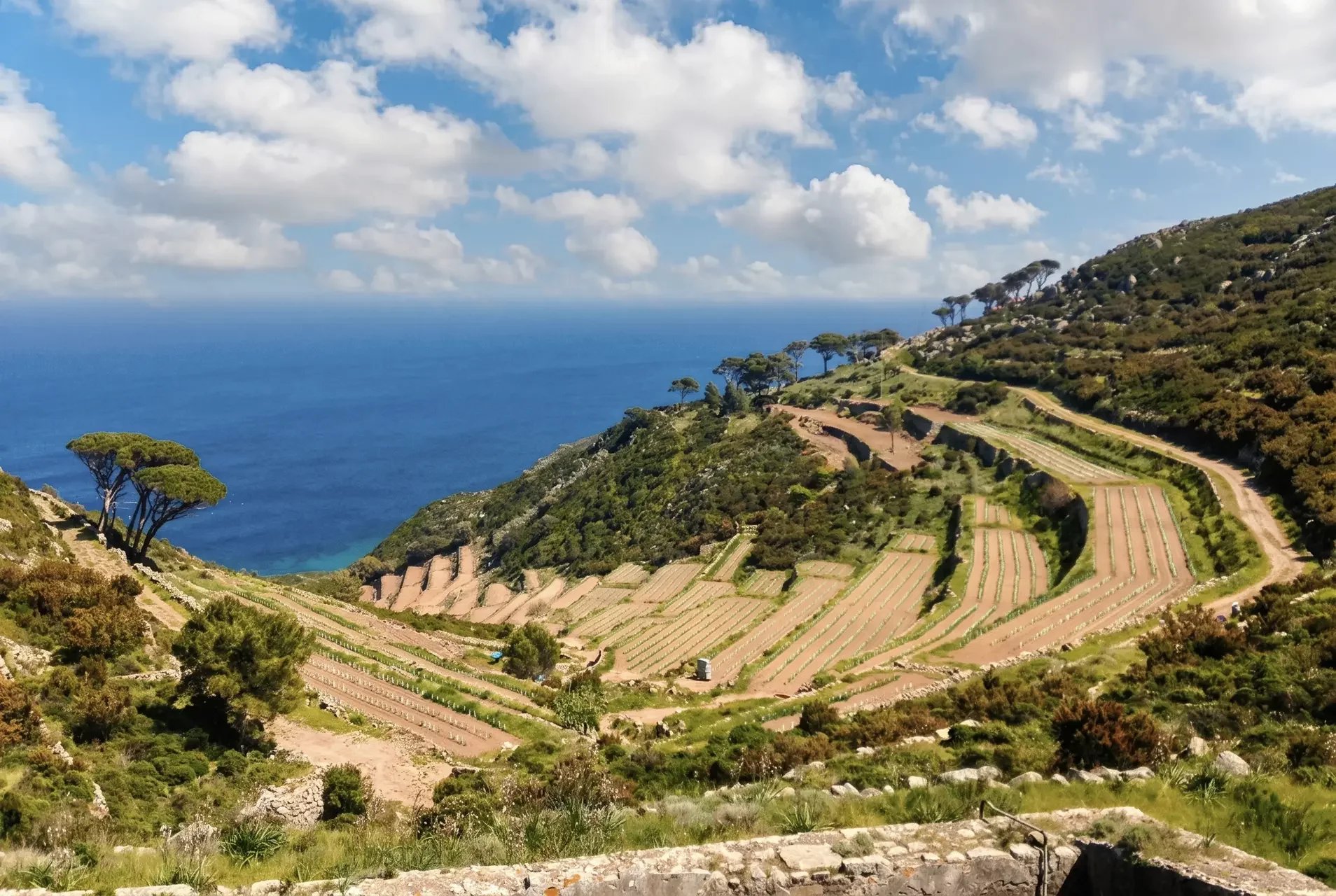
The evolution of Italian dwellings reflects a broader change in the way luxury is perceived. Houses are no longer just assets to own but places to live, share, and enhance. A family villa, a rural farmhouse, or a historic dwelling can become spaces capable of accommodating new functions without losing their memory.
The boutique retreat precisely embodies this possibility: transforming a private property into an exclusive, intimate, and recognizable experience. It does not mean stripping the house of its essence but giving it a new continuity. The dwelling preserves its history but opens up to new guests, stories, and forms of value.


Copyright © Romolini

