




 Our Family


 Italiano
 Deutsch


 Back to list

How to change the intended use of a rural property: rules and tips

Published 15-01-2026
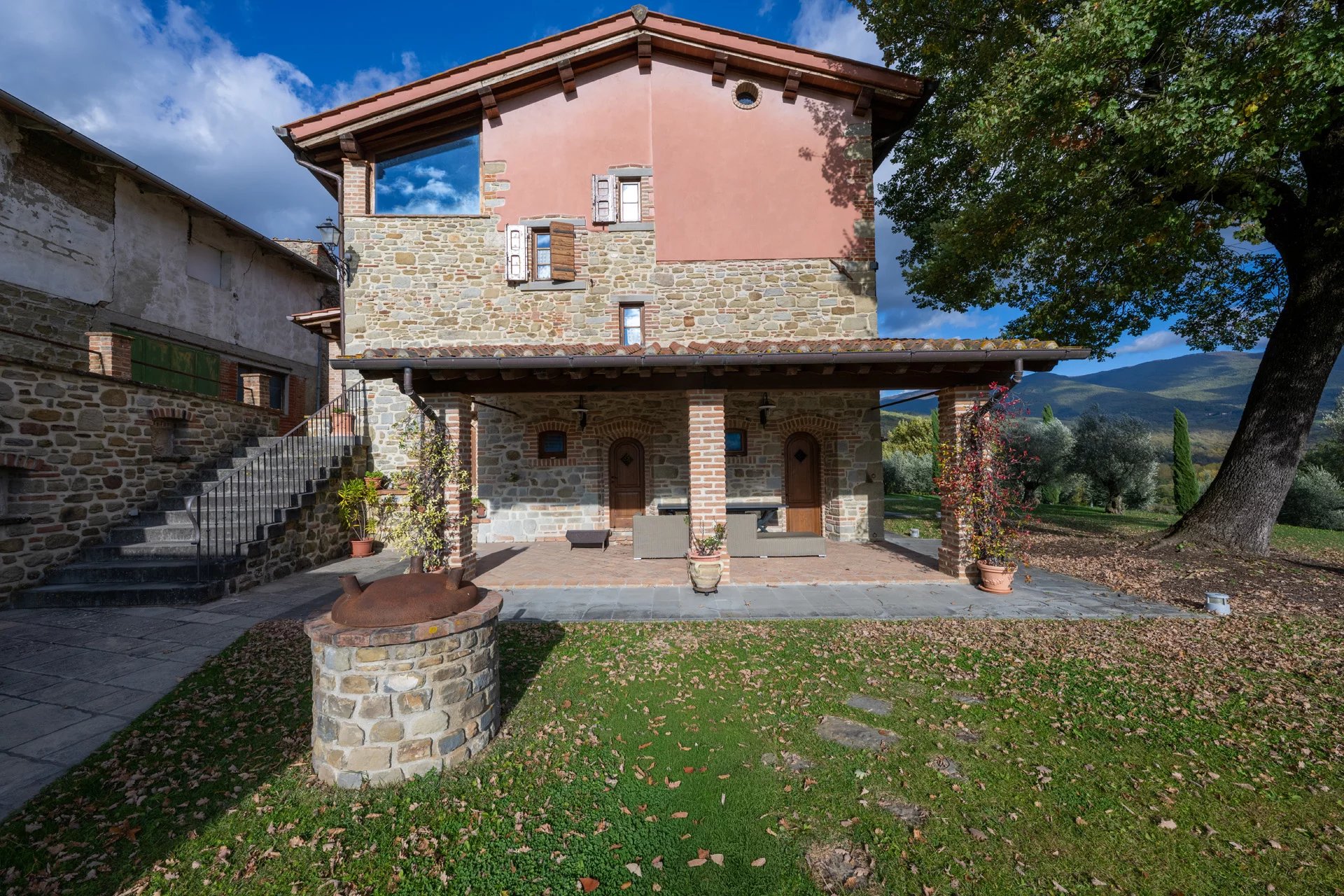
Changing the intended use of a rural property is one of the most recurring issues for those buying a farmhouse, country villa or agricultural estate in Italy. Many historic buildings were in fact born with an agricultural function-rural dwelling – barn, stable, barn – that today does not always meet contemporary housing or business needs.
Transforming a rural property into a private residence, accommodation facility or tourist activity is possible, but requires attention, expertise and proper planning. Italian regulations are articulated and vary according to the territorial context, the type of building and its protection. Knowing the rules and moving methodically is essential to avoid slowdowns, unexpected costs or insurmountable constraints.
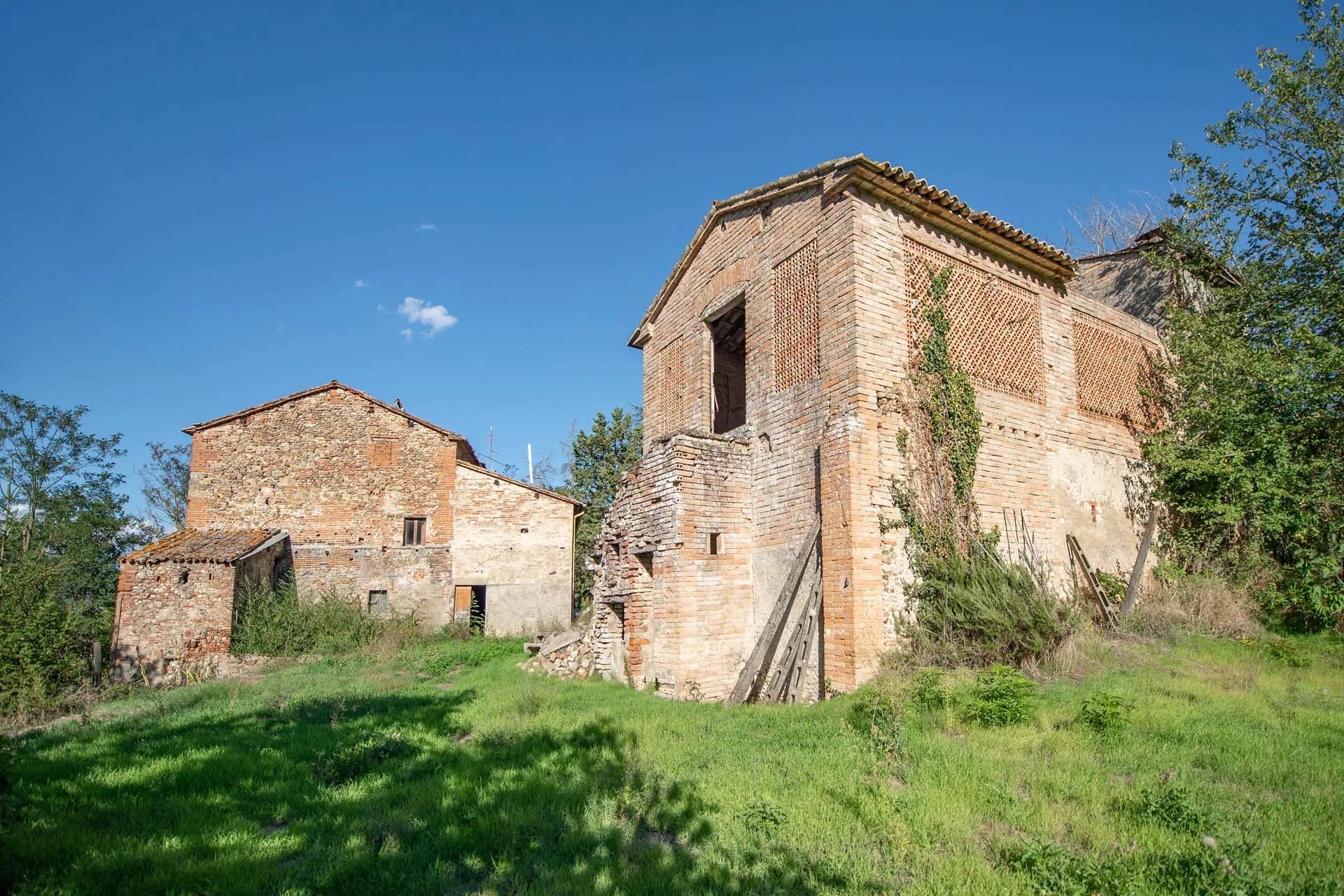
What is meant by intended use
Intended use indicates the urban planning function assigned to a property: agricultural, residential, tourist-retail, commercial, office or production. In the case of rural properties, the original intended use is often related to agricultural activity and may include:
- farmer’s dwelling;
- agricultural outbuildings;
- barns and stables;
- rural warehouses;
- buildings instrumental to agricultural activity.
Changing use means officially changing this function, making the property conform to a use other than its original one.
When a change of use is required
A change of use is necessary when the intended use of the property does not coincide with the use recorded in the zoning and cadastral instruments. Frequent examples include:
- conversion of a barn into a dwelling;
- conversion of an agricultural farmhouse into a residential villa;
- use of a rural property as an accommodation facility;
- rehabilitation of disused farm buildings for housing purposes.
In some cases, especially for properties that are already residential, the change may be zoning-relevant or not. The distinction is crucial because it determines the permitting process.
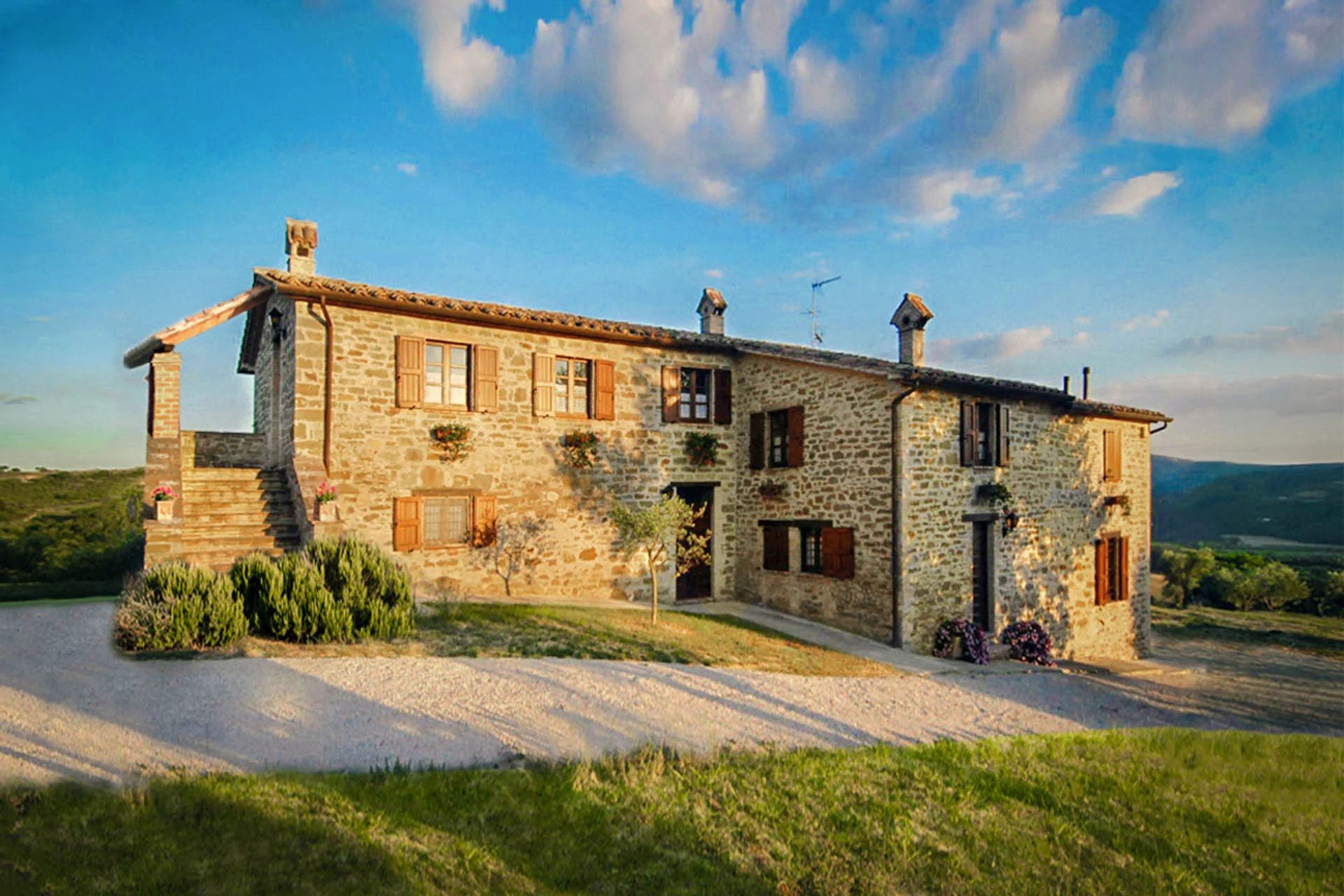
The role of the Piano regolare and urban planning tools
The first step in assessing the feasibility of a change of use is to consult the Municipal Regulatory Plan (PRG) or current urban planning instruments.
Each municipality determines:
- what uses are allowed in agricultural areas;
- whether rehabilitation for residential purposes is permitted;
- any limits on volume;
- landscape or environmental constraints;
- requirements for agritourism or hospitality.
In many areas of Tuscany and Umbria, for example, the rehabilitation of rural heritage is encouraged, as long as it is done with respect for architectural and landscape features.
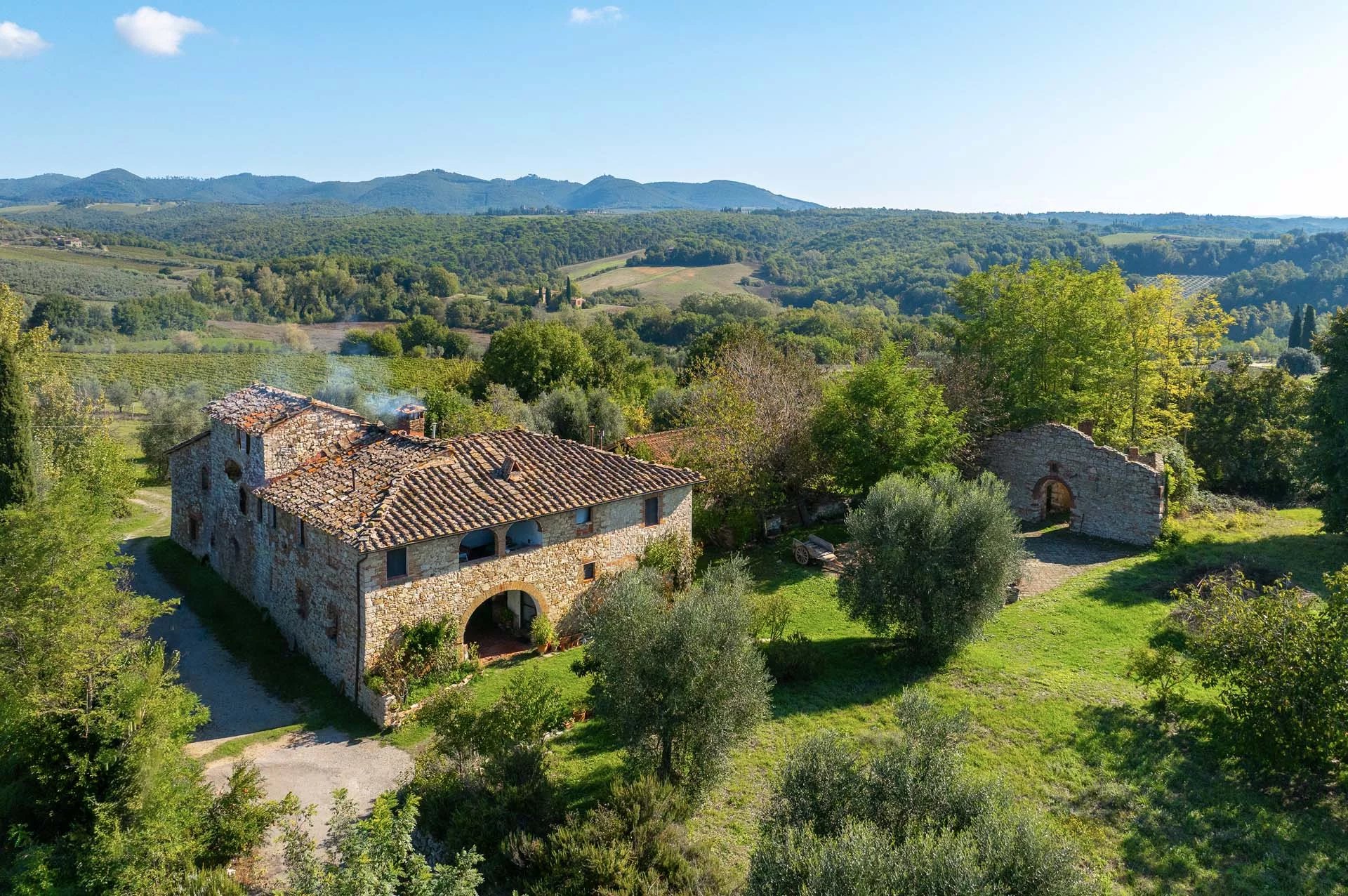
Landscape constraints and historic properties
Many rural properties are subject to landscape, historical or architectural constraints. In these cases, in addition to municipal permits, it is necessary to obtain permission from the Sovrintendenza.
The constraint does not automatically prevent change of use, but requires:
- respect for existing volumes;
- preservation of traditional materials;
- limitations on structural changes;
- attention to visual impact.
A well-designed project, consistent with the context, has a better chance of being approved.
The building permit: which permit is needed
The type of building permit depends on the intervention and the urban relevance of the change. The main possibilities are:
- CILA or SCIA, for unimportant changes or without structural work;
- Building Permit, for major changes with structural works;
- Permit in derogation, in special cases provided by the municipality.
The assessment must be made by a licensed technician (architect, engineer or surveyor), who will analyze the urban planning situation and prepare the correct file.
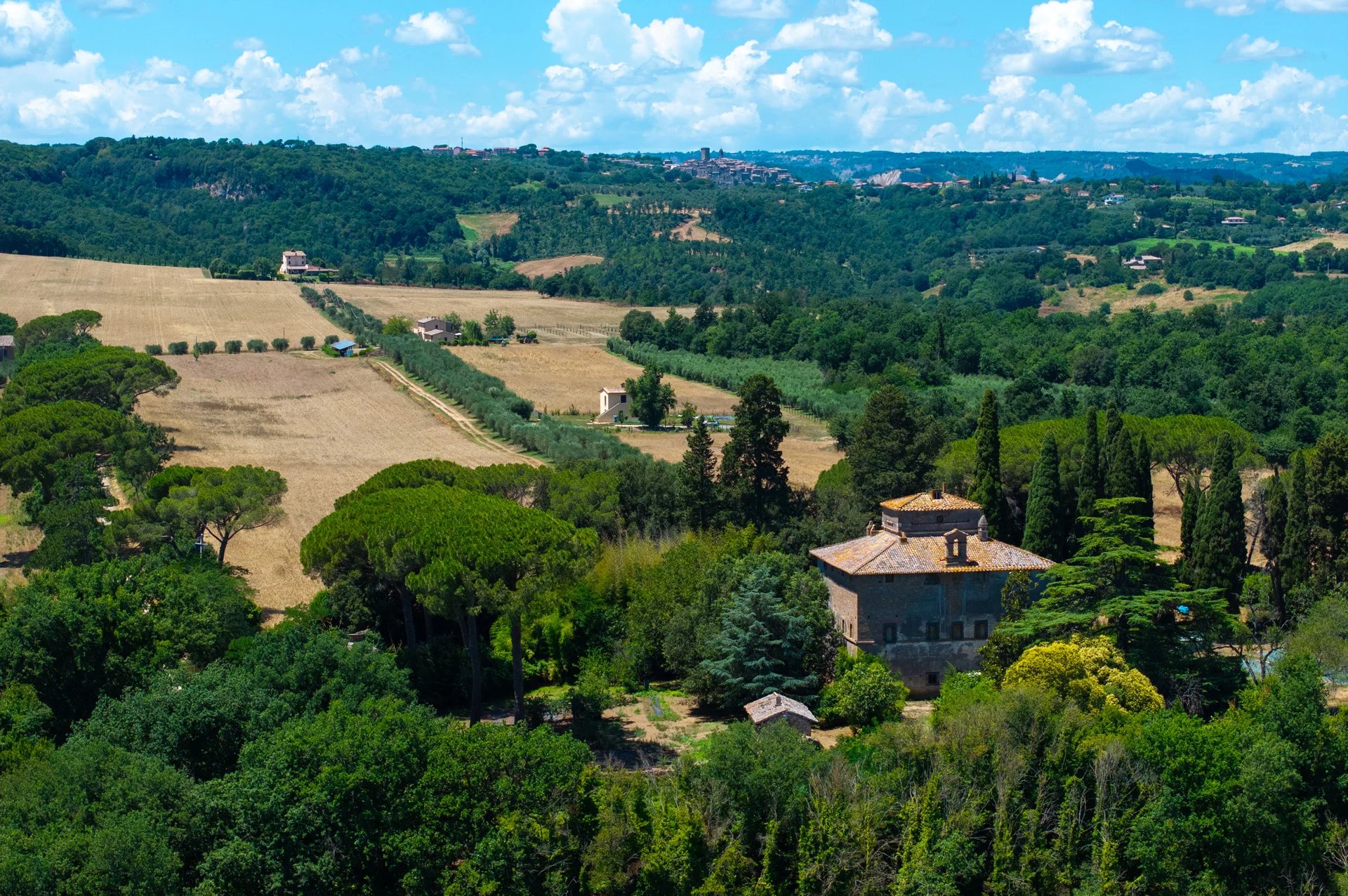
Change of use and Land Registry
Once the urban planning permits have been obtained and the work has been carried out, the cadastral situation must also be updated. In fact, the change of intended use entails:
- change of cadastral category;
- updating of the cadastral income;
- possible change in future taxes.
This step is essential to ensure the full regularity of the property and to avoid problems in case of sale or succession.
Tax aspects to consider
The change of use can have important tax implications. Aspects to consider include:
- municipal taxes (IMU, TASI);
- possible VAT on the work;
- access to building bonuses or concessions;
- differences in taxation between agricultural and residential property.
Prior tax advice allows you to properly plan the investment and take advantage of any available incentives.
Change of use for receptive activities
Many buyers choose to convert rural properties into charming accommodations: Agriturismi, boutique hotels, country houses or tourist rental residences.
In these cases, in addition to urban destination, the following come into play:
- regional tourism regulations;
- minimum requirements for rooms and services;
- safety standards;
- health permits.
Each region has specific rules, so it is essential to check local regulations before proceeding.
Practical tips for dealing with the process
Changing the intended use of a rural property is a feasible but complex task. Some basic tips:
- check feasibility before purchase;
- rely on technicians with experience in rural real estate;
- consider realistic timelines and costs;
- respect the architectural identity of the building;
- dialogue with the municipality from the initial stages.
An informed approach reduces risk and increases the final value of the property.
The value of expert advice
In rural and historic real estate, change of use is not just a bureaucratic paperwork, but a real enhancement operation.
This is why it is essential to rely on professionals who know the territory, the regulations and the potential of the properties.
Specialized agencies such as Romolini Immobiliare, which work daily on farmhouses, historic villas and agricultural estates, support clients already in the property selection phase, assessing the real possibility of transformation and putting them in touch with qualified technicians and consultants.
Changing the intended use of a rural property is a path that requires expertise, vision and respect for the land. When approached correctly, it makes it possible to bring historic buildings back to life, adapting them to contemporary needs without losing their authentic value.
Whether it is a private residence, a hospitality project or a long-term investment, the key to success is careful planning and the support of experienced professionals. Only in this way can a rural property be transformed into a new opportunity, keeping intact its connection with its history and landscape.


Copyright © Romolini

