




 Our Family


 Italiano
 Deutsch


 Back to list

What is the historical value of a property and how does it affect the market price

Published 18-02-2026
The historic value of a property is an essential component of its identity. It is not an ancillary attribute, nor a mere aesthetic appeal, but an element that contributes directly to pricing and the overall perception of the property. Understanding its significance allows one to read a valuable property with greater depth, going beyond appearance and recognizing what makes it truly unique.
A building endowed with historical value tells a precise story, linked to its location, its original function, and the transformations it has gone through over time. This layering is what distinguishes it from any other contemporary building.

Historical value does not coincide with the age of the building
Antiquity alone does not determine historic value. A property can be very old without possessing a relevant historical identity, just as a relatively newer building can be of significant cultural importance.
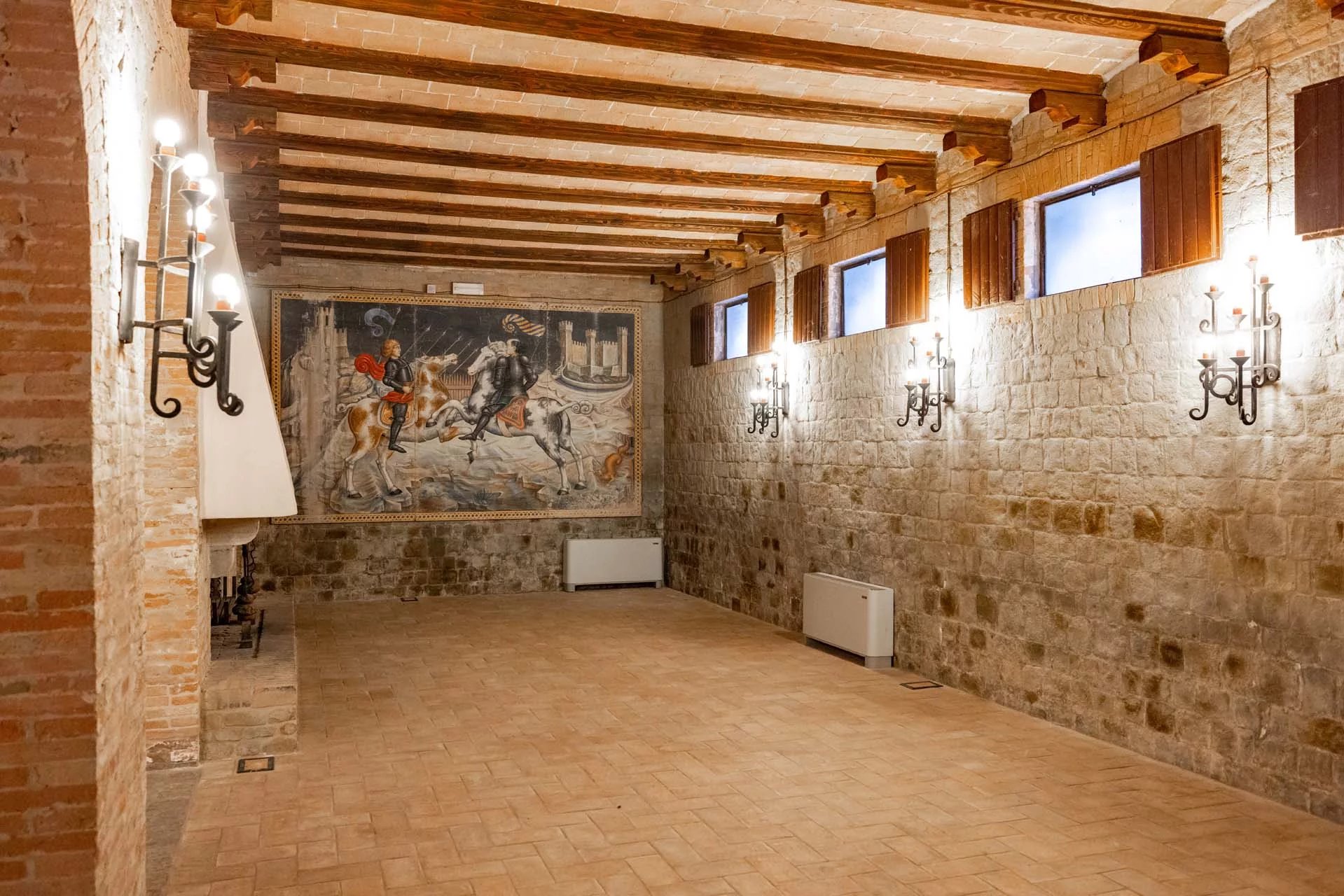
Historical value emerges when a property retains recognizable elements of its past: a coherent architectural structure, documented original functions, legible building materials and techniques, and decorations or symbolic apparatus still present. It is the ability to tell its own time, rather than the date of construction, that defines the historical significance of a property.
Uniqueness and recognizability as determining factors
Historical value contributes decisively to the uniqueness of a property. Architectures that cannot be replicated, details that cannot be artificially reconstructed, proportions that respond to an idea of space now outdated by contemporary production make these properties immediately recognizable.
This uniqueness is reflected in the property’s ability to stand out and maintain a strong identity over time. Where real estate offerings tend toward homogenization, historical value represents a profound and lasting differentiator.
Impact on price: perception and soundness of value
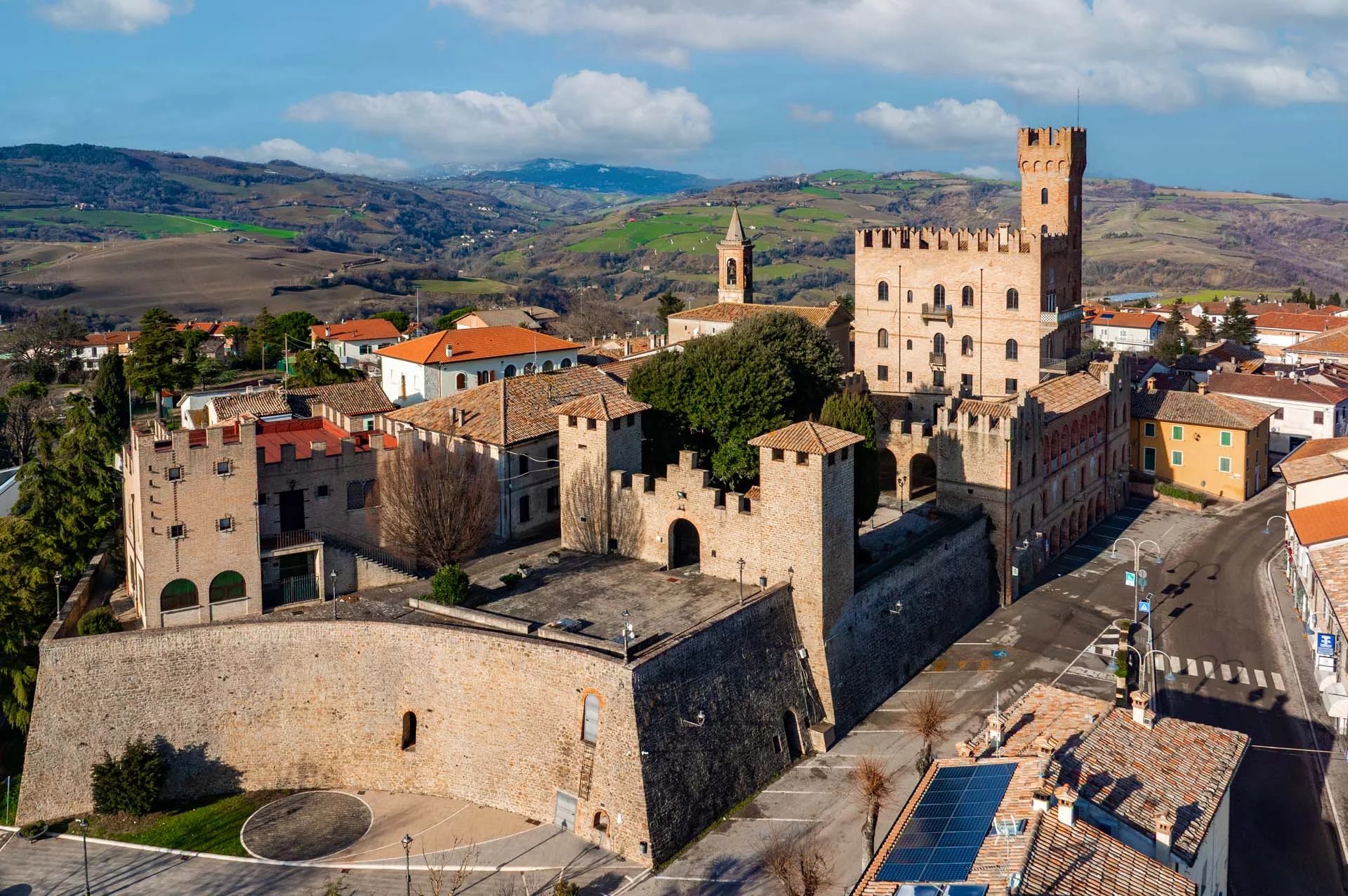
Historical value affects price through two complementary dimensions. On the one hand, the perception of prestige and authenticity that a historic home conveys; on the other, the solidity of the property as an asset that is difficult to replace.
A property with a clear historical identity attracts selective demand, composed of buyers who seek quality, continuity and character. This demand helps sustain the value of the property, making it less exposed to fluctuations related to fads or short-lived cycles.
Protection and constraints: a form of value protection
The presence of protective constraints is often interpreted as a limitation. In reality, these tools perform a safeguarding function, preventing interventions that could compromise the integrity of the property and its context.
Protection ensures that historic value is preserved and passed on over time, keeping the identity of the property intact. For those with a conscious vision, constraints become a guarantee of stability and consistency, rather than an obstacle.
The role of design in enhancement
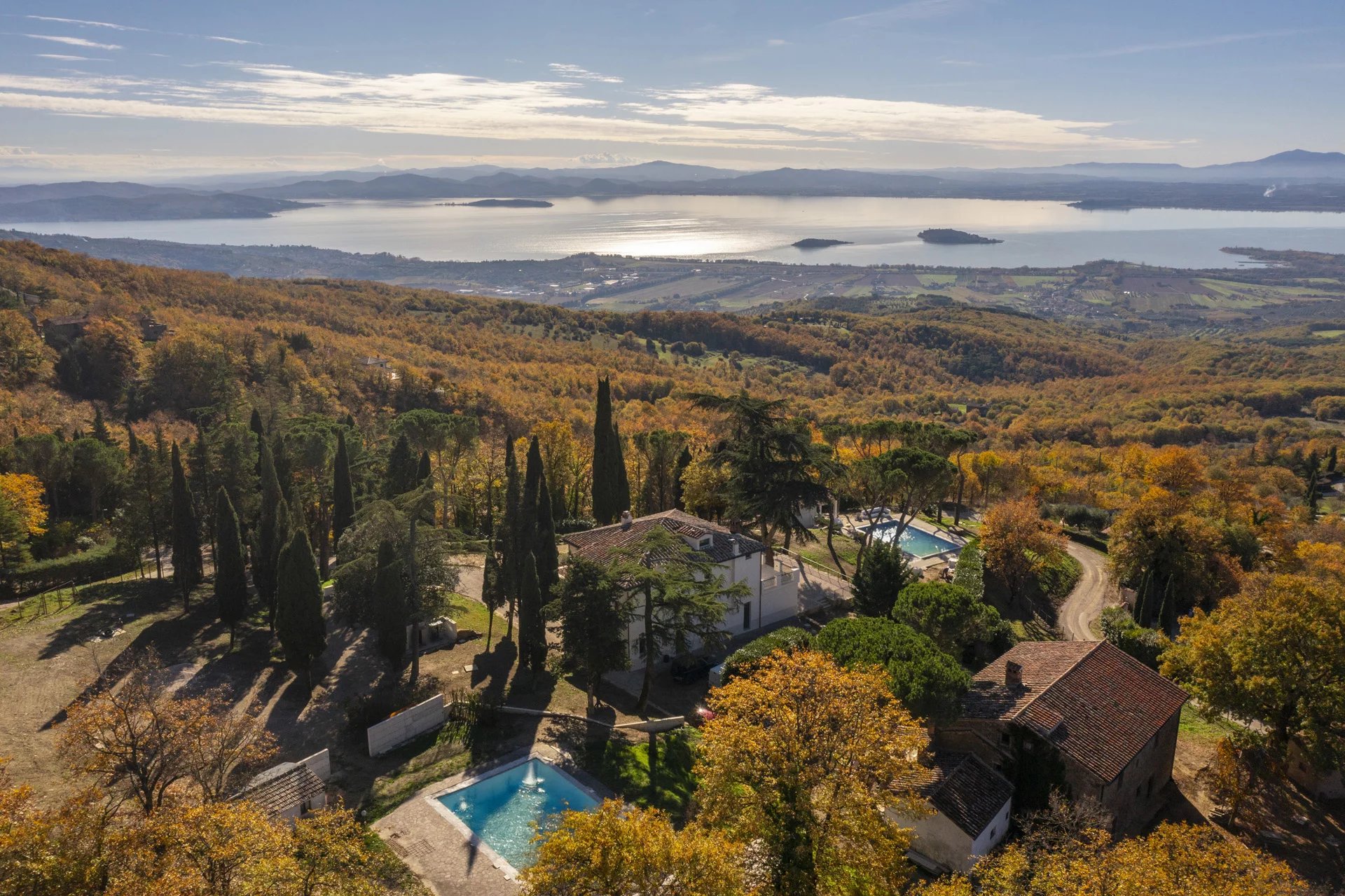
Historical value is not a static element. It can be strengthened or weakened by design choices. Environmentally friendly intervention, capable of integrating comfort and functionality without altering the original layout, enhances the value of the property and expands its potential uses.
In contrast, inconsistent or invasive interventions risk compromising what makes the property unique. The quality of the project therefore becomes central in determining the real impact of historic value on the final price.
The historic value of a property significantly affects its price because it defines its identity, rarity, and recognizability. It is not a decorative element, but a structural component of the overall value of the property.
Understanding this aspect allows one to evaluate a valuable property with greater awareness, recognizing that true value arises from the balance between history, architectural quality, and ability to endure.


Copyright © Romolini

