




 Our Family


 Italiano
 Deutsch


 Back to list

Estates with own production: telling the land through wine and oil

Published 10-09-2026
Estates with own production represent one of the most fascinating categories of Italian luxury real estate. They are not just country properties with large lands but places where living, producing, and storytelling become part of the same project. Wine and oil are not accessories: they are identities, agricultural memories, experience, and value.
In a luxury estate for sale, the presence of vineyards, olive groves, cellars, or oil mills can profoundly transform the perception of the property. The landscape is not just admired but experienced through the cycle of seasons, harvest, olive gathering, tastings, and the opportunity to offer guests an authentic experience connected to the land.
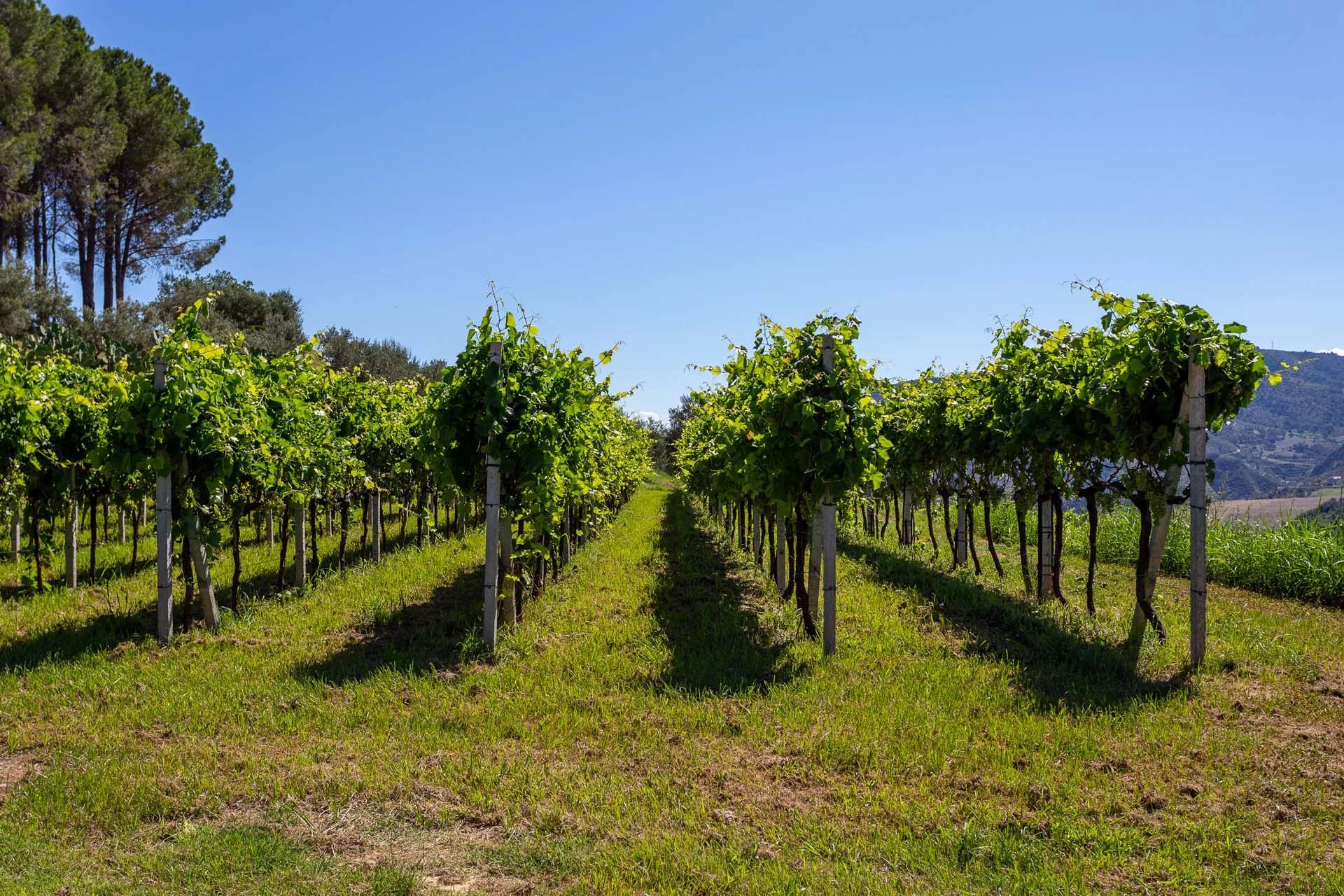
Wine and oil as the property's identity
A property with own production has a stronger narrative than a traditional residence. The rows of vines, centuries-old olive trees, cellars, tasting rooms, and cultivated lands help define the character of the property. The estate is not just a place to live but a living system where architecture and agriculture communicate daily.
Wine and oil add depth to the real estate value because they connect the house with the land. A villa surrounded by vineyards tells a different story than an isolated villa in the greenery; a farmhouse with an olive grove immediately communicates authenticity, tradition, and continuity. This productive dimension makes the property more recognizable and more appealing to an international clientele, often attracted by the idea of experiencing Italy through its agricultural landscapes.
The vineyard as a landscape and productive value
Properties with vineyards for sale occupy a very particular segment of the market. The vineyard is not just a crop but an aesthetic, economic, and narrative element. It shapes the landscape, marks the seasons, offers production possibilities, and can become the centerpiece of a hospitality or business project.
An interesting example is Lunigiana Winery, where a medieval castle meets a modern cellar and active vineyards. In this case, the value of the property is born from the meeting of history and wine: the castle offers identity and prestige, while the vineyard gives the place a lively, modern, and productive function.
Even in properties more oriented towards lifestyle, the presence of a vineyard can become a decisive element. The goal is not always large-scale production; often, the value lies in creating an iconic label, organizing private tastings, enhancing guest stays, or building a coherent story around the property.
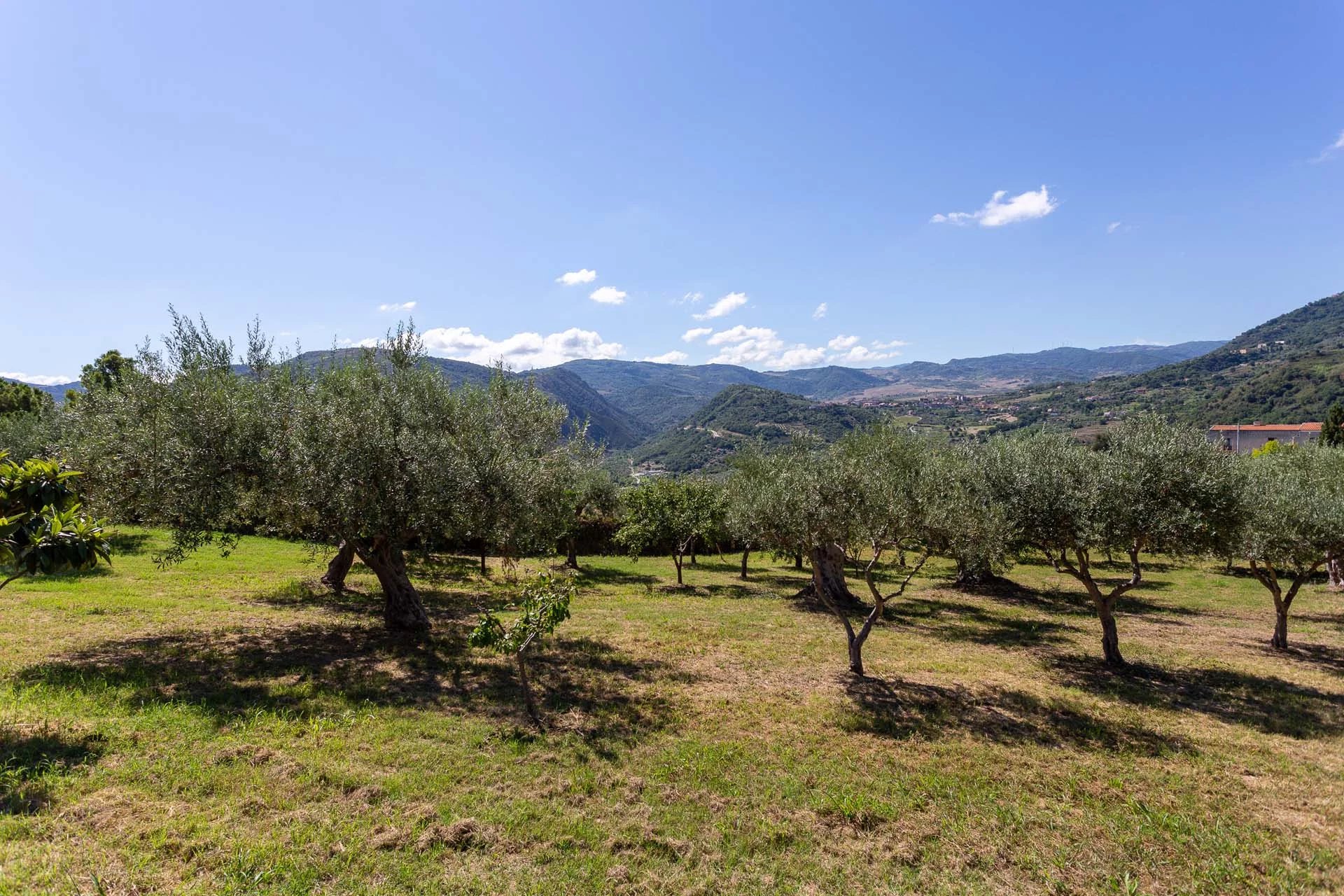
The olive grove and the charm of Mediterranean tradition
Alongside wine, oil is one of the most authentic expressions of the Italian landscape. An olive grove immediately characterizes an estate: it evokes slowness, care, grounding, and a relationship with the land. Even when production is small, oil can become part of the living and hospitality experience.
In many country houses, olive groves surrounding the property create natural privacy, landscape continuity, and a strong sense of belonging to the land. Olive harvesting, oil production, and the possibility of offering guests a homemade product strengthen the experiential value of the residence.
Properties like Casale Minosse, with a vineyard, olive grove, and panoramic pool, show well how agricultural components can coexist with charming hospitality. The cultivated landscape is not just a background but an integral part of the property's appeal.
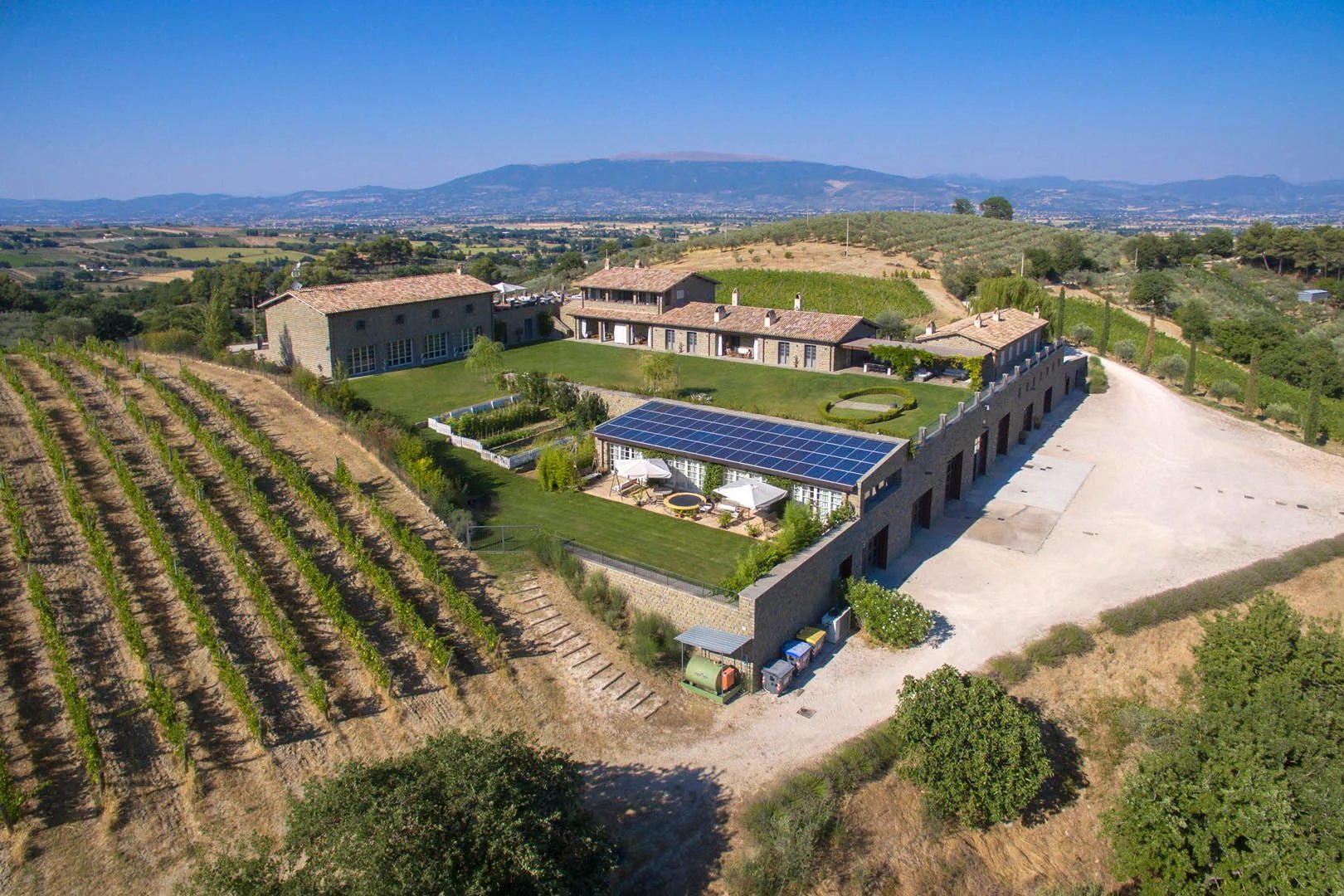
Own production and luxury hospitality
Estates with wine and oil have strong potential in the hospitality sector. Luxury farms, country houses, private resorts, and experiential residences can build a richer offering thanks to agricultural production. Tastings, winery visits, farm-to-table lunches, and tours through vineyards and olive groves become content capable of differentiating the property.
In the segment of farms and country houses for sale, own production can greatly impact the strength of the project. Guests are looking not only for a room or a villa with a pool but for an authentic experience: they want to understand the land, taste local products, and live the countryside directly and memorably.
This experiential dimension increases the perceived value of the property. A estate producing wine or oil has more stories to tell, more opportunities to host, and more tools to build a recognizable identity.
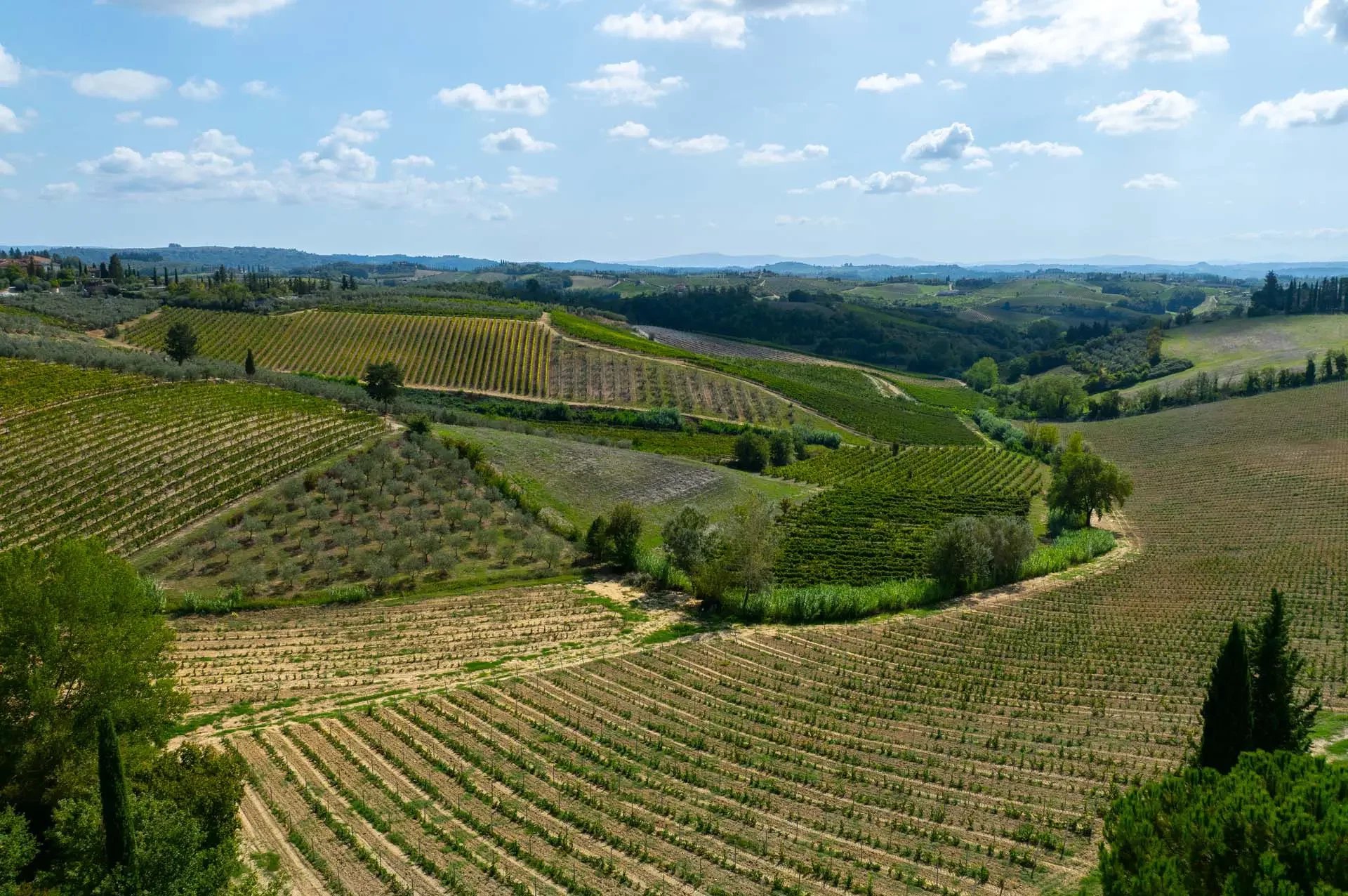
The case of large multifunctional estates
Some properties manage to combine agricultural production, hospitality, sports, wellness, and landscape in a single project. Tenuta Costantino, in Maremma Tuscany, is an example of a multifunctional estate where vineyard, olive grove, resort, sports facilities, private lake, and heliport help create a true destination.
In these cases, wine and oil are not just a production component but contribute to the overall narrative of the estate. The stay becomes an experience, the landscape becomes content, and agricultural production becomes part of the lifestyle. It is a particularly interesting formula for those looking for a property capable of generating value on multiple levels: residential, hospitality, agricultural, and branding.
Territory, authenticity, and value over time
The real strength of estates with own production is the ability to tell the land credibly. A vineyard in Tuscany, an olive grove in Umbria, a winery in Irpinia, or an agricultural estate in Maremma all communicate an identity that cannot be artificially replicated. The value stems from the connection between place, crop, landscape, and history.
Therefore, before purchasing, it is essential to evaluate not only the beauty of the buildings but also the quality of the land, the state of crops, water availability, production structures, permits, agricultural management, and commercial potential. Own production can become a significant added value but requires vision, expertise, and continuity.
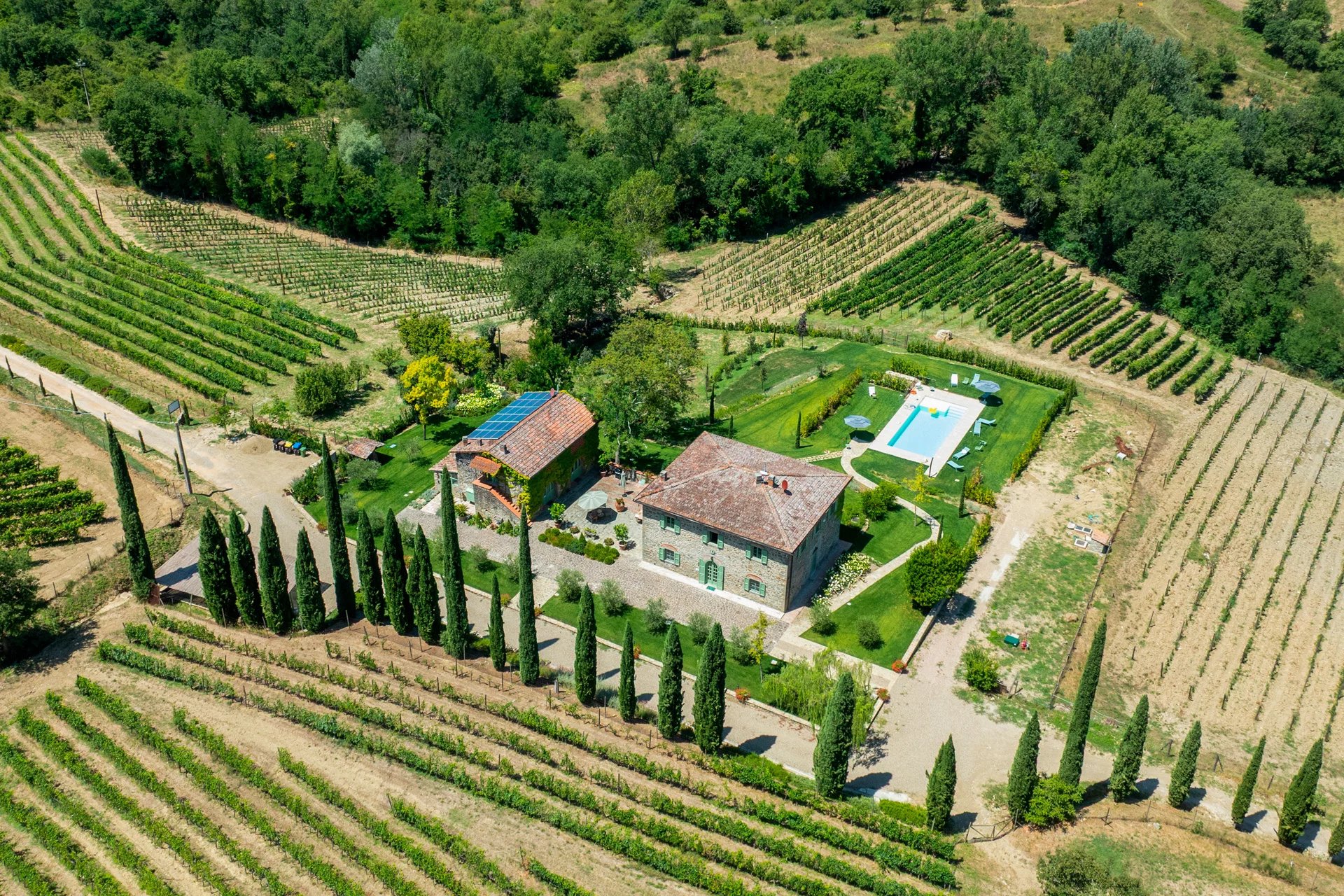
A property that produces experience
Estates with own production offer something rare: the possibility of living a property not only as a residence but as a story. Wine and oil transform the countryside into a concrete experience, make the landscape more readable, and give the residence a deeper identity.
In an increasingly authentic-oriented real estate market, a estate capable of producing and telling its own land becomes particularly desirable. It is not just a house immersed in nature but a place to live, host, cultivate, and pass on value over time.


Copyright © Romolini

