 Our Family


 Italiano
 Deutsch











 GALLERY
  brochure


 Contact
Danilo Romolini
 +39 0575 788948

SEA VIEW CASTLE TO BE RESTORED FOR SALE IN EMILIA-ROMAGNA






 Back to list


Ref. 2294 Castello dei Monaci
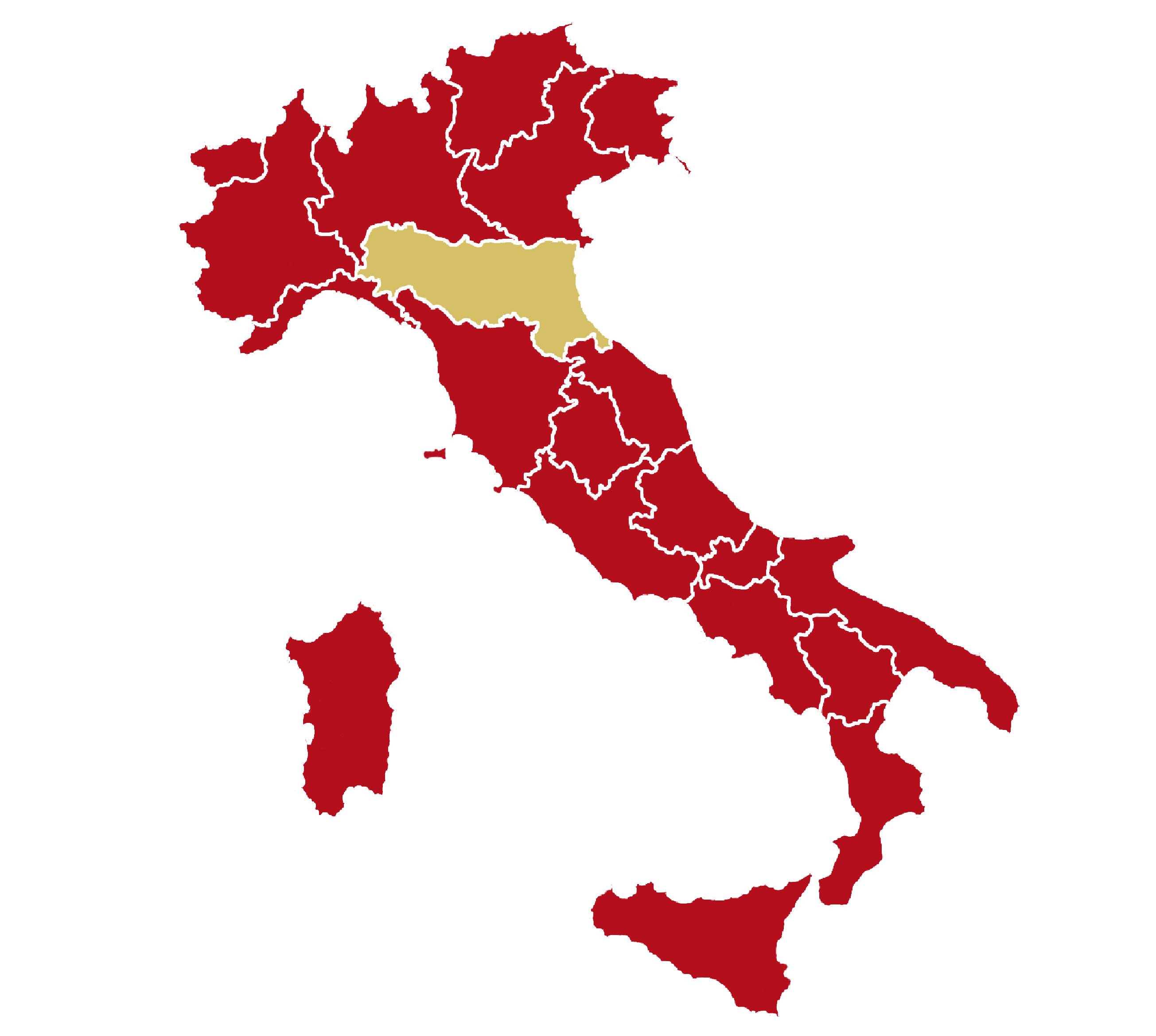
Emilia-Romagna - Forlì-Cesena - Cesena
Asking price:
€ 1,000,000
Currency:

 Share
Share
 PROPERTY ALERT
 INTERIORS: 1,800 sqm (19,375 sqft)
 Bedrooms: 25
 Bathrooms: 28
 Condition : Requires renovation
 Internet: Yes
 Heating:
Without
Heating:
Without
 Well: Yes
 Artesian well: Yes
 EXTERIORS: 1.30 ha (3.21 ac)
Bedrooms: 25
Bathrooms: 28
Condition : Requires renovation
Internet: Yes
Heating:
Without
Well: Yes
Artesian well: Yes
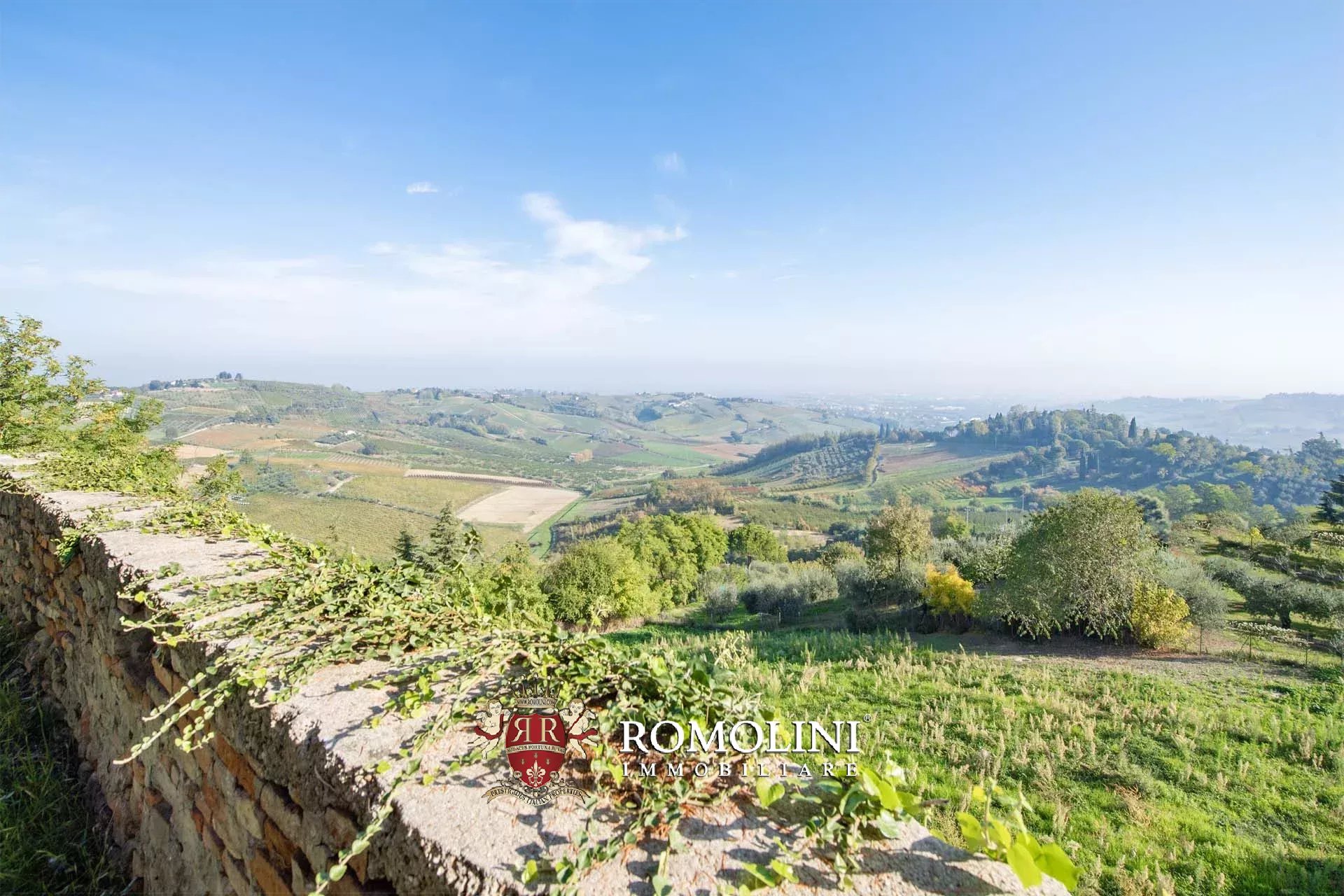
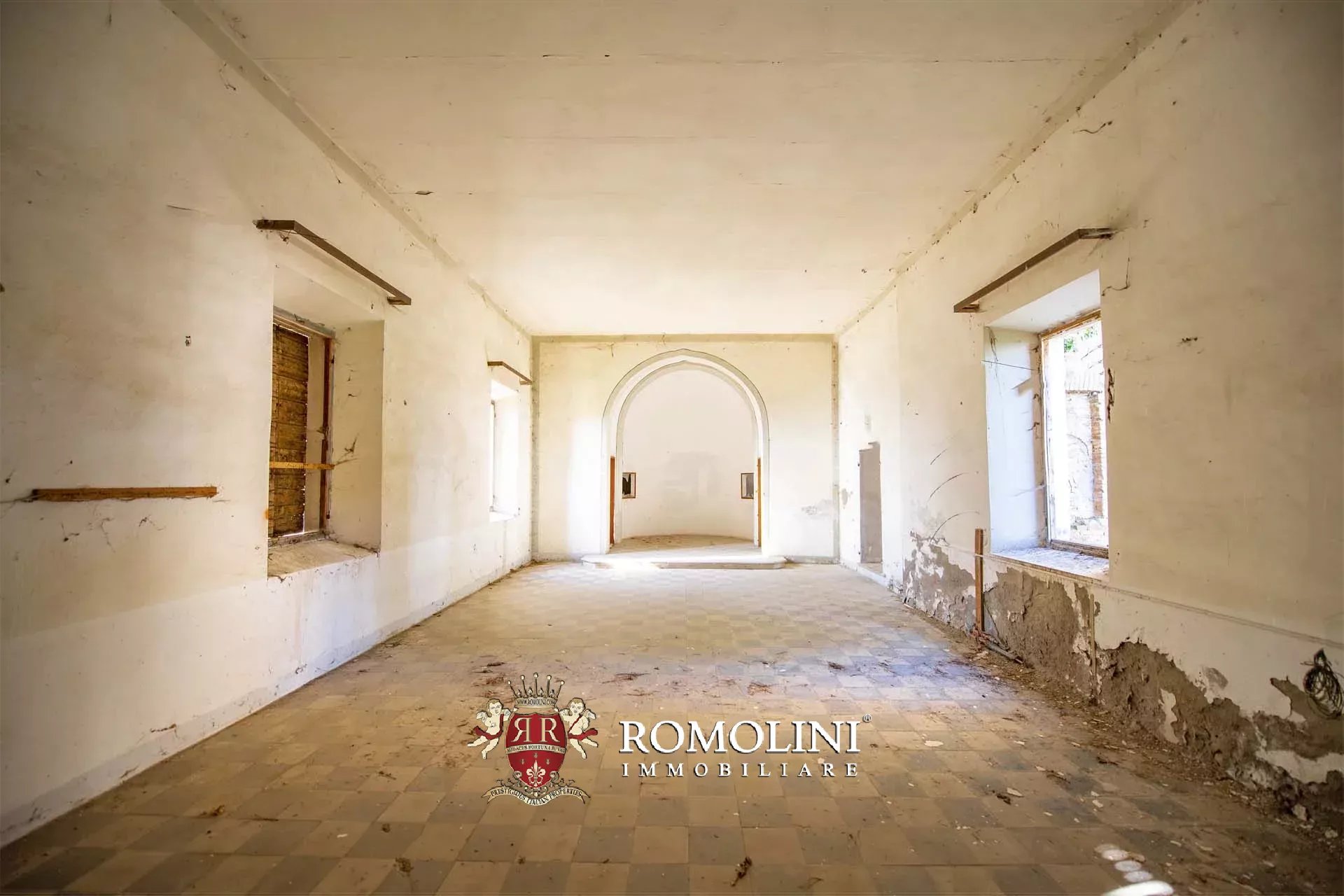
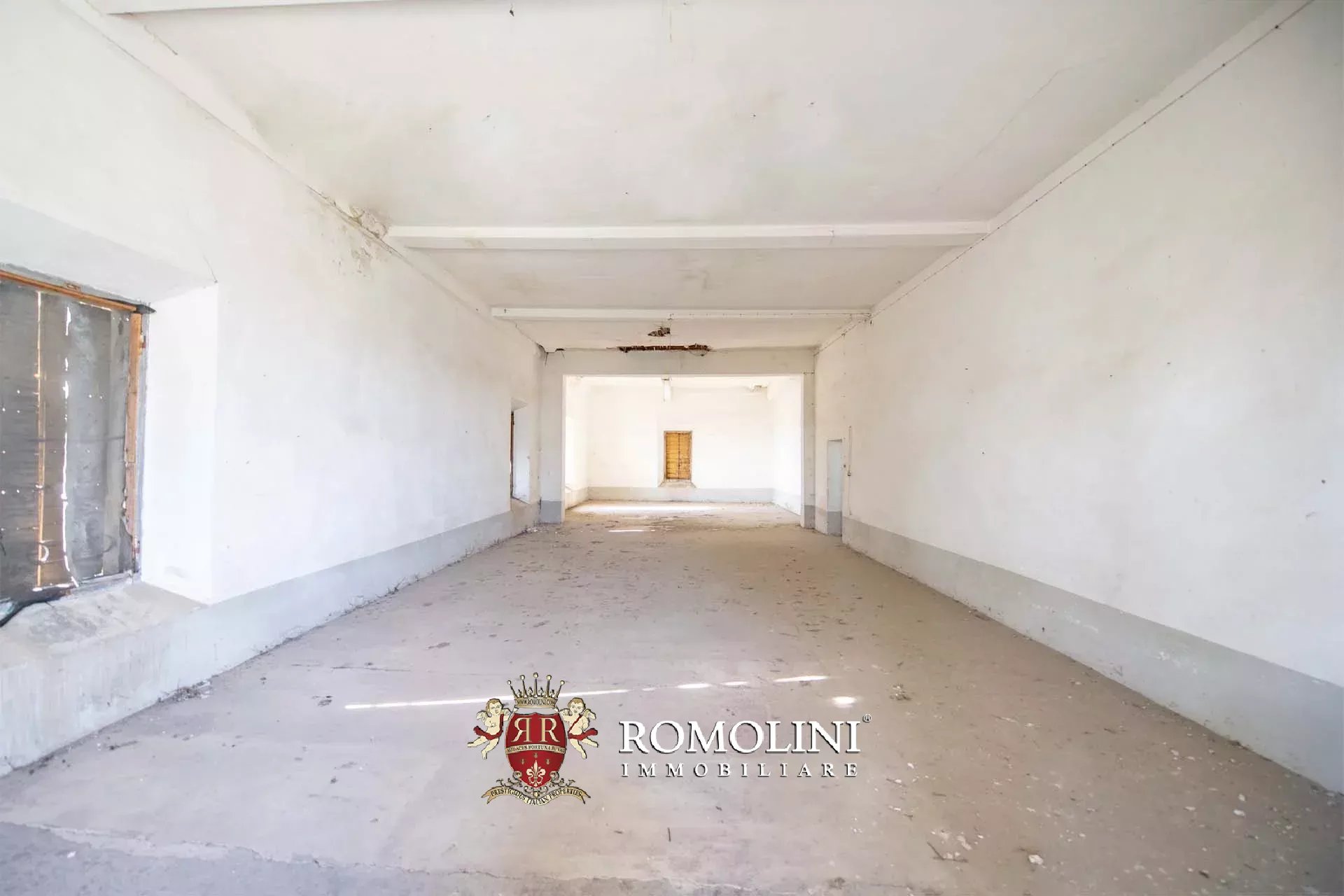
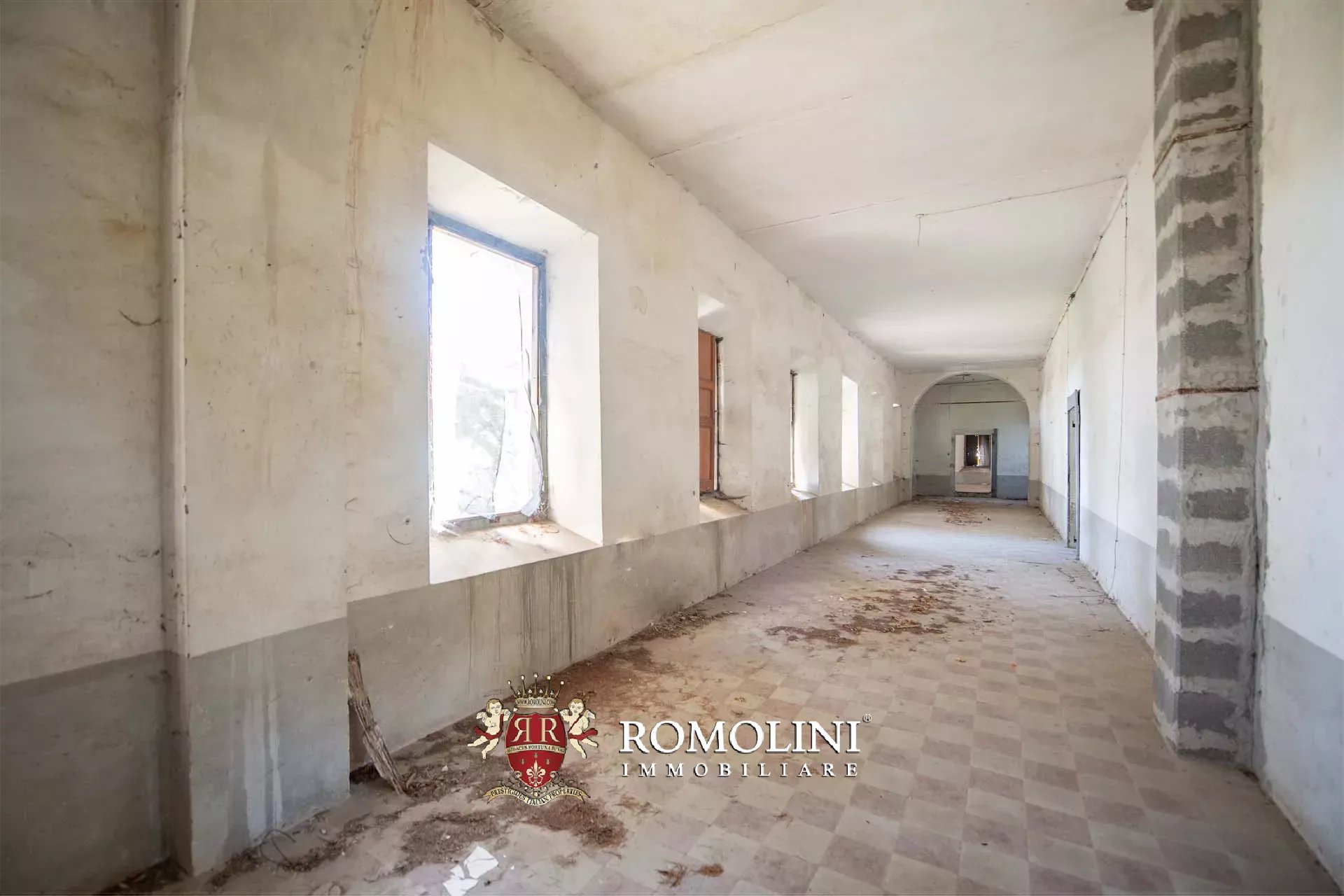
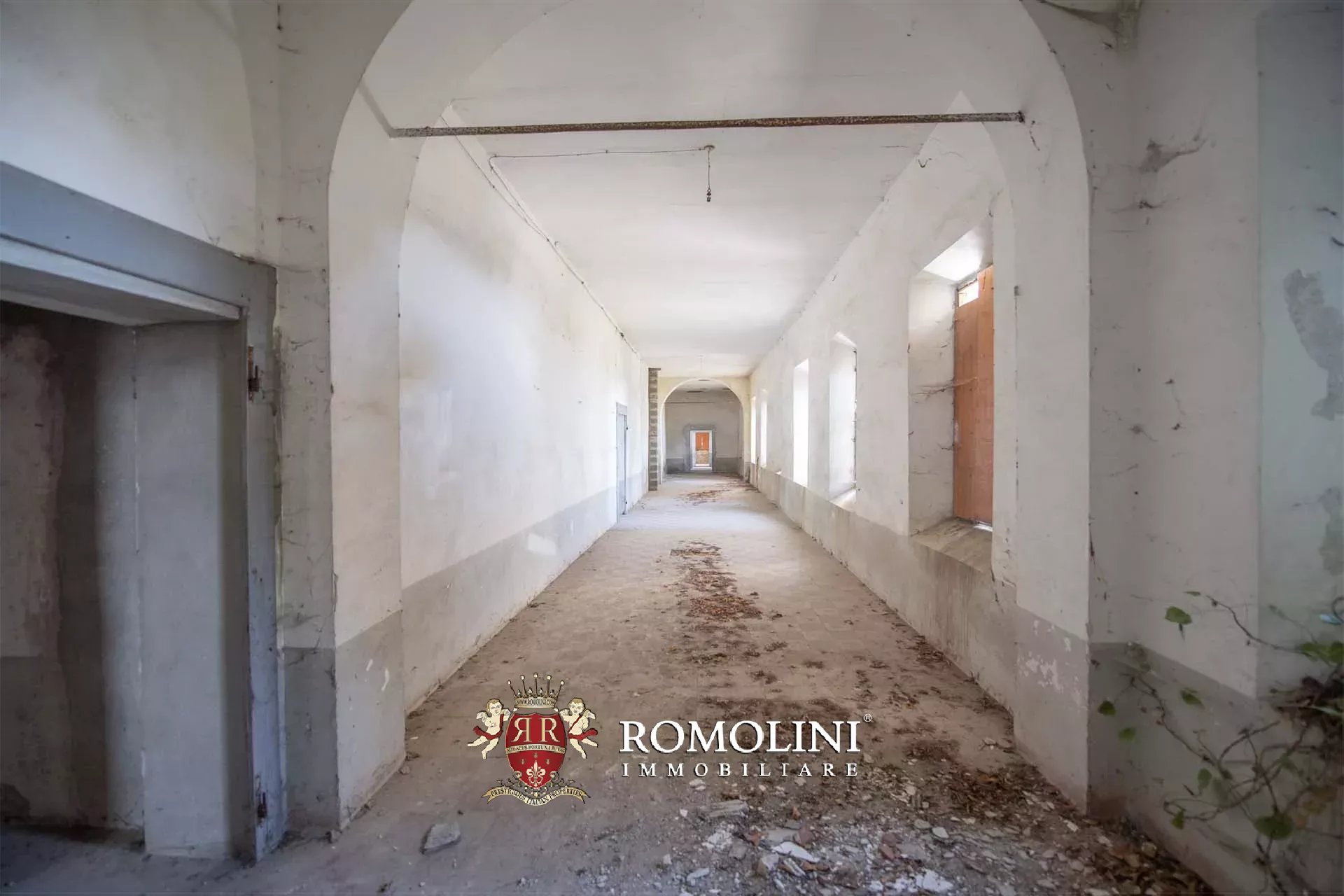
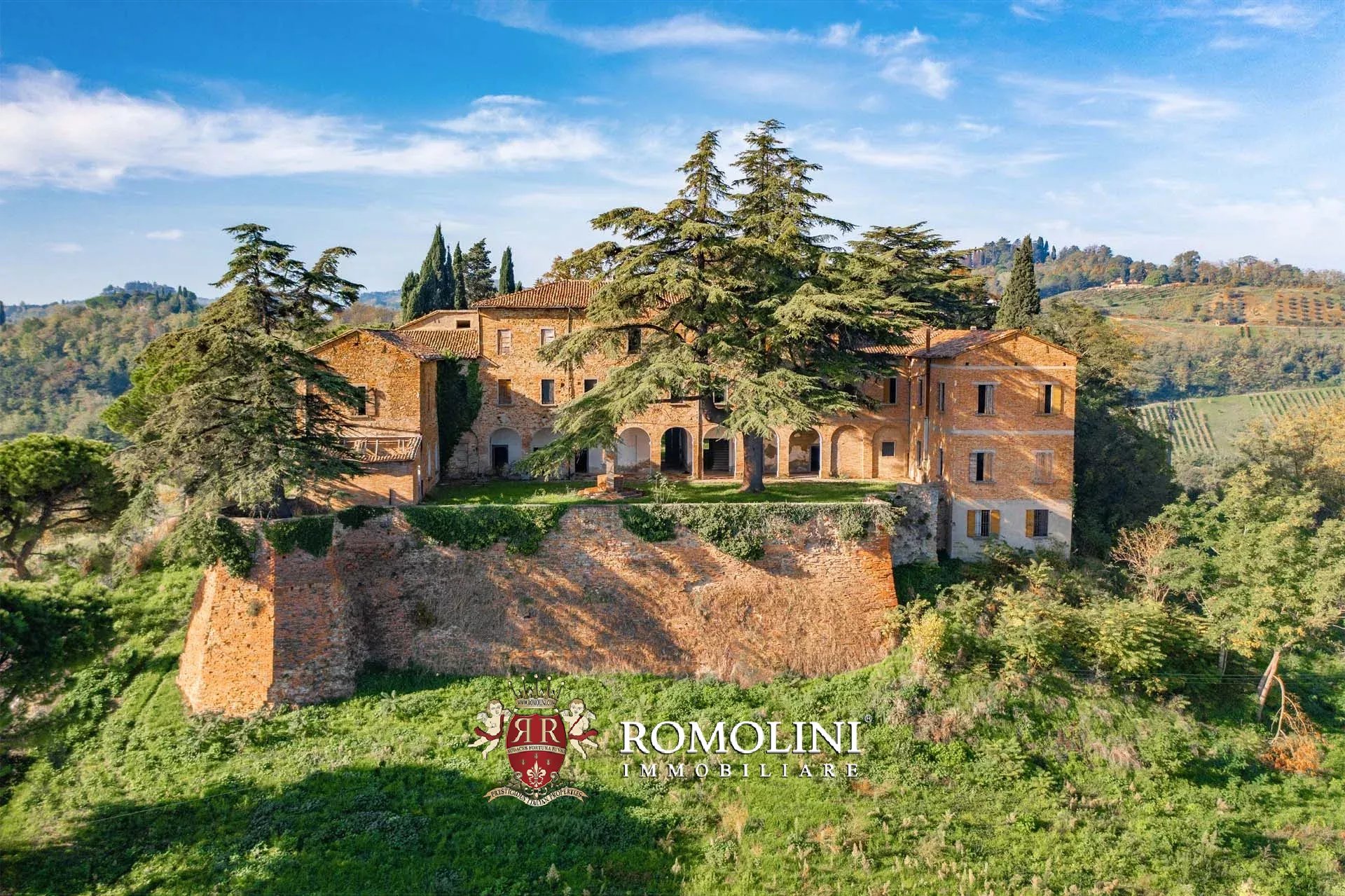
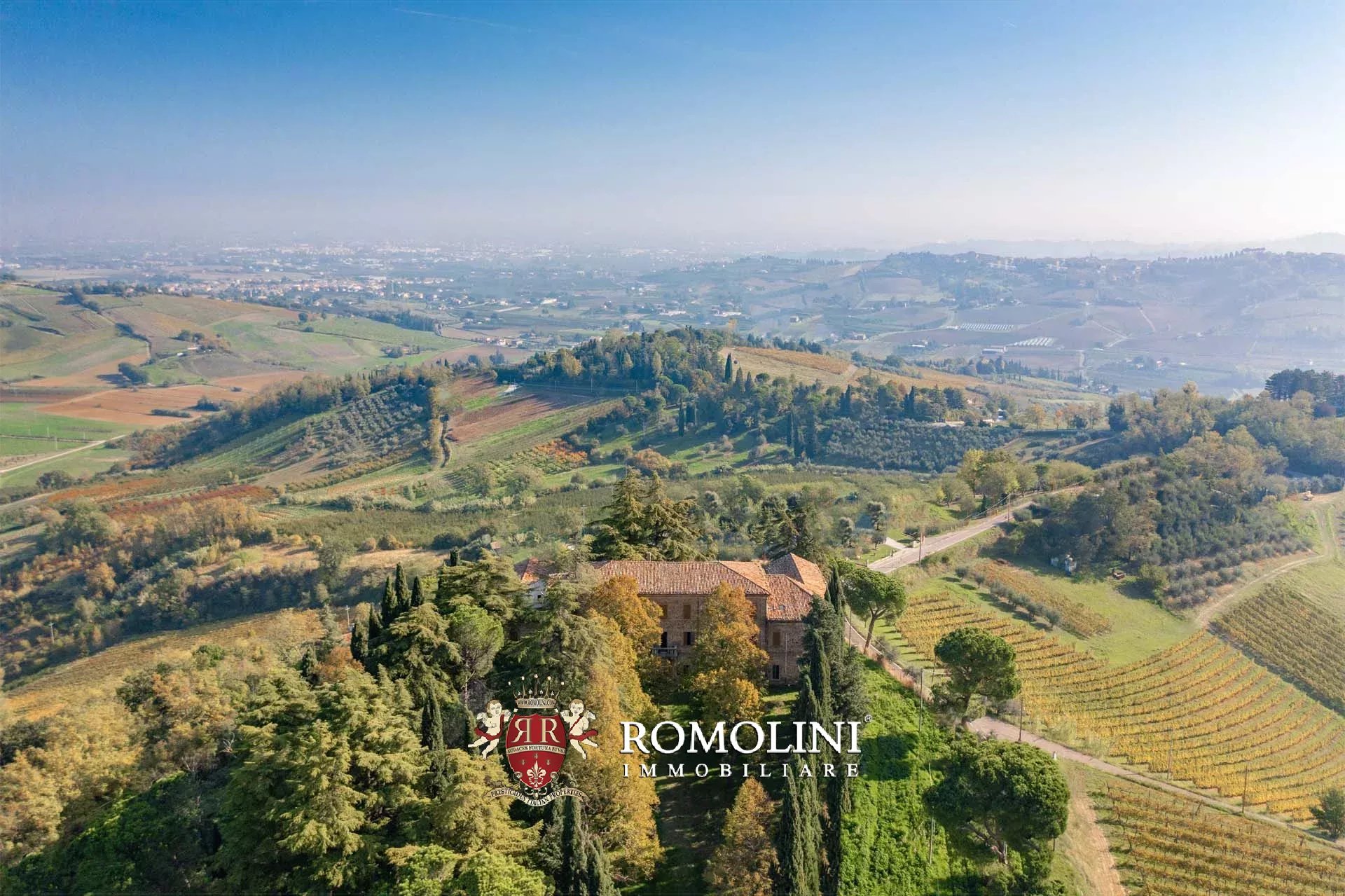
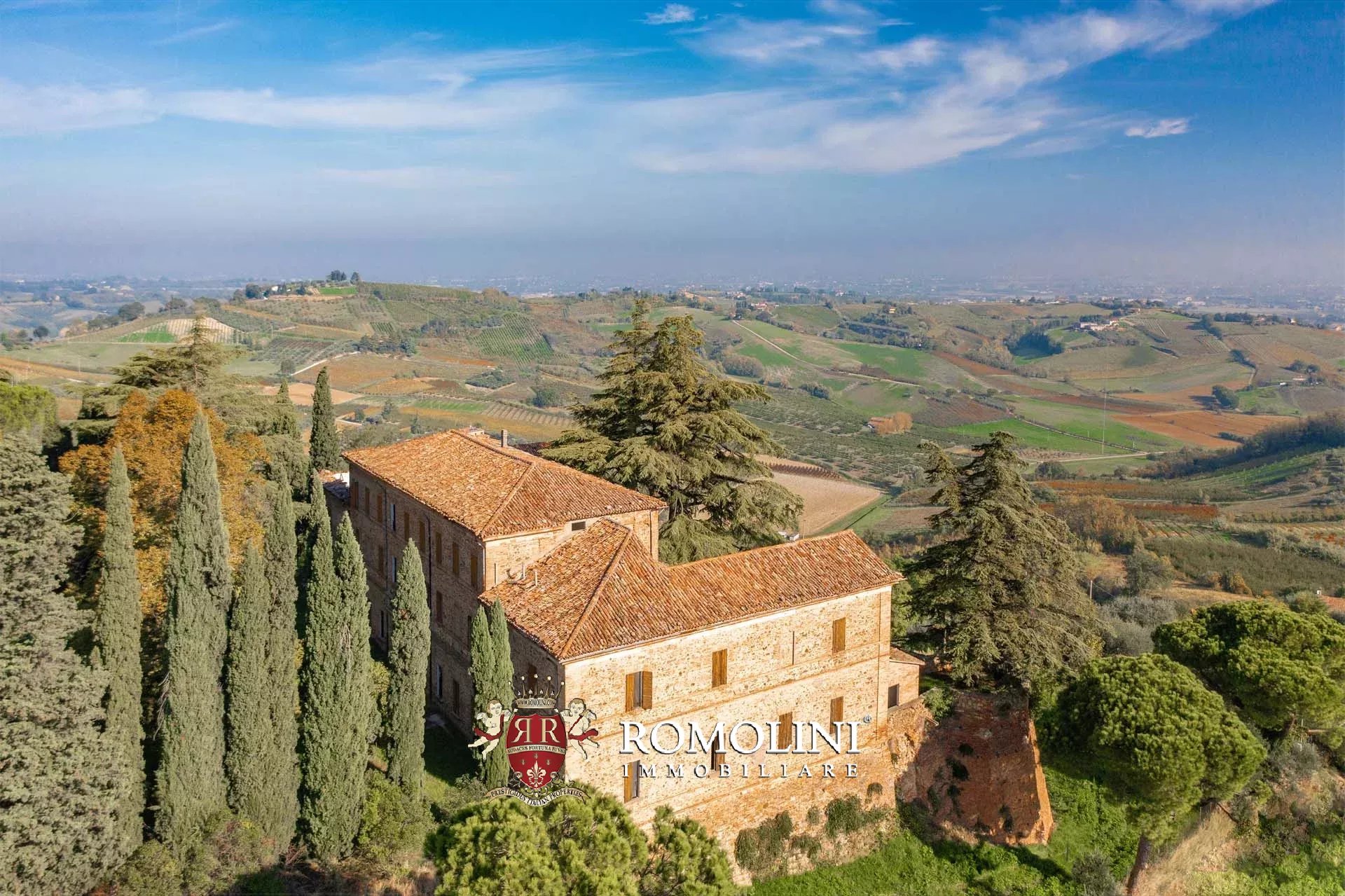
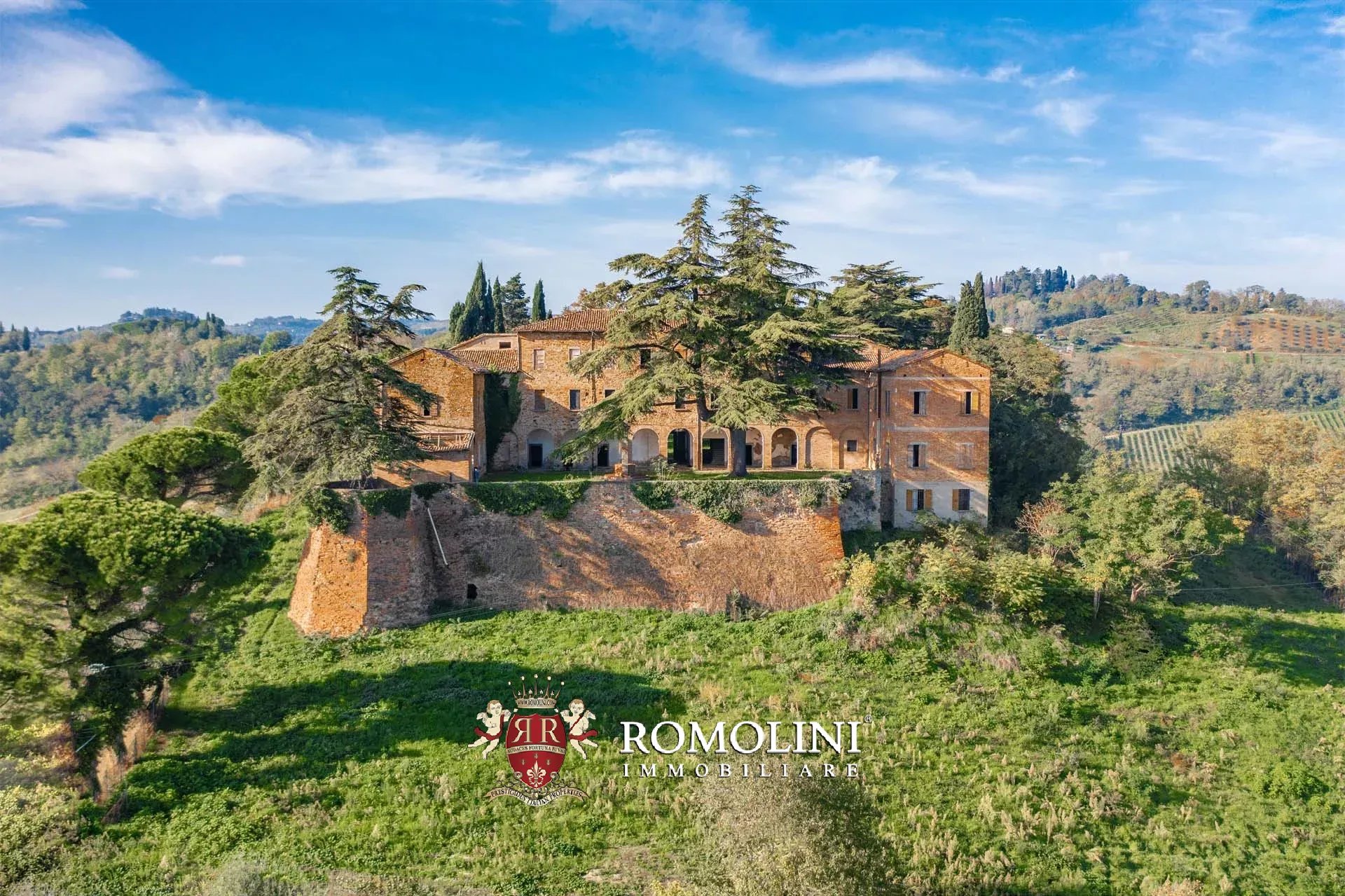
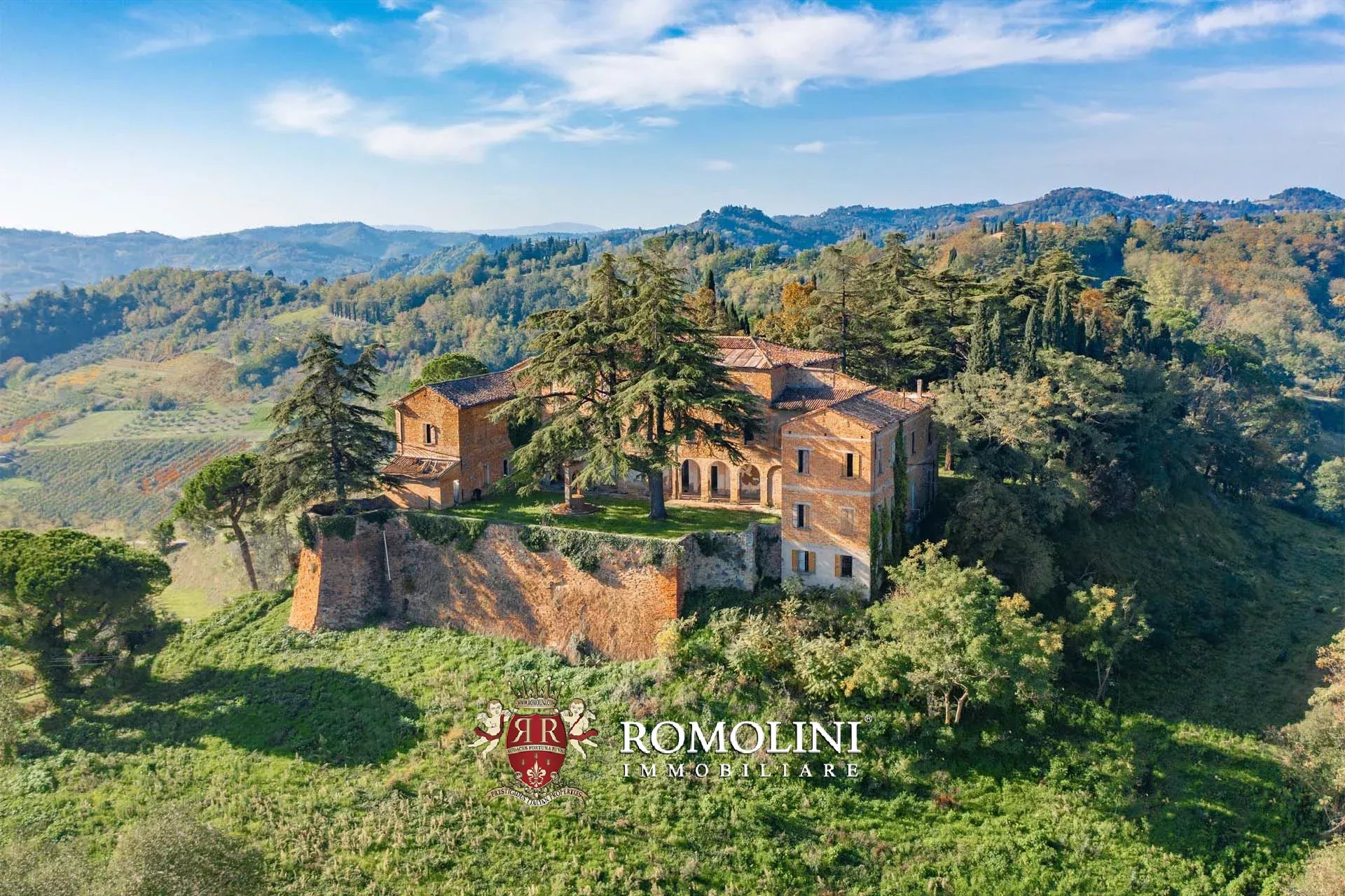
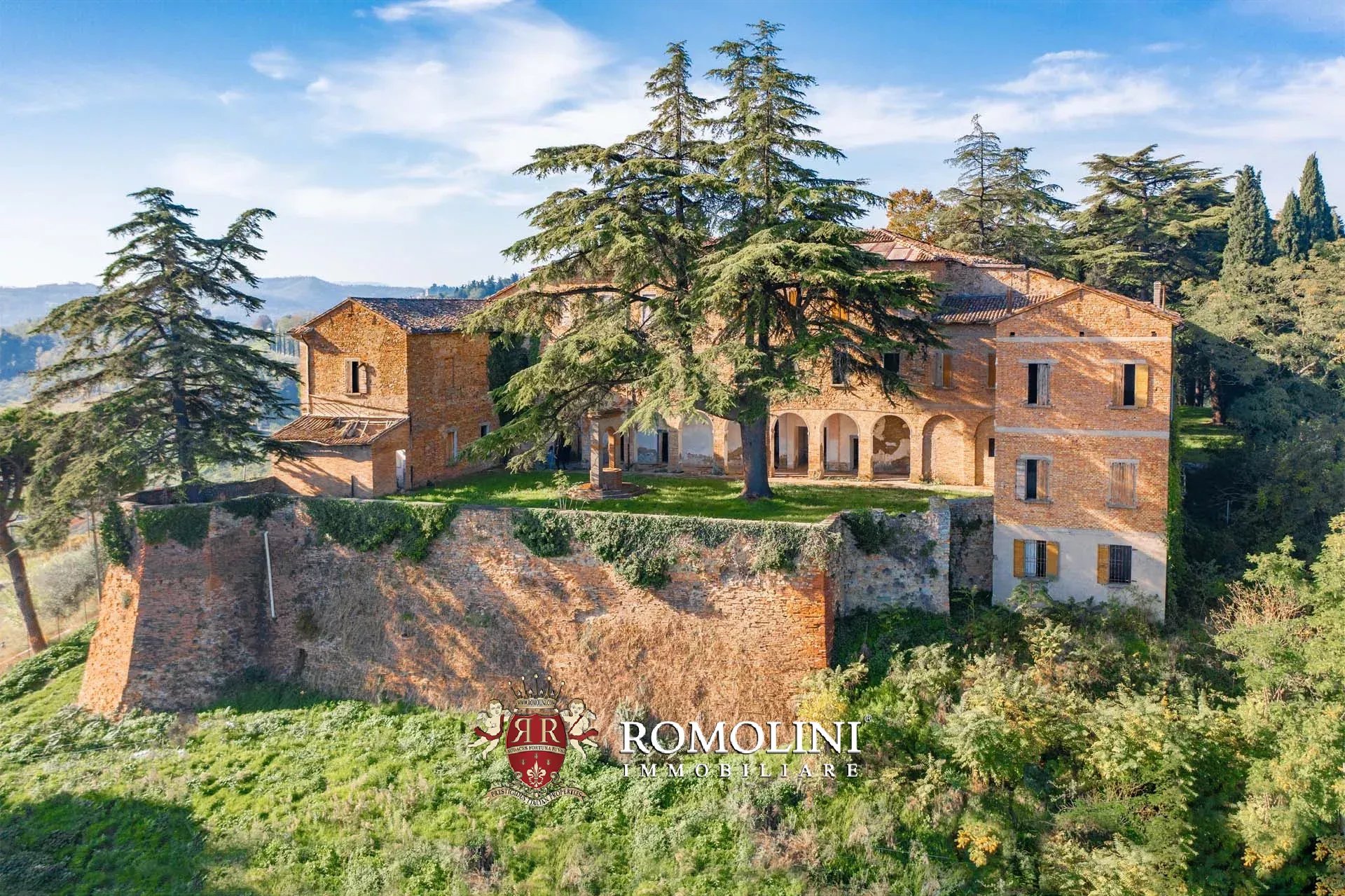
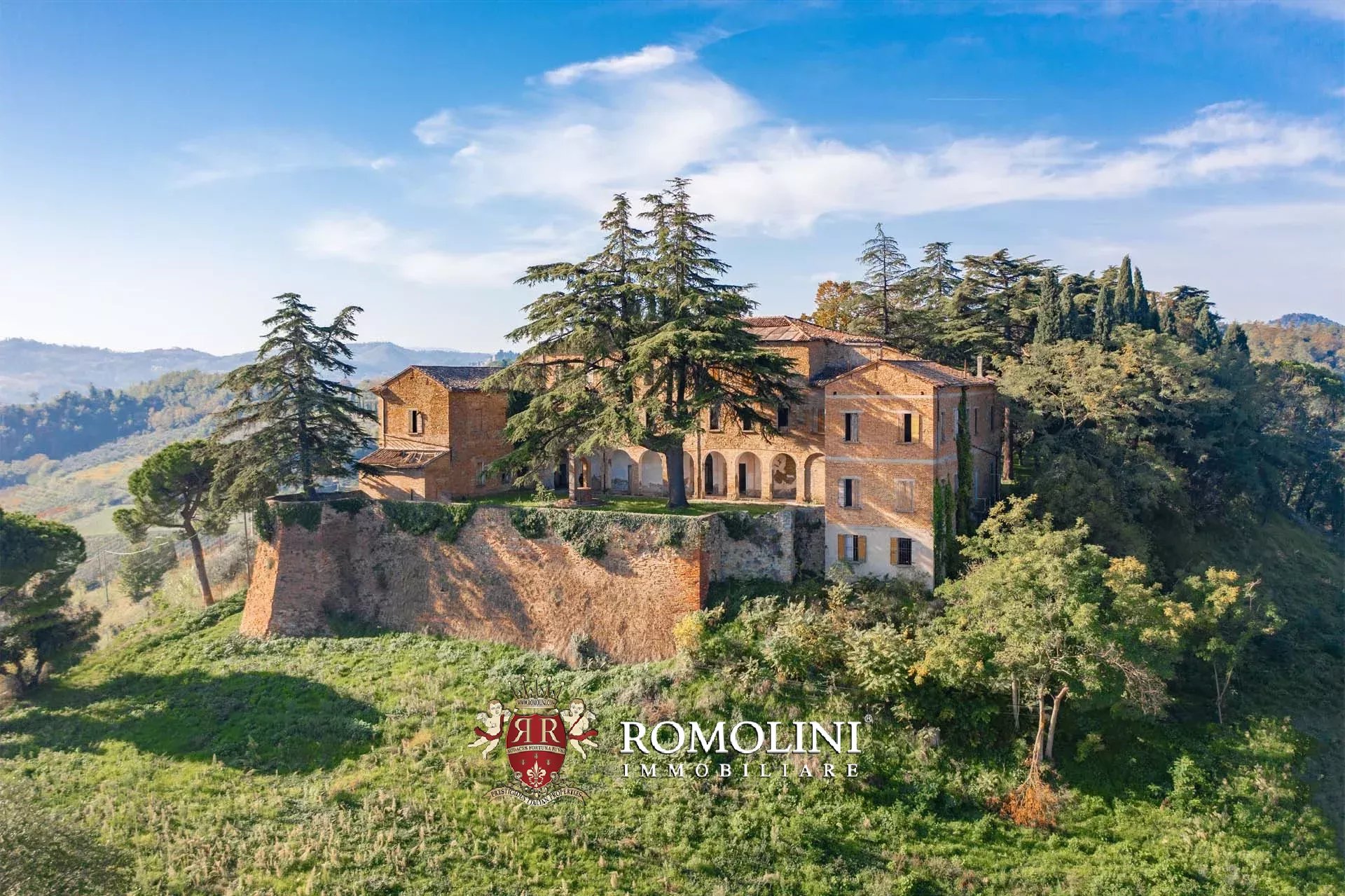
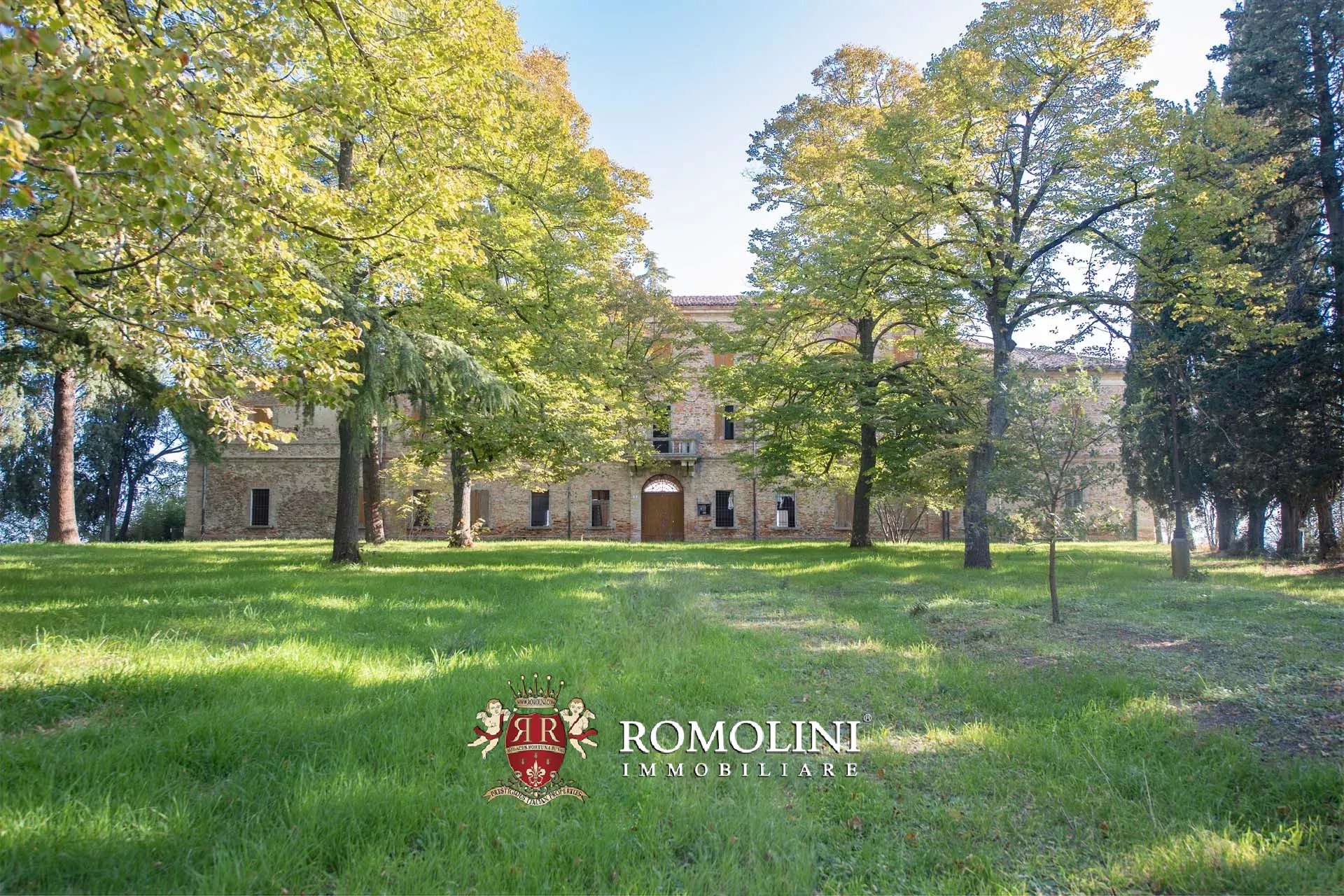
This 13th-century castle is located in the hills of Cesena, halfway between the Apennines and the Adriatic Sea, in an extremely panoramic and convenient location. The imposing building (1,800 m²) is not currently in use and is in need of complete restoration: a renovation project had been approved to convert the castle into a 25-key boutique hotel. The 13,812-m² grounds host a scenic lookout (perfect setting for events) and a wooded park surrounding the entire castle.
The nearby town (4km; 5') offers all basic services, and the city of Cesena is still about a fifteen-minute drive from the castle. The Adriatic Coast and its best-known centers (Cesenatico, Cervia, Rimini...) is not far away and easily reached by car.
Emilia-Romagna - Forlì-Cesena - Cesena
Emilia-Romagna, located in northern Italy, is a diverse and vibrant region known for its rich cultural heritage, picturesque landscapes, renowned wines, and inviting coastline. Stretching from the Apennine Mountains to the Adriatic Sea, it offers a dynamic mix of history, nature, and culinary excellence. From its fertile plains to its sun-soaked beaches, Emilia-Romagna is a land of abundance and beauty.
The region’s eastern coastline, the Riviera Romagnola, is one of Italy’s most popular seaside destinations, offering a long stretch of sandy beaches along the Adriatic Sea. Towns like Rimini and Cesenatico boast lively beach resorts, making them perfect for families, sunbathers, and water sports enthusiasts. Rimini, with its wide, golden beaches and vibrant nightlife, is a favorite summer destination, offering a mix of relaxation and fun. In contrast, Cesenatico offers a more traditional coastal experience with its charming canal harbor designed by Leonardo da Vinci, where fishing boats and seafood restaurants line the waterfront.
Further up the coast, the Po Delta offers a different kind of seaside experience, with vast wetlands and a rich ecosystem perfect for nature lovers and birdwatchers. The Comacchio lagoons, known as the "Little Venice," are a maze of canals and marshes that provide a peaceful retreat and a glimpse into the region's historical relationship with the sea.
Inland, Emilia-Romagna is home to some of Italy’s finest vineyards, producing renowned wines that reflect the region’s diverse geography. The Colli Bolognesi and Colli di Parma hills are known for their elegant reds and crisp whites, but it is Lambrusco, the region’s signature sparkling red wine, that truly stands out. Produced mainly around Modena and Reggio Emilia, Lambrusco is a vibrant, fruity wine that pairs perfectly with the region’s rich cuisine. Wine lovers can explore these vineyards, tour historic cellars, and taste the wines that have been produced here for centuries. Other notable wines from the region include Sangiovese di Romagna, known for its bold character, and Albana di Romagna, a crisp white with floral notes.
Emilia-Romagna’s cities are as rich in history and culture as its wines. Bologna, the region’s capital, is famous for its medieval towers, porticoes, and vibrant cultural scene. The city’s historical and architectural beauty is matched by its reputation as a food capital, where visitors can sample local wines alongside some of Italy’s best-known culinary traditions. Modena and Parma are also world-famous for their contributions to Italian gastronomy and winemaking, with Modena being the birthplace of traditional balsamic vinegar and Parma renowned for its cheese and ham.
The Apennine Mountains form the region's backbone, offering a stunning natural contrast to the flat plains of the Po Valley and the coastal areas. These mountains provide hiking trails and outdoor activities, with sweeping views of vineyards, medieval villages, and olive groves. In the foothills, visitors can explore historic towns like Brisighella and Dozza, known for their well-preserved architecture and wine festivals.
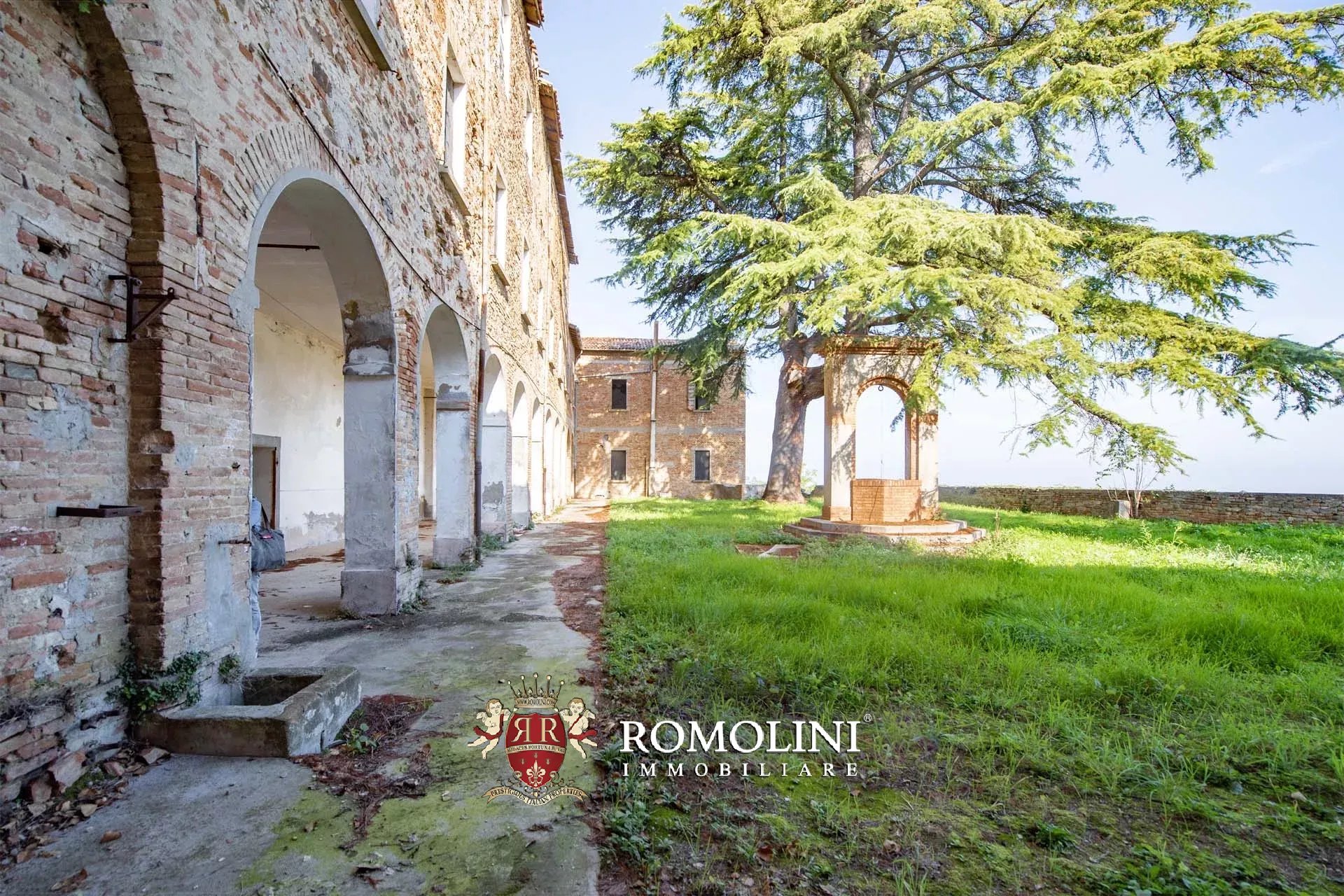
The castle (1,800 m² – 19,368 ft²) is first documented in 1216, when it was conquered by one Umbertino Deusdei. From here ownership passed first to the Malatesta family and then to the Comune of Cesena (as evidenced by a papal bull from 1465). Disputed for years between the Comune and the Papal States, the building passed to the local diocese at the end of the 15th century. In 1560 the entire complex was demolished and replaced by a majestic bishop's villa (epigraph dated 1684). The building's current appearance dates back to 1860 (excluding the north wing, built after World War II), and in the early 20th century it was used as a summer residence for seminarians.
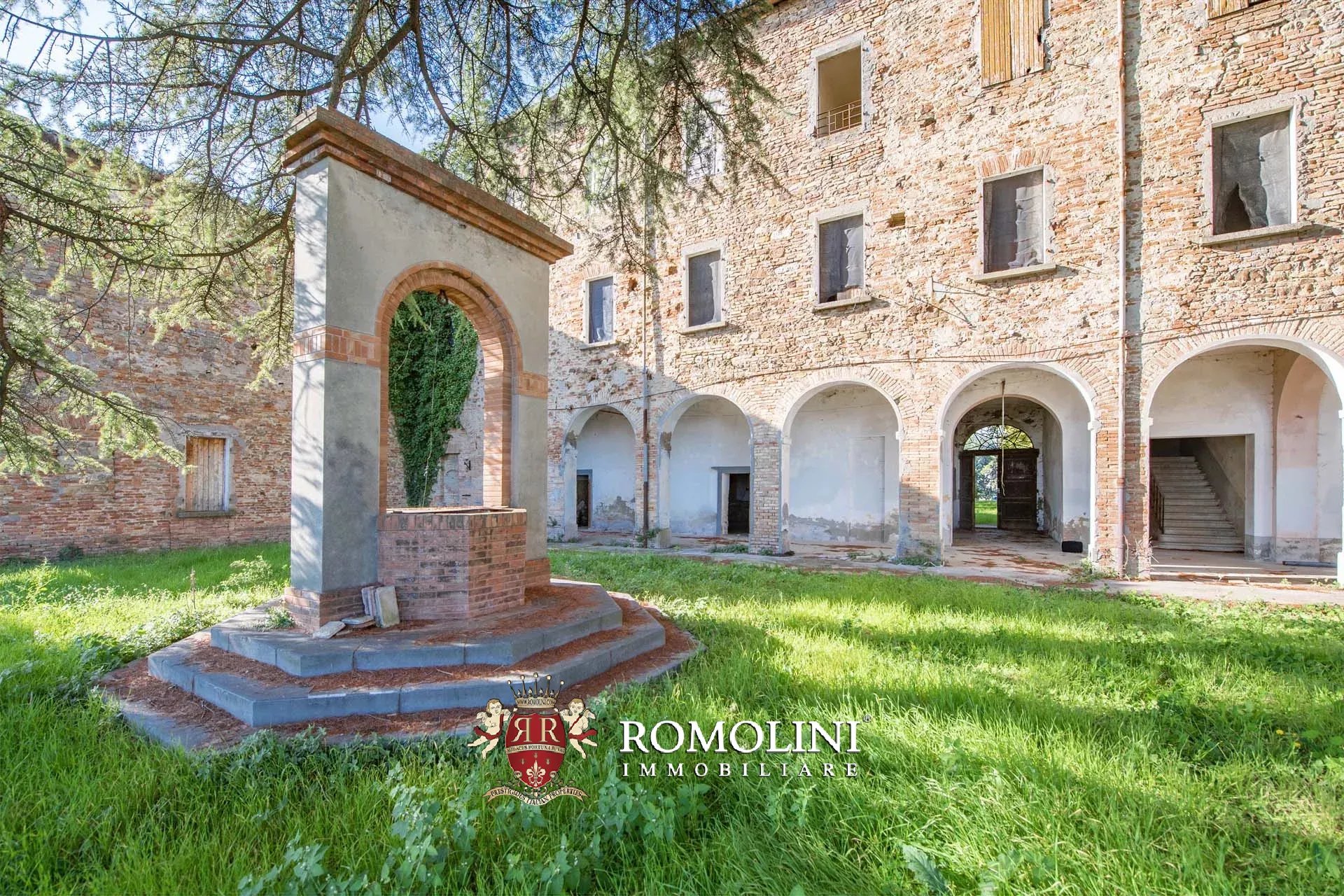
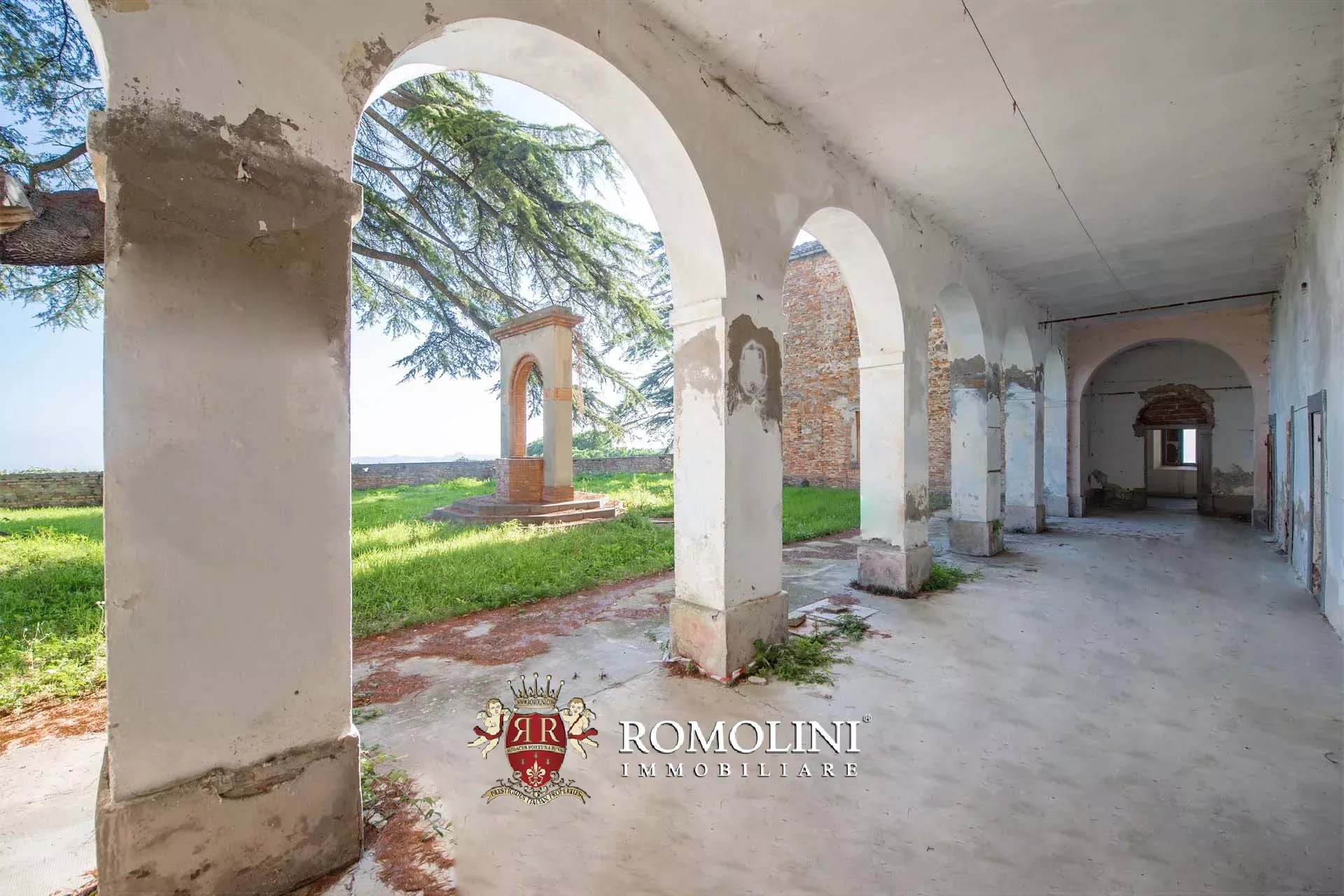
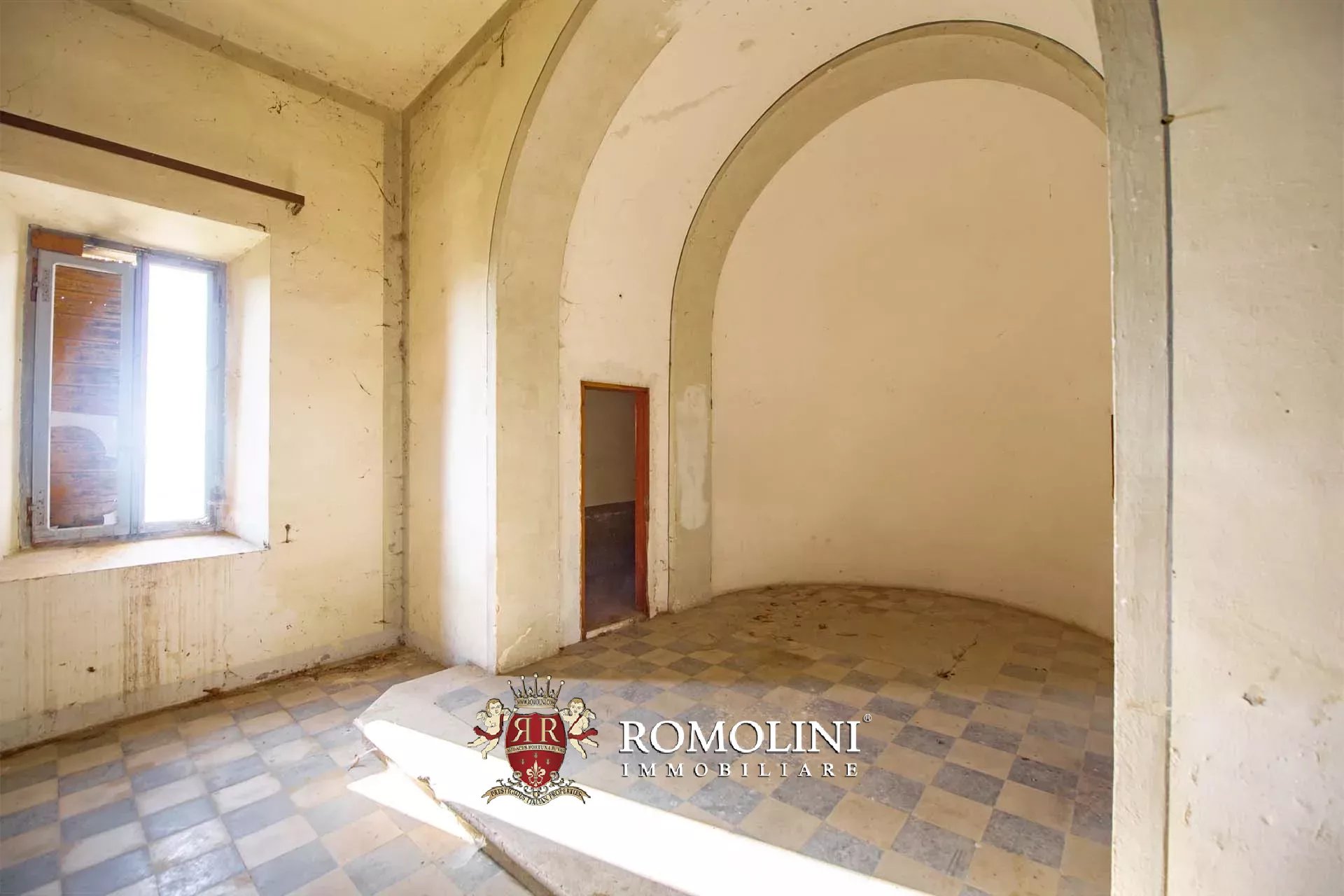
In disuse for several years now, the building is in need of major renovation in order to be used. Restoration plans have been advanced over time (a very detailed one in 2006) that envisioned converting the building into an exclusive boutique hotel.
The ground floor would house the hotel reception, a restaurant with professional kitchen (connected to storage rooms, pantries and dressing rooms in the basement), guest bathrooms, four handicapped-accessible bedrooms with private bathrooms, and a studio apartment. Going up to the upper floors (by staircase or elevator to be built), one would then have access to the hotel itself consisting of three spacious apartments (living room with kitchen, bedroom and bathroom), five studio apartments, and twelve cozy bedrooms with private bathroom and loft.
The building is under protection by the Superintendence of Archaeology, Fine Arts and Landscape, but a conservative restoration would allow the building's distinctive features to remain intact while still ensuring sufficient freedom for the new use.
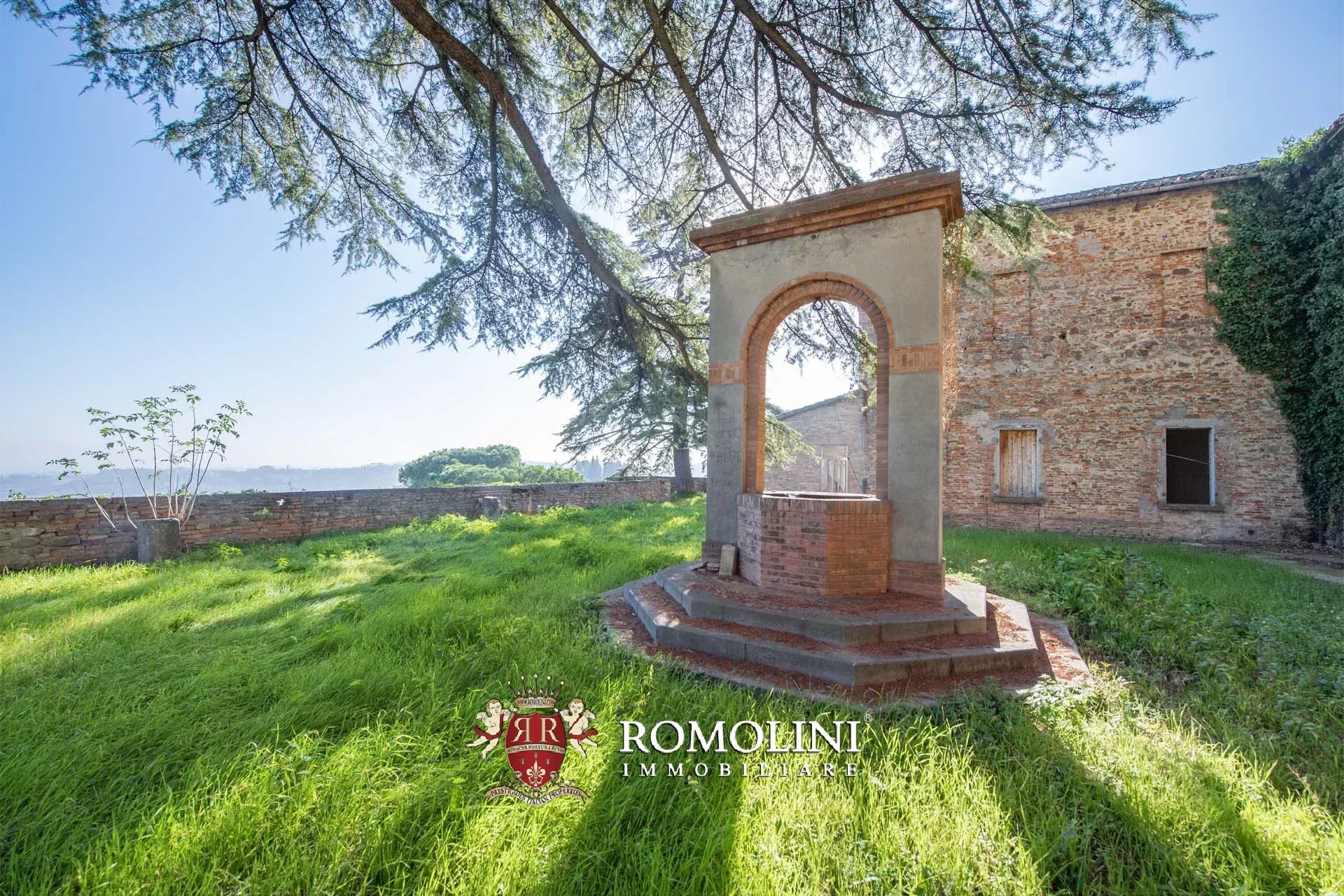
On the northeastern side of the castle, between the two avant-corps and beyond the portico, is a beautiful terraced belvedere overlooking the valley below. On particularly clear days, the Adriatic Sea is visible on the horizon. At the center of the terrace are an original well and several trees that provide shade and shelter from the hot summer sun.
In total, the castle is surrounded by 13,812 m² (3.4 ac) of land: in addition to the belvedere on the northeast side of the castle, the property has a park with mature trees, and part of the area could be used for the creation of a convenient parking lot for guests.
Town with services (4km; 5’), Cesena (10km; 15’), Savignano sul Rubicone (13km; 20’), Cesenatico (21km; 30’), Rimini (36km; 45’), Repubblica di San Marino (38km; 1h), Forlì (39km; 40’), Ravenna (47km; 45’), Faenza (55km; 45’), Pesaro (67km; 1h), Imola (69km; 55’), Urbino (90km; 1h 25’), Bologna (100km; 1h 15’), Ancona (145km; 1h 40’), Florence (212km; 2h 35’)
Forlì L. Ridolfi (32km; 35'), Rimini F. Fellini (38km; 40’), Bologna G. Marconi (105km; 1h 10’), Ancona R. Sanzio (121km; 1h 20’), Firenze A. Vespucci (200km; 2h 10’), Verona V. Catullo (241km; 2h 30’), Venezia M. Polo (254km; 2h 35’)








Contact us to receive more information and/or schedule a visit
Ref. 2294 Castello dei Monaci
€ 1,000,000
Danilo Romolini
Sales Manager
6 years with Romolini
Leave us your request and you will be contacted within the next 24 hours.


Copyright © Romolini

 Brochure pdf
 Contact us
 Contact


