 Our Family


 Italiano
 Deutsch










































































 GALLERY


 Contact
Riccardo Romolini
 +39 0575 788948

FORMER FRANCISCAN CONVENT MONASTERY, STUNNING VILLA FOR SALE IN ITALY






 Back to list


Ref. 1401 Convento Umbria
Asking price:
€ 2,800,000
Currency:

 Share
Share
 PROPERTY ALERT
 INTERIORS: 914 sqm (9,838 sqft)
 Bedrooms: 18
 Bathrooms: 15
 Condition : Good condition
 Internet: Yes
 Heating:
Radiator
Heating:
Radiator
 EXTERIORS: 9.00 ha (22.23 ac)
 Pool: Yes
Bedrooms: 18
Bathrooms: 15
Condition : Good condition
Internet: Yes
Heating:
Radiator
Pool: Yes
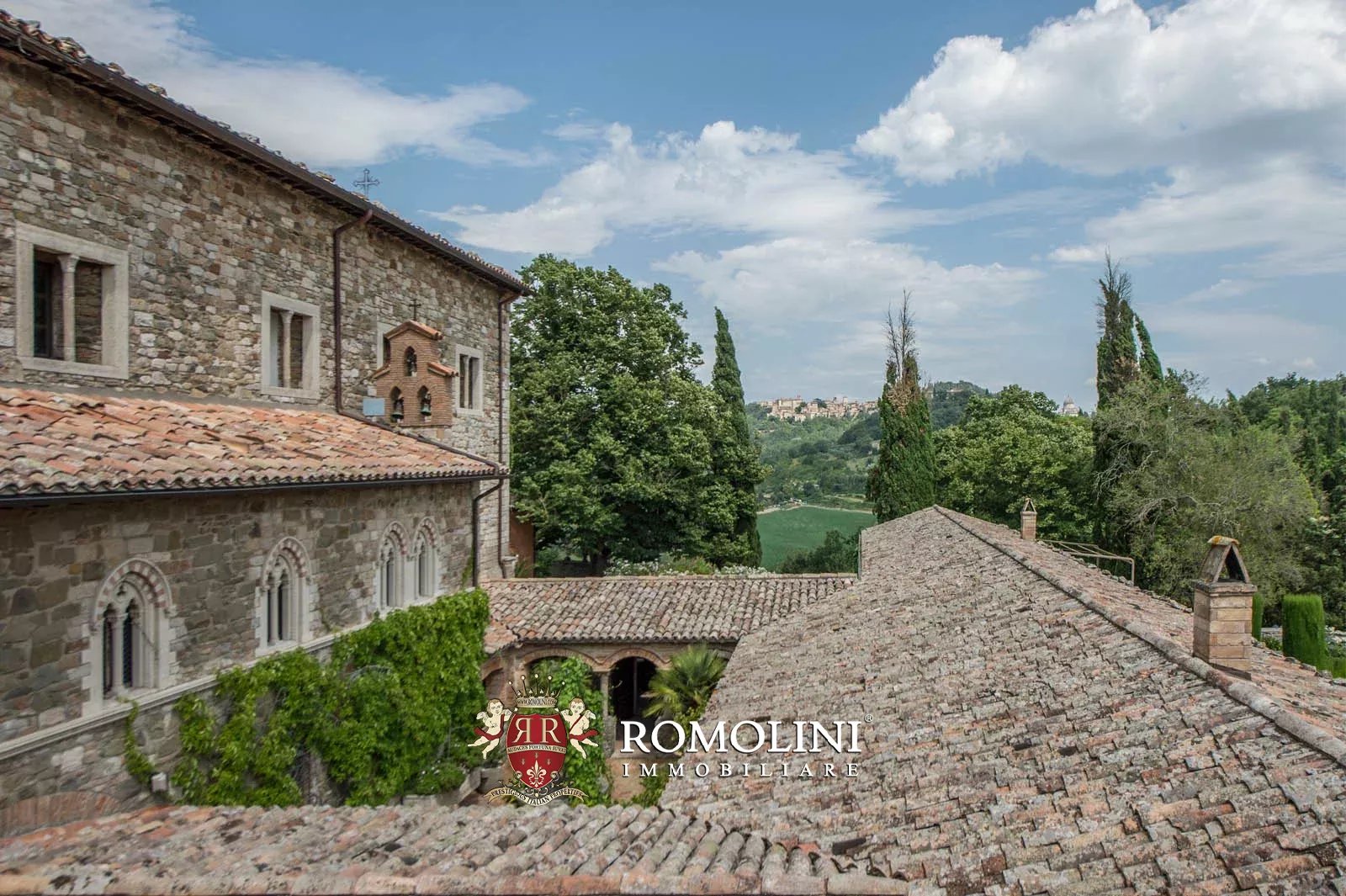
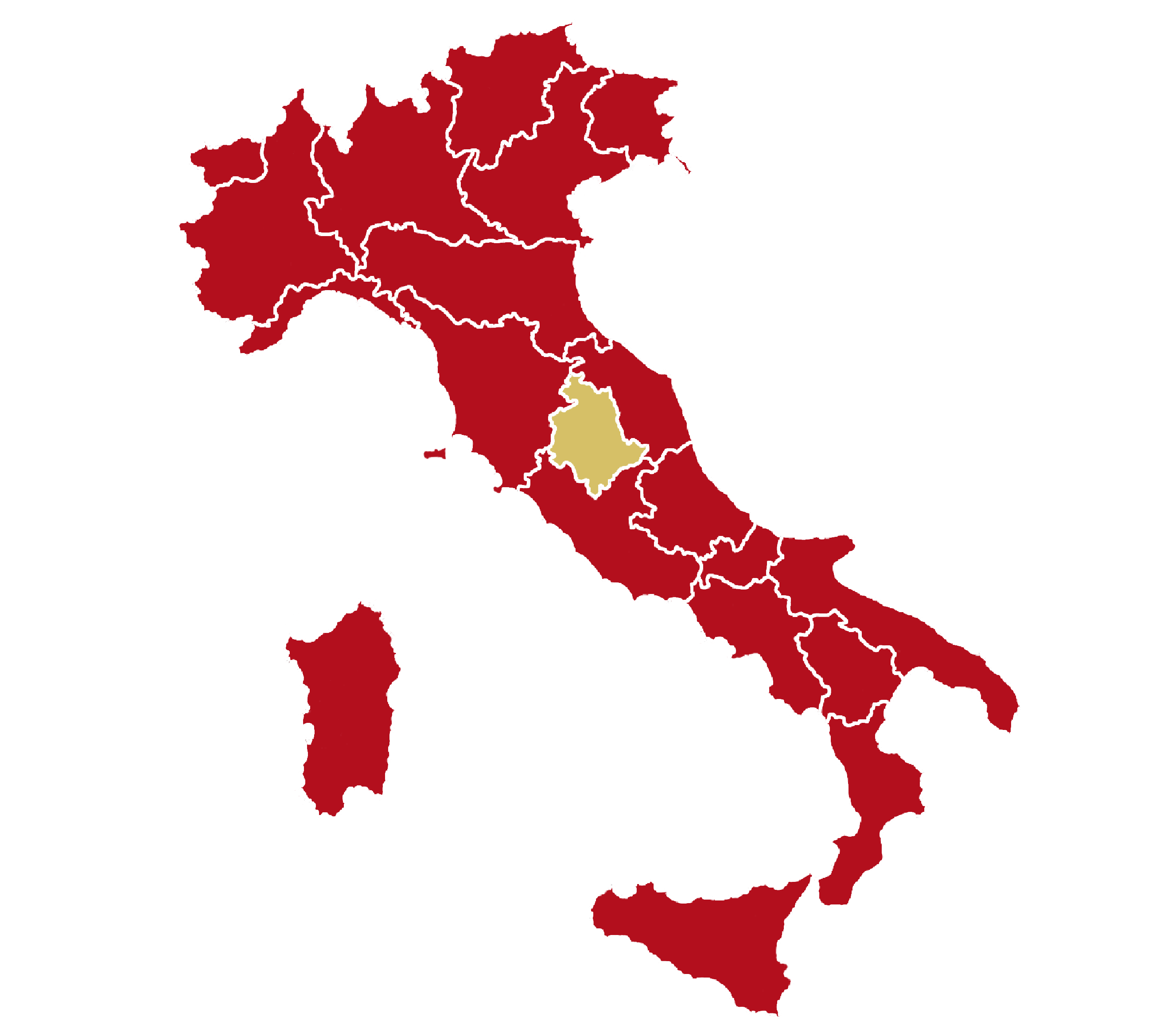
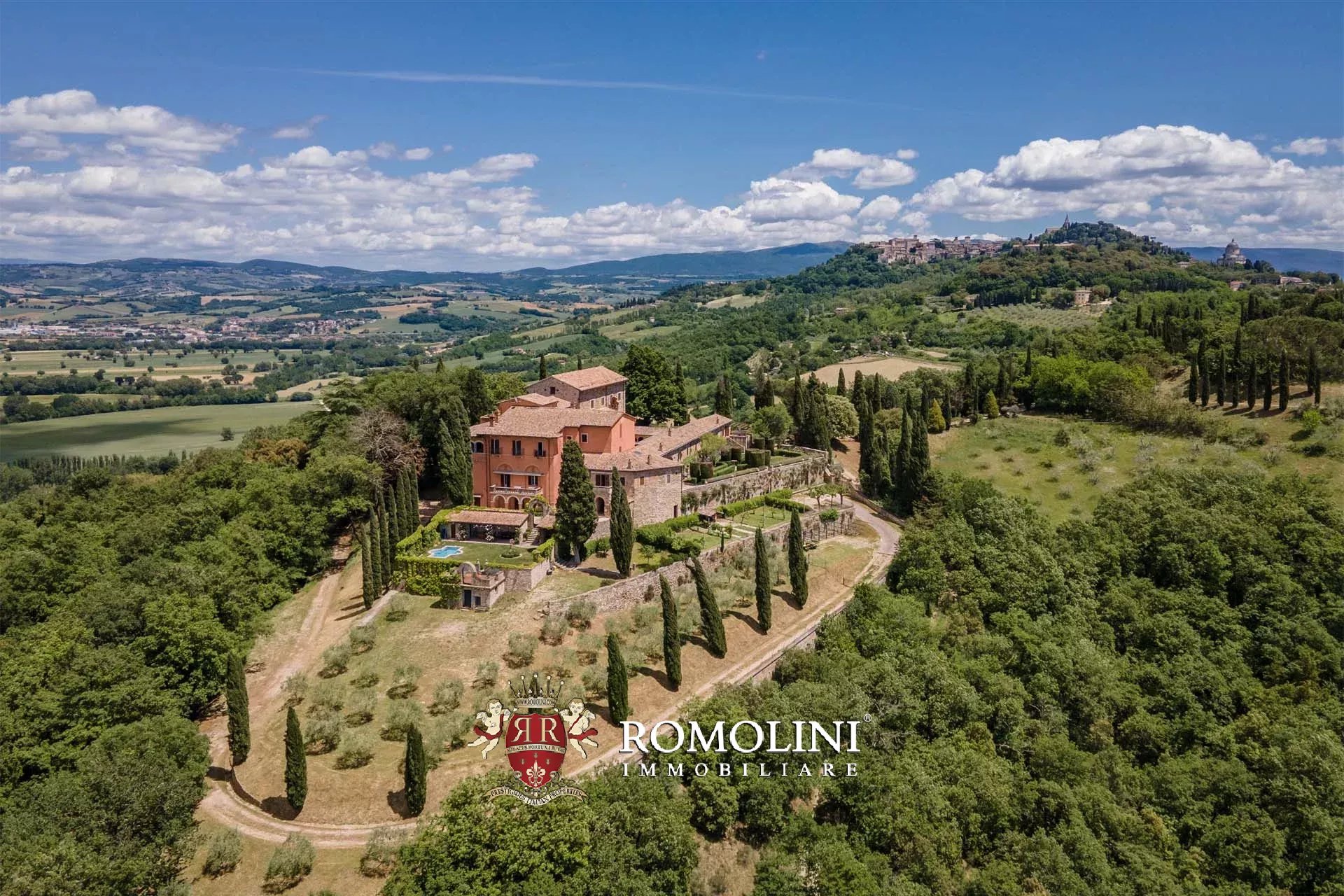
In Umbria, in the province of Perugia, only 2.5 km from the historic centre of a stunning medieval town, former Franciscan convent with church, land and pool for sale.
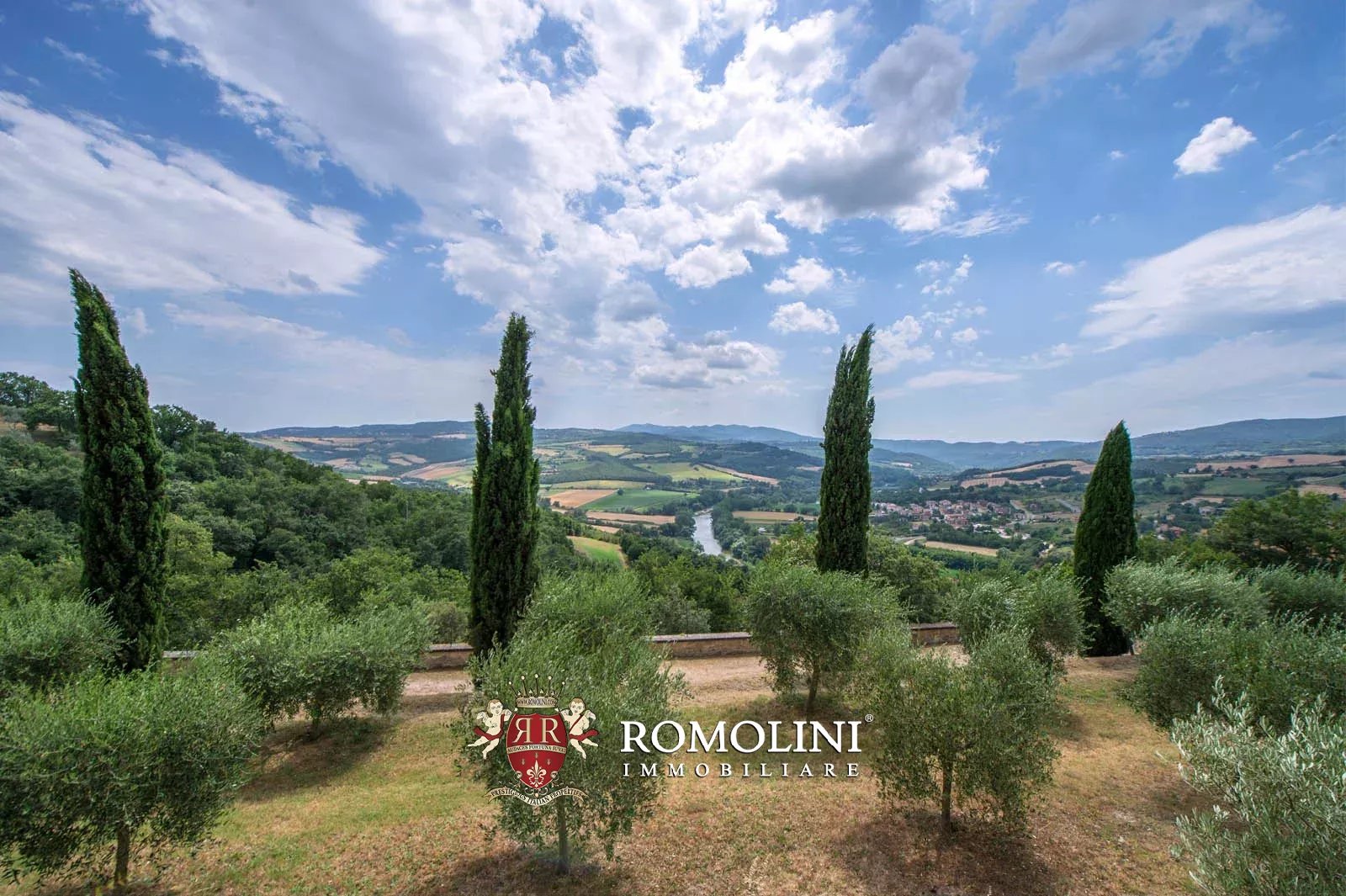
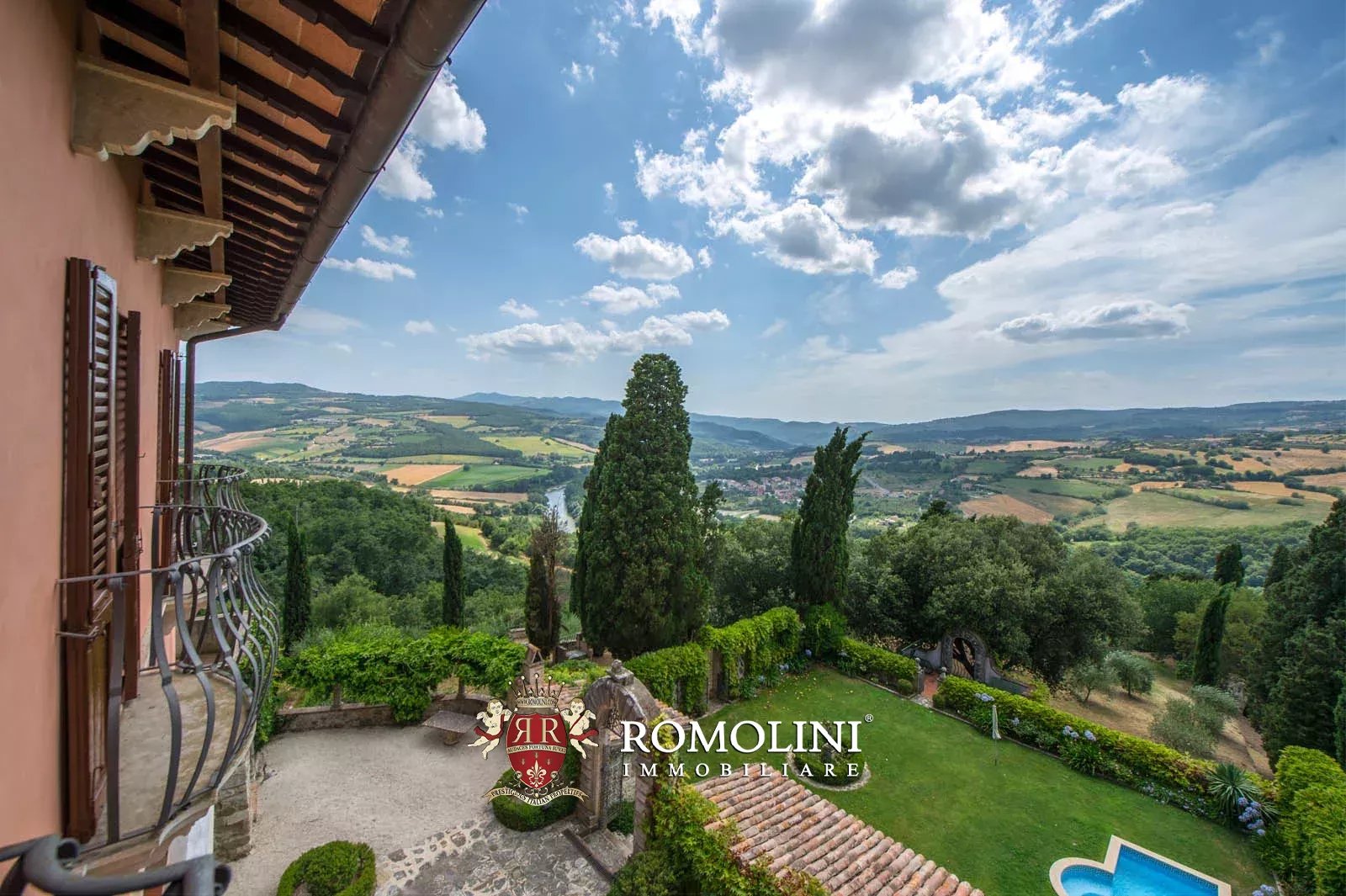
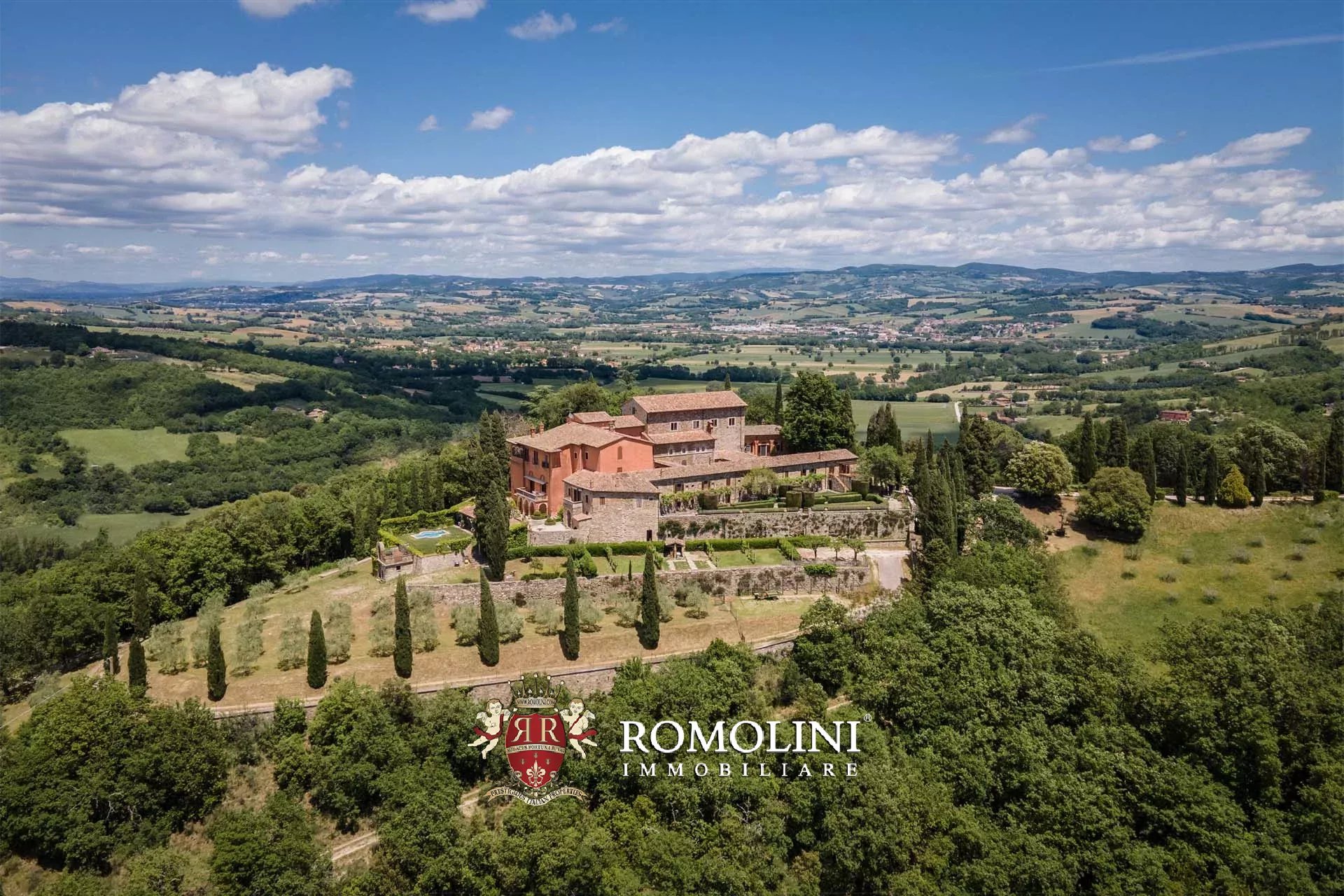
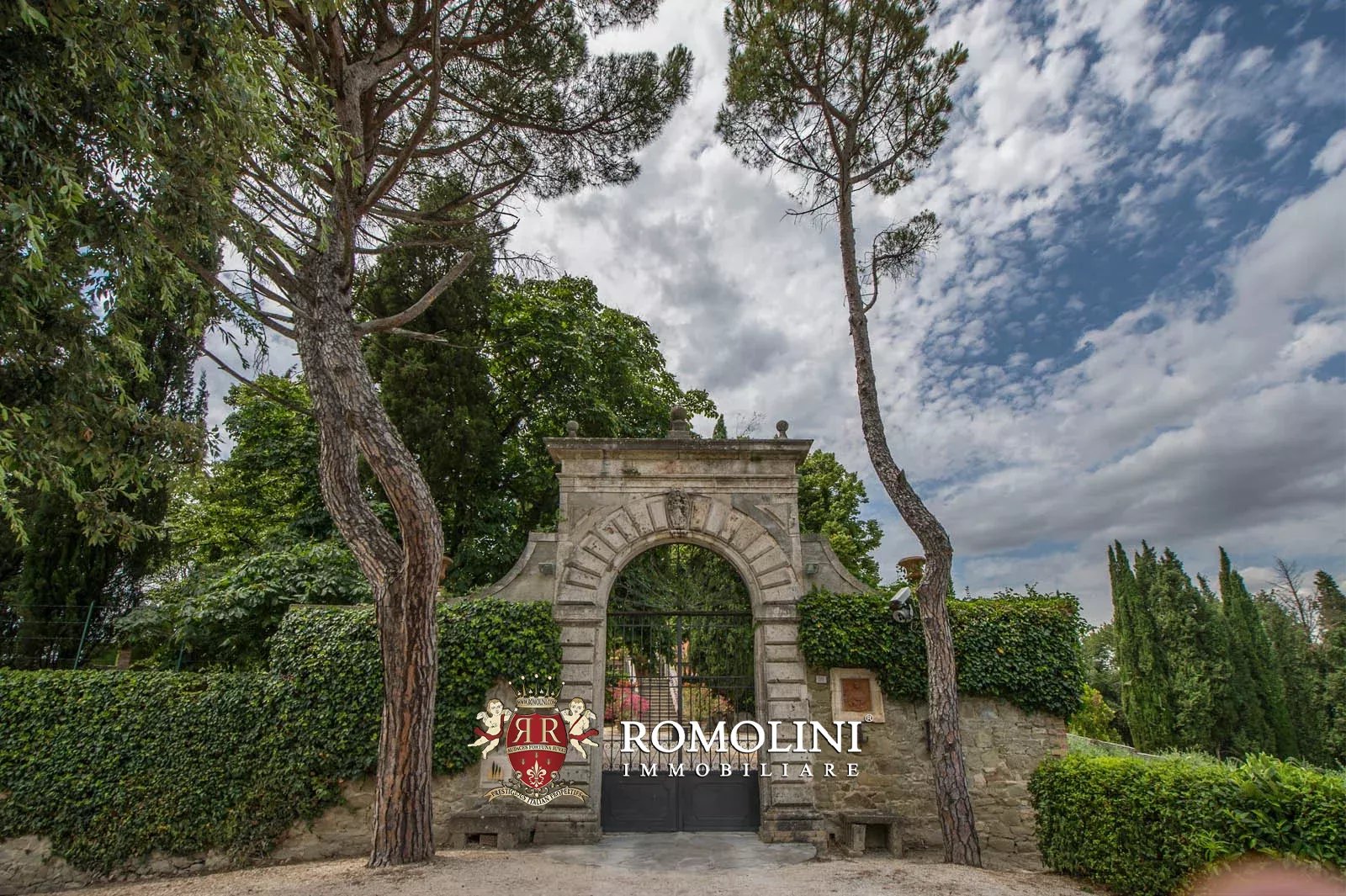
The convent is located in a hilly and panoramic position, gets good sun exposure and enjoys excellent privacy. One can enter the property from two different entrances, which lead to a parking area and another large area.
Perugia San Francesco airport is approximately forty minutes away, while Roma Ciampino airport and Roma Fiumicino airport can be reached in just one hour and forty minutes by car.
Umbria - Perugia - Todi
Often called the "green heart of Italy," Umbria is a picturesque region characterized by lush landscapes, medieval hilltop towns, and a deep-rooted connection to art and spirituality. Nestled between Tuscany and Lazio, Umbria is less frequented by tourists, offering a more serene and authentic Italian experience.
Umbria's cuisine is rustic and hearty, reflecting its agricultural traditions. Known for its black truffles, which grow in abundance in the region’s forests, Umbrian dishes often feature this earthy delicacy in pasta, risotto, and sauces. Porchetta, a savory roasted pork dish seasoned with herbs, is another local favorite, often enjoyed at village festivals or as street food. Lentils from Castelluccio, grown in the Sibillini Mountains, are prized for their quality and flavor, often used in soups and salads. Olive oil from the region is also exceptional, with many small-scale producers offering tours and tastings.
Wine is equally important, with Umbria producing notable varieties such as Sagrantino di Montefalco and Orvieto, a crisp white wine that pairs beautifully with the region’s lighter dishes. The rolling vineyards and olive groves create a stunning backdrop for wine tours and tastings.
Historically and culturally, Umbria offers a wealth of treasures. Assisi, the birthplace of Saint Francis, is a UNESCO World Heritage Site and an important pilgrimage destination. Its Basilica di San Francesco is adorned with frescoes by Giotto and Cimabue, offering visitors a spiritual and artistic journey. Perugia, the region’s capital, is known for its lively atmosphere, medieval architecture, and the Umbria Jazz Festival, one of Europe’s most renowned music events. Spoleto, famous for its Festival dei Due Mondi, is a cultural hub, while Gubbio retains a well-preserved medieval charm.
The natural beauty of Umbria extends to its landscapes. The Valnerina Valley, with its cascading waterfalls and rugged mountains, is perfect for hiking and outdoor activities, while Lake Trasimeno, Italy’s fourth-largest lake, offers tranquil views and opportunities for boating and swimming.
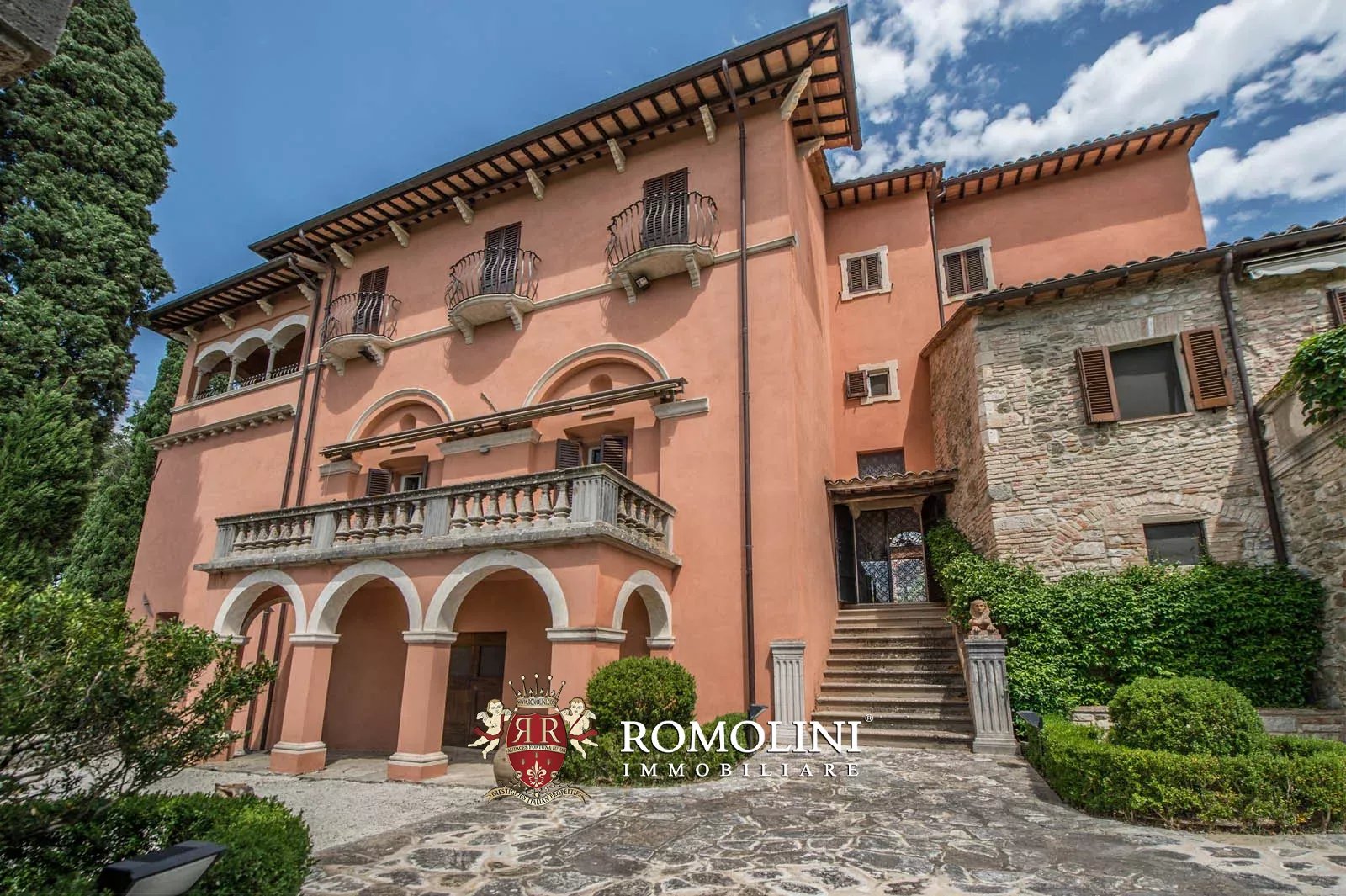
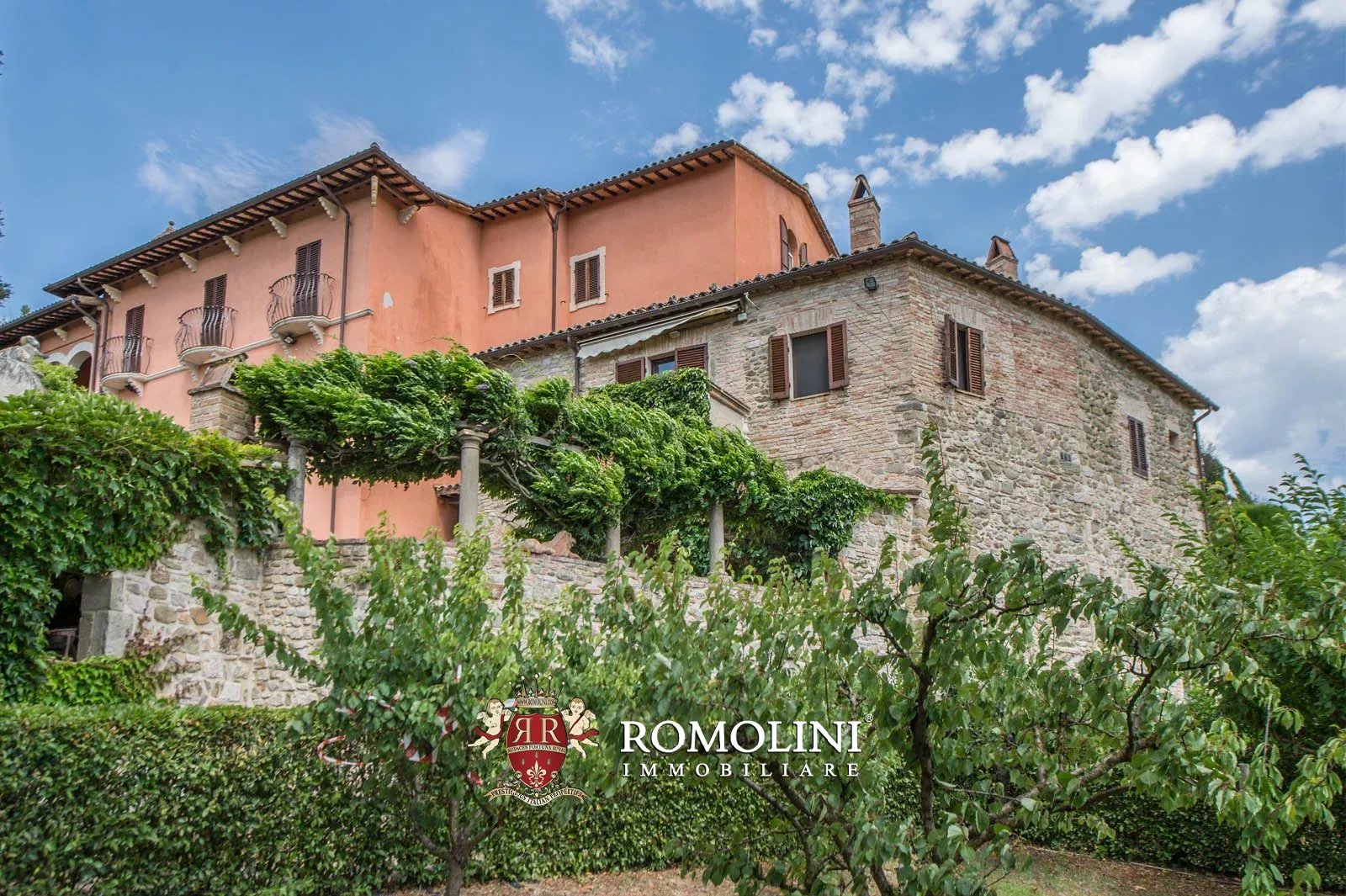
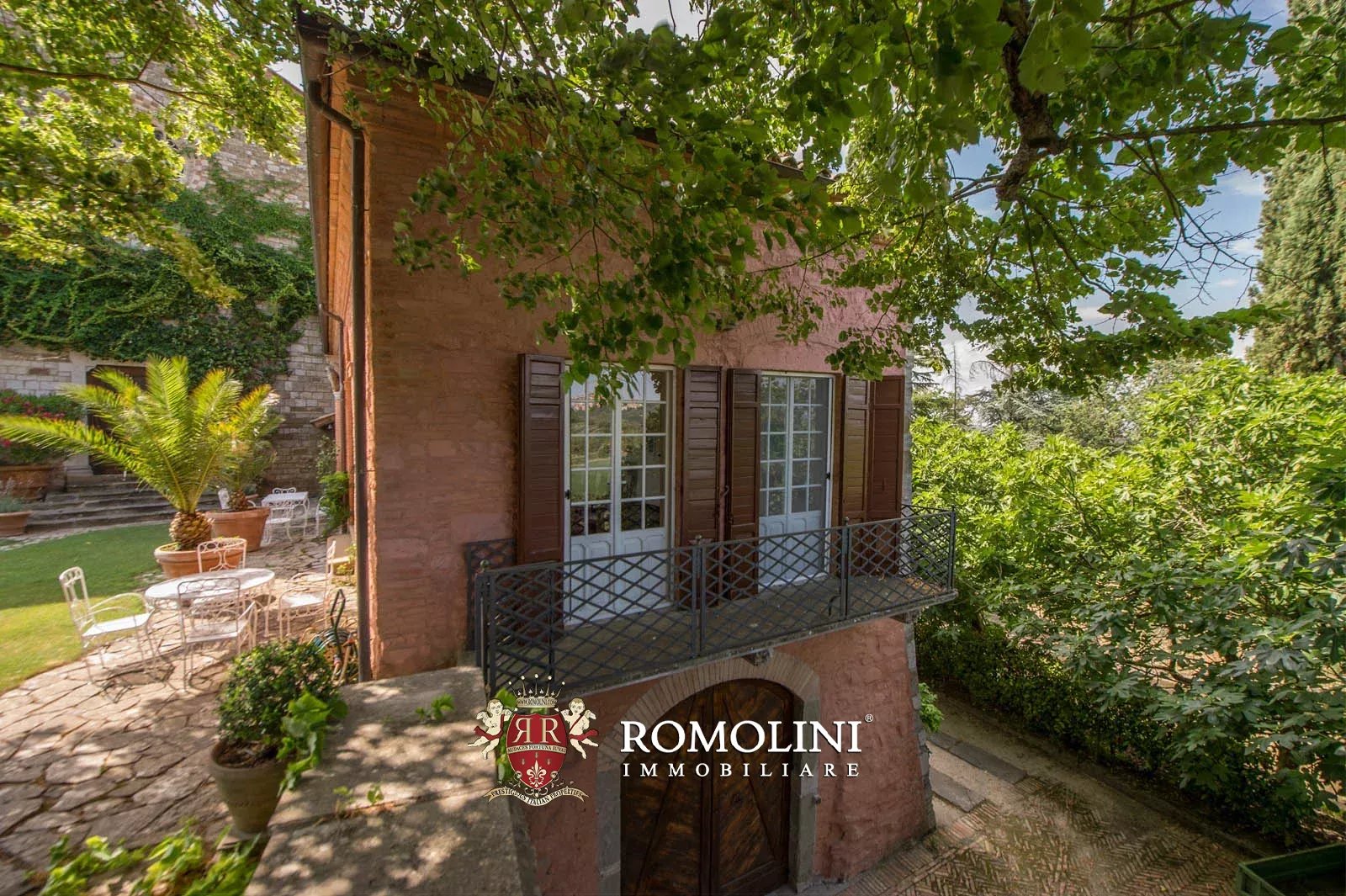
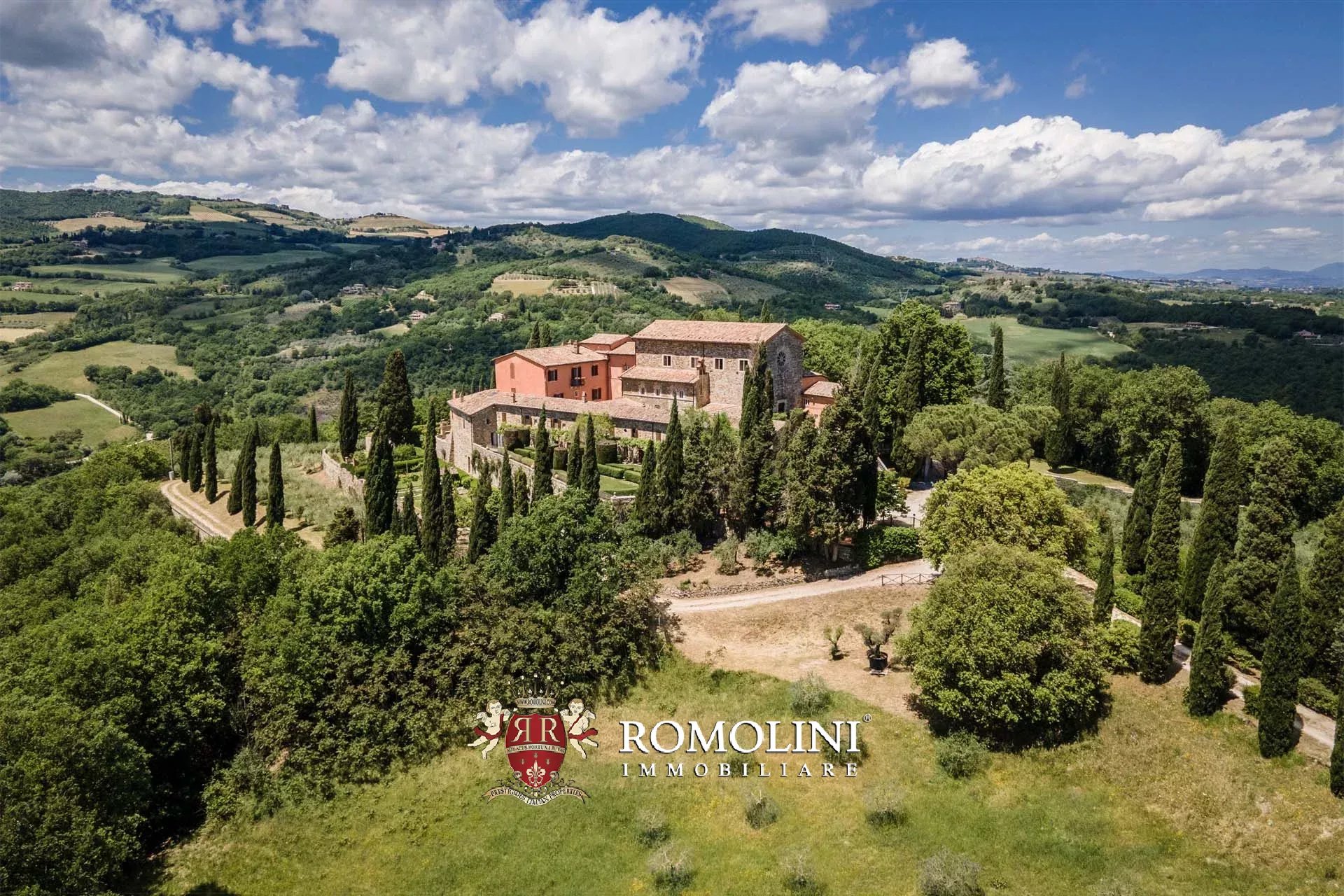
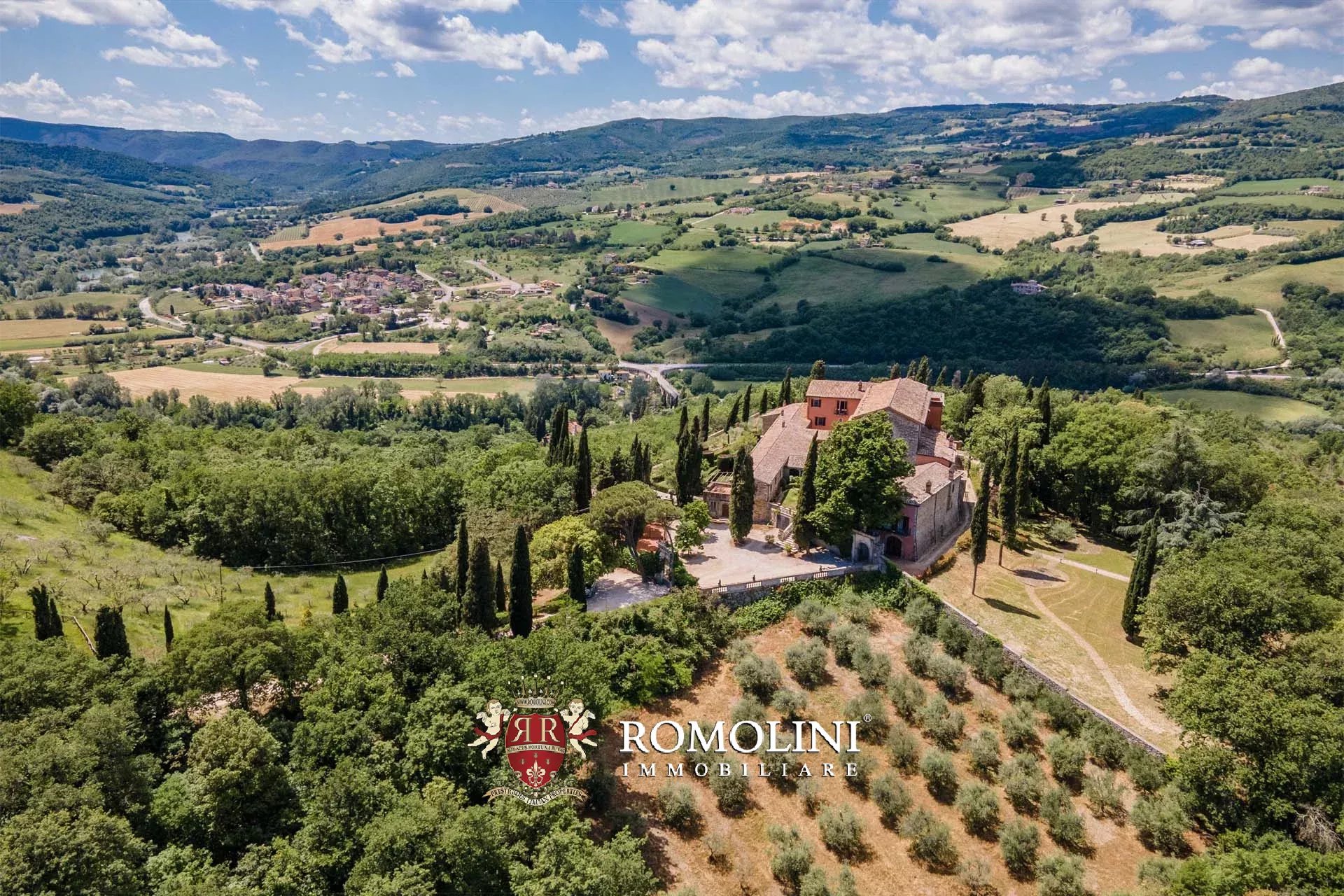
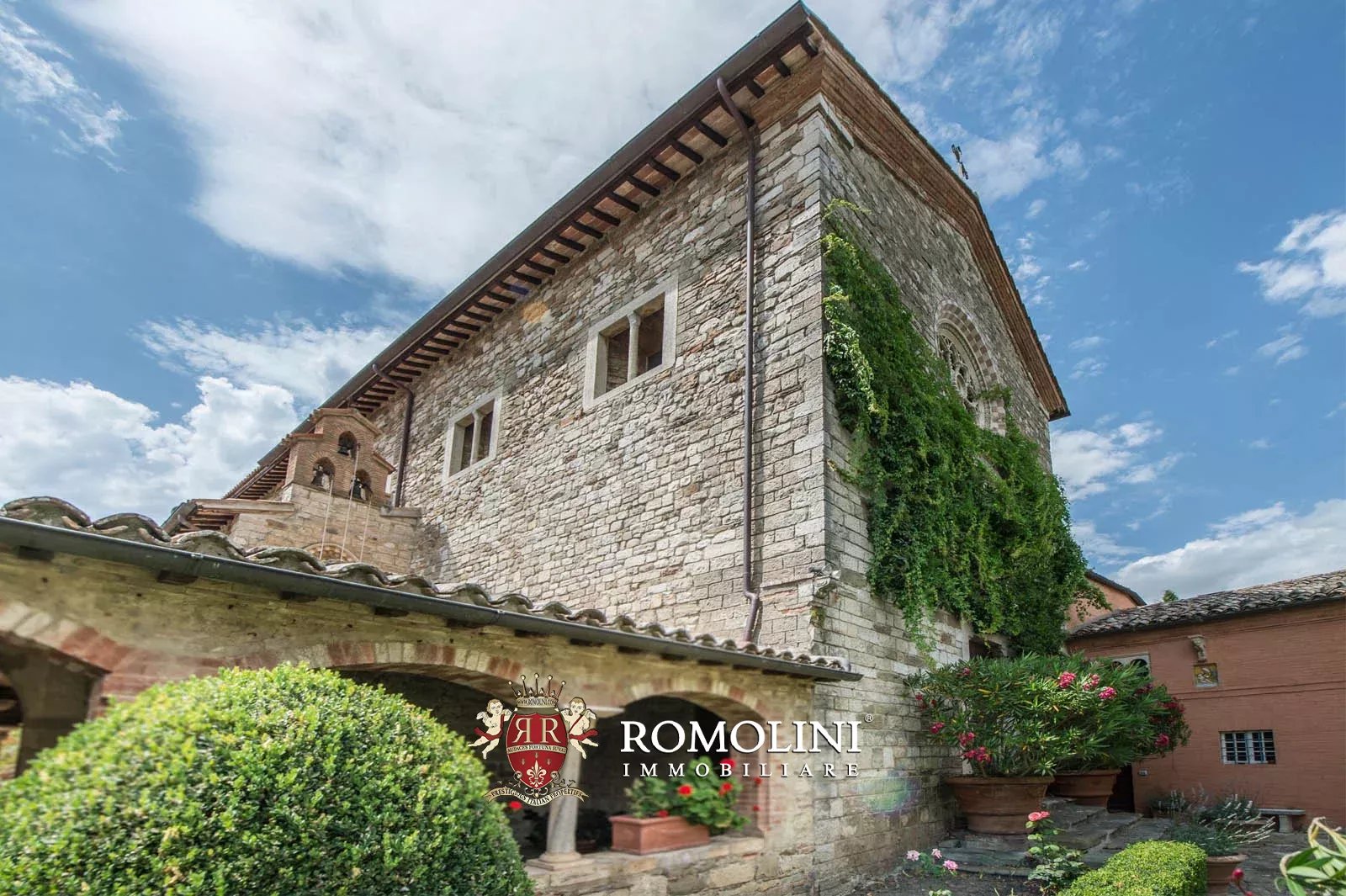
The convent is made up of several buildings, all connected with each other but potentially independent thanks to the numerous doors that can be closed. In particular we have a manor villa, a second villa and a section entirely used for the hosting business and split into three independent apartments.
The manor villa is laid out onto five floors:
The second villa is laid out onto three floors and made up as follows:
Three apartments, all reserved for the hosting business, overlook the garden and have independent access:
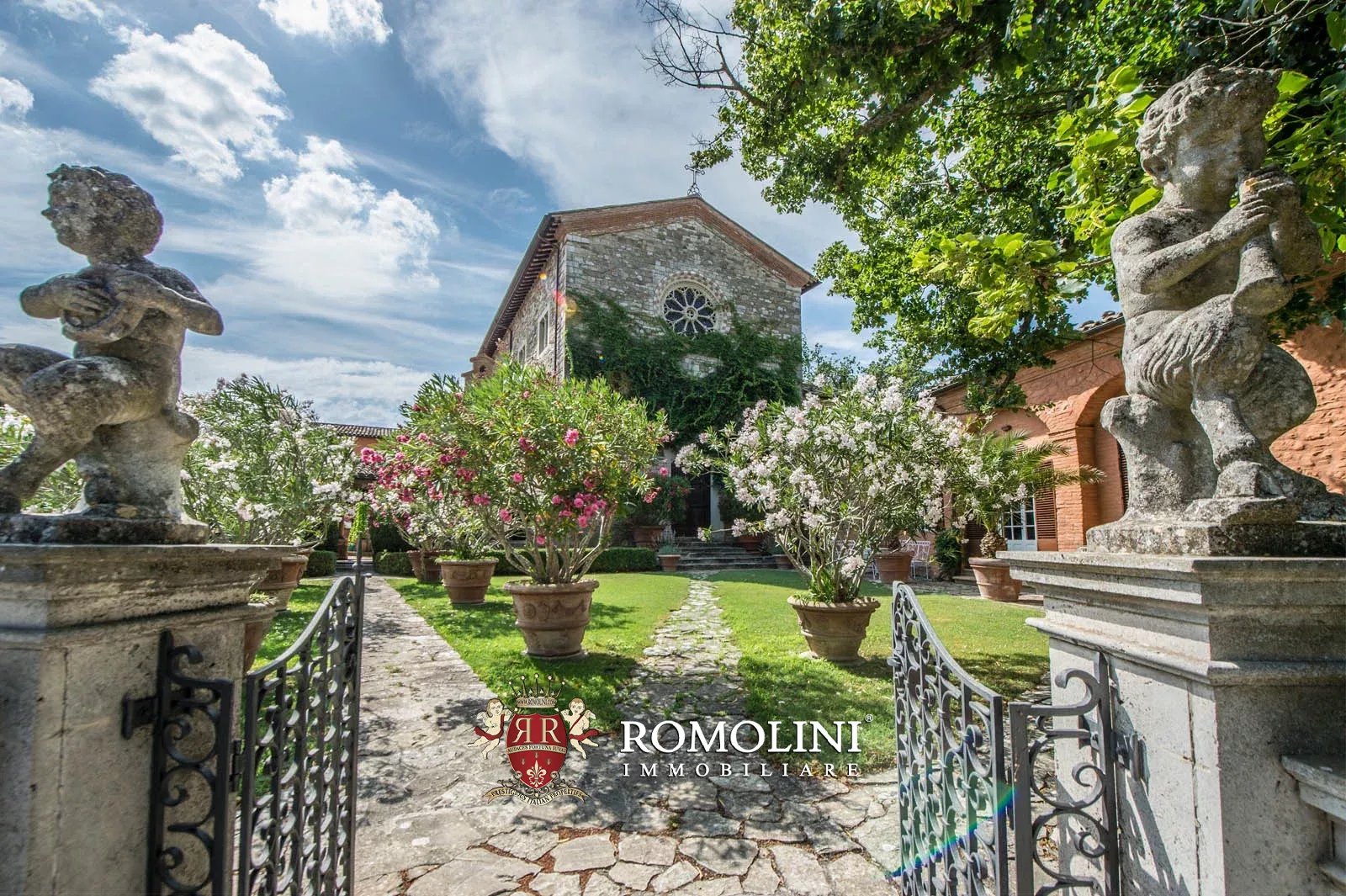
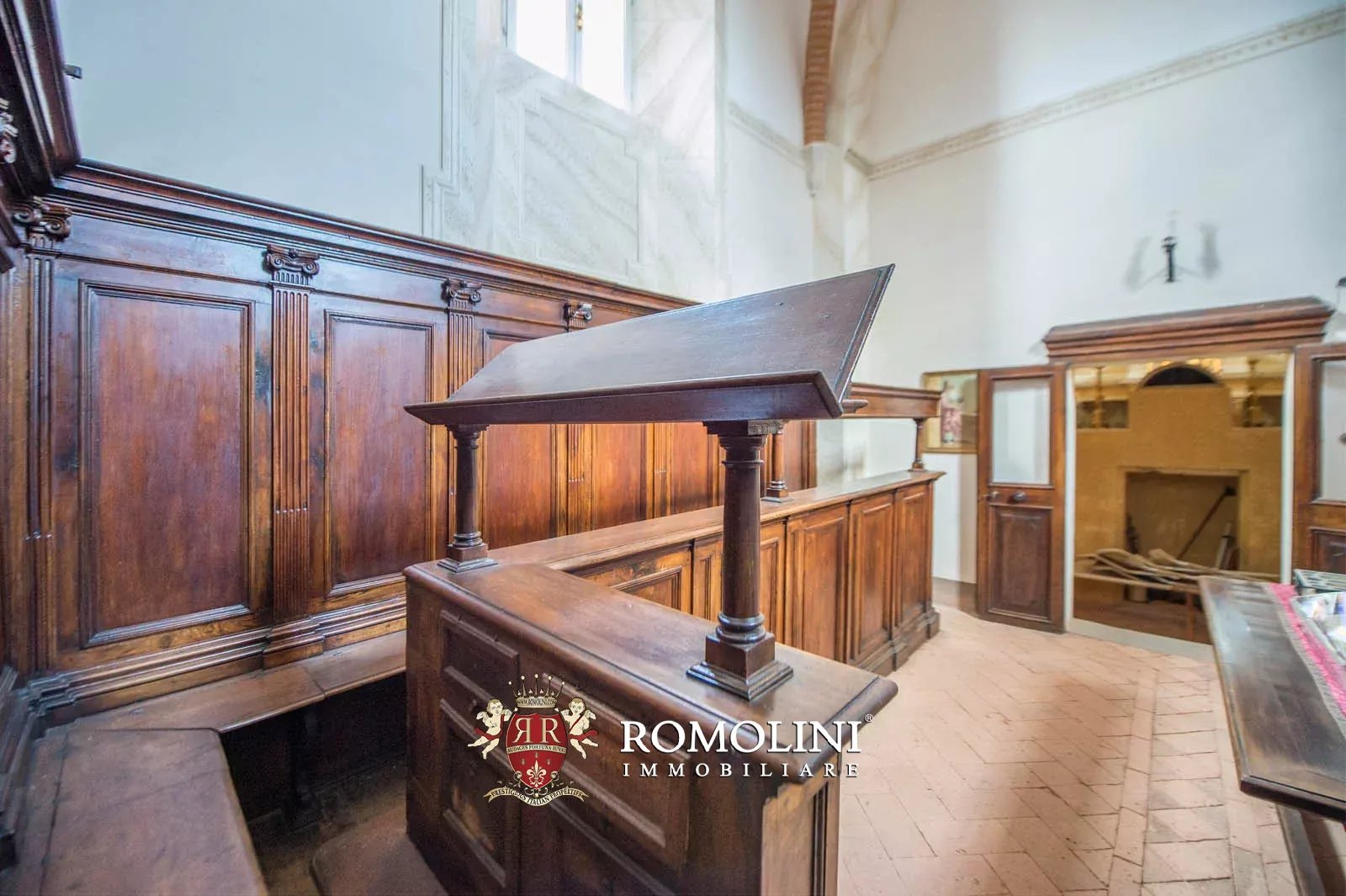
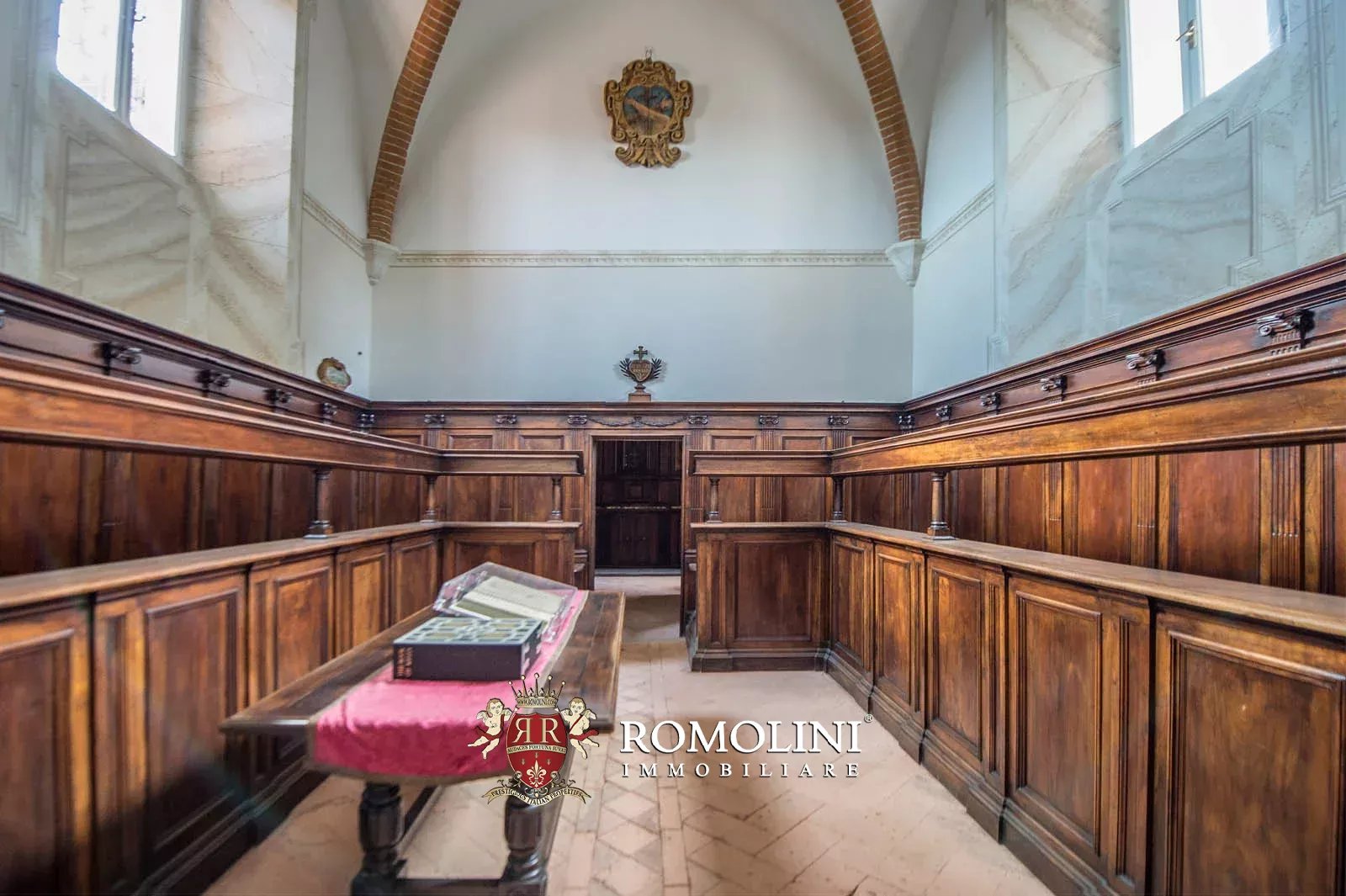
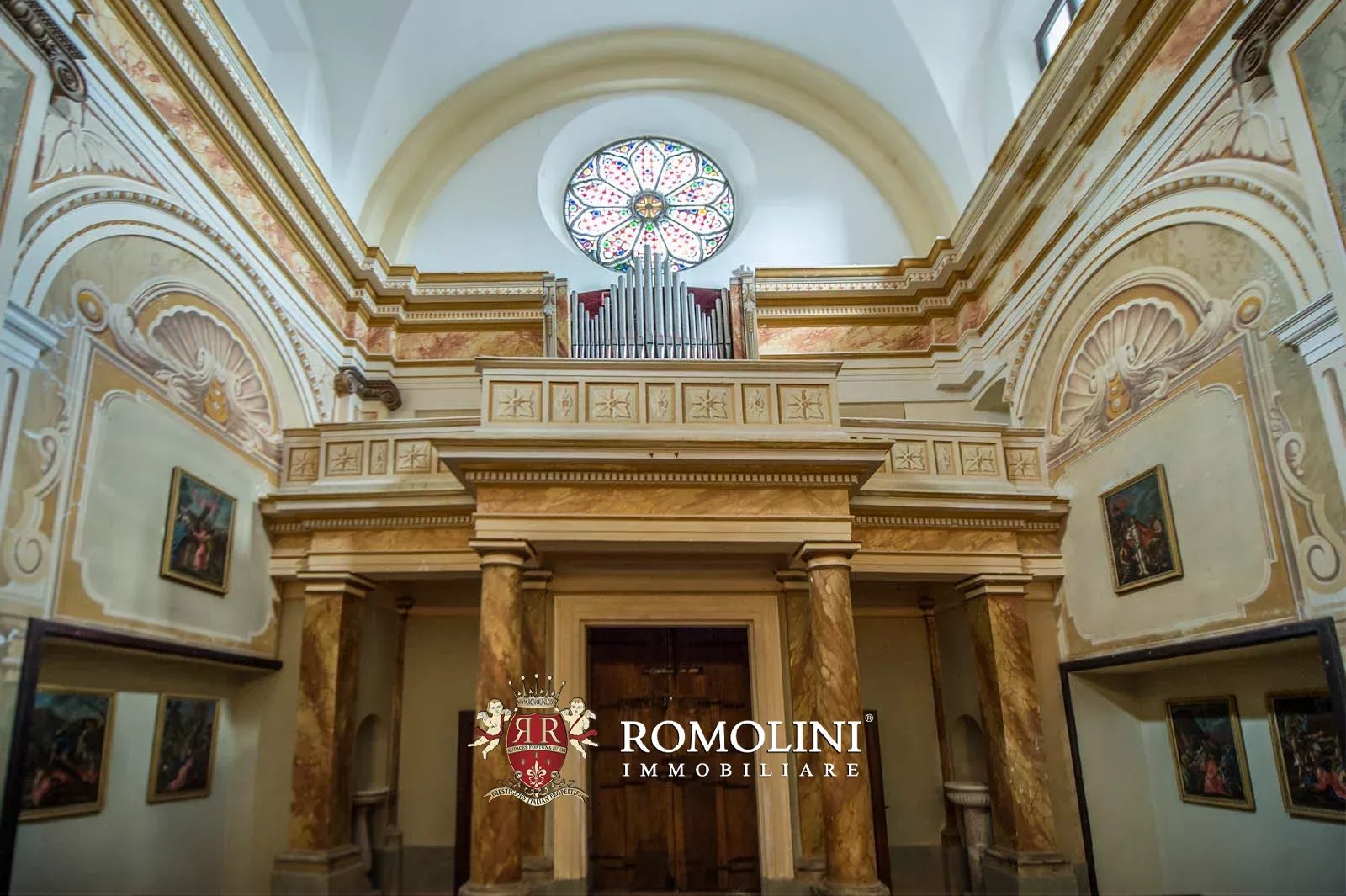
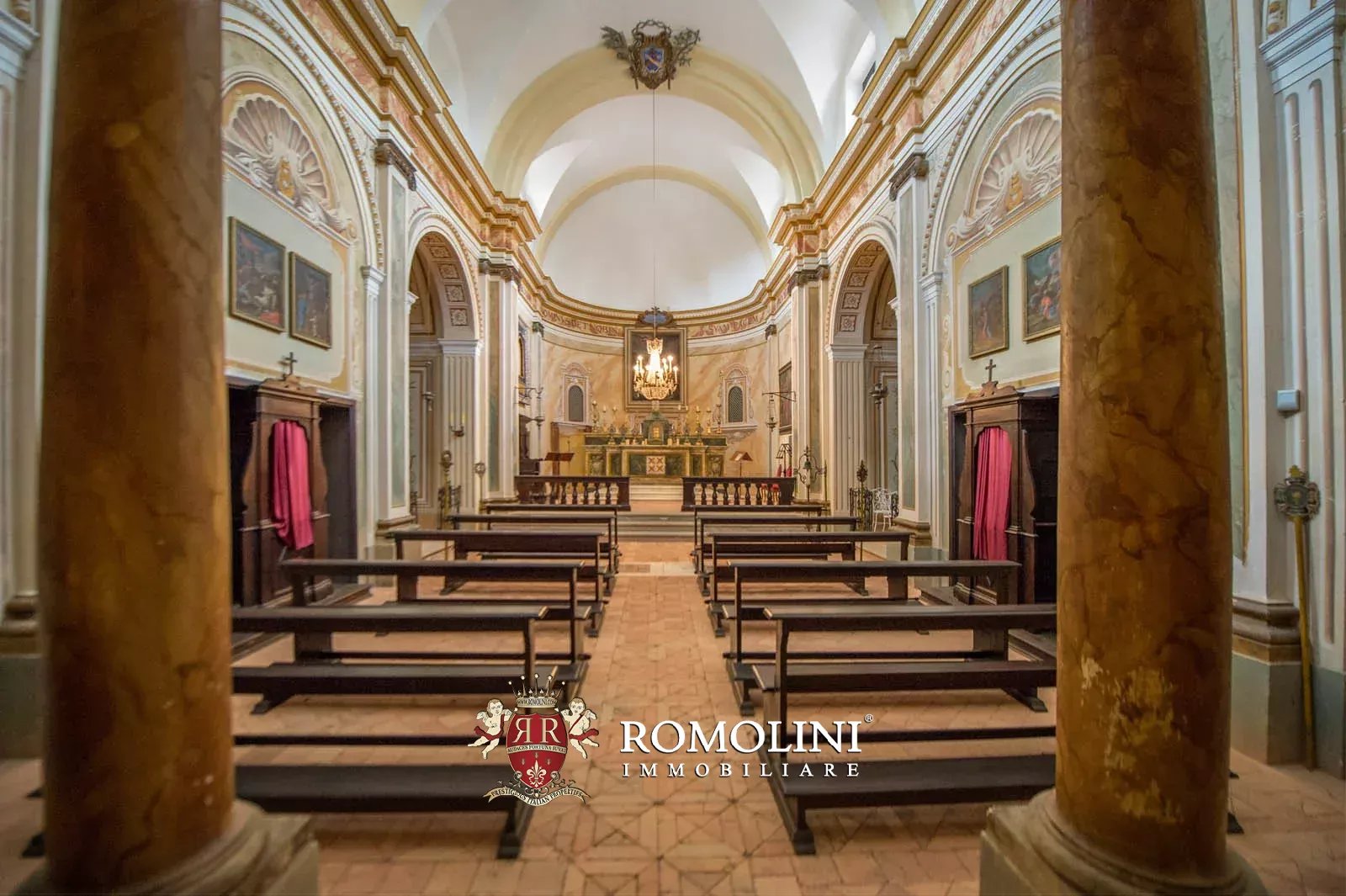
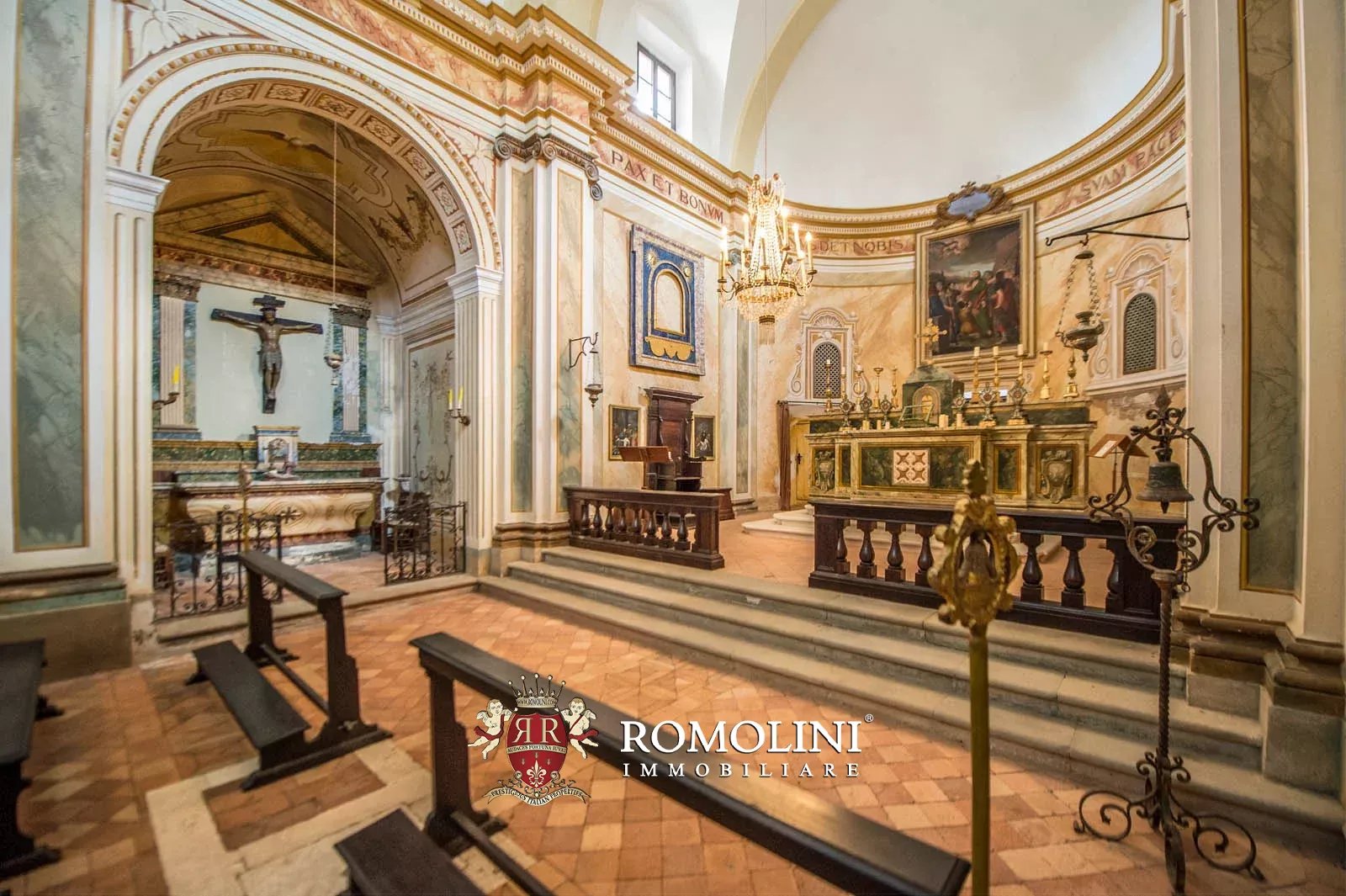
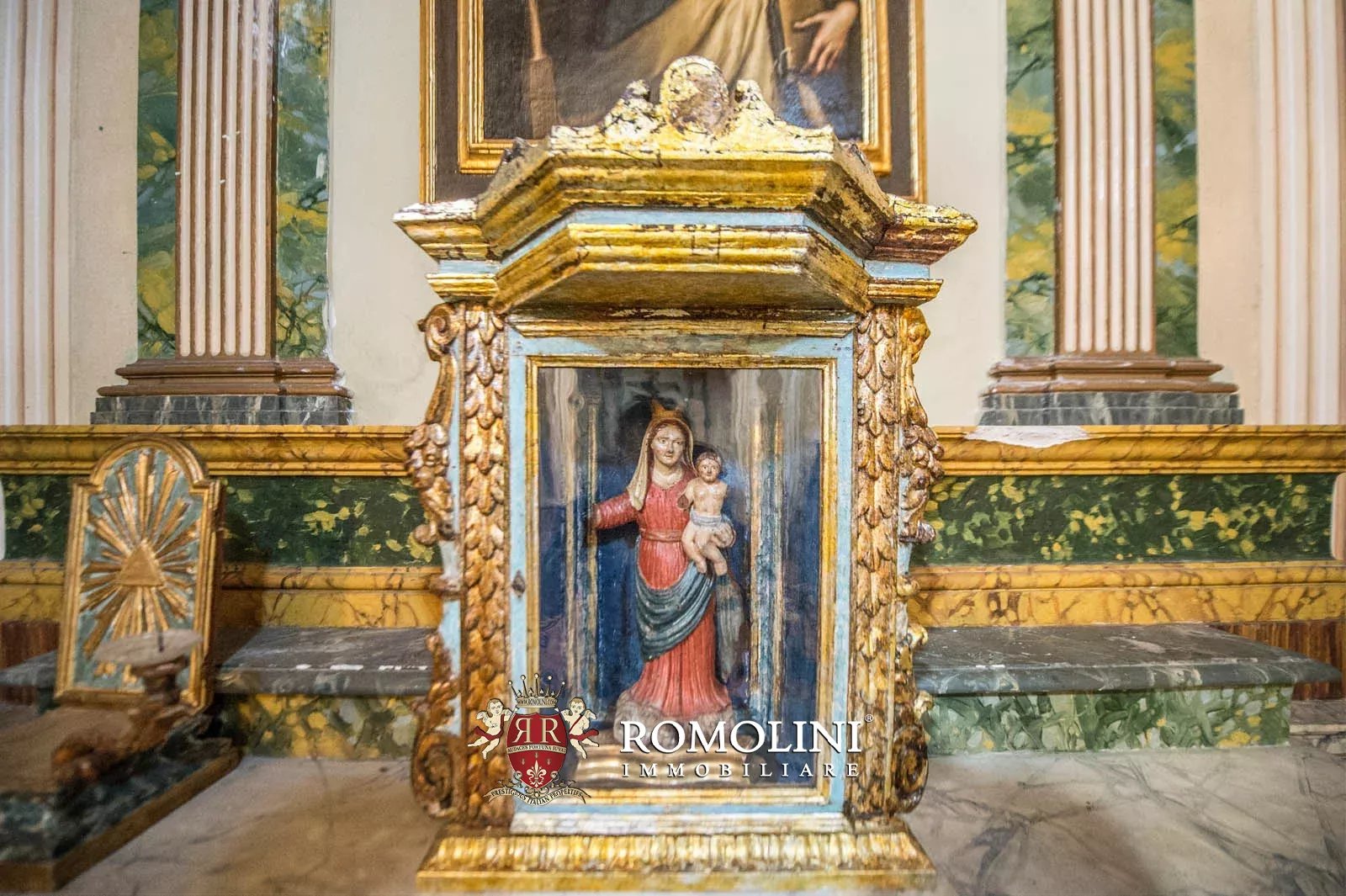
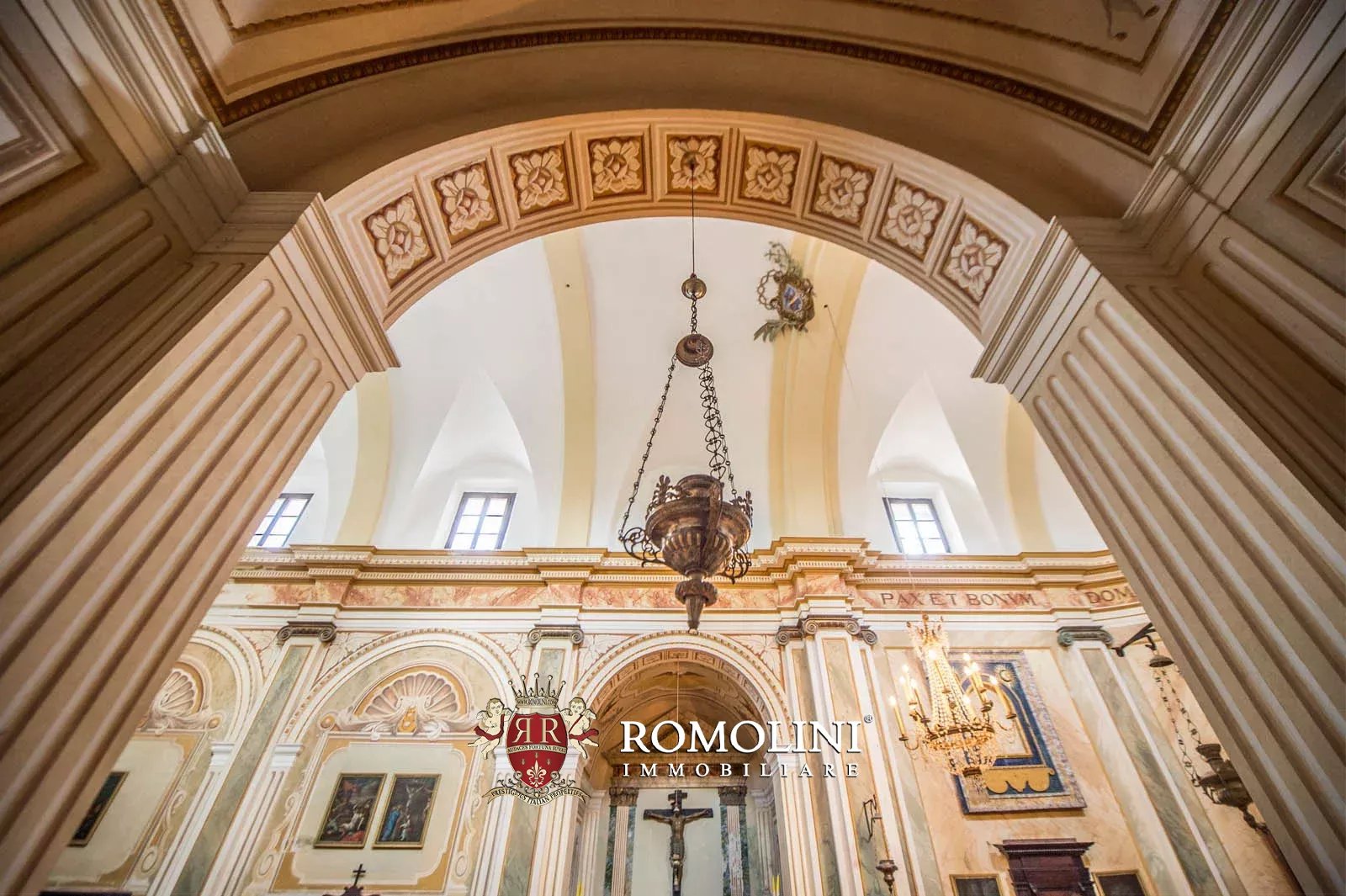
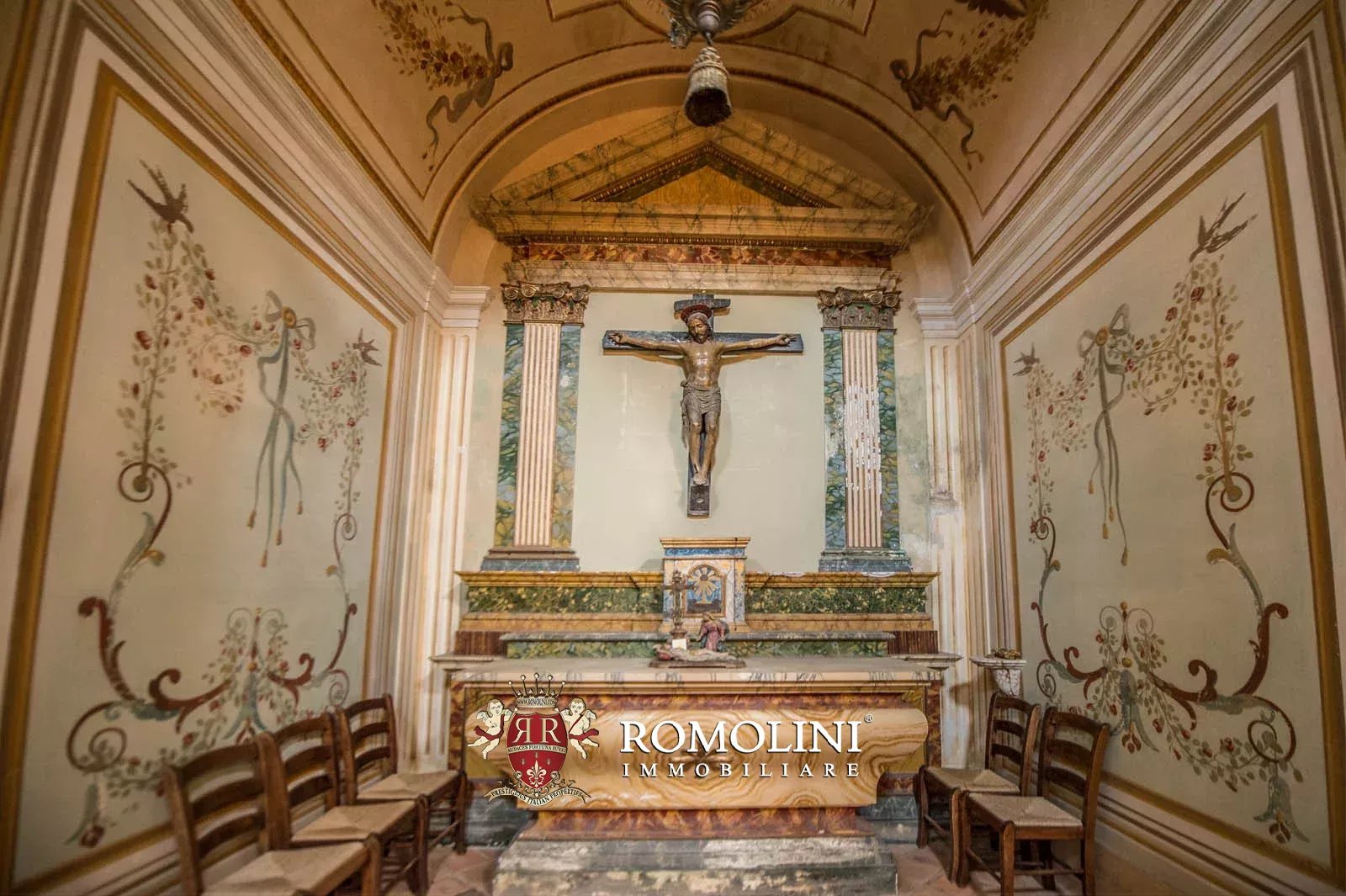
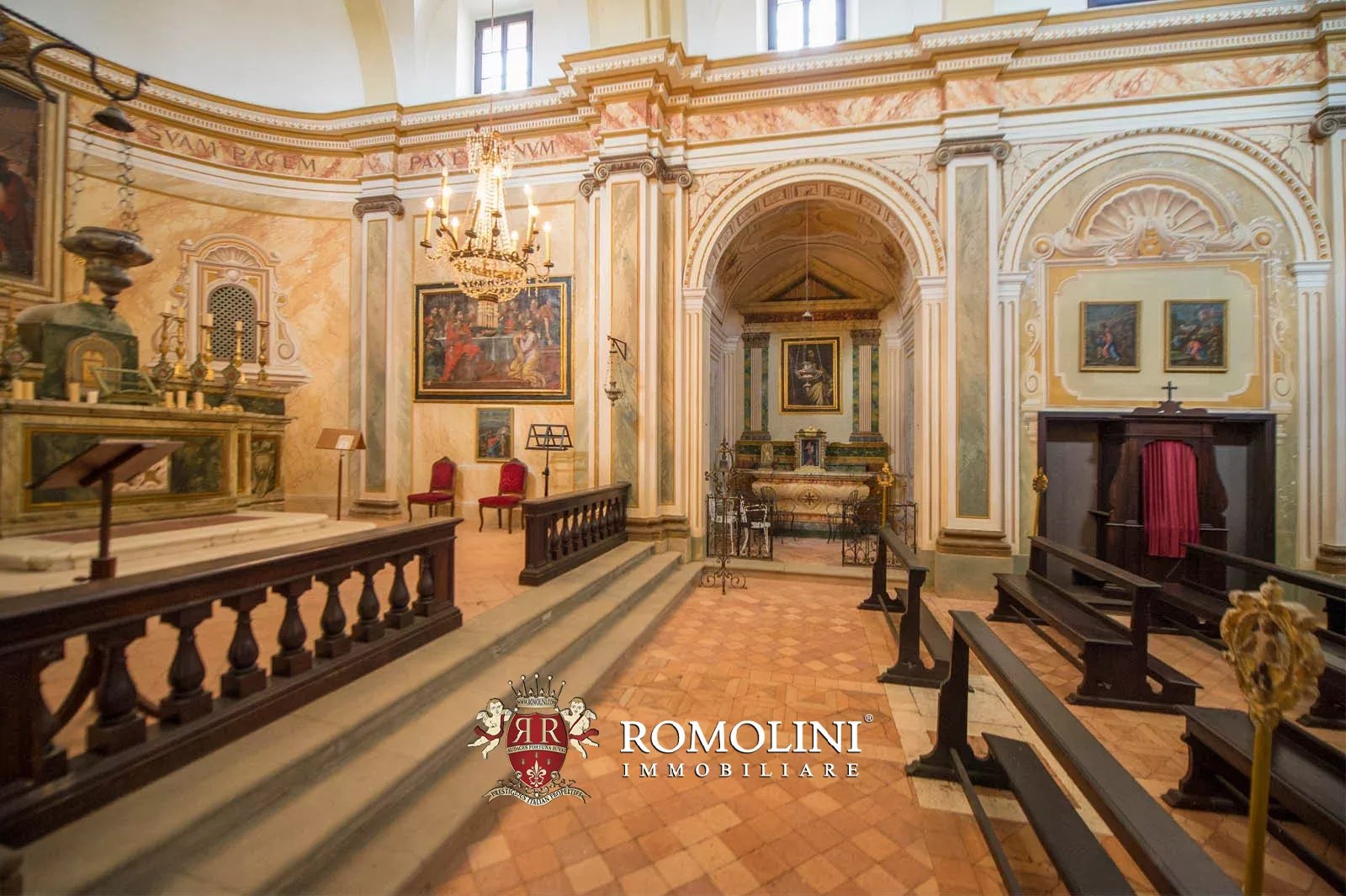
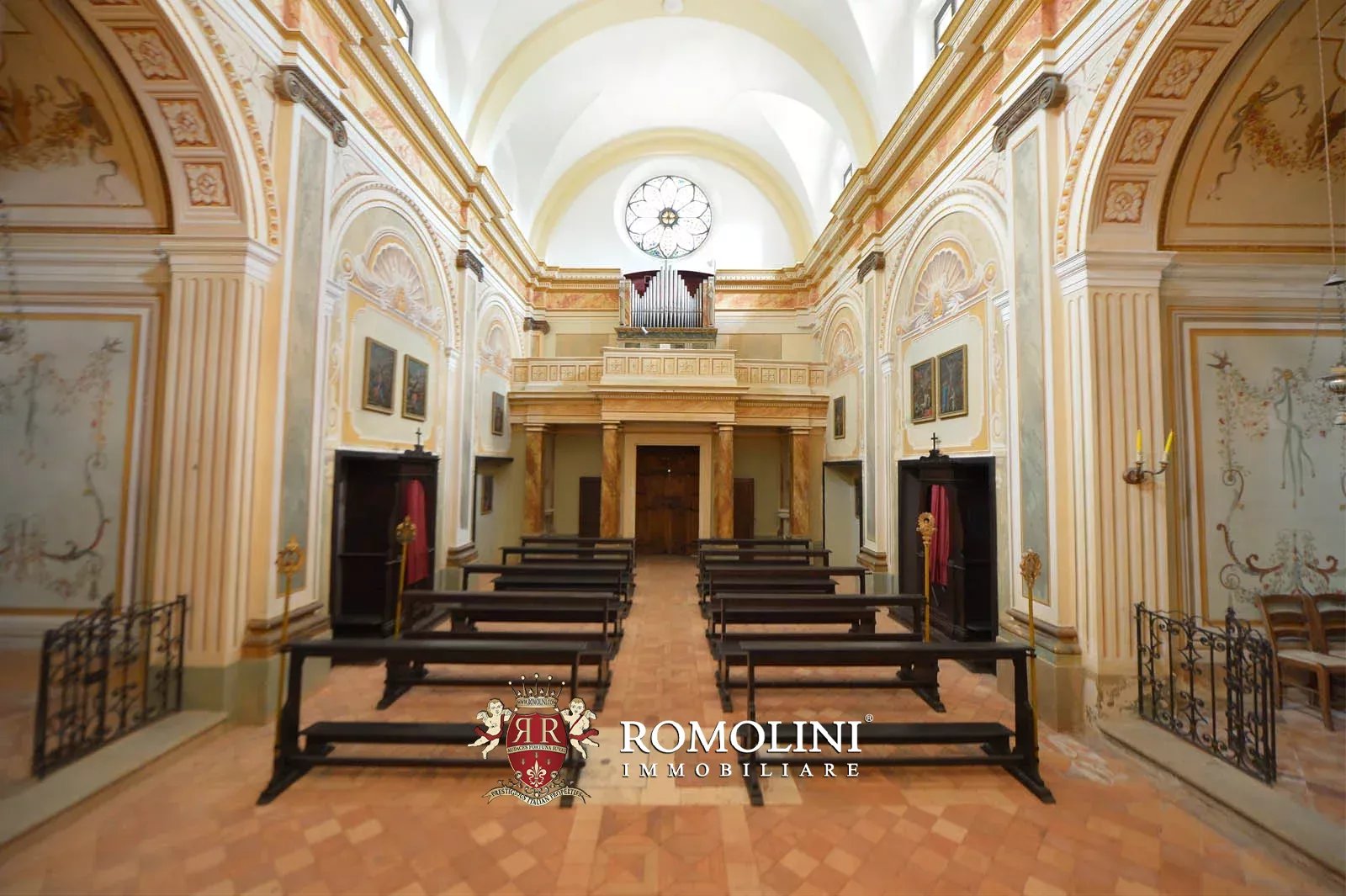
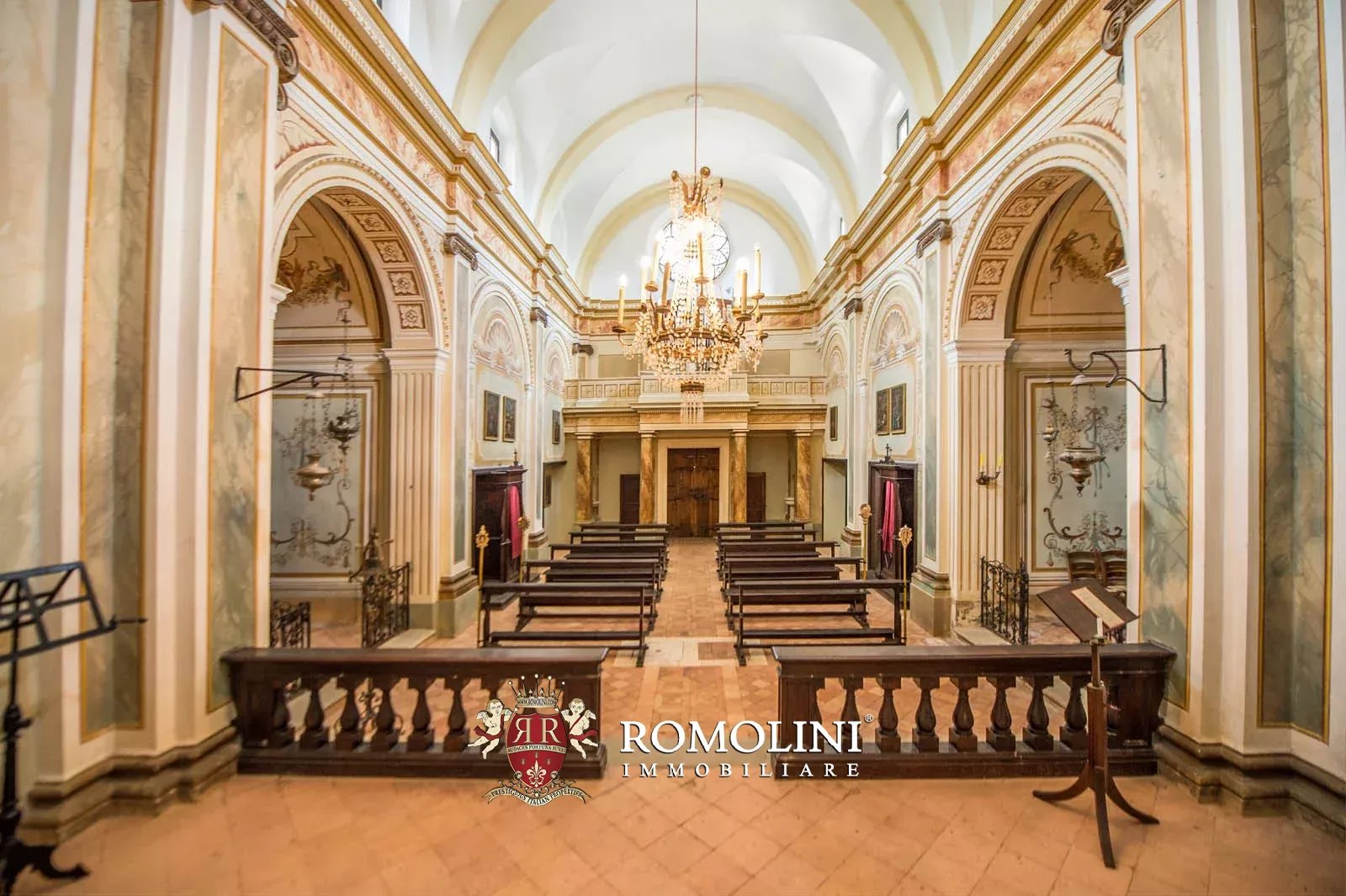
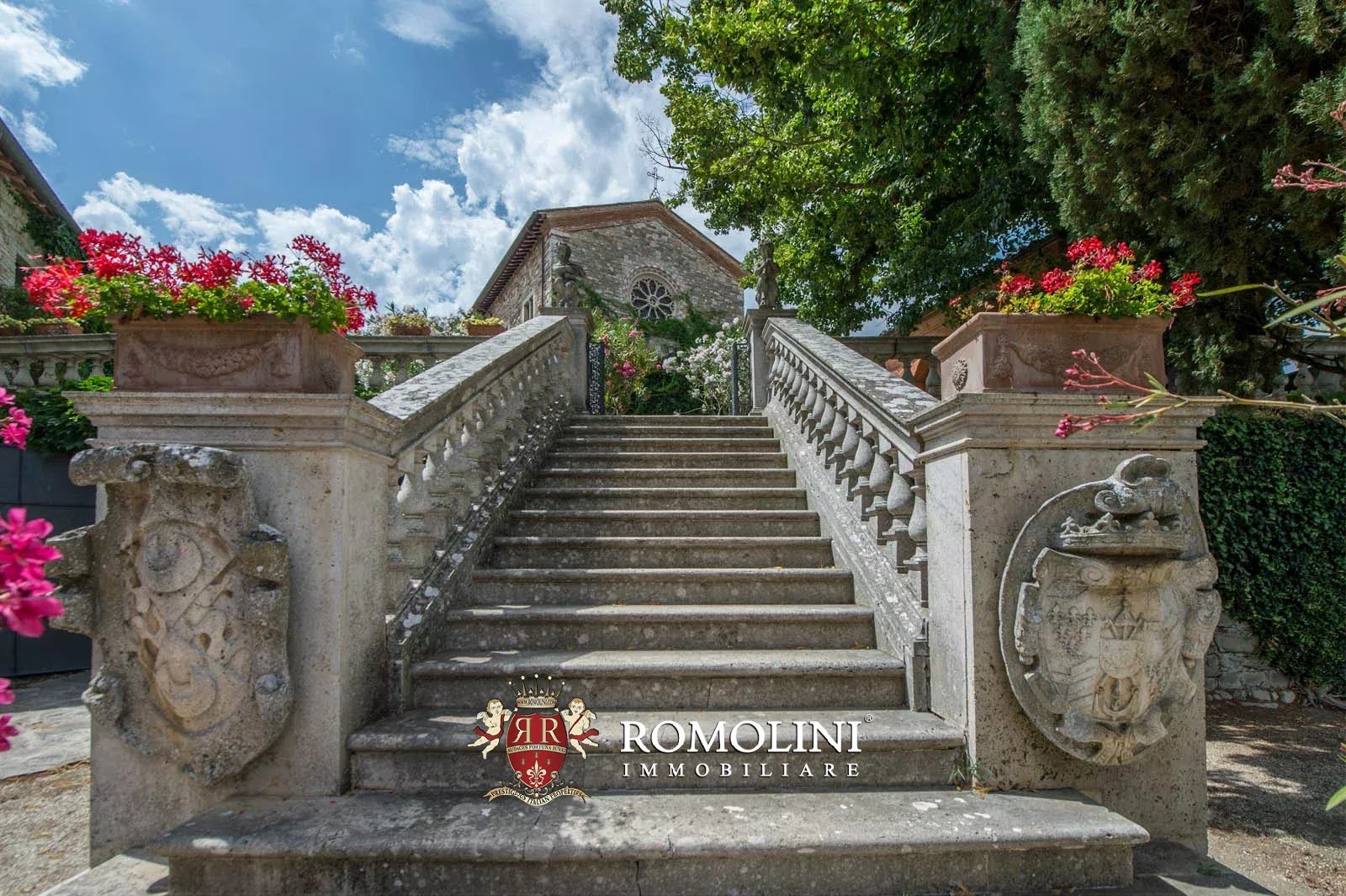
The beautiful church boasts an original choir, perfectly restored and fully working.
The monastery here described is part of a series of religious structures built between the 10th and 11th century along the Tiber. These smaller shrines were a fundamental part of the main pilgrimage routes, such as the ones to Santiago de Compostela and Rome.
The area was already inhabited during the Roman age, as testified by the remains of a temple and the retrieval of bronze statues and marble capitals. During the Middle Ages numerous complexes were built and we know that during the 10th century they were owned by the San Leucio’s abbey.
On October 11, 1051 the pope Leo IX confirmed to San Leucio the possession of omnia in civitate vel foris monasterium pertinentia (all the properties in the city and outside owned by the monastery) and granted the right to chose the abbot even without the approval of the pope.
The abbey had potestas et imperium over a series of subordinate convents and on March 20, 1145 the pope Eugene III confirmed the apostolica protectione to the complex. In 1177 the German emperor Frederick I Barbarossa conferred a similar privilege to the abbey (trying to affirm his right of investiture over Italian feuds).
With the seal by Innocent III dated October 13, 1207 the apostolic protection was confirmed again and for the first time the monastery of the listing is clearly mentioned through its master Egidius of S.J. de Cuti. The monastery was part of the Premonstratensian Benedictines running San Leucio, one of the abbeys ruling one of the circarias instituted by Saint Norbert in Italy after 1120.
On January 3, 1236 the bishop Boniface gifted the Roman Church a locum qui dicitur Mons Mascaranum situm prope Tudertum (a place called Mount Mascarano located near Todi) for the construction of a monastery to be owned by the Franciscan Clarissae (the Convento di Montesanto).
The dramatic events of the 14th century, among which wars and the devastating Back Death of 1348, forced the nuns to flee the abbey to seek refuge in the city. In 1355, the convent was used as a refuge by a small group of Cistercian monks.
In 1404 Nicolò Offreduzzi restored the complex and gave it back to the Order of Friars Minor. From that moment onward, the monastery was object of several economical donations which allowed the building to flourish.
In 1448, after a mass, the prior declared that the monastery was no longer a locum sanum (safe place) for the great number of monks living there; a condition which imposed frequent works to keep the building in a good shape. He then requested the acquisition of the nearby Convento di Montesanto (at the time abandoned and partially ruined).
In 1810 the monastery was seized following the application of the Napoleonic laws and the building was pillaged and damaged by French troops. The church was restored a fundamentis only in 1848.
The last and ultimate requisition took place in 1860, just after the annexation of Umbria to the Kingdom of Italy and since then the monastery was abandoned for almost sixty years before being purchased by a private individual who fully restored the building.
The property was restored some years ago, it is in excellent condition and the roof is new.
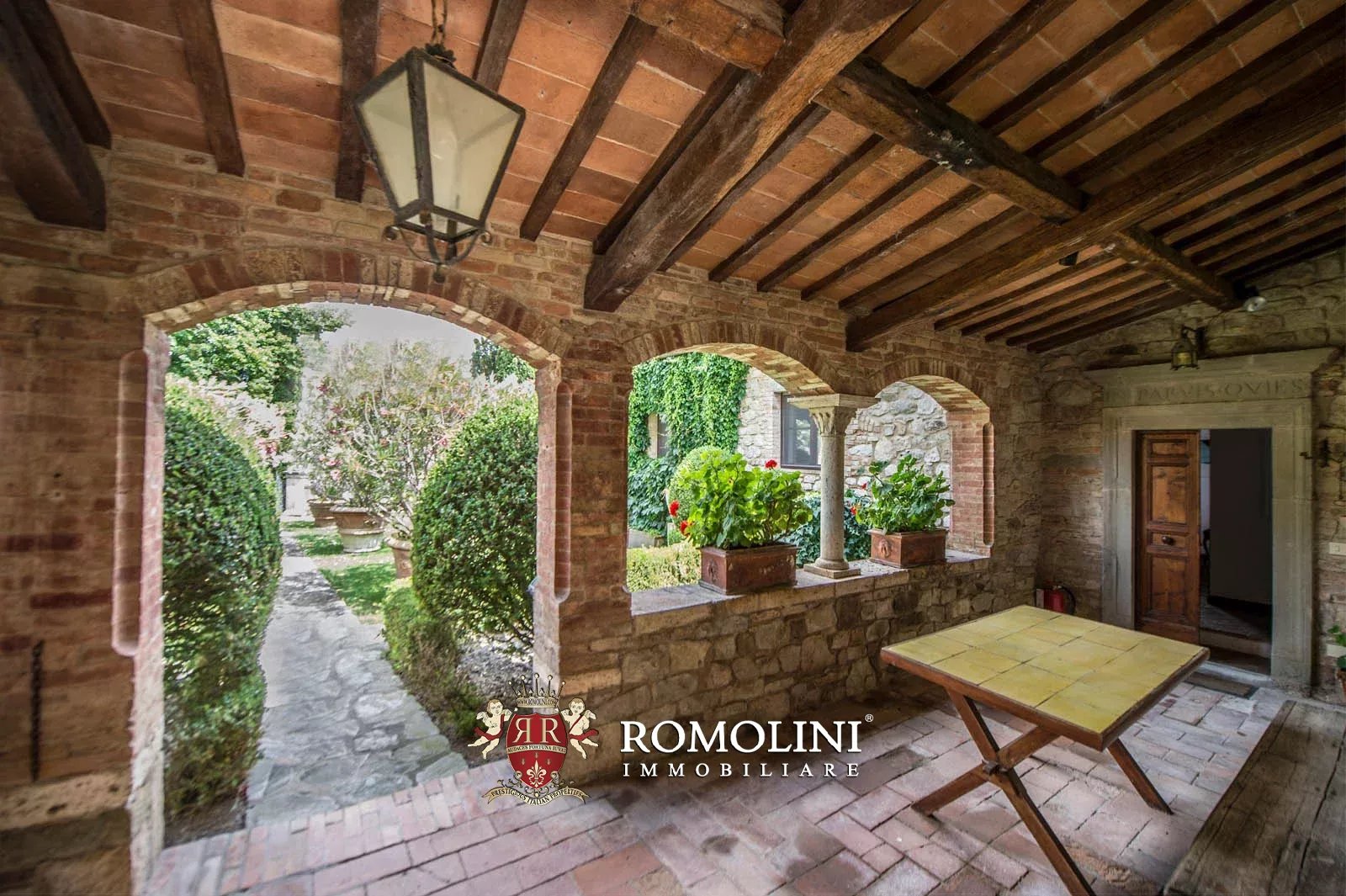
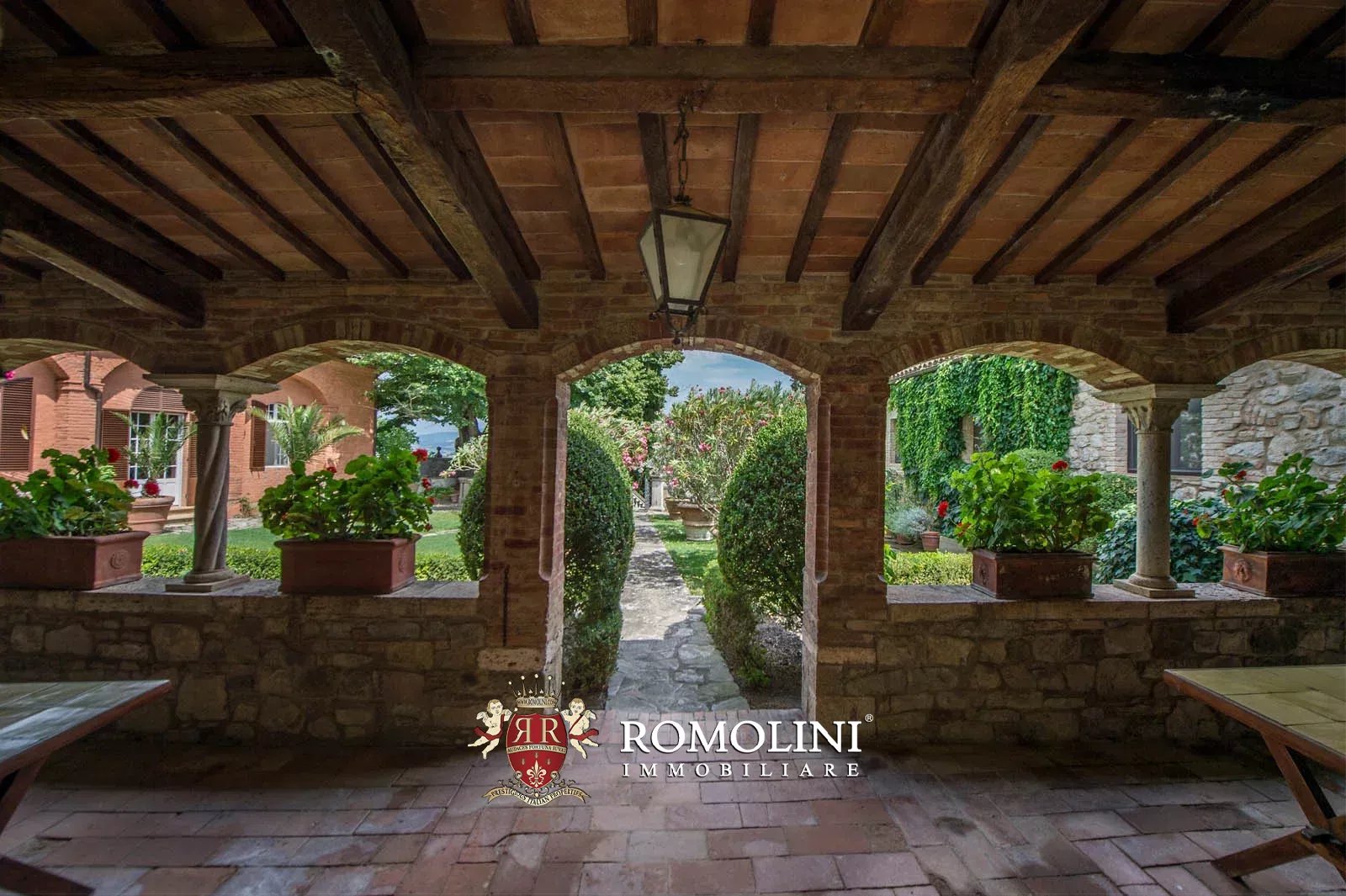
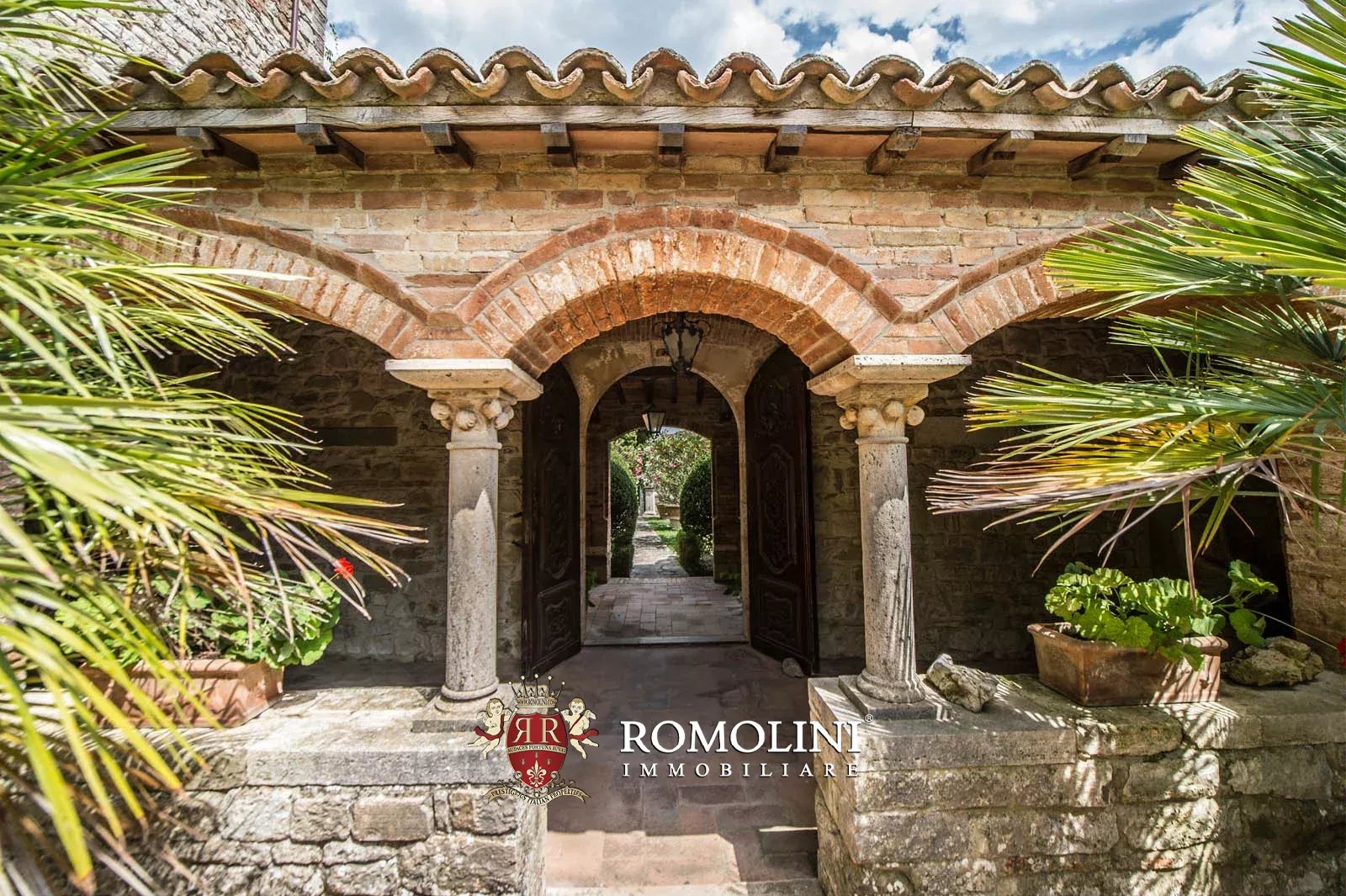
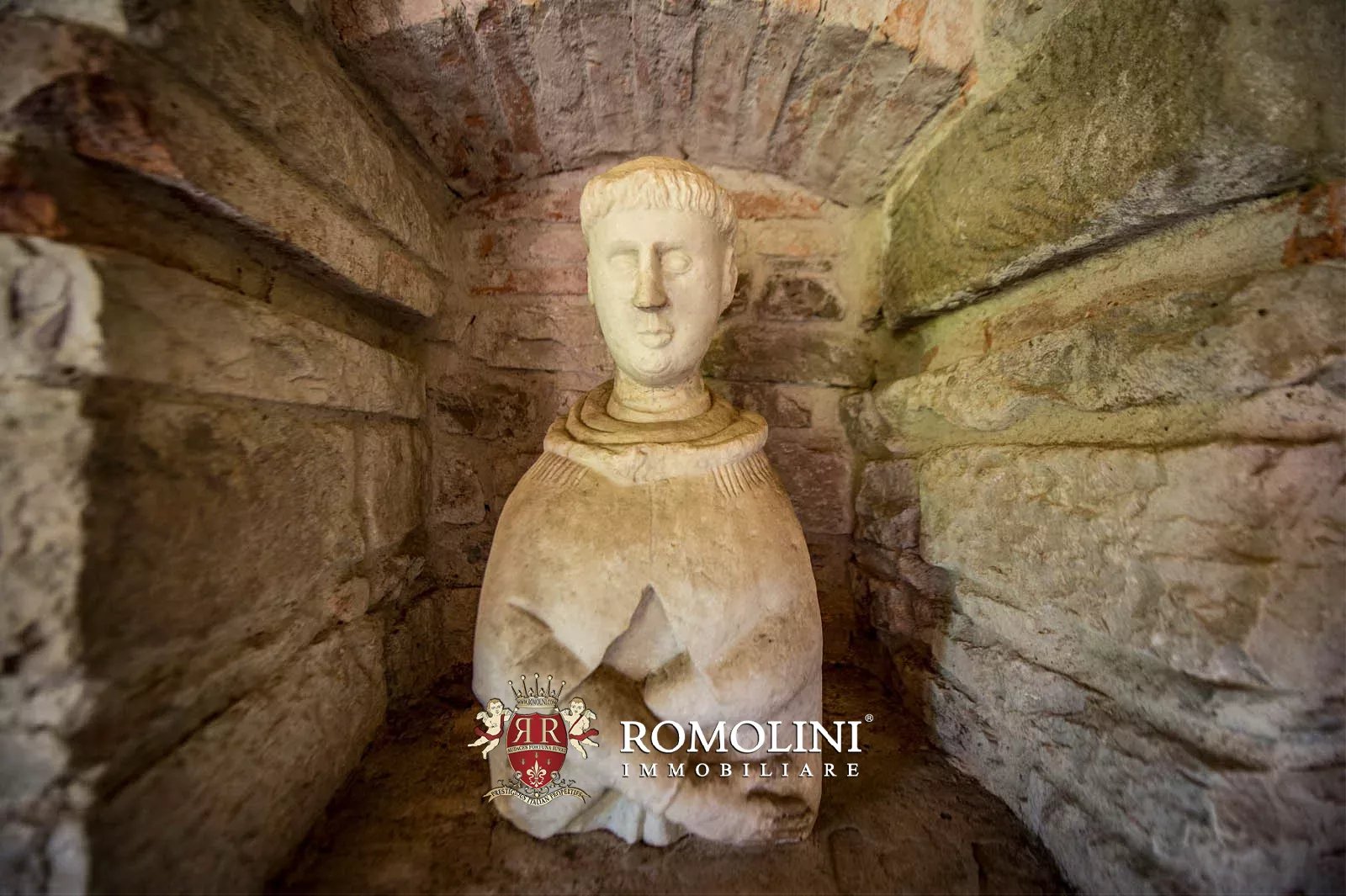
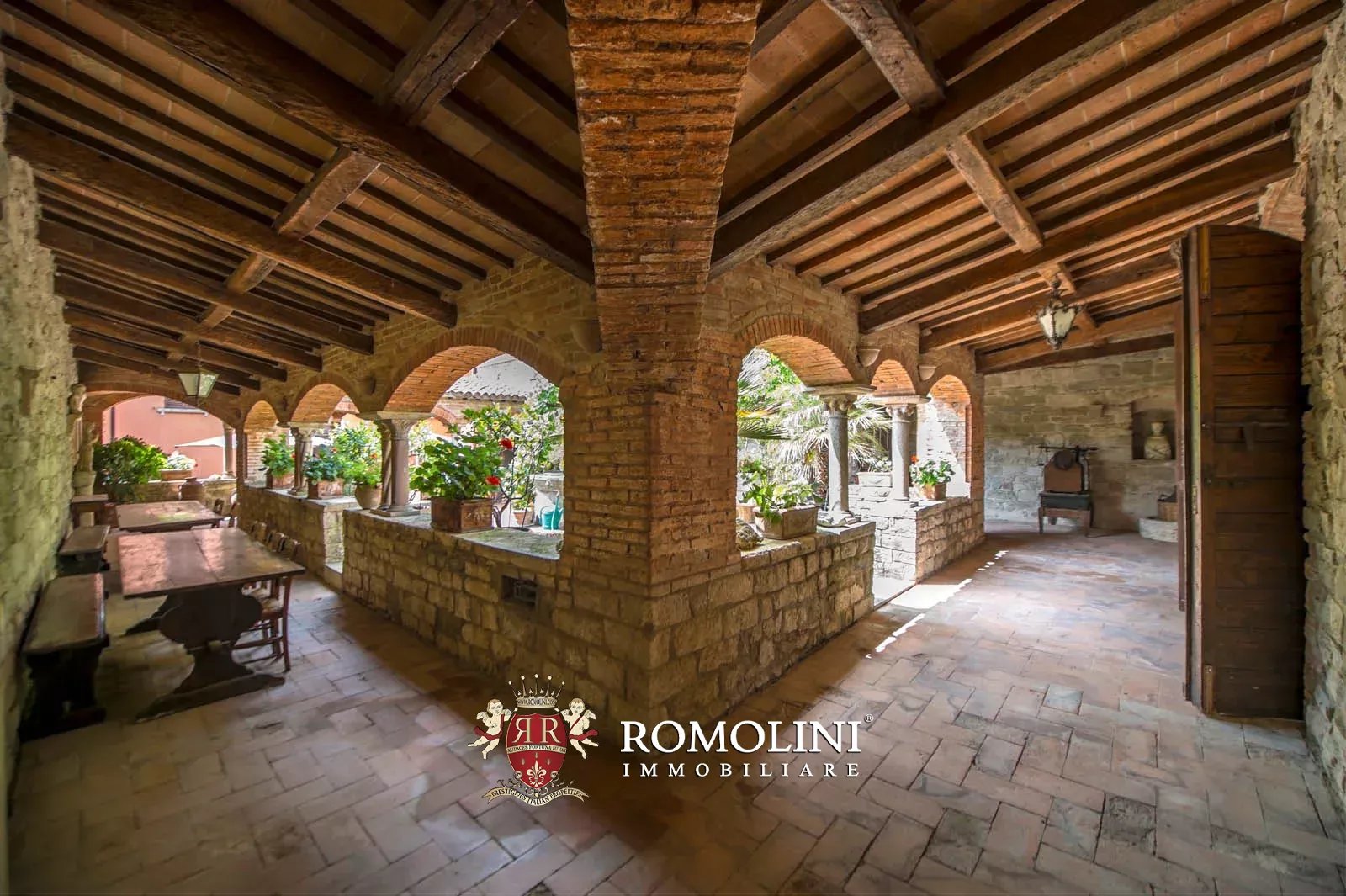
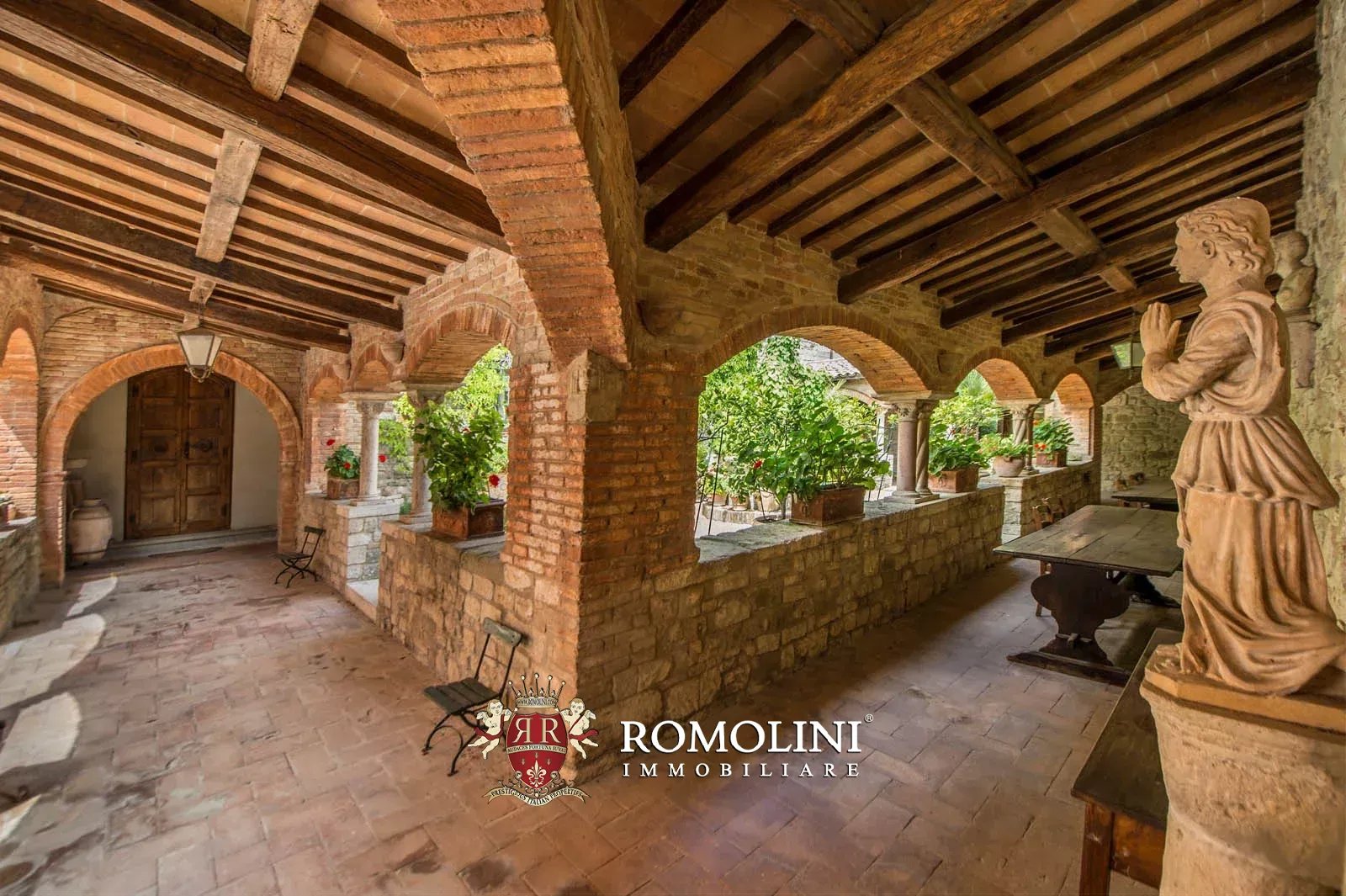
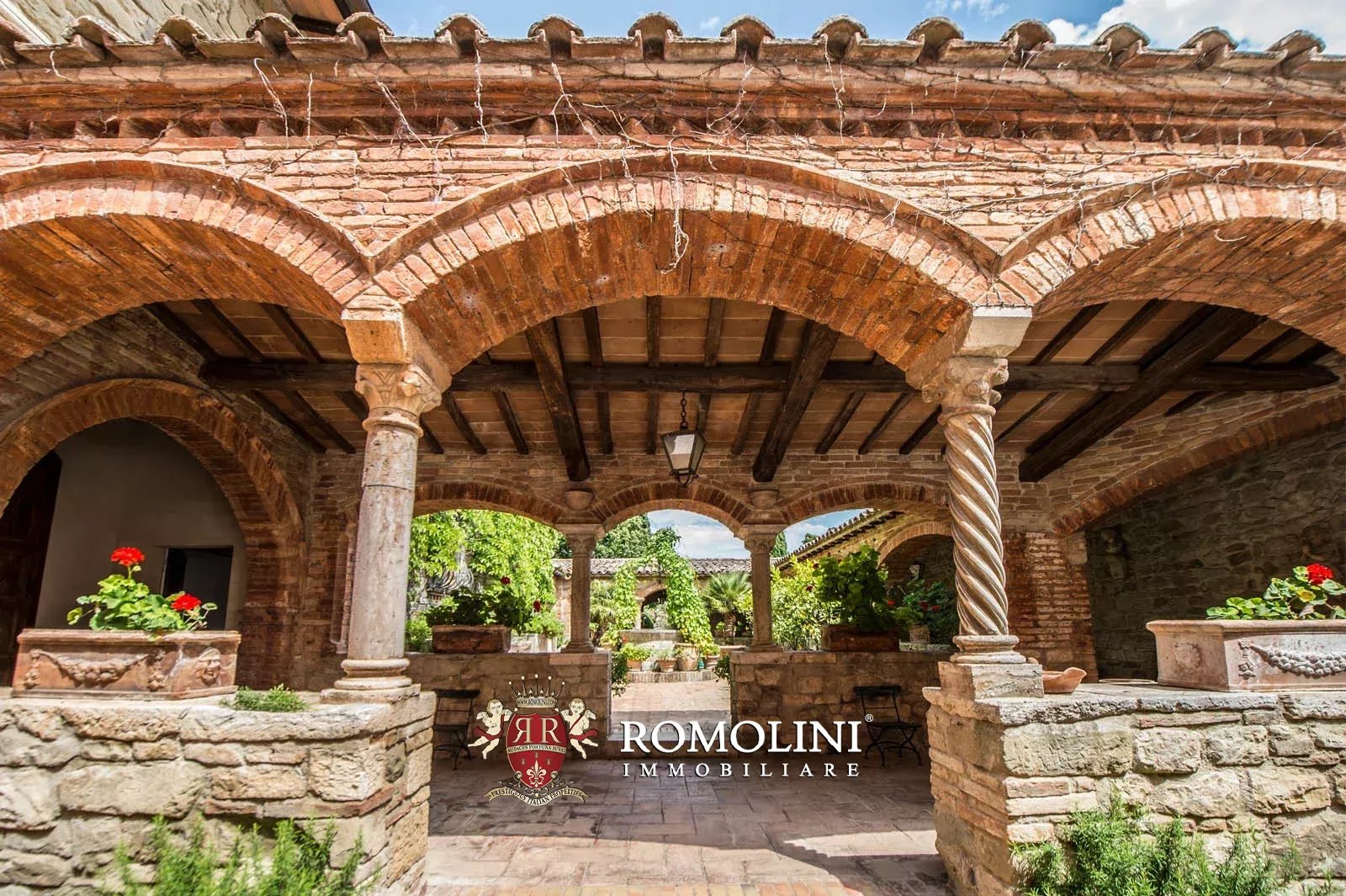
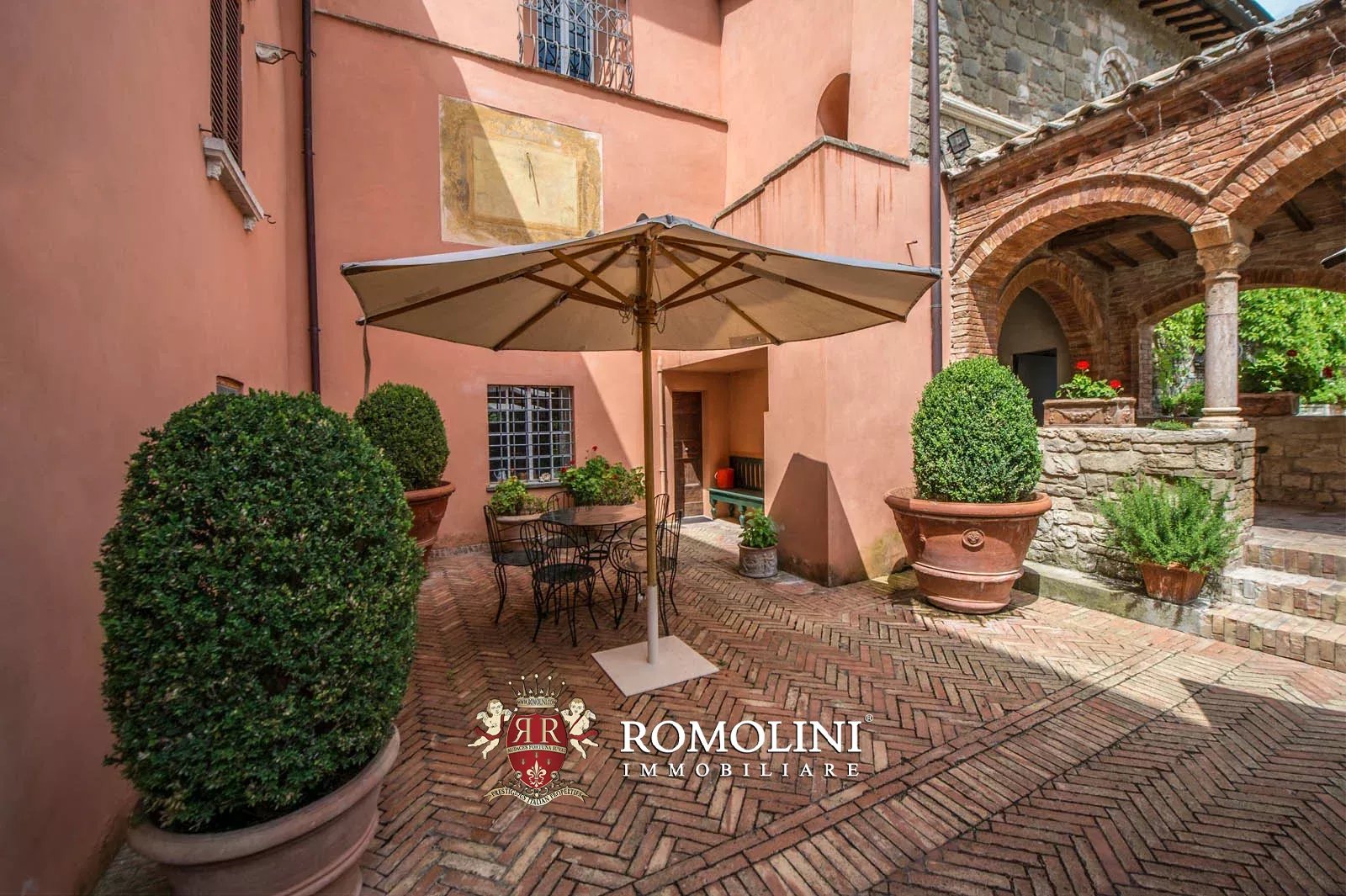
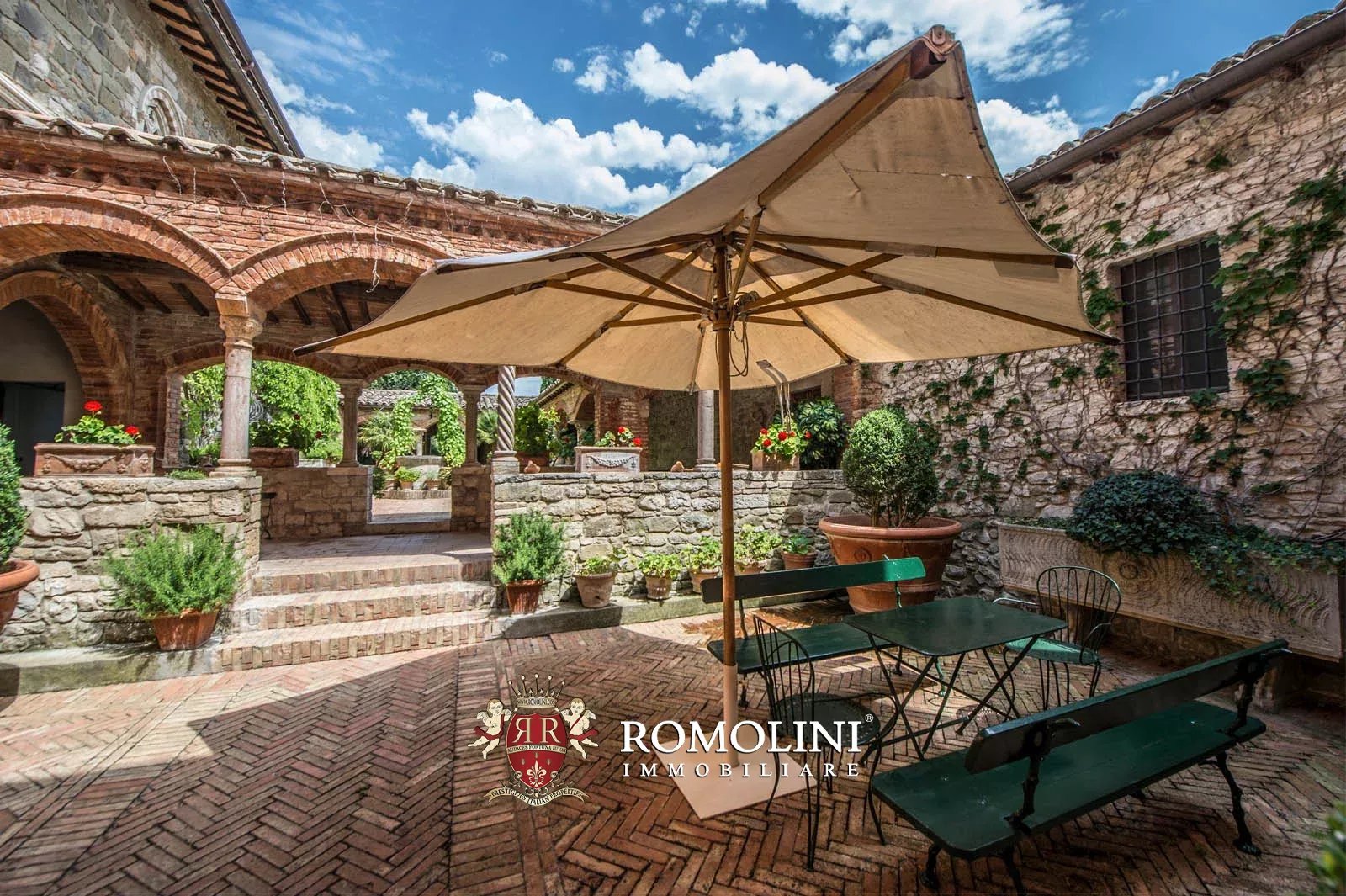
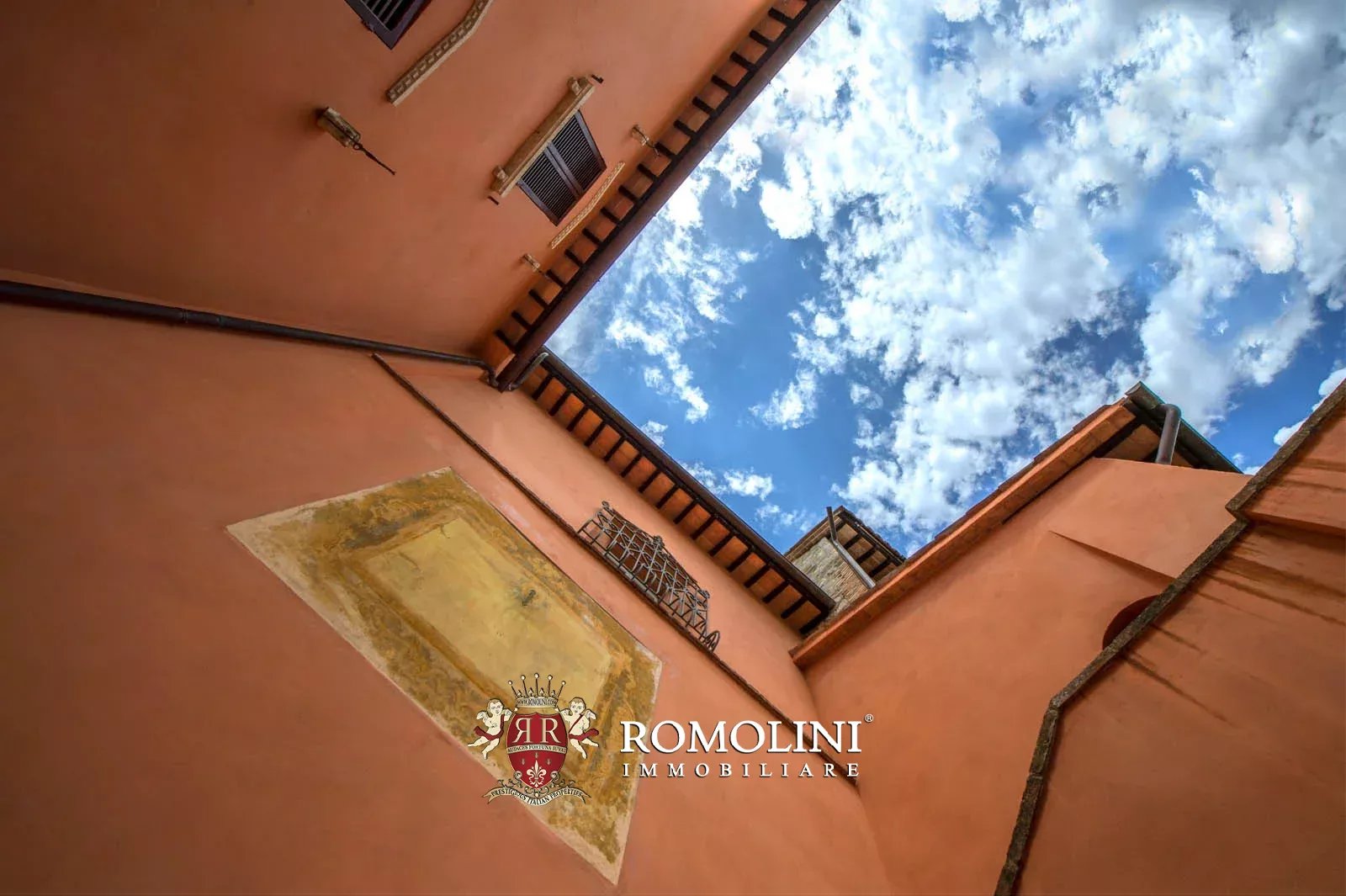
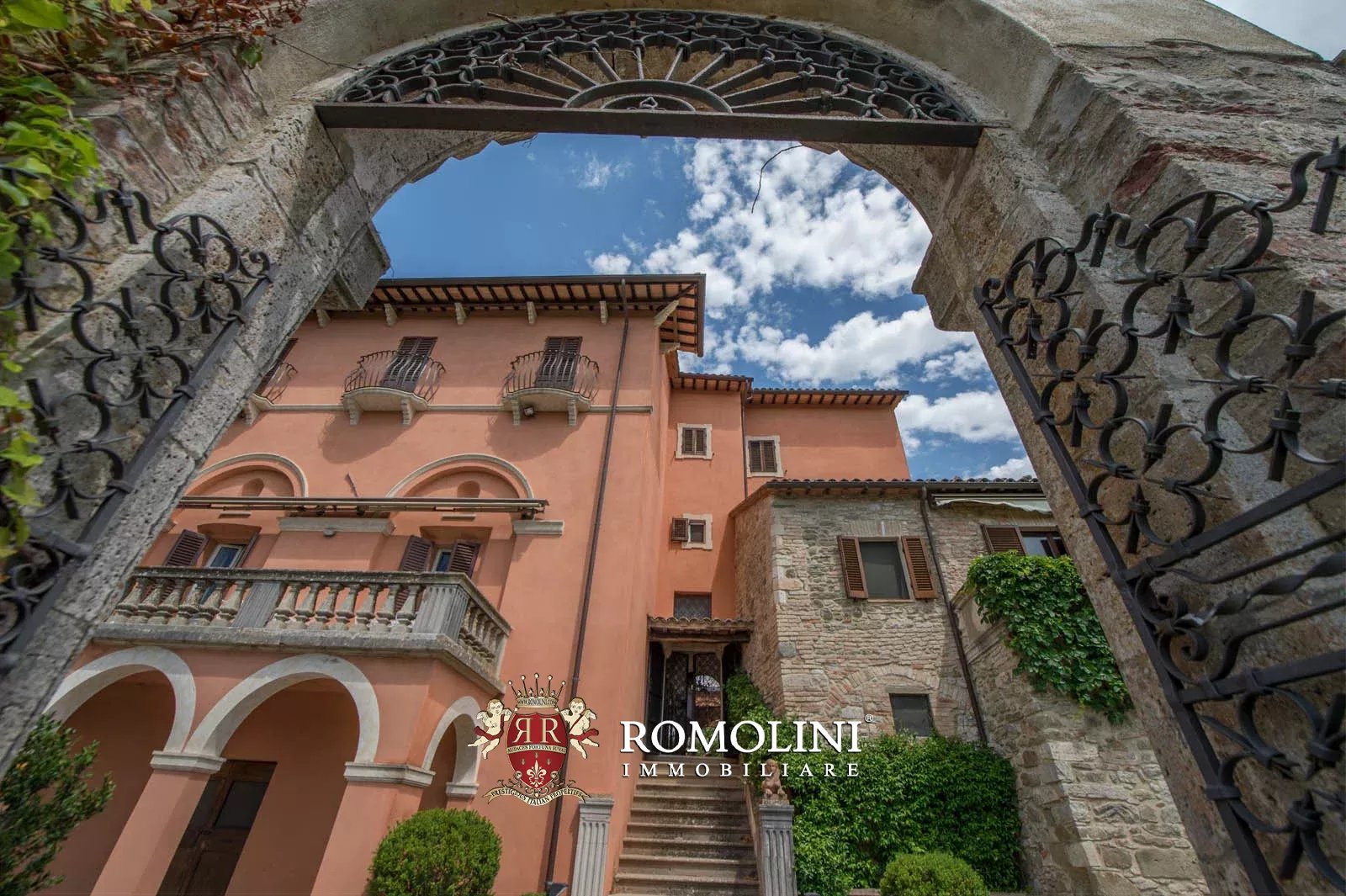
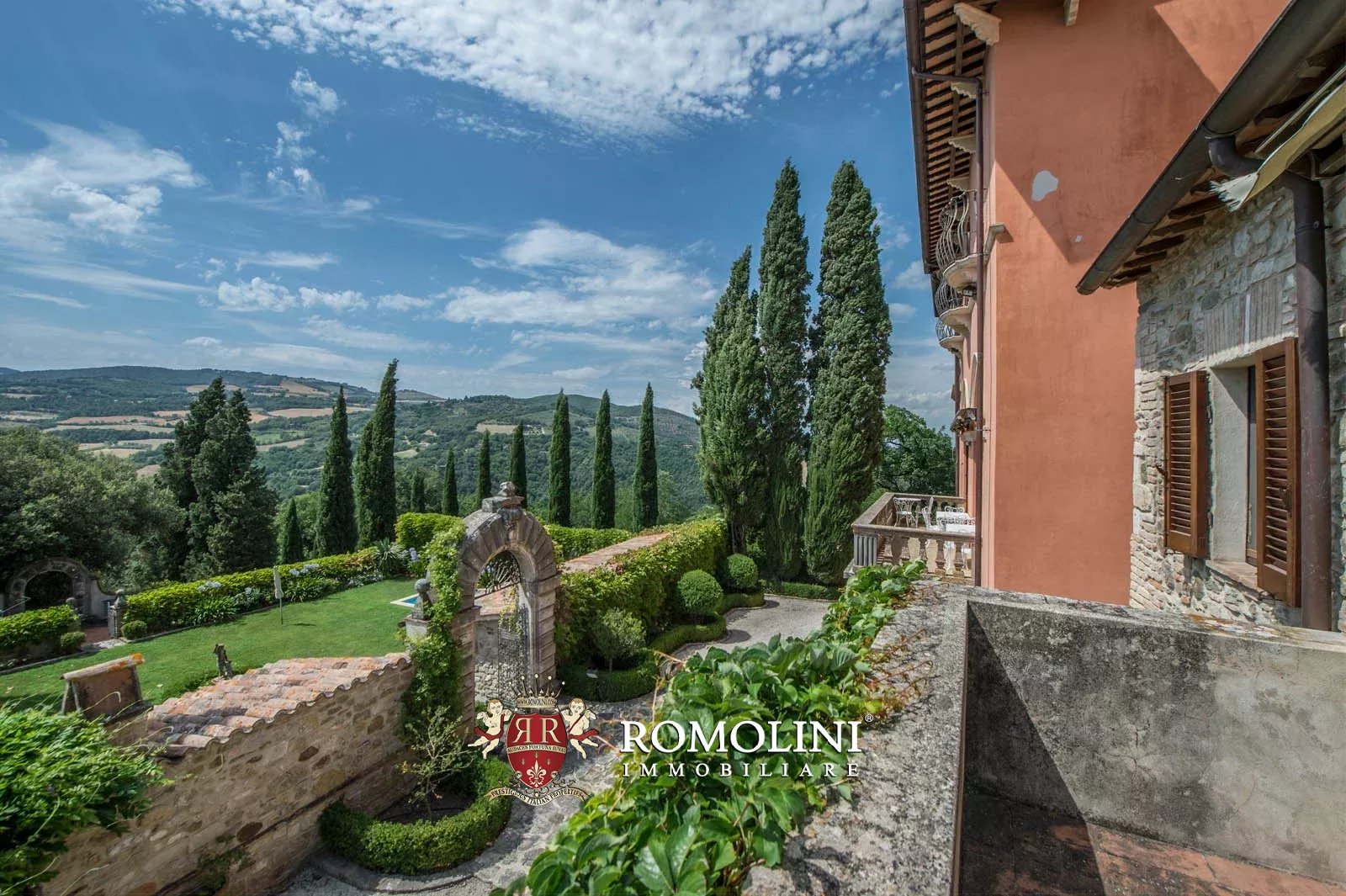
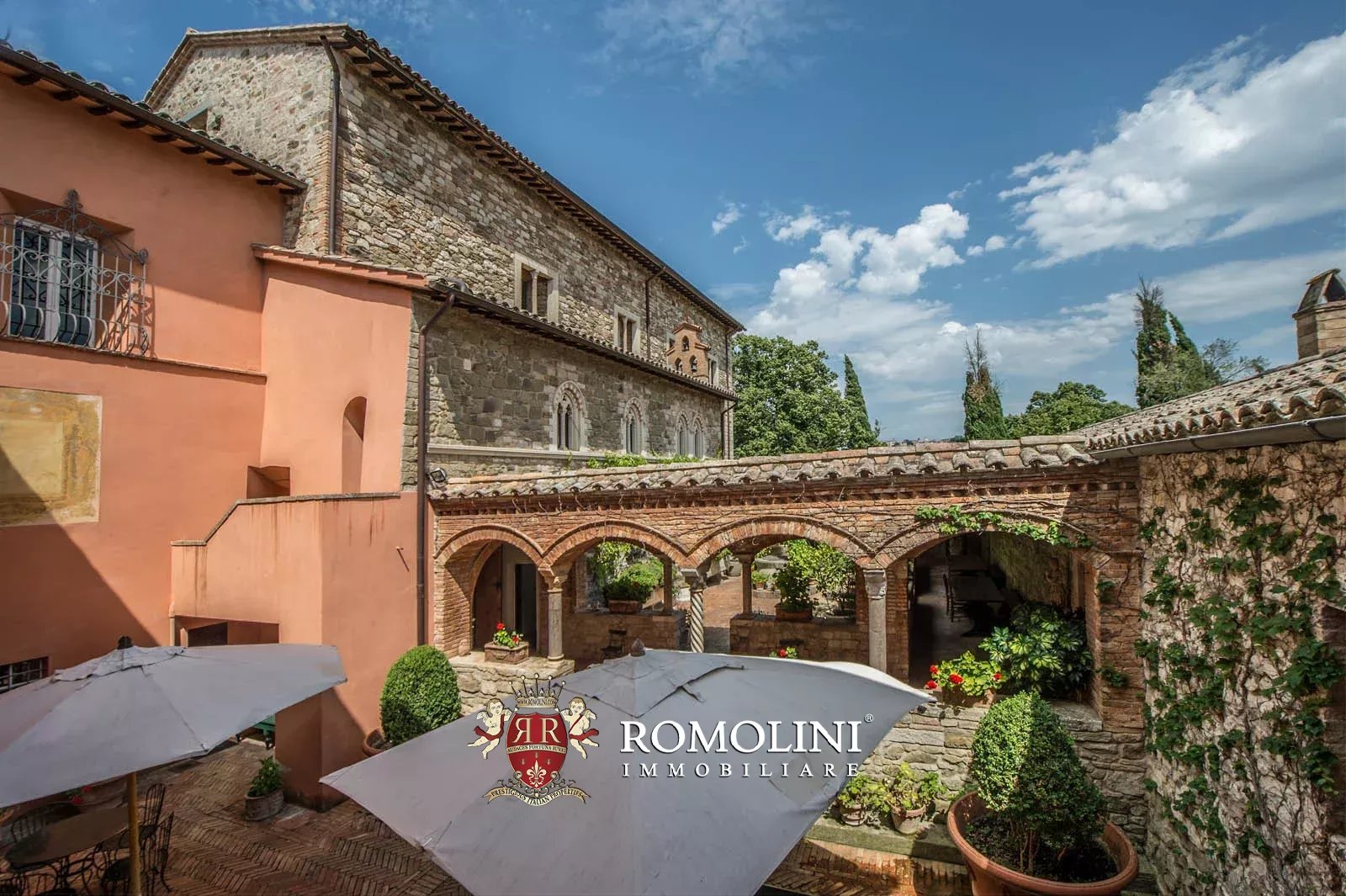
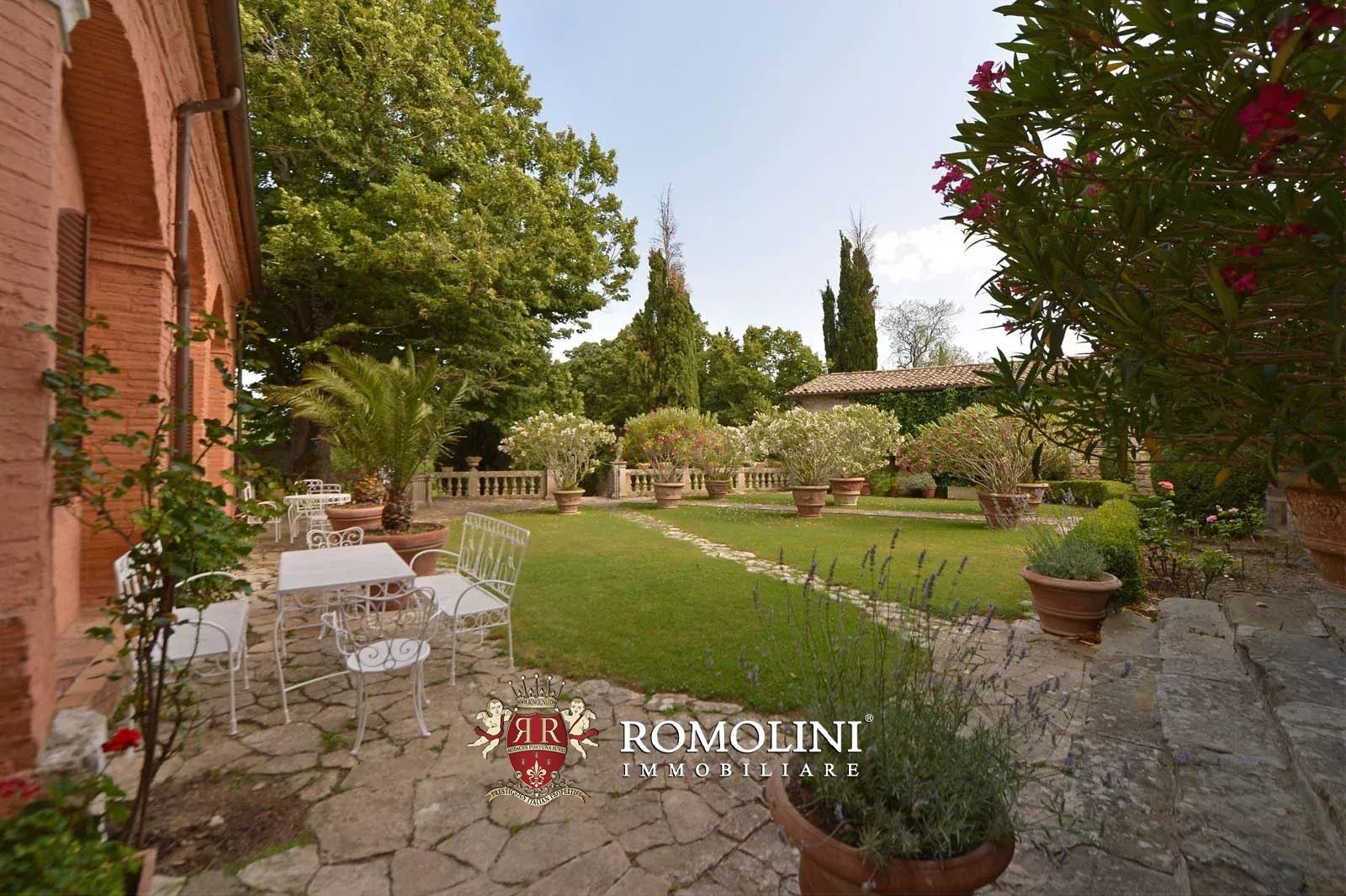
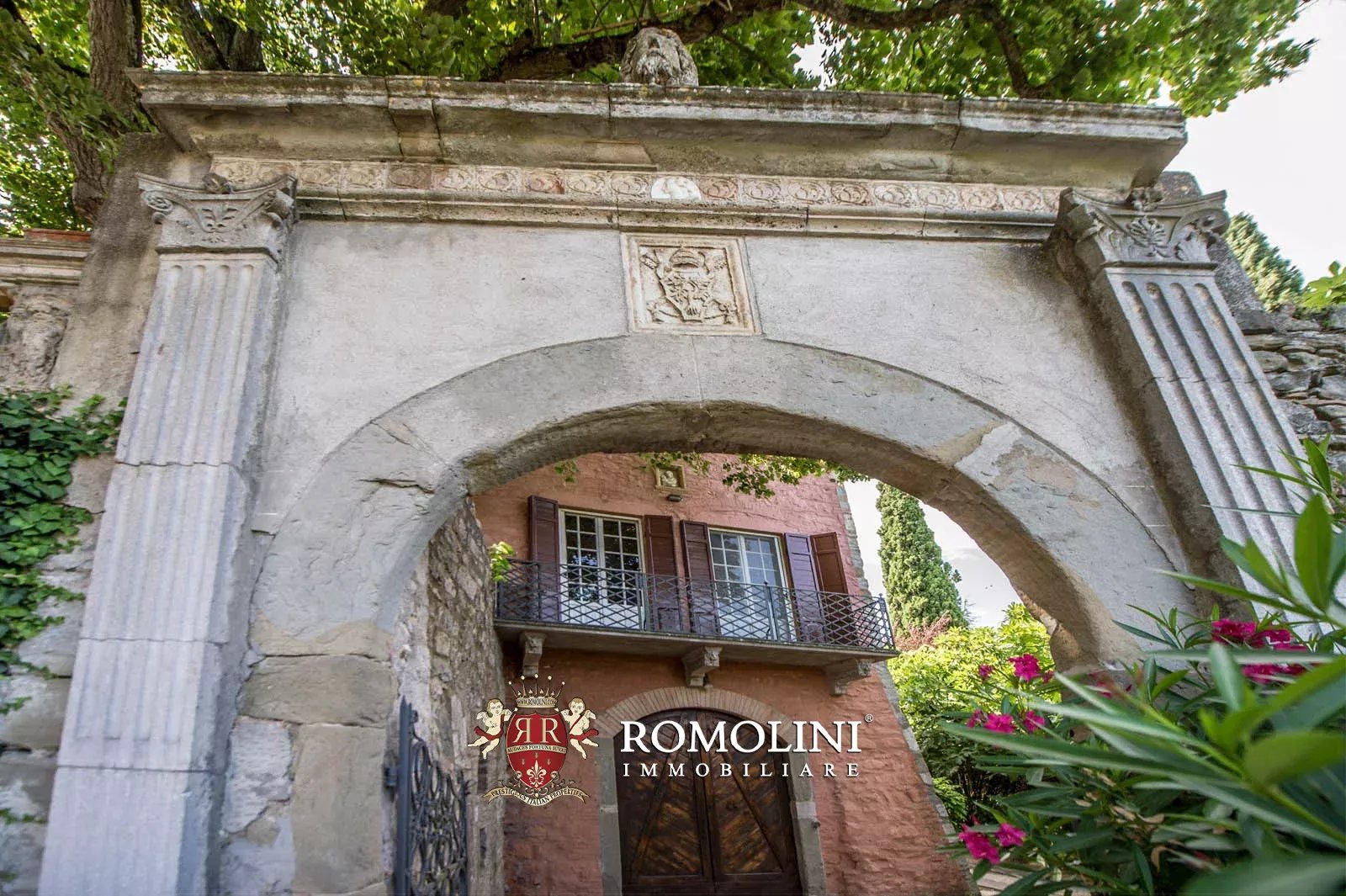
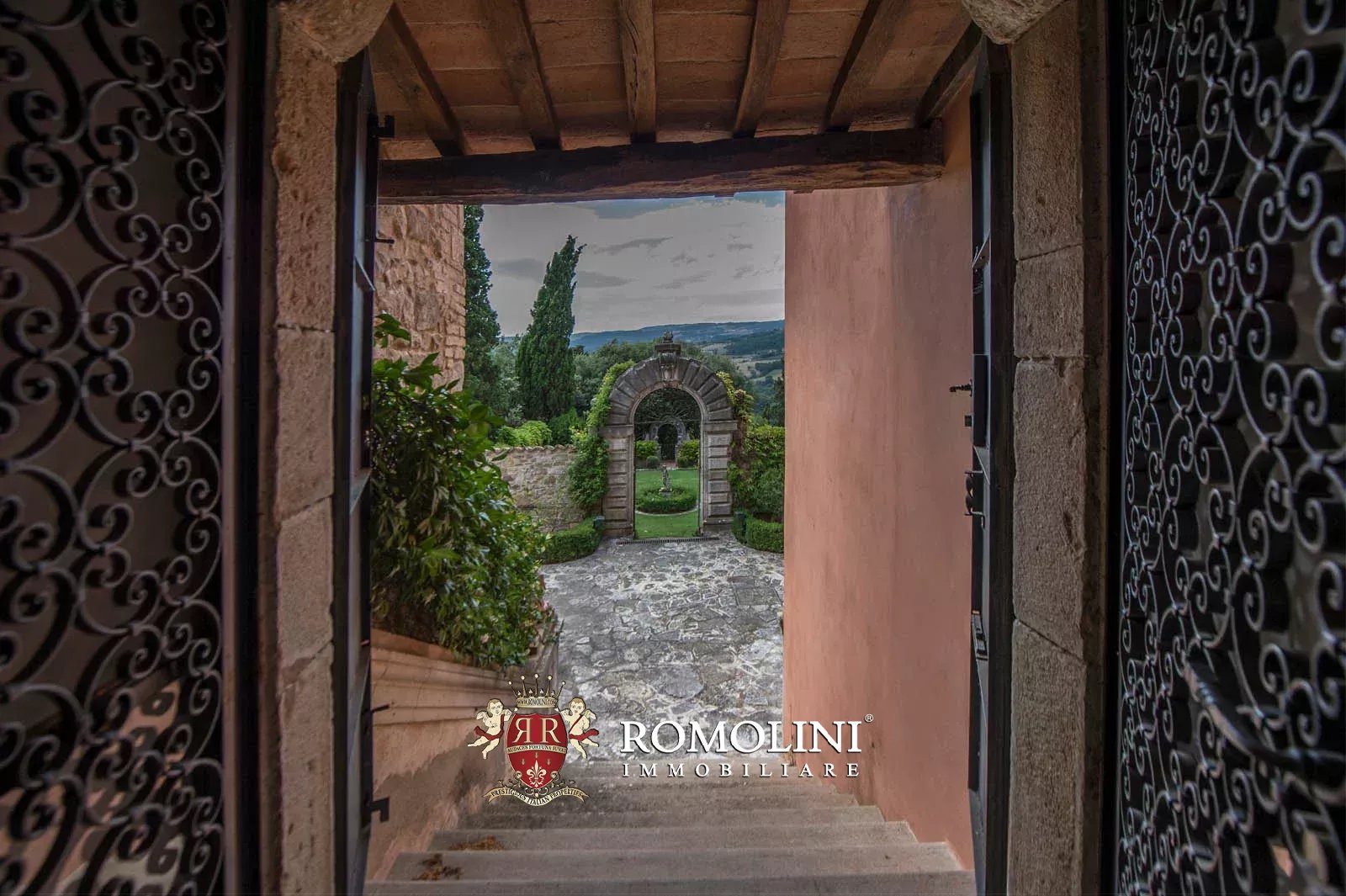
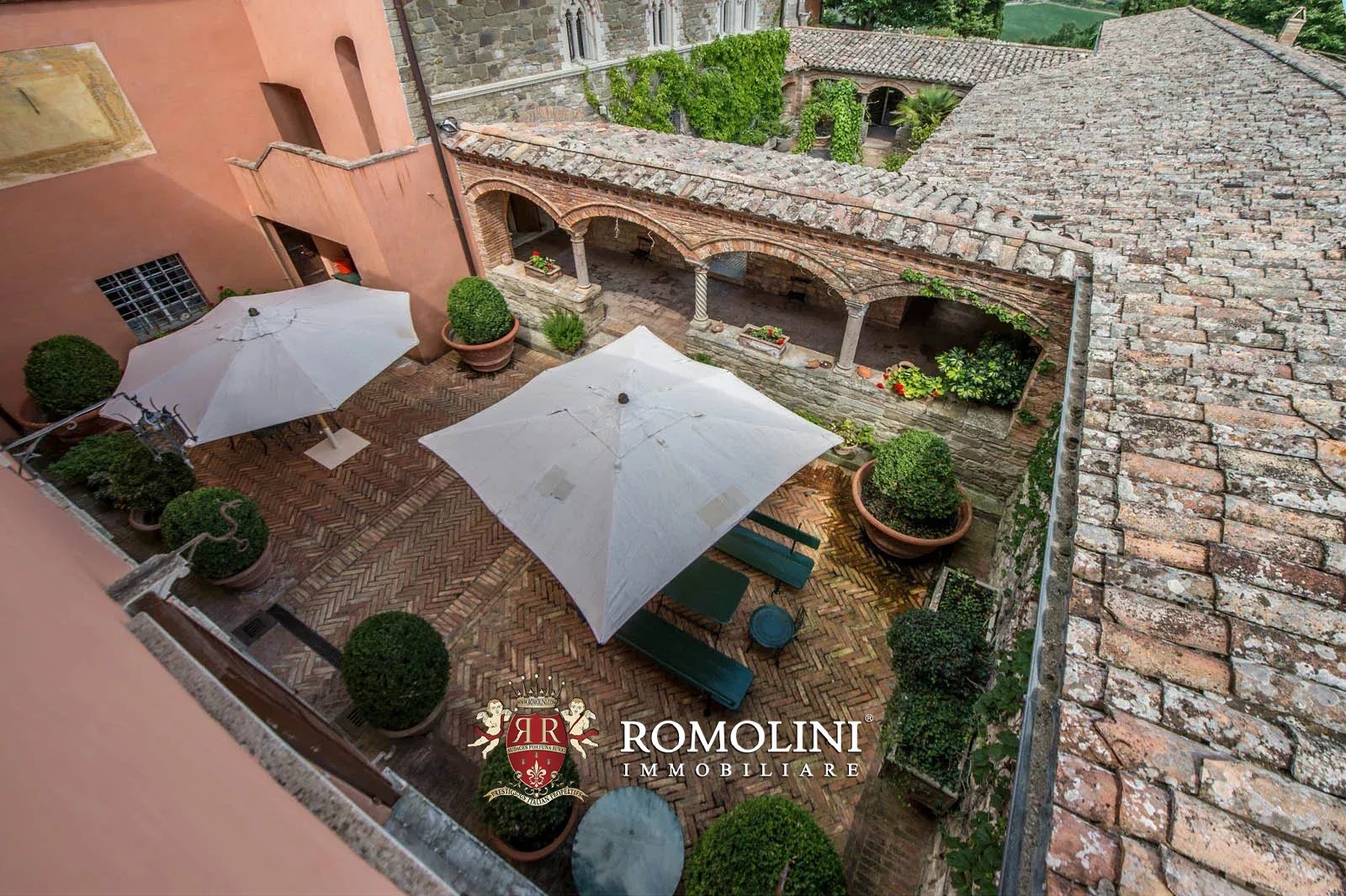
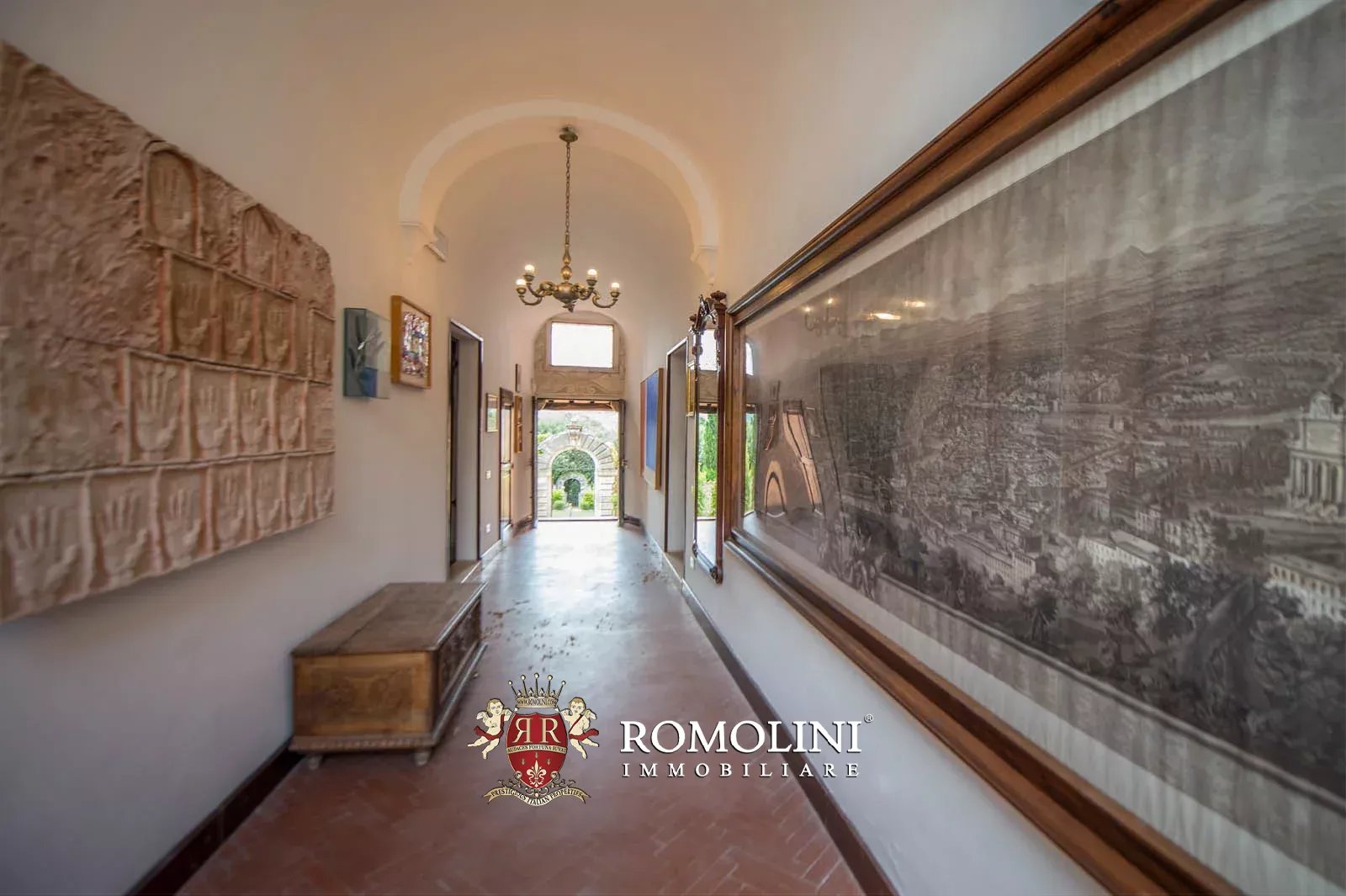
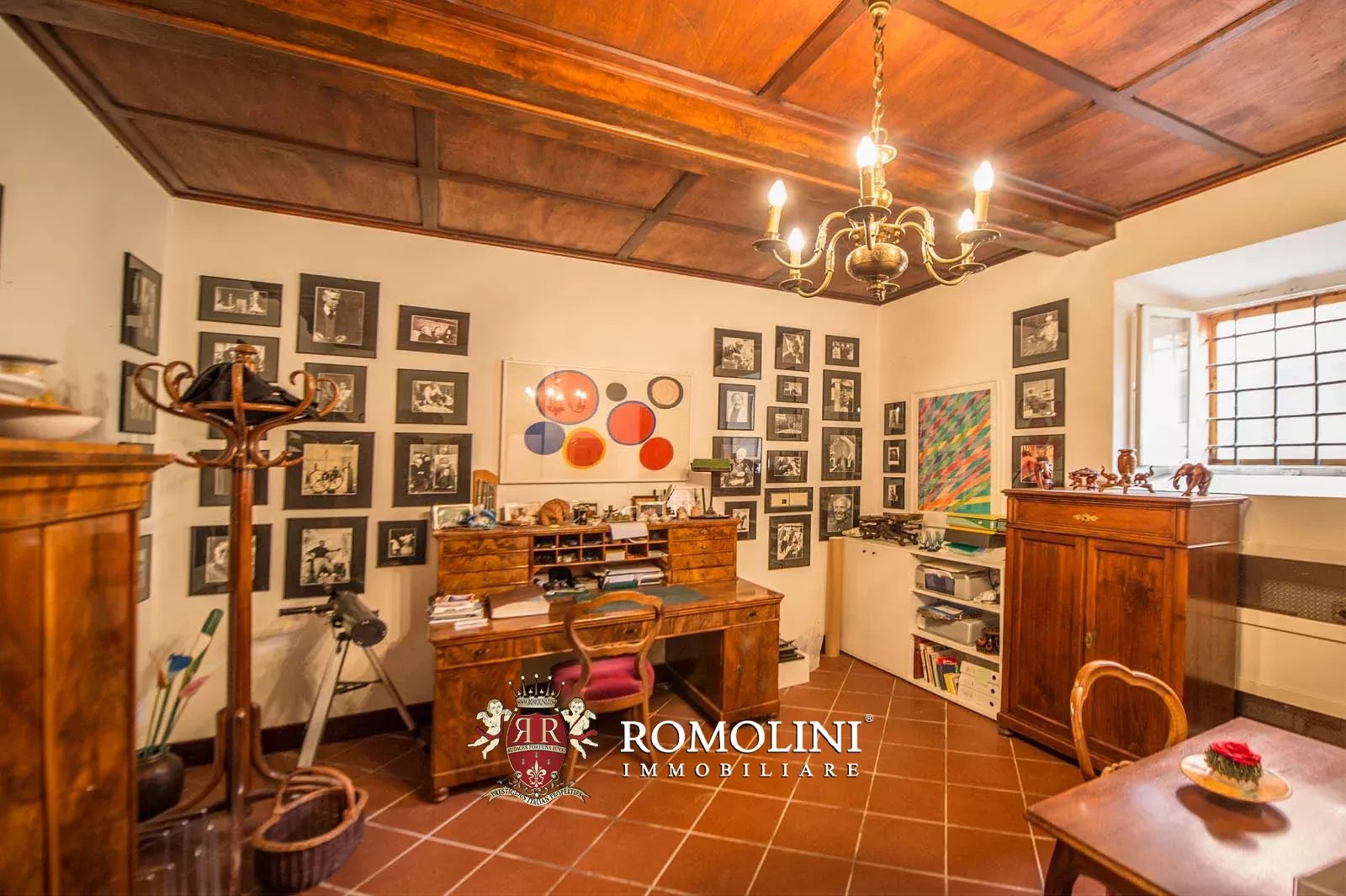
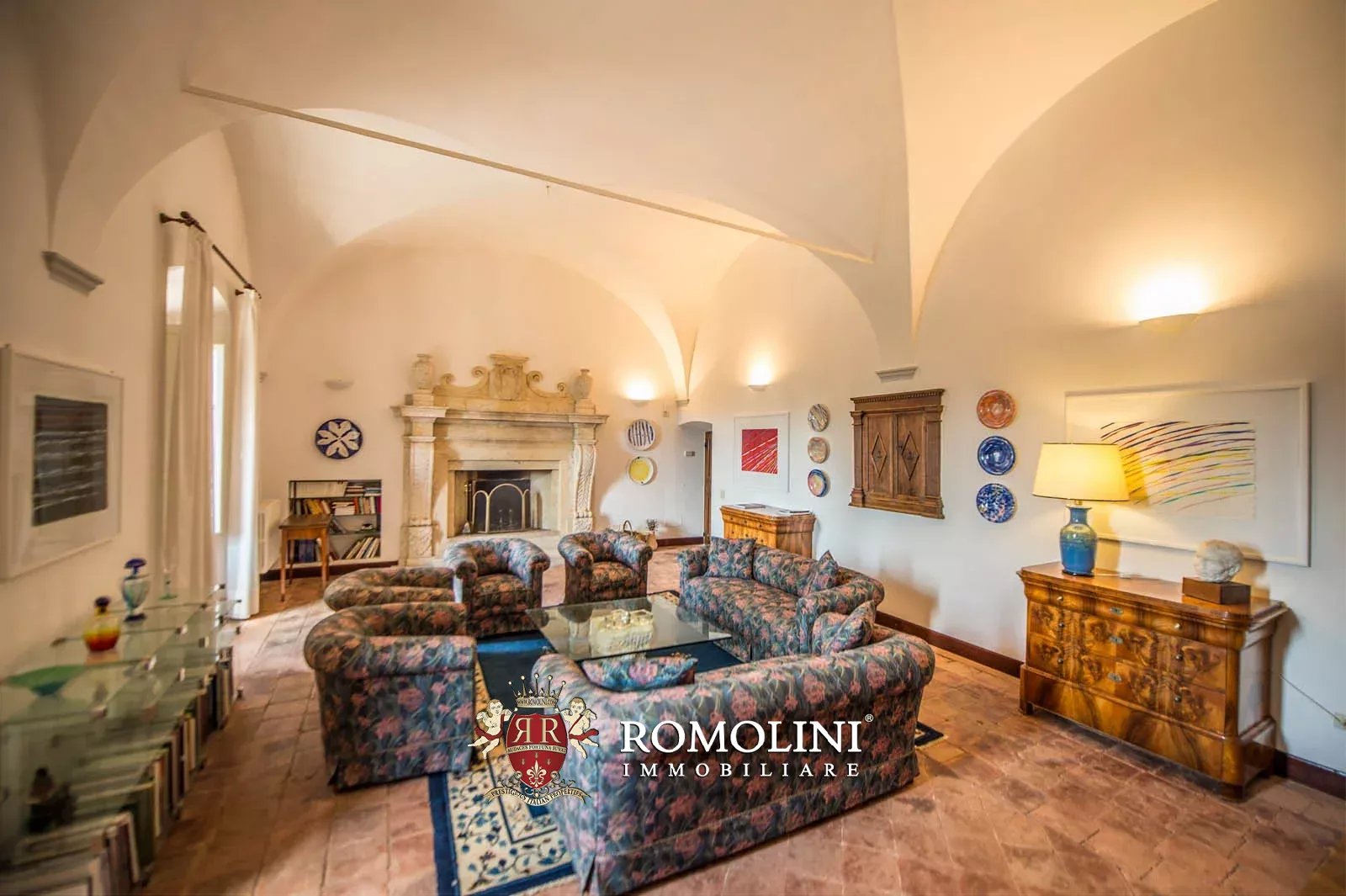
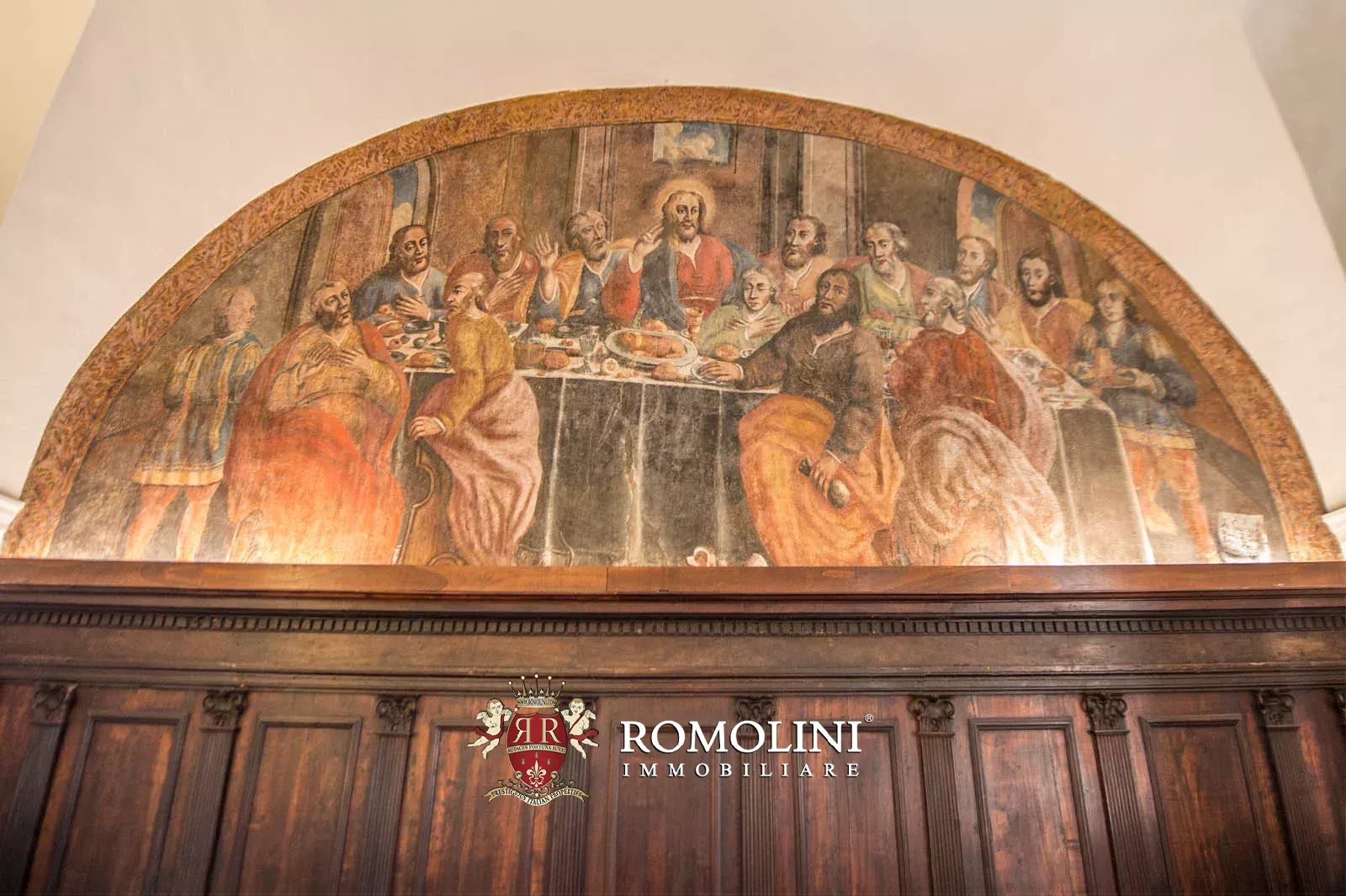
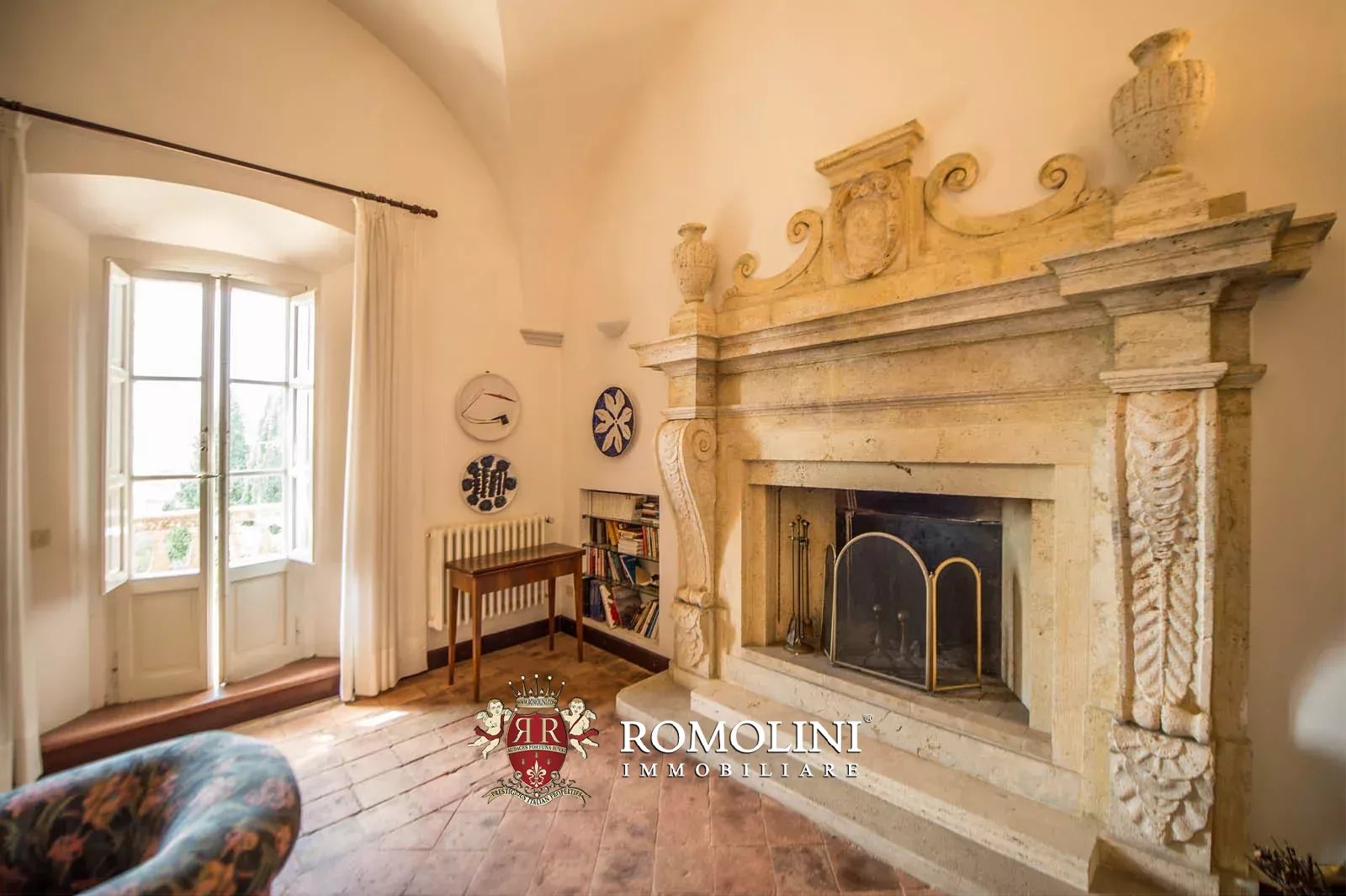
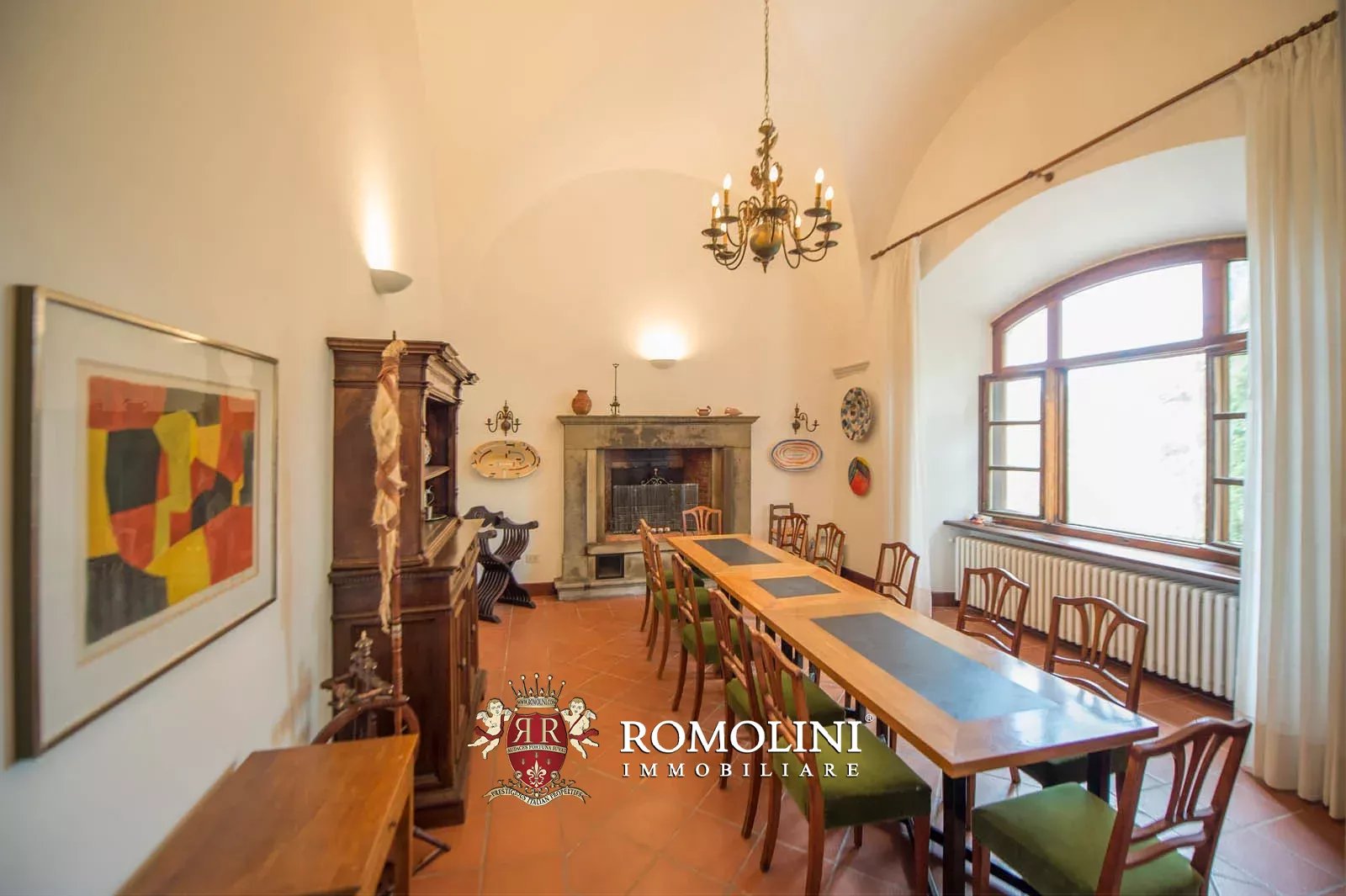
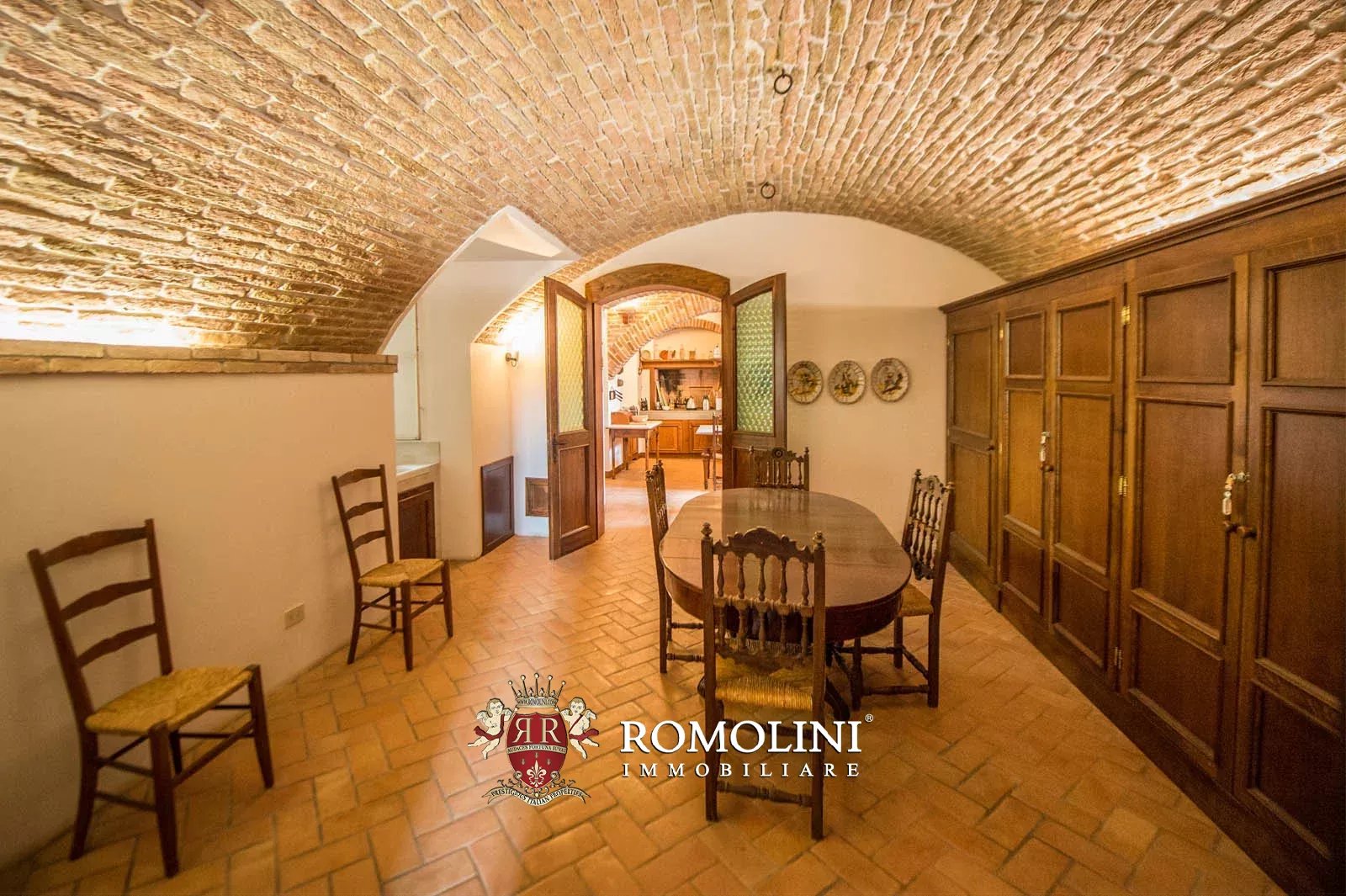
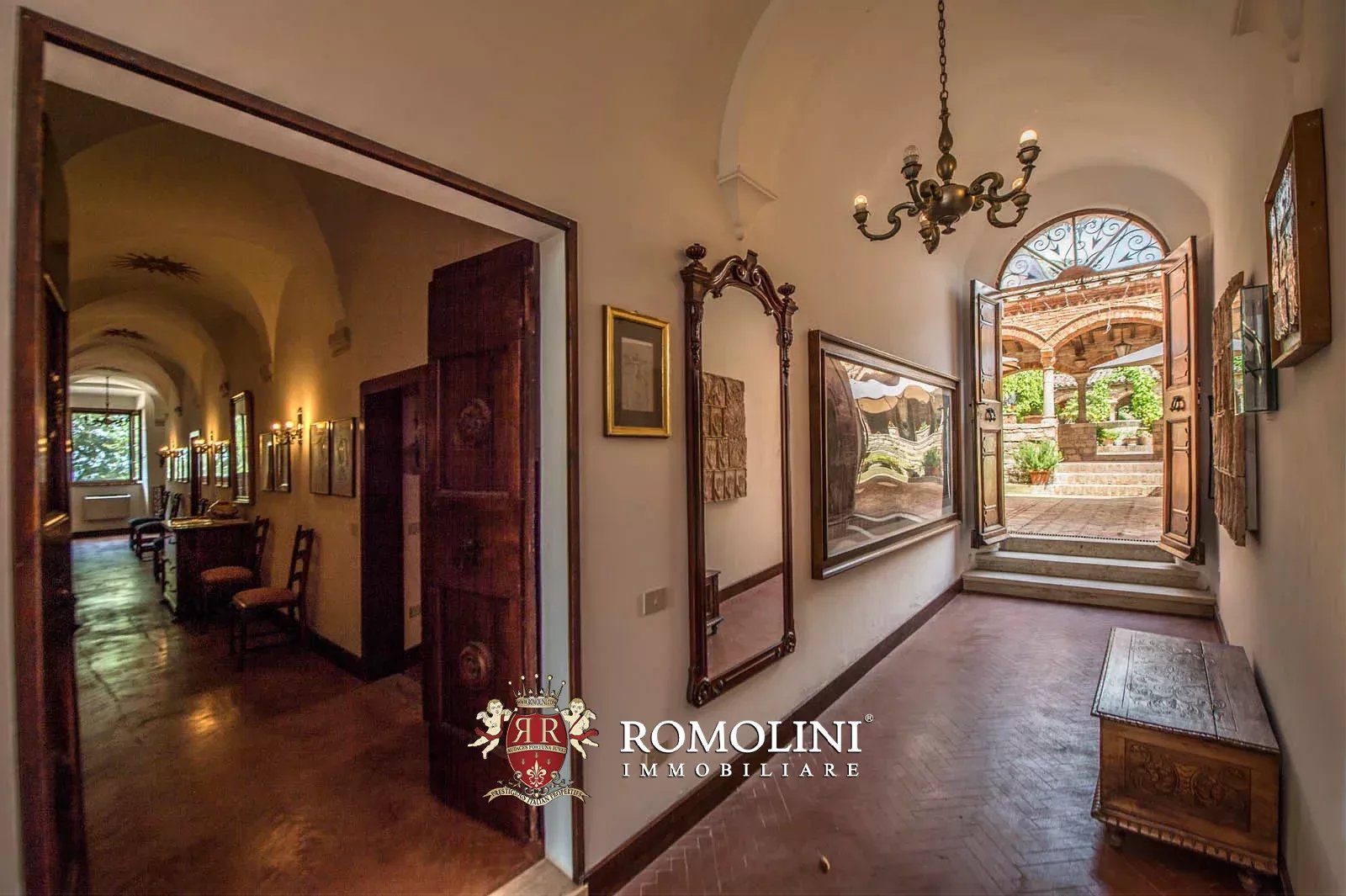
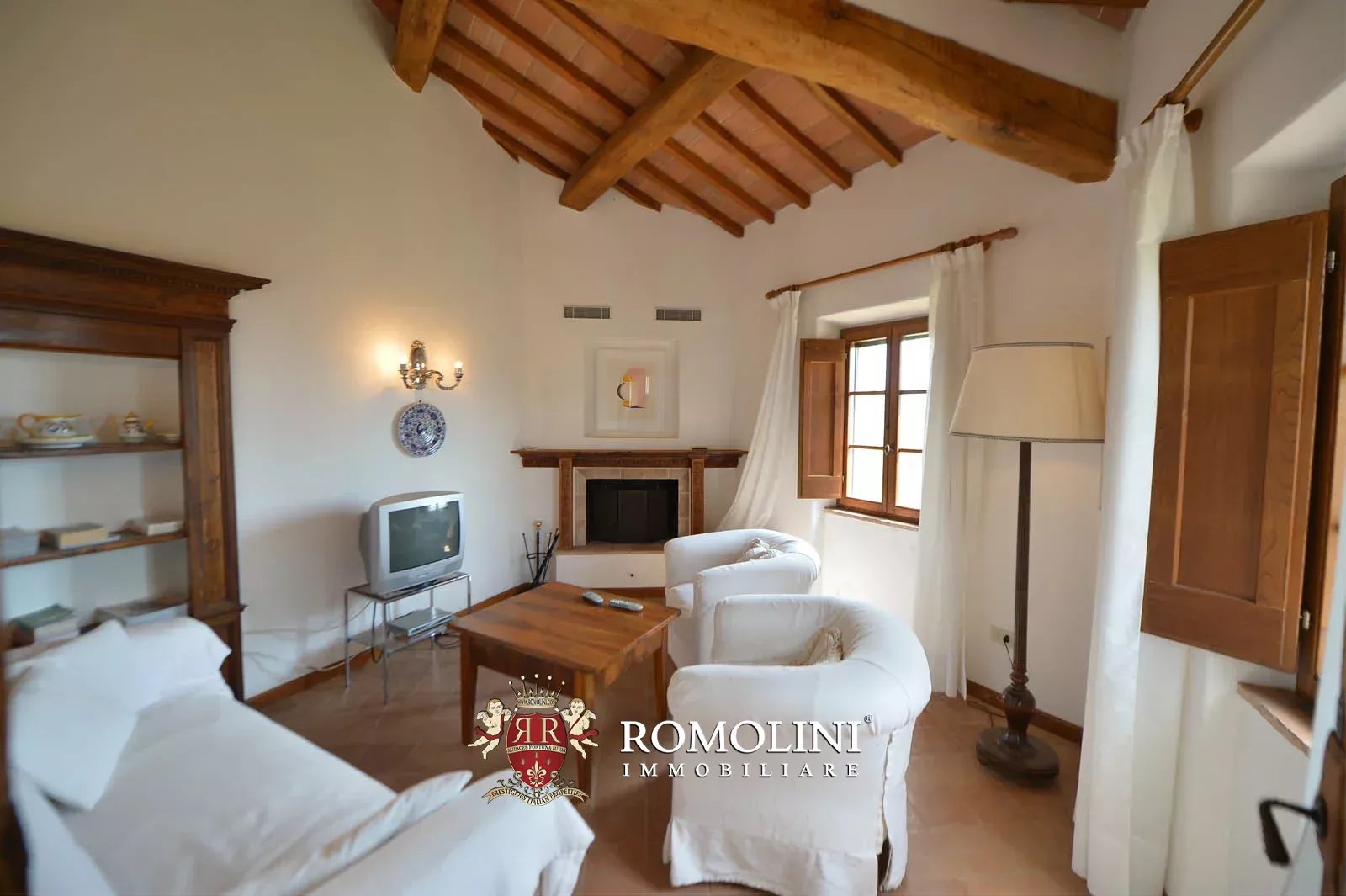
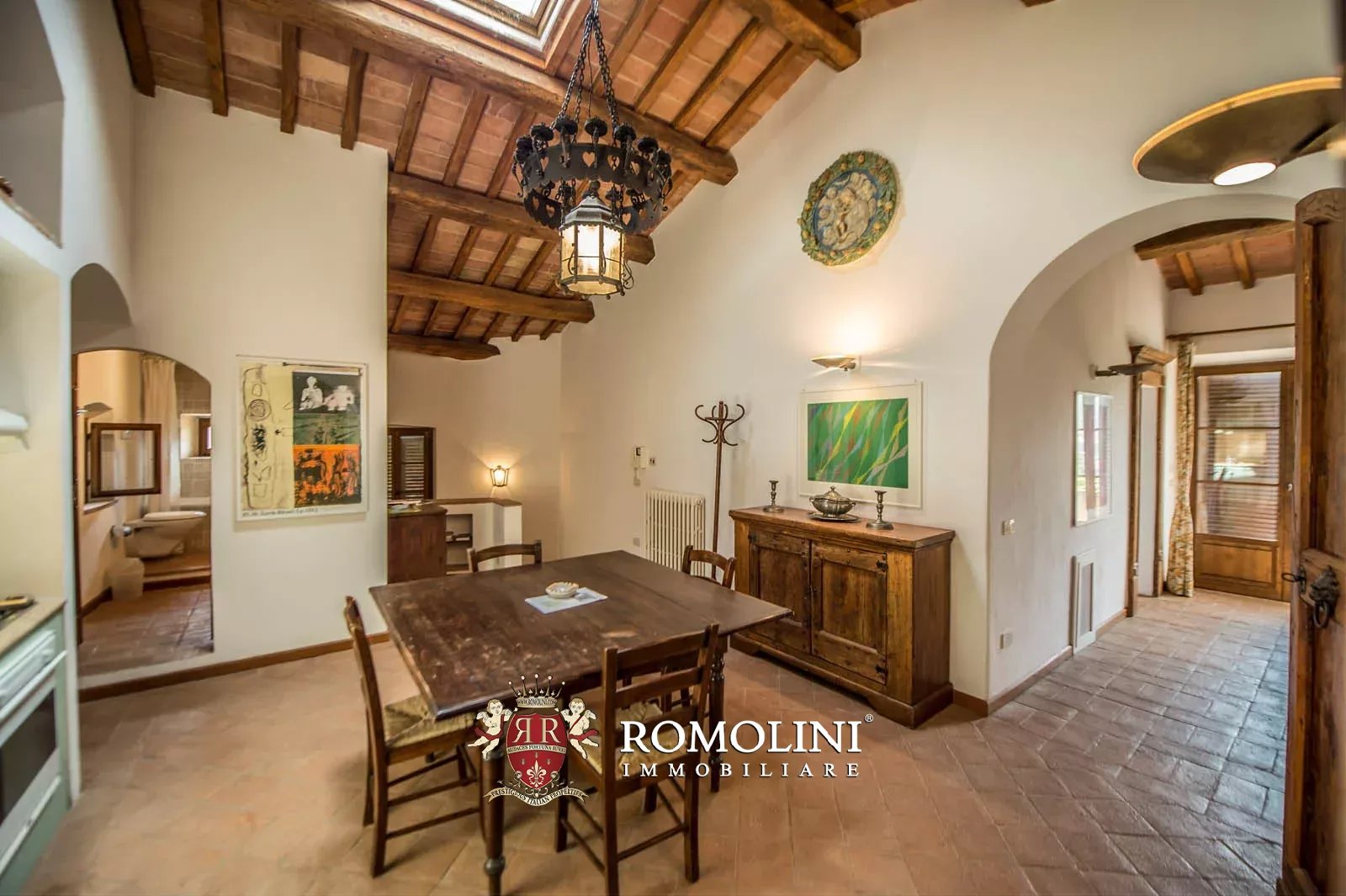
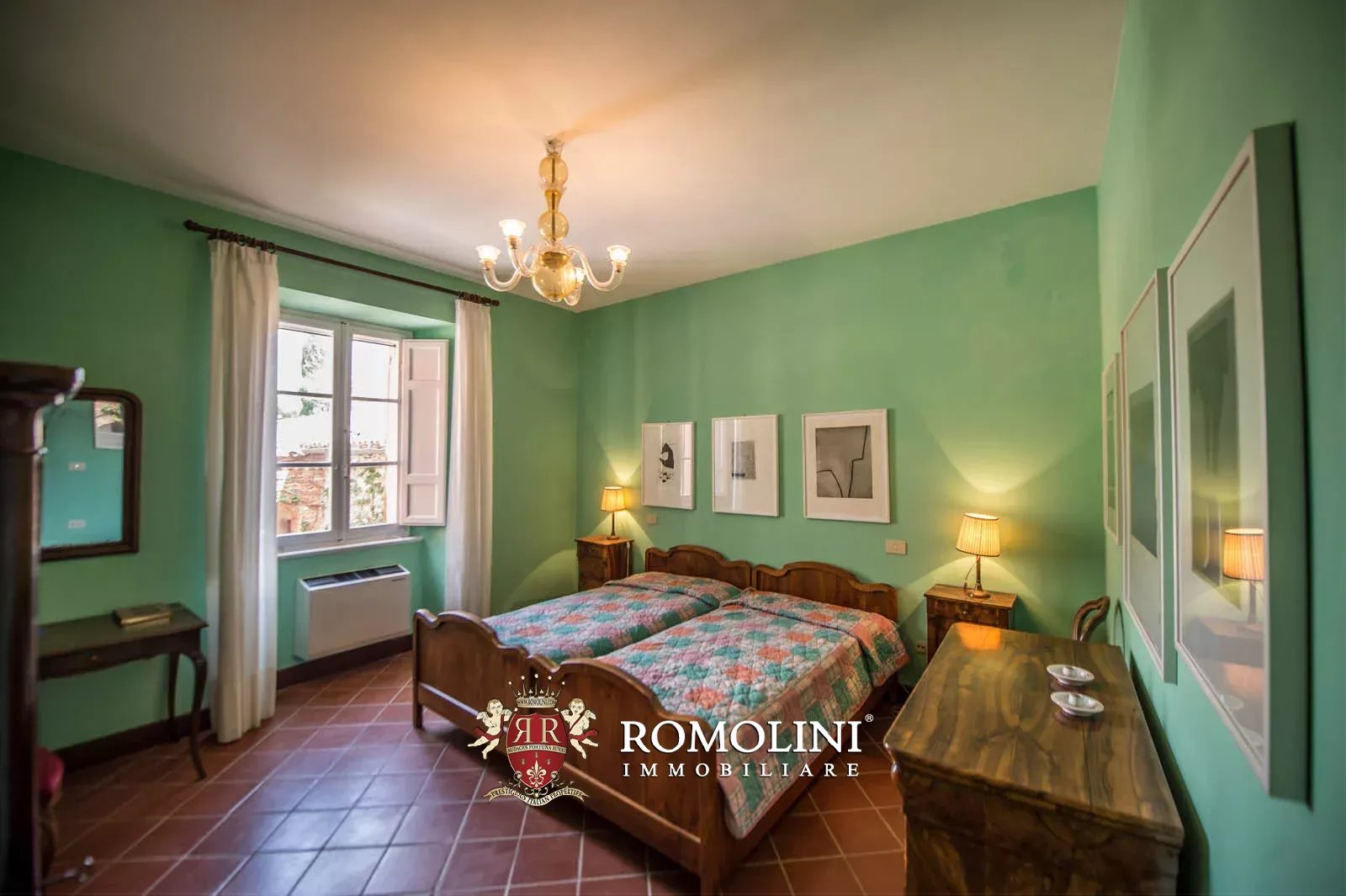
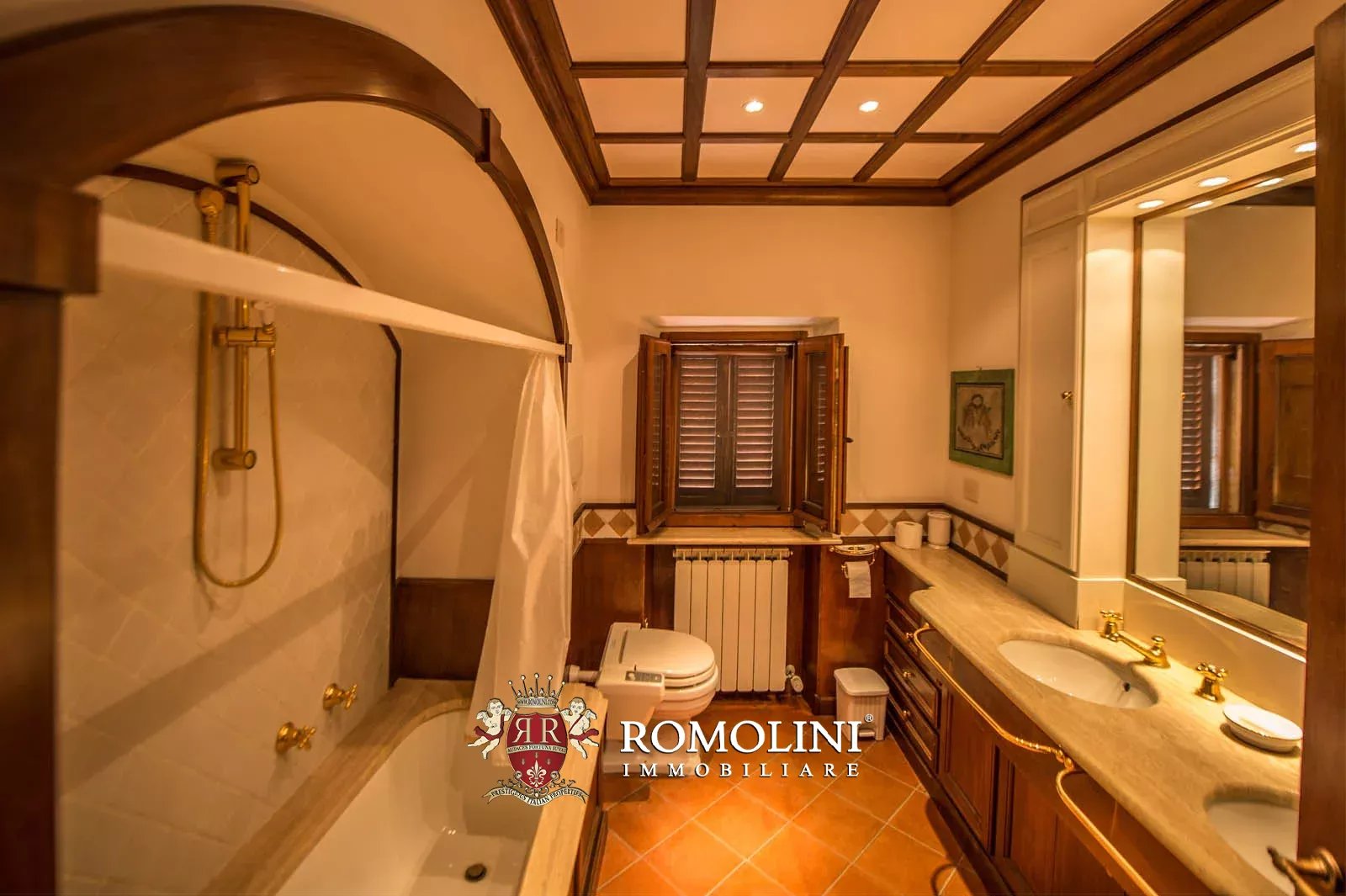
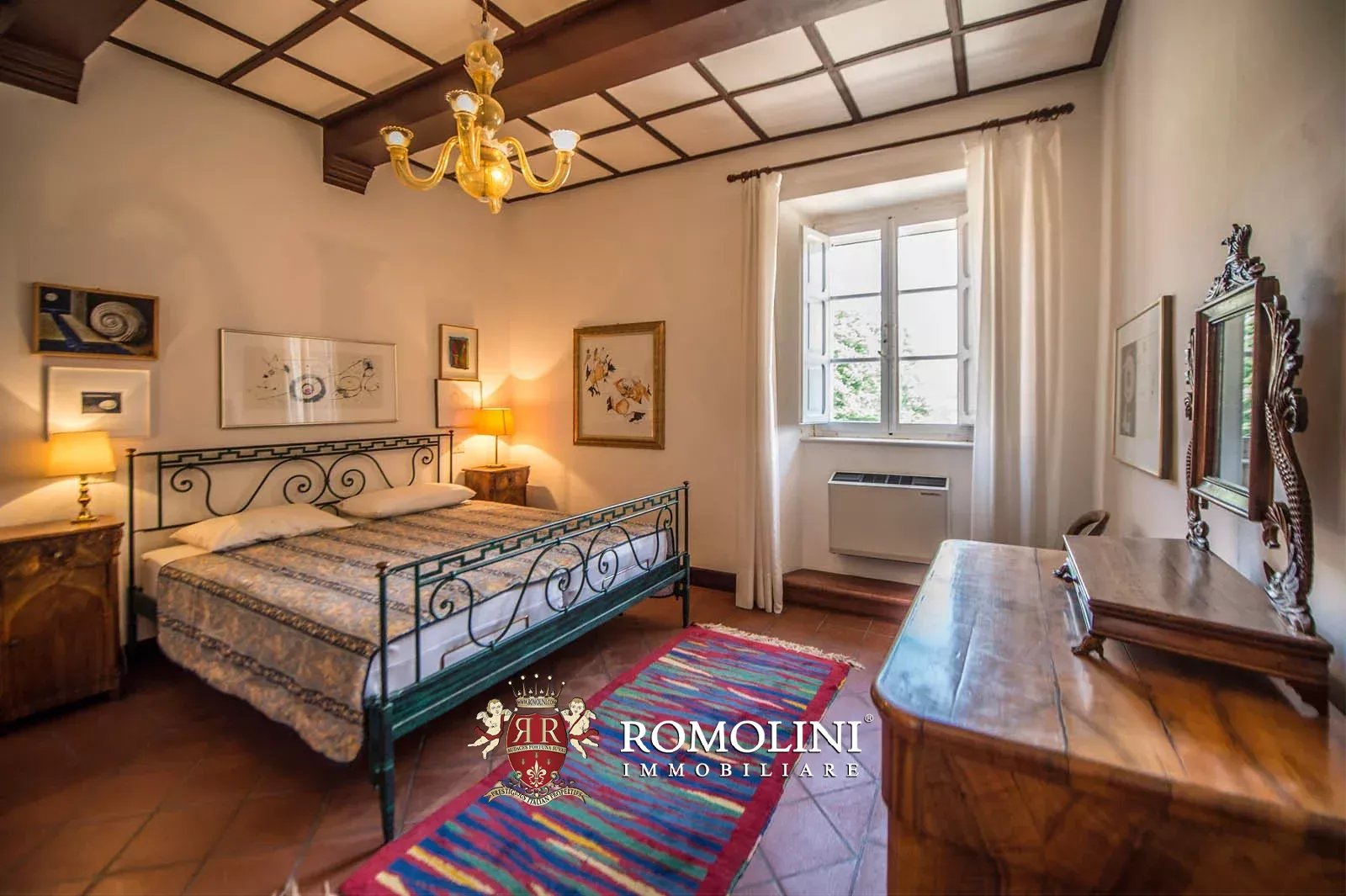
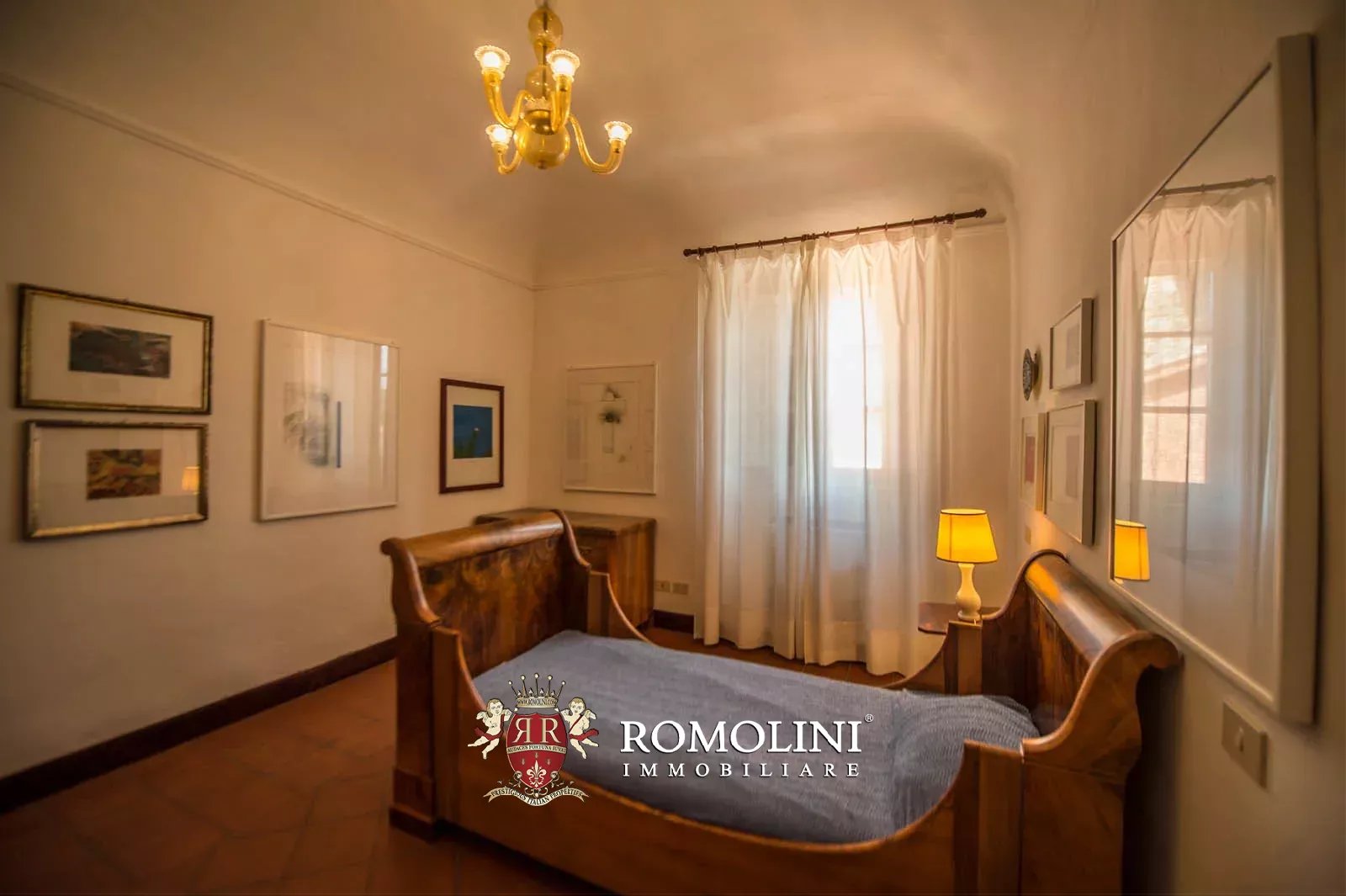
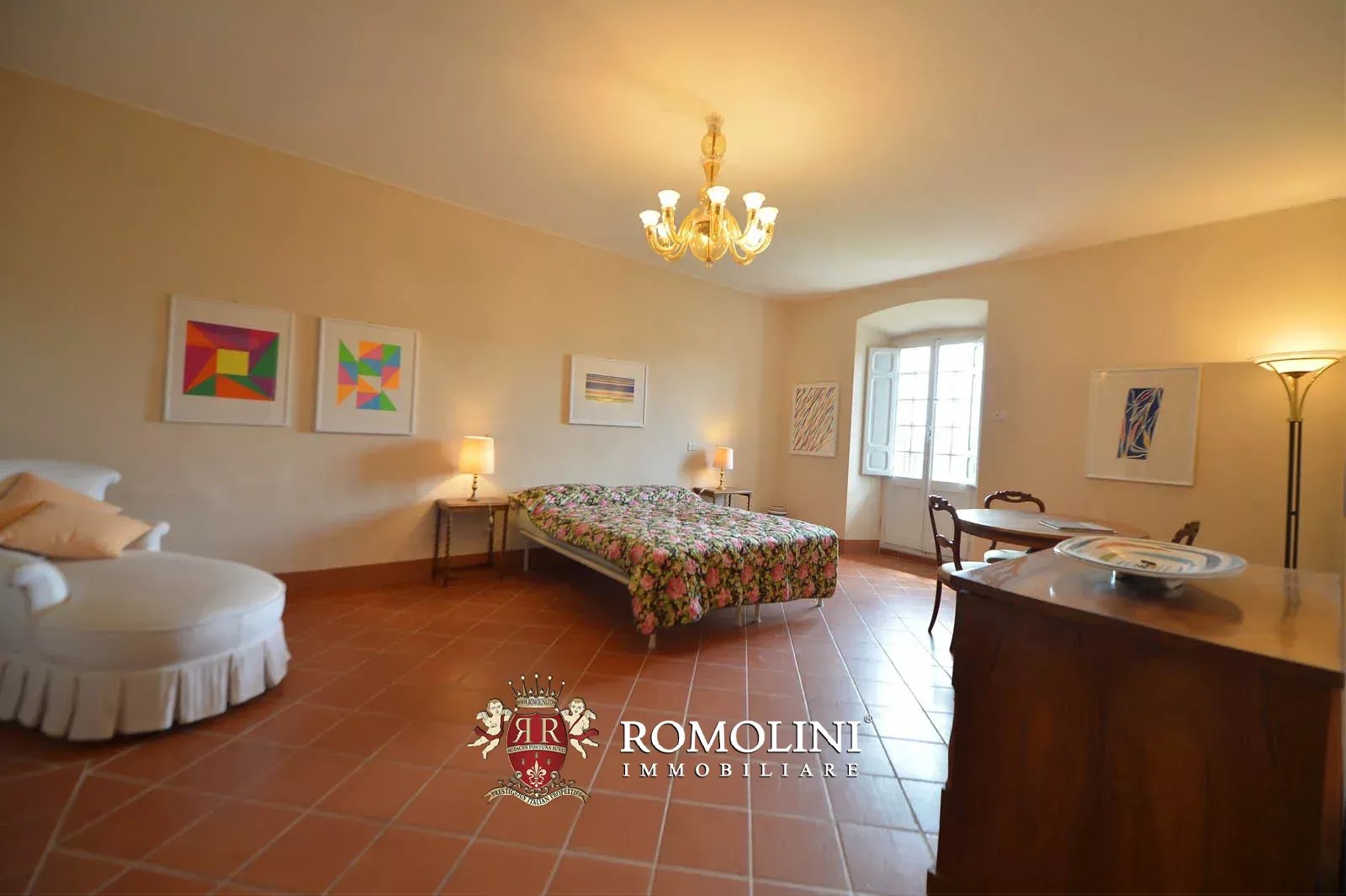
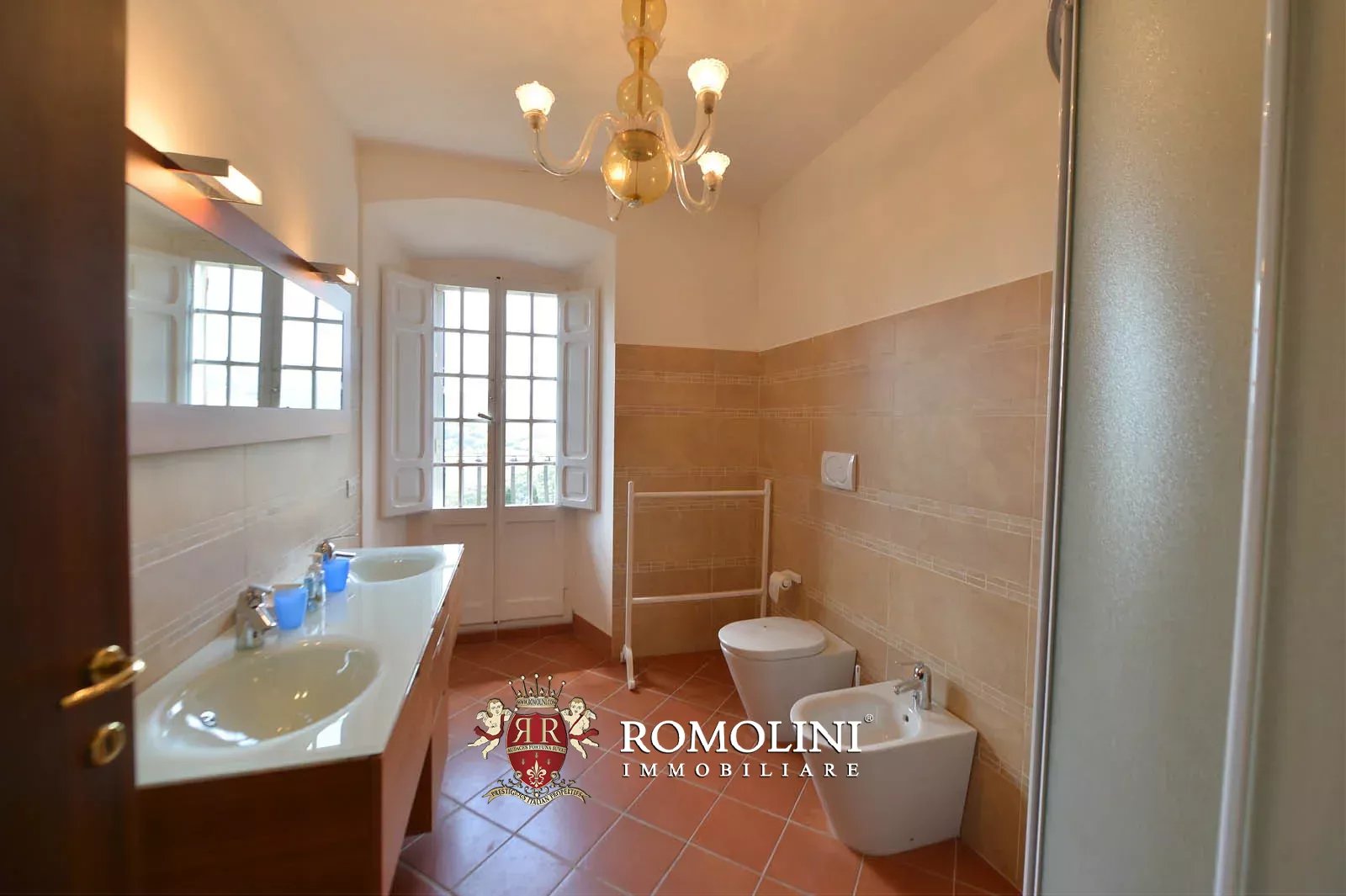
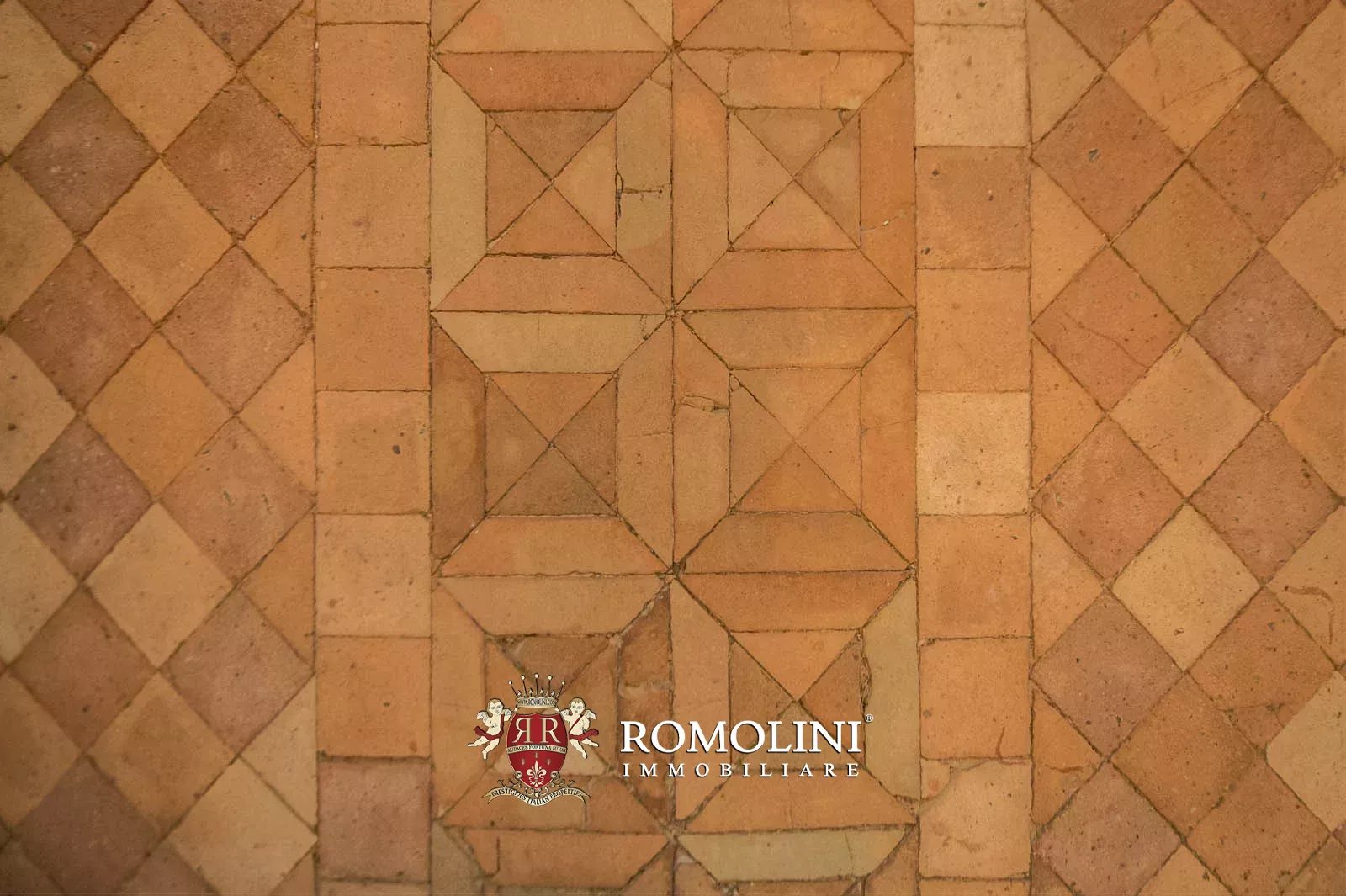
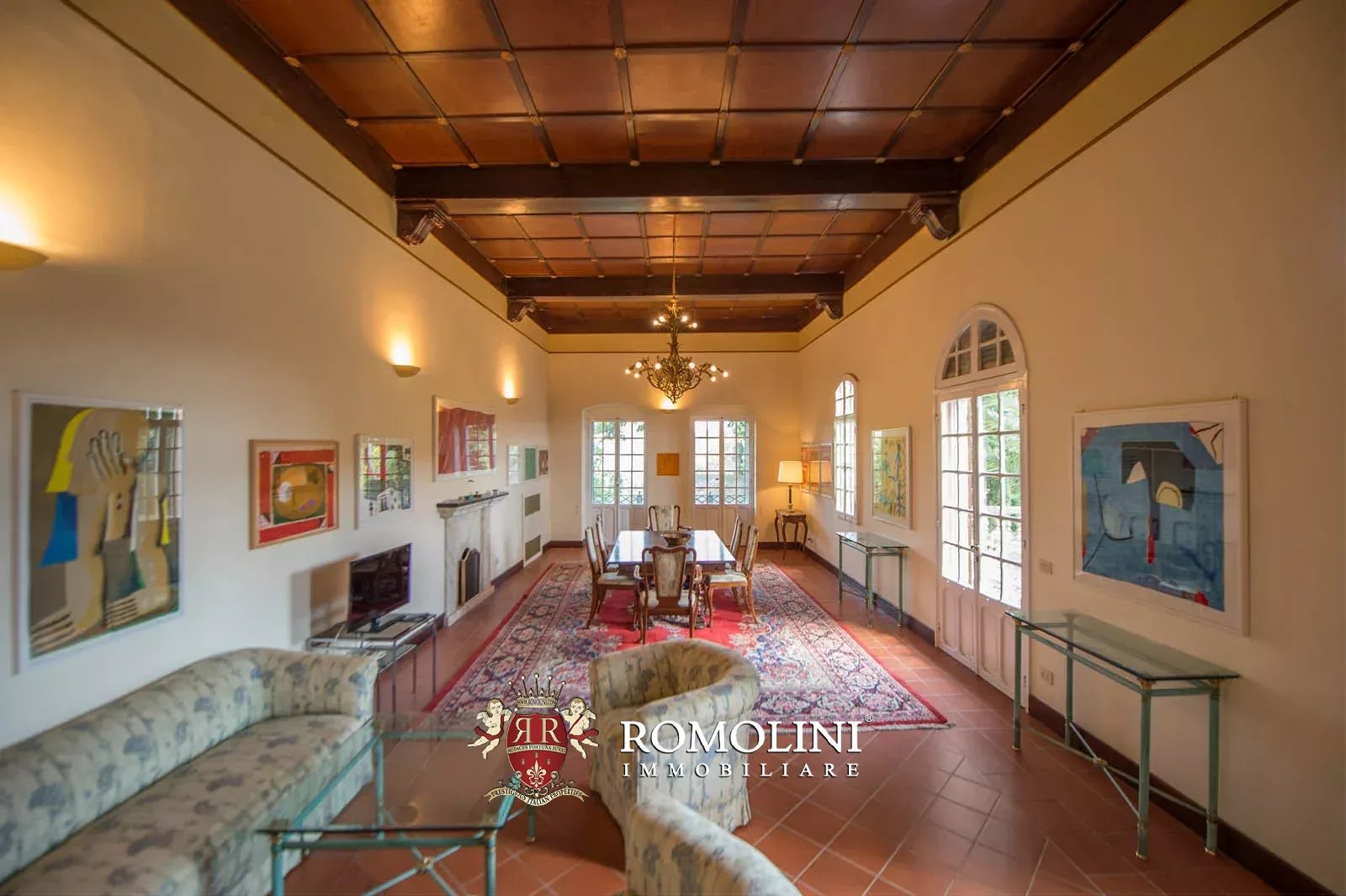
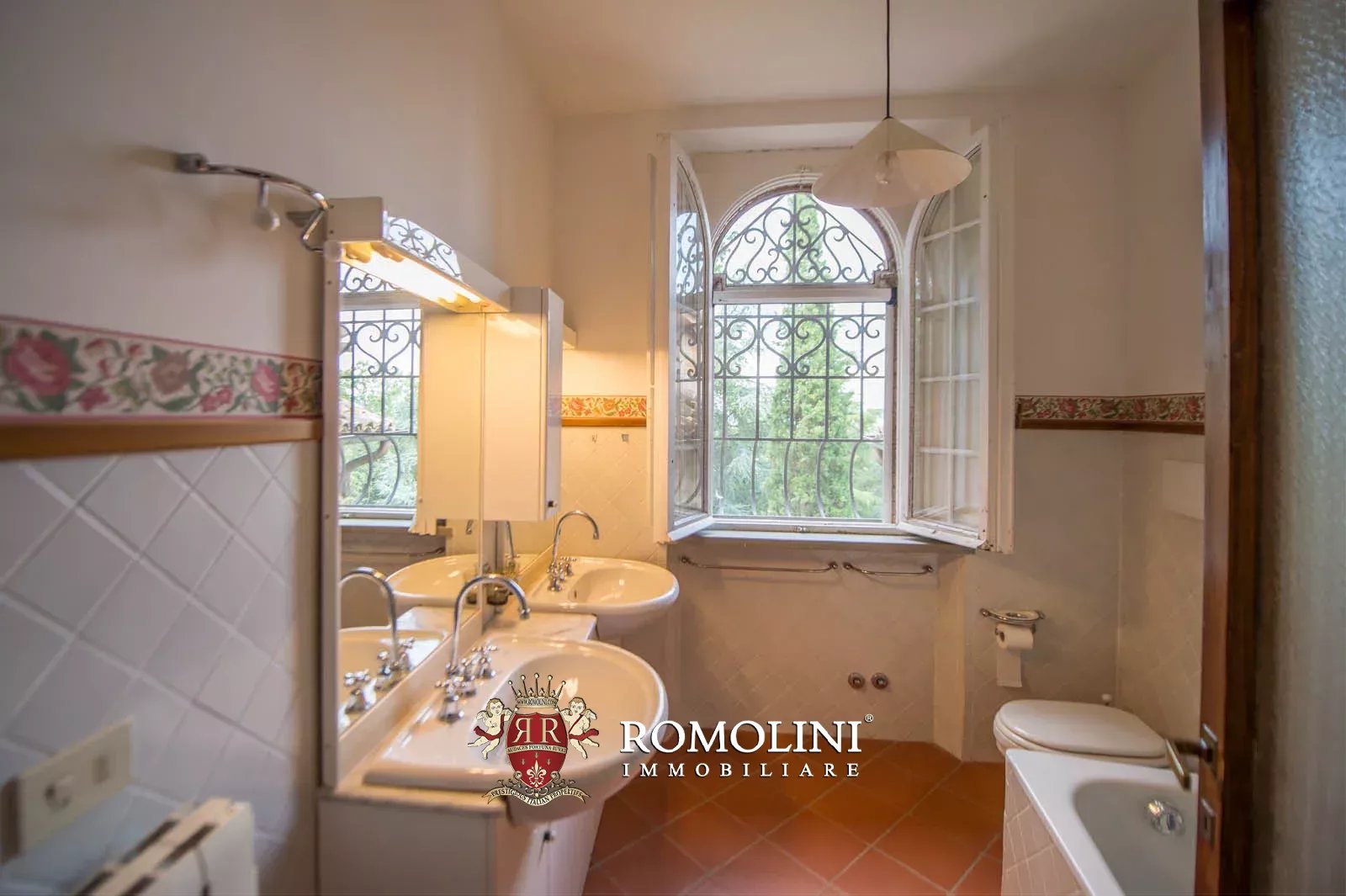
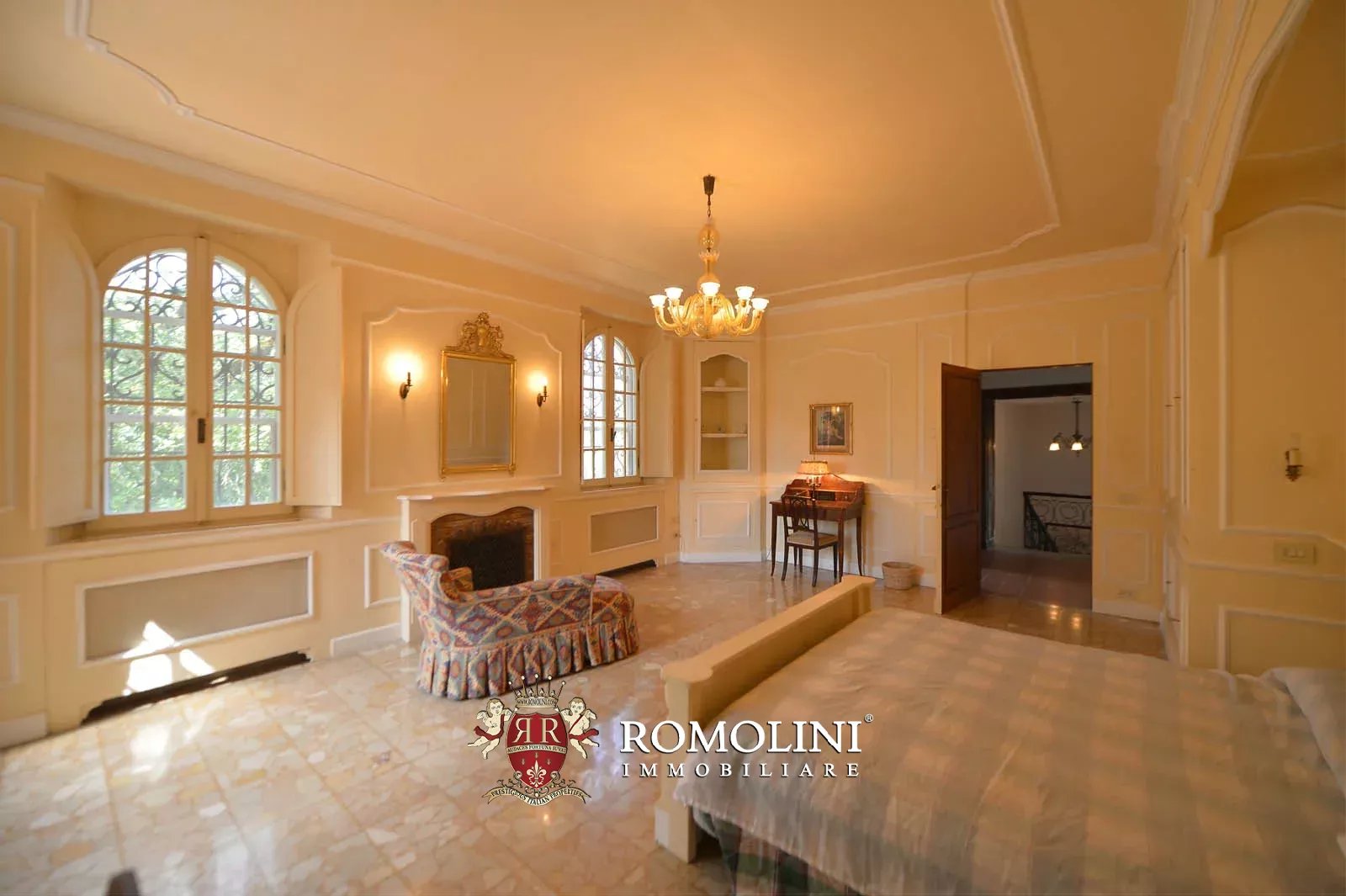
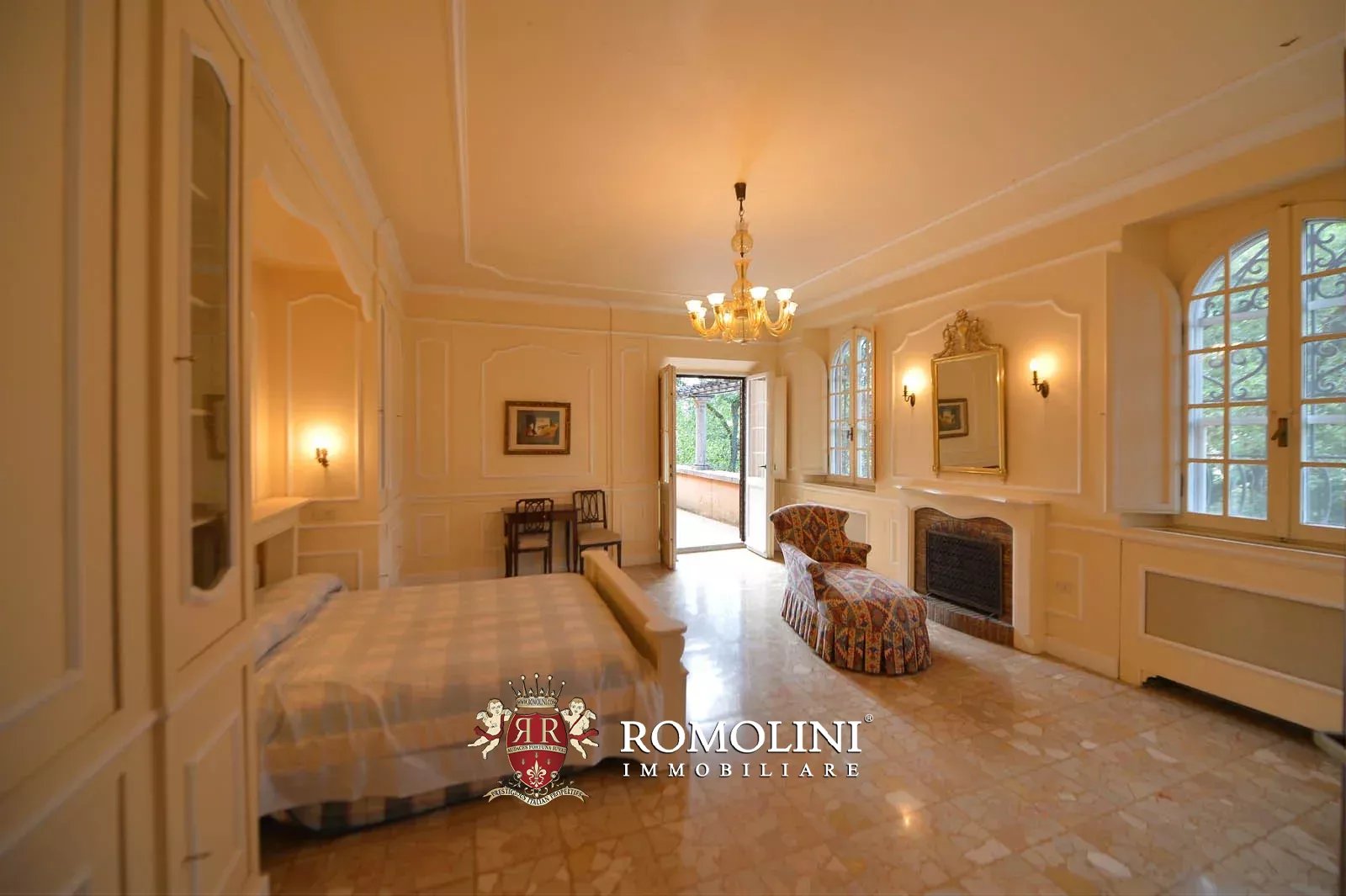
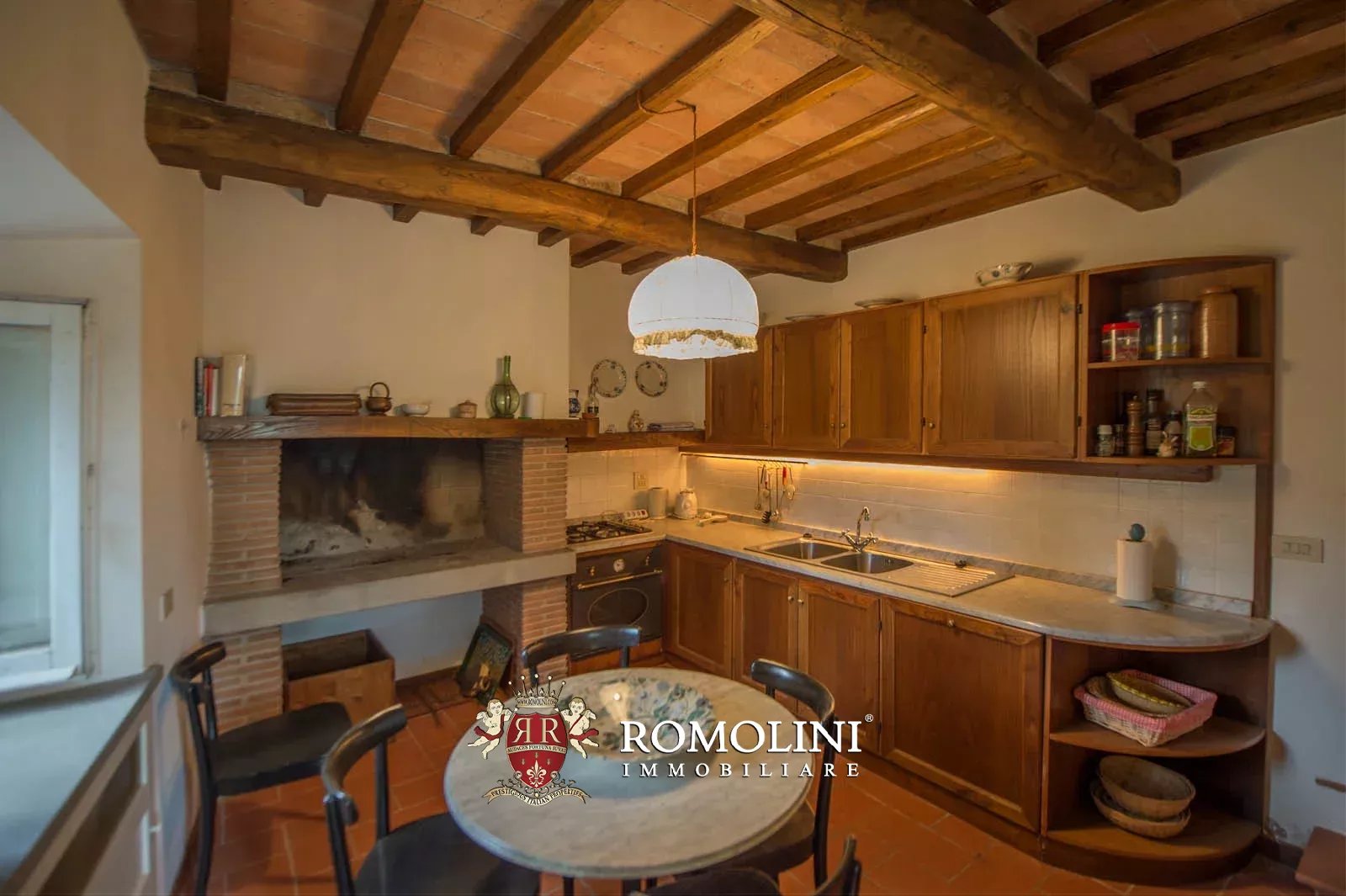
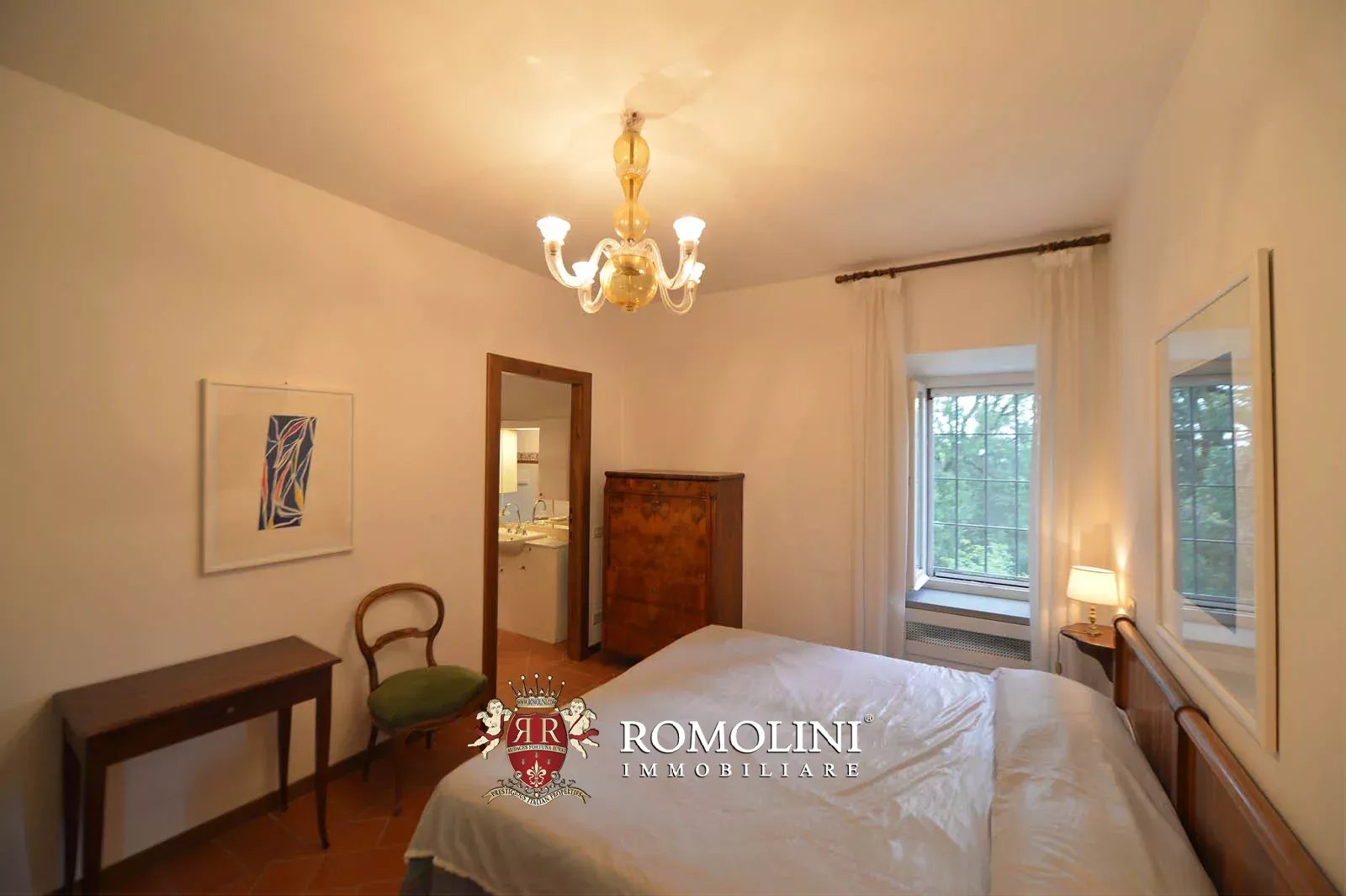
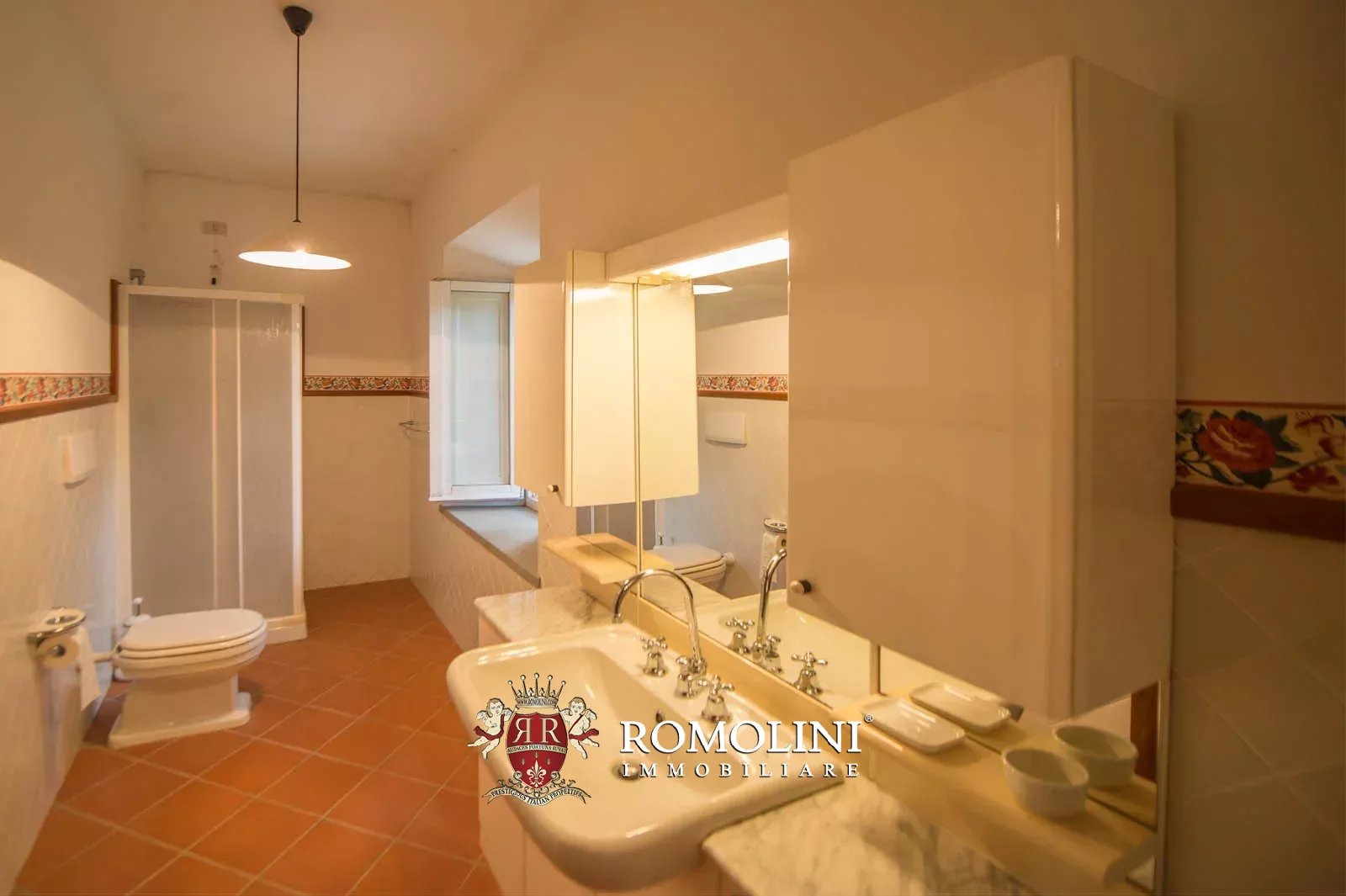
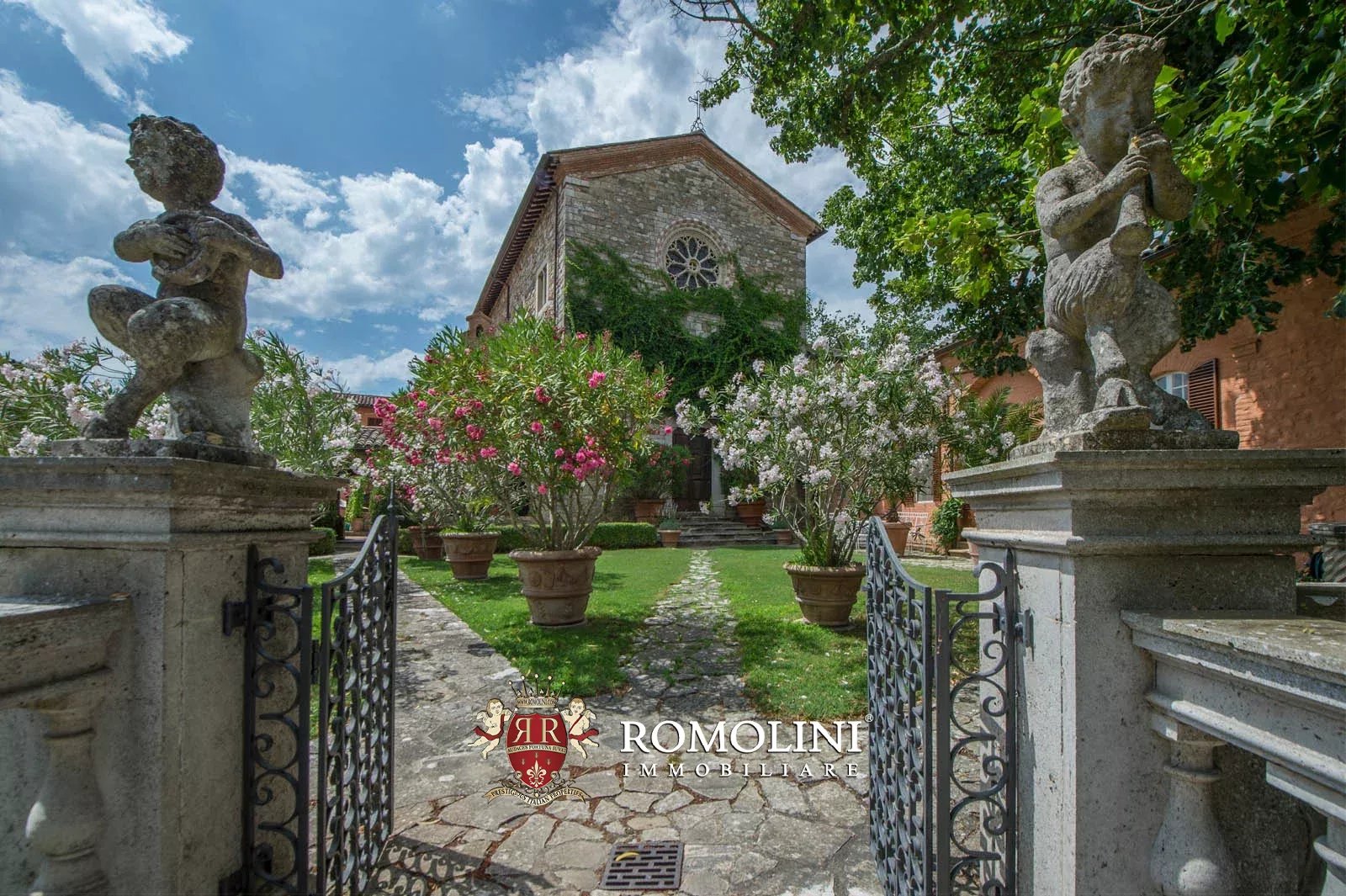
The convent, combining historic charm with the most up-to date facilities, features wonderful rooms, vaulted ceilings, ceilings with wooden beams and terracotta tiles, frescoes, one internal cloister, courtyards, modern and bright bathrooms, numerous balconies and terraces. The main fireplace, the frescoes and the sundial are original.
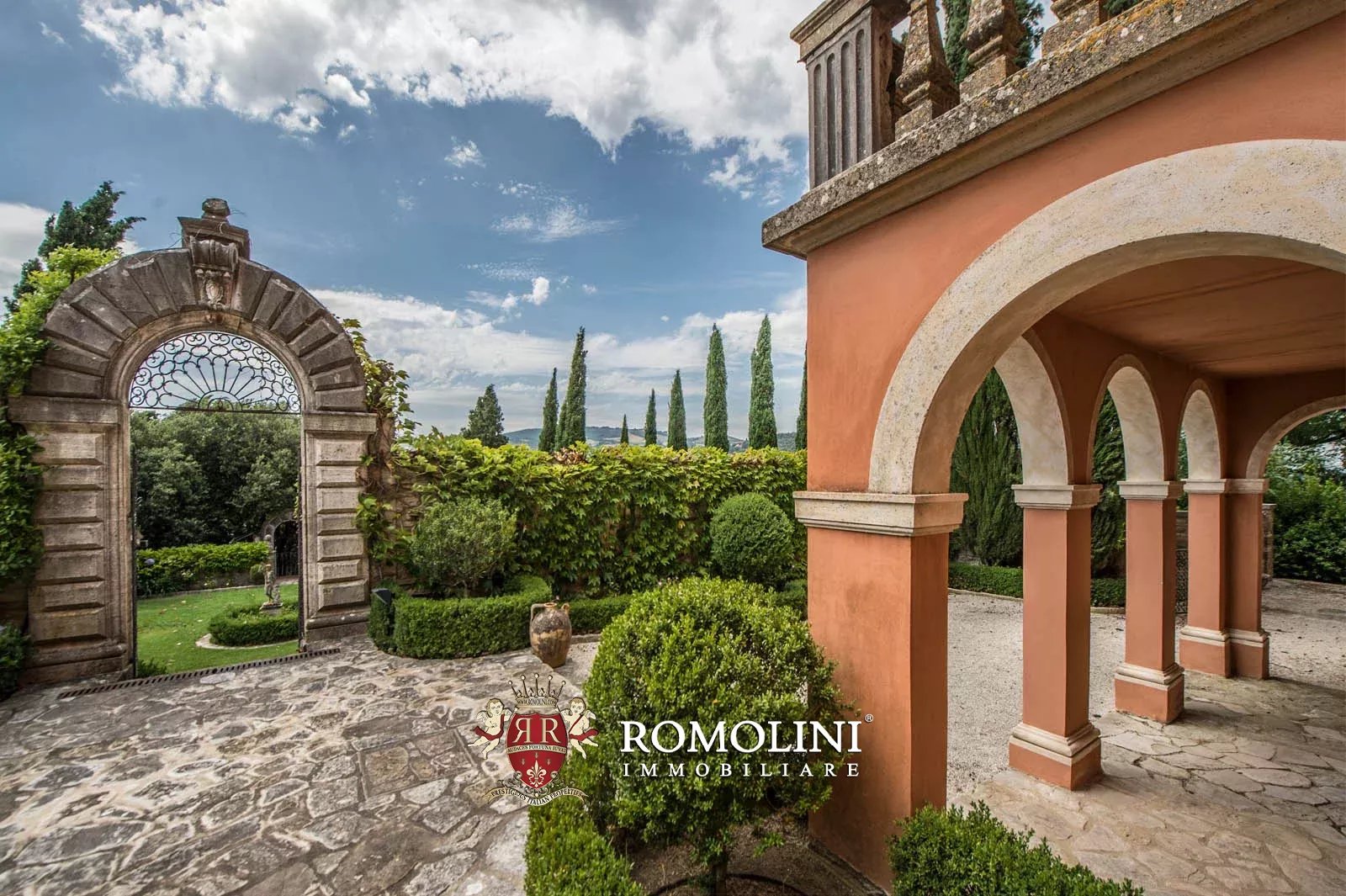
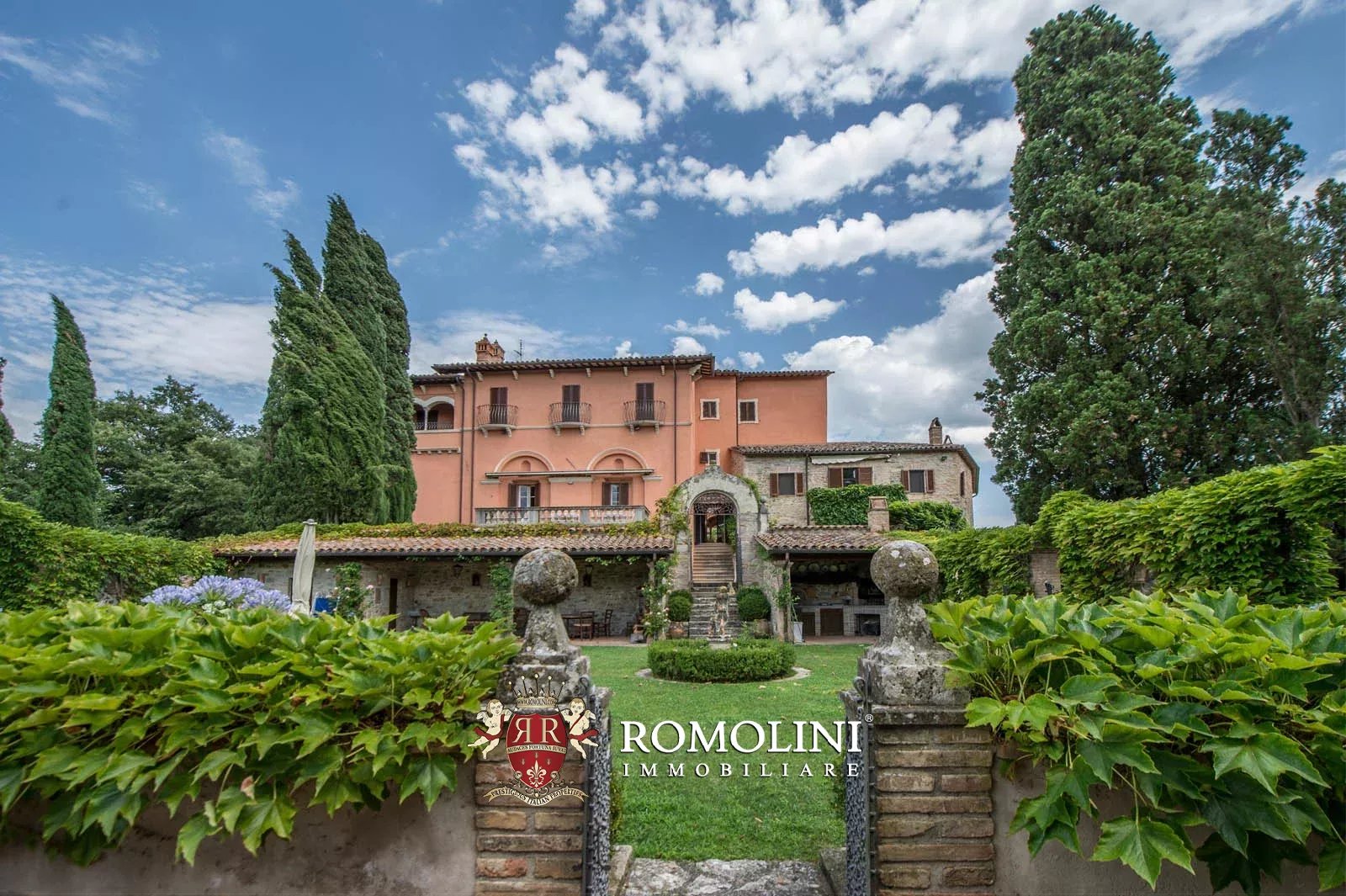
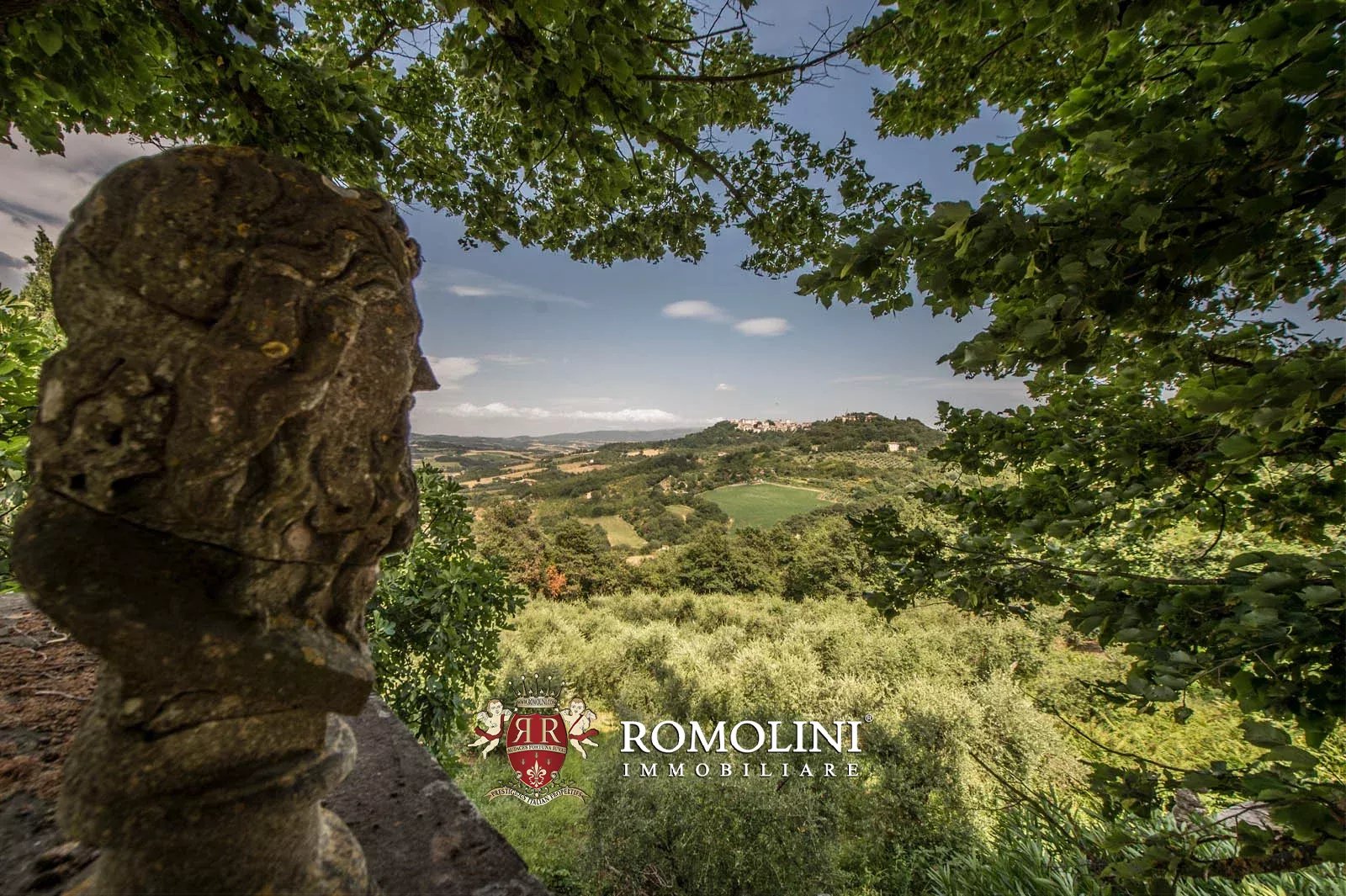
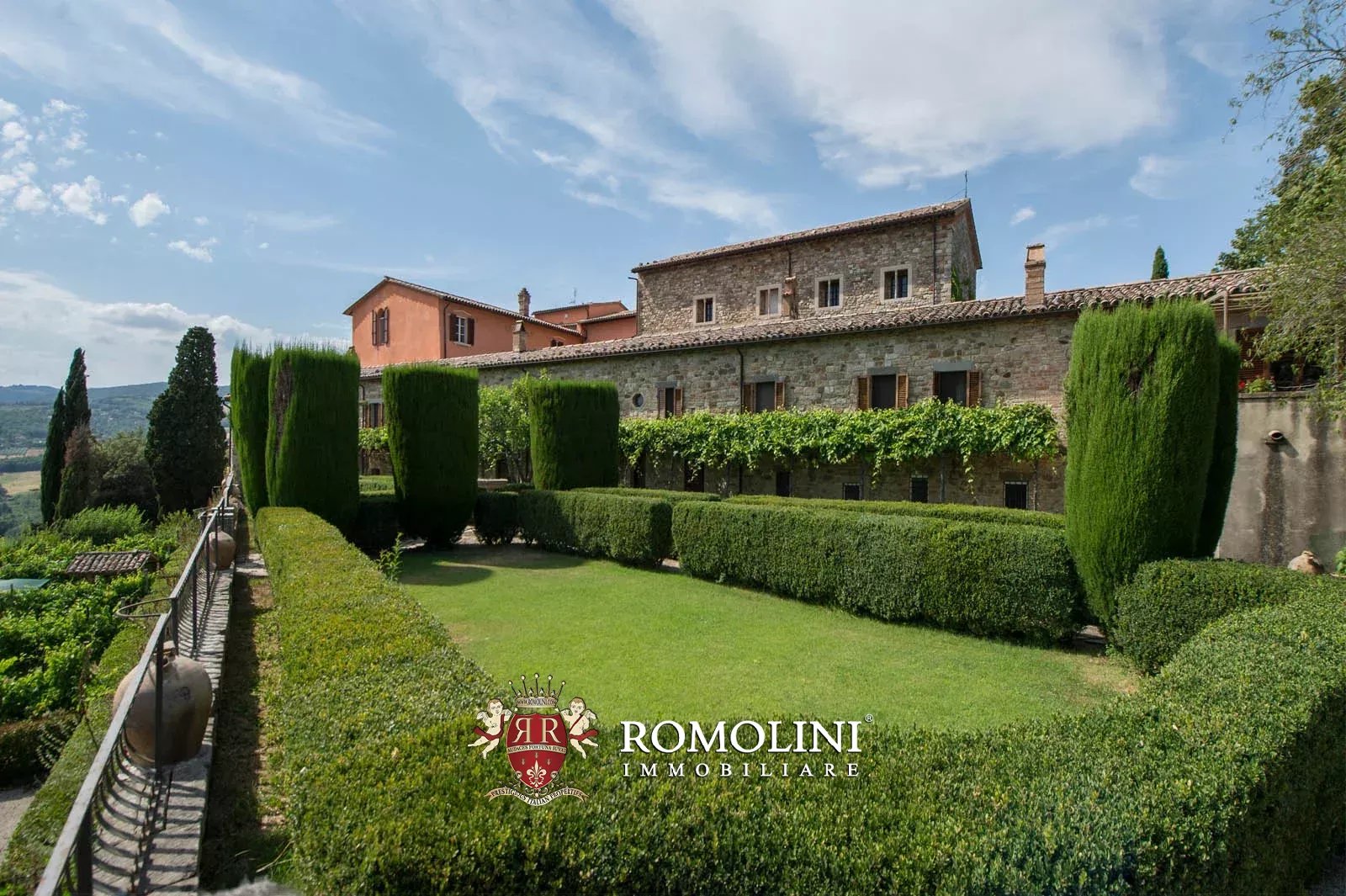
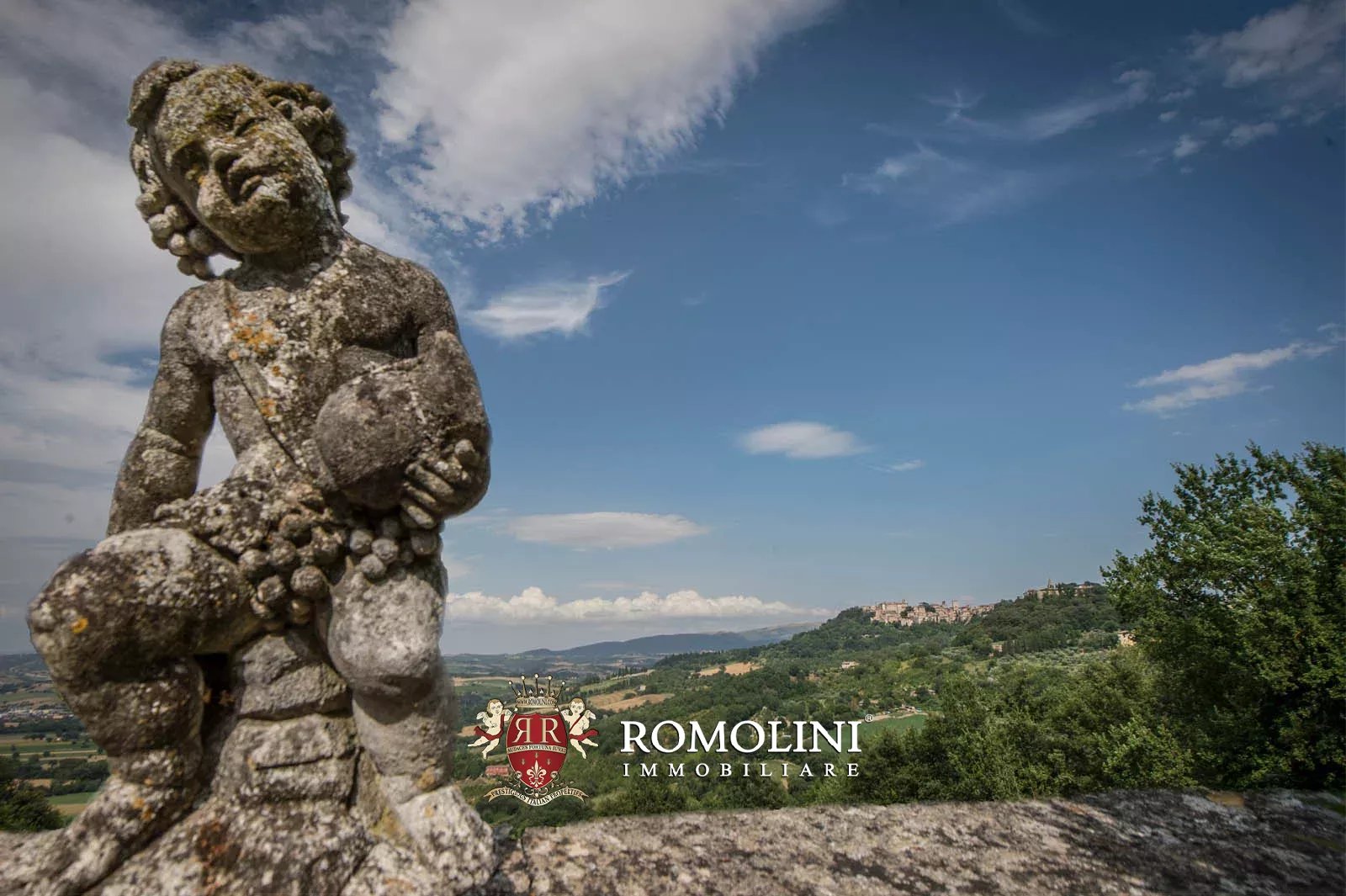
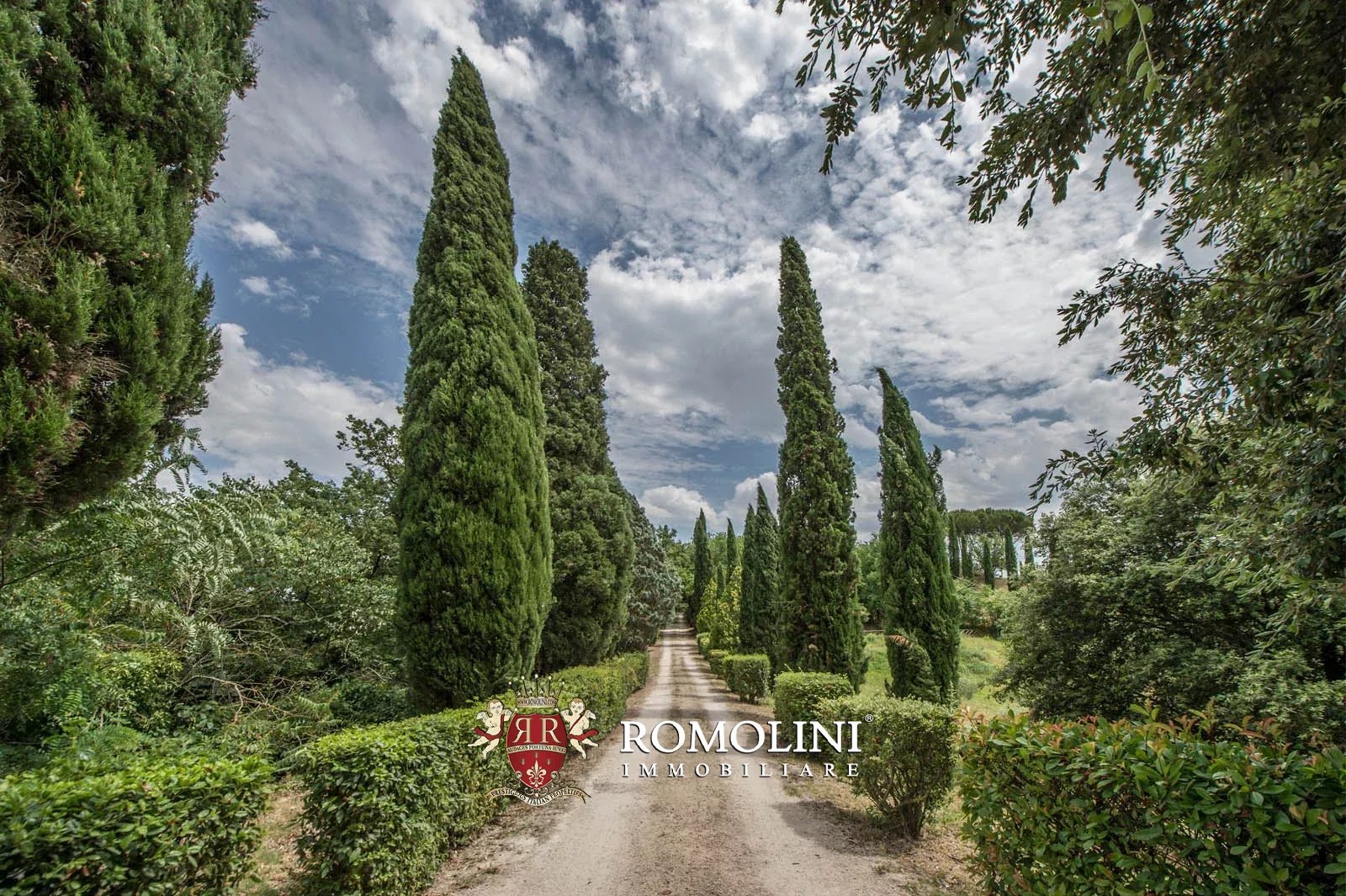
The convent is located in a hilly and very panoramic position, well exposed to the sun and blessed with excellent privacy. The property can be accessed via two separate entrances leading to two parking areas. Both roads are embellished by two rows of cypresses.
The monastery sits in its own private land, spanning roughly 9.5 hectares (23.5 acres) and mainly covered by a mixed woodland typical of the Umbrian countryside.
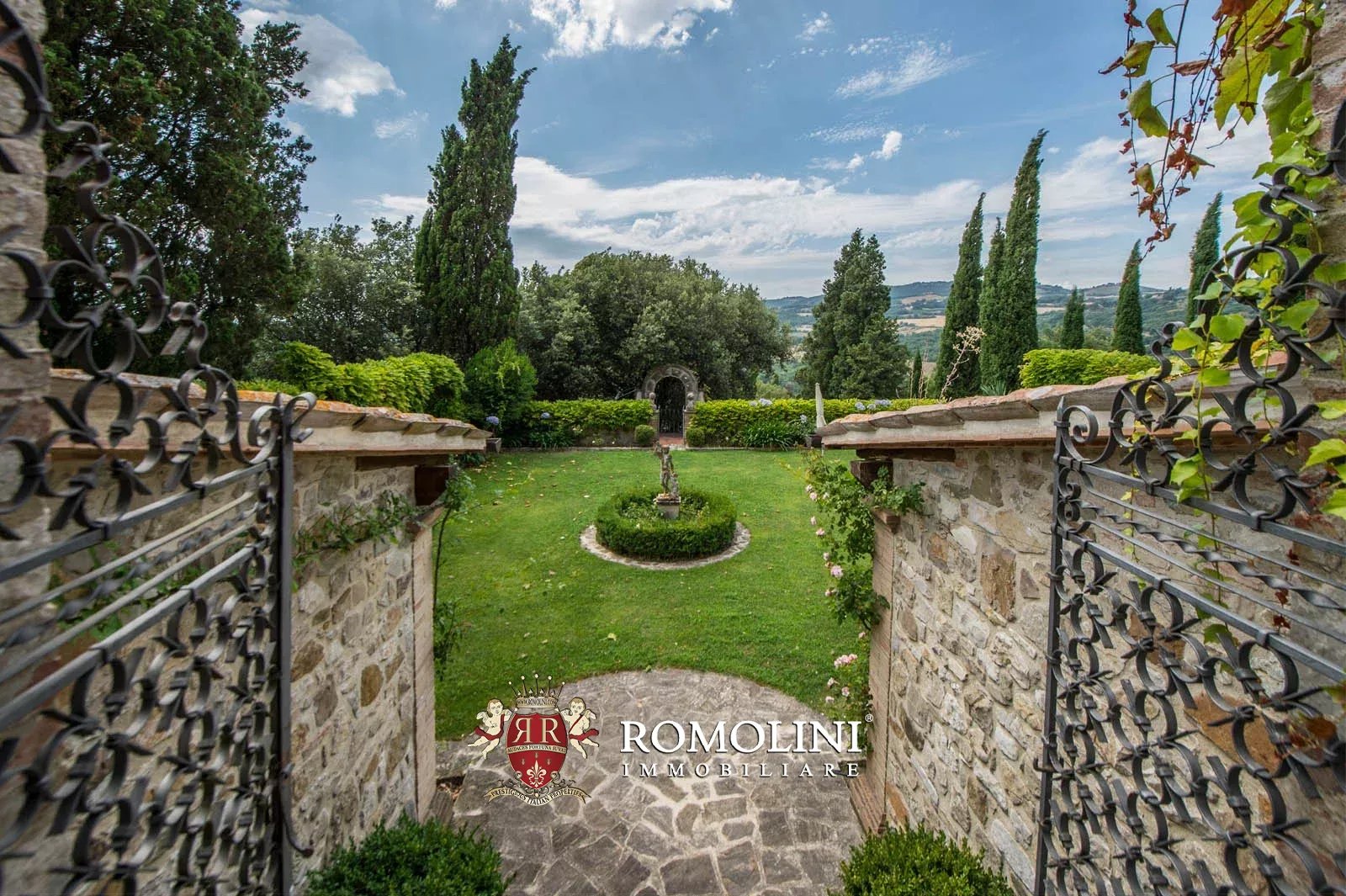
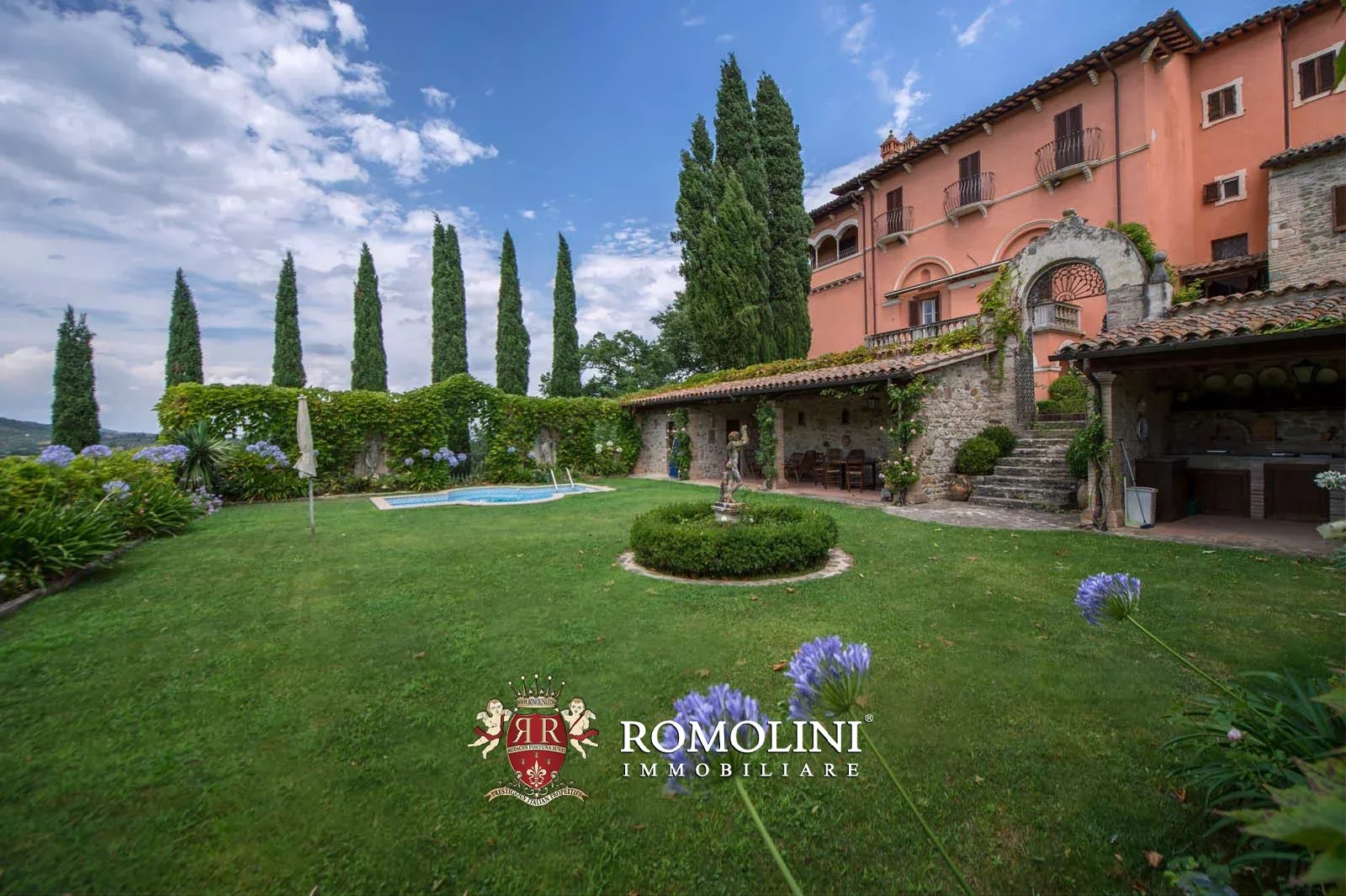
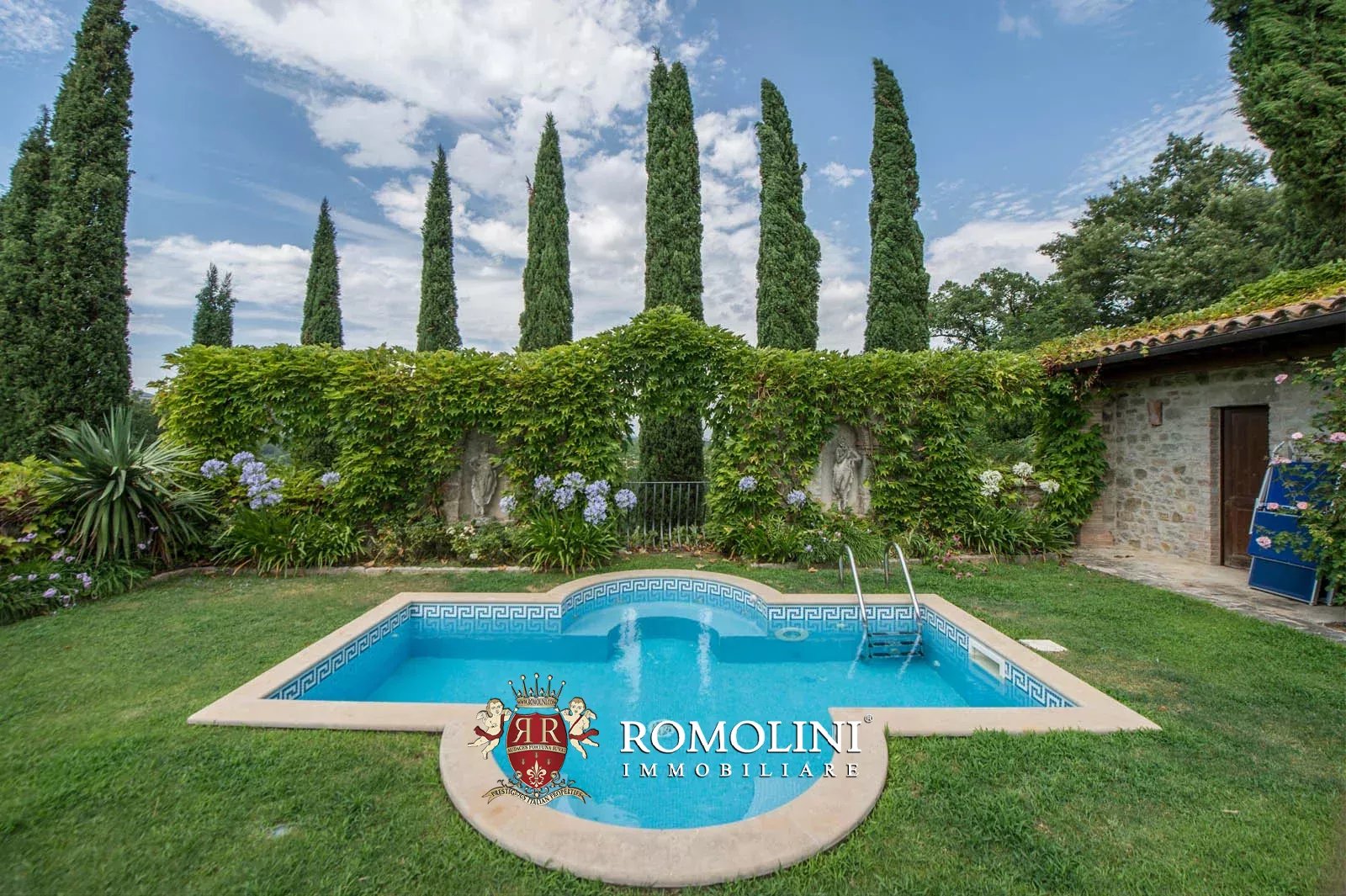
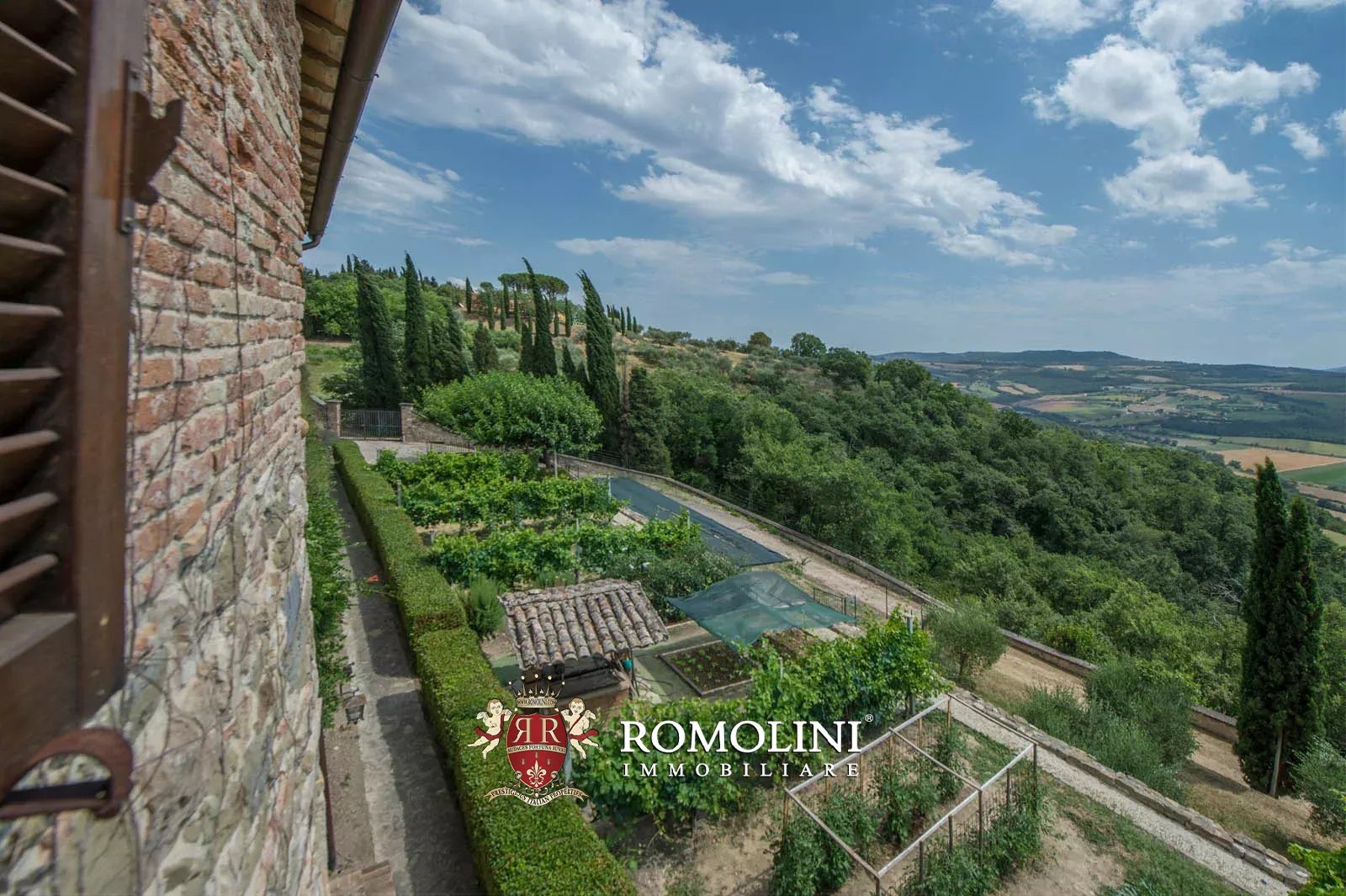
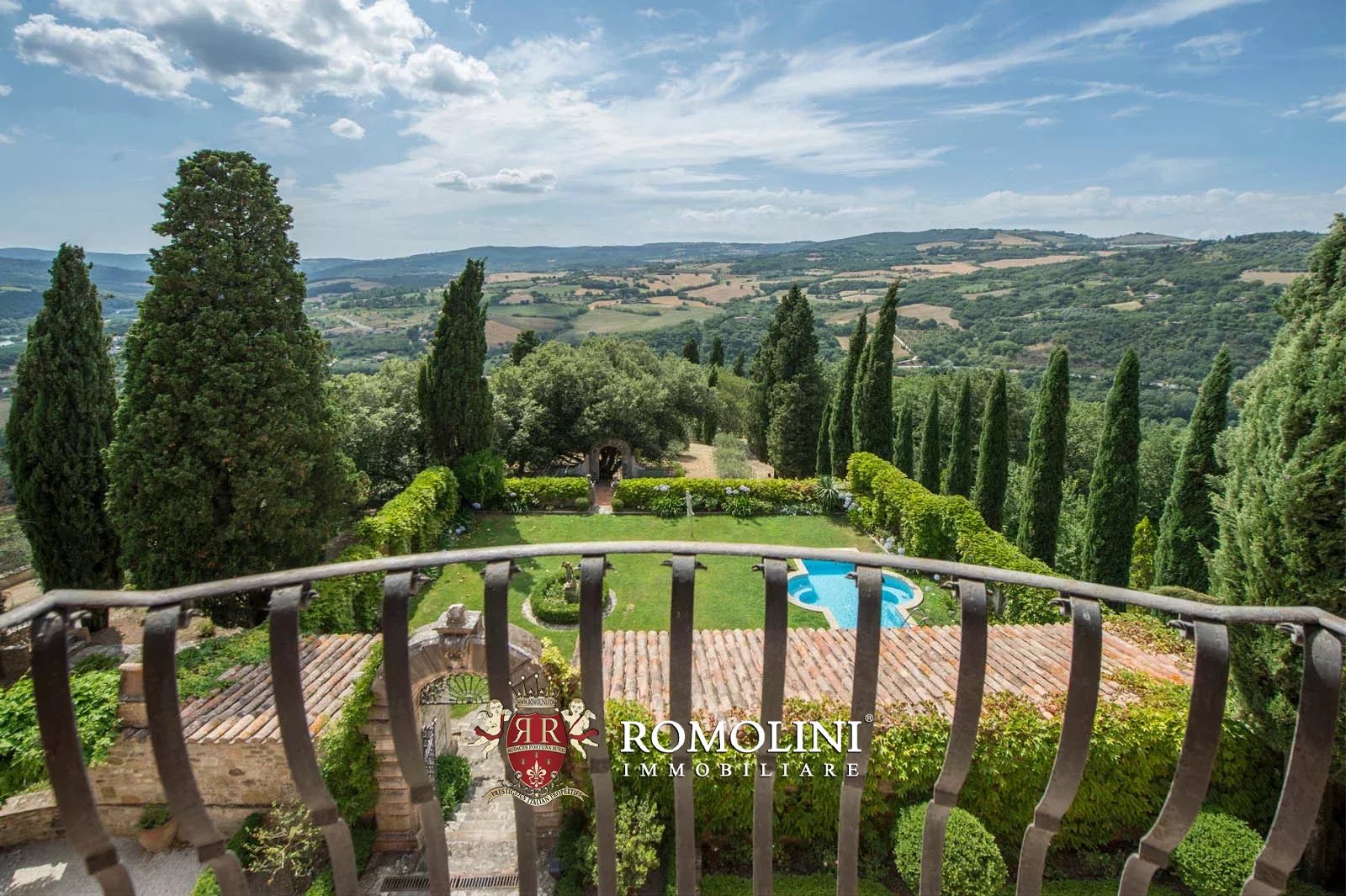
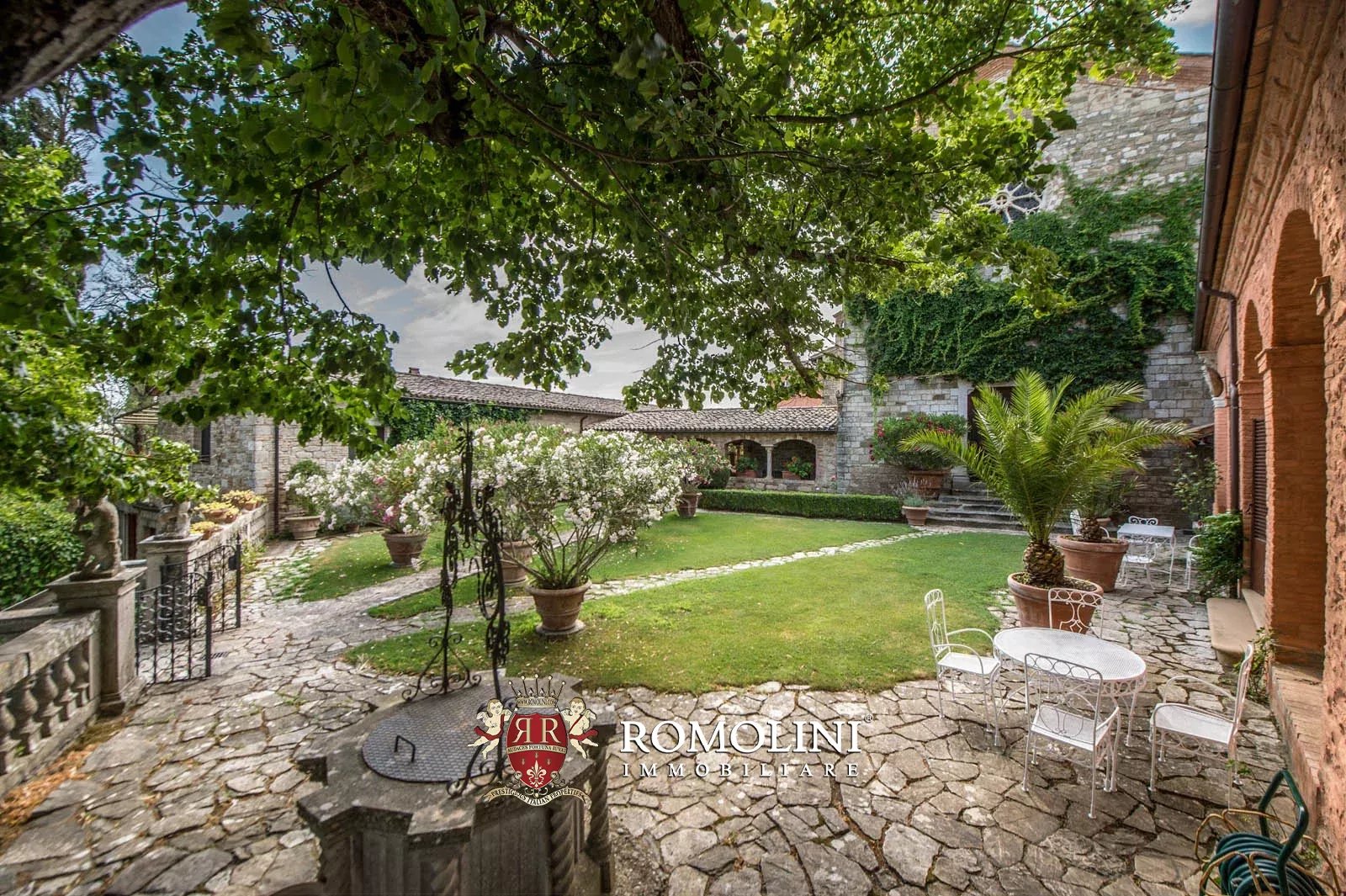
Half of these (roughly 4.7 hectares) are enclosed by a restored stone wall. The property boasts a wonderful medieval cloister, a panoramic terraced garden, an ancient well, vegetable garden, olive grove and a swimming pool. While the basin is little in size it is also possible to build another, much bigger Infinity pool in the property.
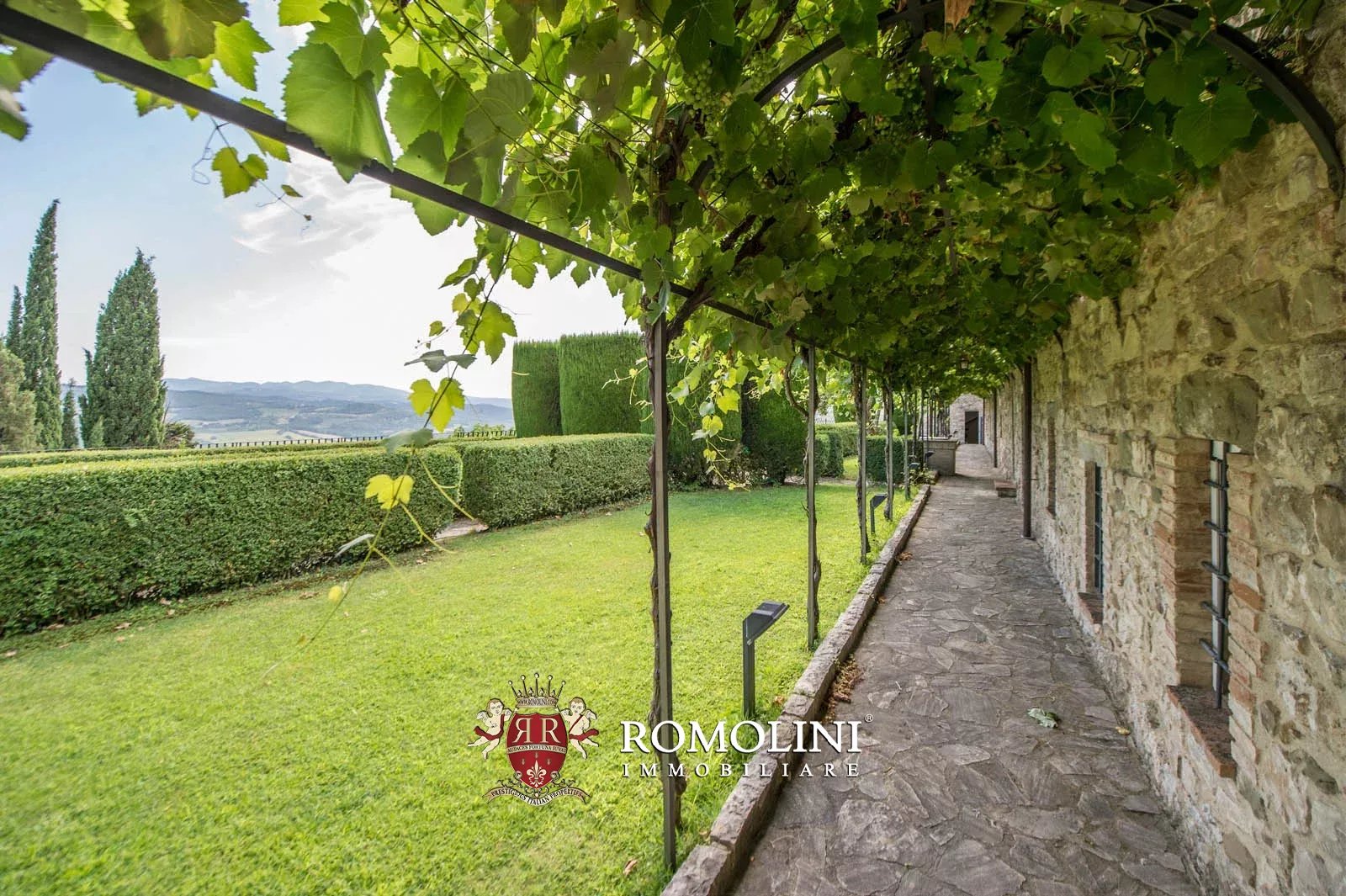
The garden, decorated with hedges, ornamental trees and crossed by graveled walkways offers a pleasant and convenient outdoor area to enjoy the caressing climate of Umbria.
Town with services (2km; 5’), Todi (3km; 10'), Deruta (27km; 25’), Marsciano (29km; 30’), Orvieto (35km; 45’), Foligno (40km; 55’), Perugia (46km; 40’), Spoleto (47km; 50’), Assisi (58km; 50’), Castiglione del Lago (68km; 1h 10’), Montepulciano (93km; 1h 25’) Rome (135km; 1h 45’), Siena (148km; 1h 50’), Florence (201km; 2h 25’)
Perugia San Francesco (46km; 40’), Roma Ciampino (148km; 1h 40’), Roma Fiumicino (165km; 1h 50’), Firenze Vespucci (202km; 2h 10’), Pisa Galilei (273km; 3h), Bologna Marconi (294km; 3h 10’)








Contact us to receive more information and/or schedule a visit
Ref. 1401 Convento Umbria
€ 2,800,000

Riccardo Romolini
CEO & Founder
Leave us your request and you will be contacted within the next 24 hours.


Copyright © Romolini

 Contact us
 Contact


