 Our Family


 Italiano
 Deutsch











































 GALLERY
  brochure


 Contact
Gionatan Guidi
 +39 0575 788948

RESTORED COUNTRY HOUSE FOR SALE IN TUSCANY, FORESTE CASENTINESI NATIONAL PARK






 Back to list


Ref. 2111 Casale Foreste Casentinesi
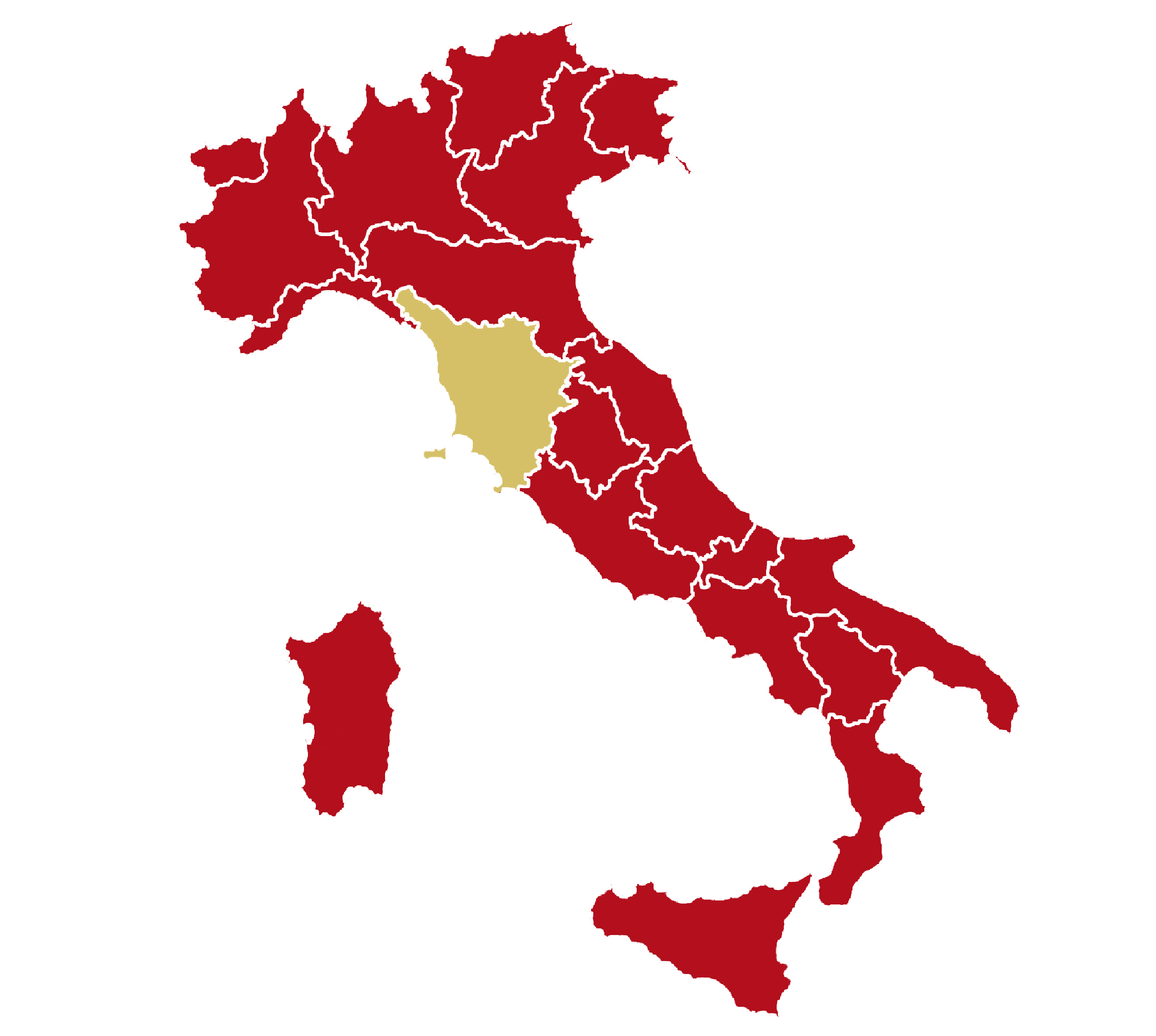
Tuscany - Arezzo - Pratovecchio Stia
Asking price:
€ 1,100,000
Currency:

 Share
Share
 PROPERTY ALERT
 INTERIORS: 950 sqm (10,226 sqft)
 Bedrooms: 10
 Bathrooms: 13
 Condition : Good condition
 Internet: Yes
 Heating:
Radiator + Fireplace
Heating:
Radiator + Fireplace
 Well: Yes
 EXTERIORS: 10.00 ha (24.70 ac)
Bedrooms: 10
Bathrooms: 13
Condition : Good condition
Internet: Yes
Heating:
Radiator + Fireplace
Well: Yes
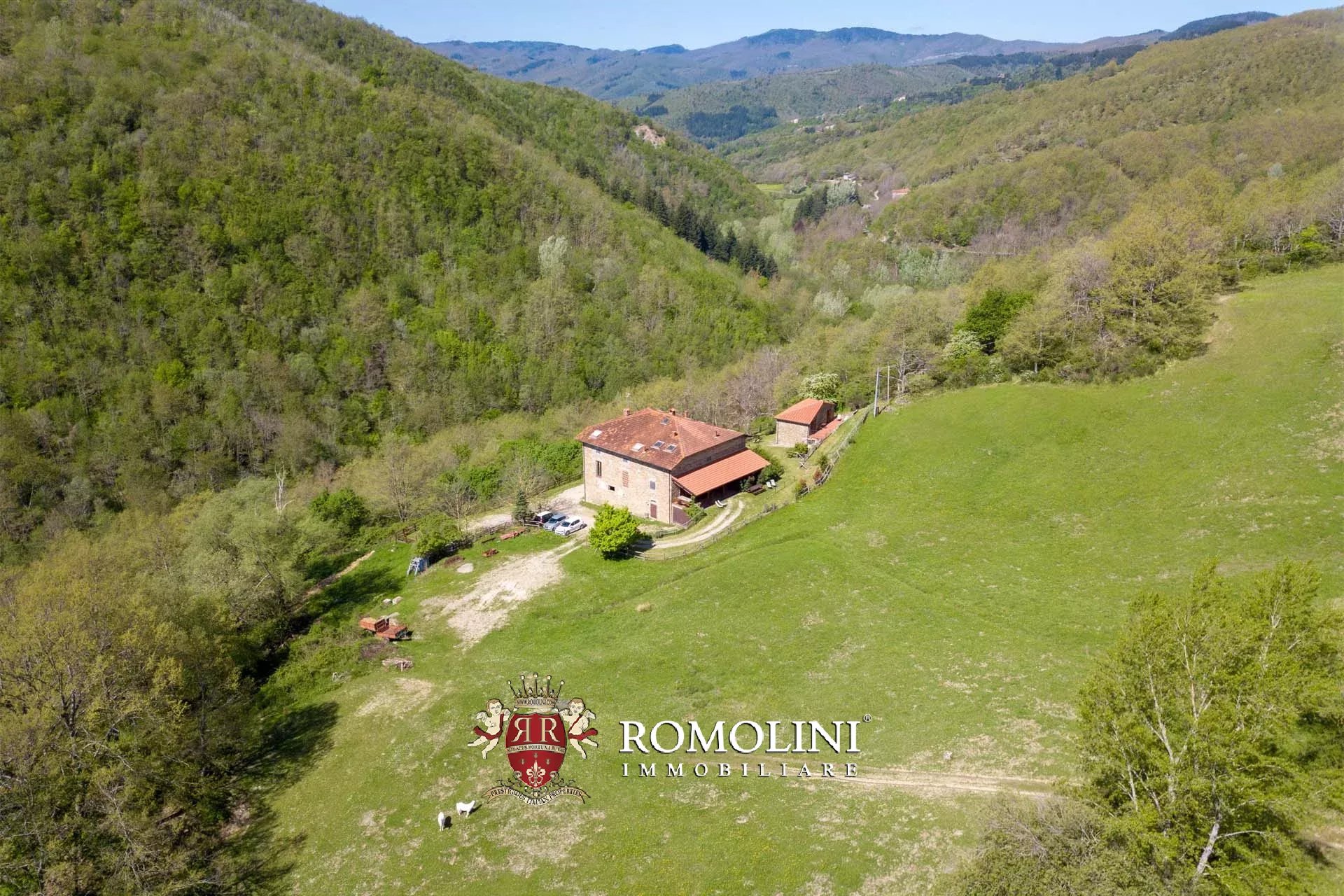
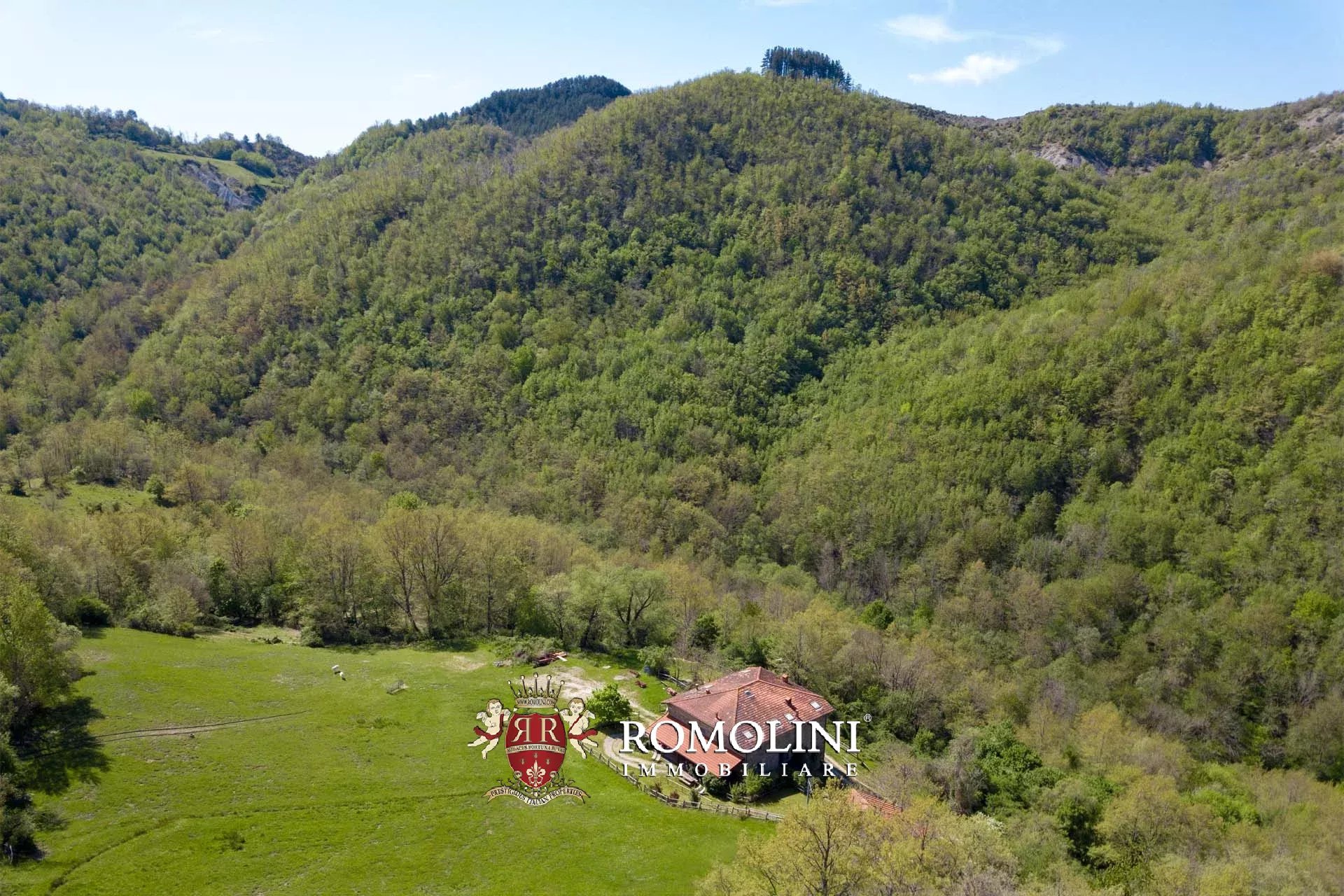
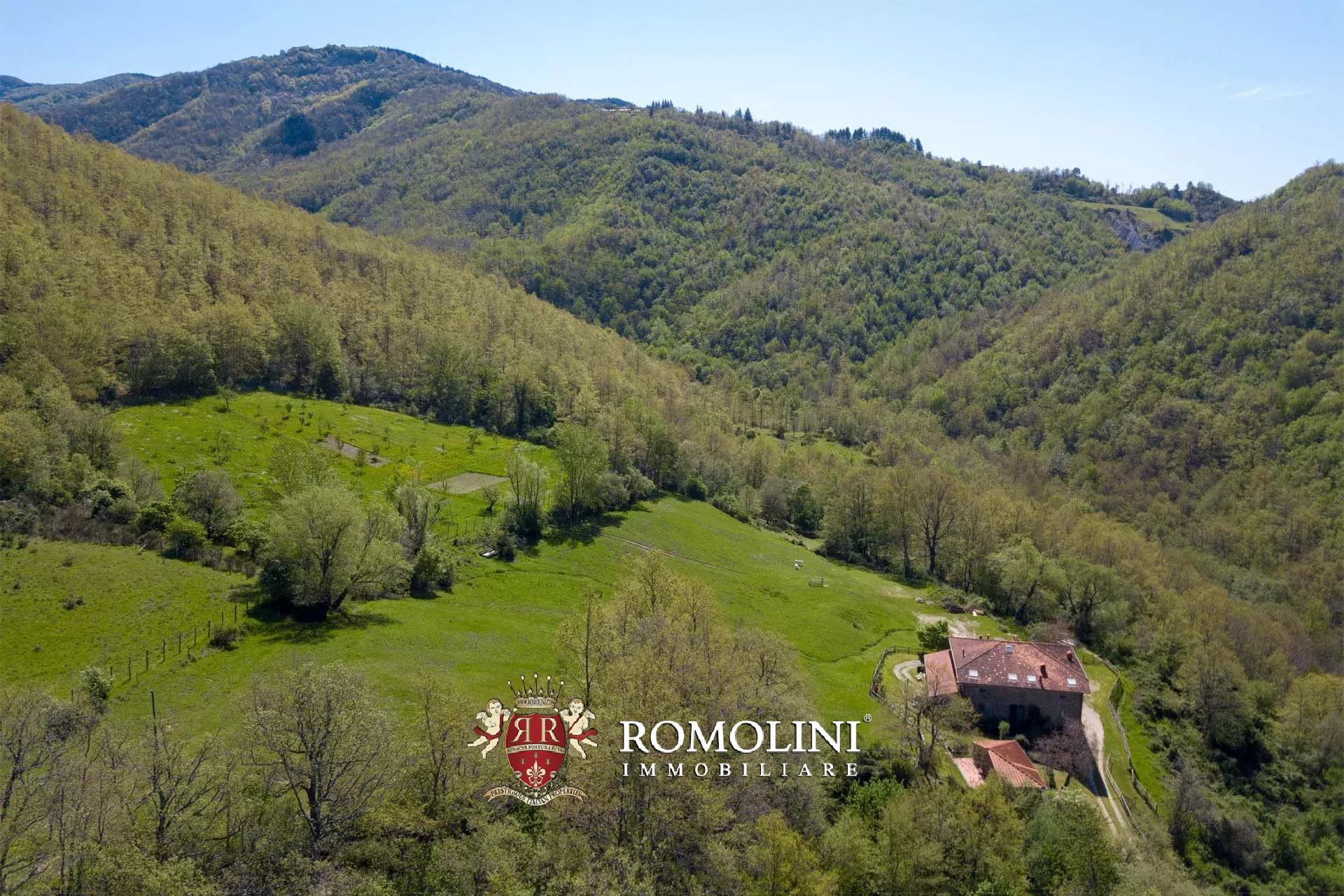
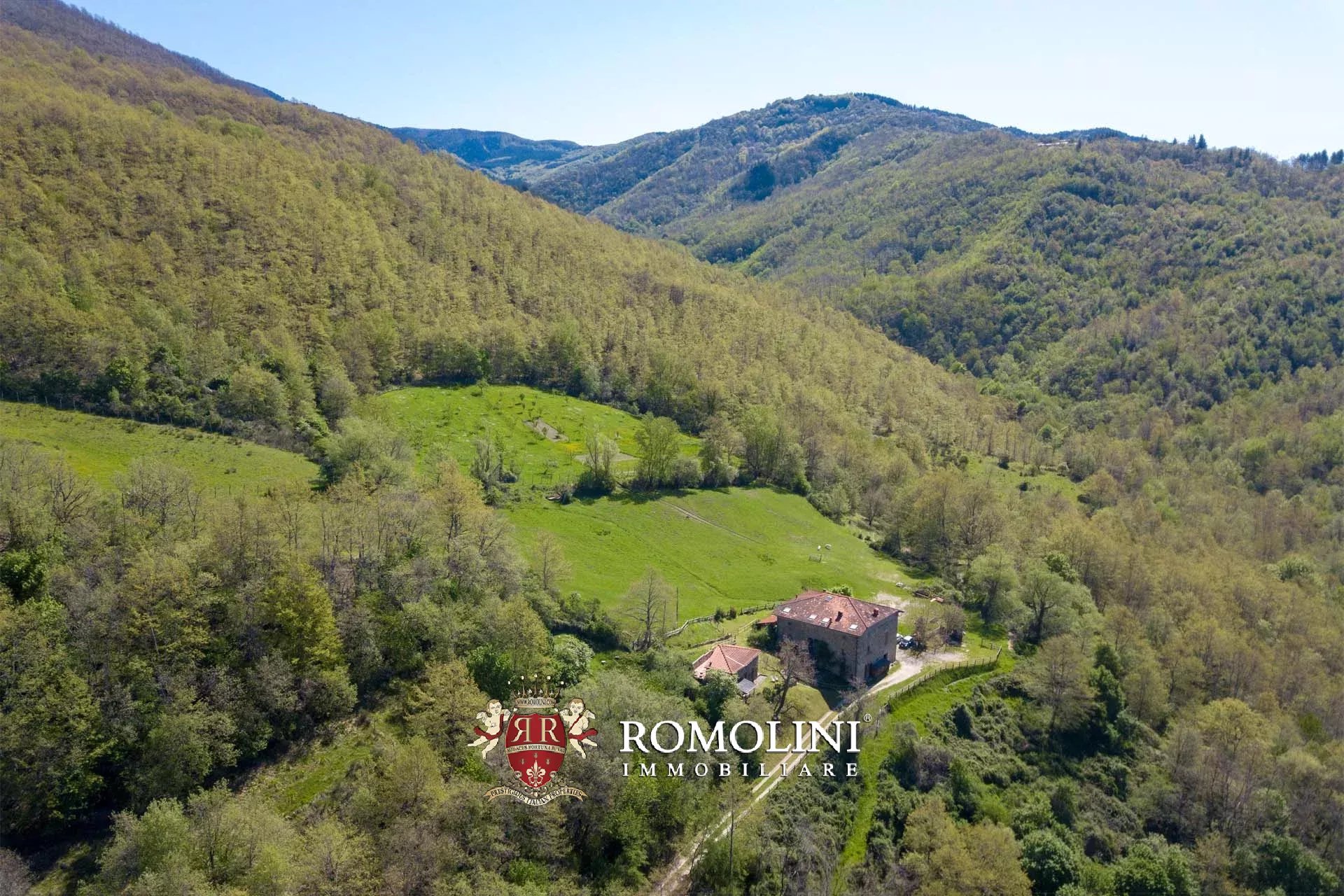
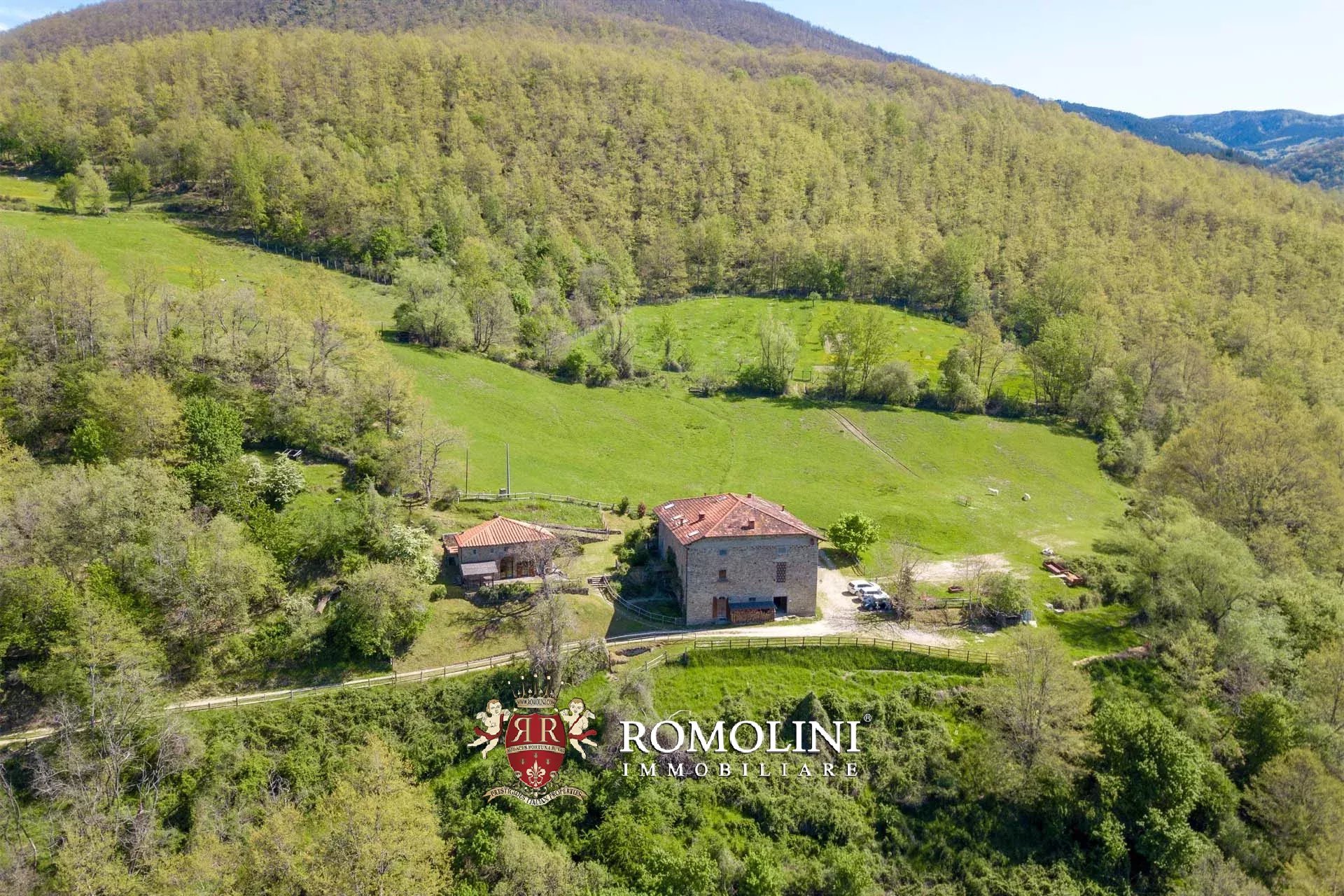
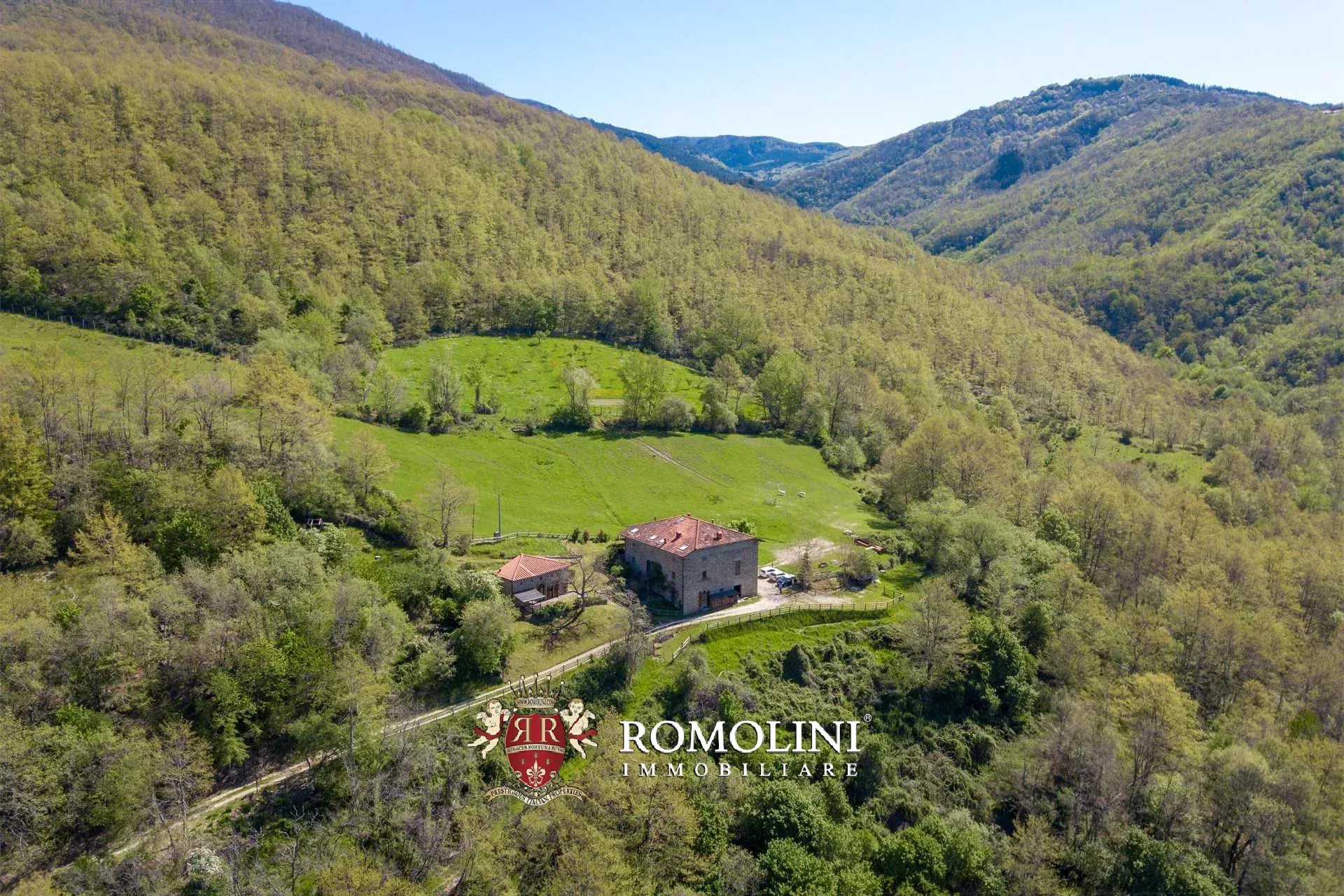
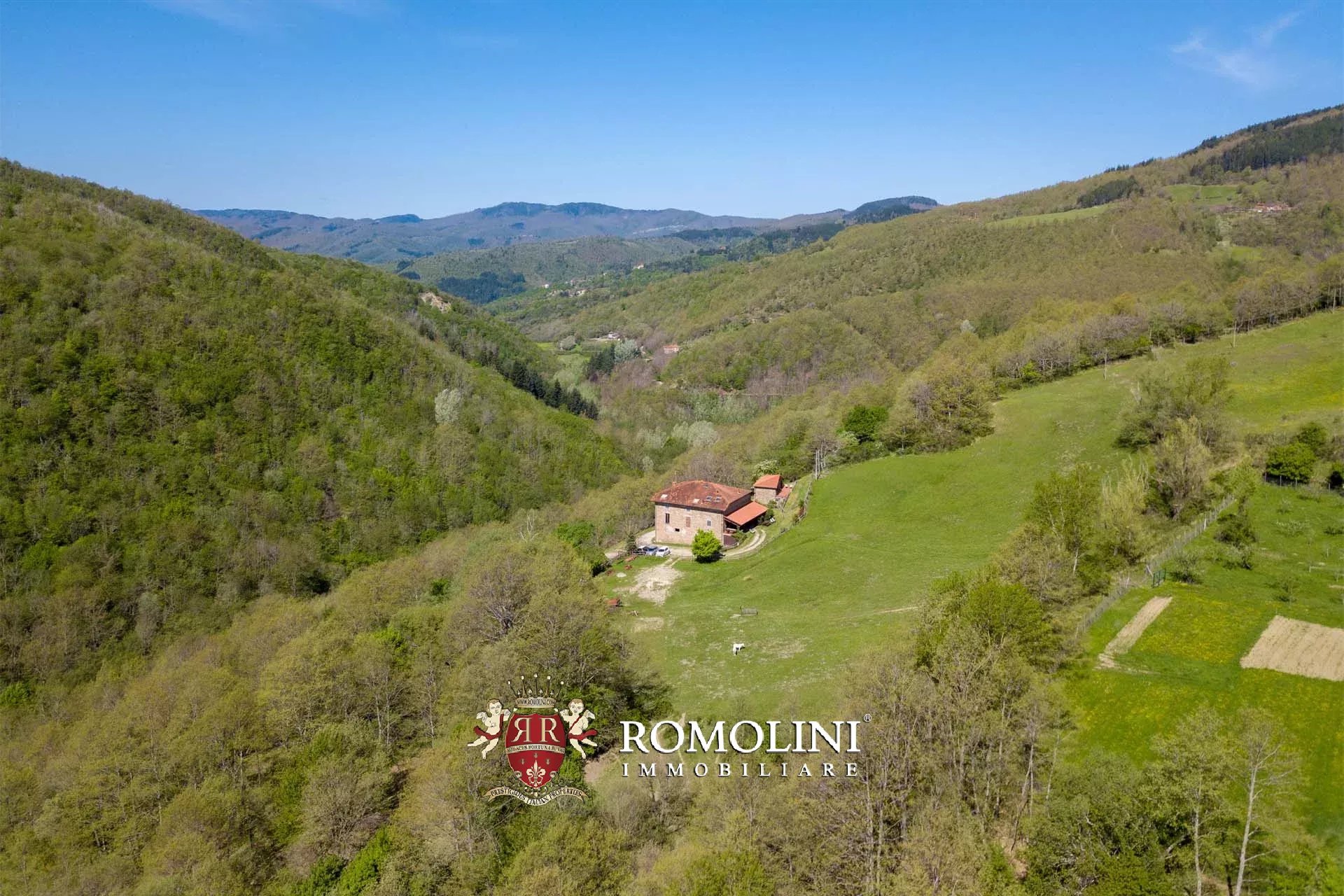
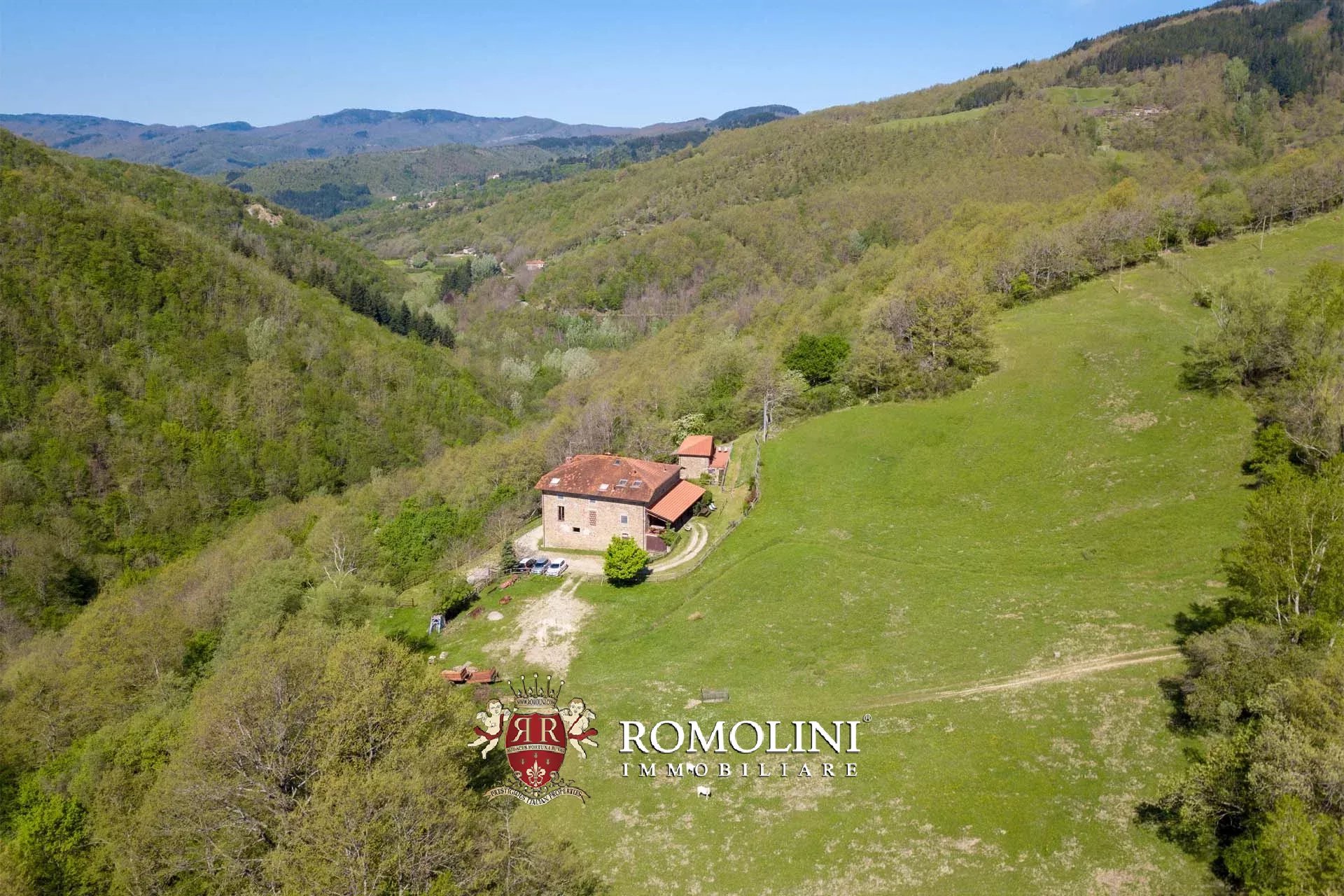
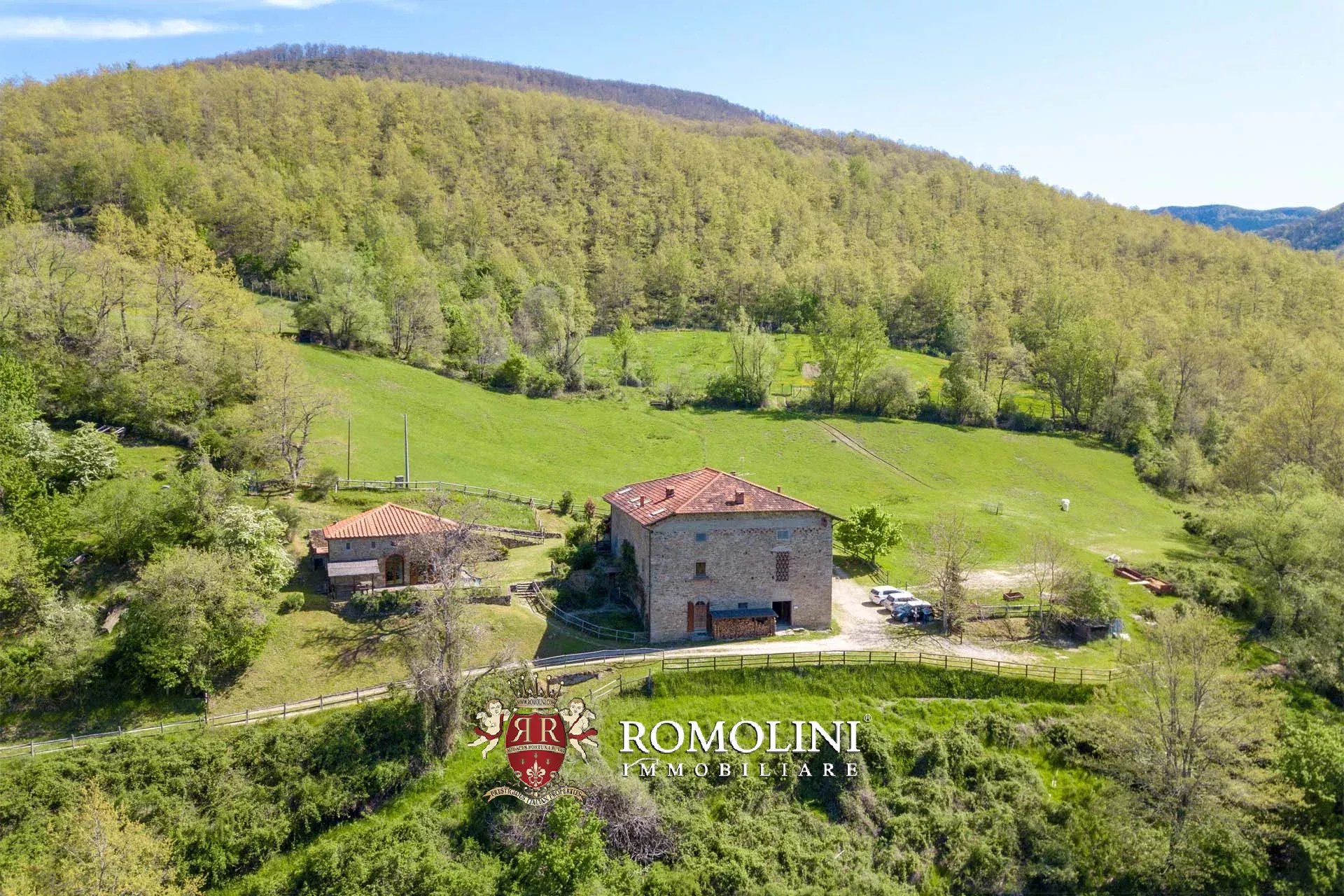
The property is located in a Site of Community Interest (SCI) within the National Park of the Casentino Forests at 660 m above sea level. The park was established about 25 years ago in an area covered by woods and grasslands of such great naturalistic and ecological value that it deserves the highest degree of protection that the European Union can grant to its territories. The enhancement that has taken place in recent years has earned prestigious international recognition that makes the area unique on the European scene. In particular, it has received the European Diploma for Nature Conservation every year for the management of the Riserva Integrale di Sasso Fratino for many years now: its beech forests are a UNESCO World Heritage Site and this year the park received the highest environmental certification for protected areas in the world by being on the IUCN Green List.
A small town (4km; 5’) provides all the services and from the property one can easily move throughout Tuscany (Poppi, Chiusi della Verna, Arezzo, Firenze, Anghiari, Cortona, San Gimignano, Siena…) in less than two hours.
Tuscany - Arezzo - Pratovecchio Stia
Tuscany, one of Italy's most iconic and breathtaking regions, embodies the essence of Italian beauty, culture, and tradition. Nestled between the ApennineMountains and the Tyrrhenian Sea, its landscape is a mesmerizing blend of rolling hills, cypress-lined roads, sprawling vineyards, olive groves, and medieval villages perched on hilltops. The region’s natural beauty is matched by its rich history, artistic heritage, and world-renowned culinary and wine traditions.
Wine enthusiasts from around the globe flock to Tuscany for its legendary wine production. The region is the birthplace of some of the most revered wines in the world, such as Chianti, Brunello di Montalcino, and Vino Nobile di Montepulciano. Chianti, produced in the heart of Tuscany, is arguably the most famous, with its distinctive ruby-red color and bold flavors, while Brunello, made exclusively from Sangiovese grapes, is one of Italy’s most prestigious wines, aging gracefully for decades. Wine routes, like the Strada del Vino in the Chianti region, allow visitors to tour centuries-old wineries, sample wines, and explore charming villages along the way.
Tuscany is also a haven for lovers of art and history. Florence, the region’s capital, is a cultural mecca, often referred to as the cradle of the Renaissance. Its galleries and museums, such as the Uffizi and Accademia, house masterpieces from artists like Michelangelo, Botticelli, and Leonardo da Vinci. The iconic Florence Cathedral, with its massive dome designed by Brunelleschi, dominates the skyline, while the Ponte Vecchio, a medieval bridge lined with jewelry shops, is one of the city’s most beloved landmarks.
Siena, another jewel of Tuscany, offers a different charm with its medieval architecture and rich traditions. The Piazza del Campo, known for the Palio, a centuries-old horse race held twice a year, is considered one of the most beautiful squares in Italy. Siena’s Gothic cathedral, with its intricate black and white striped marble, is a stunning testament to medieval craftsmanship.
Further west, Pisa is home to the iconic Leaning Tower, but it also offers much more with its rich maritime history and the grandeur of the Piazza dei Miracoli. Lucca, known for its preserved Renaissance-era city walls, invites visitors to explore its quiet streets, where churches and piazzas surprise at every turn. San Gimignano, a medieval town famous for its many towers, gives visitors a glimpse of Tuscany’s feudal past and offers sweeping views over the surrounding countryside.
Tuscany’s landscapes are also dotted with thermal springs, such as the natural hot springs of Saturnia, providing a relaxing retreat after days of exploring. The coastline, too, with the Maremma region and the island of Elba, offers picturesque beaches and pristine waters, a contrast to the inland hills and vineyards.
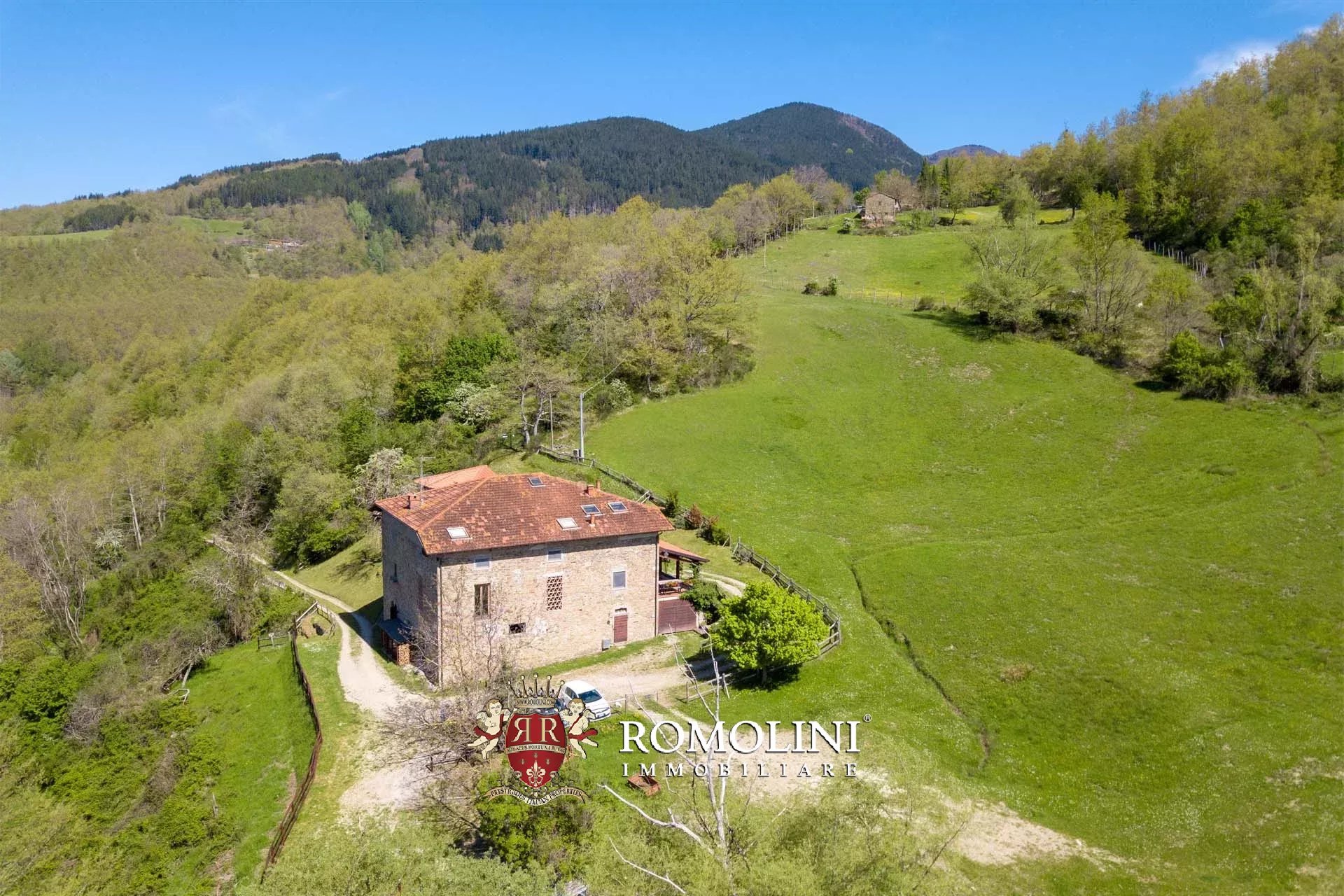
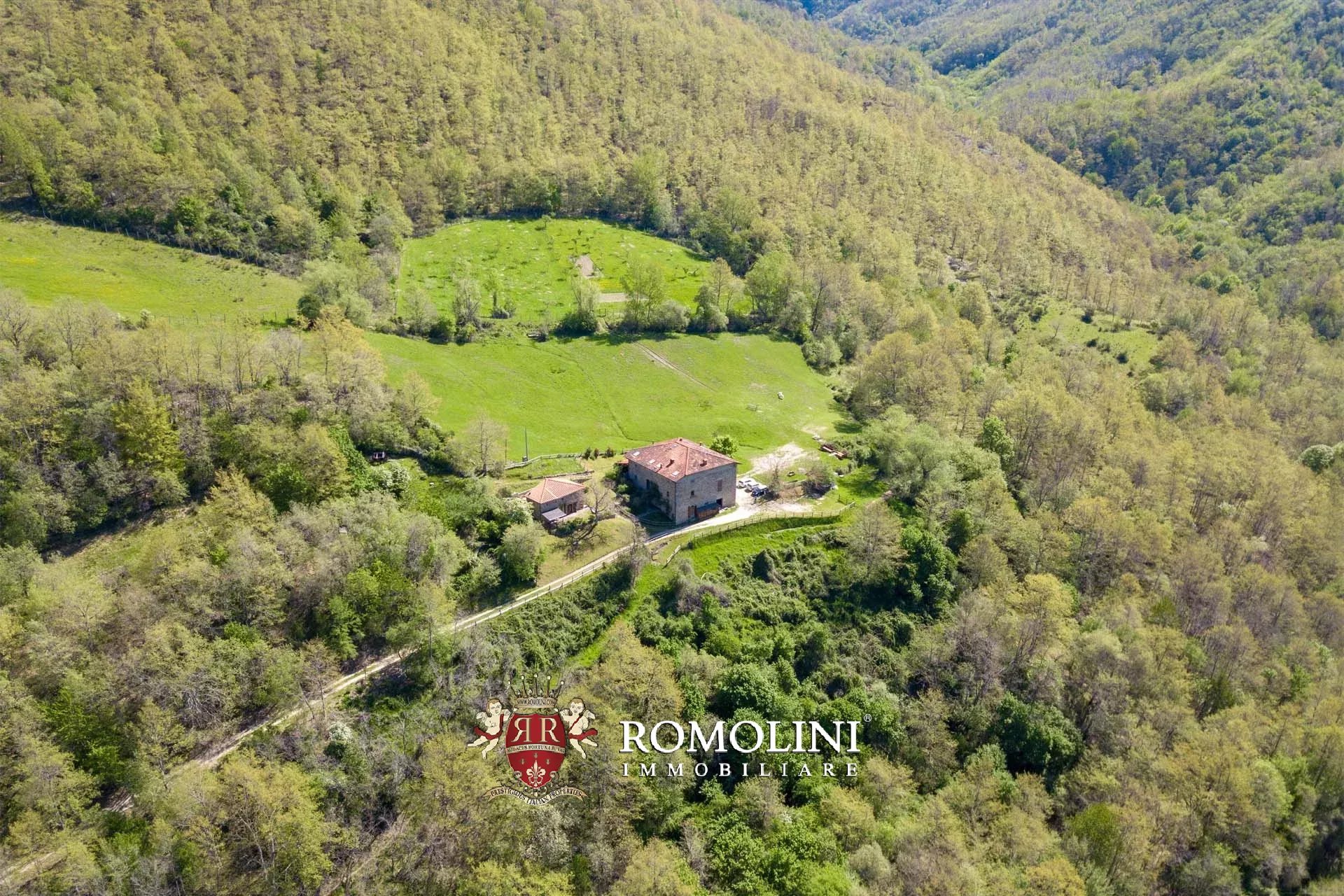
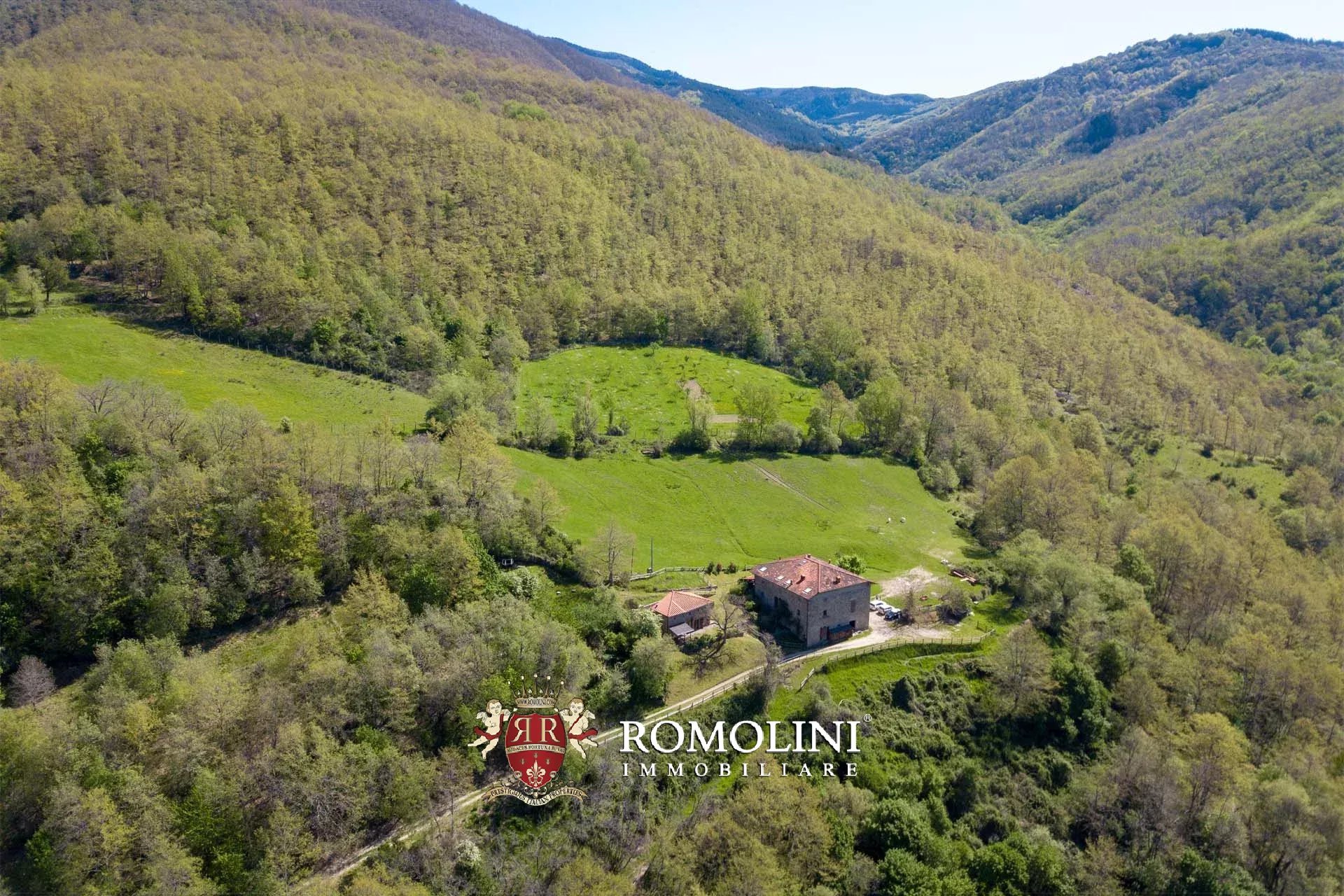
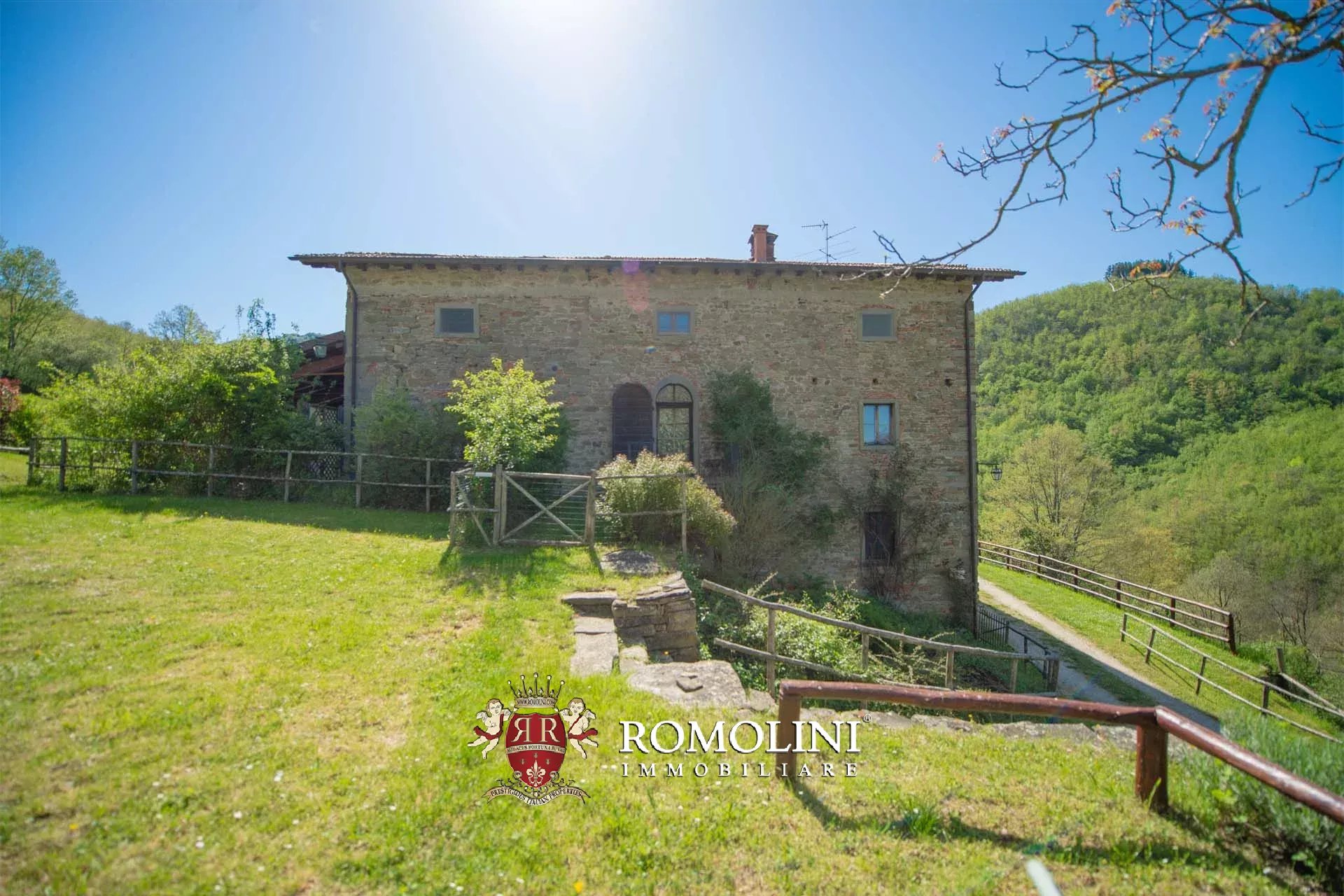
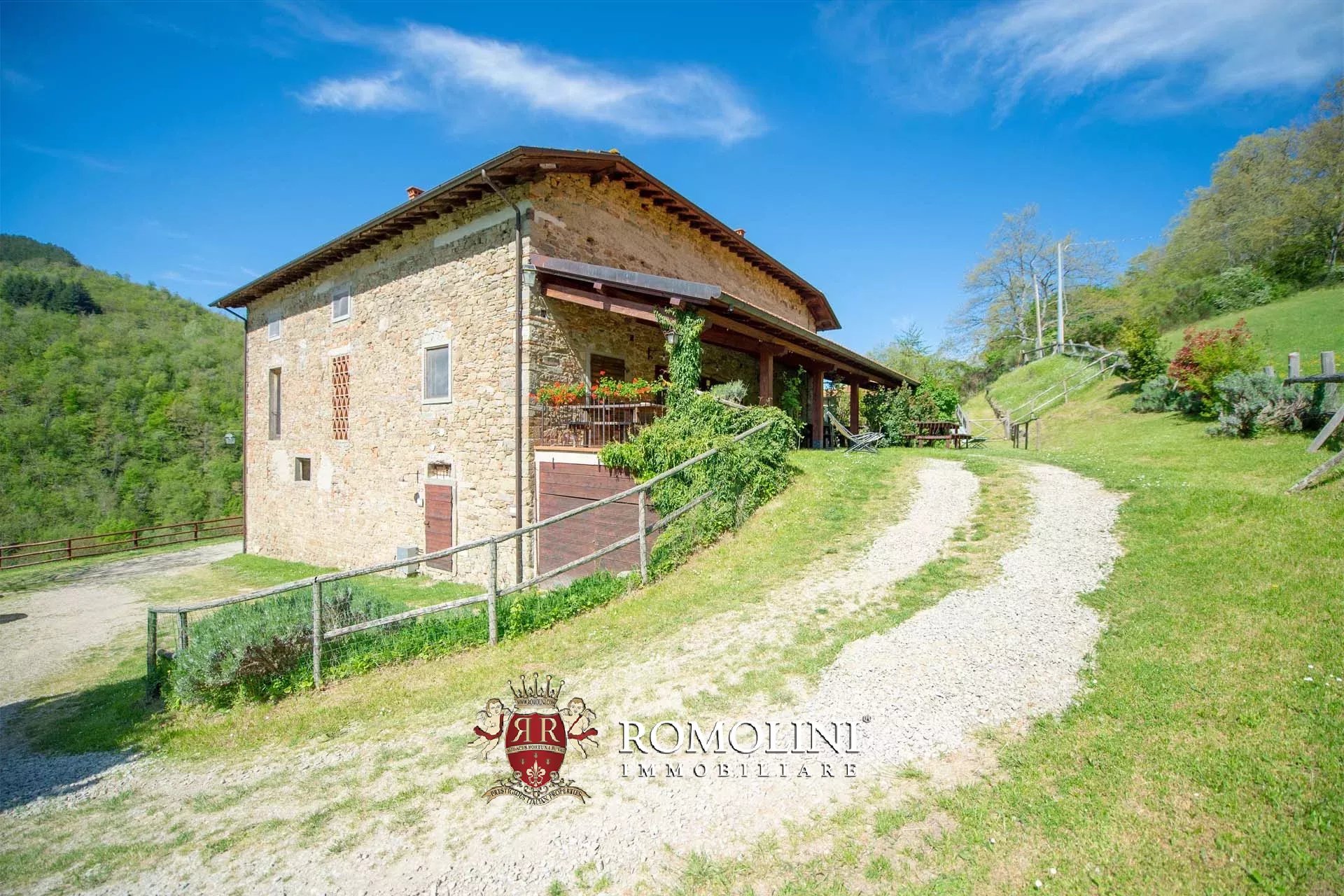
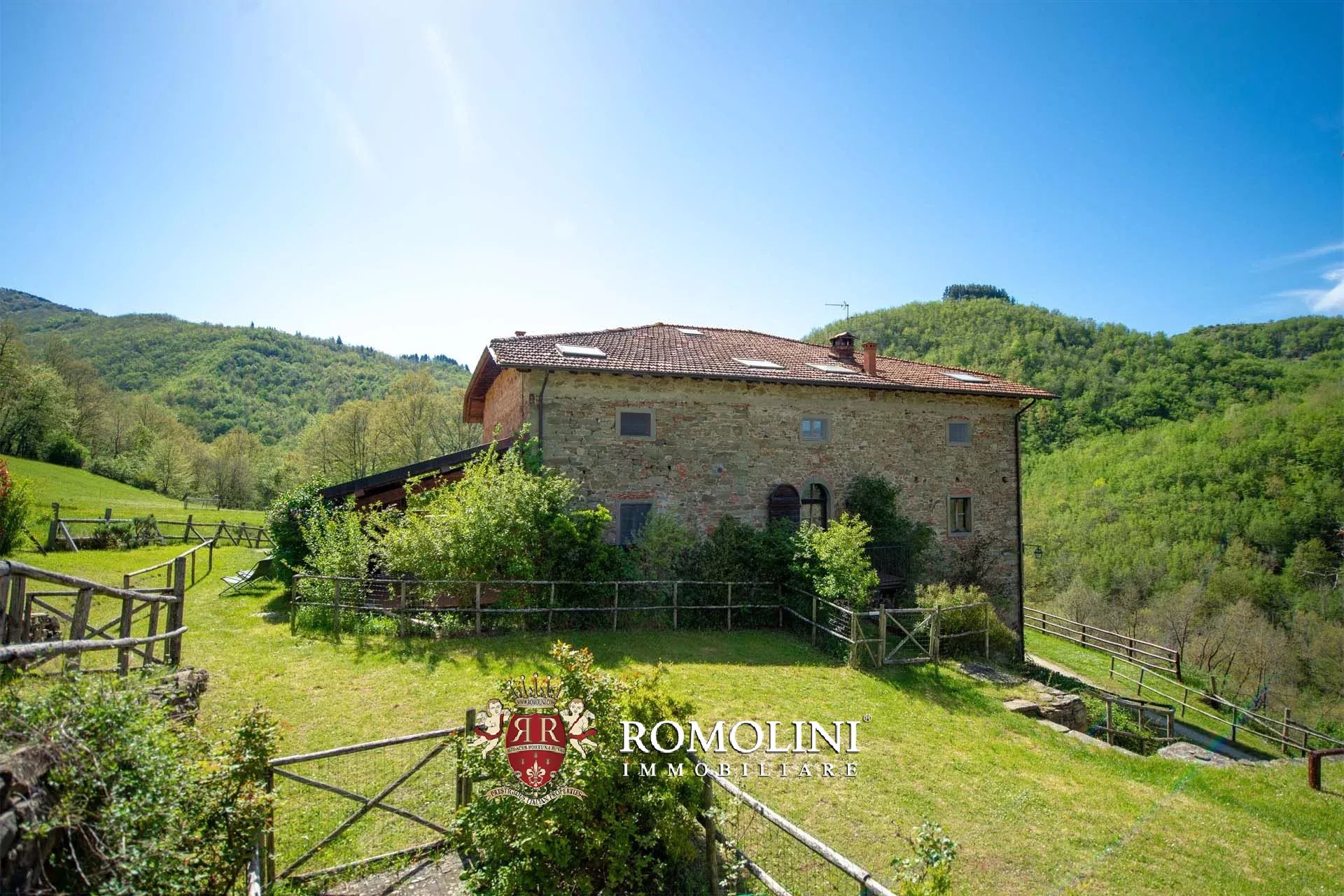
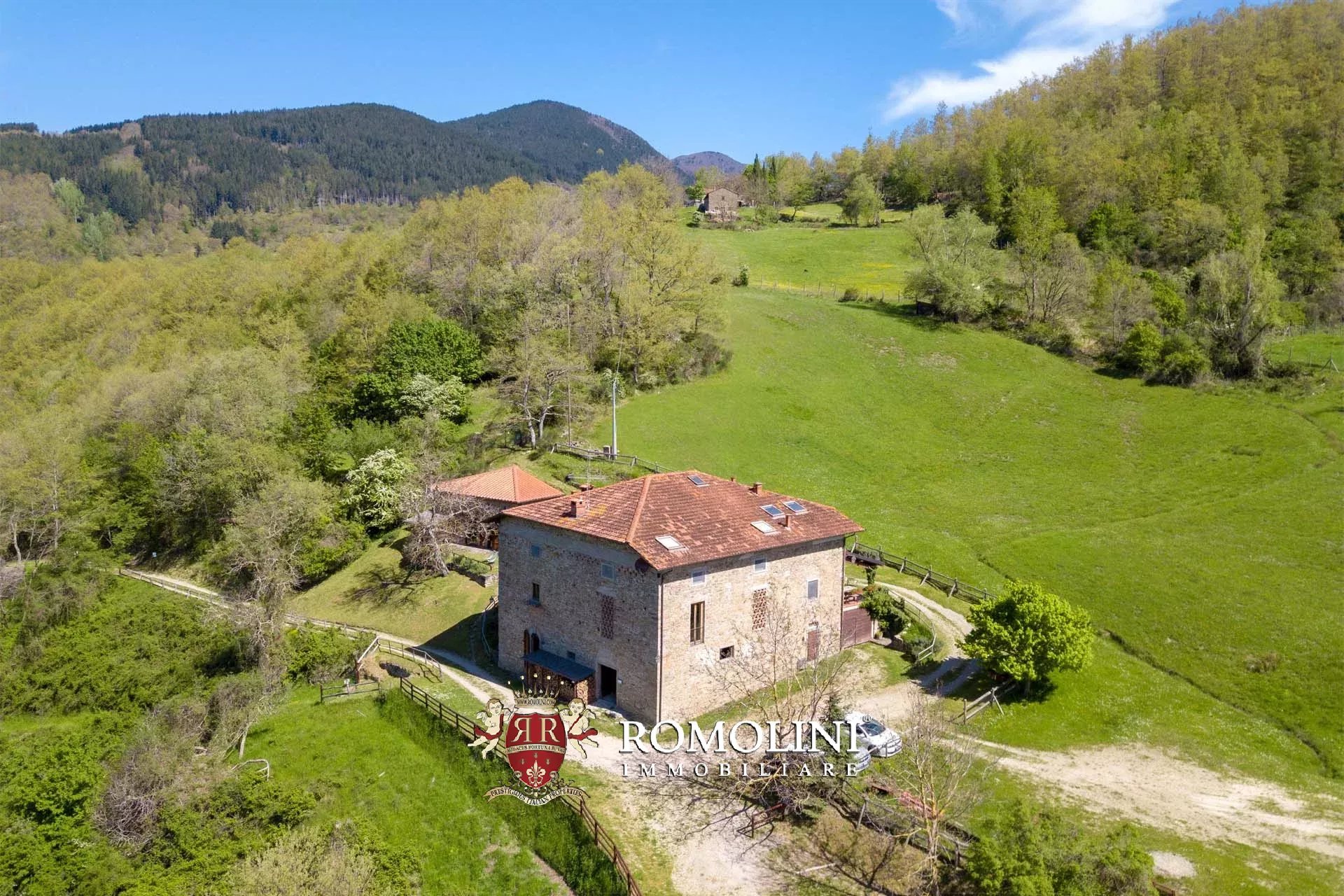
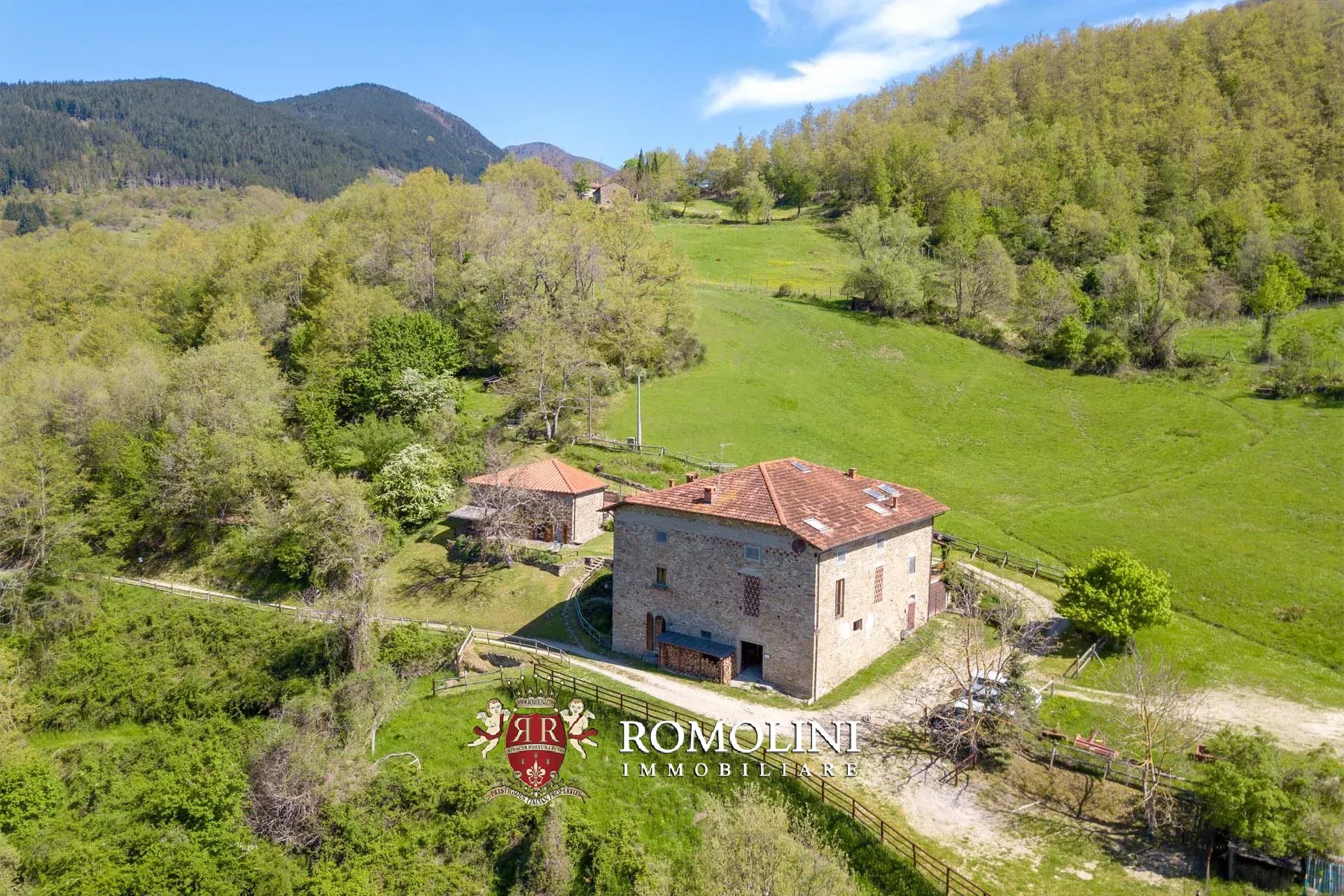
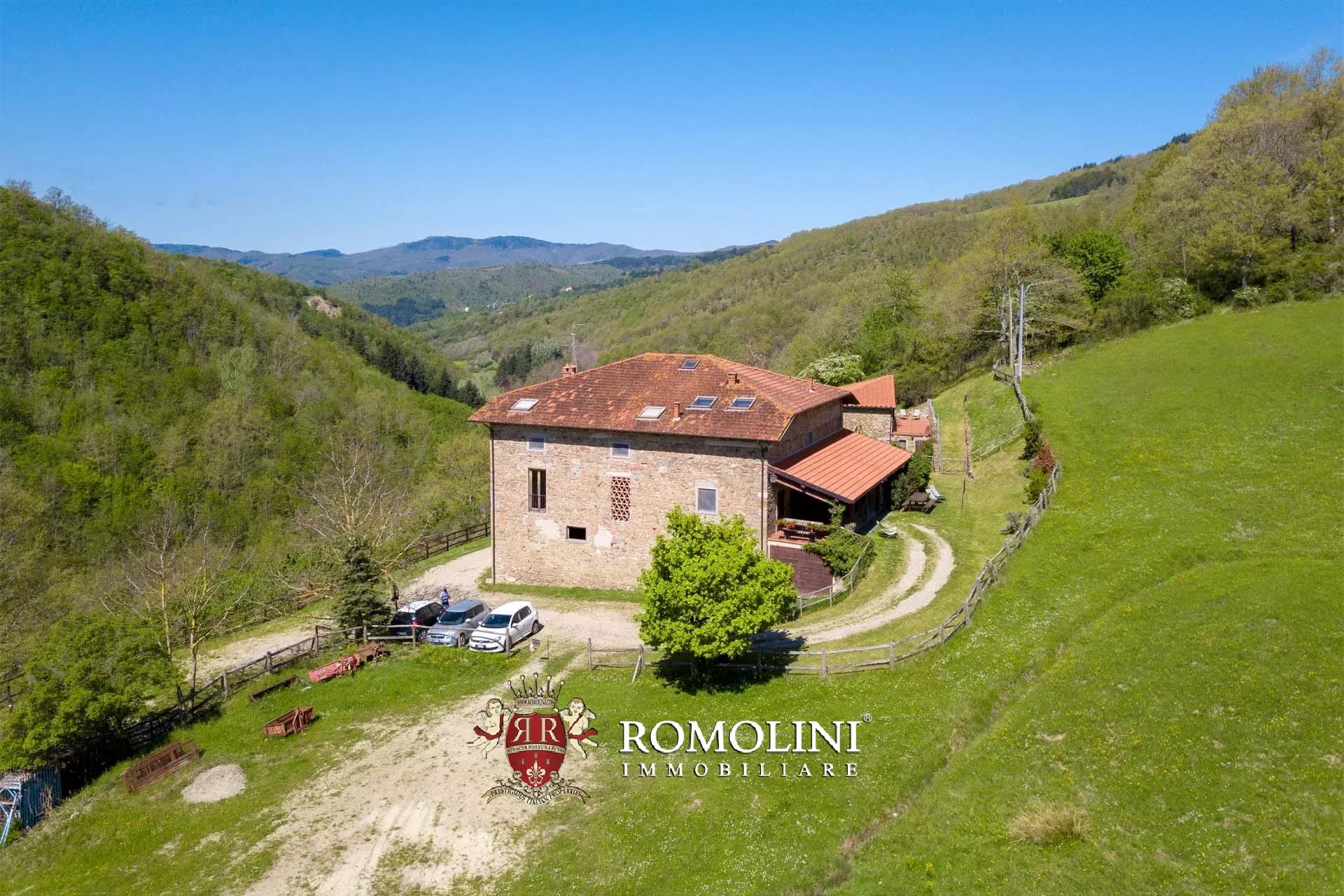
The rural building, located within the borders of the Casentino Forest National Park, was built in the second half of the 19th century (the keystone of the entrance on the first floor bears the date 1878) on an ancient pre-existing structure dating back to the 11th century and consisting of the ancient Oratory of Sant’Egidio in Gaviserre moved in the 18th century “for the convenience of the people” to the current Church of Sant’Egidio. Part of the ancient masonry can still be seen on the north-west corner of the building. The building is registered in the Catasto Leopoldino. Purchased by the current owner in 1989 from the Monastery of the Camaldolese Nuns of Pratovecchio, the building was completely renovated for agritourism use in the year 2000 in full respect of its construction characteristics and the architectural types of the area.
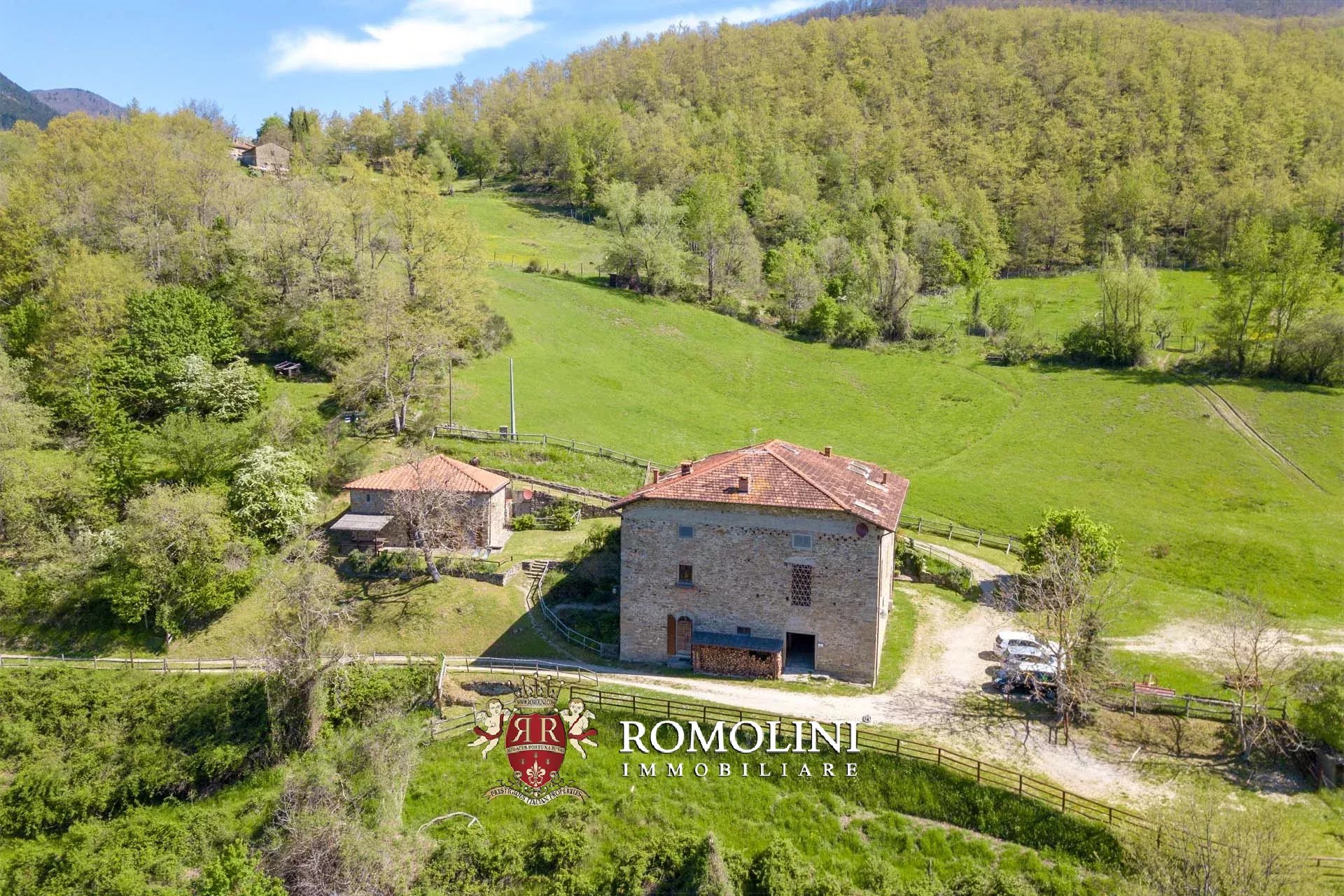
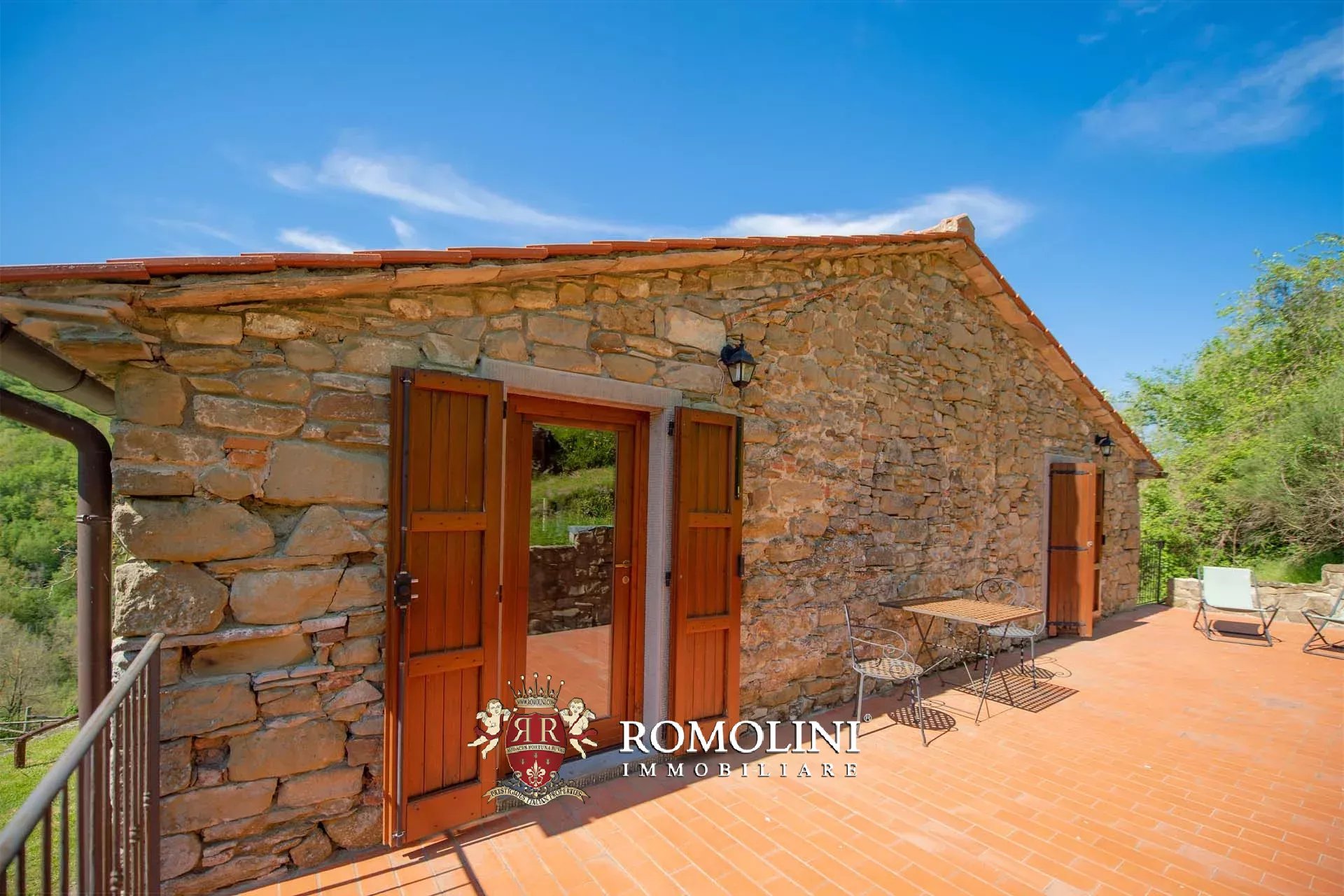
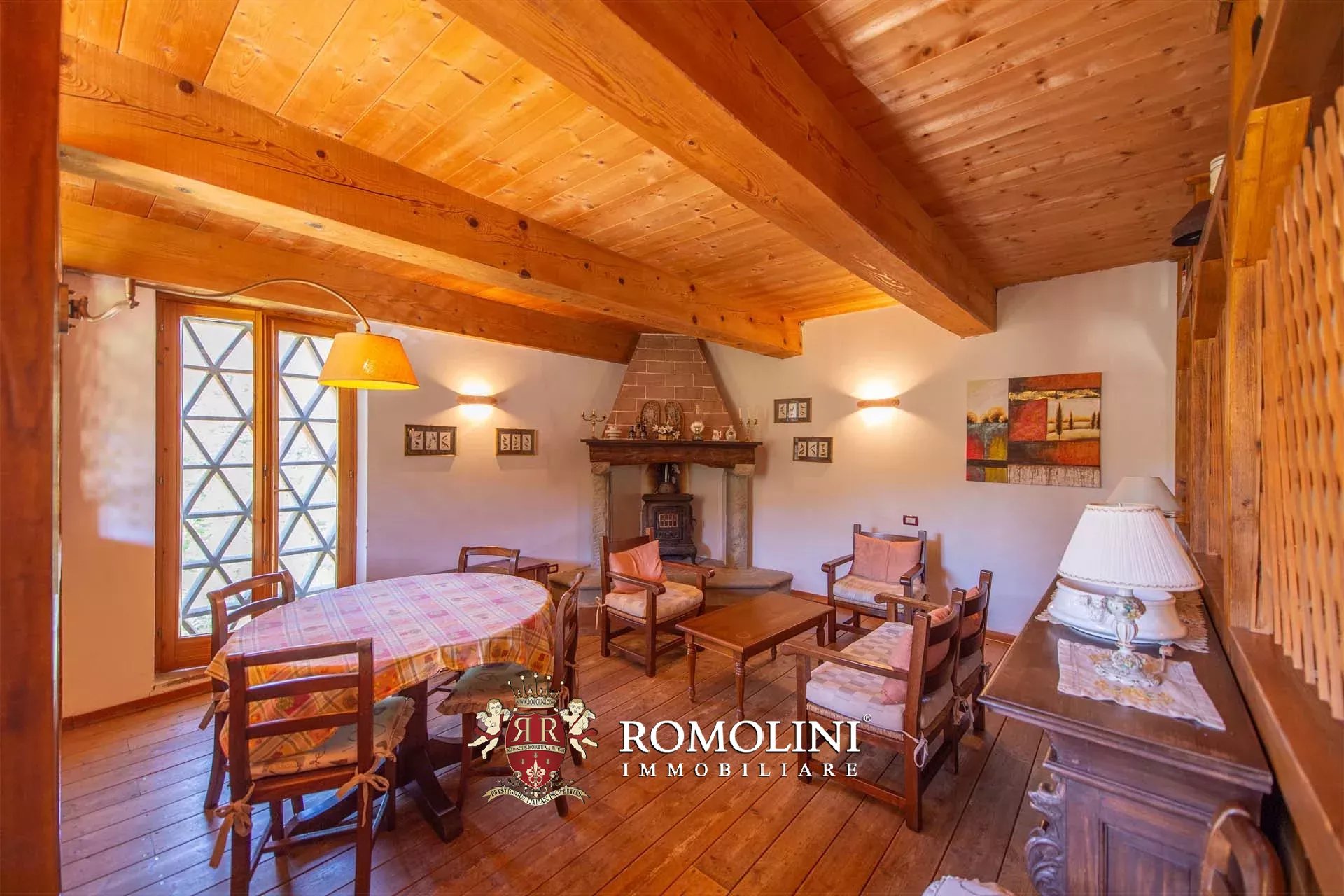
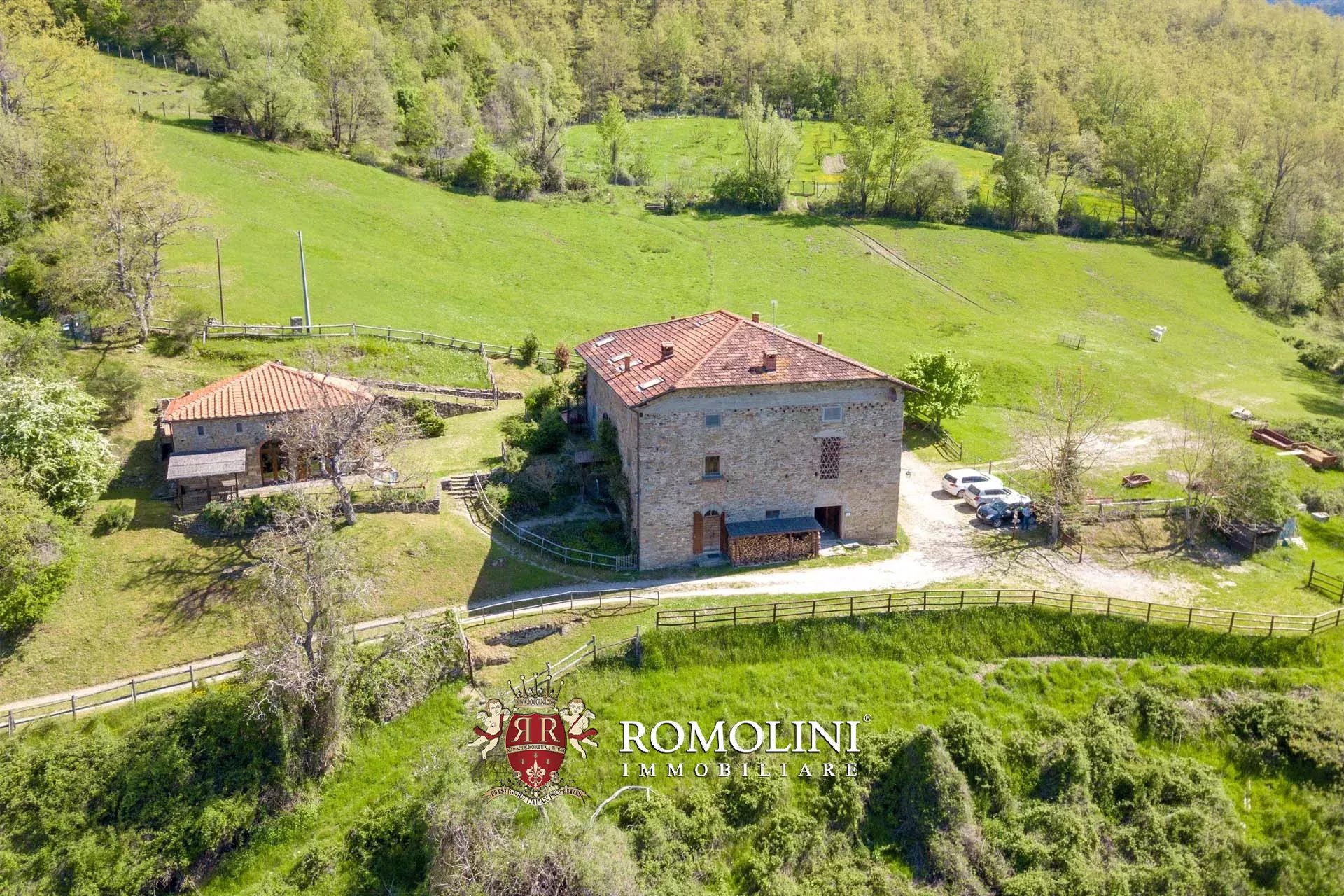
The building has three floors with exposed stone walls and pietra serena frames at the openings. The floors are made of wooden beams and planking. The roof, covered with Marseille tiles, has a hipped structure with purlins and beams with boarding, on wooden trusses.
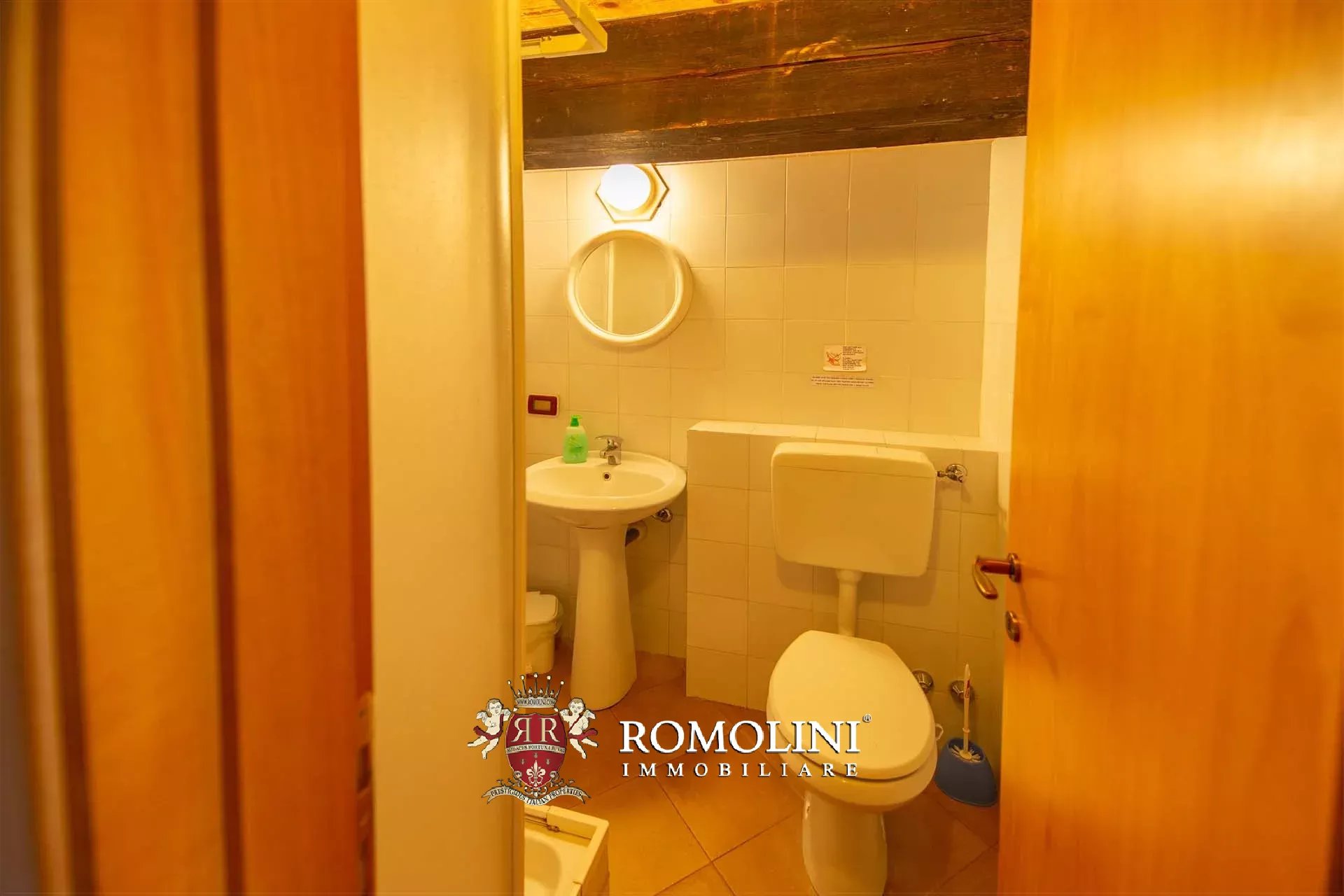
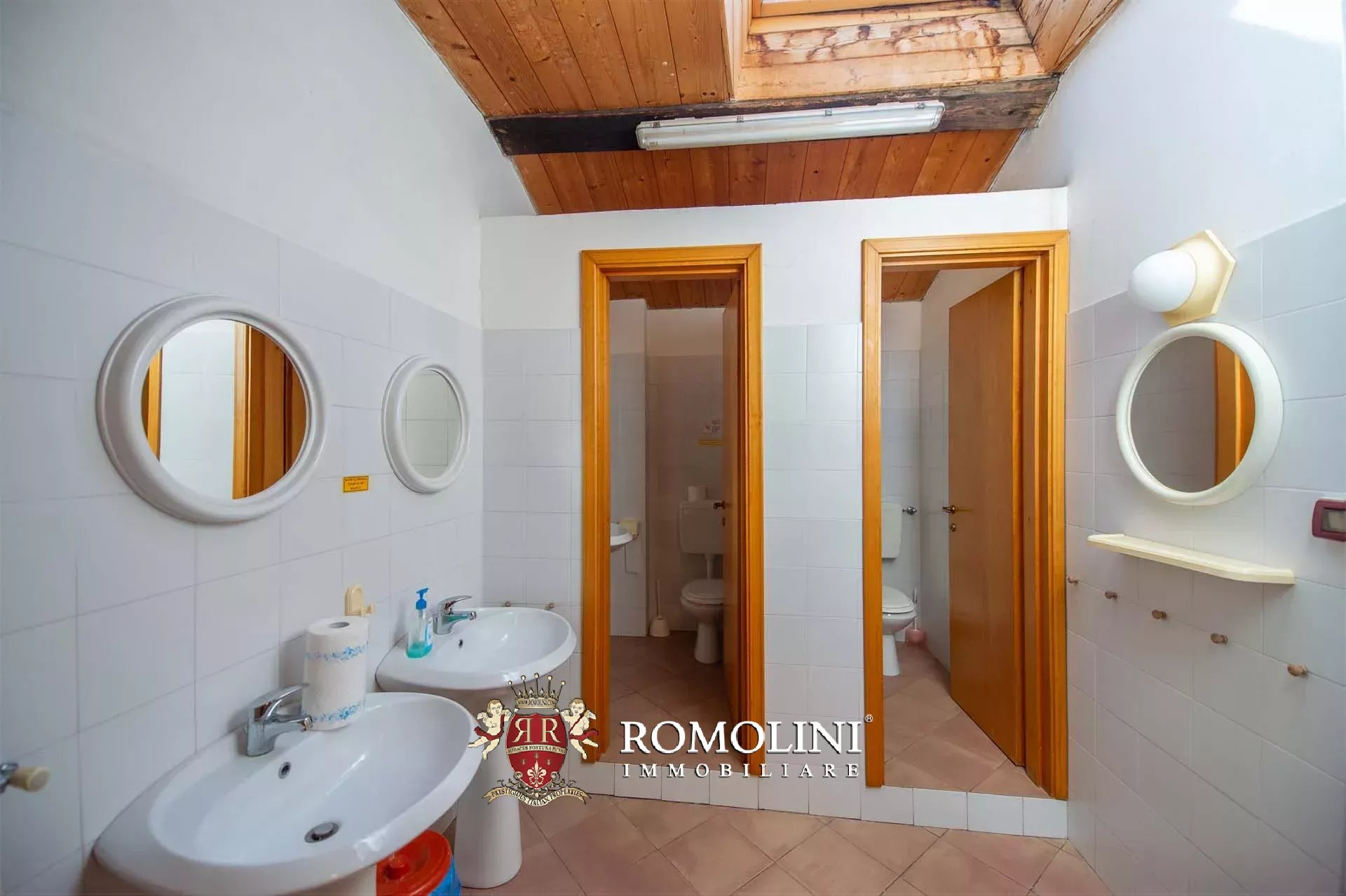
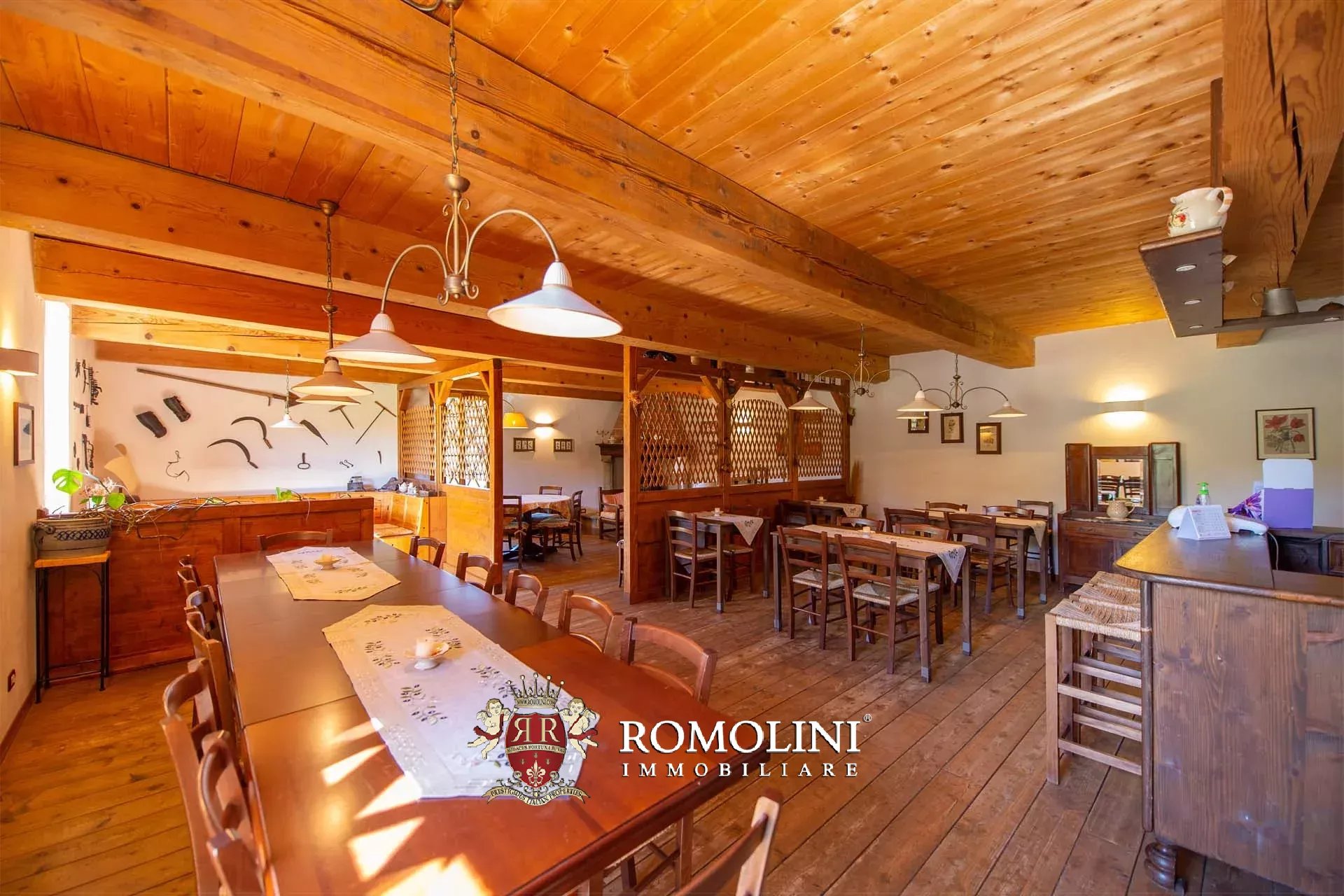
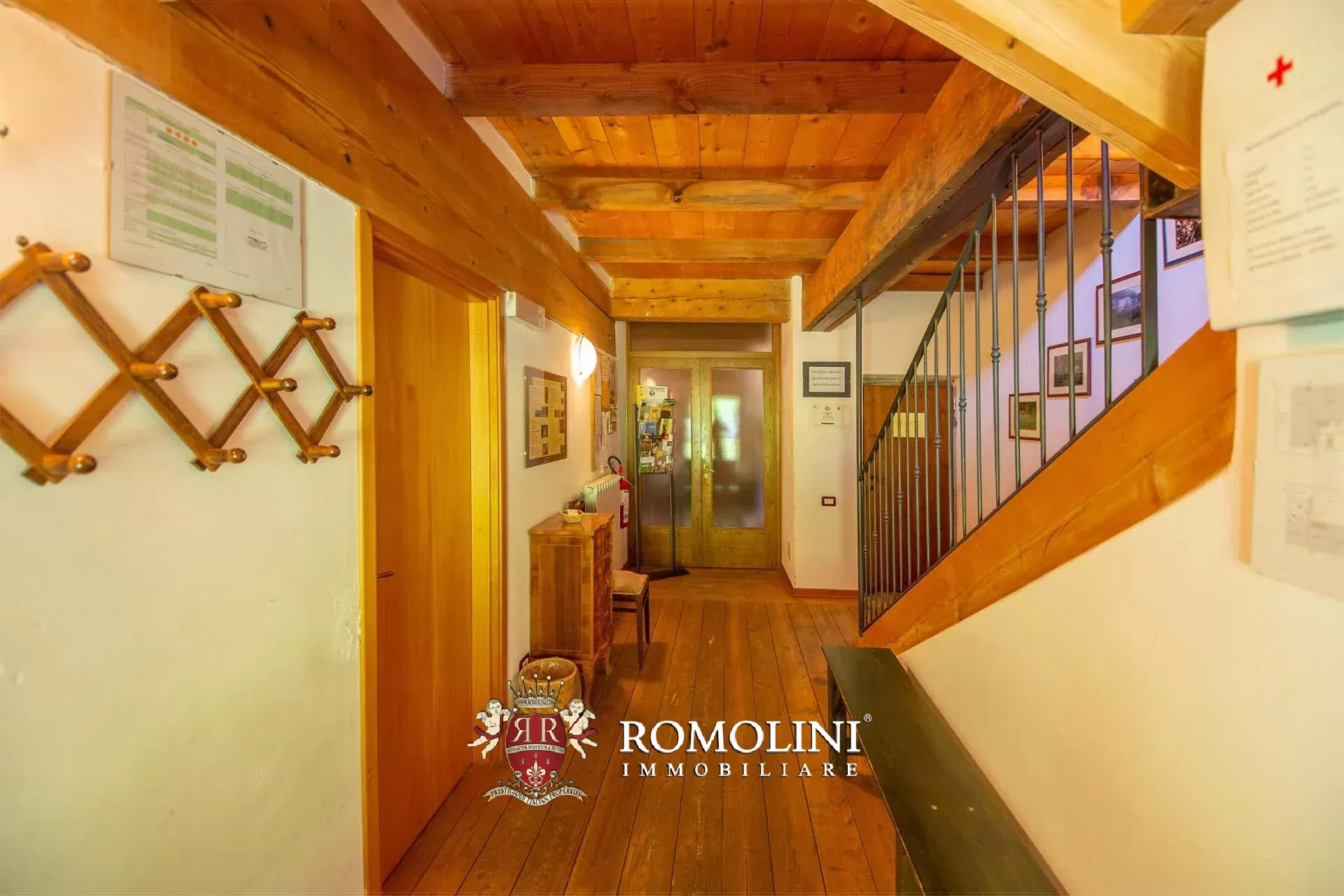
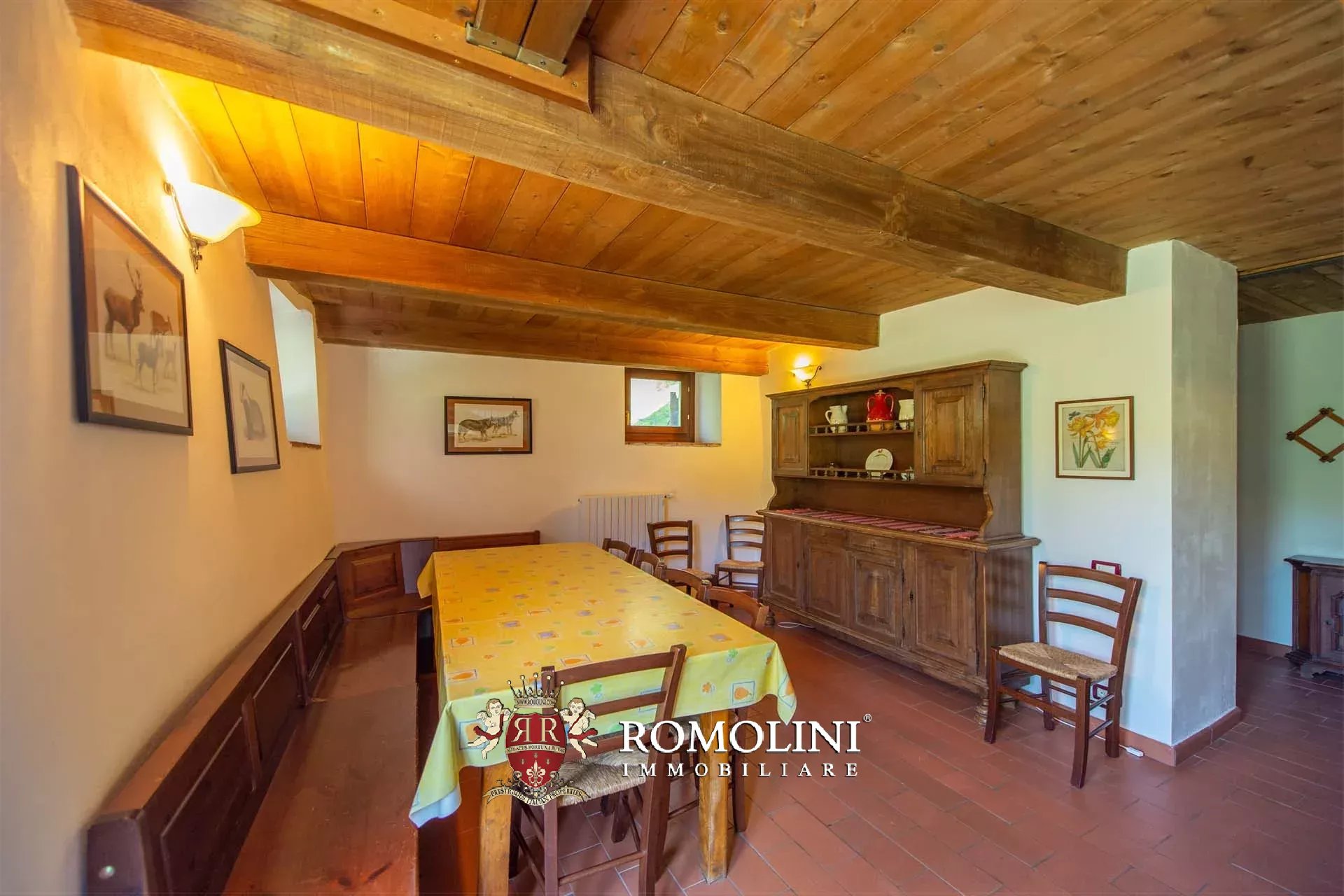
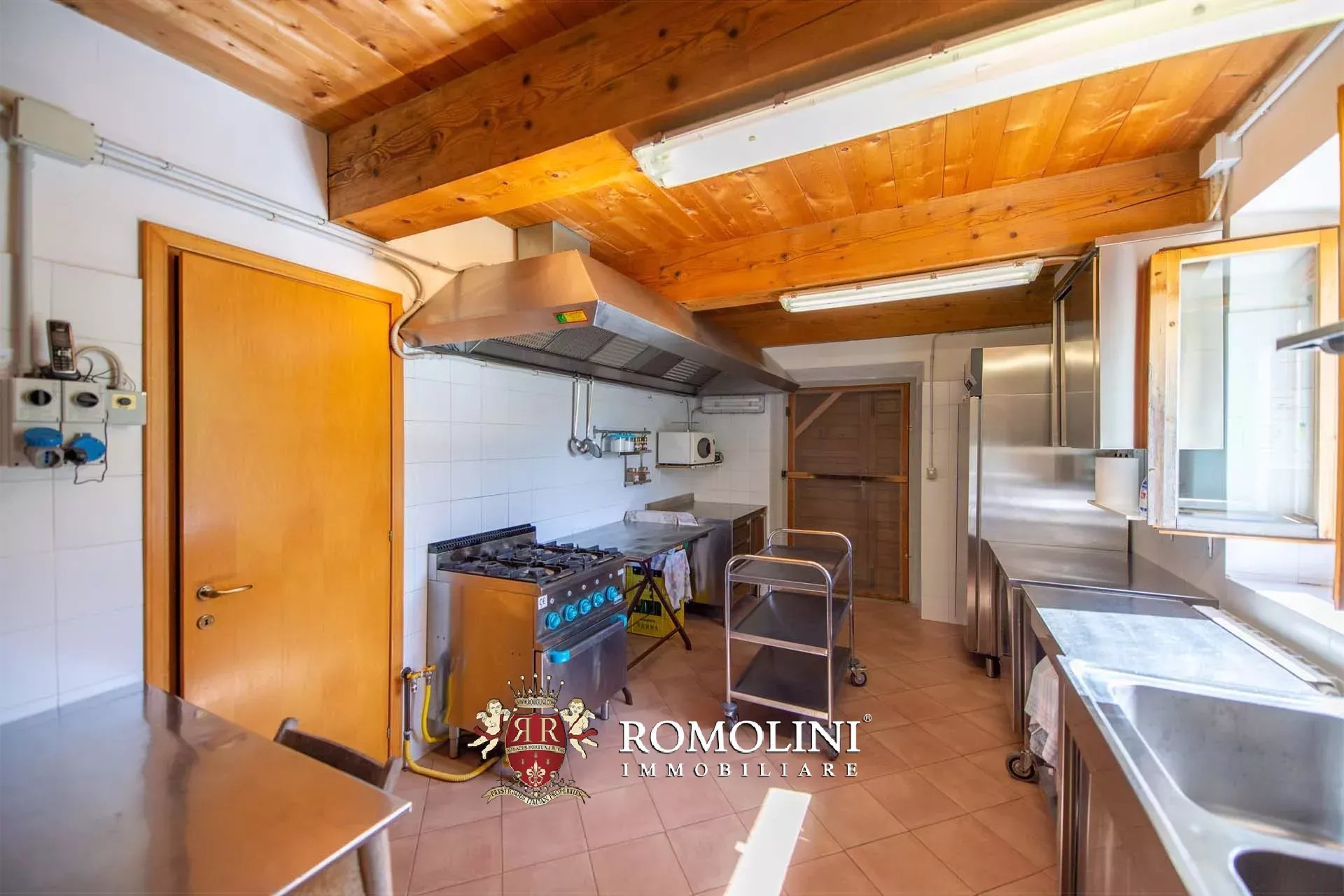
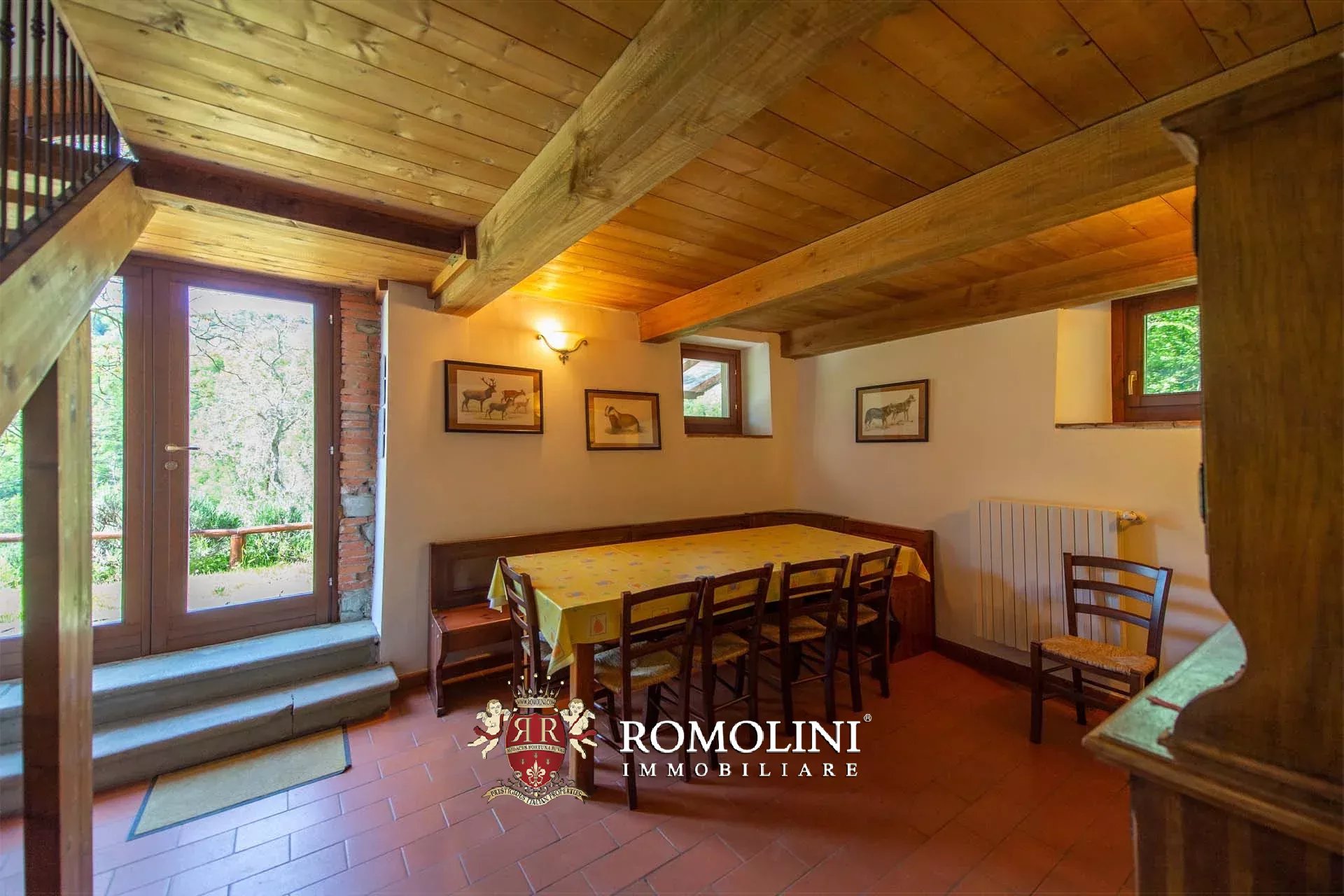
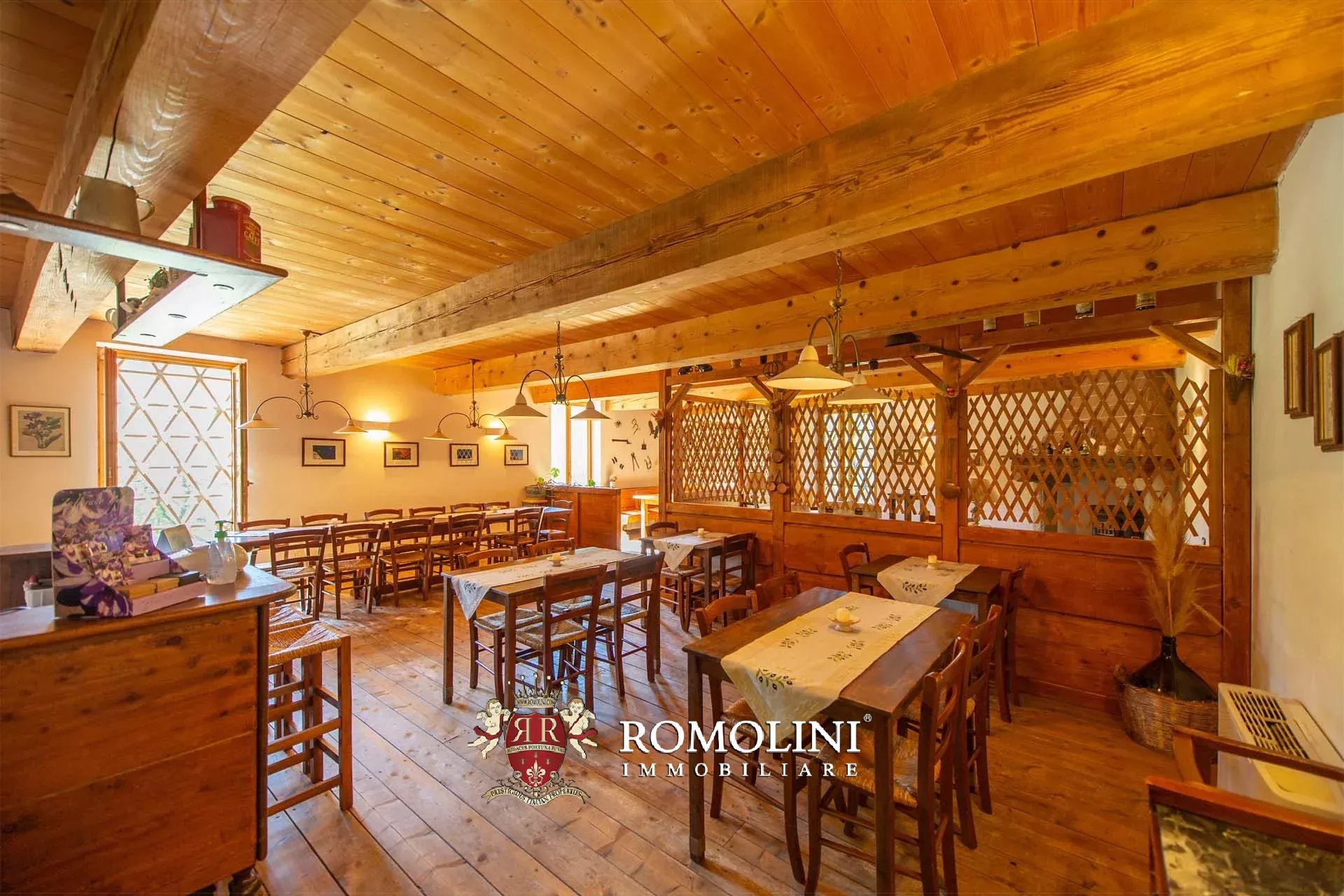
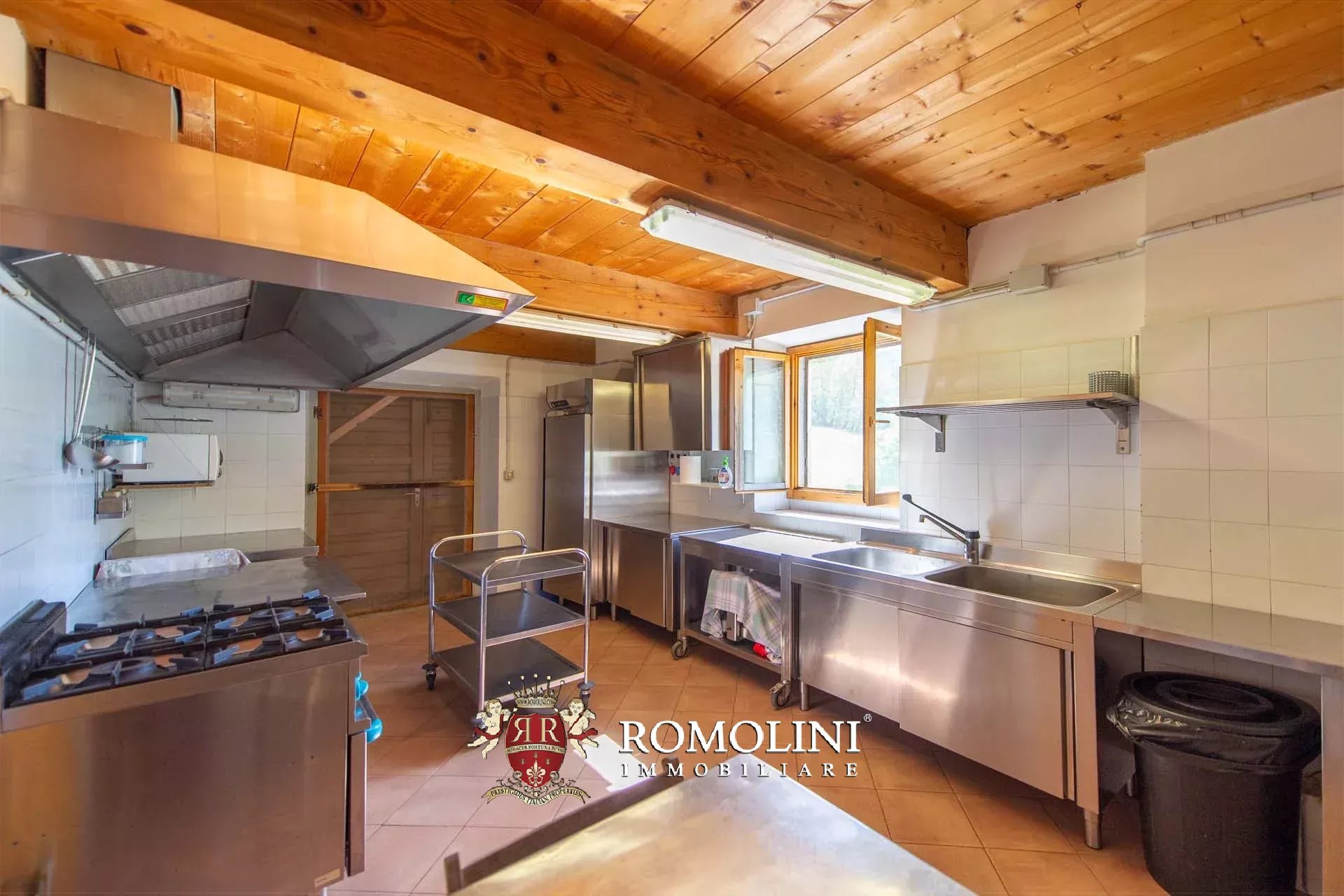
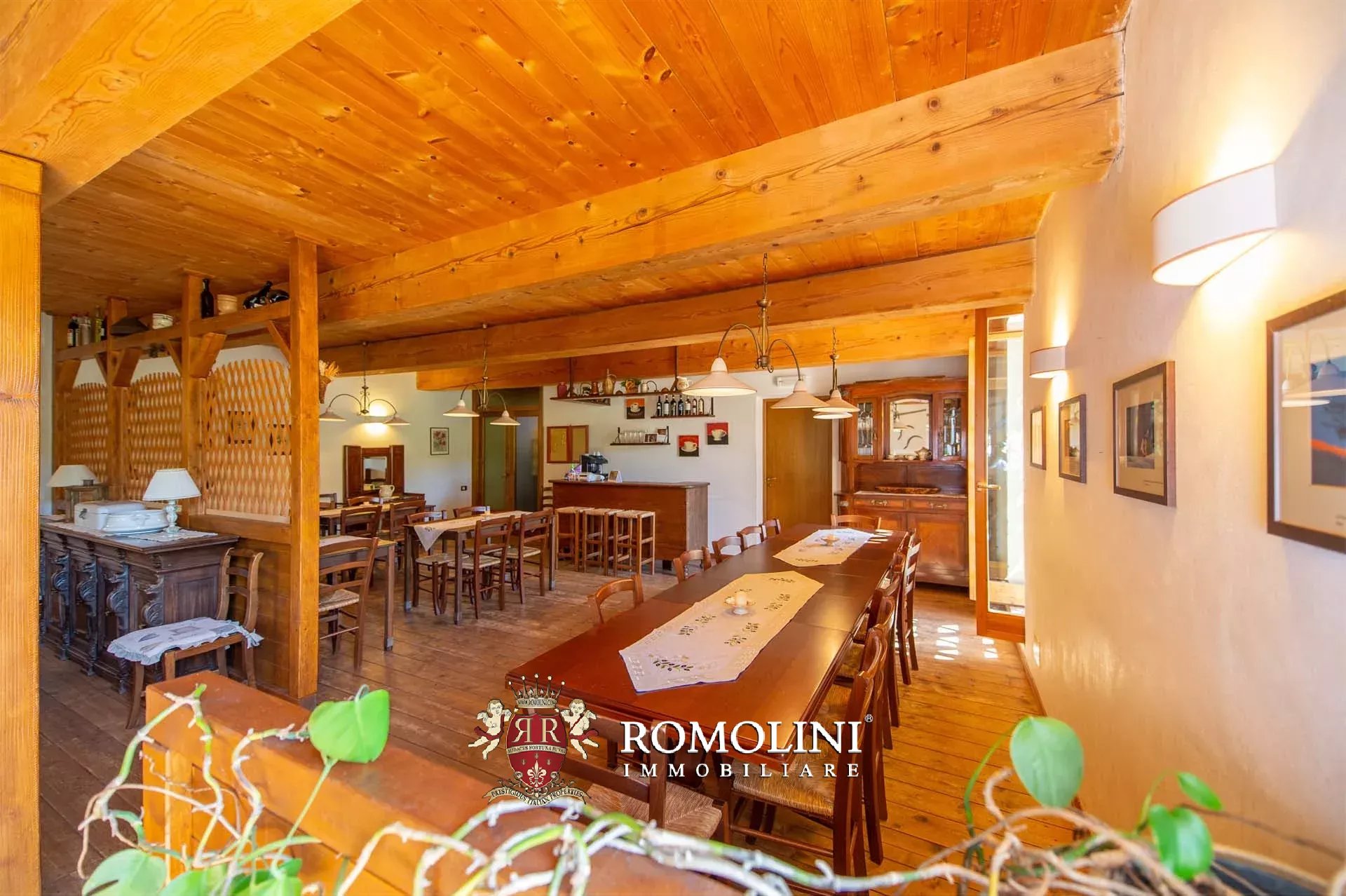
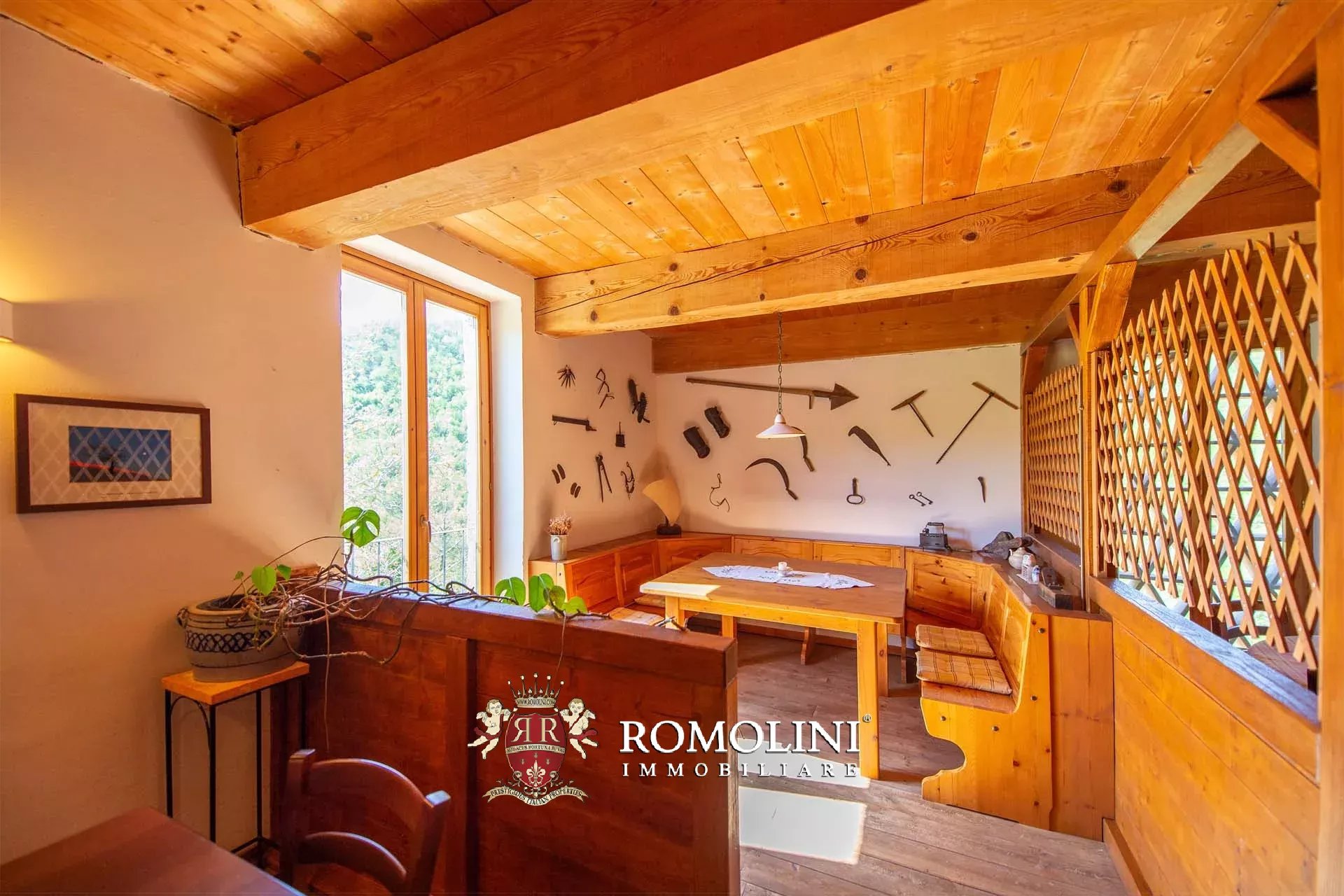
In the western part of the house on the ground floor is the original kitchen with fireplace, two bathrooms and a cellar. On the eastern side is a stable with six boxes, a storage room and to the north a garage used by the owners. On the first floor in the western part is the owner’s apartment, while the eastern part is for accommodation use with access from the northern side. The accommodation portion is accessed through an open loggia of approximately 50 sqm. At the entrance is a room used for management, the staircase leading to the second floor, and the hallway to the large dining room. On the same floor is the restaurant kitchen, with a pantry and a guest bathroom. The second floor is reserved for bedrooms and bathrooms. The attic, which is accessed by a ladder, is partly habitable.
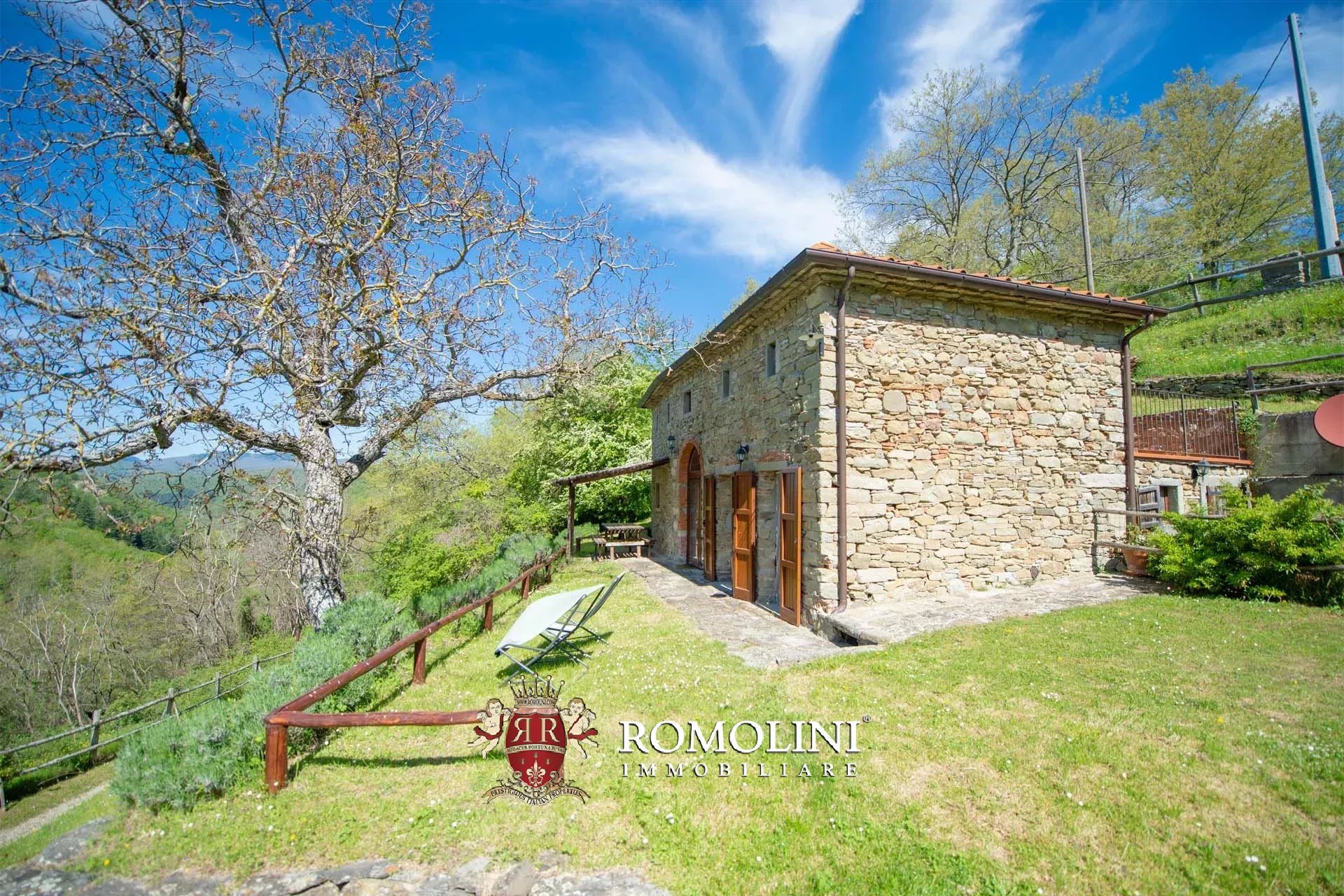
In the complex there is also a rural outbuilding converted from an old chestnut drying room in exposed stone and renovated with the same care as the main building. The ground floor is accessed through a round arch in terracotta bricks that leads to the living room, from which there is access to a small kitchen, a double bedroom with bathroom and the staircase leading to the first floor. Below is a basement cellar with a bathroom accessed from outside.
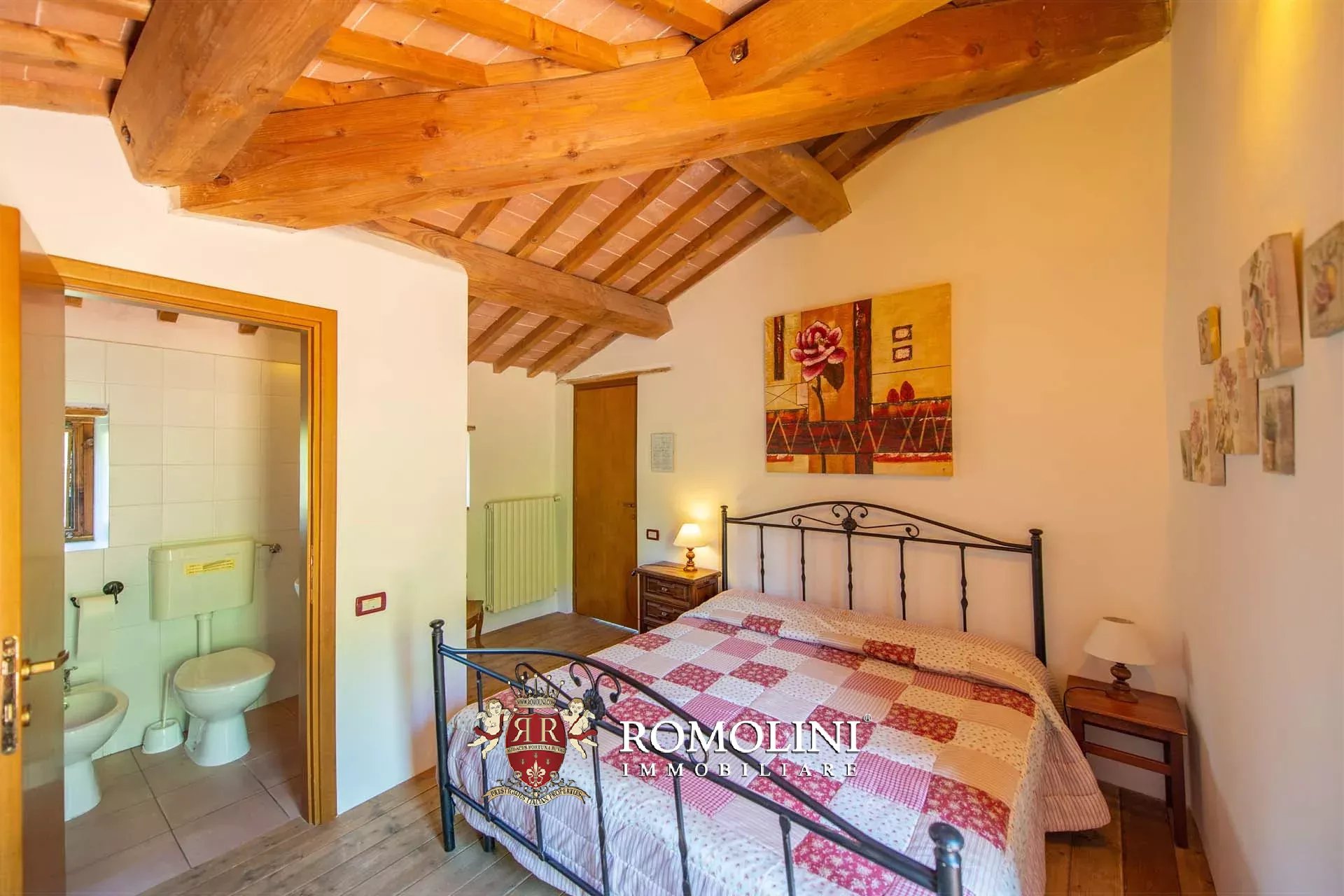
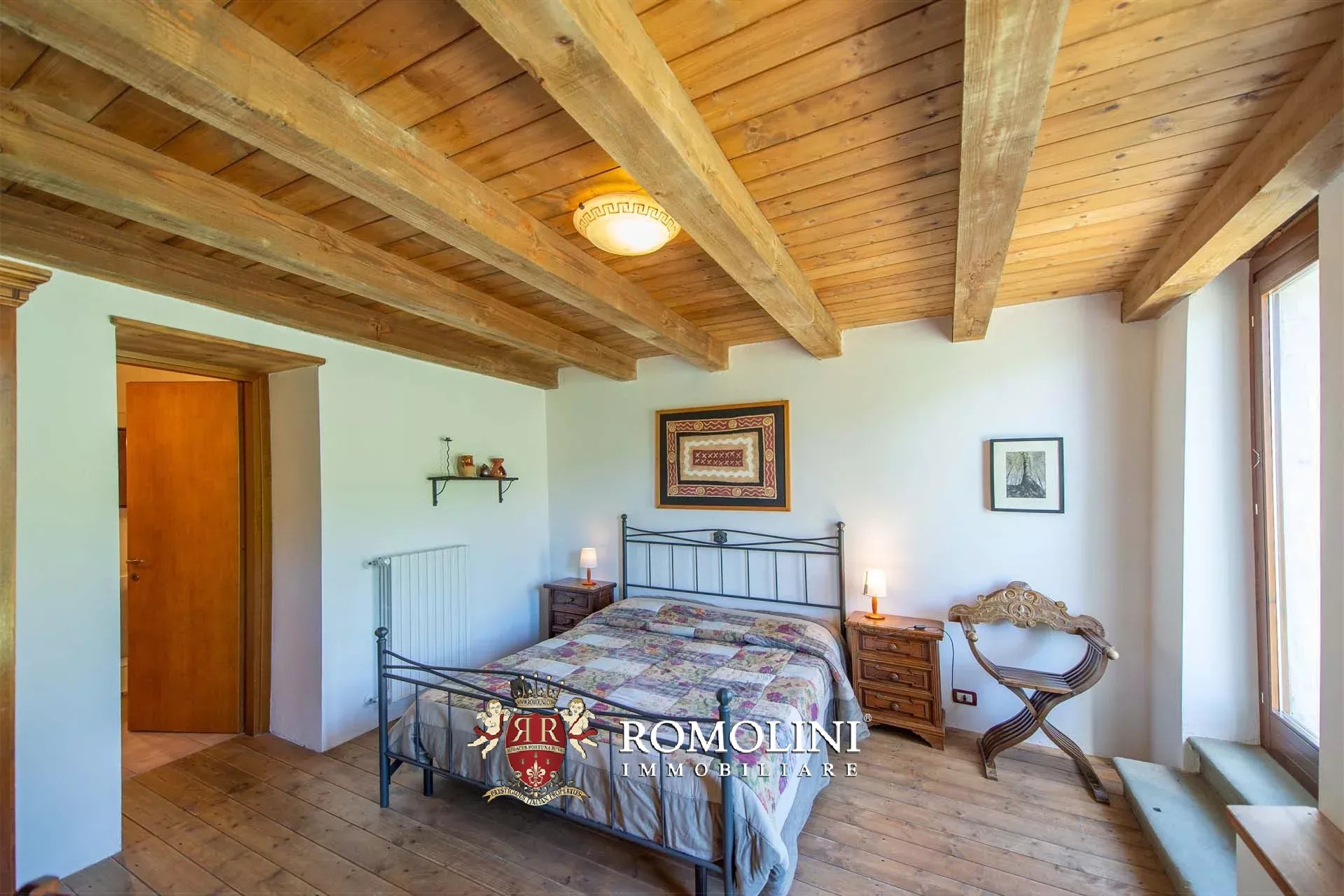
On the first floor are two bedrooms, each with its own bathroom, which lead onto an open terrace. The rooms have beams and exposed handmade terracotta tiles in the best Tuscan tradition. The roofing is three-pitch, following a long-standing mountain tradition.
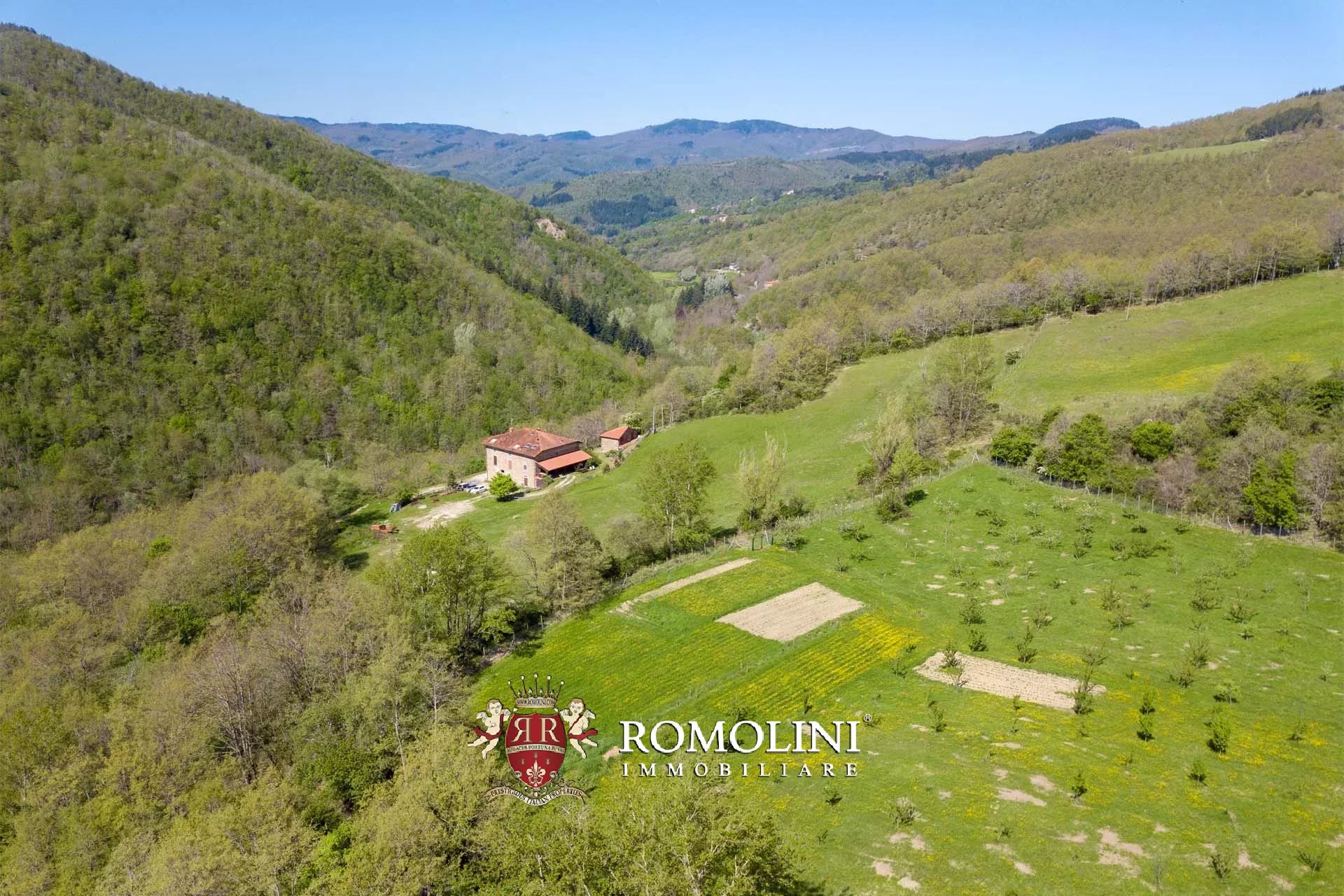
The area of agricultural land is approximately 10.0 hectares (24.7 acres), divided between mixed forest (2.0 ha) and meadows (8.0 ha). Among the latter are two fenced plots (with 1.80 and 2.30 m nets) of just under one hectare each. One of these plots was used for the acclimatization of hares for restocking but has been out of use for a few years now. The second is currently in use as an organic cultivation of fruit trees of ancient Casentino cultivars, acting as a genetic bank of species with unique characteristics.
The flattest part of the land is dedicated to the cultivation of organic saffron for a surface area of approximately 1,000 m², while 500 sqm are an irrigated vegetable garden.
To the north of the building, where the entrance to the agritourism part is located, there is a pasture meadow of about one hectare, which enhances the agricultural landscape and gives the agritourism part a wide berth. On this meadow is a wildlife observatory wanted by the National Park due to the frequent presence of photographable deer and fallow deer. The same sightings can of course be made from the access loggia to the farmhouse. In the upper part of the meadow, a pond for the reproduction of amphibians has been built in stone, also desired by the National Park as part of the wetland project for the Sites of Community Interest in which the farm falls.
The forest, in the two hectares thus classified, is a mixed type with hornbeam, downy oak and alder, which has not been cut in the last 20 years and can be coppiced again.
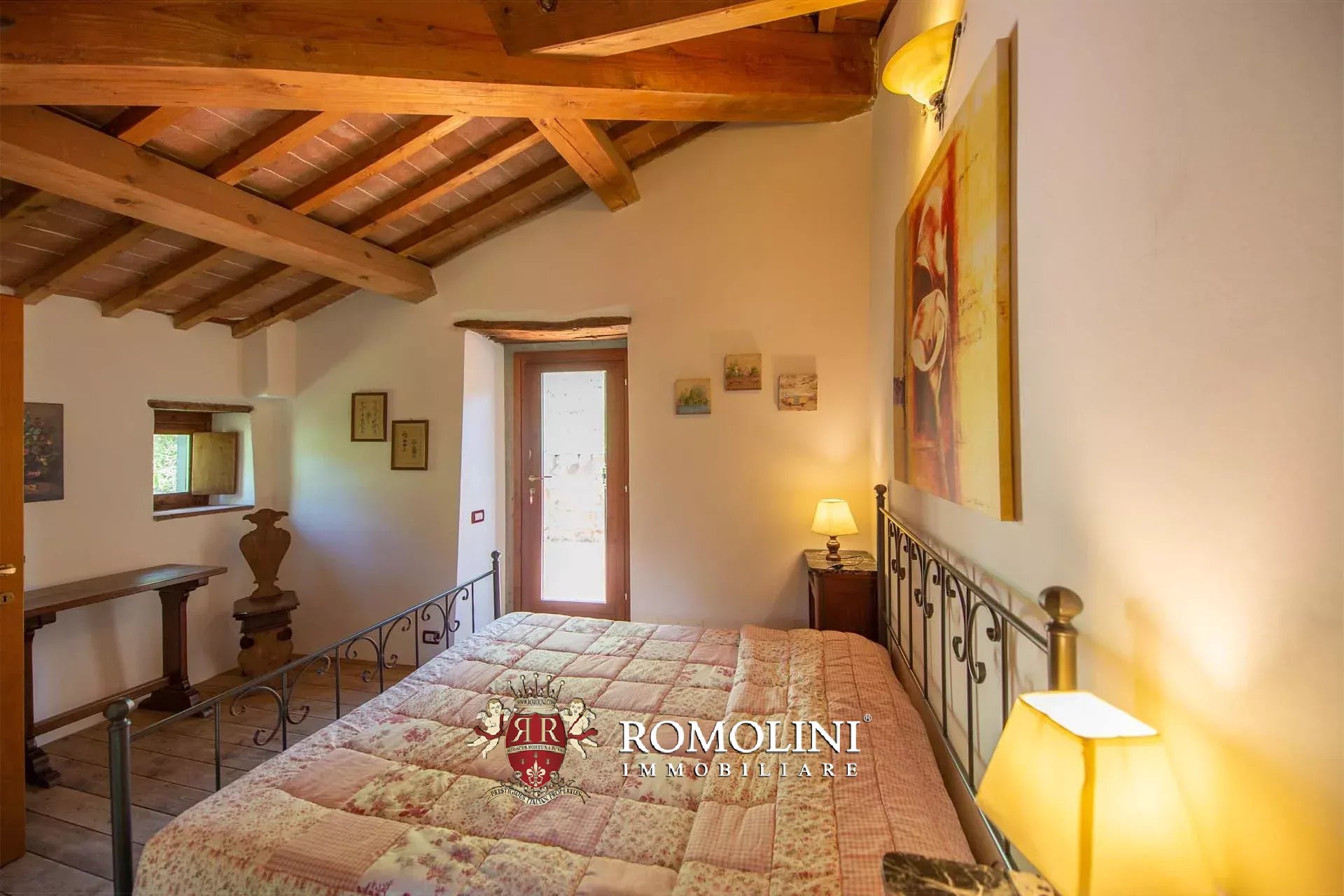
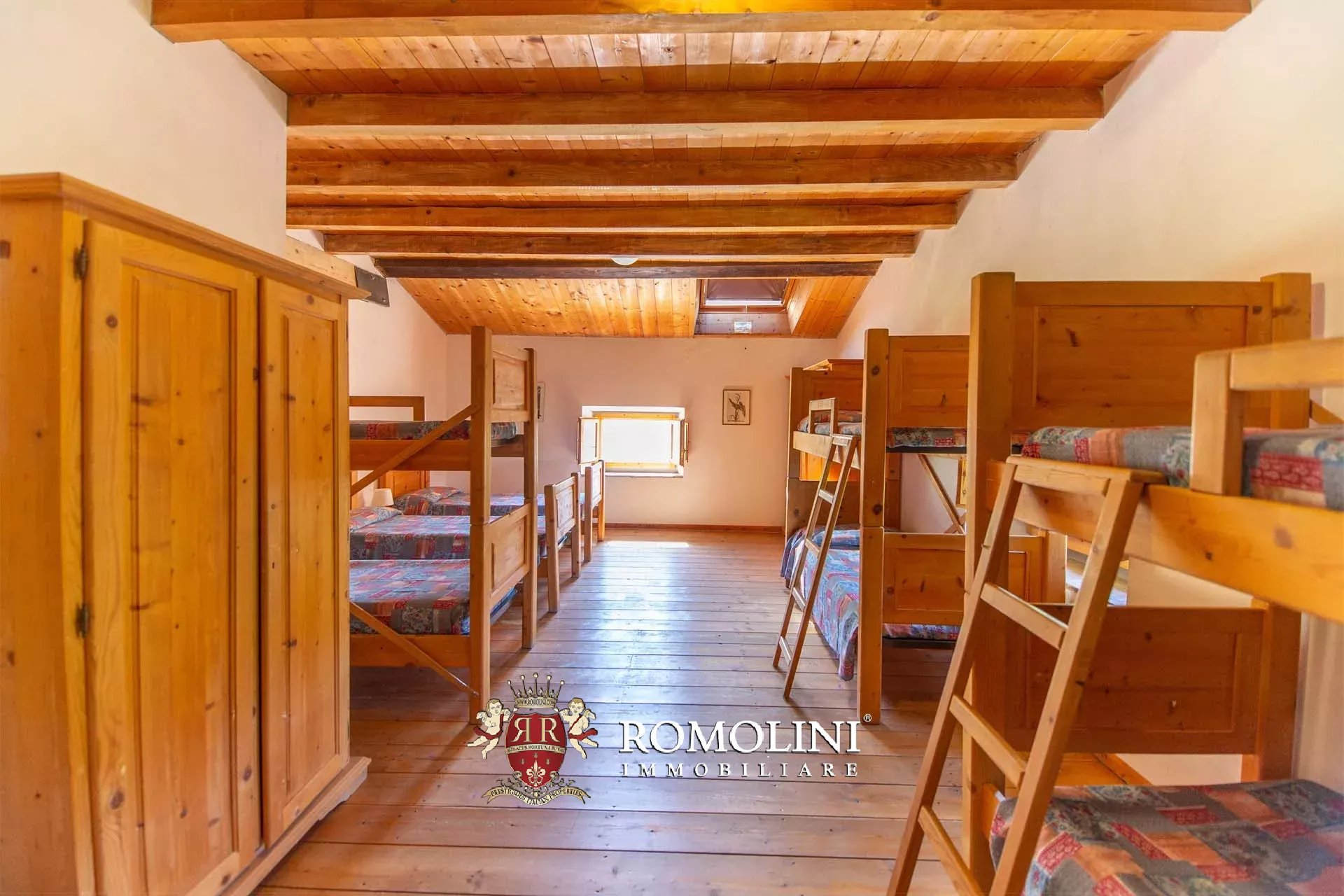
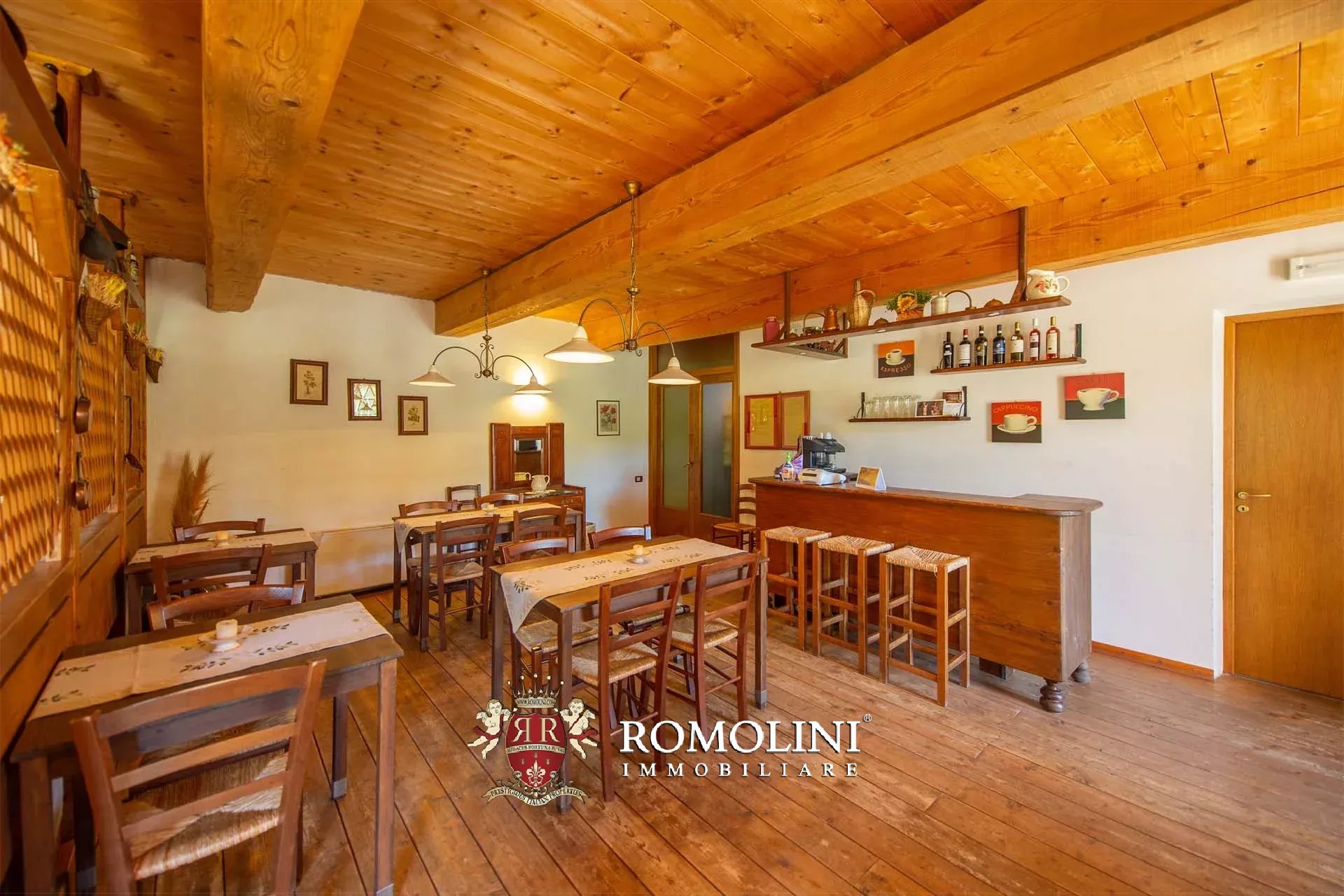
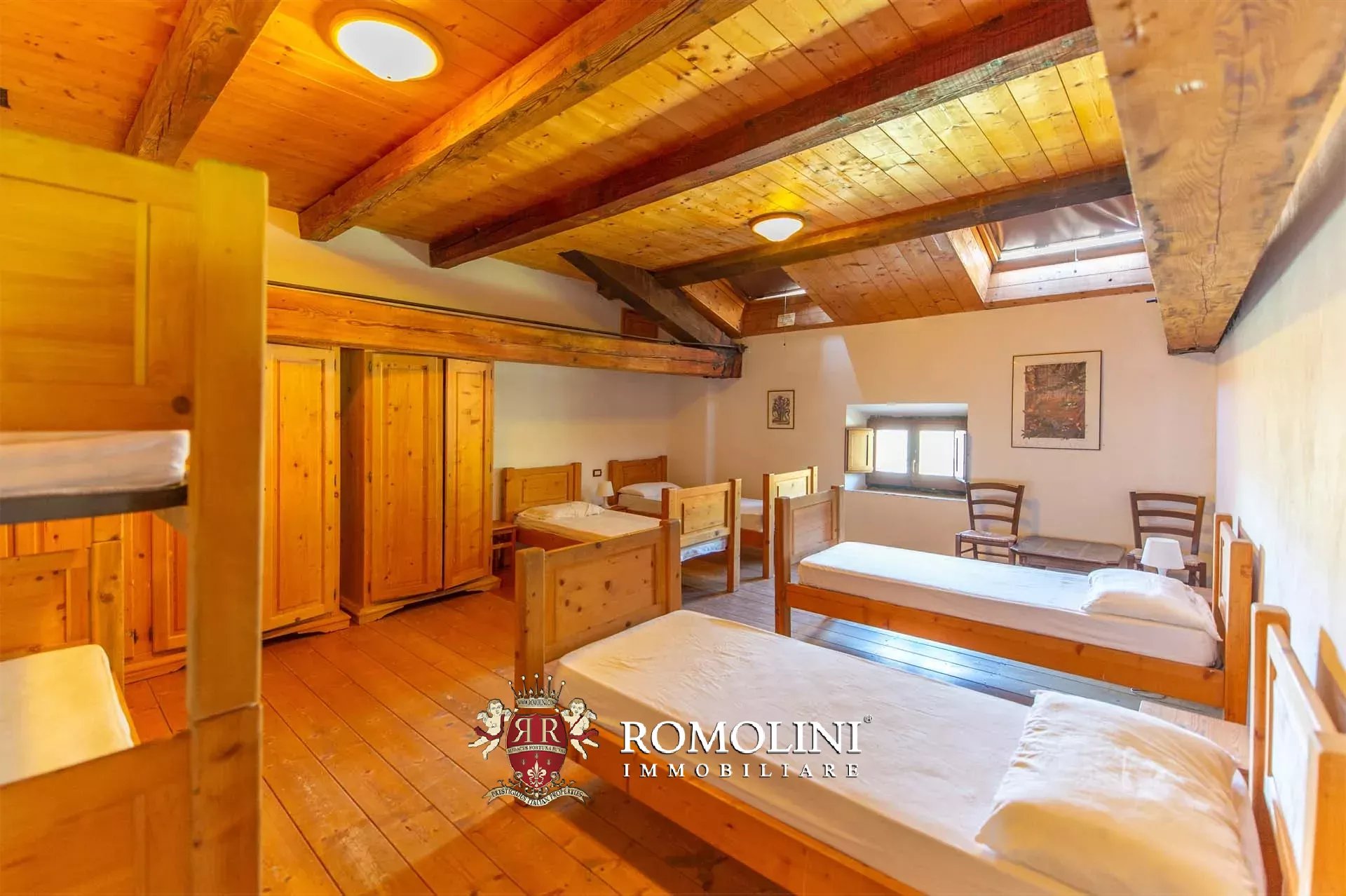
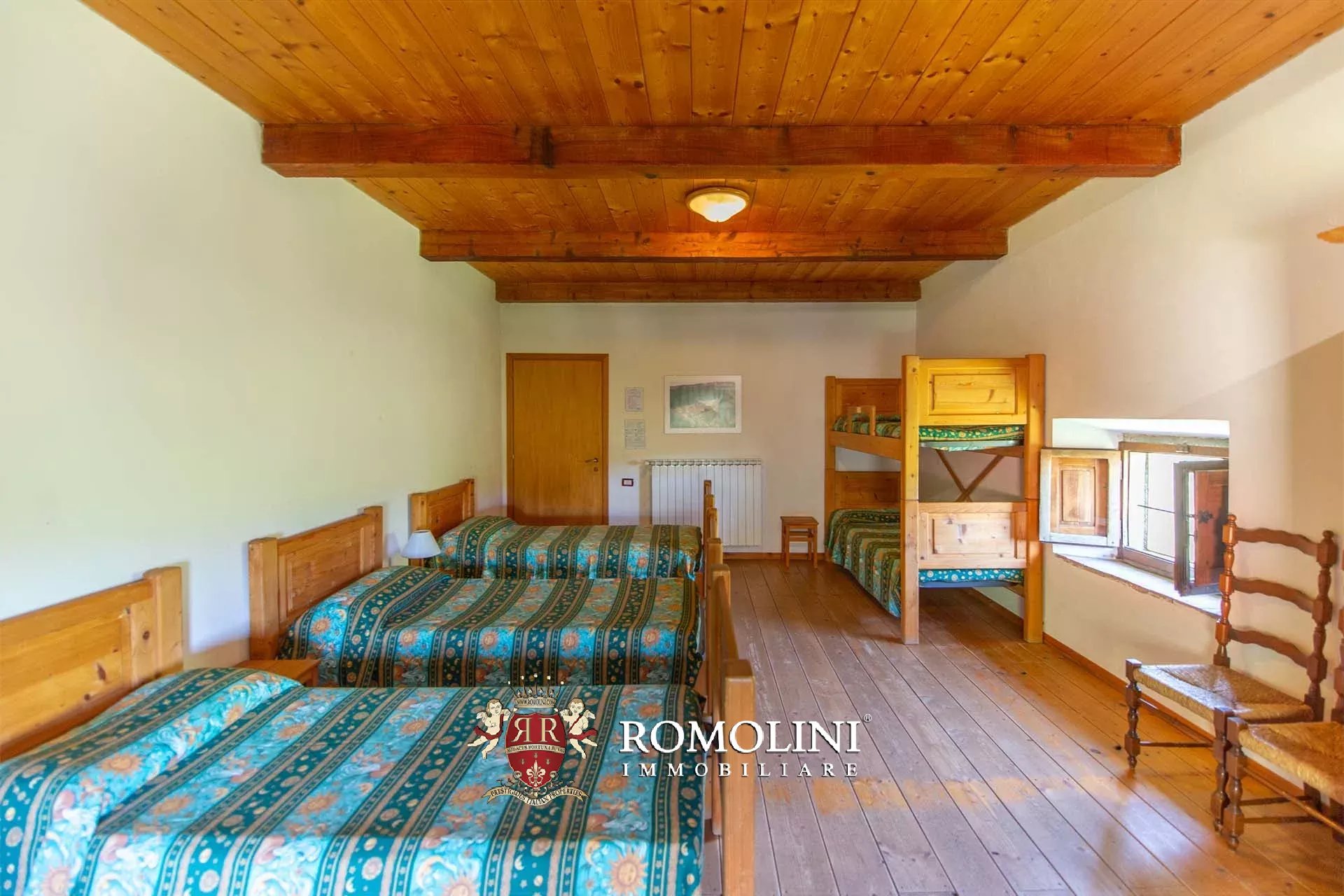
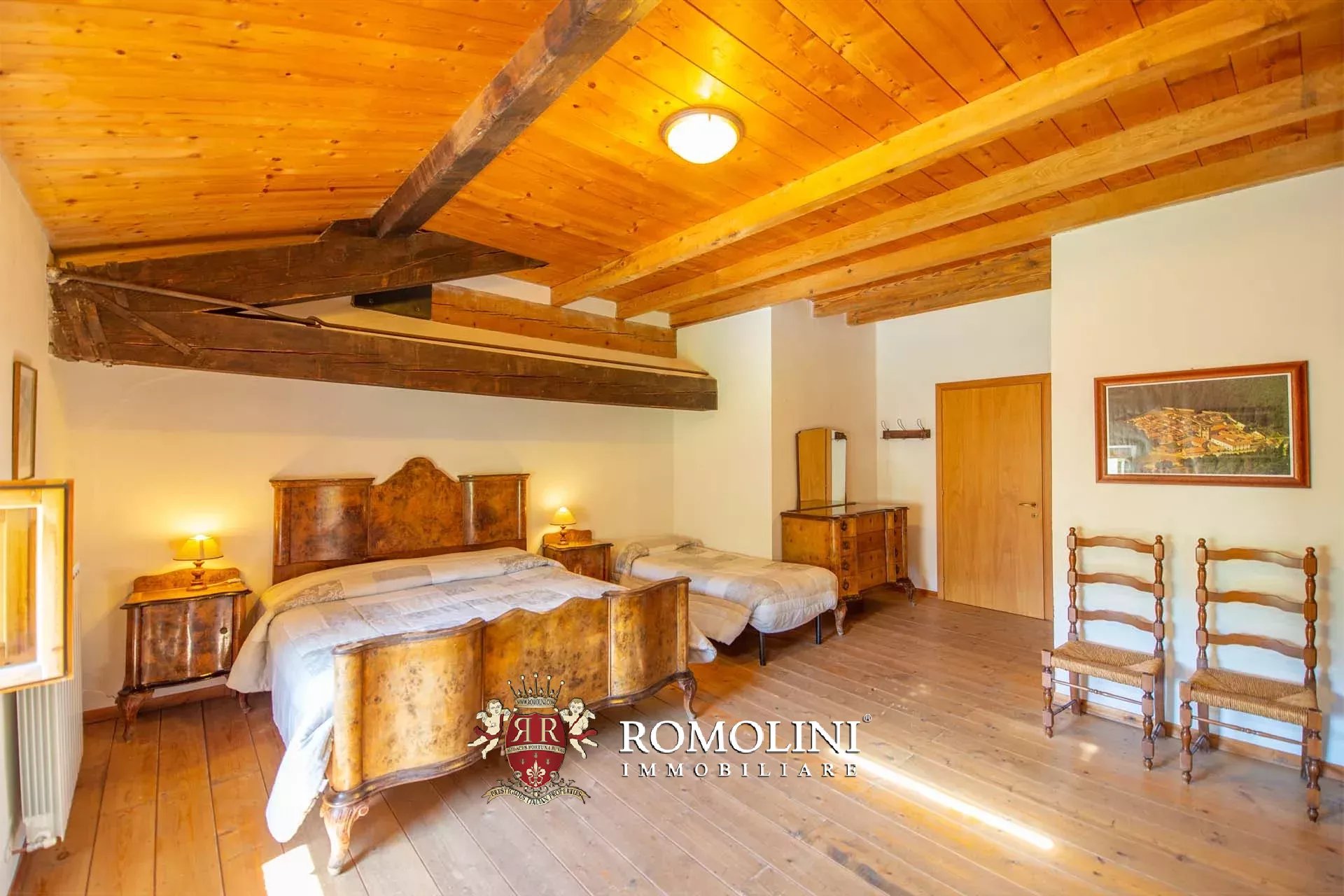
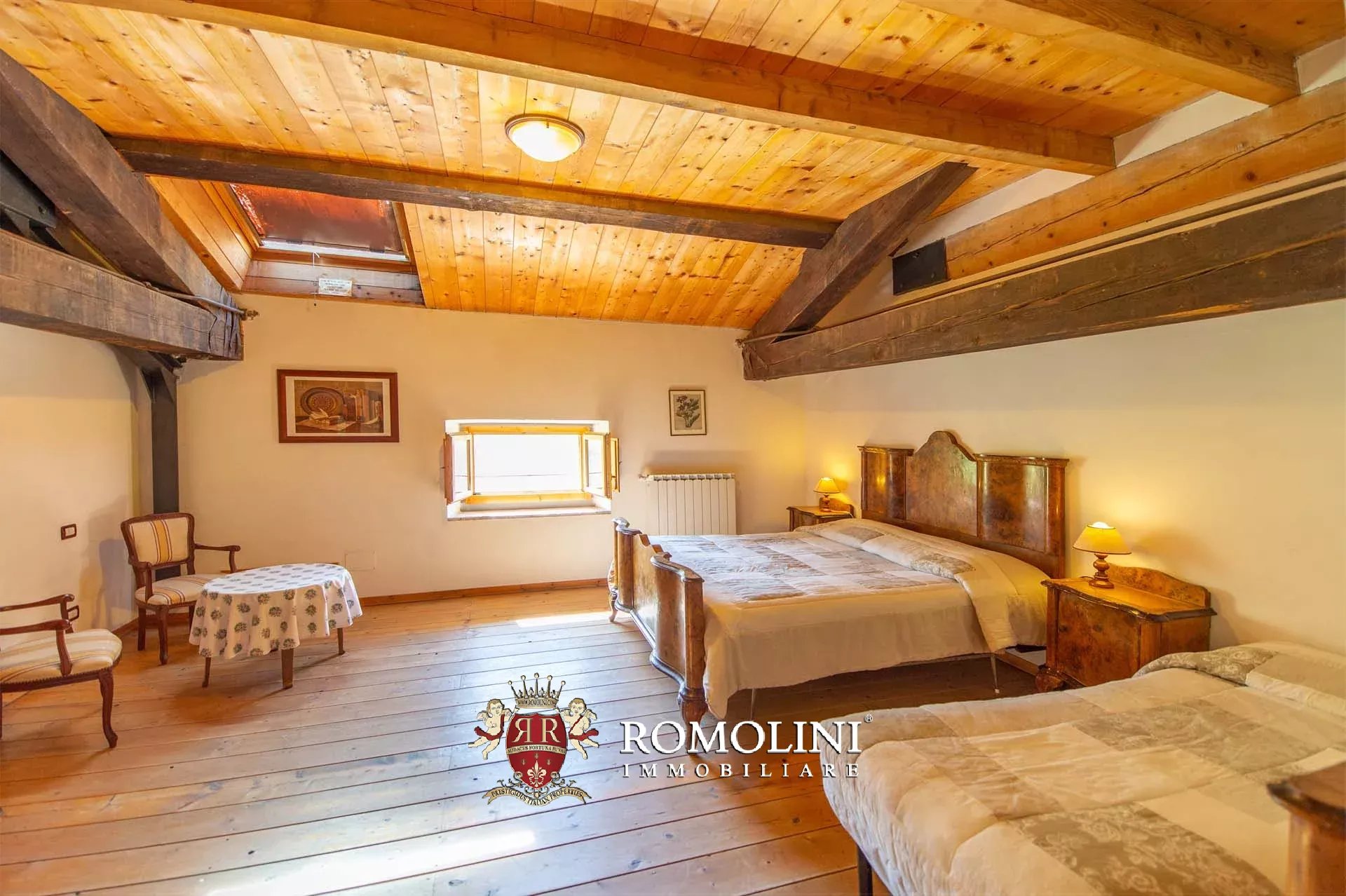
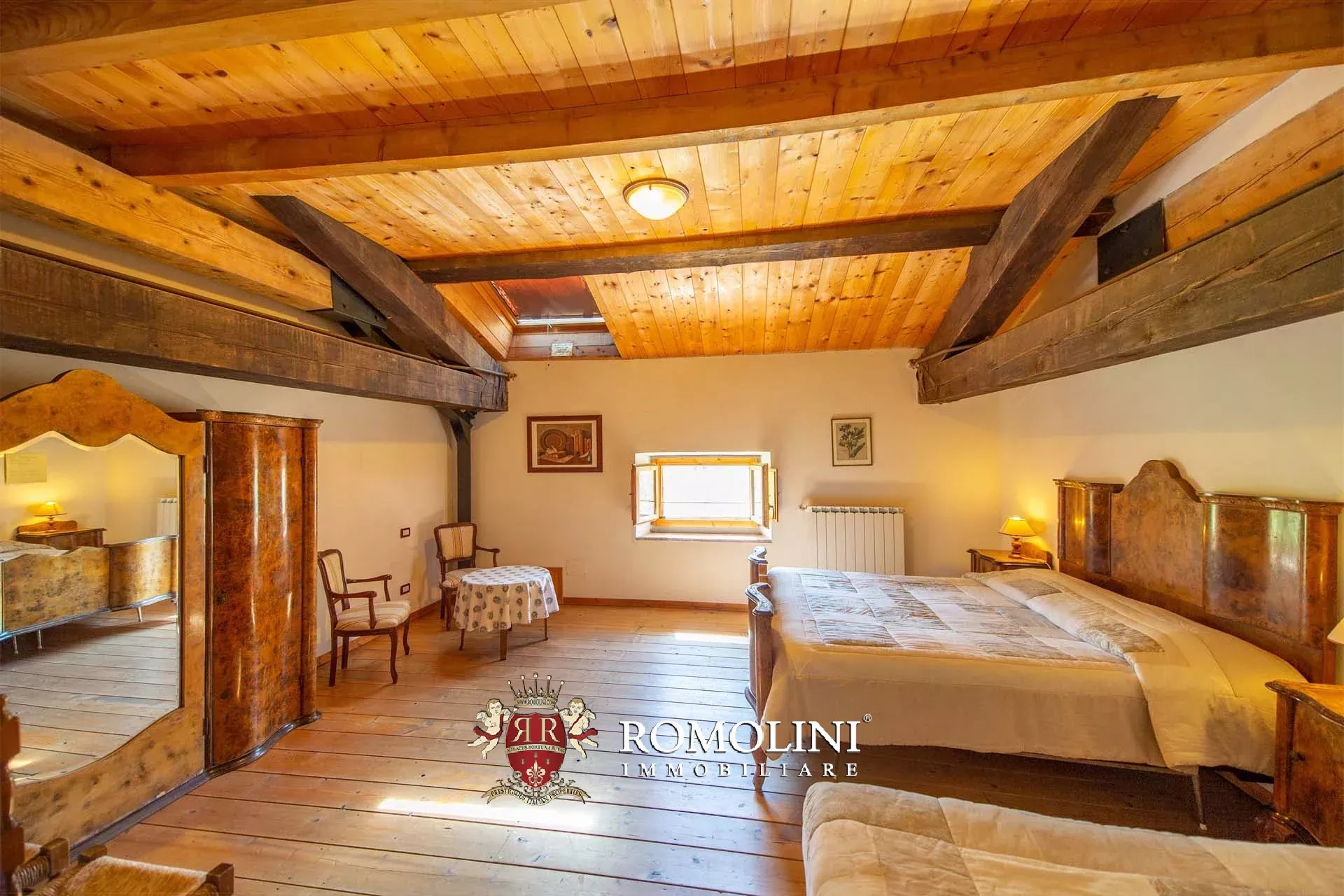
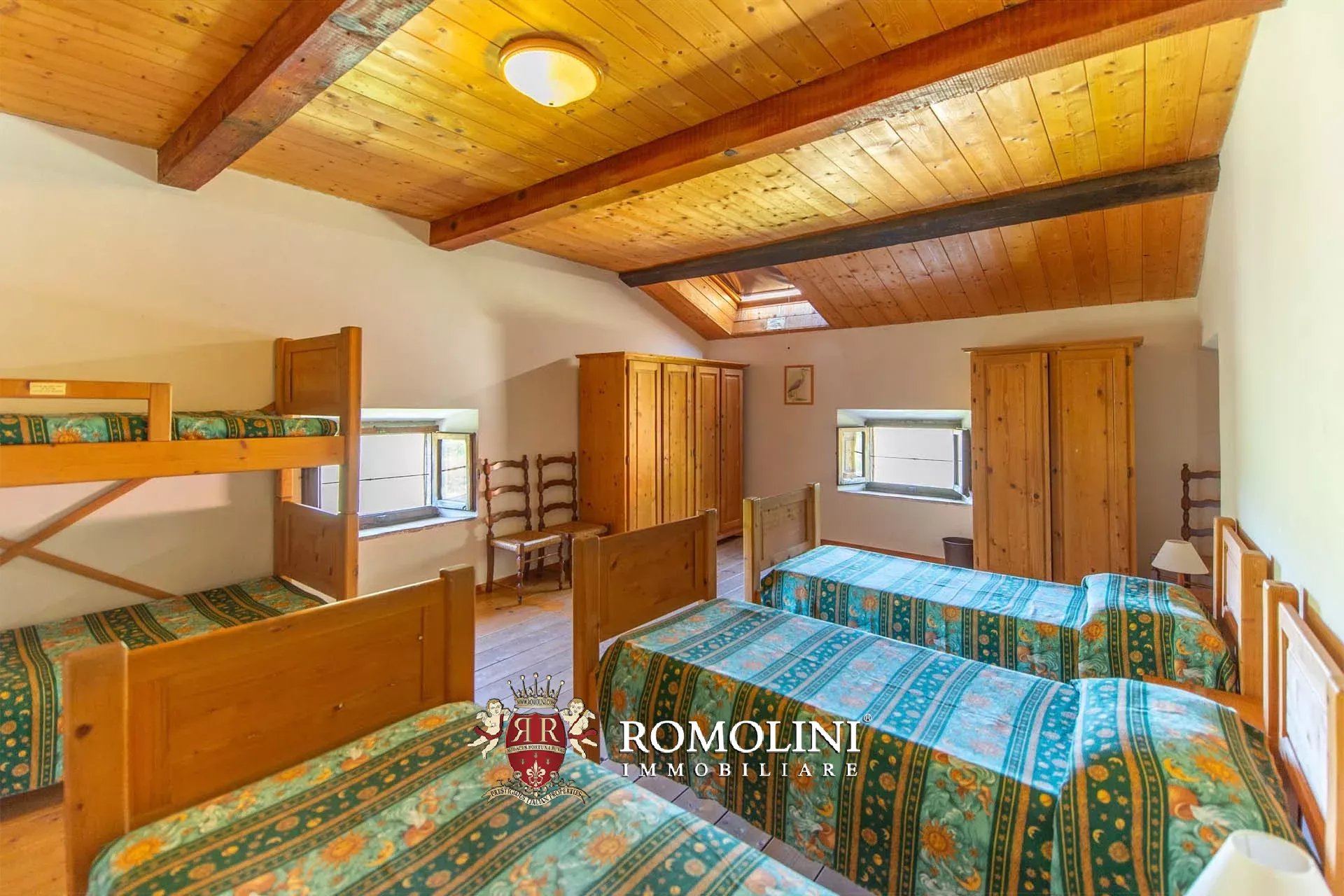
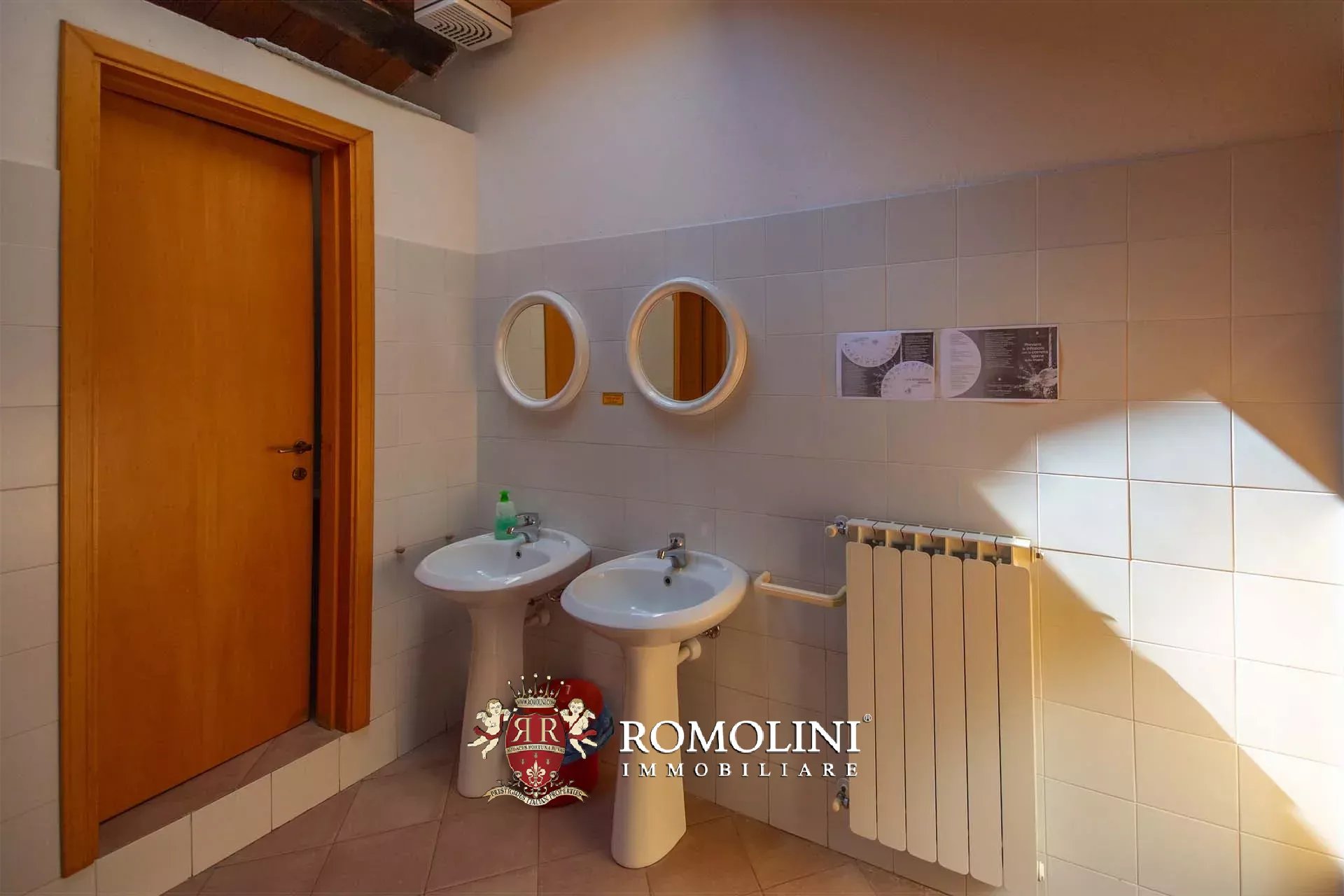
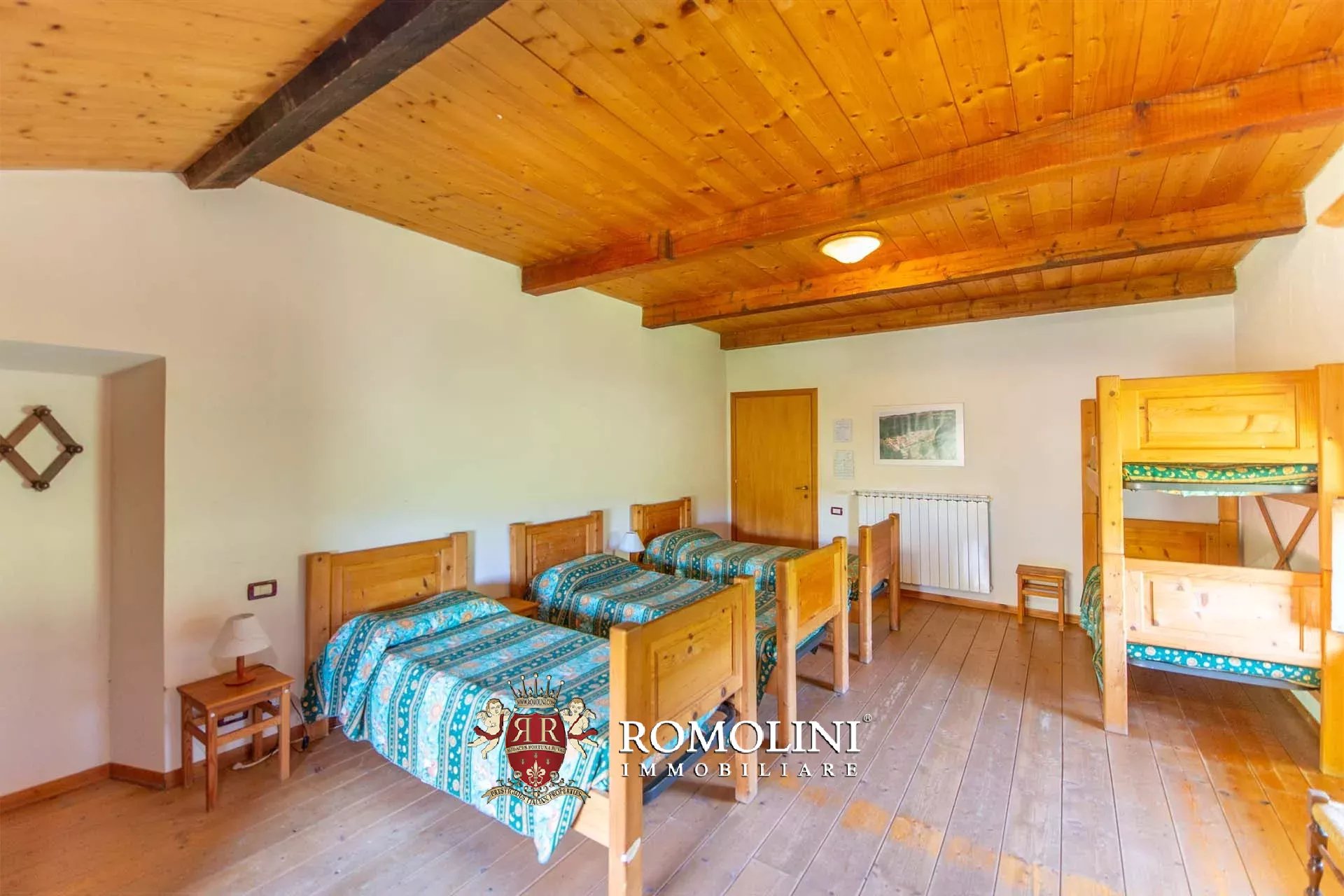
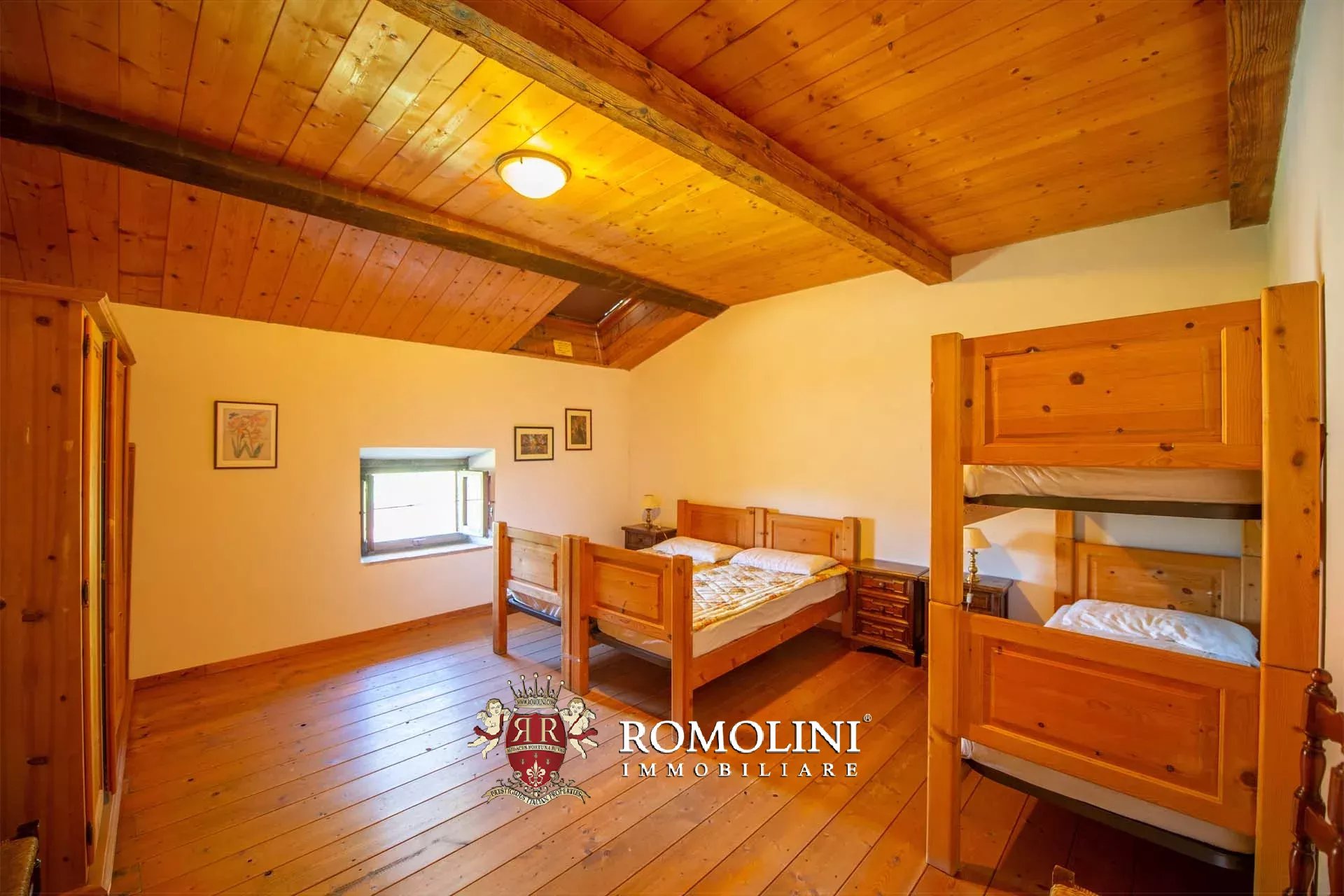
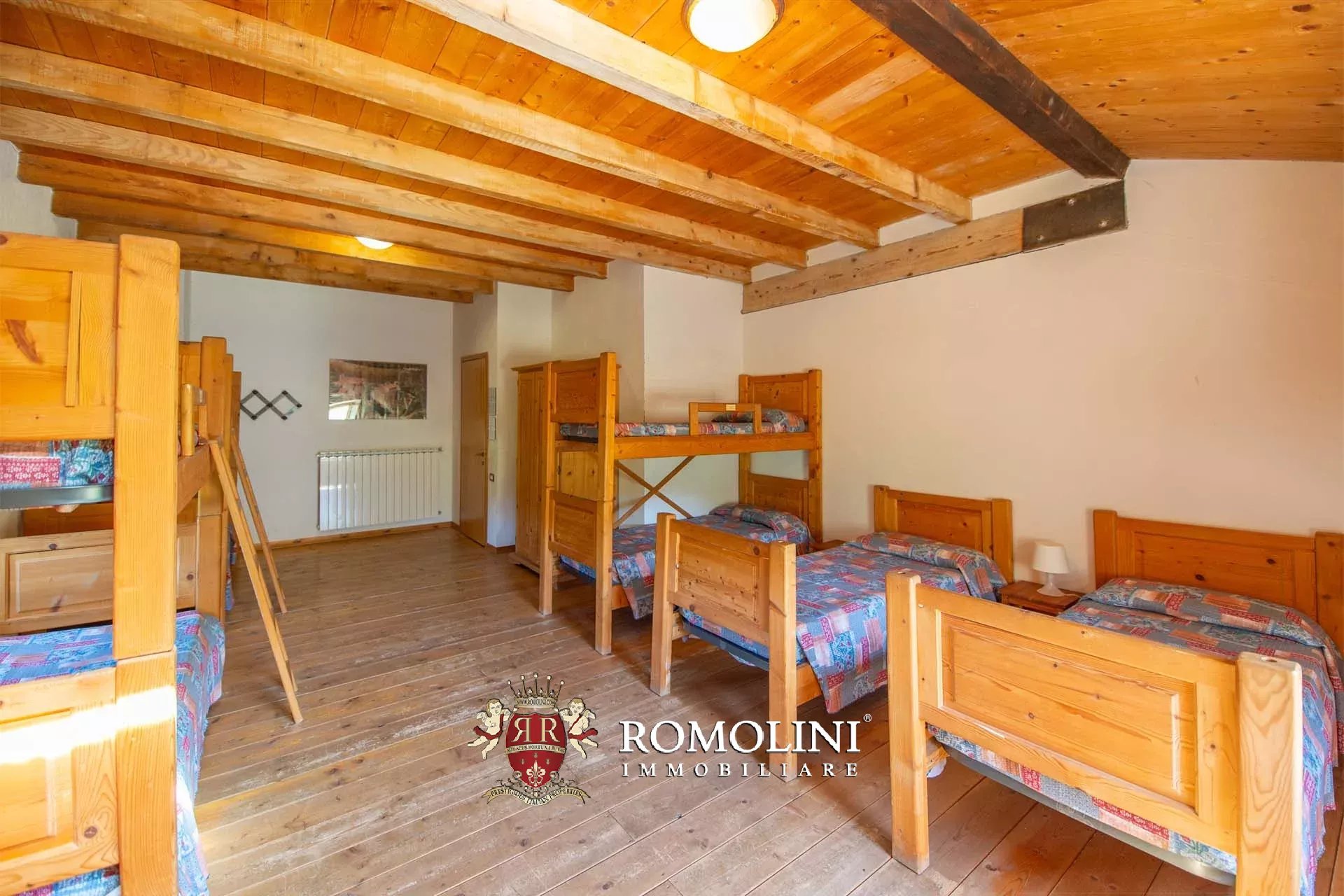
The agritourism is licensed for thirty-five beds and can serve meals and drinks. There are nine bedrooms, four with en-suite bathroom and five with an external bathroom. Of the four with en-suite bathroom, three are located in the restored outbuilding, which can also be used as an independent house, and one in the main building. Of the five bedrooms with an external bathroom, four are on the second floor of the main house, each with its own external bathroom, and one on the ground floor. This type of bedroom layout allows for a variety of users, from the traditional couple in a double bedroom with bathroom, to groups of both families and individuals. For groups, the large rooms on the first floor of the main building are particularly suitable. They have between four and eight beds each, making it possible to reserve a part of the farmhouse for group hospitality without disturbing the other guests. This characteristic has allowed the property to work with organized groups of hikers, school groups, summer camps for children, etc., as well as normal couple and family tourism.
The guests who come to the Agriturismo are particularly sensitive to the environmental and naturalistic aspects of the National Park. This type of guest is respectful of the facility and its operators and appreciates both the familiar and informal management and the genuine and traditional local cuisine. This type of tourism is attracted by the slant given to the promotional communication, which is sober and emphasizes above all the environmental value of the place. In fact, the farmhouse is located in a strategic area with respect to the marked trails of the National Park, some of which pass right by the farmhouse and allow for excursions of just a few hours, leading to the discovery of historical and environmental features of the agricultural landscape of the Tuscan Apennines, or full-day excursions that reach the vast panoramas of Romagna and Tuscany from the ridges and the highest peak in the Park, Mount Falterona at 1,654 metres.
Town with services (4km; 5’), Poppi (17km; 20’), Bibbiena (22km; 25’), Chiusi della Verna (40km; 50’), Rignano sull’Arno (44km; 1h), Arezzo (51km; 55’), Florence (61km; 1h 30’), Anghiari (64km; 1h 10’), Montevarchi (67km; 1h 20’), Cortona (83km; 1h 40’), San Gimignano (107km; 2h 10’), Pienza (110km; 1h 50’), Siena (121km; 2h)
Firenze Vespucci (79km; 1h 30’), Bologna Marconi (137km; 2h 10’), Pisa Galilei (140km; 2h 10’), Roma Ciampino (280km; 3h 10’), Roma Fiumicino (298km; 3h 15’)








Contact us to receive more information and/or schedule a visit
Ref. 2111 Casale Foreste Casentinesi
€ 1,100,000

Gionatan Guidi
Licensed Real Estate Agent
20 years with Romolini
Leave us your request and you will be contacted within the next 24 hours.


Copyright © Romolini

 Brochure pdf
 Contact us
 Contact


